Kansas Organizing your Personal Assets Package
Understanding this form package
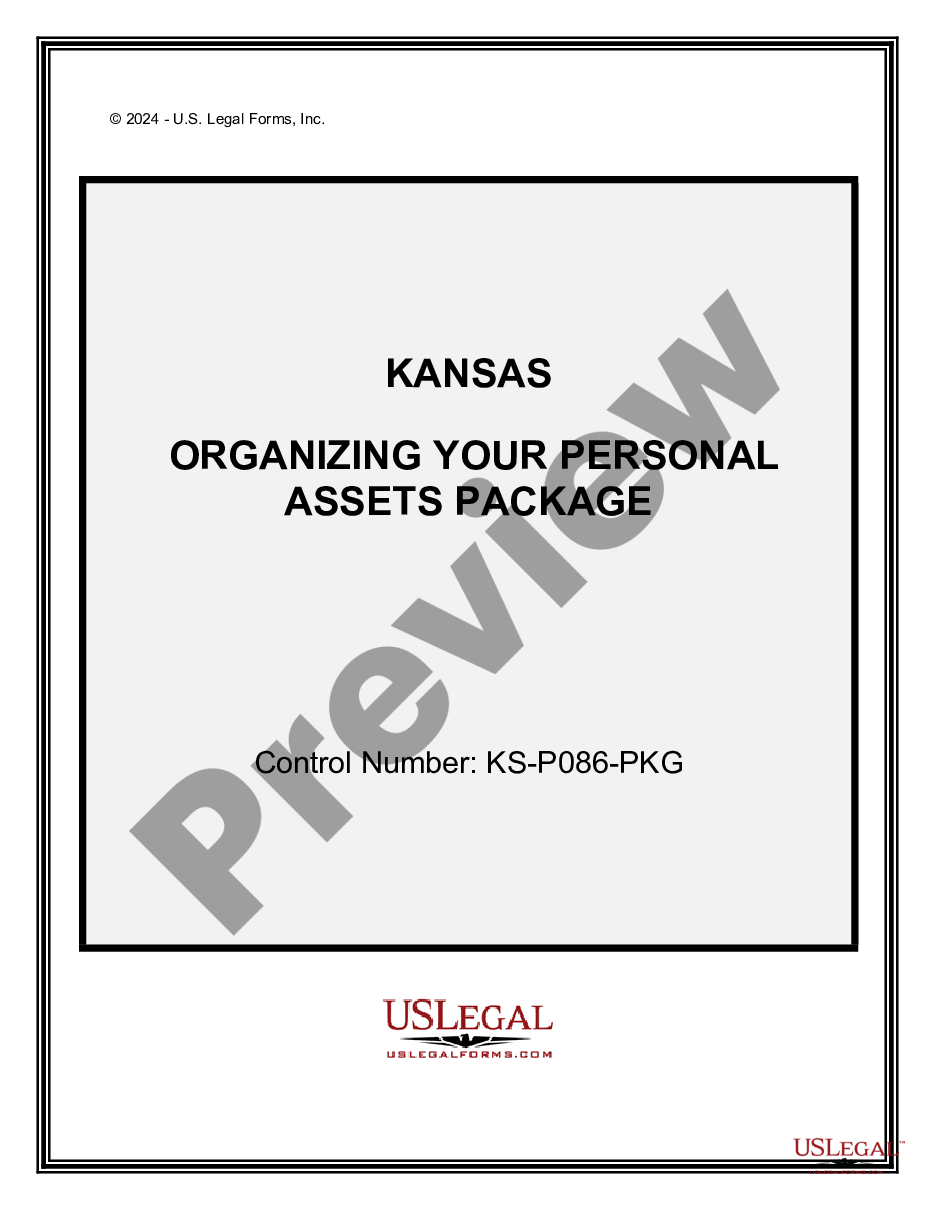
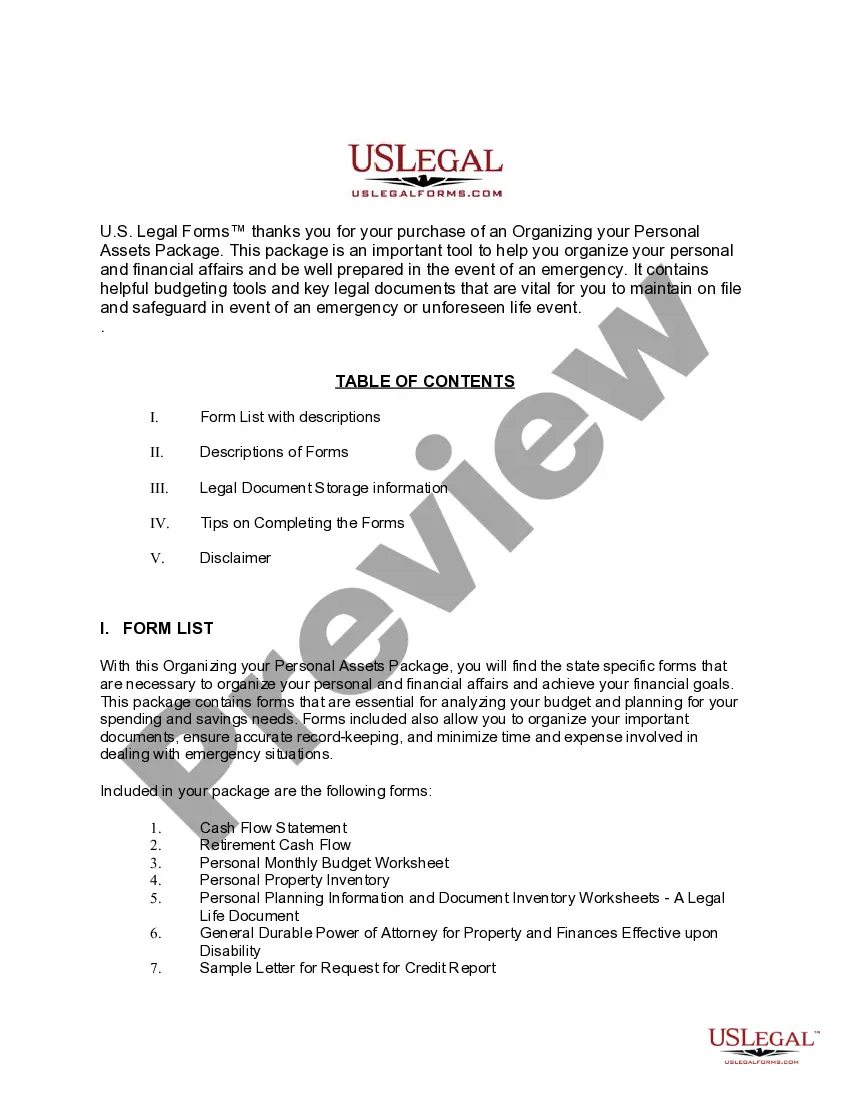
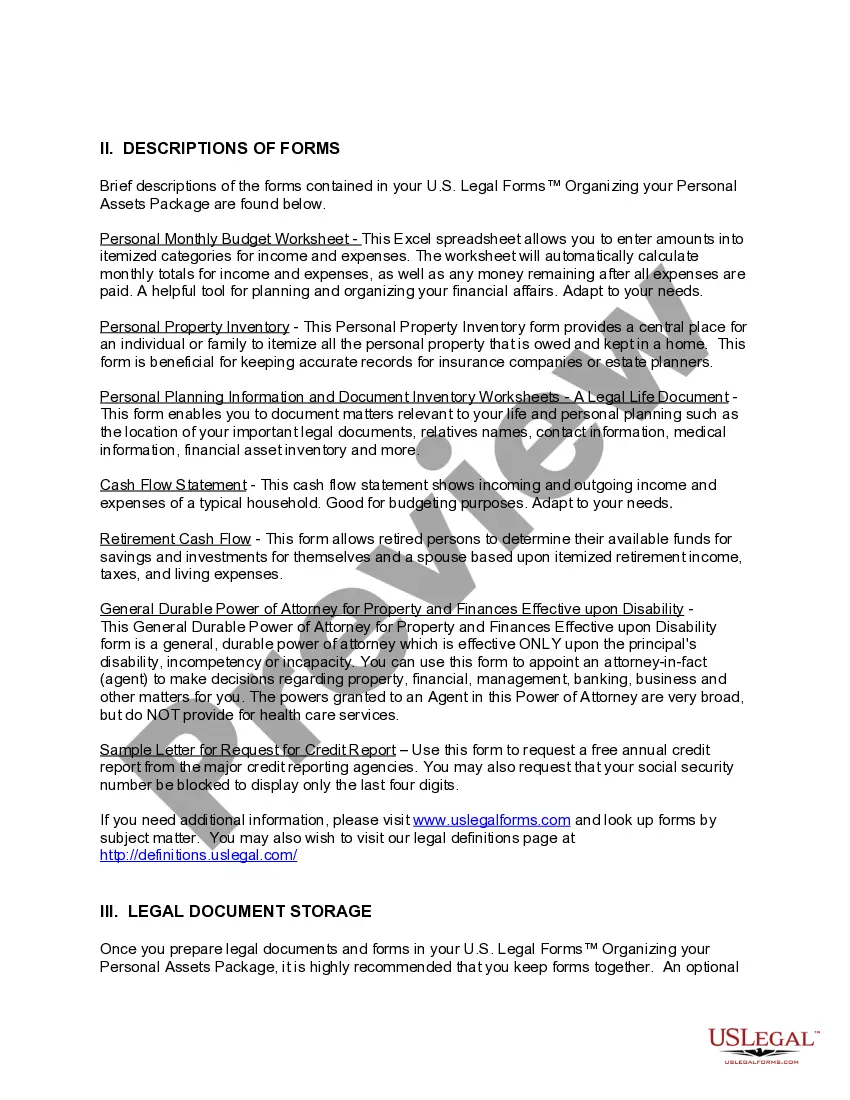
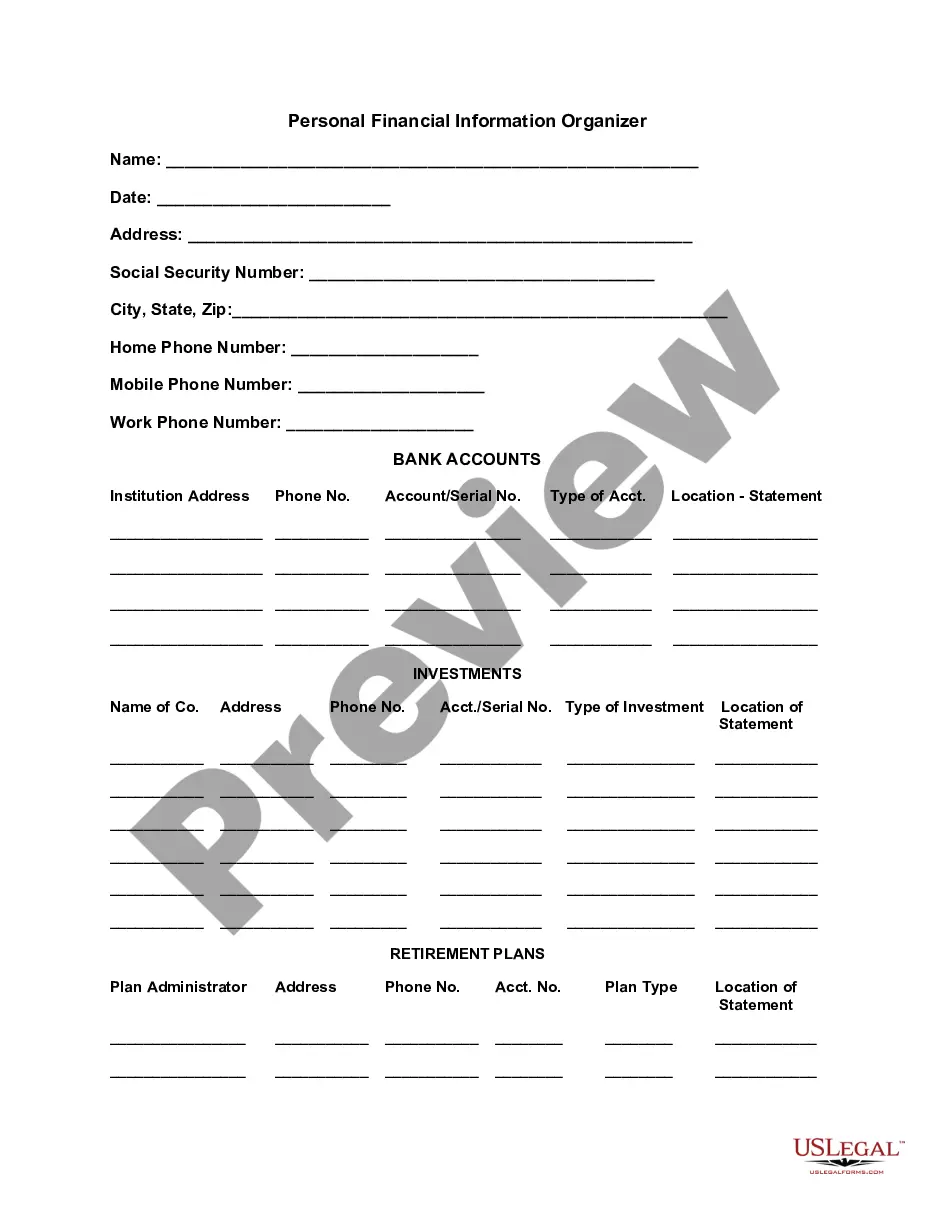
The Kansas Organizing Your Personal Assets Package is a collection of essential legal forms designed to help individuals systematically organize their personal and financial affairs. Unlike other legal form packages, this specific package focuses on personal asset organization to facilitate budgeting, spending analysis, and important document management.
Documents contained in this package
- General Durable Power of Attorney for Property and Finances or Financial Effective upon Disability
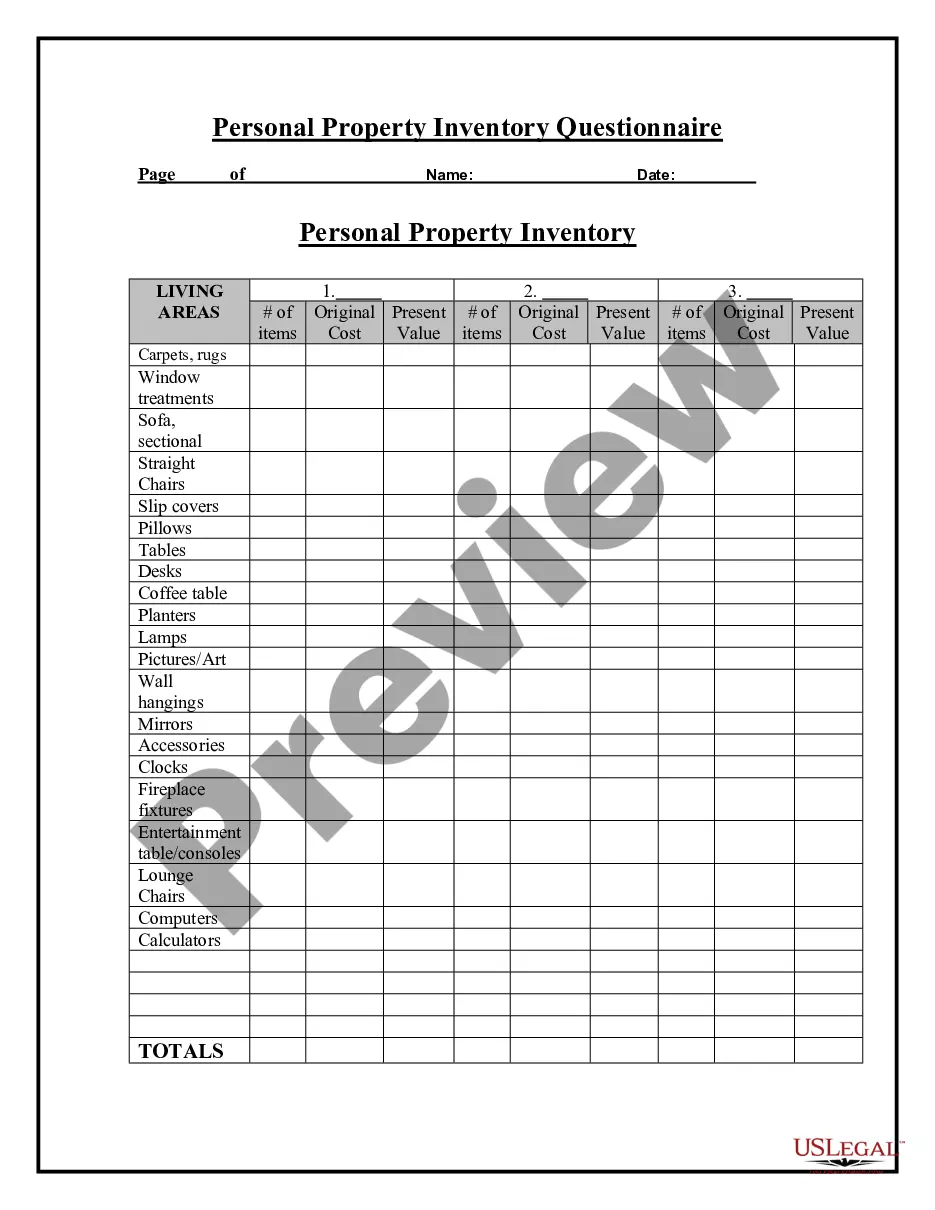
- Personal Property Inventory
- Sample Letter for Request for Free Credit Report Allowed by Federal Law
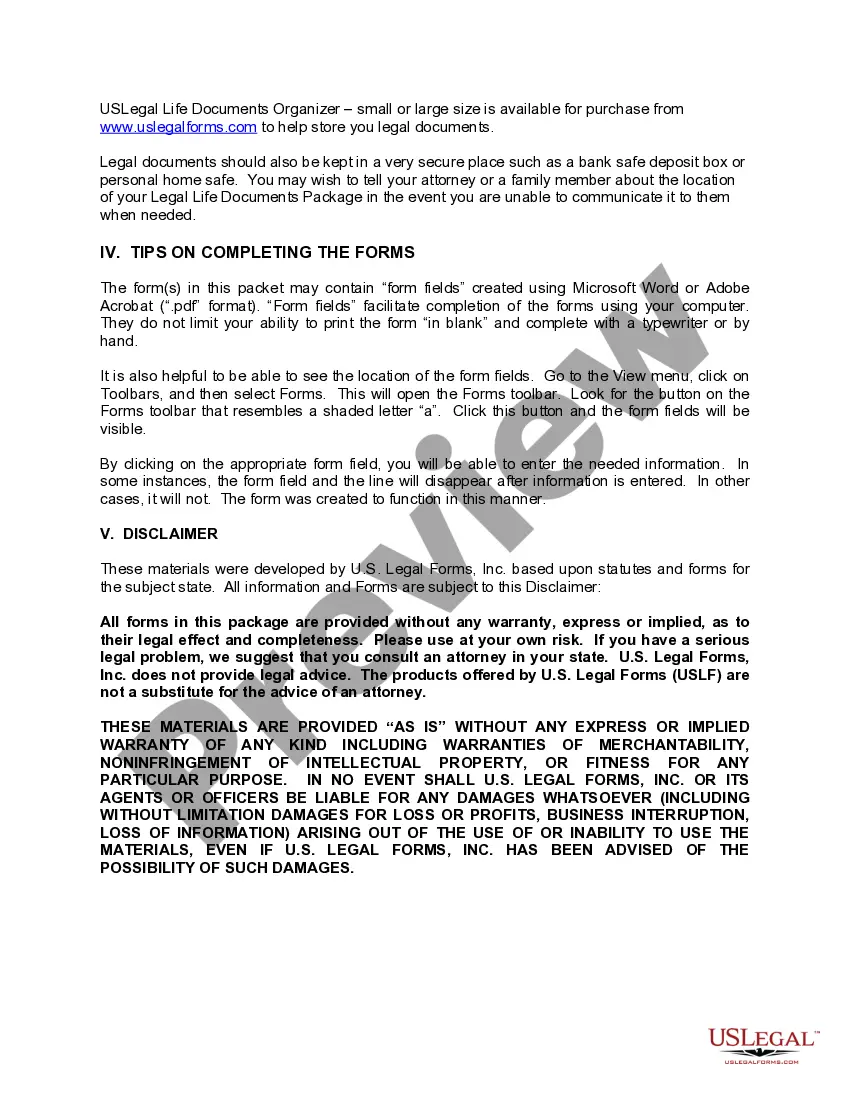
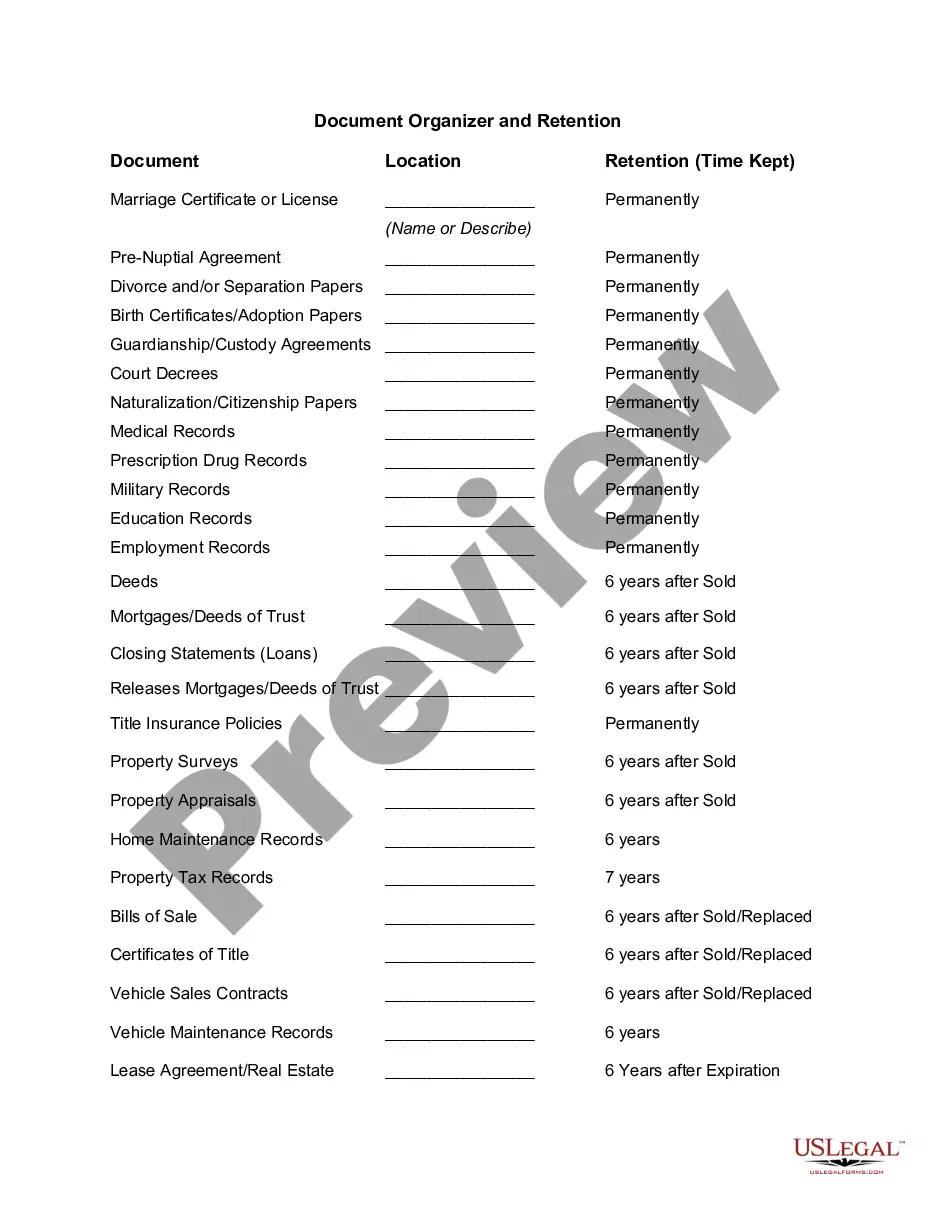
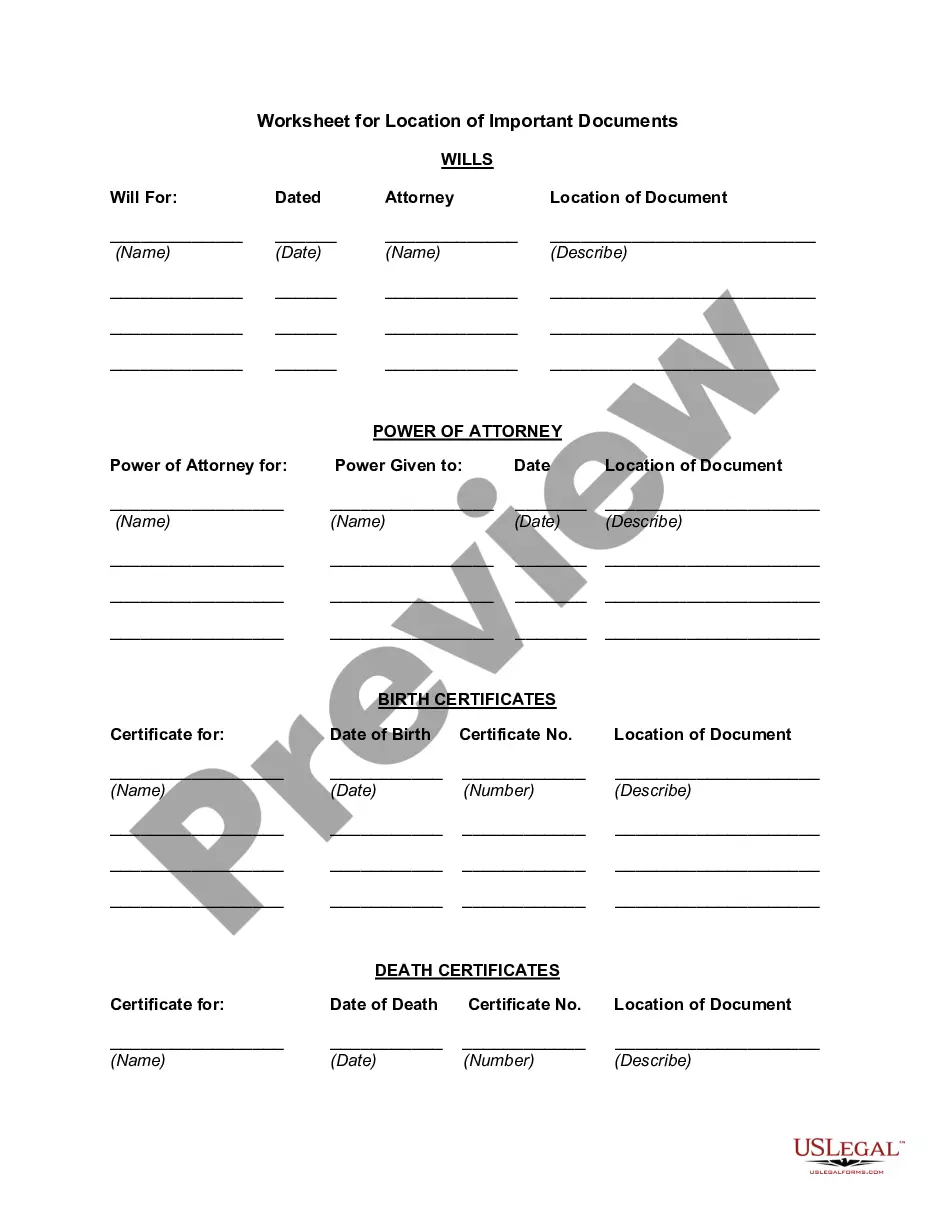
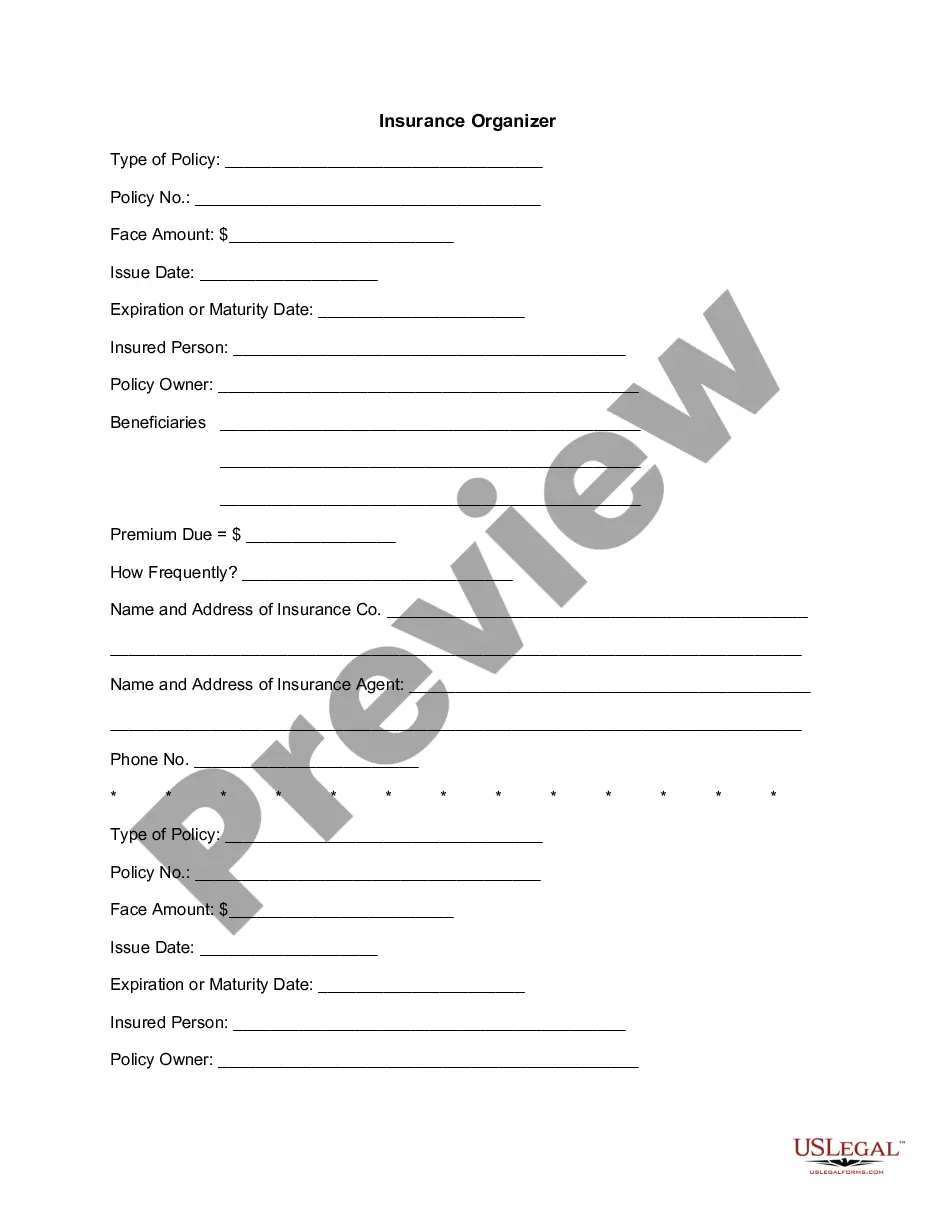
- Personal Planning Information and Document Inventory Worksheets - A Legal Life Document
- Cash Flow Statement
- Retirement Cash Flow
- Personal Monthly Budget Worksheet
When this form package is needed
This package is ideal for individuals seeking to:
- Establish a clear budget and track monthly expenses.
- Plan for retirement and manage retirement funds effectively.
- Create inventories of personal property for insurance or estate planning.
- Organize vital documents for easy access in case of emergencies.
Who this form package is for
- Individuals looking to take control of their financial and personal affairs.
- Families wanting to maintain accurate records of personal property.
- Anyone preparing for retirement and needing a streamlined cash flow analysis.
- Individuals seeking to document important legal and health information for emergencies.
Steps to complete these forms
- Review the included forms to understand their purpose and how they relate to your assets.
- Gather necessary financial documents and records to accurately fill out forms.
- Enter information such as income details and estimated expenses in the Cash Flow and Budget worksheets.
- Complete the Personal Property Inventory to keep an organized list of your assets.
- Store your completed documents securely, and inform a trusted person of their location.
Do documents in this package require notarization?
Certain documents in this package must be notarized for legal effectiveness. Our online notarization service, powered by Notarize, lets you verify and sign documents remotely through an encrypted video session, available anytime.
Get your form ready online
Our built-in tools help you complete, sign, share, and store your documents in one place.
Make edits, fill in missing information, and update formatting in US Legal Forms—just like you would in MS Word.
Download a copy, print it, send it by email, or mail it via USPS—whatever works best for your next step.
Sign and collect signatures with our SignNow integration. Send to multiple recipients, set reminders, and more. Go Premium to unlock E-Sign.
If this form requires notarization, complete it online through a secure video call—no need to meet a notary in person or wait for an appointment.
We protect your documents and personal data by following strict security and privacy standards.

Make edits, fill in missing information, and update formatting in US Legal Forms—just like you would in MS Word.

Download a copy, print it, send it by email, or mail it via USPS—whatever works best for your next step.

Sign and collect signatures with our SignNow integration. Send to multiple recipients, set reminders, and more. Go Premium to unlock E-Sign.

If this form requires notarization, complete it online through a secure video call—no need to meet a notary in person or wait for an appointment.

We protect your documents and personal data by following strict security and privacy standards.
Avoid these common issues
- Not filling out forms completely or accurately.
- Failing to keep the record-keeping sections updated.
- Not securing important documents in a safe and accessible location.
- Overlooking to include all sources of income in the Cash Flow Statement.
Benefits of completing this package online
- Convenient access to all forms in one package, allowing for easy organization.
- Forms can be edited digitally, making them customizable for individual needs.
- Reliability of professionally drafted forms created by licensed attorneys.
Looking for another form?
Form popularity
FAQ
Unclaimed funds are those assets where the rightful owner cannot be located. Typically unclaimed funds and property are handed over to the state the assets are located in, after a dormancy period has passed. When claiming unclaimed funds that have risen in value, taxes may be assessed at the time as ordinary income.
Claiming Unclaimed Property in California. In California, property is generally presumed abandoned if it has remained unclaimed by the owner for more than three years after it became payable or distributable. However, this time limit varies depending on the type of property involved.
It costs nothing to do a search and file a claim for your money. Most courthouses contain a list of unclaimed money. You can also call the Kansas Cash Connection at 1-800-432-0386 or (785) 296-4165 and ask them to check your name for you.
Kansas, like many states, has a 60-day residency requirement to file for divorce, as well as a 60-day waiting period between a divorce filing and a court hearing. Incompatibility and the failure to perform a material marital duty or obligation are the legal grounds for divorce in Kansas.
The National Association of Unclaimed Property Administrators' website www.unclaimed.org is an excellent resource. This association consists of state officials charged with the responsibility of reuniting lost owners with their unclaimed property.
Most courthouses contain a list of unclaimed money. You can also call the Kansas Cash Connection at 1-800-432-0386 or (785) 296-4165 and ask them to check your name for you.
Search For Unclaimed Money in Your State Start your search for unclaimed money with your state's unclaimed property office. Search for unclaimed money using a multi-state database. Perform your search using your name, especially if you've moved to another state. Verify how to claim your money.
Is Kansas a community property state? Kansas is NOT a community property state, which means that marital property is not automatically divided 50/50 between the spouses in a divorce case.
In California, property is generally presumed abandoned if it has remained unclaimed by the owner for more than three years after it became payable or distributable.Once abandoned property is turned over to the state by a business, an individual then generally has five years to reclaim.