Kansas Electrical Contractor Package
What this form package covers
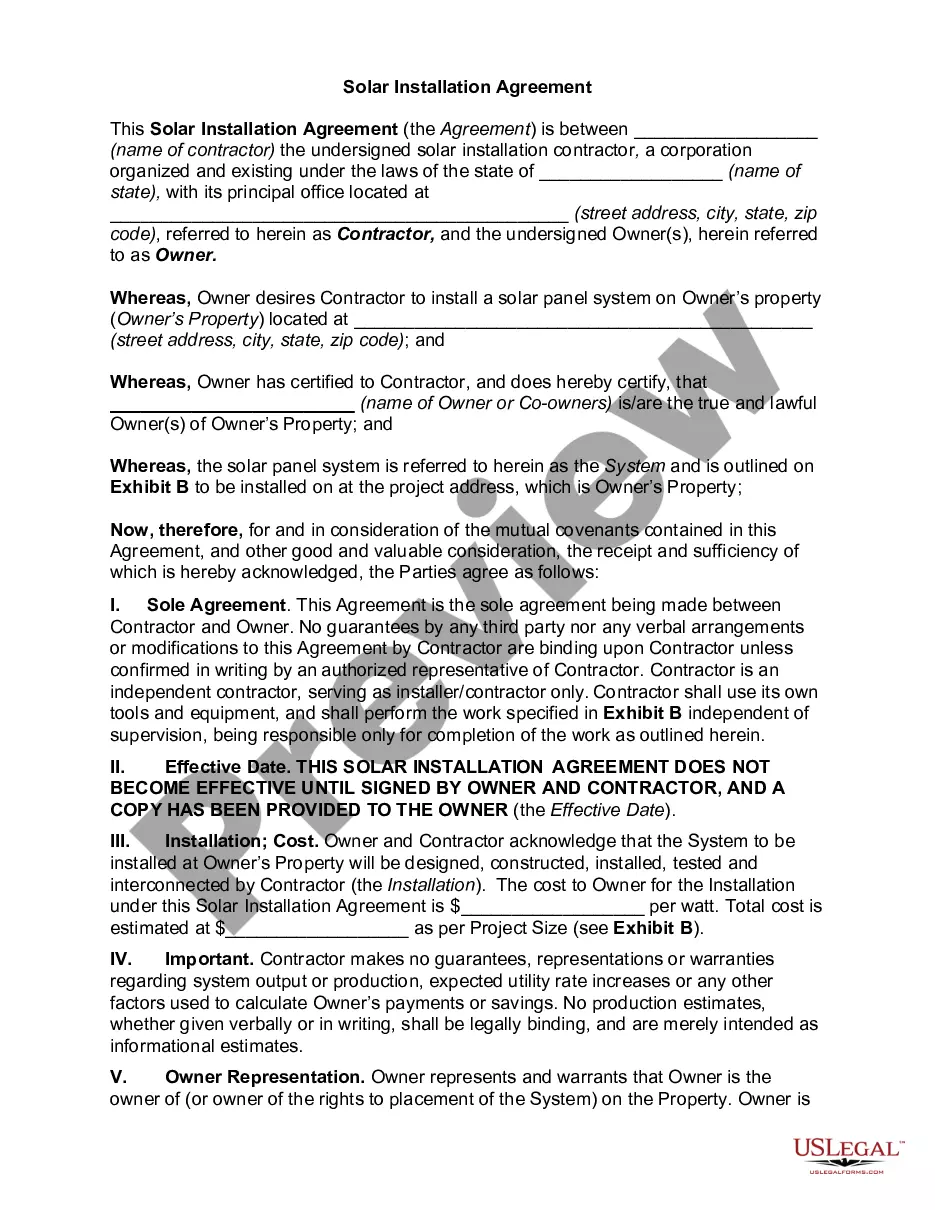
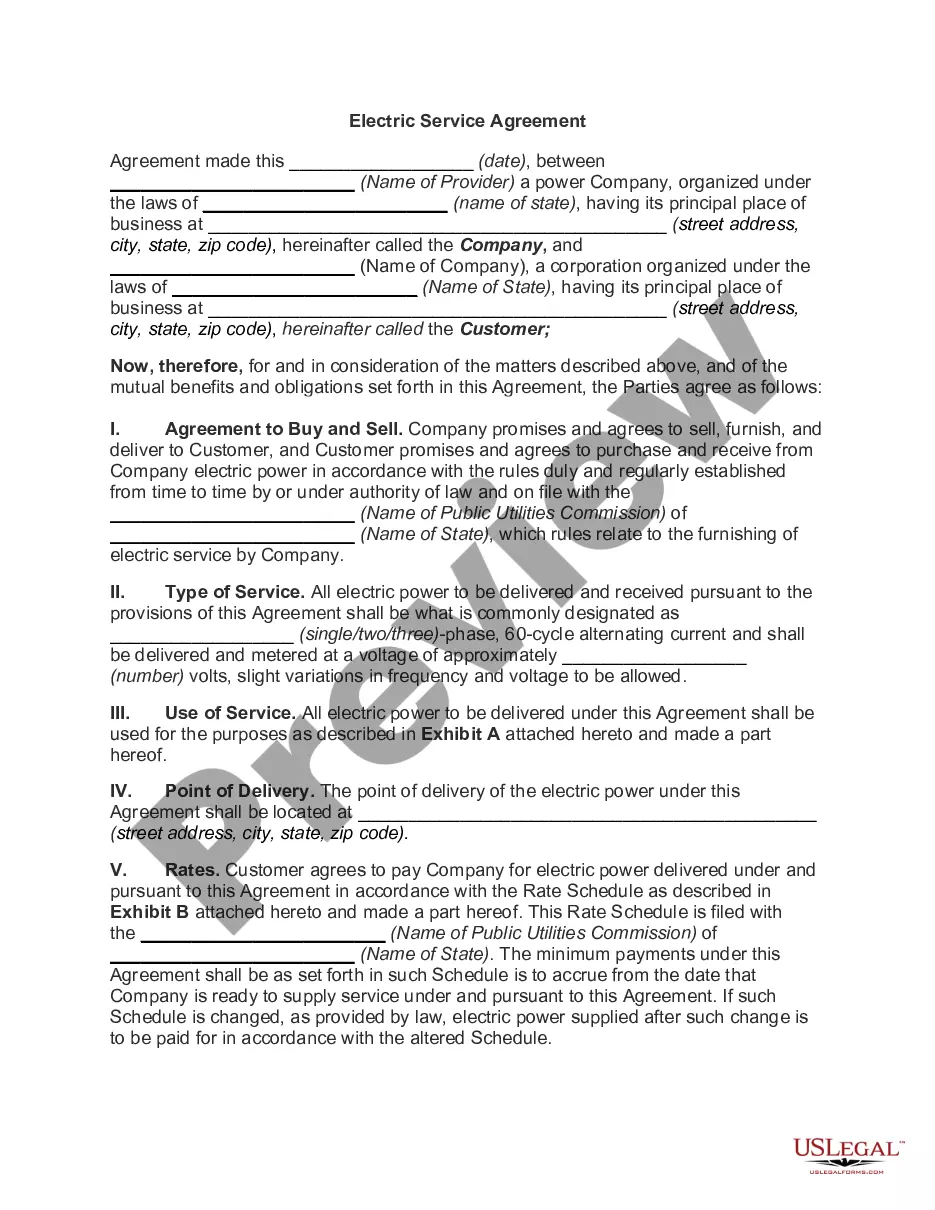
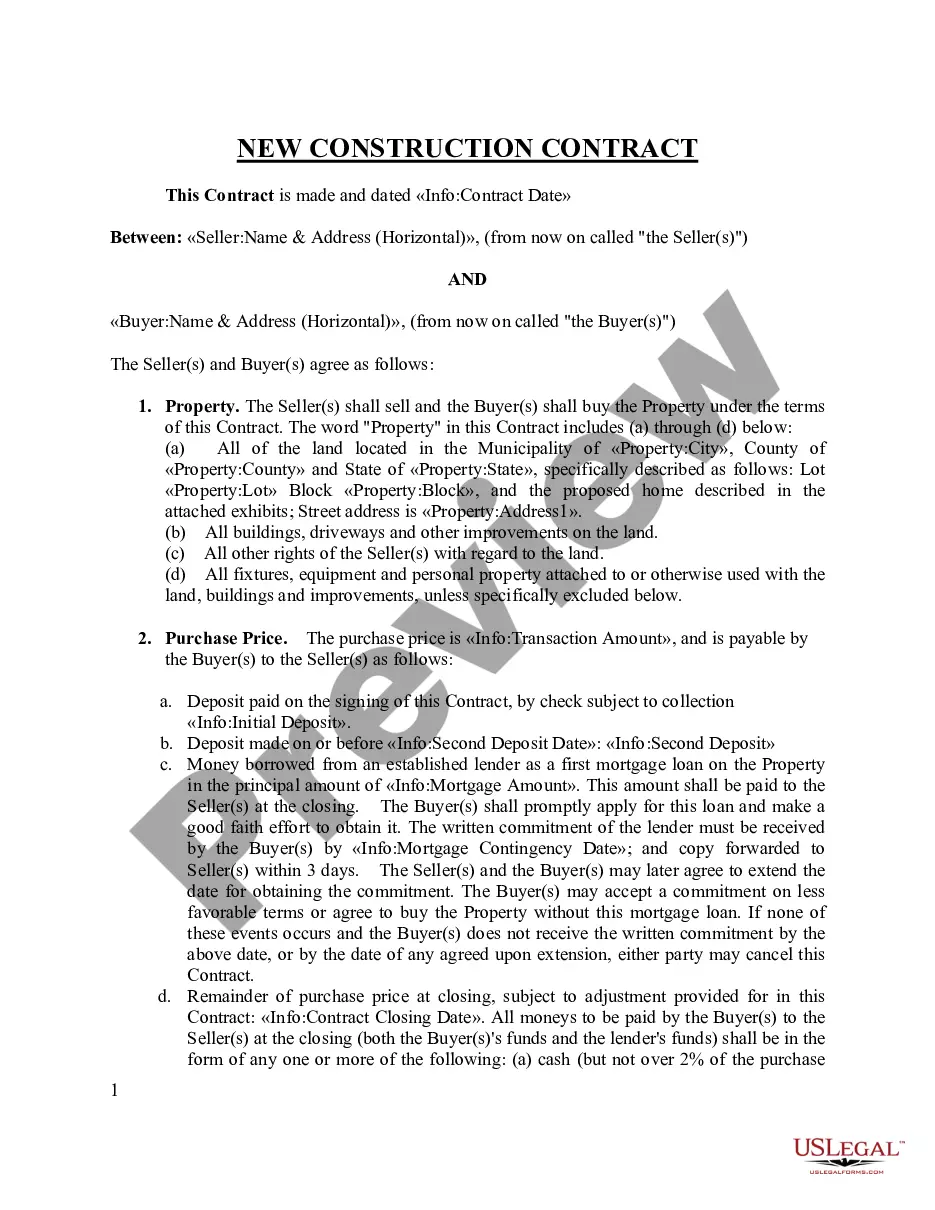
The Kansas Electrical Contractor Package is a comprehensive set of legal documents specifically designed for electricians and electrical contractors working in Kansas. This form package includes vital tools to address legal issues that may occur during electrical projects, whether for new constructions or repairs. The centerpiece of this package is the Kansas Electrical Contract, which complies with state law and ensures that the rights and responsibilities of all parties are clearly defined.
Documents contained in this package
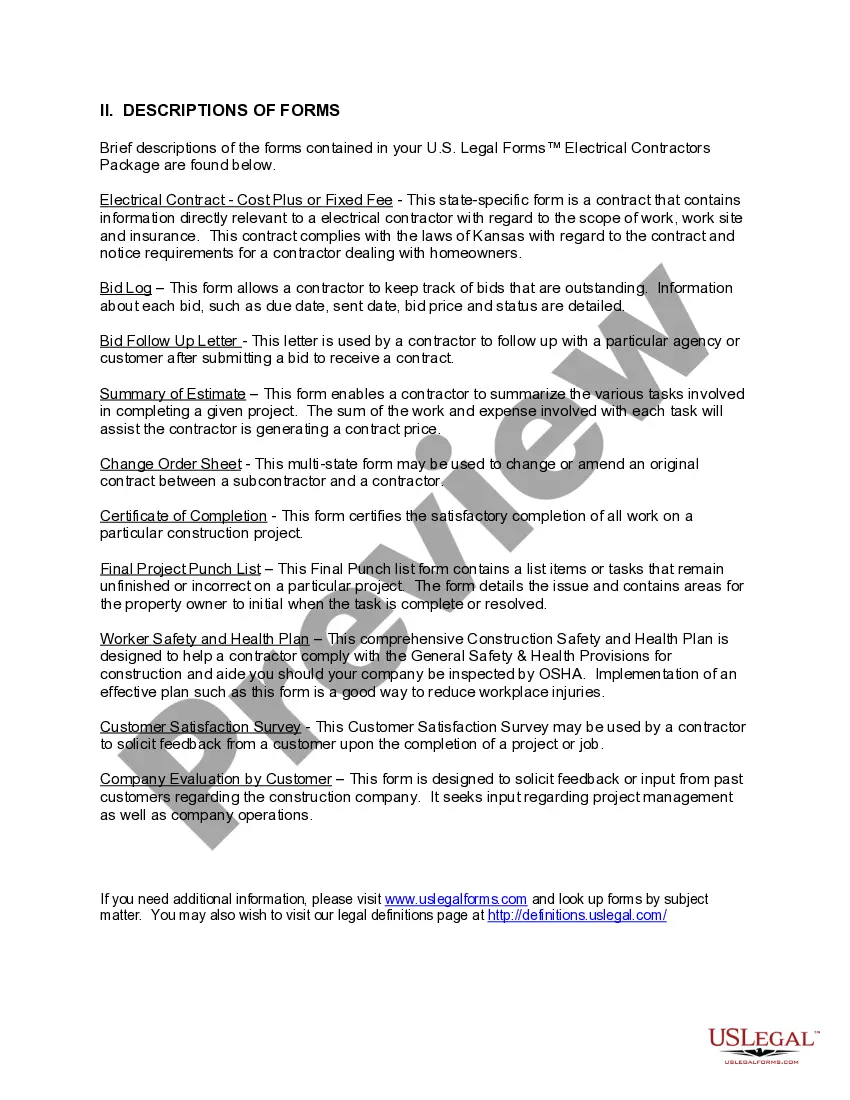
- Electrical Contract for Contractor
- Contractor's Bid Log
- Contractor's Bid Follow Up Letter
- Contractor's Summary of an Estimate
- Contractor's Final Punch List
- Customer Satisfaction Survey
- Construction Company Evaluation by a Customer
- Construction Safety and Health Plan
- Change Order for Construction or Repairs by Contractor
- Certification of Completion by Contractor




When to use this form package
This form package should be utilized when:
- You are entering into a contractual agreement for electrical work with property owners or other contractors.
- You need to keep track of multiple bids on projects.
- You wish to formally follow up on previously submitted bids.
- You want to manage changes or amendments to the initial contract during a project.
- You are ensuring compliance with safety and health regulations on the job site.
- You seek to evaluate customer satisfaction upon project completion.
Intended users of this form package
- Licensed electrical contractors working in Kansas.
- Subcontractors involved in electrical projects.
- Property owners contracting electrical work.
- Suppliers providing materials for electrical projects.
Steps to complete these forms
- Review each included document to understand its purpose and requirements.
- Identify the parties involved in the electrical project.
- Enter the project details, including dates and signatures, where required.
- Use the Bid Log to track outstanding bids and follow up as necessary.
- Complete the Change Order Sheet to manage modifications in the original agreement.
Do forms in this package need to be notarized?
Forms in this package typically do not require notarization. However, certain states or document types may still need it. US Legal Forms provides online notarization powered by Notarize, available 24/7 for your convenience.
Get your form ready online
Our built-in tools help you complete, sign, share, and store your documents in one place.
Make edits, fill in missing information, and update formatting in US Legal Forms—just like you would in MS Word.
Download a copy, print it, send it by email, or mail it via USPS—whatever works best for your next step.
Sign and collect signatures with our SignNow integration. Send to multiple recipients, set reminders, and more. Go Premium to unlock E-Sign.
If this form requires notarization, complete it online through a secure video call—no need to meet a notary in person or wait for an appointment.
We protect your documents and personal data by following strict security and privacy standards.

Make edits, fill in missing information, and update formatting in US Legal Forms—just like you would in MS Word.

Download a copy, print it, send it by email, or mail it via USPS—whatever works best for your next step.

Sign and collect signatures with our SignNow integration. Send to multiple recipients, set reminders, and more. Go Premium to unlock E-Sign.

If this form requires notarization, complete it online through a secure video call—no need to meet a notary in person or wait for an appointment.

We protect your documents and personal data by following strict security and privacy standards.
Common mistakes
- Failing to include all necessary signatures on the Electrical Contract.
- Neglecting to update the Bid Log regularly.
- Not completing the Change Order Sheet accurately when modifications occur.
- Overlooking safety requirements outlined in the Worker Safety and Health Plan.
Why use this package online
- Convenient access to legally compliant documents tailored for Kansas.
- Easy customization of forms to suit specific project needs.
- Quick downloads that save time compared to traditional legal paperwork.
- Access to forms anytime and from any device, allowing for flexibility.
Looking for another form?
Form popularity
FAQ
It's a four-year course, which involves both on-the-job and off-the-job training. Completing the Cert III allows you to become an electrician or electrical tradesperson in Australia. It's also a handy pathway to the Diploma of Electrical Engineering, which will open up a higher paying career area.
An electrical engineer makes around $93,000 every year. On the other hand, electricians make about $53,000.For example, a project electrical engineer can go up to more than $100,000, while electrical electronic engineers earn around $75,000.
Across the electrical and mechanical construction industry, gross margins were up almost 2 percent in 2017, but overall profitability decreased by 1 percent to 4.1 percent of revenue.
Recent developments help to clarify the employee/independent contractor distinction, and sound a warning to employers who rely on workers they have classified as contractors.
An electrical contractor is different from an electrician; an electrician is an individual tradesman and an electrical contractor is a business person or company that employs electricians.Electricians may work for an electrical contractor, or directly for individuals or companies.
Apprentice Electrician. Journeyman Electrician. Master Electrician.
Classifications, a C10 Electrical Licensed Contractor places, installs, erects or connects any electrical wires, fixtures, appliances, apparatus, raceways, conduits, solar photovoltaic cells or any part thereof, which generate, transmit, transform or utilize electrical energy in any form or for any purpose.
You Could Make Six Figures According to PayScale, the average annual salary for electricians is $55,477. Per the BLS, the highest 10% of electricians earn more than $90,420.Electricians who join unions can make more than those who do not.
A license is a grant of permission from a statutory body for an individual to perform work in an approved category of work (electrician, plumber, builder, etc.), while a certification is the credentialing of an individual for a particular discipline that is portable, i.e., across municipal, county or state lines.