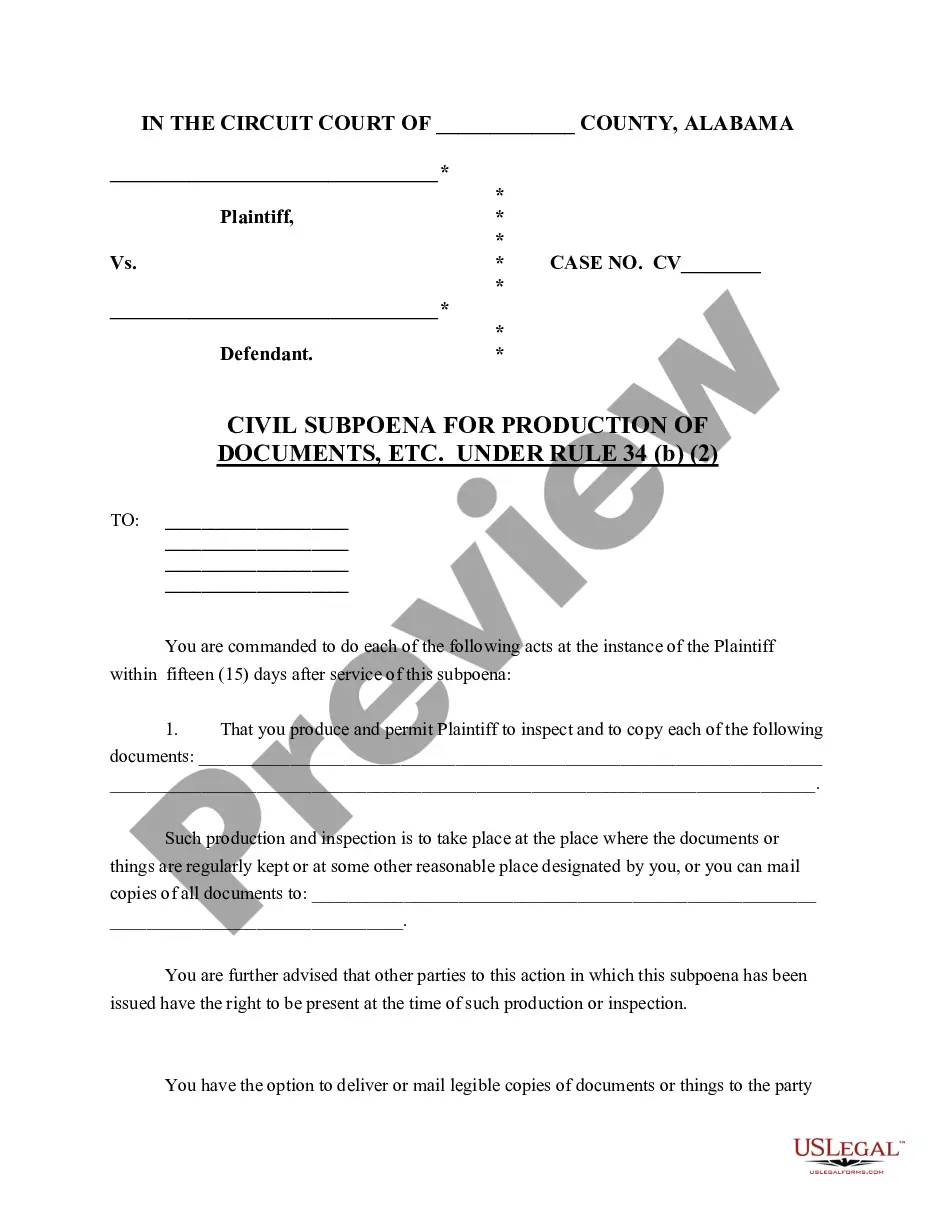
Ohio Easement for Highway and Utility Purposes
What this document covers
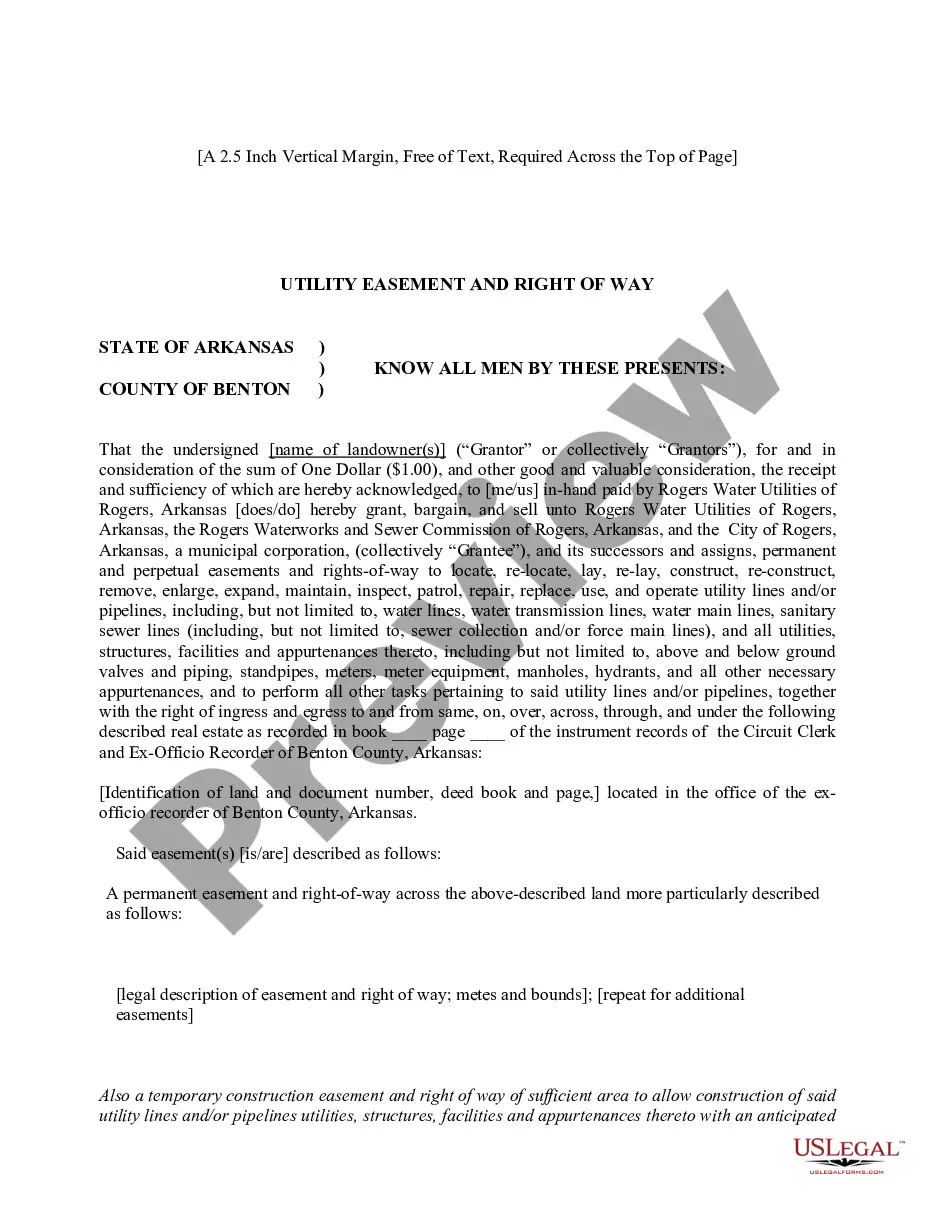
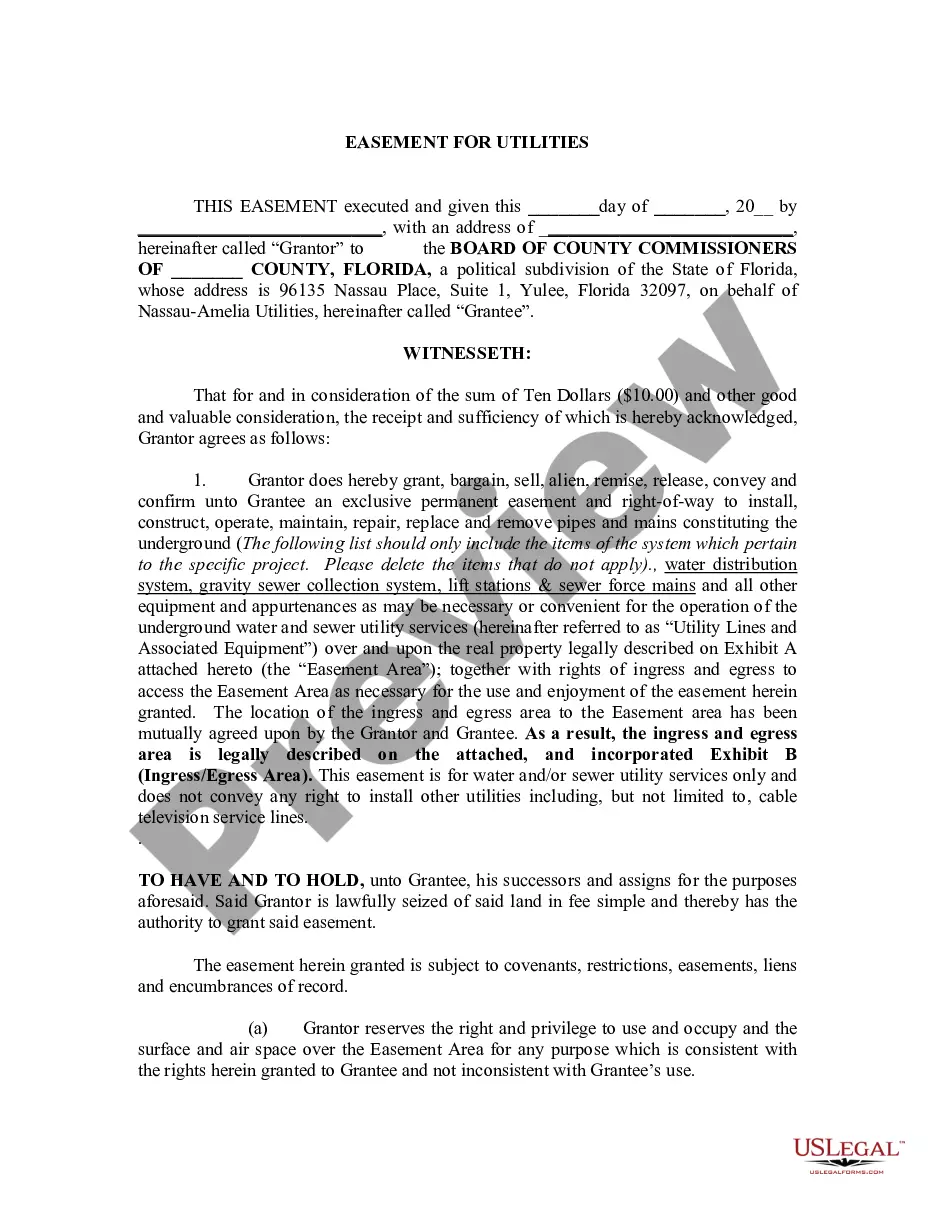
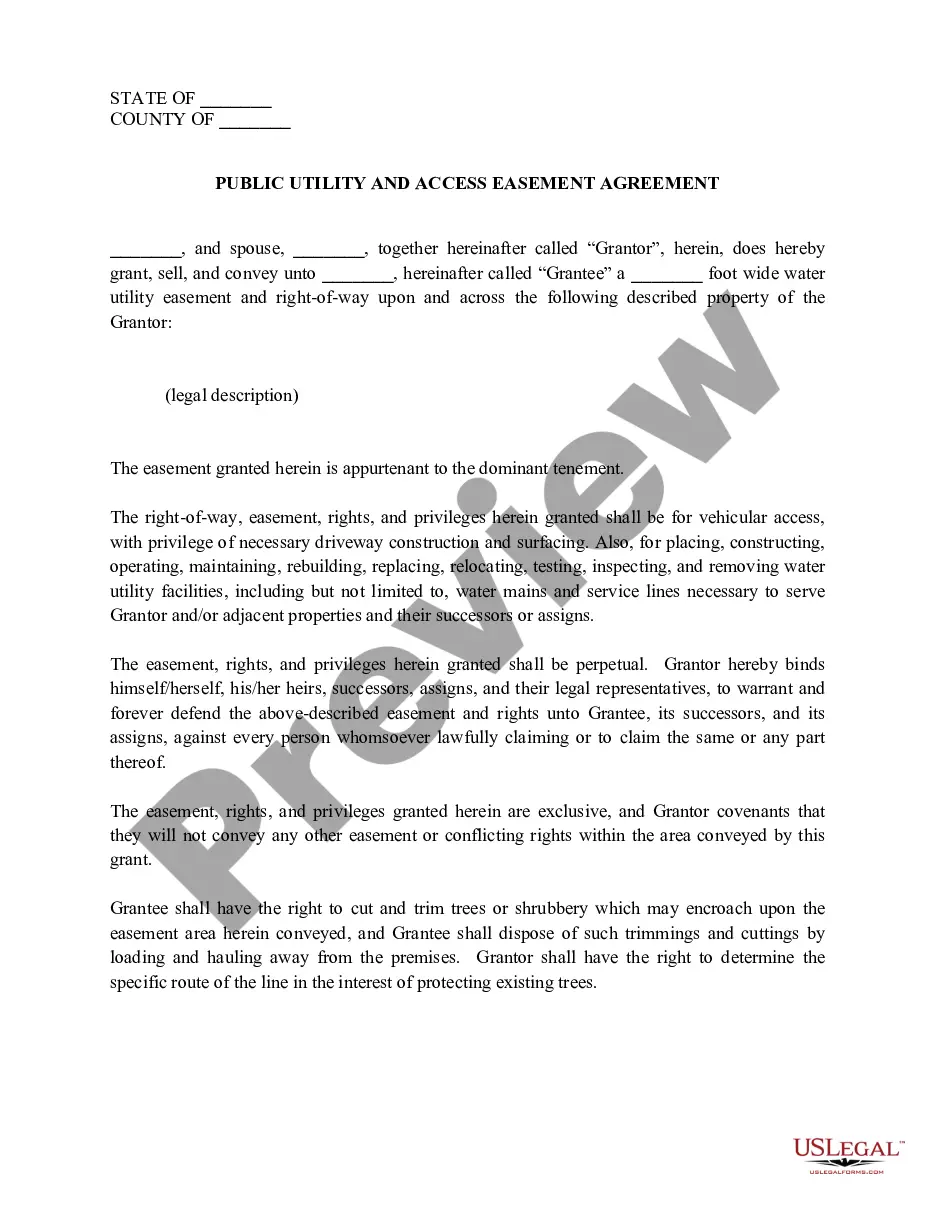
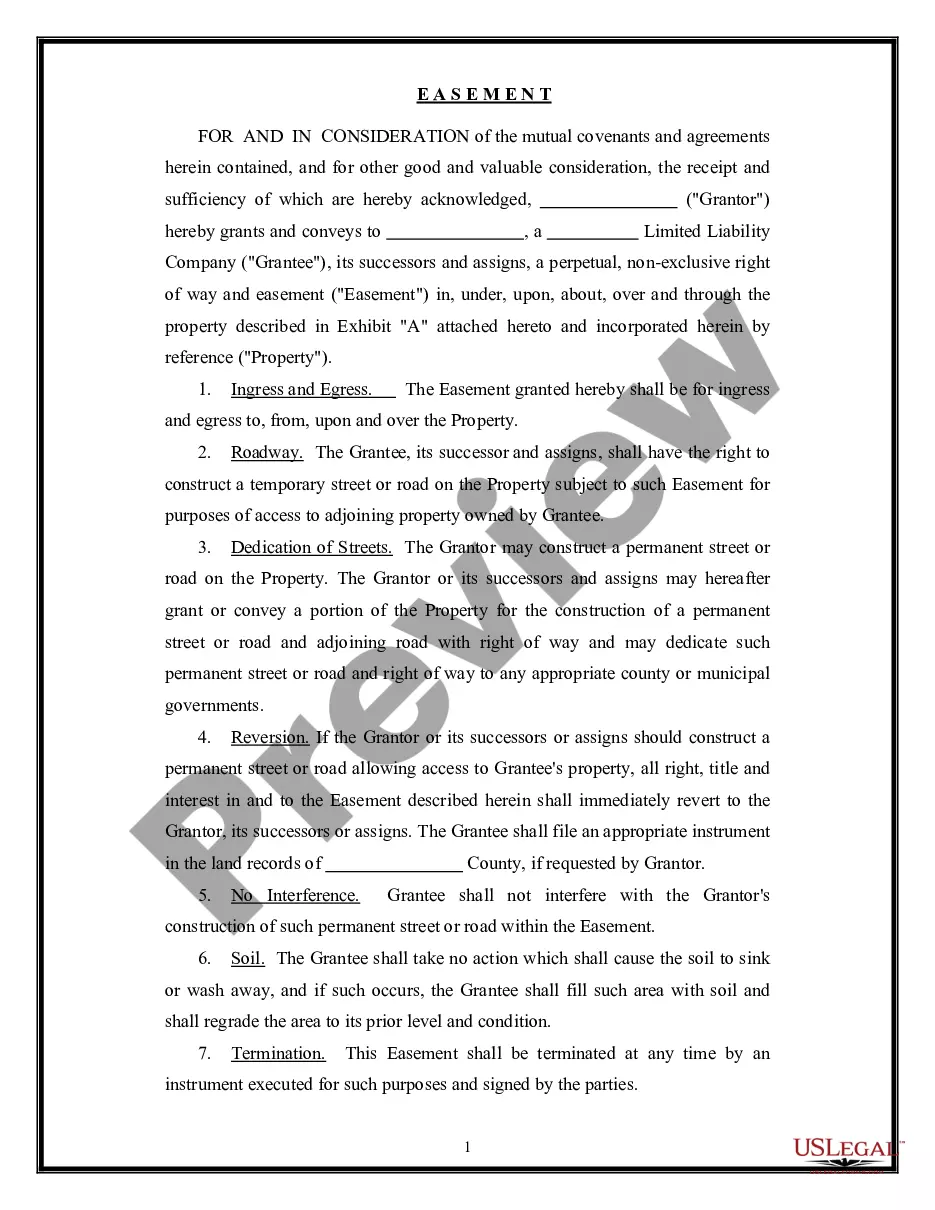
The Easement for Highway and Utility Purposes is a legal document that grants a perpetual easement and right of way. This form allows for the maintenance and operation of public roads, utilities, and related facilities, ensuring that these services can be carried out without obstruction on the specified land. Unlike other easements, this form specifically addresses highway and utility needs, making it essential for both public and private properties where infrastructure is involved.
Form components explained
- Identification of the parties involved in the easement agreement
- Detailed description of the land being affected by the easement
- Specific rights granted for maintenance and operation of roads and utilities
- Duration clause indicating that the easement is perpetual
- Obstruction removal requirements related to the easement
When to use this document
This form is used when a governmental entity or utility company requires access to privately owned land to perform necessary work related to public roads and utilities. You may need this easement when planning new infrastructure, upgrading existing utilities, or ensuring ongoing maintenance without interference from property owners.
Intended users of this form
- Government agencies seeking to maintain or construct public roadways
- Utility companies needing access for installation or repair of services
- Property owners granting access for road and utility installations
- Land developers needing to ensure compliance with municipal requirements
Instructions for completing this form
- Identify and provide the names of all parties involved in the easement agreement.
- Clearly describe the property location and boundaries relevant to the easement.
- Specify the rights being granted for the maintenance and operation of roads and utilities.
- Indicate the duration of the easement and any conditions for its continuation.
- Include sections on removal of obstructions that may interfere with the easement's purpose.
Does this document require notarization?
To make this form legally binding, it must be notarized. Our online notarization service, powered by Notarize, lets you verify and sign documents remotely through an encrypted video session.
Get your form ready online
Our built-in tools help you complete, sign, share, and store your documents in one place.
Make edits, fill in missing information, and update formatting in US Legal Forms—just like you would in MS Word.
Download a copy, print it, send it by email, or mail it via USPS—whatever works best for your next step.
Sign and collect signatures with our SignNow integration. Send to multiple recipients, set reminders, and more. Go Premium to unlock E-Sign.
If this form requires notarization, complete it online through a secure video call—no need to meet a notary in person or wait for an appointment.
We protect your documents and personal data by following strict security and privacy standards.
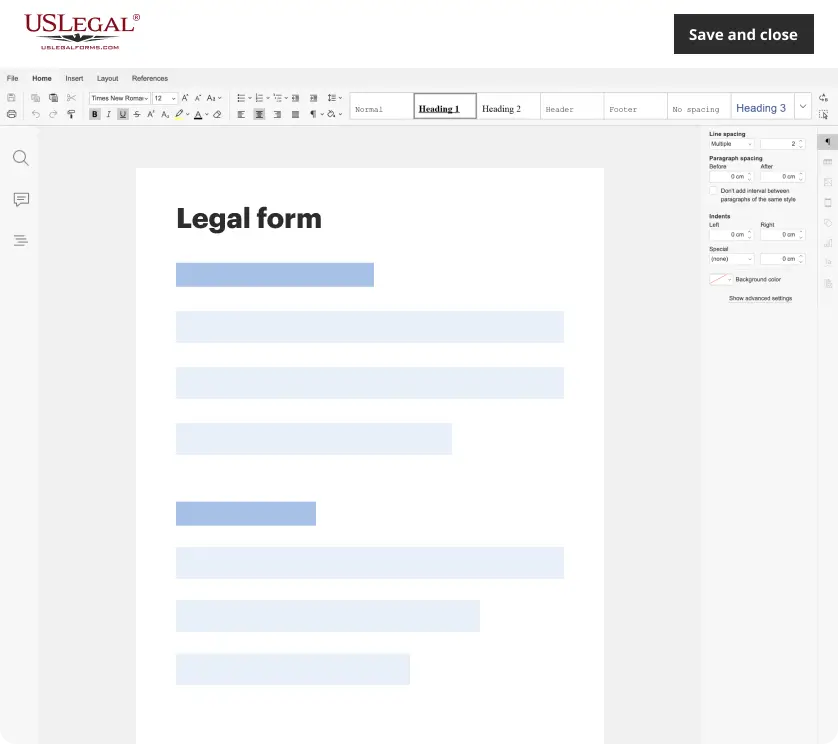
Make edits, fill in missing information, and update formatting in US Legal Forms—just like you would in MS Word.
Download a copy, print it, send it by email, or mail it via USPS—whatever works best for your next step.
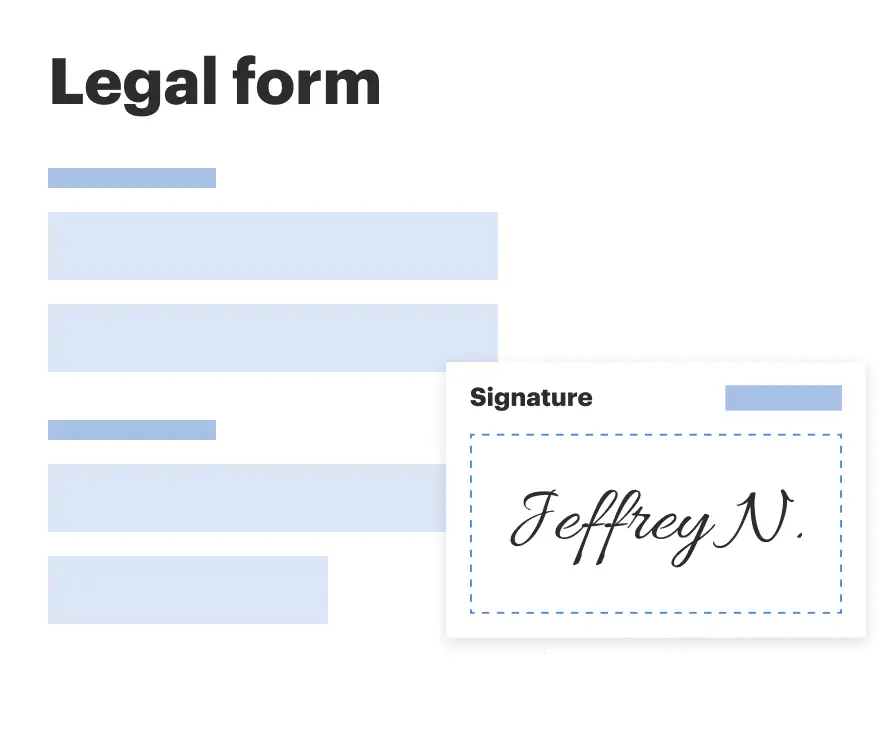
Sign and collect signatures with our SignNow integration. Send to multiple recipients, set reminders, and more. Go Premium to unlock E-Sign.
If this form requires notarization, complete it online through a secure video call—no need to meet a notary in person or wait for an appointment.
We protect your documents and personal data by following strict security and privacy standards.
Mistakes to watch out for
- Failing to include all necessary parties' names and signatures.
- Not accurately describing the property boundaries affected by the easement.
- Omitting specific rights granted, leading to potential disputes.
- Ignoring local regulations that may require additional disclosures or clauses.
Why use this form online
- Immediate access to a professionally drafted legal document.
- Easy customization to fit specific needs without complicated legal jargon.
- Convenient download options for personal or professional use.
- Reliable legal framework to ensure your rights and obligations are clearly stated.
Summary of main points
- The Easement for Highway and Utility Purposes allows access for essential public services and infrastructure.
- Understanding the specific rights and limitations of this easement is crucial for affected property owners.
- Utilizing the form correctly can prevent disputes and clarify responsibilities between property owners and utility providers.
Looking for another form?

Form popularity
FAQ
If an authority has an easement registered over your land, they have the right to access the easement to maintain or repair the easement land or their equipment on the land.
An easement in gross is personal to the party that receives the benefit of easement. An example of an easement in gross is an easement to a utility company to run a power line across a burdened piece of property. The utility company is the benefited party and there isn't necessarily a benefited parcel of land.
An easement owner cannot claim another party has trespassed on their easement, because trespass involves interference with the plaintiff's exclusive possession. Easement holders do not have a right to exclusive possession. They may claim nuisance, but only if the interference is substantial and unreasonable.
Action can be taken against if you interfere with their right to access the easement for example you can't lock or fence them out of the easement land, nor build over the easement land.
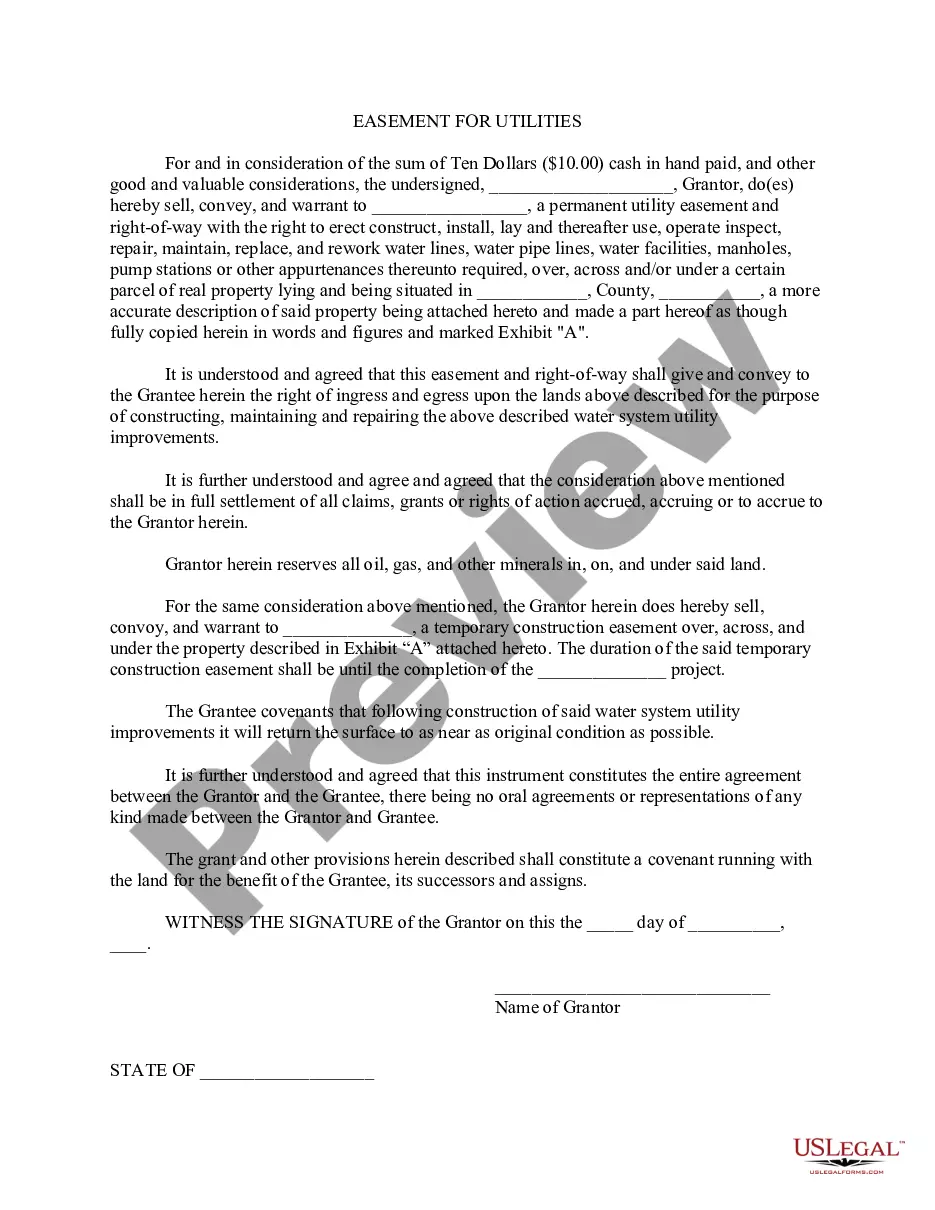
Utility easements are one of the most common types of easements for private property, which generally allow public utility companies access to the property for the purpose of installing, repairing and maintaining utility lines.
When termed as a utility easement, it means a utility company's right to access and control the portion of another person's land that is located near utility facilities and structures (i.e. utility poles, transformers, overhead or underground electrical lines).
Easement holders have the right to use the land to their enjoyment as long as it does not place an unreasonable burden on the servient estate. Landowners have the right to make whatever use of the land as long as it doesn't unduly affect the easement.
The party gaining the benefit of the easement is the dominant estate (or dominant tenement), while the party granting the benefit or suffering the burden is the servient estate (or servient tenement). For example, the owner of parcel A holds an easement to use a driveway on parcel B to gain access to A's house.
1. Easement in gross. In this type of easement, only property is involved, and the rights of other owners are not considered. For example, a public utility line easement would be an easement in gross and would be recorded in the public records.