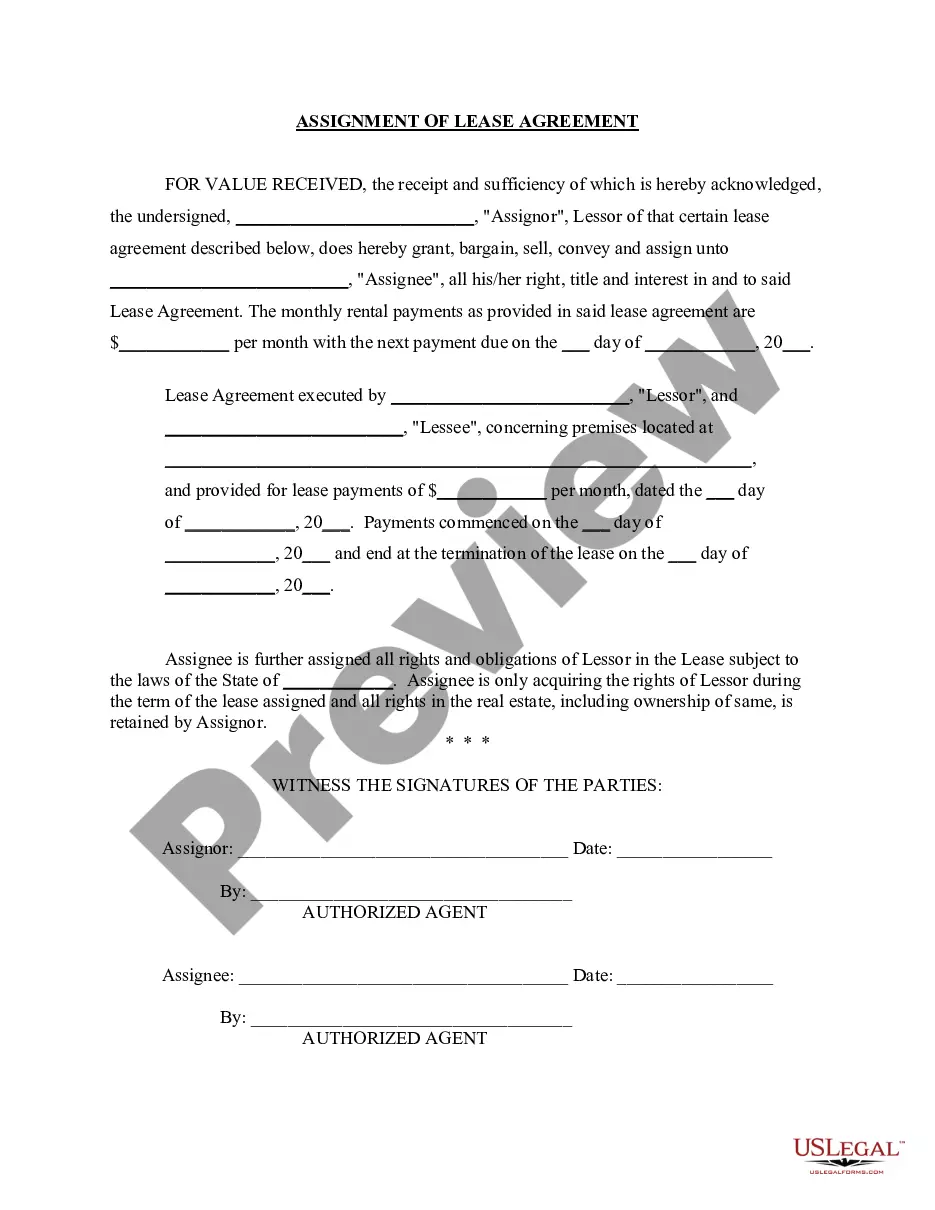
Alabama Deed Reserving Life Estate and Lifetime Timber and Mineral Rights - Transfer
What is this form?
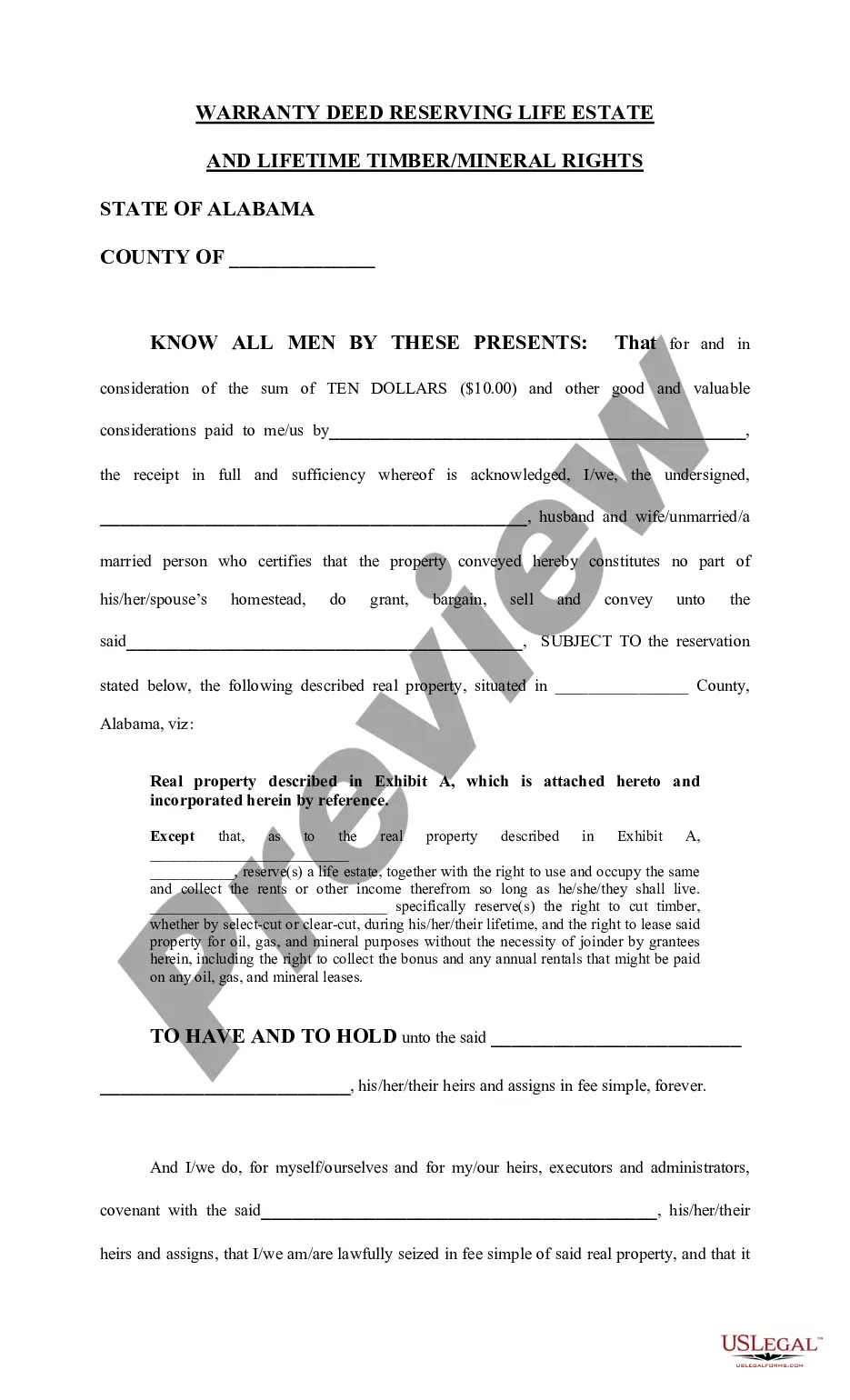
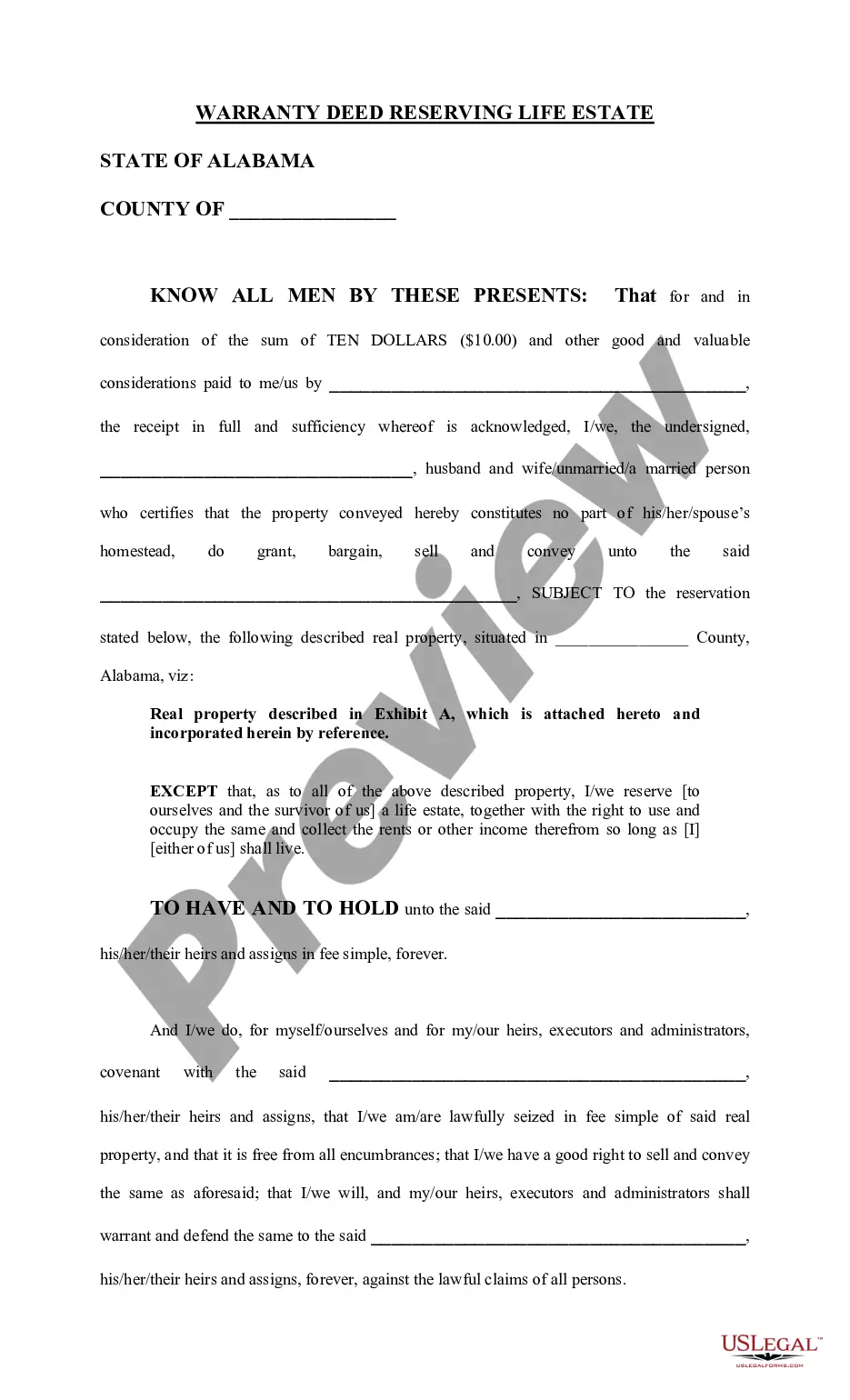
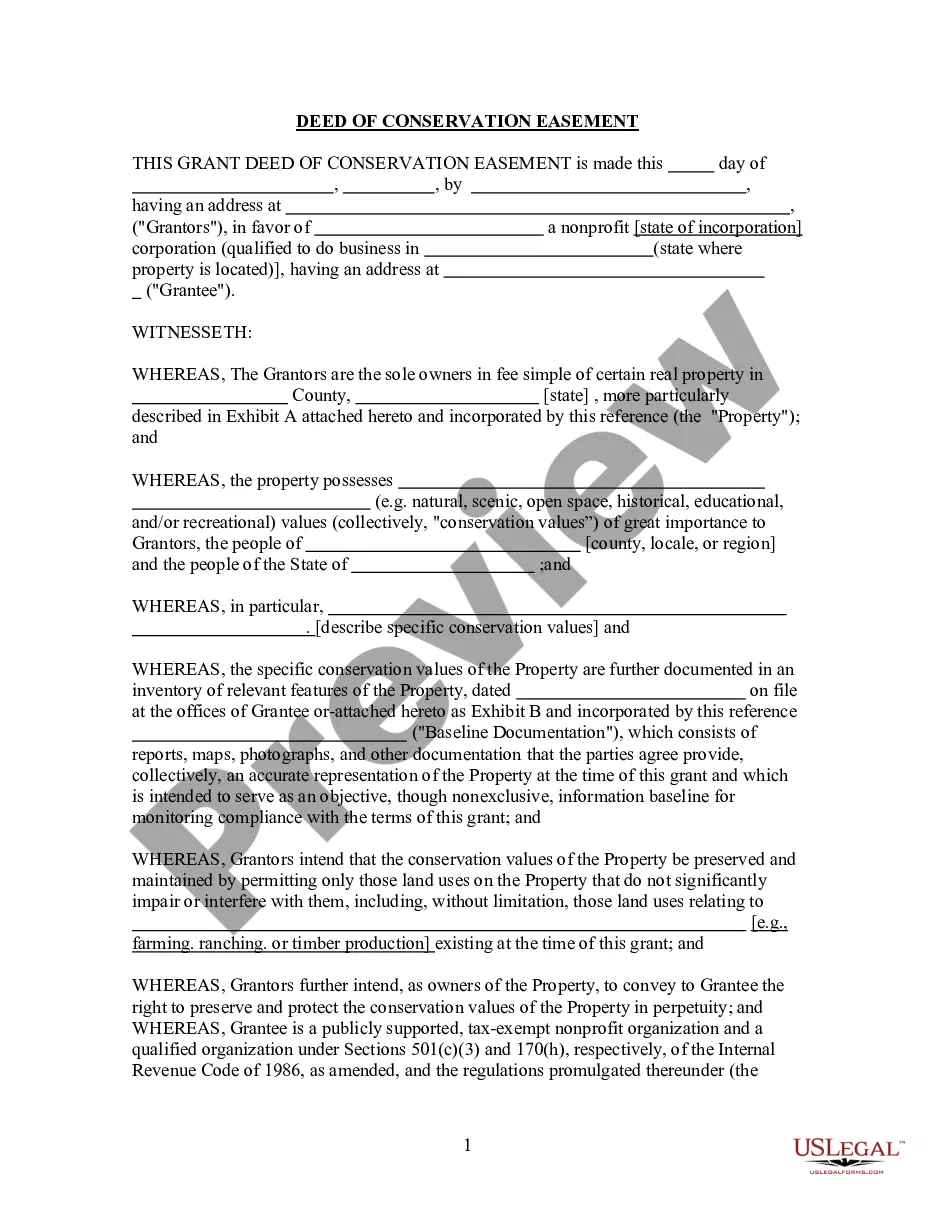
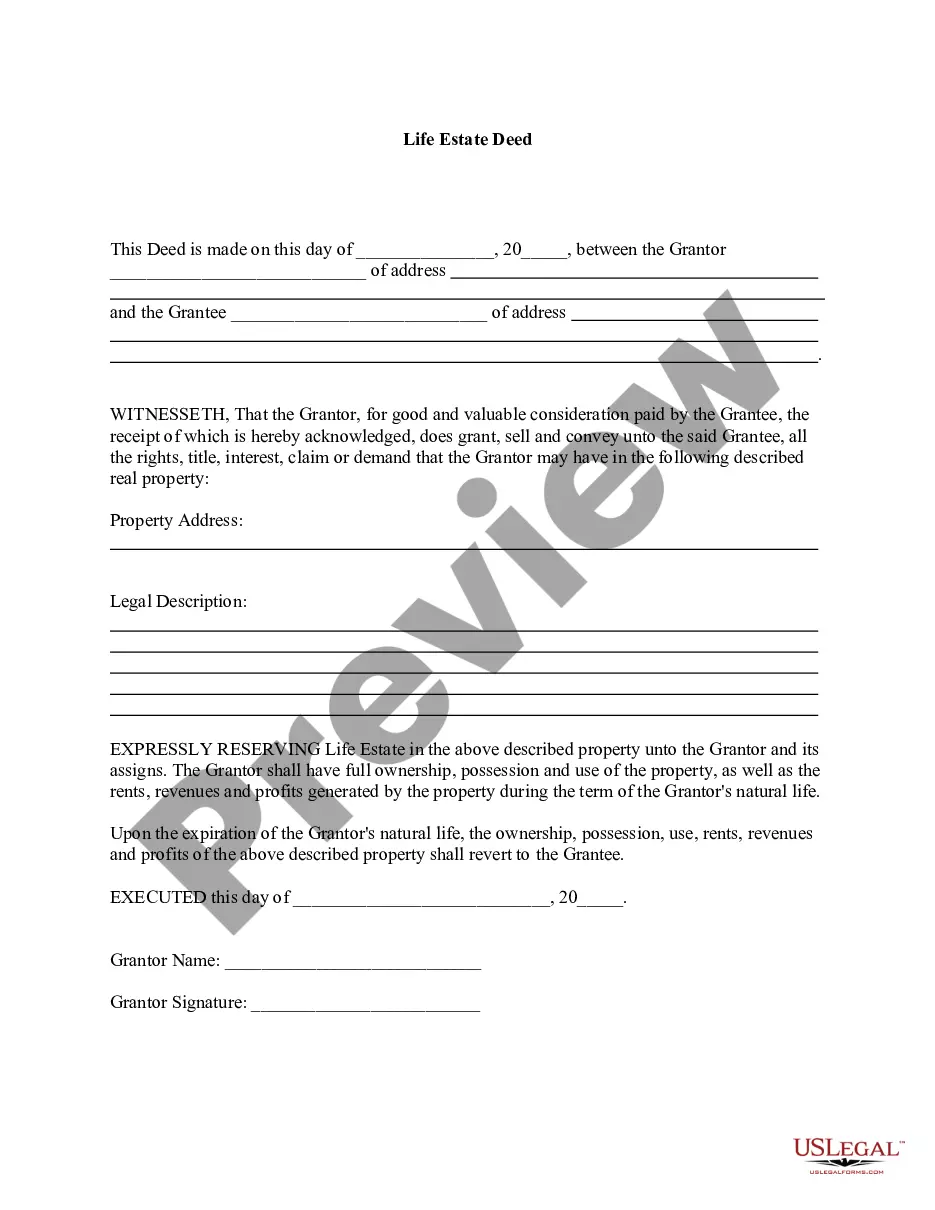
The Deed Reserving Life Estate and Lifetime Timber and Mineral Rights is a legal document that allows a property owner (the grantor) to transfer ownership of real estate while retaining the right to use and benefit from the property during their lifetime. This form is distinct from a standard deed because it specifically reserves a life estate and includes rights to harvest timber and minerals. It provides legal assurances to both the grantor and the grantee regarding ownership and rights attached to the property during the lifetime of the grantor.
Form components explained
- Identification of the grantor and grantee, including their marital status.
- Detailed description of the property being conveyed.
- Statement of the grantor's reservation of a life estate.
- Rights reserved for timber harvesting and mineral exploitation during the grantor's lifetime.
- Covenant regarding clear ownership and absence of encumbrances.
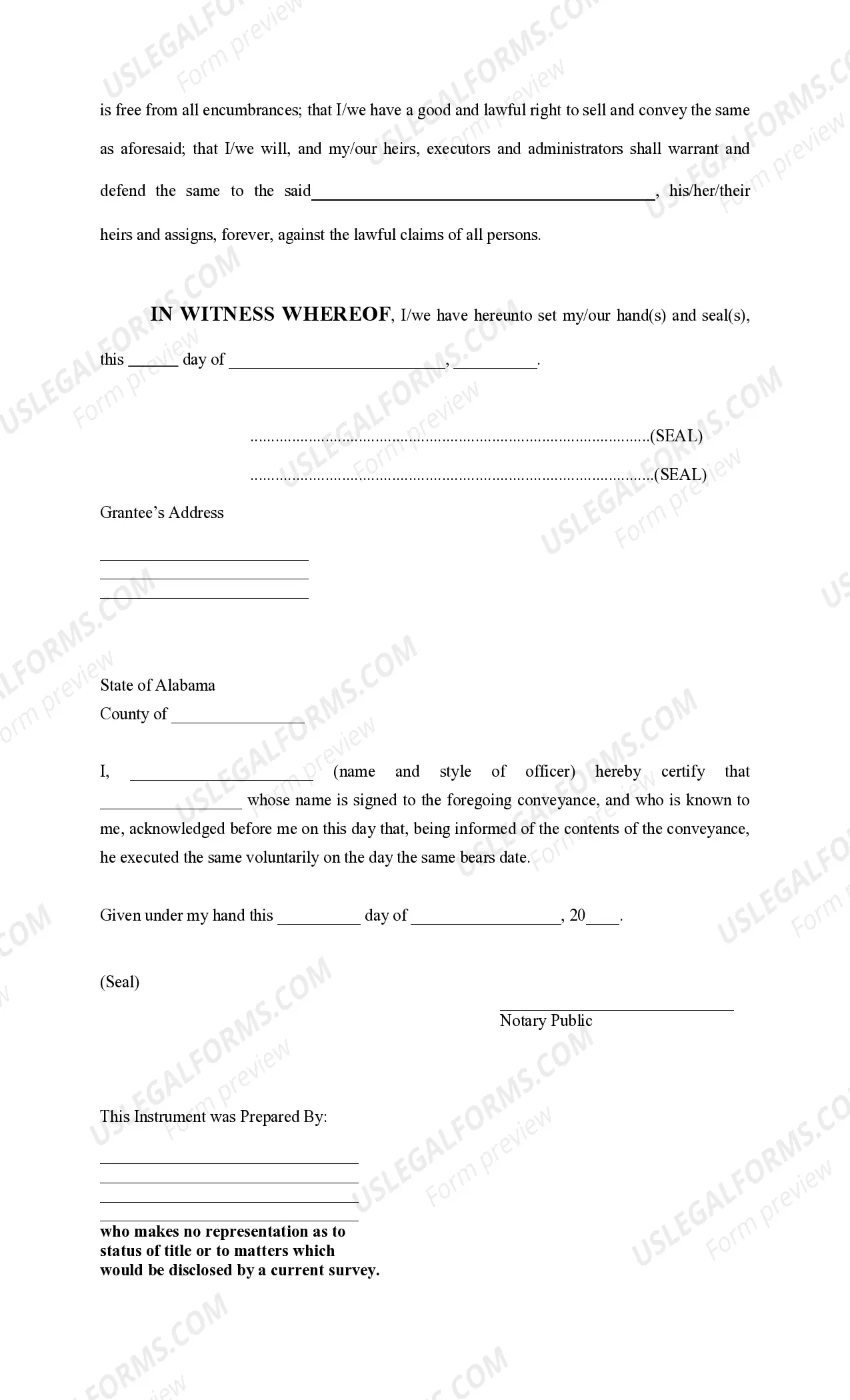
- Spaces for signatures and notarization to validate the deed.
Common use cases
This form should be used when a property owner wishes to transfer ownership of their property to another individual while retaining the right to live on the property and utilize its natural resources for the duration of their life. Common scenarios include estate planning, ensuring resource access for the grantor, and designating future property beneficiaries while maintaining control of assets during their lifetime.
Who can use this document
- Property owners looking to transfer ownership of real estate while preserving their rights.
- Individuals engaged in estate planning who wish to set specific conditions on property use.
- Those wishing to ensure continued access to timber and mineral resources on their property.
- Grantors who want to provide for heirs while maintaining control over real estate assets during their life.
Steps to complete this form
- Enter the names of the grantor(s) and grantee(s) along with their marital status.
- Clearly describe the property being transferred, including any attached exhibit for detailed information.
- Specify the reservation of the life estate and any rights to timber and minerals.
- Obtain signatures from the grantor(s) and grantee(s) in the designated areas.
- Have the deed notarized to confirm the authenticity of the signatures.
Does this form need to be notarized?
Yes, this form must be notarized to be legally valid. The process ensures the authenticity of the signatures and adherence to legal standards. US Legal Forms offers integrated online notarization services available 24/7 through secure video calls, allowing you to complete your document without the need for physical travel.
Get your form ready online
Our built-in tools help you complete, sign, share, and store your documents in one place.
Make edits, fill in missing information, and update formatting in US Legal Forms—just like you would in MS Word.
Download a copy, print it, send it by email, or mail it via USPS—whatever works best for your next step.
Sign and collect signatures with our SignNow integration. Send to multiple recipients, set reminders, and more. Go Premium to unlock E-Sign.
If this form requires notarization, complete it online through a secure video call—no need to meet a notary in person or wait for an appointment.
We protect your documents and personal data by following strict security and privacy standards.

Make edits, fill in missing information, and update formatting in US Legal Forms—just like you would in MS Word.

Download a copy, print it, send it by email, or mail it via USPS—whatever works best for your next step.

Sign and collect signatures with our SignNow integration. Send to multiple recipients, set reminders, and more. Go Premium to unlock E-Sign.

If this form requires notarization, complete it online through a secure video call—no need to meet a notary in person or wait for an appointment.

We protect your documents and personal data by following strict security and privacy standards.
Avoid these common issues
- Failing to accurately describe the property can lead to disputes.
- Not specifying the rights reserved for timber and minerals clearly.
- Omitting necessary signatures or failing to have the document notarized.
- Using outdated versions of the form that may not comply with current laws.
Benefits of using this form online
- Convenience of immediate access to download the form.
- Editable templates allow for customization to fit specific needs.
- Reliability of forms drafted by licensed attorneys to ensure legal compliance.
Looking for another form?

Form popularity
FAQ
At death, property is transferred from your name (ownership) in one of three ways: by title; by beneficiary designation; or by probate. The trick to avoiding probate is to make sure all of your assets are set up as transfers under either joint title or beneficiary designation.
The date the deed was made; The name of the party granting the life estate and their address; The name of the grantee and their address; The address and a legal description of the property that is subject to the life estate;
In most cases, the surviving owner or heir obtains the title to the home, the former owner's death certificate, a notarized affidavit of death, and a preliminary change of ownership report form. When all these are gathered, the transfer gets recorded, the fees are paid, and the county issues a new title deed.
Find the most recent deed to the property. Create the new deed. Sign and notarize the deed. Record the signed, notarized original deed with the Office of the Judge of Probate.
Alabama does not allow real estate to be transferred with transfer-on-death deeds.
If the deceased was sole owner, or co-owned the property without right of survivorship, title passes according to his will. Whoever the will names as the beneficiary to the house inherits it, which requires filing a new deed confirming her title. If the deceased died intestate -- without a will -- state law takes over.
A person owns property in a life estate only throughout their lifetime. Beneficiaries cannot sell property in a life estate before the beneficiary's death. One benefit of a life estate is that property can pass when the life tenant dies without being part of the tenant's estate.