Deed and Assignment from individual to A Trust
Overview of this form
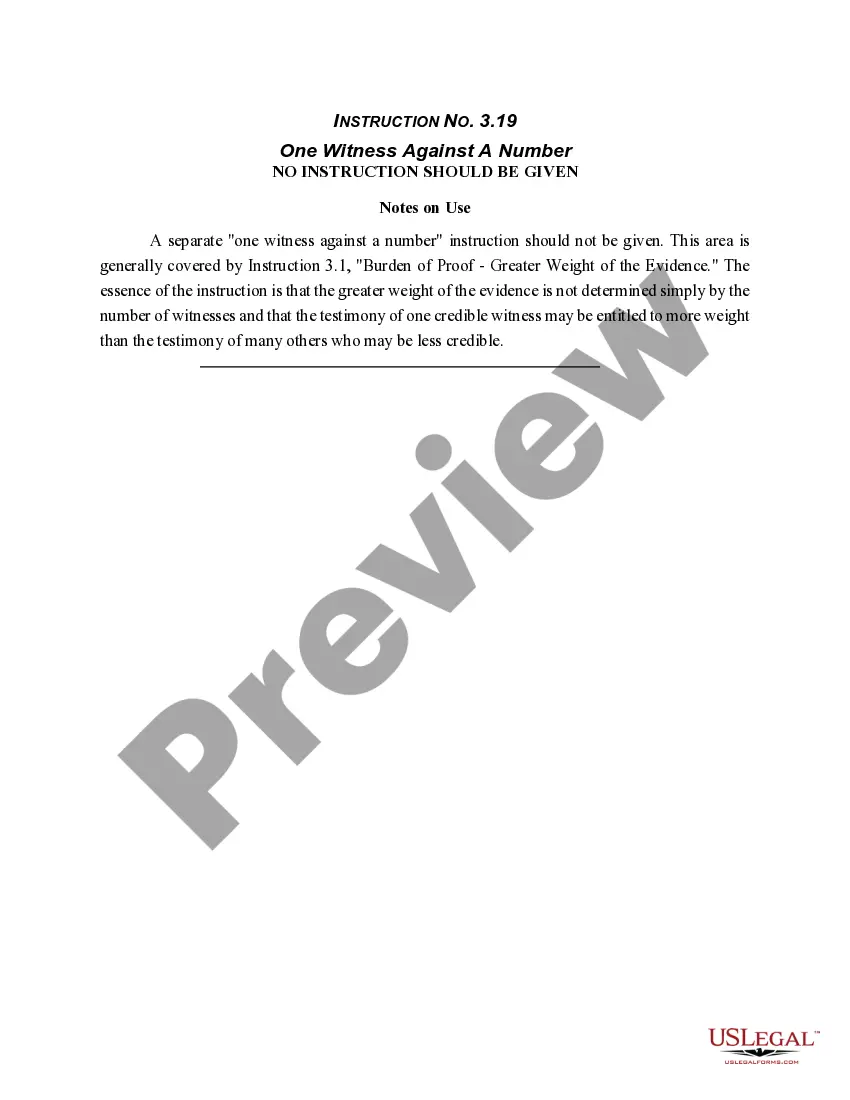
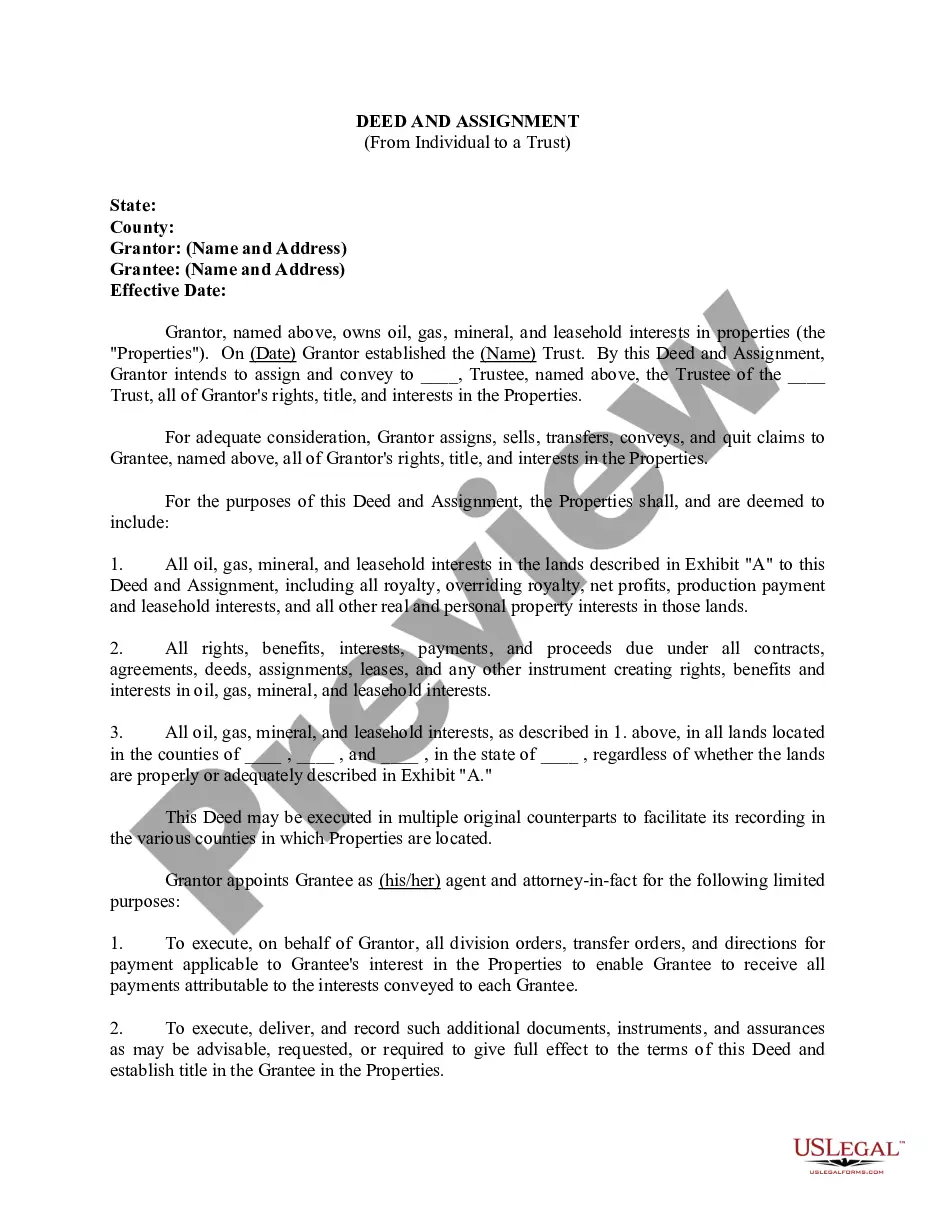
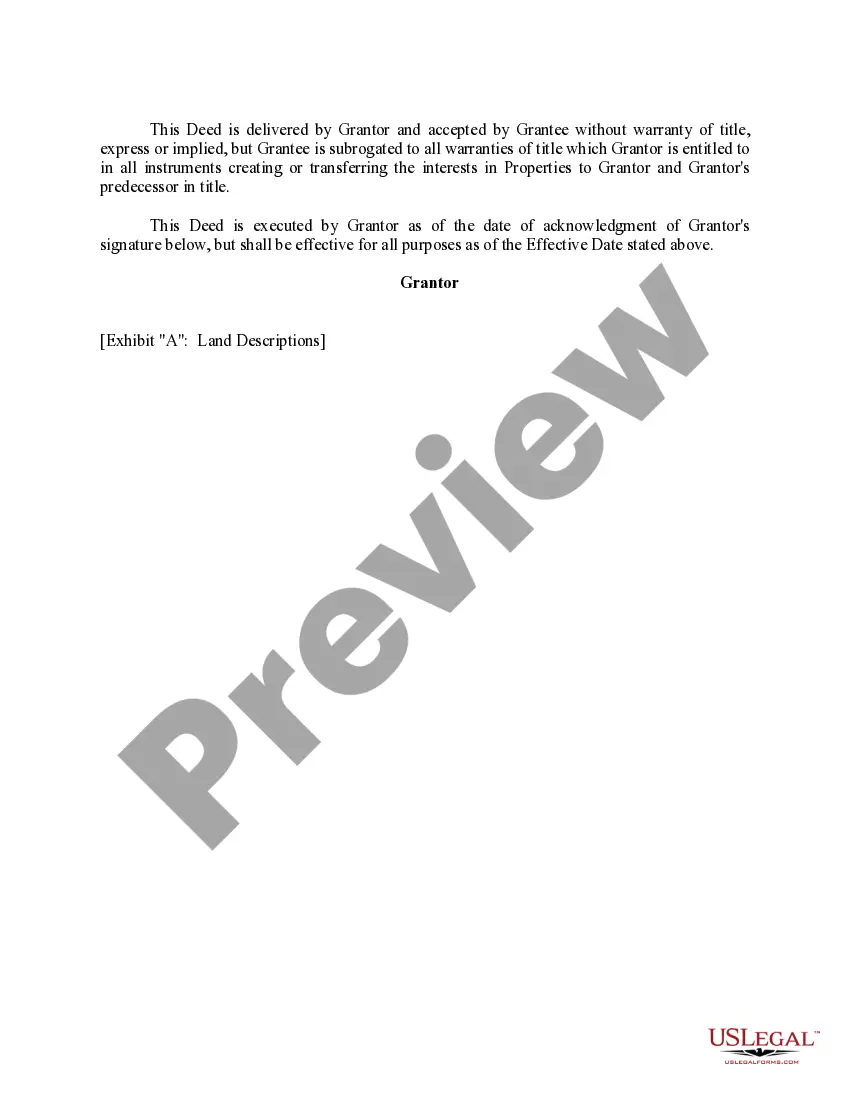
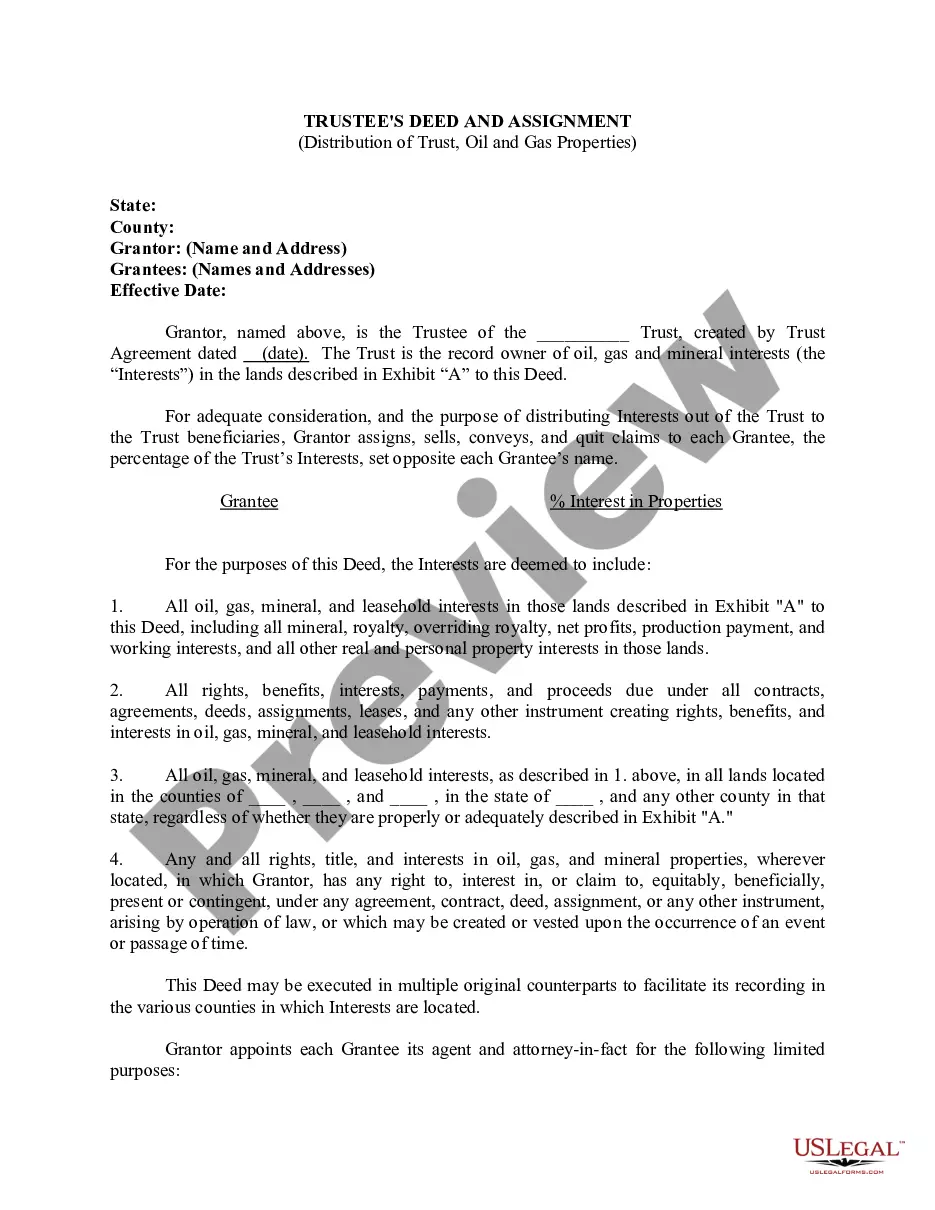
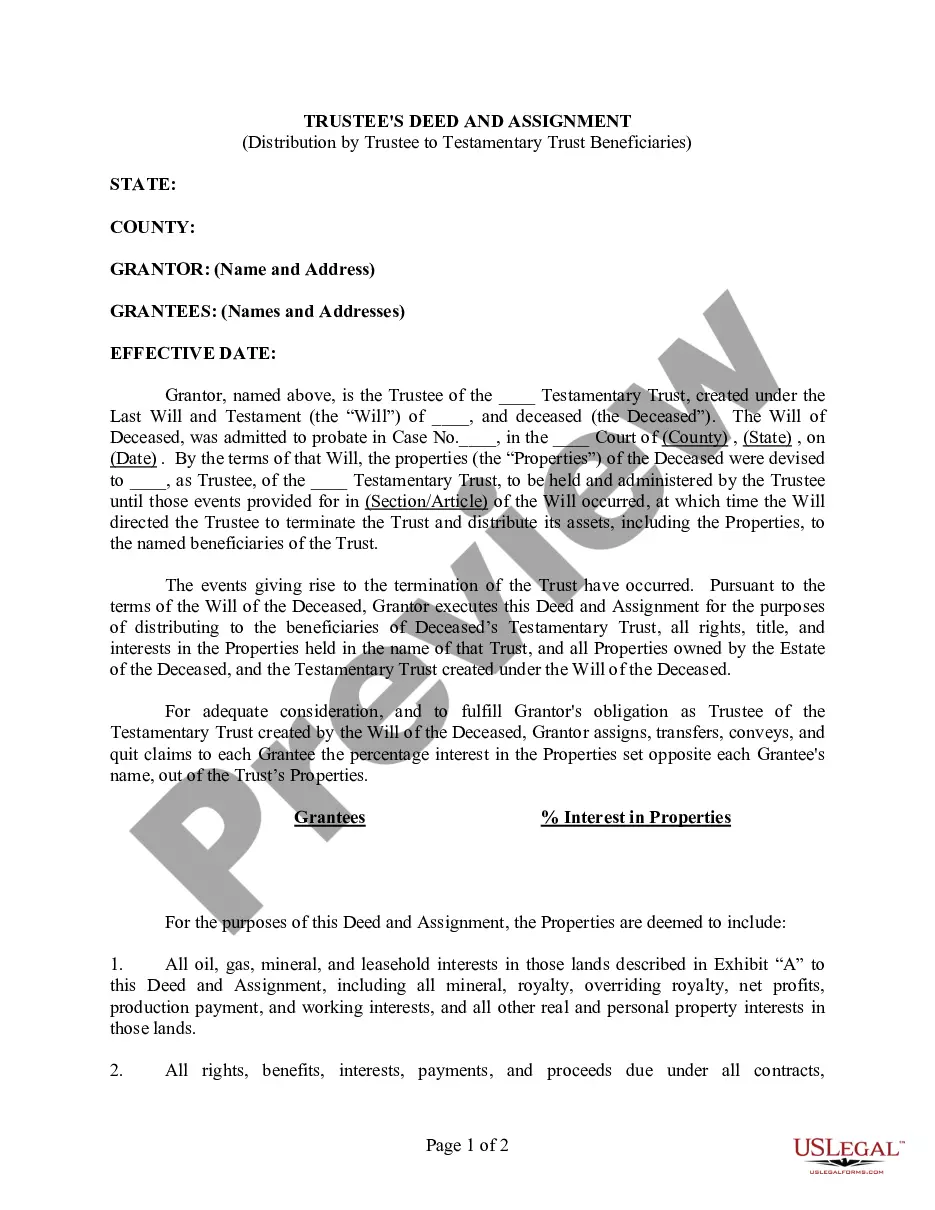
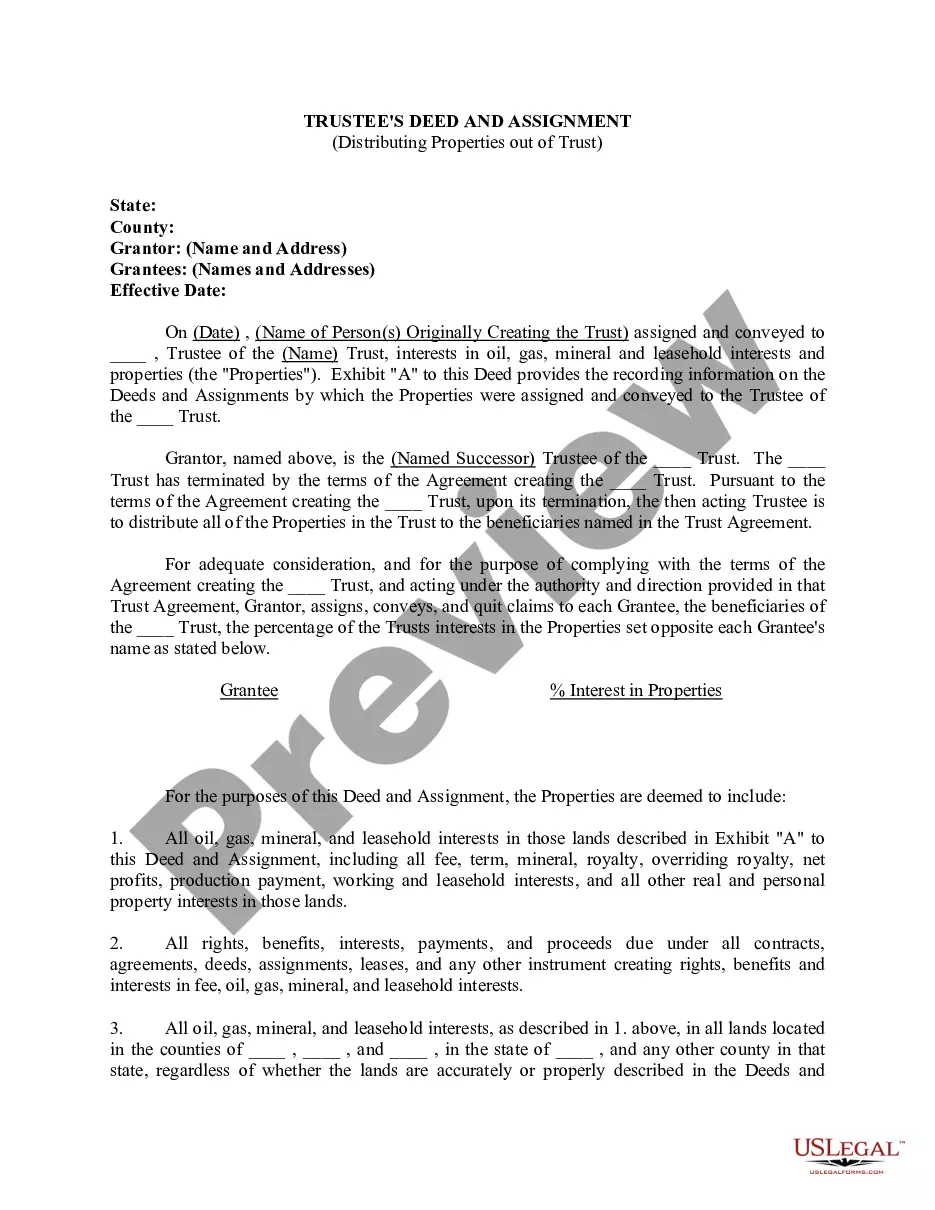
The Deed and Assignment from Individual to A Trust is a legal document that facilitates the transfer of mineral and royalty interests from an individual to a trust. This form is essential for properly assigning ownership to a trust, ensuring that legal rights are correctly conveyed. Unlike simply establishing a trust, this deed solidifies the transfer of interests, enabling the trust to manage and receive benefits from mineral and royalty income.
Key components of this form
- Grantor and Grantee information, including names and addresses.
- Effective date of the transfer.
- Detailed description of the properties included in the transfer.
- Appointment of Grantee as the attorney-in-fact for specific purposes.
- Disclaimer of warranties concerning the title, protecting the Grantee's interests.
- Execution clauses allowing for multiple originals for recording purposes.

When to use this document
This form is essential when an individual decides to transfer their mineral and royalty interests to a trust for various reasons, such as estate planning, asset protection, or tax benefits. It is particularly useful when the individual has already established a trust but has not yet transferred the associated interests legally. This form ensures that the trust can effectively manage the interests and receive income from them.
Intended users of this form
- Individuals who have established a trust and wish to transfer mineral and royalty interests into that trust.
- Trustees who require a formal deed to establish ownership of mineral rights held in a trust.
- Lawyers and estate planners assisting clients with trust management and asset transfers.
How to complete this form
- Identify the parties involved by entering the names and addresses of the Grantor and Grantee.
- Specify the effective date of the transfer at the top of the document.
- Clearly describe the mineral and royalty interests being transferred in the designated section.
- Appoint Grantee as the attorney-in-fact by completing the relevant section for the powers granted.
- Have the Grantor sign the deed in the presence of a notary, if required, and ensure all parts of the form are completed.
Does this document require notarization?
This form does not typically require notarization unless specified by local law. However, having the document notarized can add an additional layer of legal authenticity, which could be beneficial during the transfer process.
Get your form ready online
Our built-in tools help you complete, sign, share, and store your documents in one place.
Make edits, fill in missing information, and update formatting in US Legal Forms—just like you would in MS Word.
Download a copy, print it, send it by email, or mail it via USPS—whatever works best for your next step.
Sign and collect signatures with our SignNow integration. Send to multiple recipients, set reminders, and more. Go Premium to unlock E-Sign.
If this form requires notarization, complete it online through a secure video call—no need to meet a notary in person or wait for an appointment.
We protect your documents and personal data by following strict security and privacy standards.

Make edits, fill in missing information, and update formatting in US Legal Forms—just like you would in MS Word.

Download a copy, print it, send it by email, or mail it via USPS—whatever works best for your next step.

Sign and collect signatures with our SignNow integration. Send to multiple recipients, set reminders, and more. Go Premium to unlock E-Sign.

If this form requires notarization, complete it online through a secure video call—no need to meet a notary in person or wait for an appointment.

We protect your documents and personal data by following strict security and privacy standards.
Mistakes to watch out for
- Failing to include complete and accurate property descriptions in Exhibit A.
- Not specifying the correct effective date of the transfer.
- Overlooking the need to have the document notarized if required by state law.
- Not having all parties sign the document where necessary.
Why complete this form online
- Convenient download and immediate access to legal forms without the need for an appointment.
- Editable fields allow for customization based on individual circumstances.
- Forms drafted by licensed attorneys ensure reliability and adherence to legal standards.
- 24/7 availability means you can complete forms at your convenience, without time constraints.
Legal use & context
- The form legally transfers mineral interests, ensuring the trust is recognized as the rightful owner.
- Failure to use this form may leave mineral rights with the individual rather than the trust.
- The Deed ensures that all parties understand the rights being transferred and their limitations.
Summary of main points
- This form is essential for appropriately transferring mineral interests into a trust.
- It includes critical details such as property descriptions, Grantor and Grantee information, and rights assigned.
- Ensure all sections are completed accurately to avoid legal issues.
Looking for another form?




Form popularity
FAQ
Determine the Current Title and Vesting to Your Property. Prepare a Deed. Be Aware of Your Lender and Title Insurance. Prepare a Preliminary Change of Ownership Report. Execute Your Deed. Record Your Deed. Wait for the Deed to be Returned. Keep the Property in the Trust.
The act of transferring a property that is owned by an individual into a trust, will see the trust liable to pay stamp duty on acquisition of the asset. Additionally, the individual who is transferring ownership to the trust, will be liable to pay capital gains tax on the disposal of the asset.
Based on these rules, upon creation of a trust, title to trust property is split between the trustee and the beneficiaries. The trustee holds legal title to the property and the beneficiaries hold equitable title. Because the trustee holds legal title to the property, that property must be held in the trustee's name.
Locate your current deed. Use the proper deed. Check with your title insurance company and lender. Prepare a new deed. Sign in the presence of a notary. Record the deed in the county clerk's office. Locate the deed that's in trust. Use the proper deed.
When you're ready to transfer trust real estate to the beneficiary who is named in the trust document to receive it, you'll need to prepare, sign, and record a deed. That's the document that transfers title to the property from you, the trustee, to the new owner.
Retrieve your original deed. Get the appropriate deed form. Draft the deed. Sign the deed before a notary. Record the deed with the county recorder. Obtain the new original deed.
Obtain a California grant deed from a local office supply store or your county recorder's office. Complete the top line of the deed. Indicate the grantee on the second line. Enter the trustees' names and addresses.
How To Establish A Trust. You will need to retain an estate attorney to draft and execute your trust document. For a simple revocable or irrevocable trust, it may cost anywhere from $2,000 $5,000.
No. And unless the deed identifies the trust as an owner, then father is the owner of an interest. It is a common mistake to set up a trust and then fail to deed property into the trust. However, you cannot force him to make the changes you are...