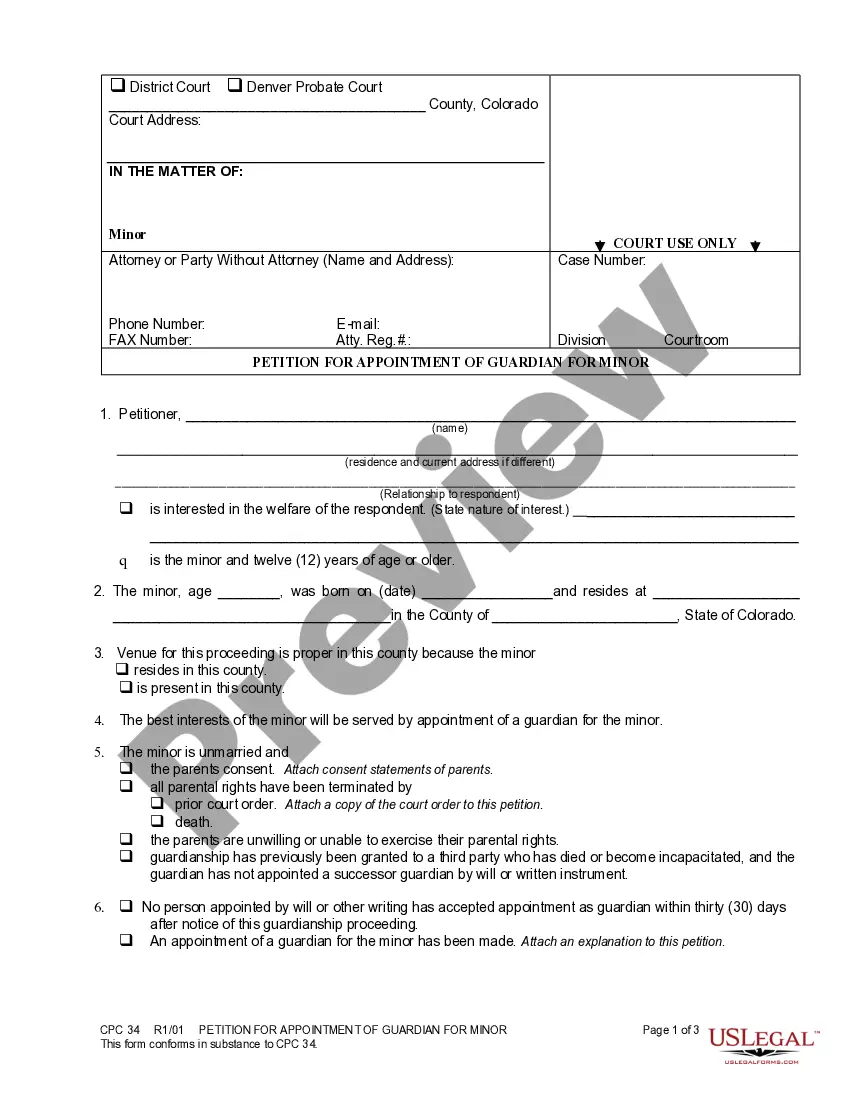
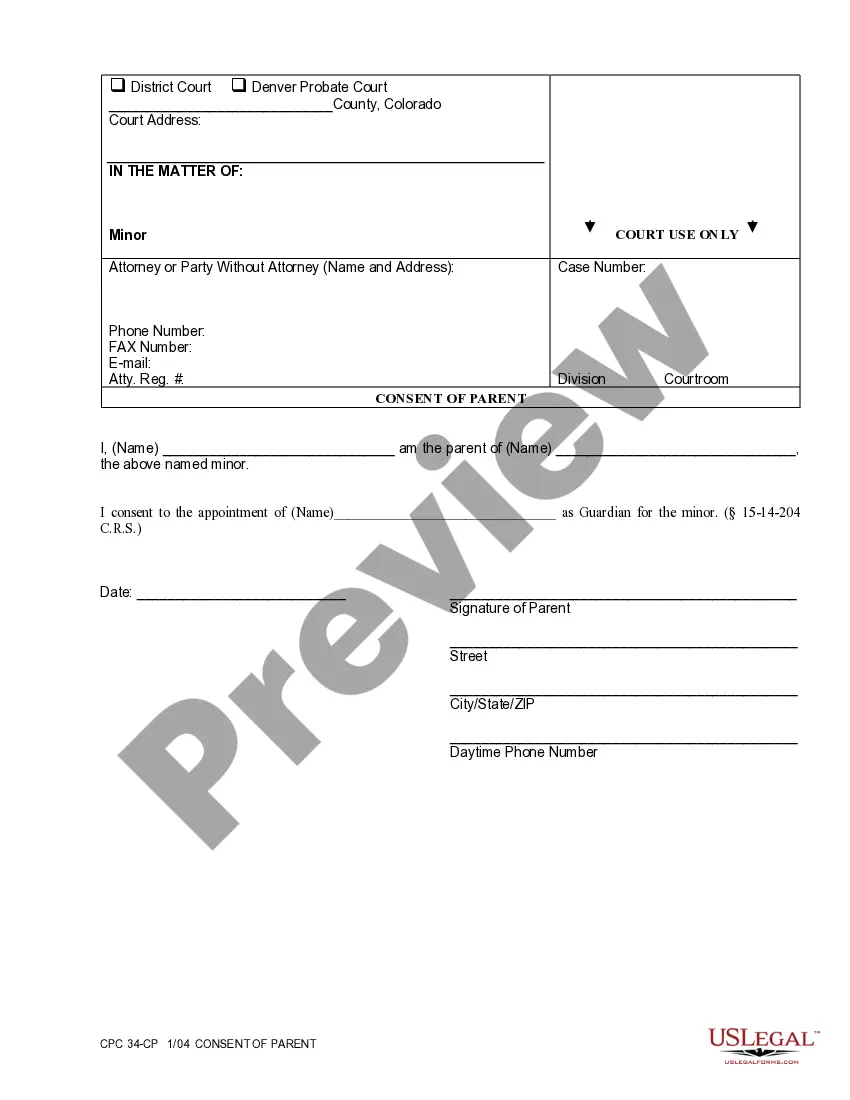
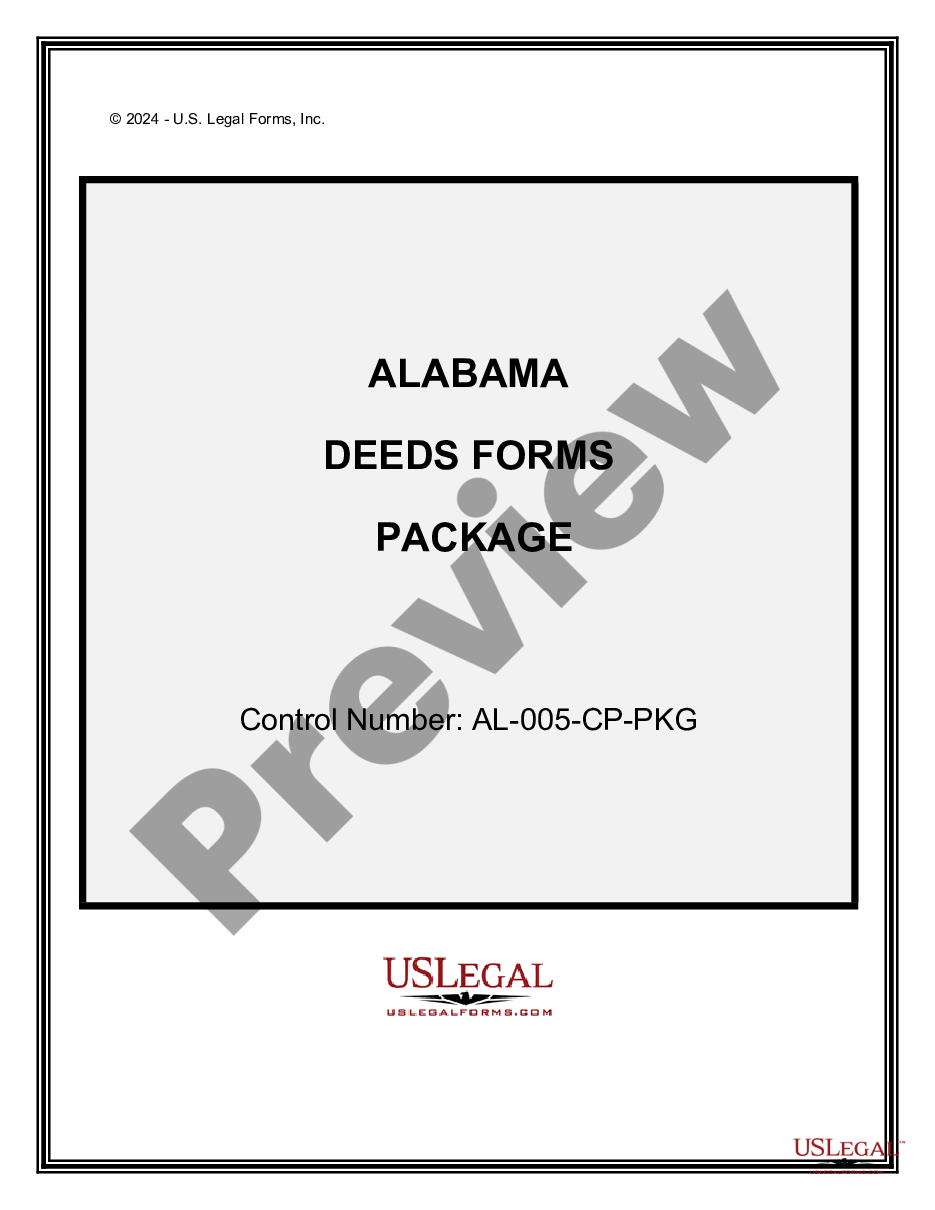
Alabama Deeds Forms Package
What this form package covers
The Alabama Deeds Forms Package offers a comprehensive selection of state-specific deed forms designed for real estate transactions. This package is specifically crafted to meet the legal requirements of Alabama and includes various deeds that may be necessary for transferring property ownership. Unlike other general form packages, this one focuses solely on deeds relevant to Alabama, ensuring users have access to the proper documentation needed in their specific legal context.
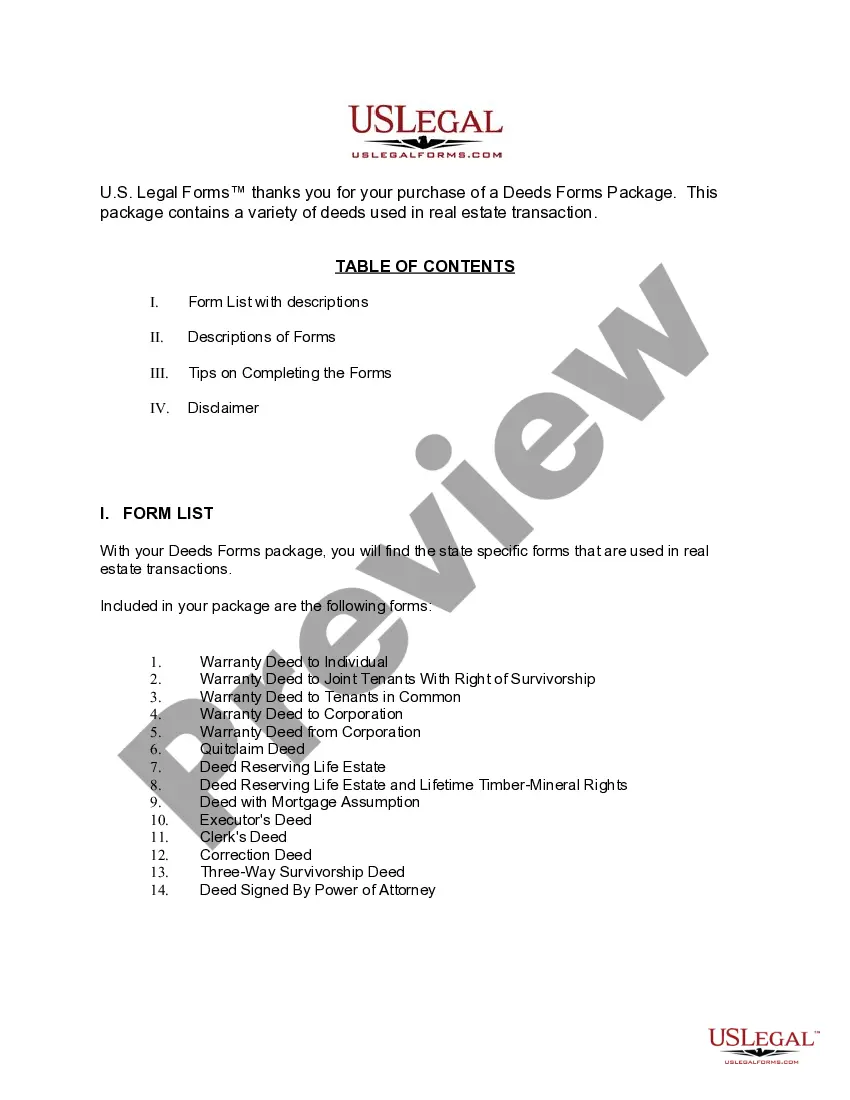
Forms you’ll find in this package
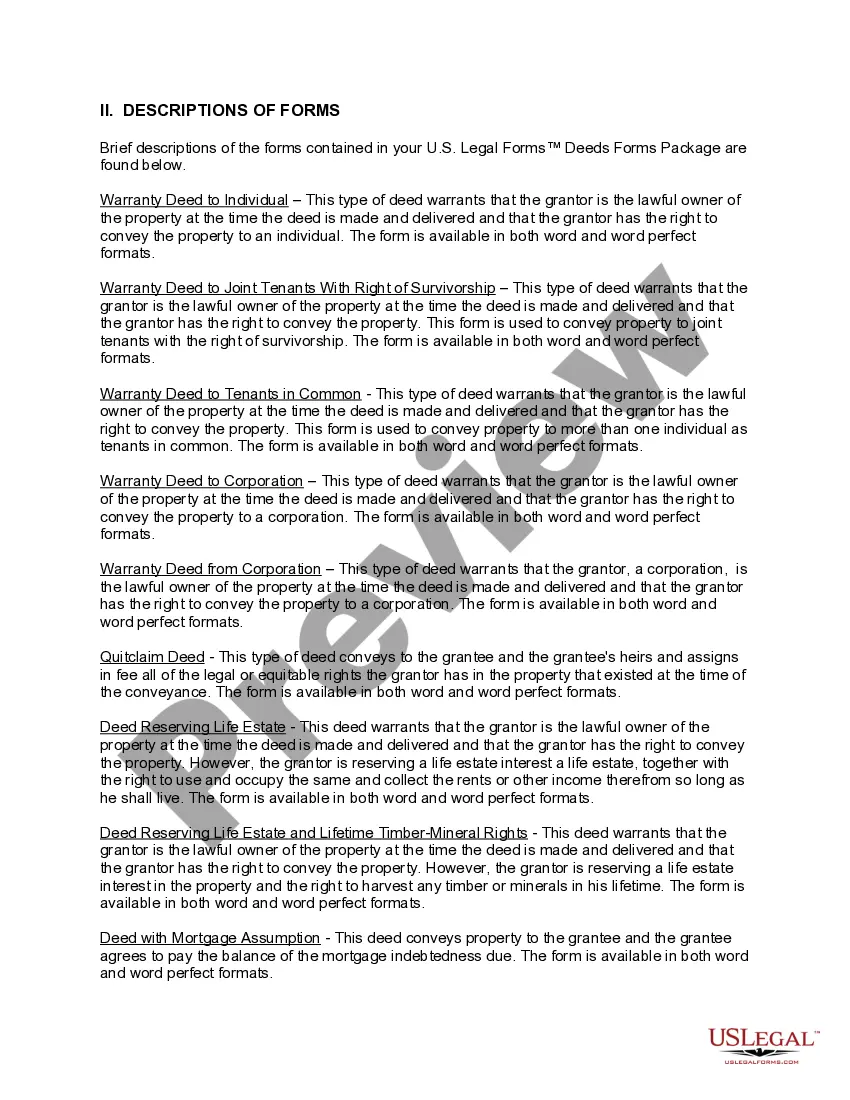
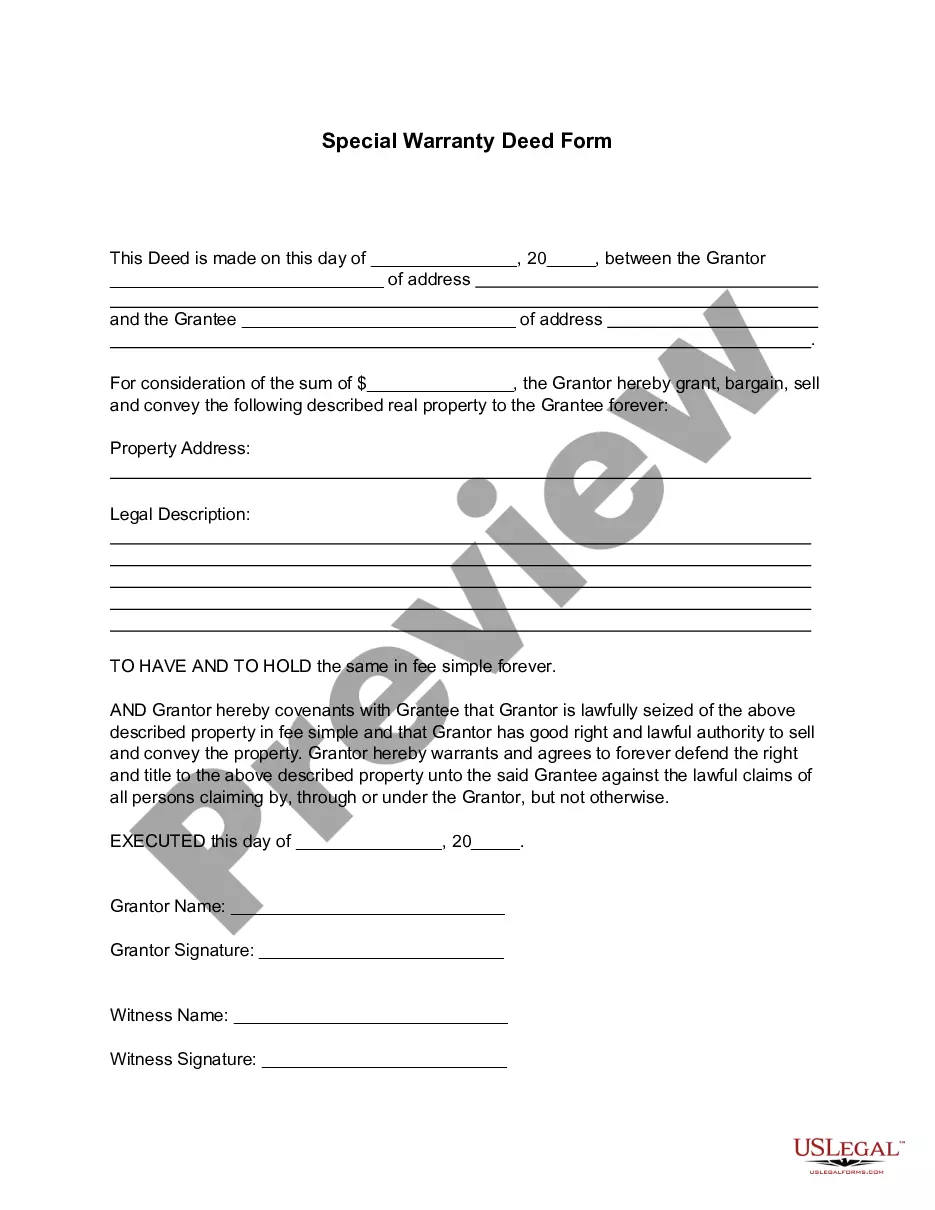
- Warranty Deed to Individual
- Warranty Deed to Joint Tenants With Right of Survivorship
- Warranty Deed to Tenants in Common
- Warranty Deed to Corporation
- Warranty Deed from Corporation
- Quitclaim Deed
- Deed Reserving Life Estate
- Deed Reserving Life Estate and Lifetime Timber and Mineral Rights - Transfer
- Deed with Mortgage Assumption
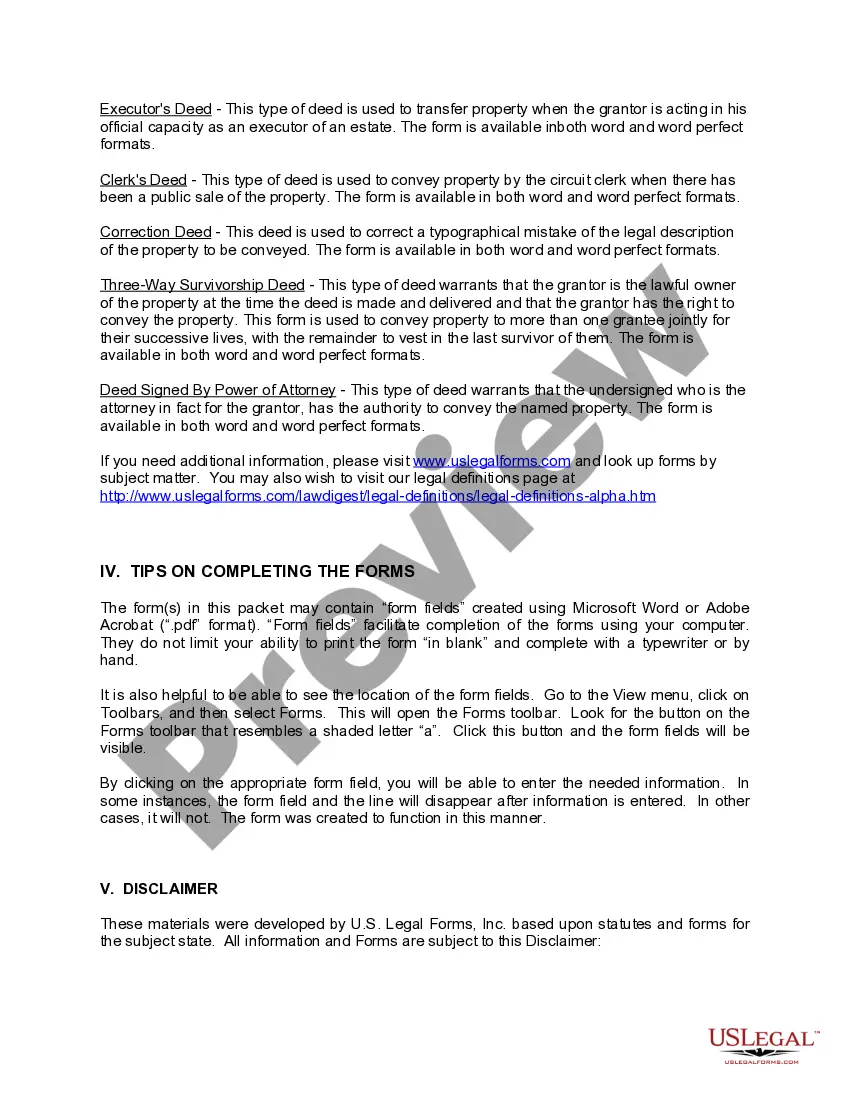
- Executor's Deed
- Clerk's Deed
- Correction Deed
- Three-Way Survivorship Deed
- Deed Signed By Power of Attorney
When to use this form package
This form package is essential in various real estate situations, including:
- Transferring property to an individual or corporation
- Establishing joint ownership with survivorship rights
- Correcting existing deeds due to typographical errors
- Managing property interests reserved for a life estate
- Executing property transfers as an executor of an estate
Who can use this document
- Homeowners looking to transfer property ownership
- Real estate agents facilitating property transactions
- Legal professionals needing standardized deed formats
- Executors managing estate property transfers
- Corporations involved in purchasing or selling real estate
Completing these forms step by step
- Review the included forms to identify the necessary documents for your transaction.
- Gather all relevant property information and the legal names of all parties involved.
- Complete each form by entering the required details in the designated fields.
- Have the completed forms signed by the grantor and necessary witnesses.
- File the deeds with the appropriate county office to finalize the property transfer.
Notarization guidance for this package
Yes, forms in this package must be notarized to be legally valid. Notarization helps to verify the identity of the signers and enhances the enforceability of the deeds. U.S. Legal Forms offers integrated online notarization services, allowing you to complete the process securely via video call at any time.
Get your form ready online
Our built-in tools help you complete, sign, share, and store your documents in one place.
Make edits, fill in missing information, and update formatting in US Legal Forms—just like you would in MS Word.
Download a copy, print it, send it by email, or mail it via USPS—whatever works best for your next step.
Sign and collect signatures with our SignNow integration. Send to multiple recipients, set reminders, and more. Go Premium to unlock E-Sign.
If this form requires notarization, complete it online through a secure video call—no need to meet a notary in person or wait for an appointment.
We protect your documents and personal data by following strict security and privacy standards.

Make edits, fill in missing information, and update formatting in US Legal Forms—just like you would in MS Word.

Download a copy, print it, send it by email, or mail it via USPS—whatever works best for your next step.

Sign and collect signatures with our SignNow integration. Send to multiple recipients, set reminders, and more. Go Premium to unlock E-Sign.

If this form requires notarization, complete it online through a secure video call—no need to meet a notary in person or wait for an appointment.

We protect your documents and personal data by following strict security and privacy standards.
Mistakes to watch out for
- Failing to include the legal description of the property.
- Not obtaining required signatures from all parties.
- Using outdated forms that do not comply with current state regulations.
- Neglecting to notarize deeds when required by law.
- Forgetting to properly file the deed with the local government office.
Why use this package online
- Convenience of downloading forms anytime, from anywhere.
- Editability allows customization of documents to fit specific needs.
- Reliability from attorney-drafted forms that comply with Alabama law.
- Reduction of time and costs associated with legal consultations.
What to keep in mind
- The Alabama Deeds Forms Package includes various deed forms tailored to meet state laws.
- Correctly completing and notarizing these forms is essential for valid property transactions.
- This package is suitable for a wide audience involved in property transfers, including individuals and corporations.
Looking for another form?
Form popularity
FAQ
Find the most recent deed to the property. Create the new deed. Sign and notarize the deed. Record the signed, notarized original deed with the Office of the Judge of Probate.
Retrieve your original deed. Get the appropriate deed form. Draft the deed. Sign the deed before a notary. Record the deed with the county recorder. Obtain the new original deed.
Title the deed and list the amount given for the transfer. If it is a quitclaim deed, title the deed Quitclaim Deed; for warranty deeds, title the deed Warranty Deed. Write In consideration of dollar amount to list the amount given for the transfer. List the names of the parties involved.
Some owners are put off using solicitors duke to the deed of trust cost. Individuals can write out their own, and use someone else as a witness. However, this may have errors or not be a legally binding document. The investment of getting a deed of trust when buying a property is often worth it in the long term.
Recording (§ 35-4-50) All deeds must be recorded in the office of the County Probate Judge.
The mortgage company usually prepares this deed as part of the loan package and delivers it to the title company for you to sign at closing. The title company is commonly the trustee to the deed and holds legal title to the property until the loan gets fully repaid.
For a quit claim deed form to be valid in Alabama, it must meet specific statutory requirements. Content: The conveyance must be in writing on paper or parchment, and signed or marked by the grantor or an authorized agent and must also include the name, address, and marital status of the grantor (Ala.
Adding someone to your house deed requires the filing of a legal form known as a quitclaim deed. When executed and notarized, the quitclaim deed legally overrides the current deed to your home. By filing the quitclaim deed, you can add someone to the title of your home, in effect transferring a share of ownership.
The answer is yes. Parties to a transaction are always free to prepare their own deeds. If you do so, be sure your deed measures up to your state's legal regulations, to help avert any legal challenge to the deed later. Some deeds require more expertise than others.