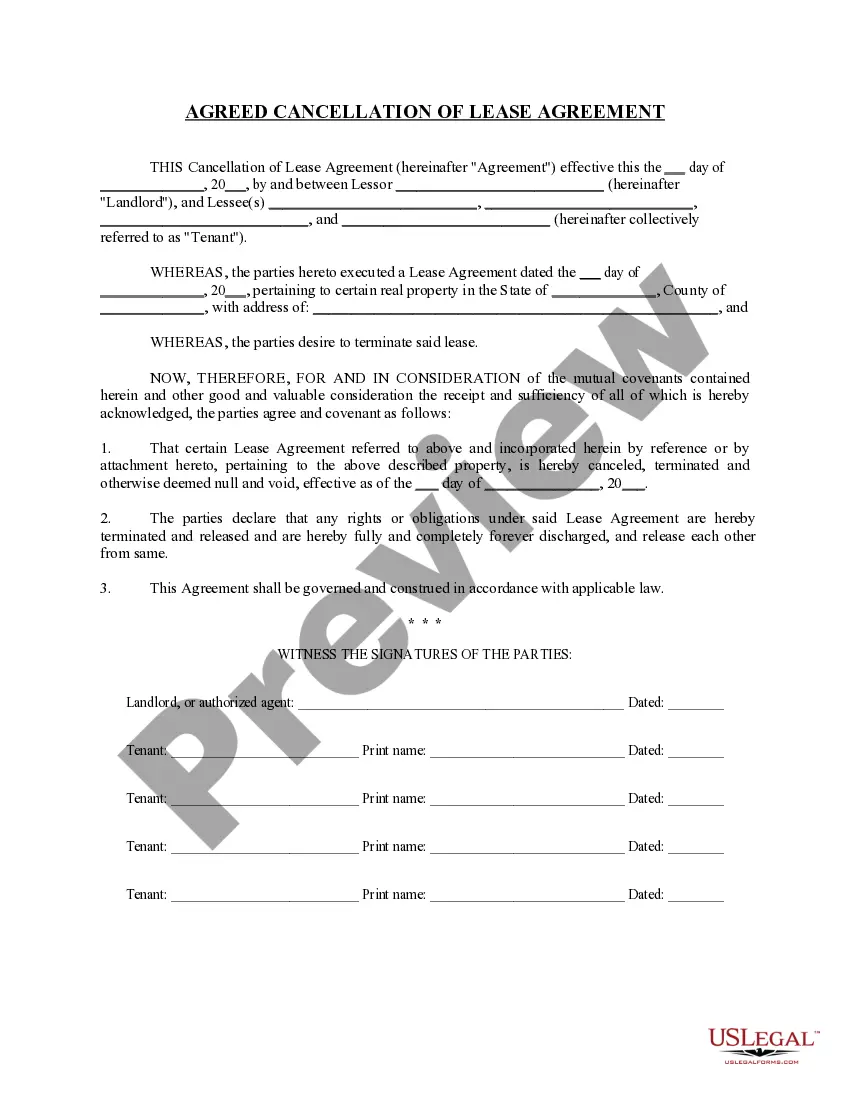
Alabama Deed Signed By Power of Attorney
What is this form?
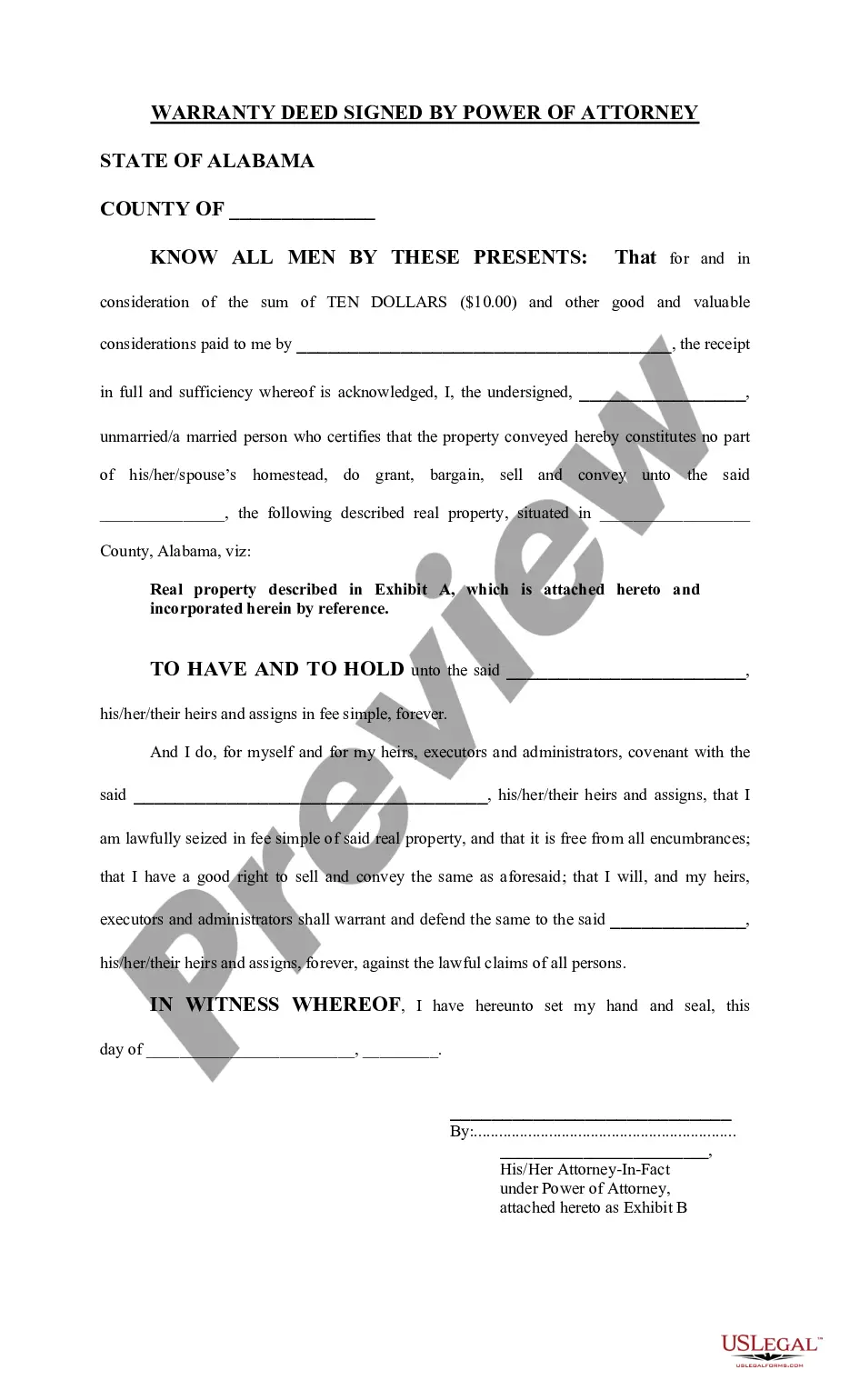
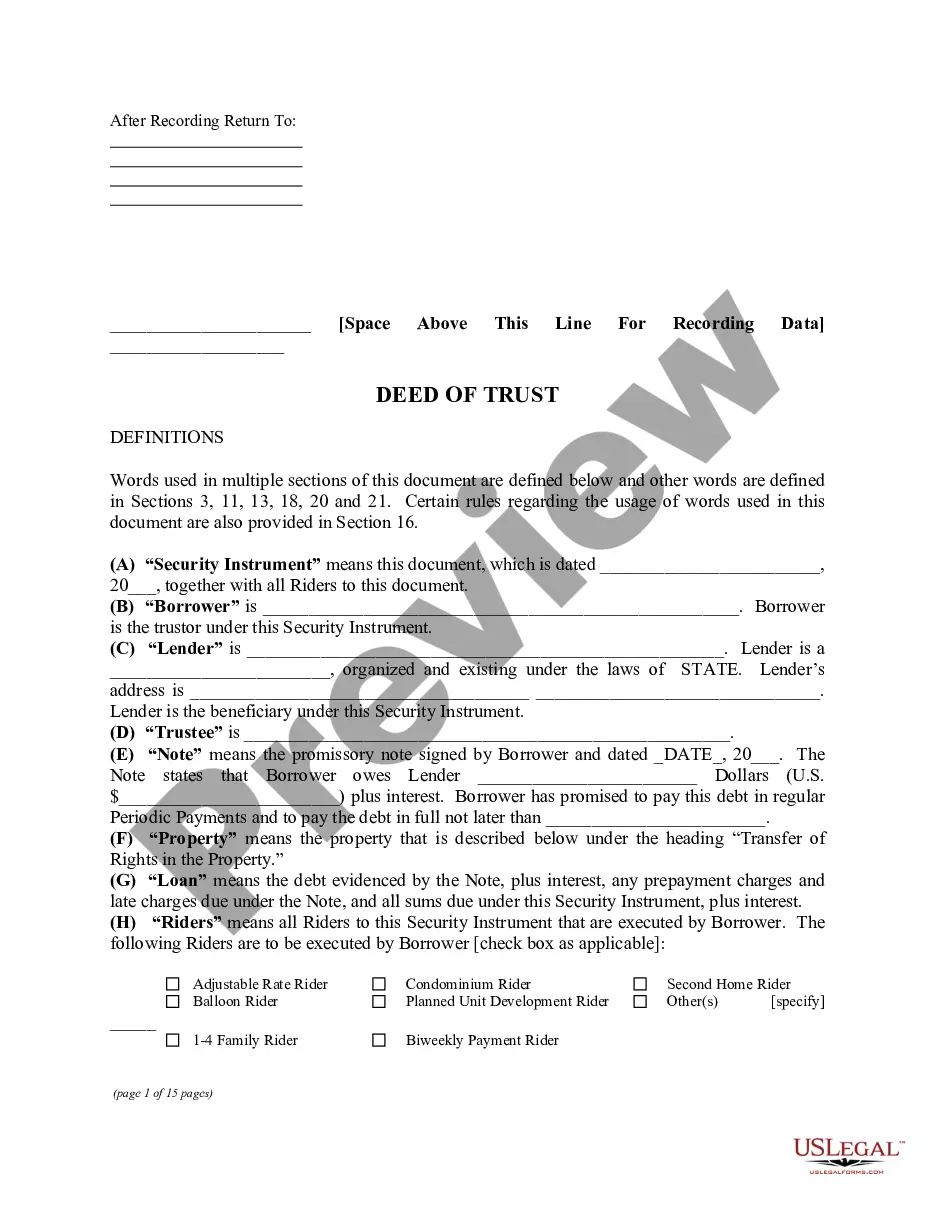
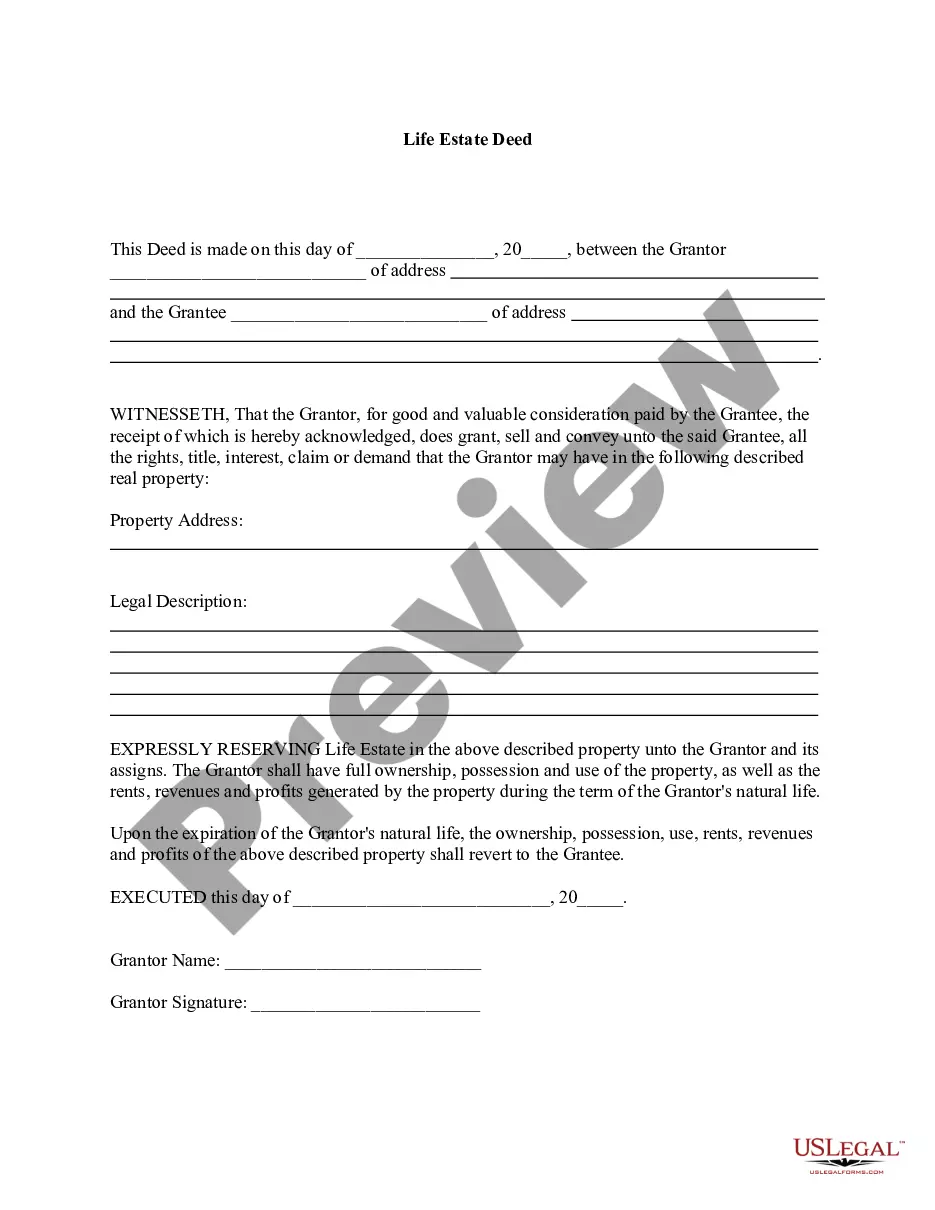
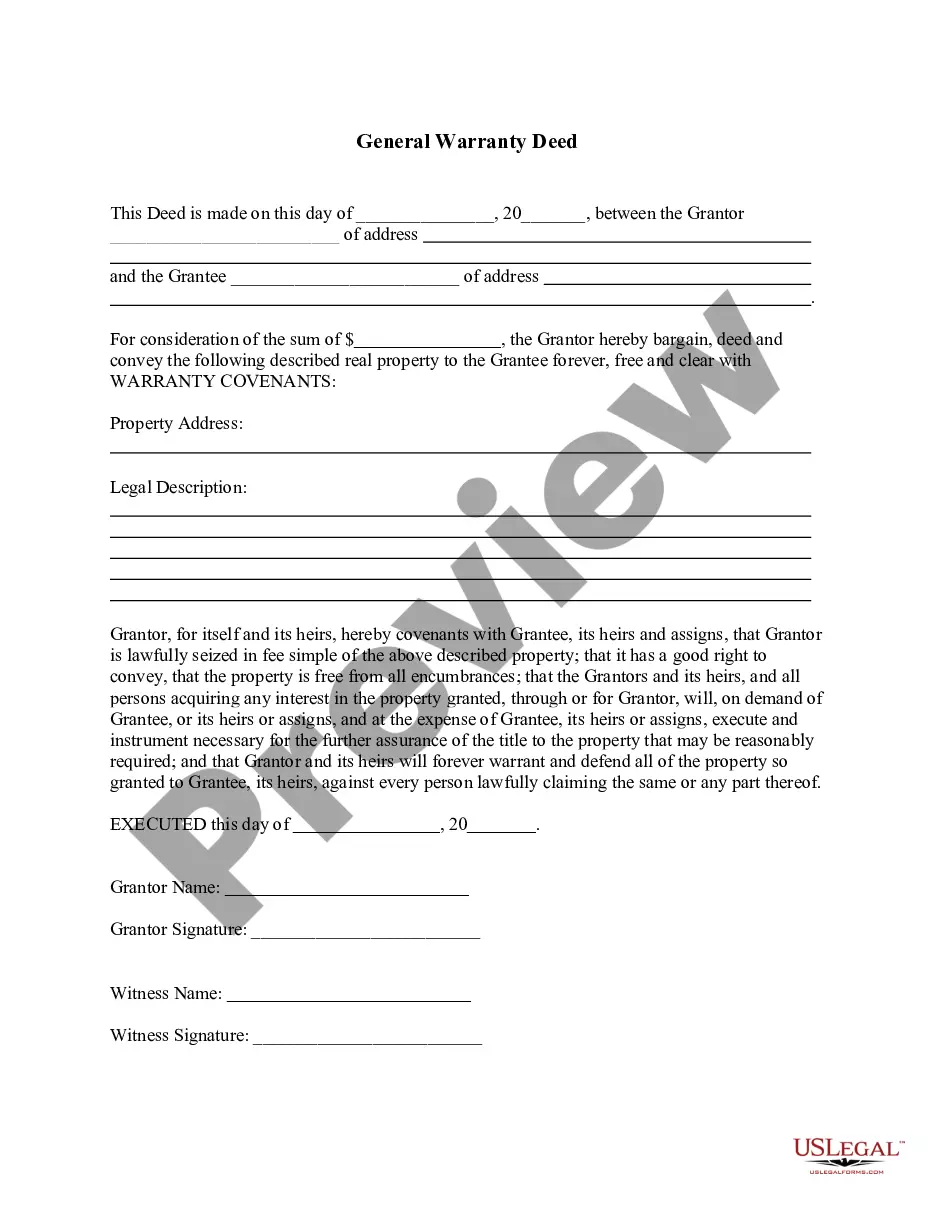
The Deed Signed By Power of Attorney is a legal document that allows an individual, acting as an attorney in fact, to convey real property on behalf of another person (the grantor). This form specifically outlines the authority of the attorney in fact to sell or transfer property, ensuring that the conveyance is recognized under Alabama law. It is crucial for situations where the grantor is unable to execute the deed themselves, distinguishing this deed from other types of property conveyances that require direct action from the property owner.
Form components explained
- Identification of the grantor and attorney in fact
- Details of the property being conveyed, including a description
- Statement of consideration received for the property
- Covenant regarding free ownership and lack of encumbrances
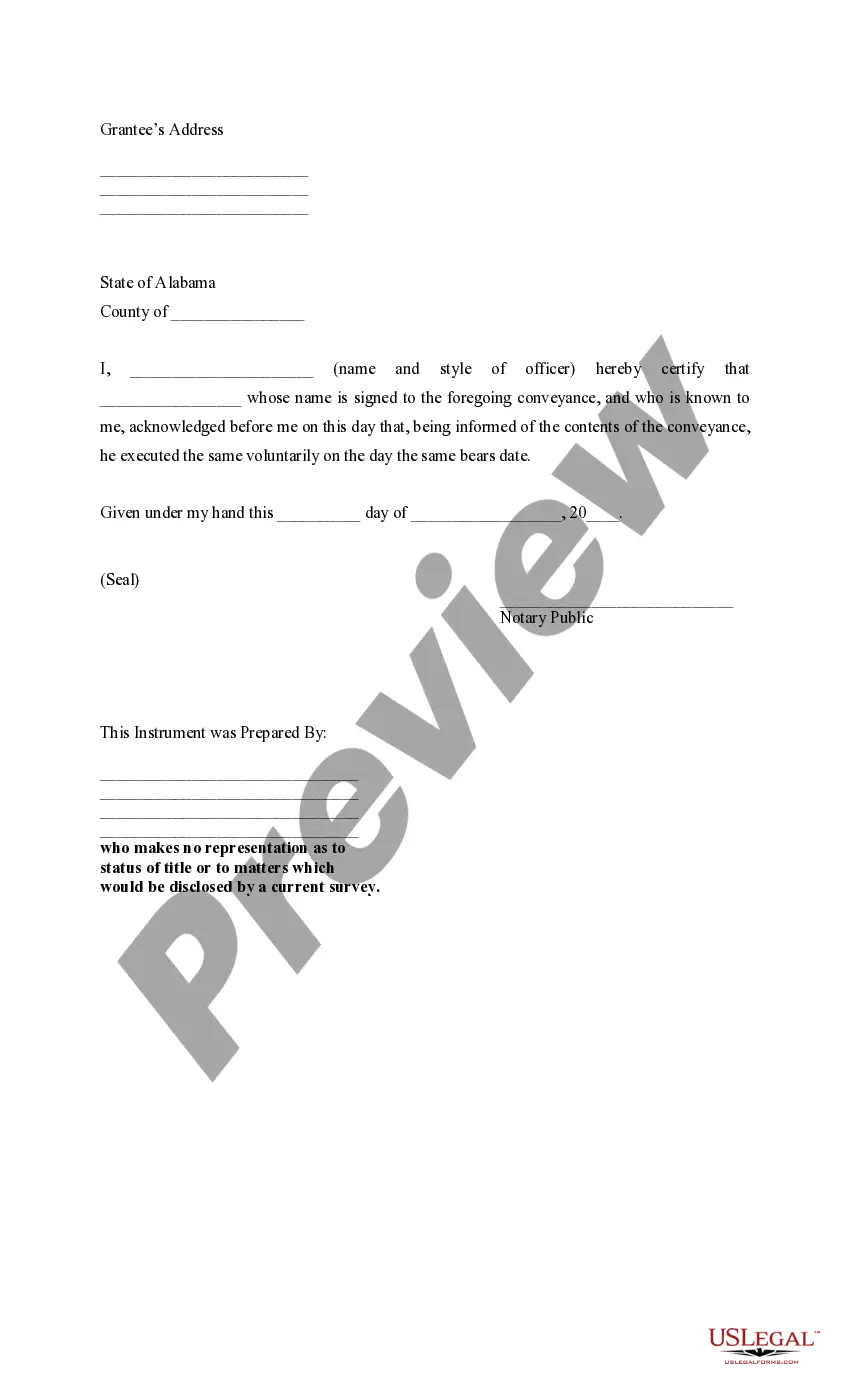
- Signature and acknowledgment by a notary public
When to use this form
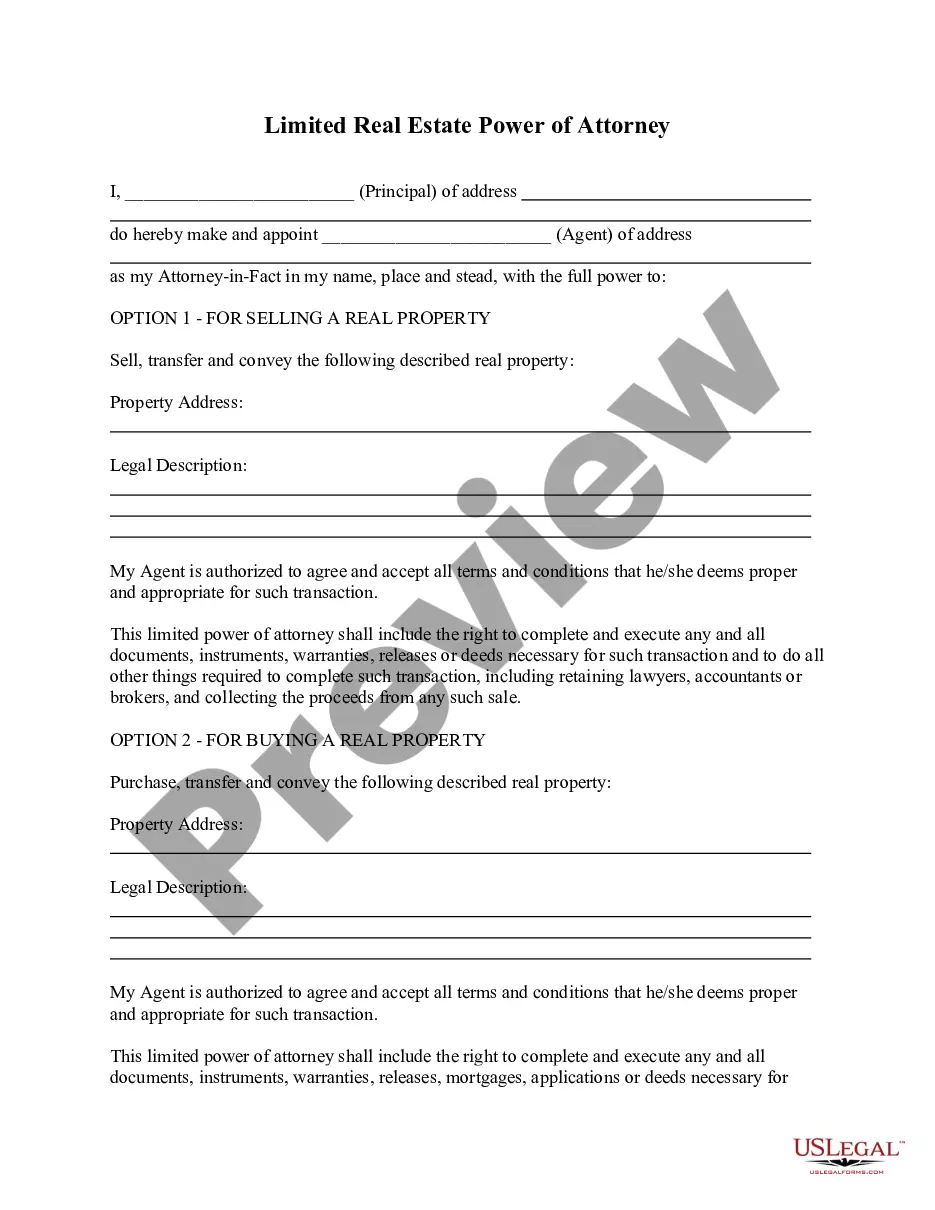
This form should be used when a property owner cannot personally execute a deed due to reasons such as absence, illness, or incapacity. It is vital in real estate transactions where the owner has designated someone else to act on their behalf under a valid power of attorney. This ensures that the property can be sold or transferred legally and effectively, maintaining compliance with state regulations.
Who can use this document
This form is intended for:
- Property owners who are incapacitated or otherwise unable to sign the deed
- Attorneys in fact acting under a durable power of attorney
- Individuals engaged in real estate transactions in Alabama
- Anyone needing to transfer property ownership without direct involvement of the grantor
Instructions for completing this form
- Identify the parties involved: the grantor and the attorney in fact.
- Specify the property being conveyed, referencing a detailed description in Exhibit A.
- Enter the consideration amount for the property transfer.
- Have the attorney in fact sign the deed, indicating their authority.
- Ensure the deed is notarized by a licensed notary public for validity.
Notarization guidance
Yes, this form must be notarized to be legally valid. A notary public must witness the signature of the attorney in fact to ensure authenticity and compliance with legal standards. US Legal Forms offers integrated online notarization services, allowing users to complete this process securely and conveniently via video call, at any time.
Get your form ready online
Our built-in tools help you complete, sign, share, and store your documents in one place.
Make edits, fill in missing information, and update formatting in US Legal Forms—just like you would in MS Word.
Download a copy, print it, send it by email, or mail it via USPS—whatever works best for your next step.
Sign and collect signatures with our SignNow integration. Send to multiple recipients, set reminders, and more. Go Premium to unlock E-Sign.
If this form requires notarization, complete it online through a secure video call—no need to meet a notary in person or wait for an appointment.
We protect your documents and personal data by following strict security and privacy standards.

Make edits, fill in missing information, and update formatting in US Legal Forms—just like you would in MS Word.

Download a copy, print it, send it by email, or mail it via USPS—whatever works best for your next step.

Sign and collect signatures with our SignNow integration. Send to multiple recipients, set reminders, and more. Go Premium to unlock E-Sign.

If this form requires notarization, complete it online through a secure video call—no need to meet a notary in person or wait for an appointment.

We protect your documents and personal data by following strict security and privacy standards.
Avoid these common issues
- Failing to properly identify the property being conveyed.
- Not having the document notarized, which may affect its legal validity.
- Omitting required signatures or the attorney in fact certification.
- Ignoring local laws that may necessitate additional documentation.
Benefits of using this form online
- Convenience of downloading and completing the form from home.
- Editability allows for easy customization to match specific circumstances.
- Access to templates created by licensed attorneys ensures reliability and legal compliance.
Legal use & context
- This deed is legally effective in transferring property rights from the grantor to the grantee as long as it meets state requirements.
- It provides a clear public record of the transaction in the relevant county.
- Using a power of attorney in property transactions can help facilitate smoother transfers, especially when the grantor cannot be present.
Key takeaways
- The Deed Signed By Power of Attorney enables a designated individual to convey property on behalf of the property owner.
- Proper completion and notarization are essential for the document to be legally binding.
- This form is specific to Alabama and must adhere to state laws regarding property transfers.
- Identifying both the property and all parties involved is crucial to avoid legal complications.
Looking for another form?
Form popularity
FAQ
A power of attorney agent is not barred by law to sell the property unto himself by following proper procedures. He is selling the property on behalf of his principal in the capacity of his agent/representative and buying it as a buyer.In his absence or at his option, the POA can act.
Your name, address, and signature as the principal. The name, address, and signature of your Agent. The activities and properties under the Agent's authority. The start and termination dates of the Agent's powers. Any compensation you will give to the Agent.
Find the most recent deed to the property. Create the new deed. Sign and notarize the deed. Record the signed, notarized original deed with the Office of the Judge of Probate.
Draft a list of special powers. Decide what powers are springing. Pick an agent and a successor agent. Note the expiration date. Compile the information into one document. Execute the power of attorney letter.
Perhaps the most important duty you have as an attorney is the duty to act in the best interests of the donor. Therefore, any gifts or payments you make on the donor's behalf must be in line with their best interests.Attorneys can even make payments to themselves.
An agent cannot:Make decisions on behalf of the principal after their death.However, unless the principal named a co-agent or alternate agent in the same POA document or is still competent to appoint someone else to act on their behalf, an agent cannot choose who takes over their duties.
The signature line on the deed should clearly state that the attorney/agent is signing under a power of attorney authorized by the principal. For example, the signature line should read: "_____, as duly authorized attorney in fact for the Grantor." Additionally, the deed will need to be notarized by a public notary.
The Power of Attorney is able to do anything which is authorized in the document. If there is language in the POA which allows the transfer of real property, the power of attorney is able to transfer the property to himself.
A power of attorney enables an agent (also called the attorney-in-fact) to conduct transactions on another person's behalf.If so, a spouse, relative or friend with POA can sign a deed or other real estate documents.