Blind Trust Example With 10
Description
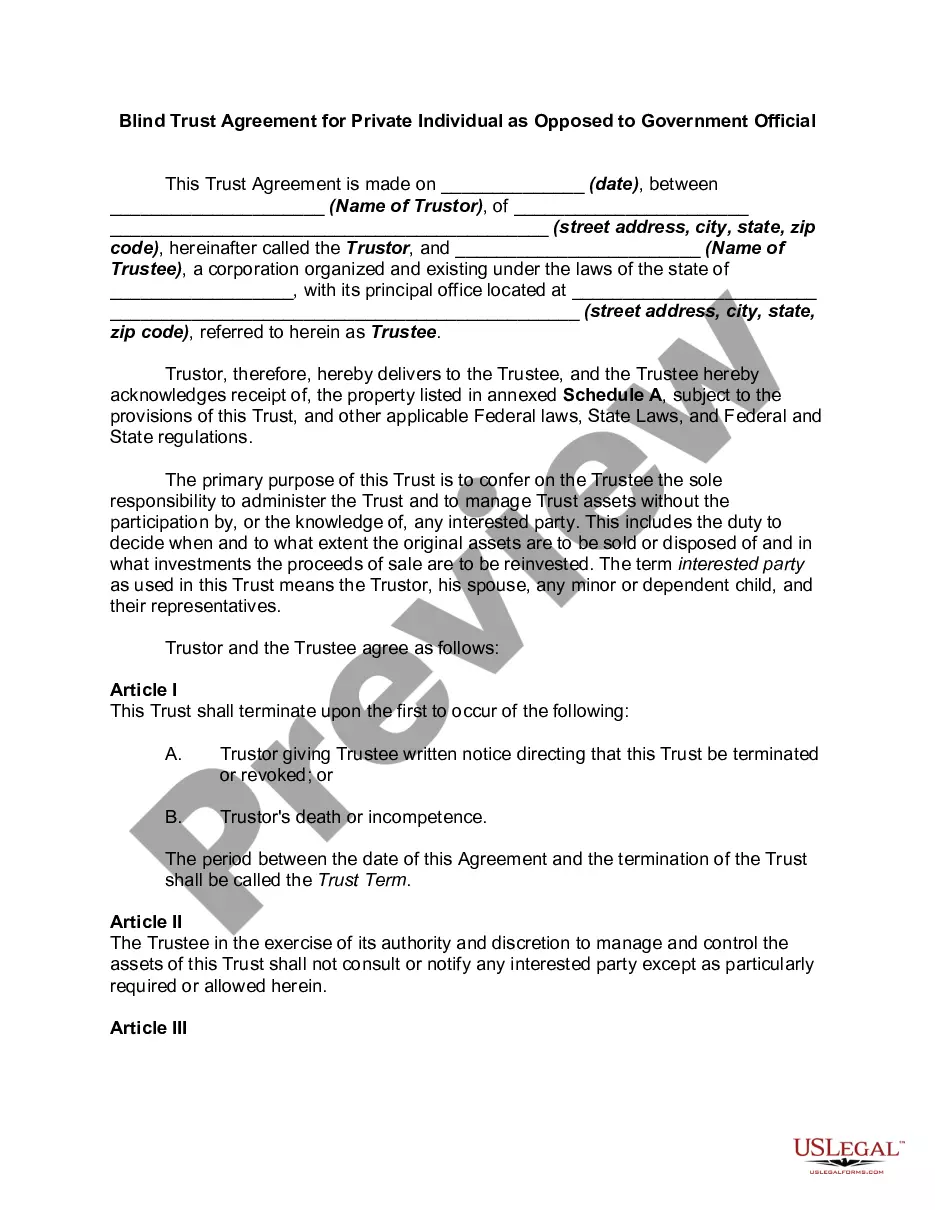
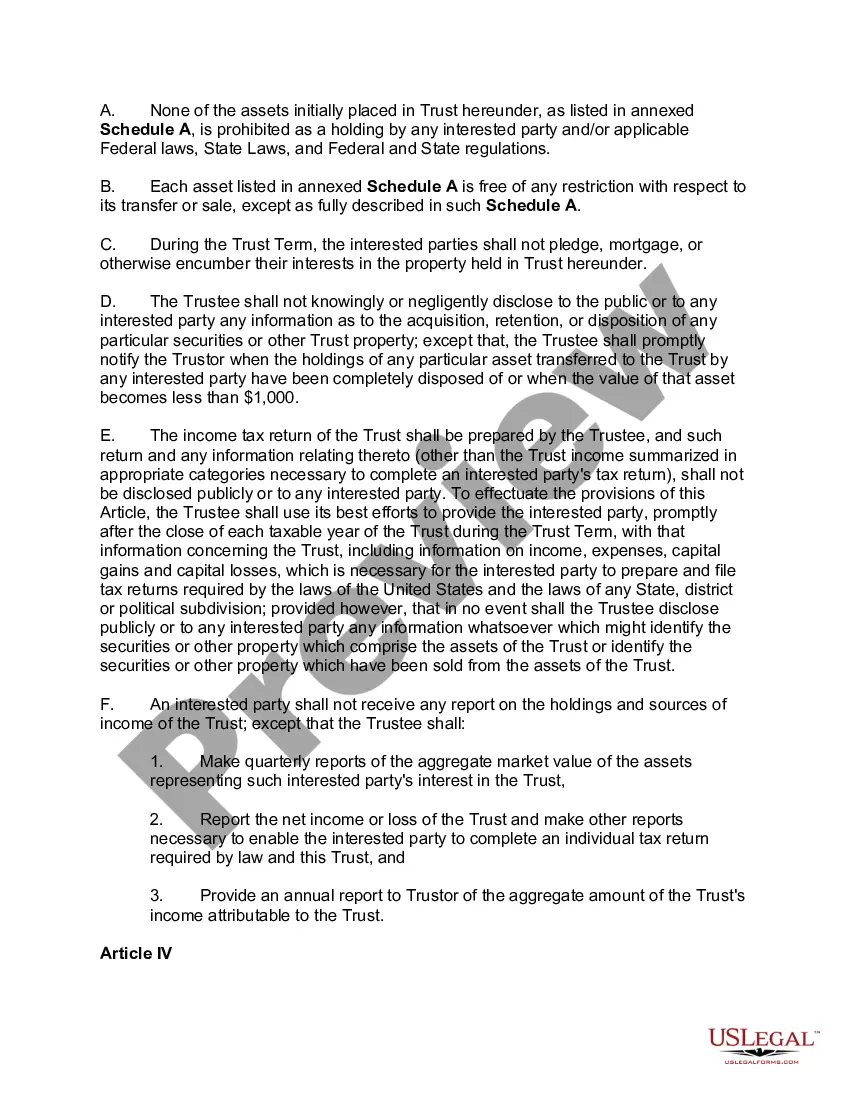
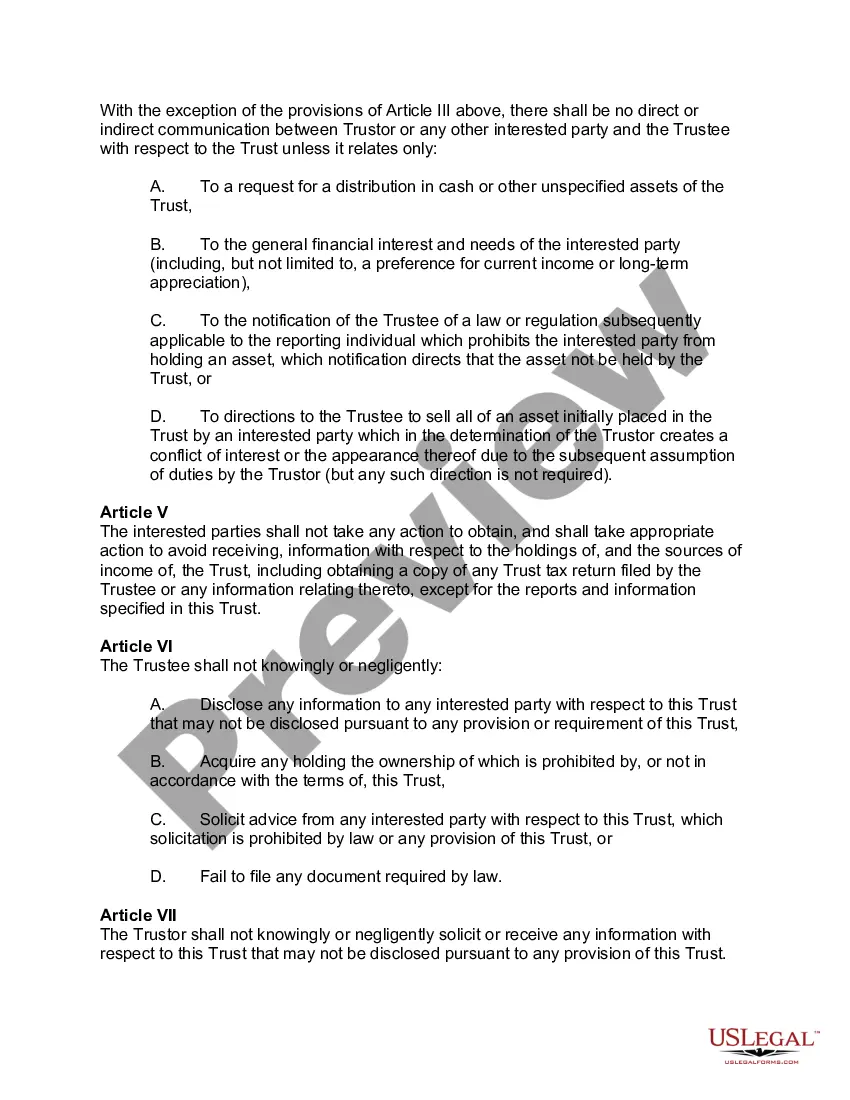
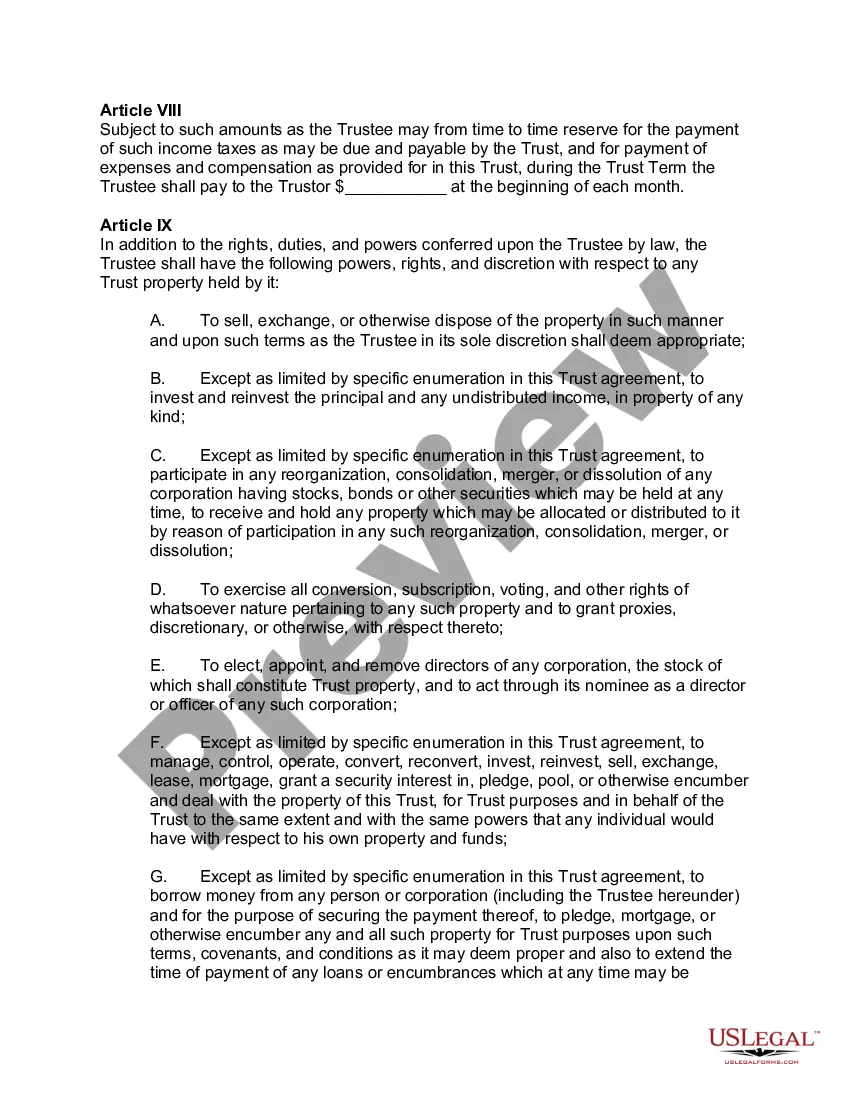
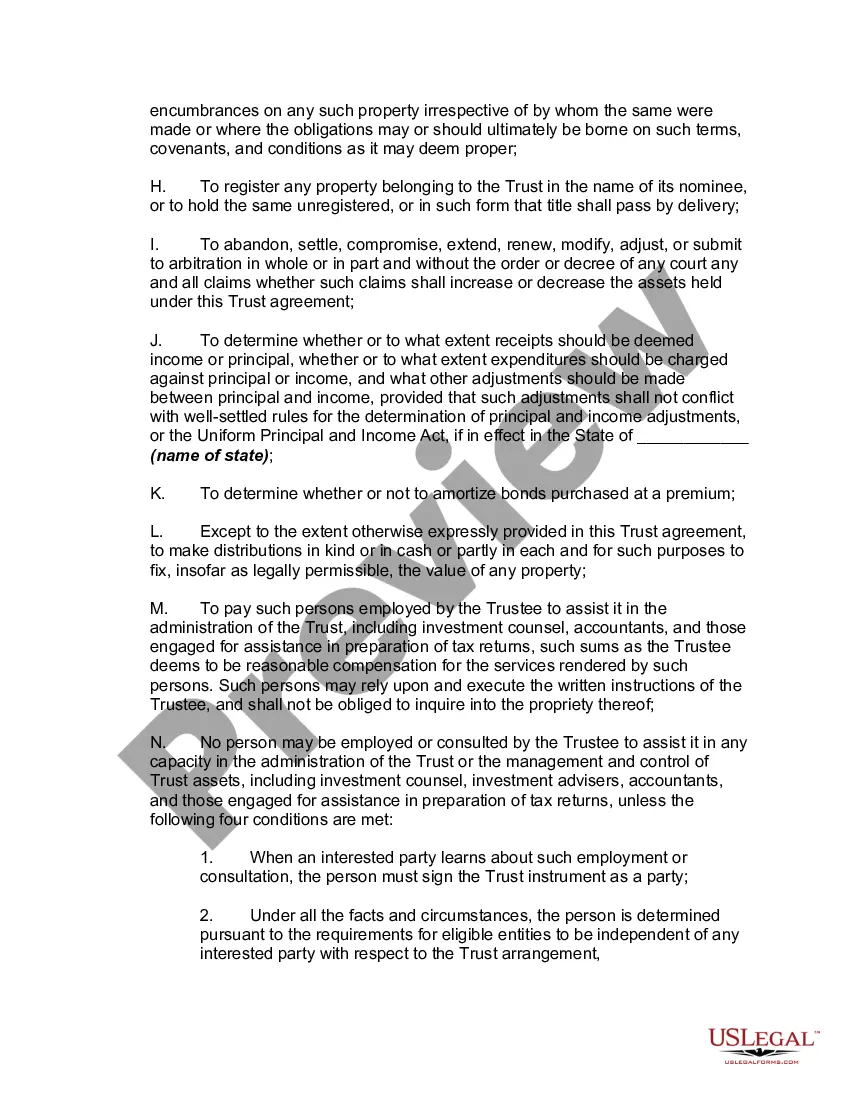
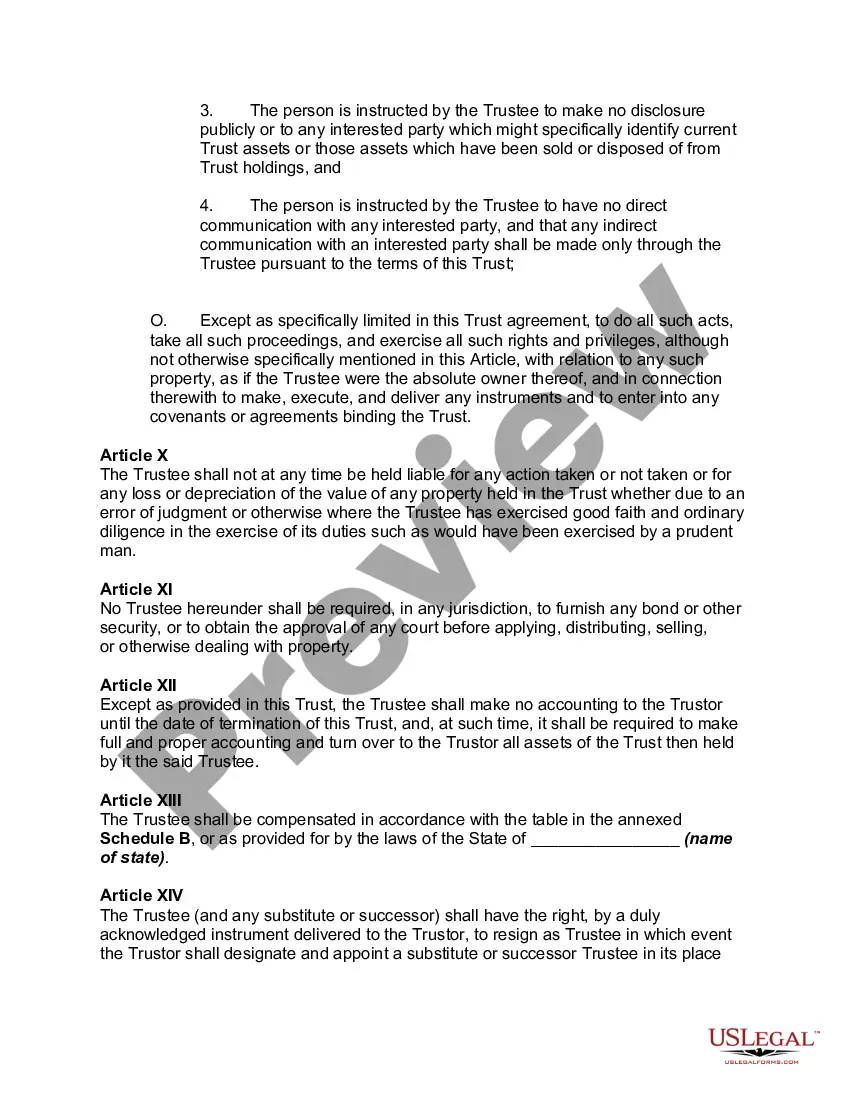
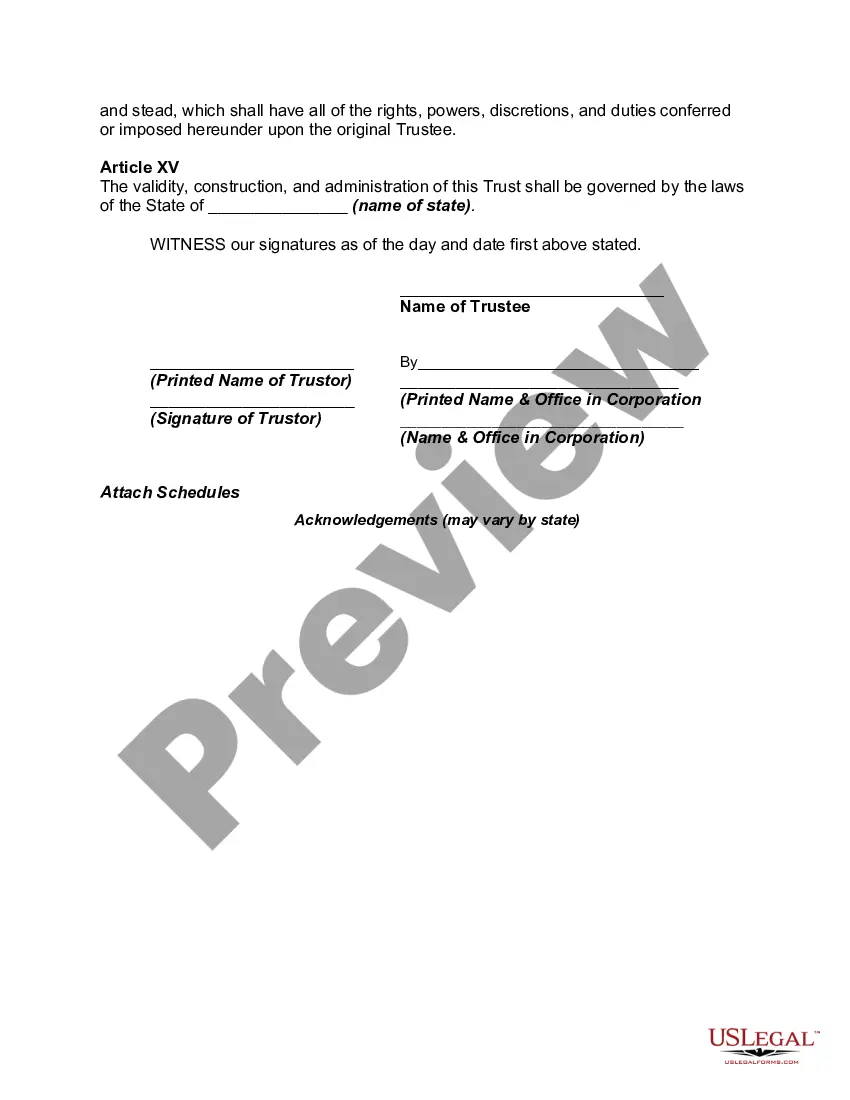
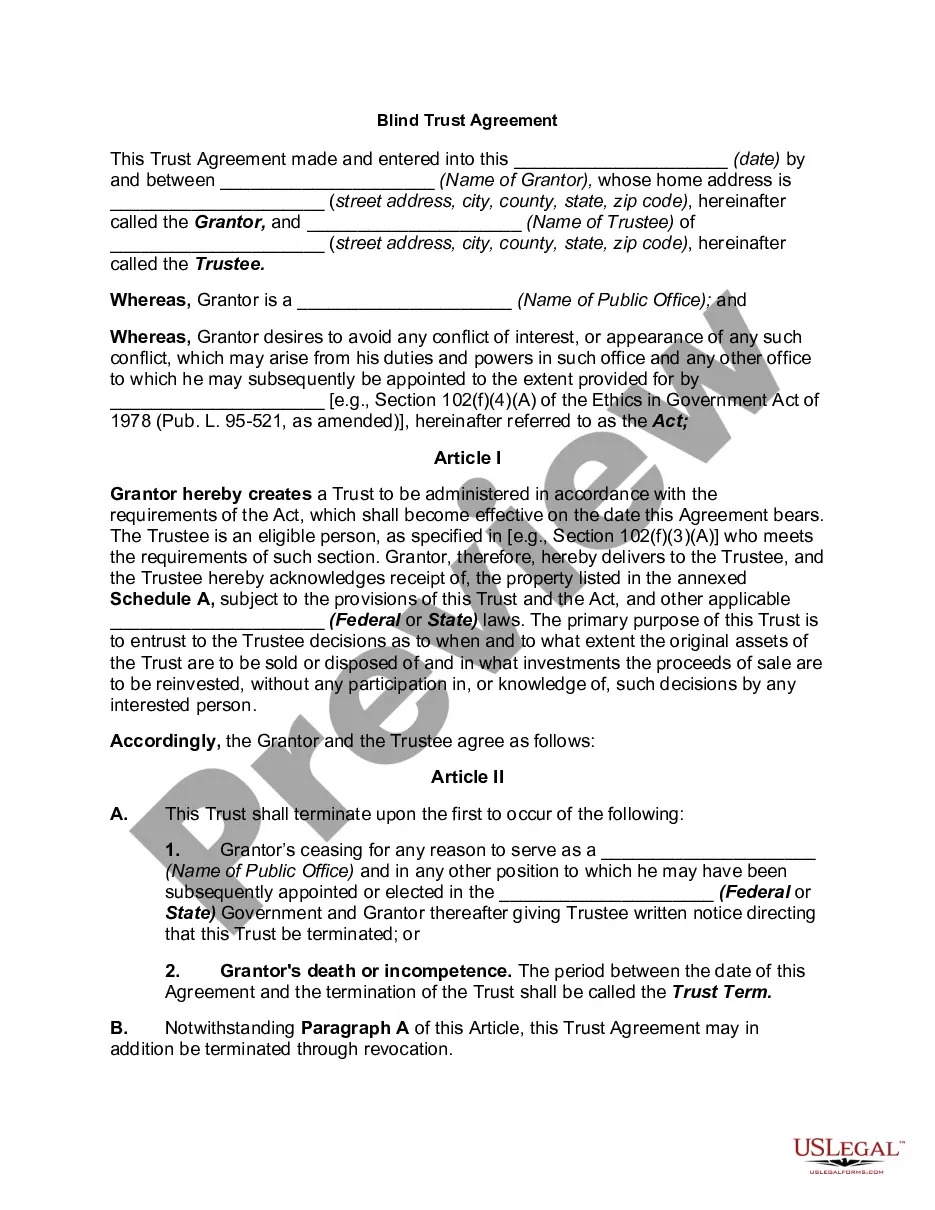
Get your form ready online
Our built-in tools help you complete, sign, share, and store your documents in one place.
Make edits, fill in missing information, and update formatting in US Legal Forms—just like you would in MS Word.
Download a copy, print it, send it by email, or mail it via USPS—whatever works best for your next step.
Sign and collect signatures with our SignNow integration. Send to multiple recipients, set reminders, and more. Go Premium to unlock E-Sign.
If this form requires notarization, complete it online through a secure video call—no need to meet a notary in person or wait for an appointment.
We protect your documents and personal data by following strict security and privacy standards.

Make edits, fill in missing information, and update formatting in US Legal Forms—just like you would in MS Word.

Download a copy, print it, send it by email, or mail it via USPS—whatever works best for your next step.

Sign and collect signatures with our SignNow integration. Send to multiple recipients, set reminders, and more. Go Premium to unlock E-Sign.

If this form requires notarization, complete it online through a secure video call—no need to meet a notary in person or wait for an appointment.

We protect your documents and personal data by following strict security and privacy standards.
Looking for another form?


How to fill out Blind Trust Agreement For Private Individual As Opposed To Government?
Identifying a reliable location to obtain the most up-to-date and pertinent legal examples constitutes a significant portion of navigating bureaucracy. Locating the appropriate legal documents demands precision and carefulness, which is why it is essential to select samples of Blind Trust Example With 10 solely from trustworthy sources, such as US Legal Forms. A flawed template can squander your time and prolong the circumstances you are facing. With US Legal Forms, you have minimal concerns. You can access and review all the details concerning the document’s application and relevance for your situation and in your state or locality.
Take into consideration the following steps to finalize your Blind Trust Example With 10.
Once you have the form on your device, you can modify it using the editor or print it out and complete it by hand. Eliminate the hassle associated with your legal paperwork. Explore the extensive US Legal Forms catalog to discover legal examples, assess their relevance to your situation, and download them instantly.
- Utilize the catalog navigation or search bar to find your template.
- Examine the form’s description to determine if it meets the criteria of your state and region.
- View the form preview, if available, to confirm that the template is the one you are seeking.
- Continue the search and locate the suitable document if the Blind Trust Example With 10 does not align with your requirements.
- If you are confident about the form’s applicability, download it.
- If you are an authorized user, click Log in to verify and access your selected forms in My documents.
- If you do not possess a profile yet, click Buy now to acquire the form.
- Choose the pricing plan that suits your needs.
- Proceed to the registration to complete your purchase.
- Conclude your purchase by selecting a payment method (credit card or PayPal).
- Choose the file format for downloading Blind Trust Example With 10.
Form popularity
FAQ
One disadvantage of blind trusts is that they can be challenging to set up. The grantor must have complete confidence in the trustee and be willing to give up control over the assets. Another disadvantage is that the grantor may not be able to change the terms of the trust once it has been established.
What Is a Blind Trust? A blind trust is a trust established by the owner (or trustor) giving another party (the trustee) full control of the trust. The trustee has full discretion over the assets and investments while being charged with managing the assets and any income generated in the trust.
How to Set Up a Blind Trust Gather the documentation for the assets that you want put into the blind trust. ... Appoint a trustee. ... Create the trust agreement. ... Sign the trust and have it notarized, taking care to follow any recording laws that your state has. Officially transfer the relevant assets into the trust.
In a blind trust, an individual places assets that could otherwise create conflicts of interest into an asset vehicle ("trust"). Control over the trust and its assets are given to an independent trustee, who may buy and sell assets without the knowledge or consent of the beneficiary ("blind").
A blind trust is most common with public officials whose decisions can directly affect the financial markets, but another example would be creating a blind trust to hide its monetary value from an individual whose behavior and actions would change if they were privy to it.