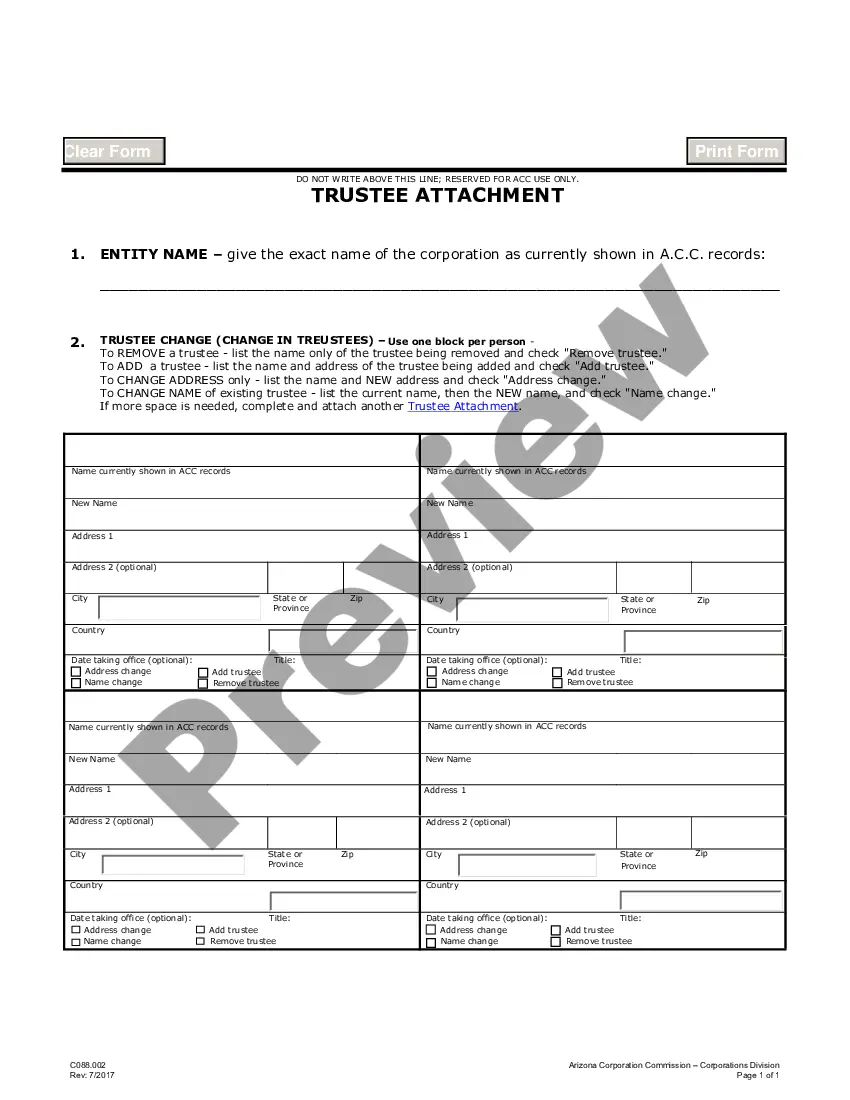
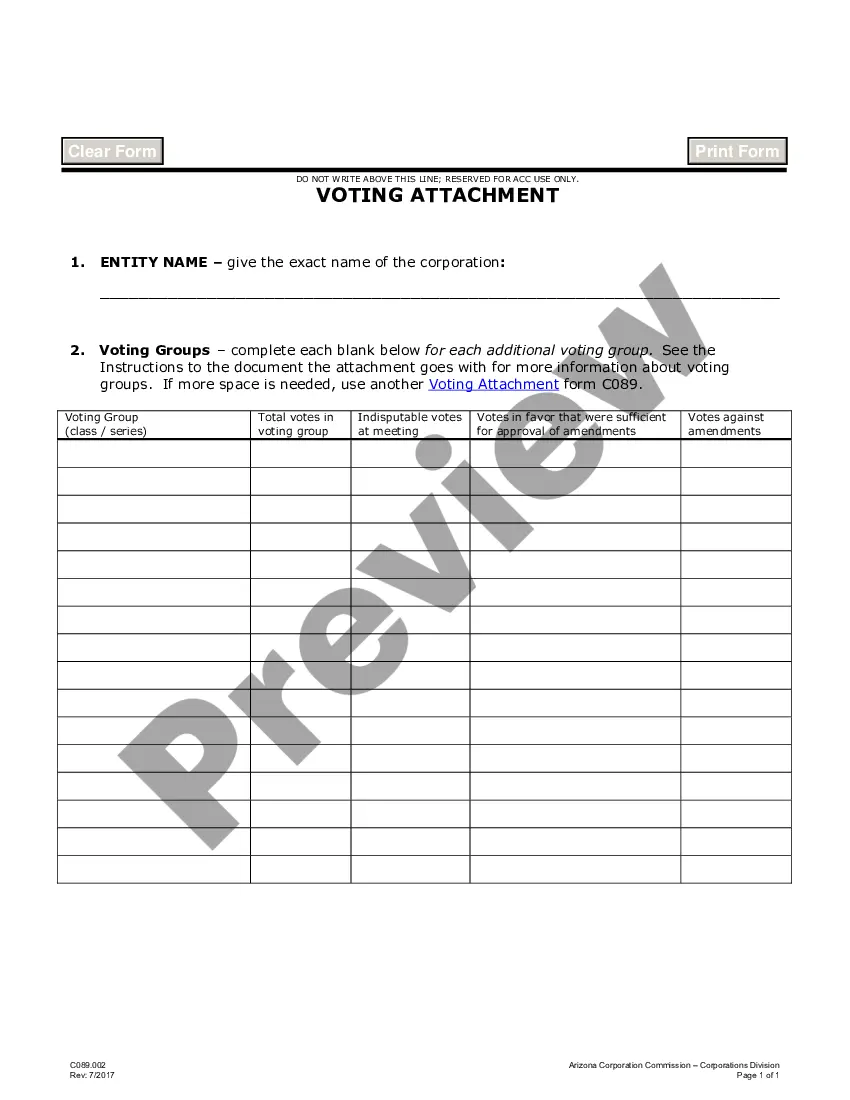
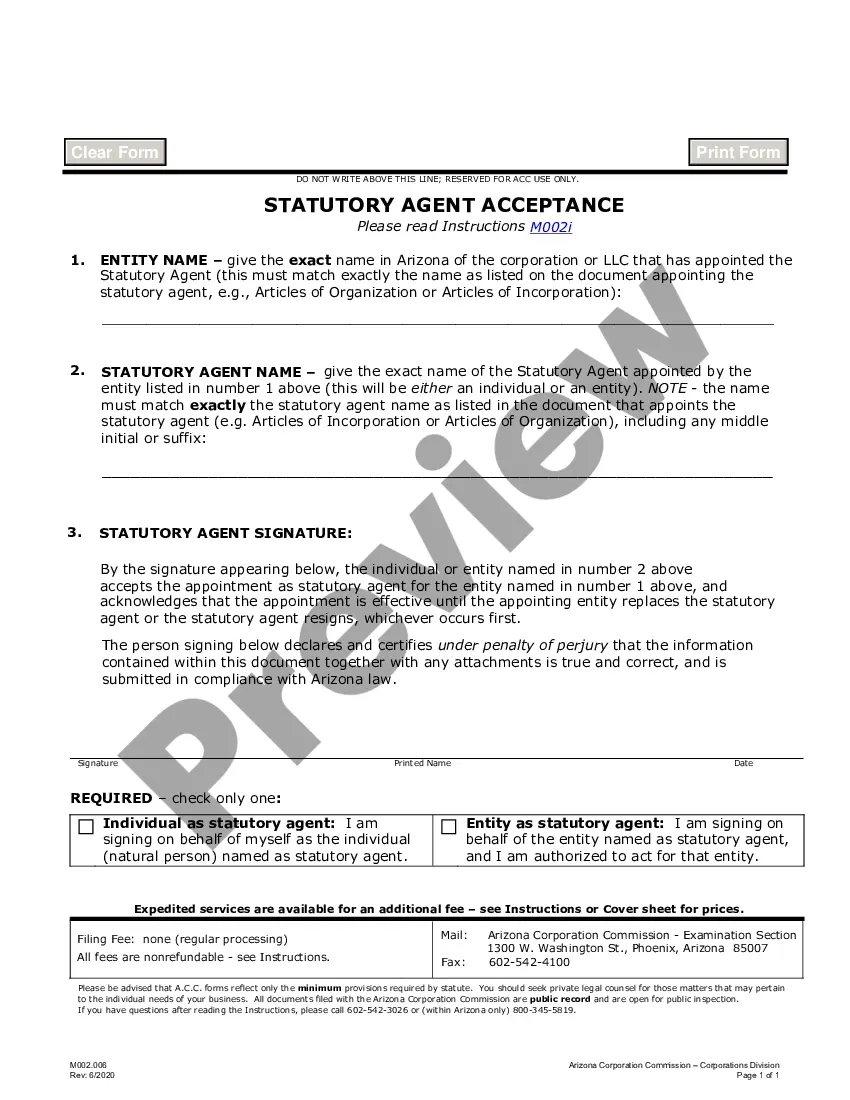
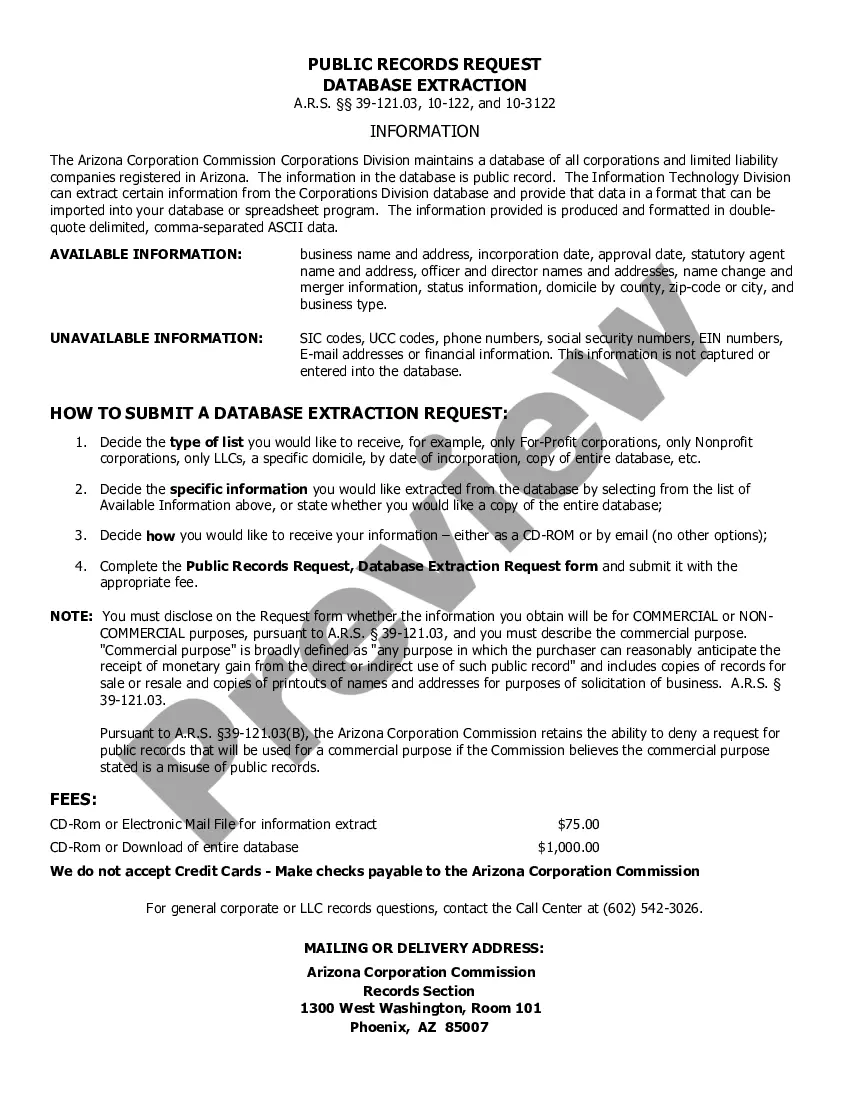
Alaska Employment Employee Personnel File Package
What this form package covers
The Alaska Employment Employee Personnel File Package is a comprehensive collection of essential personnel forms designed to help employers maintain accurate records regarding employee matters. This package stands out as it not only aids in compliance with significant federal laws but also minimizes the risk of costly administrative mistakes. The documents included span various aspects of employee management, ensuring organizations cover all necessary bases in maintaining personnel files.
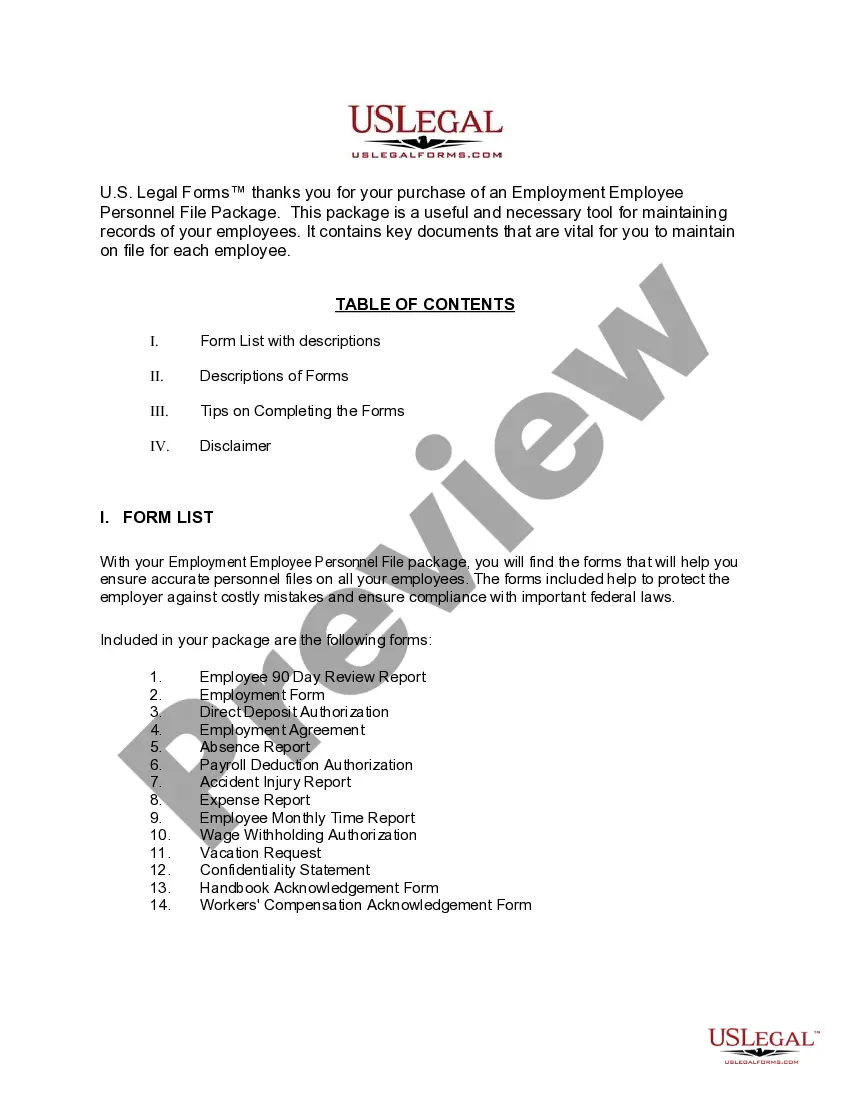
Forms you’ll find in this package
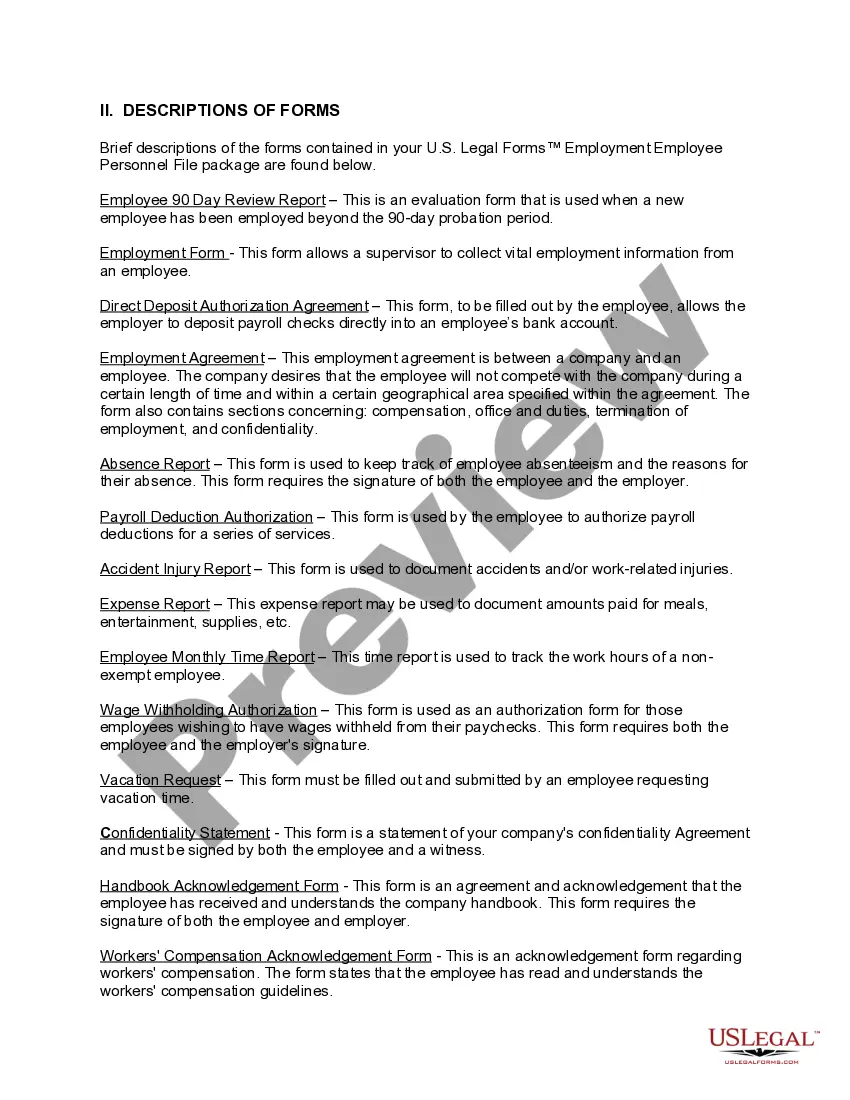
- Employment Agreement between a company and an employee
- Absence Report
- Payroll Deduction Authorization Form
- Accident - Injury Report
- Direct Deposit Authorization
- Nonexempt Employee Time Report
- Employee 90 day Review Report
- Wage Withholding Authorization
- Confidentiality Statement and Agreement for an Employee
- Employee Agreement and Handbook Acknowledgment Form
- Workers' Compensation Acknowledgment Form
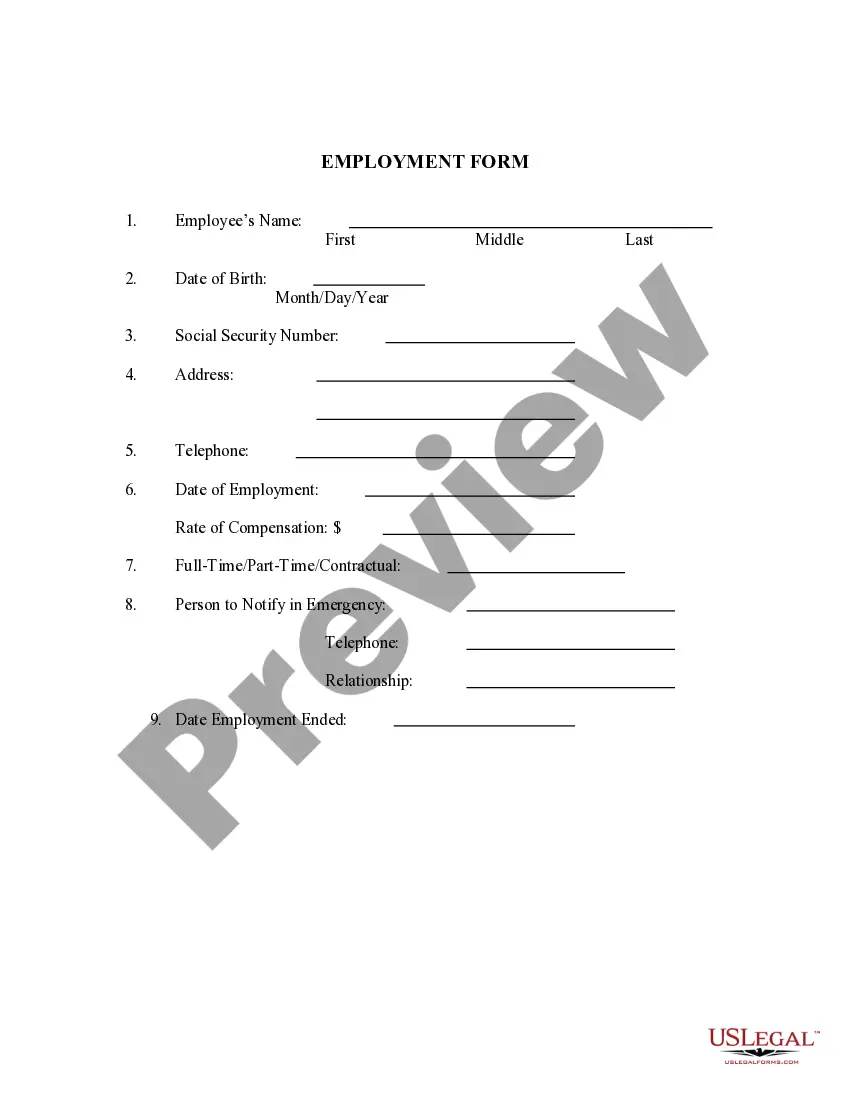
- Employment Form
- Vacation Request Form
When this form package is needed
This form package is useful during multiple employment scenarios, including when:
- Onboarding a new employee and collecting vital employment information.
- Tracking and managing employee performance through regular evaluations.
- Documenting employee absences and handling payroll deductions.
- Requesting and approving vacation time, ensuring clarity in employee time-off protocols.
- Managing workplace accidents and injuries to ensure compliance with safety regulations.
Who can use this document
- Small to medium-sized businesses operating in Alaska.
- Human resources professionals responsible for employee management.
- Business owners looking to streamline personnel record-keeping.
- Employers seeking to ensure legal compliance in employment practices.
How to prepare this document
- Review the list of included forms to understand their purpose.
- Collect all necessary information from employees to complete the Employment Form.
- Fill out form fields using a computer or print them to complete by hand.
- Ensure all relevant signatures are obtained, especially on the Employment Agreement and Confidentiality Statement.
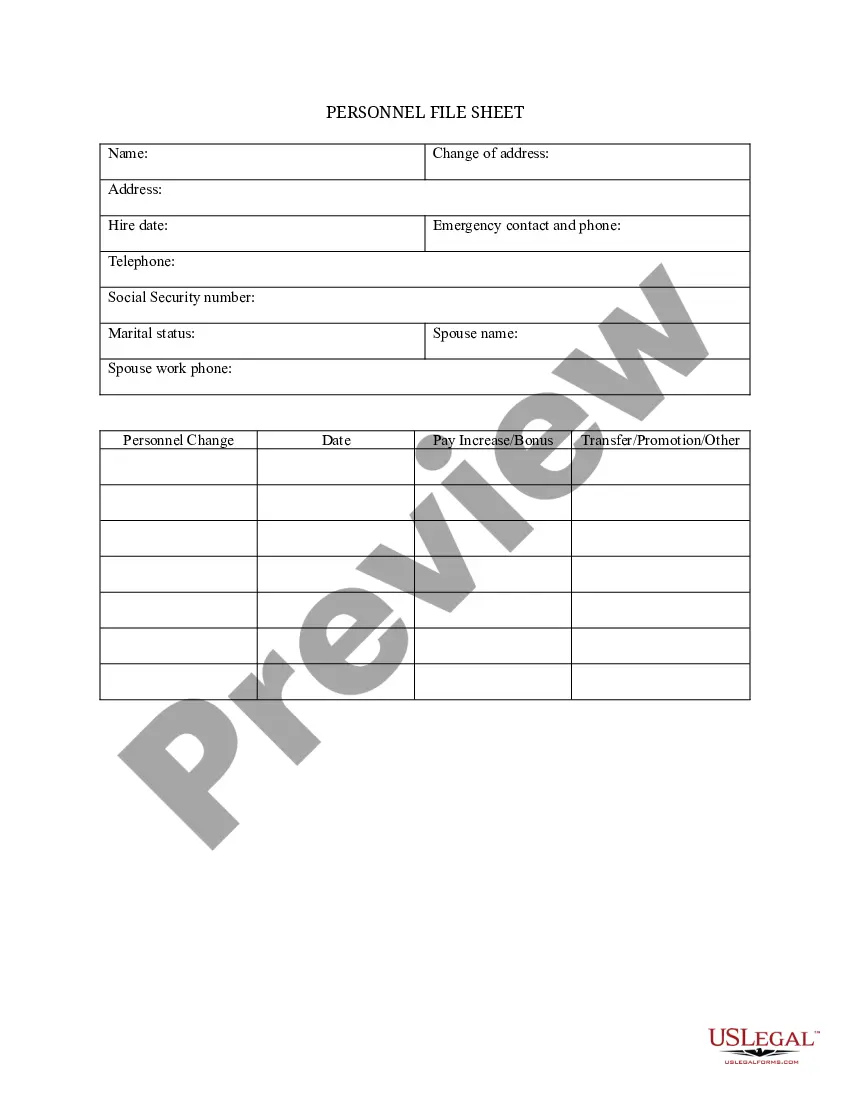
- Keep completed forms organized in a secure and accessible personnel file.
Do forms in this package need to be notarized?
Forms in this package typically do not require notarization unless mandated by local law. However, it is advisable to check specific requirements for certain documents, such as the Employment Agreement or Confidentiality Statement, where notarization may enhance legal validity.
Get your form ready online
Our built-in tools help you complete, sign, share, and store your documents in one place.
Make edits, fill in missing information, and update formatting in US Legal Forms—just like you would in MS Word.
Download a copy, print it, send it by email, or mail it via USPS—whatever works best for your next step.
Sign and collect signatures with our SignNow integration. Send to multiple recipients, set reminders, and more. Go Premium to unlock E-Sign.
If this form requires notarization, complete it online through a secure video call—no need to meet a notary in person or wait for an appointment.
We protect your documents and personal data by following strict security and privacy standards.
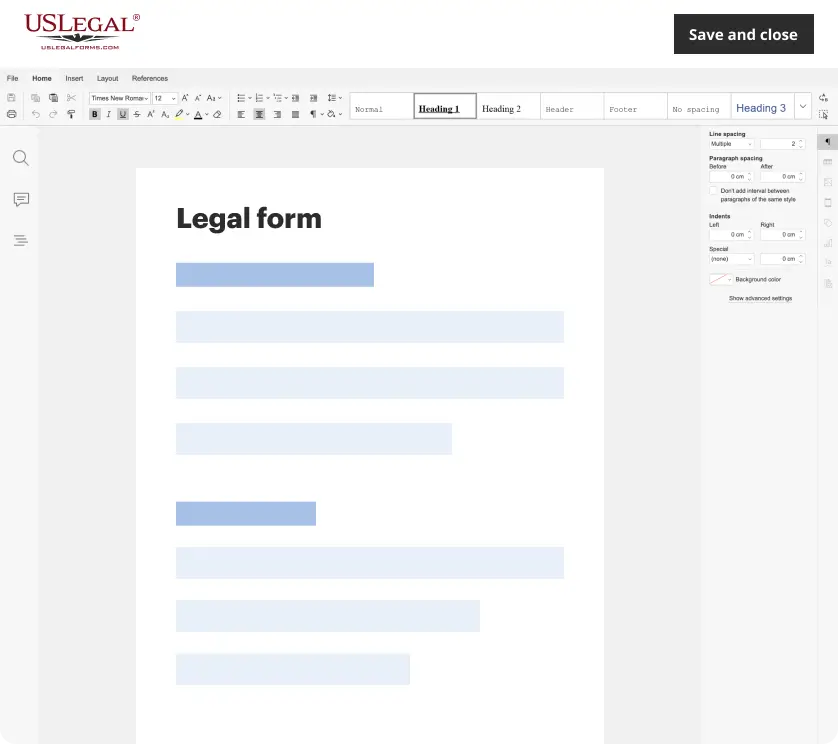
Make edits, fill in missing information, and update formatting in US Legal Forms—just like you would in MS Word.
Download a copy, print it, send it by email, or mail it via USPS—whatever works best for your next step.
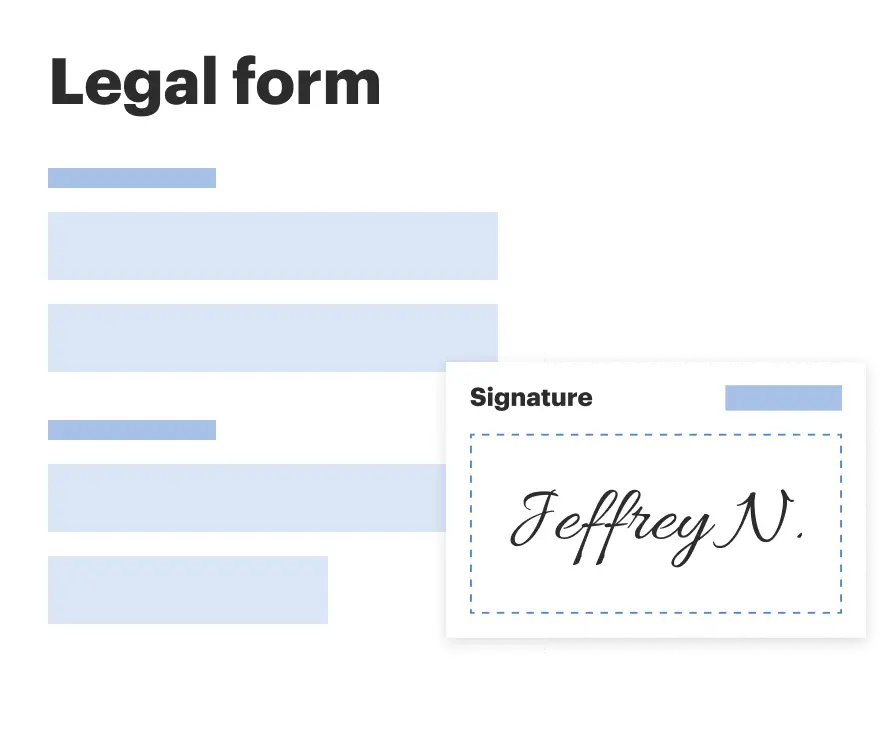
Sign and collect signatures with our SignNow integration. Send to multiple recipients, set reminders, and more. Go Premium to unlock E-Sign.
If this form requires notarization, complete it online through a secure video call—no need to meet a notary in person or wait for an appointment.
We protect your documents and personal data by following strict security and privacy standards.
Common mistakes to avoid
- Failing to obtain all necessary signatures on critical documents.
- Neglecting to update personnel files with recent information or changes.
- Using outdated forms that may not comply with current legal requirements.
Advantages of online completion
- Convenience of downloading forms instantly without the need for in-person visits.
- Editability allows users to customize forms to fit specific organizational needs.
- Access to professionally drafted documents ensures reliability and legal compliance.
Legal use & context
- Personnel forms facilitate compliance with labor laws, protecting employers from fines and legal issues.
- Proper documentation helps clarify employment terms and conditions, reducing misunderstandings.
- Maintaining accurate records supports effective employee management and performance evaluation.
Quick recap
- This package is tailored to help employers manage their personnel files effectively.
- It includes critical forms for onboarding, record keeping, and compliance with employment laws.
- Understanding how to complete these forms accurately is essential to avoid legal issues.
Looking for another form?









Form popularity
FAQ
In the state of California, every current employee, or his or her representative has the right to inspect and receive a copy of their personnel records, maintained by their employer.
There are eight employee-related HR documents that every personnel file must contain, which includes legal employment records such as payroll tax forms as well as employee-employer agreements.
As an employee, do I have a right to see my personnel files? The short answer is 'yes'. You have a right to make a SAR to your employer, asking to see your personnel files, at any time. Your employer has the right to ask why you want to see your files, but must then provide all your records to you.
The employee personnel file is the main employee file that contains the history of the employment relationship from the employment application through an exit interview and employment termination documentation.
Your Personnel File (California Labor Code § 1198.5)The employer must make the personnel file/performance documents available to the worker or his representative within 30 days from the date it receives a written request. If the employer fails to comply, the employee can recover a $750 penalty from the employer.
Job application, CV and cover letter. Education and past employment info. Role description. Job offer letter and employment contract. Emergency contact information. Training records. Payroll and benefits information (but not bank details) Performance appraisal forms.
Employers should keep all job-related documentation such as hiring records, performance reviews, disciplinary actions and job descriptions in an employee's general personnel file. Consider whether the document would be relevant to a supervisor who may review this file when making employment decisions.
Pre-employment records (with the exception of the application and resume) Monthly attendance transaction documents. Whistleblower complaints, notes generated from informal discrimination complaint investigations, Ombuds, or Campus Climate.
Personnel files usually contain documents that the employee has already reviewed and so he or she is familiar with their content. This includes documents such as job applications, performance evaluations, letters of recognition, training records, and forms that relate to transfers and promotion.