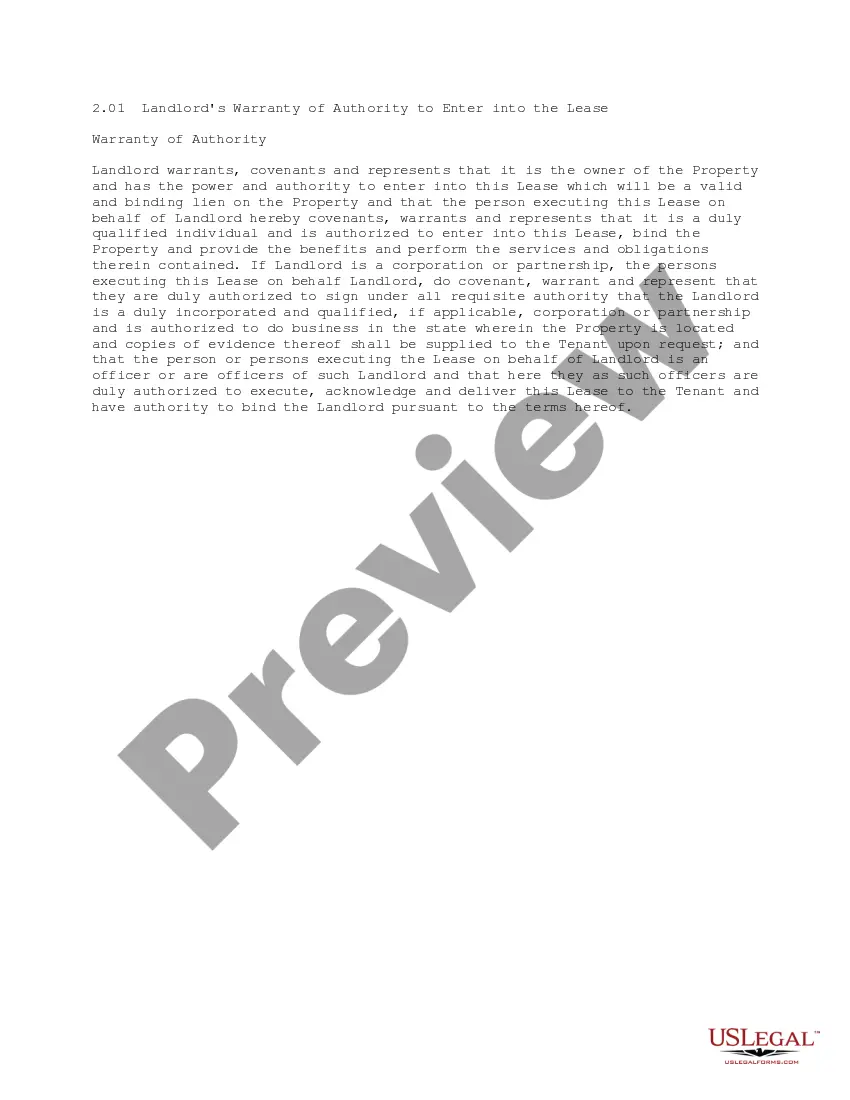
Affidavit by an Individual in Connection with a Forgery of the Individual's Name to a Check
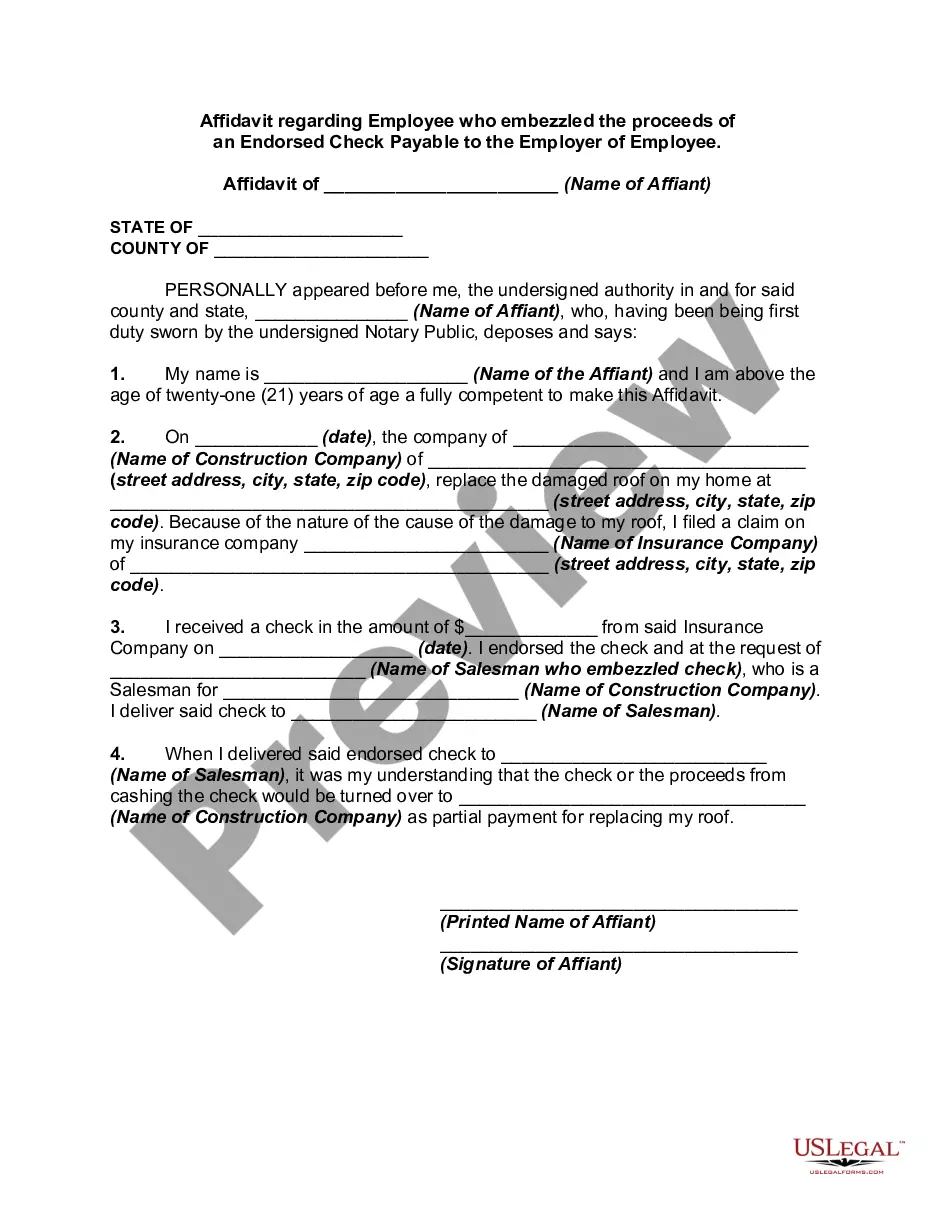
What this document covers
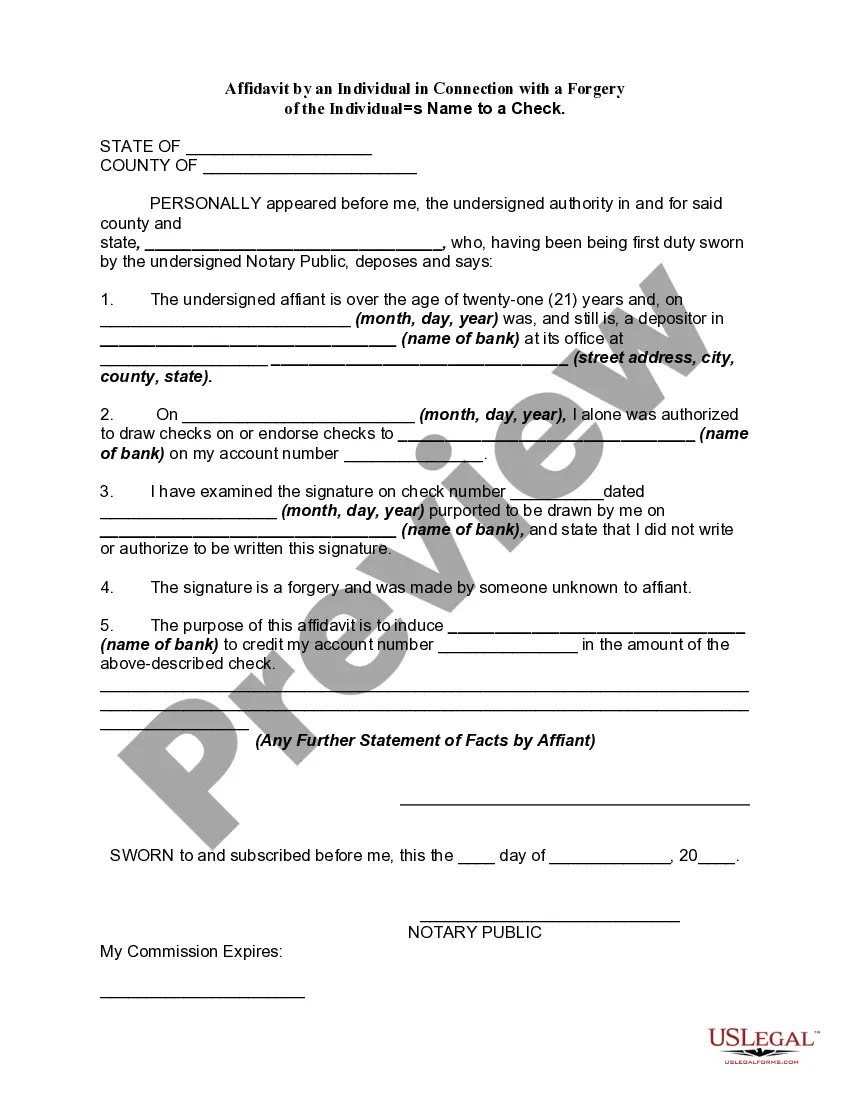
The Affidavit by an Individual in Connection with a Forgery of the Individual's Name to a Check is a legal document used by individuals whose name has been forged on a check. This affidavit serves to declare that the signature on the check is not authentic and that the individual did not authorize its use. It enables the affiant to request a credit from the bank for the amount of the forged check, distinguishing it from other affidavit forms that may not address forgery specifically.
Key components of this form
- Affiant's details, including name and bank information.
- Account number pertaining to the forged check.
- Date of the incident of forgery and details surrounding it.
- Statement confirming that the signature is a forgery and not authorized.
- Statement of purpose requesting credit from the respective bank.
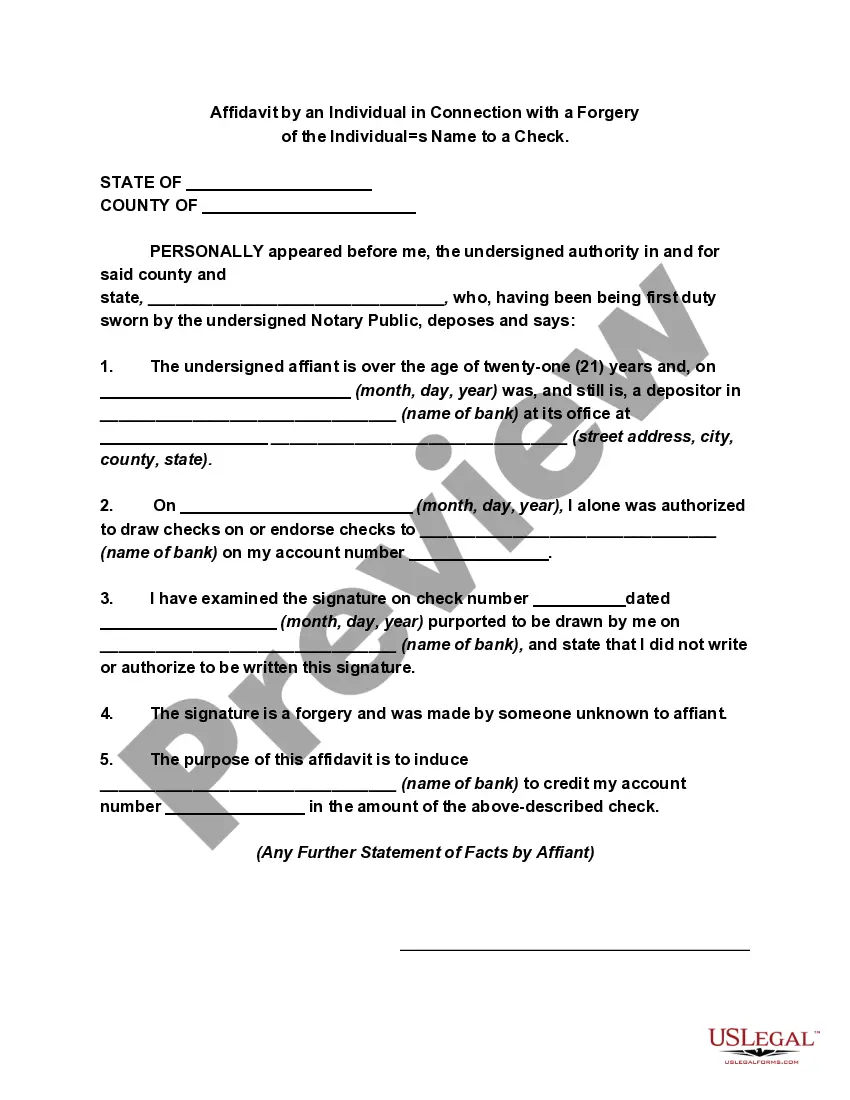
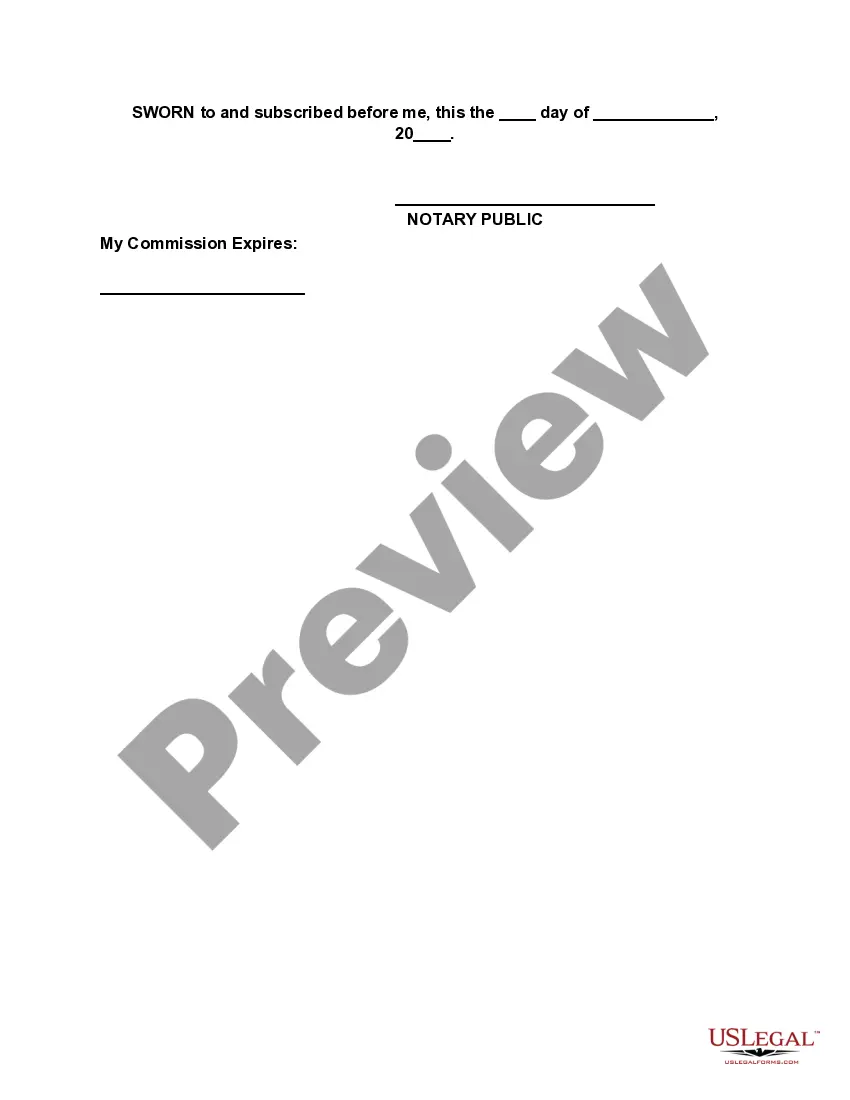
- Notarization section where the affidavit is sworn before a Notary Public.

Situations where this form applies
This affidavit should be used when an individual discovers that a check has been drawn on their bank account without their authorization, specifically when their name has been forged. It is an important step in disputing the check and seeking reimbursement from the bank for any financial loss incurred as a result of the forgery.
Who can use this document
- Individuals who are account holders at a bank.
- People who have experienced the forgery of their signature on a check.
- Those seeking to recover funds from their bank for checks that were fraudulently cashed.
How to prepare this document
- Enter your full name and contact information as the affiant.
- Fill in your bank's name and address where your account is held.
- Provide your account number and the date you noticed the forgery.
- Specify the check number and date, and detail the forged signature.
- Sign the affidavit in the presence of a Notary Public to validate its authenticity.
Does this form need to be notarized?
Notarization is required for this form to take effect. Our online notarization service, powered by Notarize, lets you verify and sign documents remotely through an encrypted video session, available 24/7.
Get your form ready online
Our built-in tools help you complete, sign, share, and store your documents in one place.
Make edits, fill in missing information, and update formatting in US Legal Forms—just like you would in MS Word.
Download a copy, print it, send it by email, or mail it via USPS—whatever works best for your next step.
Sign and collect signatures with our SignNow integration. Send to multiple recipients, set reminders, and more. Go Premium to unlock E-Sign.
If this form requires notarization, complete it online through a secure video call—no need to meet a notary in person or wait for an appointment.
We protect your documents and personal data by following strict security and privacy standards.

Make edits, fill in missing information, and update formatting in US Legal Forms—just like you would in MS Word.

Download a copy, print it, send it by email, or mail it via USPS—whatever works best for your next step.

Sign and collect signatures with our SignNow integration. Send to multiple recipients, set reminders, and more. Go Premium to unlock E-Sign.

If this form requires notarization, complete it online through a secure video call—no need to meet a notary in person or wait for an appointment.

We protect your documents and personal data by following strict security and privacy standards.
Mistakes to watch out for
- Failing to provide complete and accurate bank information.
- Not notarizing the affidavit before submission.
- Omitting the date of the incident or related details.
- Signing the affidavit without the presence of a Notary Public.
Advantages of online completion
- Convenient access to printable templates at any time.
- Easy to edit and customize according to individual needs.
- Documents are drafted by licensed attorneys, ensuring legal accuracy.
Looking for another form?
Form popularity
FAQ
An affidavit of forgery is a statement attesting that a document has been fraudulently produced using a forged signature.
The signer's full name; Date of birth of the signer; The signer's address; The form of identification relied upon; A signature of the person seeking to be identified; The signature of a notary public; and. The seal of the notary public.
Step 1: Decide what the title of your affidavit will be. Step 2: Put the name and personal background information of the person giving the information in the first paragraph. Step 3: Write an opening sentence in the first person tense. Step 4: Make an outline of the information given or state the facts of the case.
Step 2: Write the purpose of the Affidavit or the Heading. Step 3: Write the name of the parties in case of an affidavit being filled in Court or Write the name of the Deponent in case of other affidavits. Step 4: Write the complete address of the deponent.
Although affidavits are considered legal documents, anyone can draft one. As long as it is signed, witnessed, and notarized correctly, it will be valid. That means that you do not have to use a lawyer to create an affidavit.
Affidavits can be written in your own handwriting or typed. 2."Notarized" means that you have sworn under oath that the facts in the affidavit are true, the document has been signed in front of a notary public, and a notary public has signed and put a seal on the affidavit.
Title the affidavit. First, you'll need to title your affidavit. Craft a statement of identity. The very next section of your affidavit is what's known as a statement of identity. Write a statement of truth. State the facts. Reiterate your statement of truth. Sign and notarize.
Title the affidavit. First, you'll need to title your affidavit. Craft a statement of identity. The very next section of your affidavit is what's known as a statement of identity. Write a statement of truth. State the facts. Reiterate your statement of truth. Sign and notarize.
In the sentence, the person writing the statement must state that he or she is stating that the information is accurate. (Example: I, Jane Doe, solemnly swear that the contents of this document are true and correct, and that I agree to abide by the terms in this affidavit.)