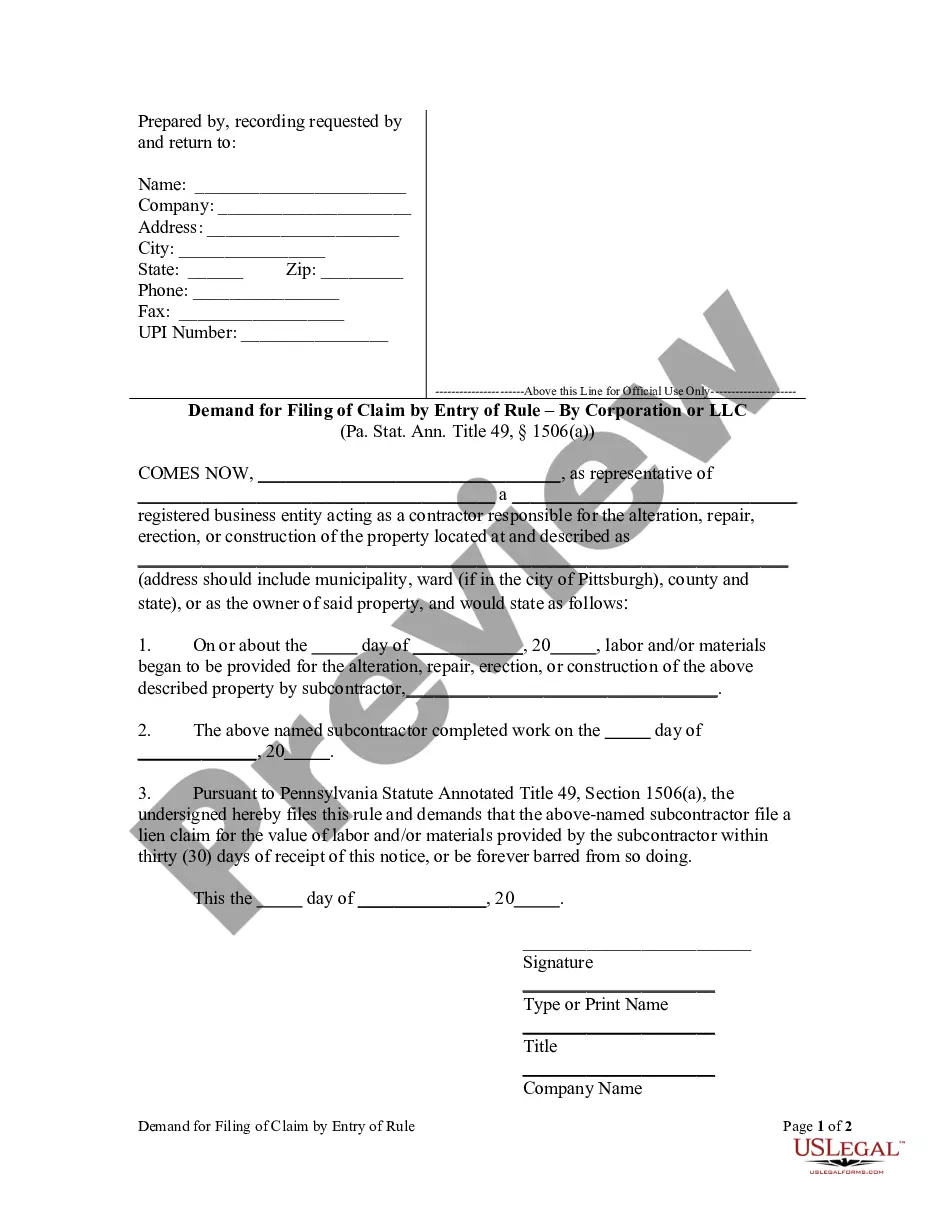
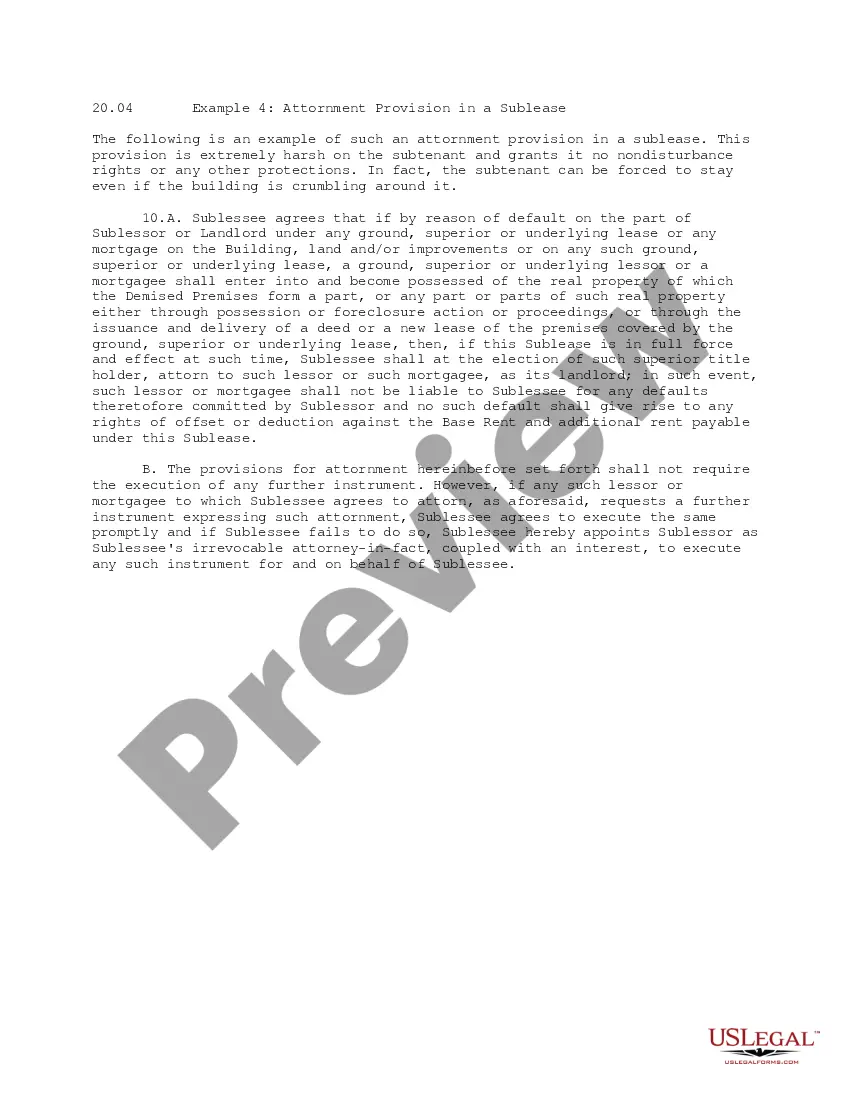
Attornment Provision in a Sublease
Understanding this form
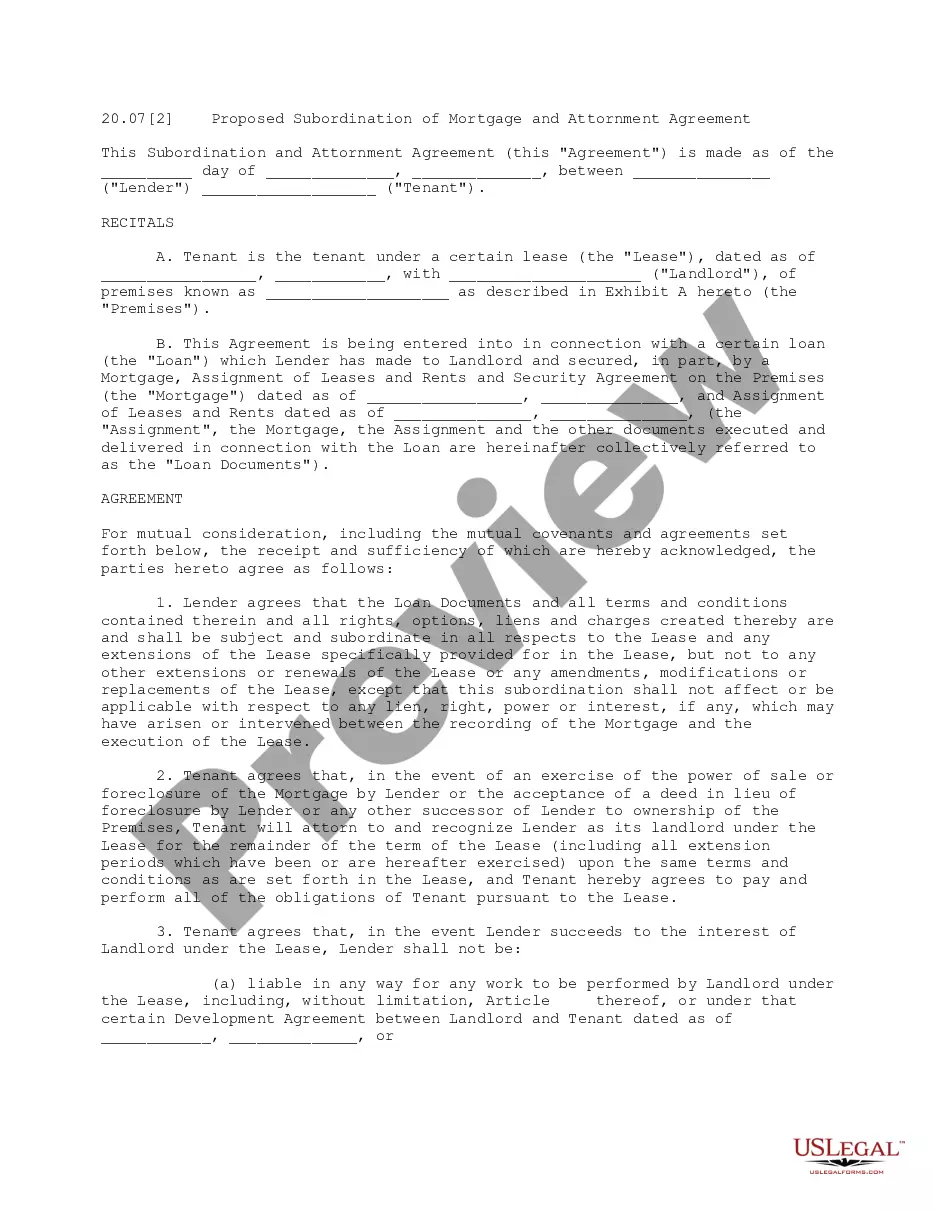
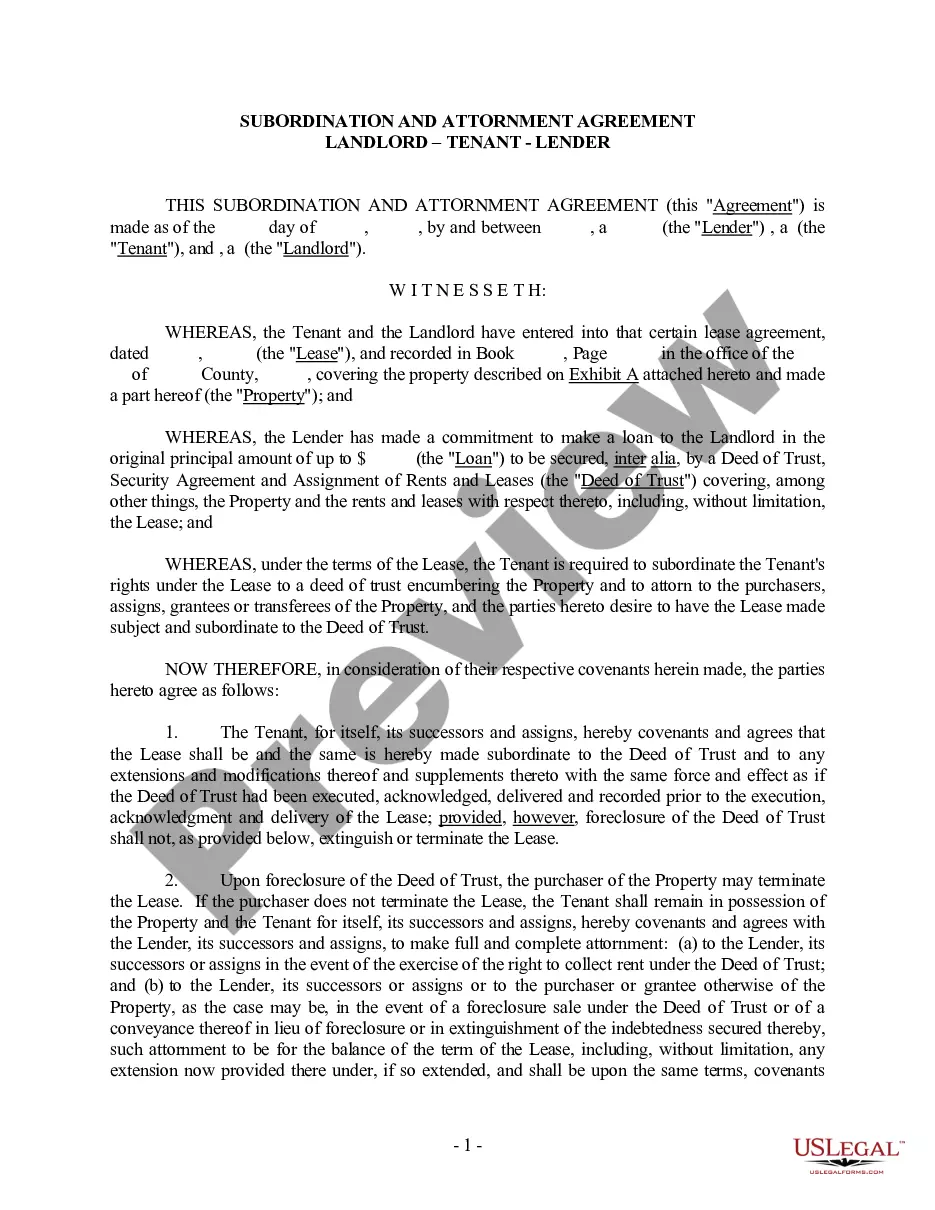
The Attornment Provision in a Sublease is a legal document that outlines the obligations of a subtenant when the original landlord or a new landlord takes possession of the property. This form is crucial in defining the relationship between the subtenant and the landlord, particularly in instances of default by the original landlord. Unlike other sublease agreements, this provision does not grant non-disturbance rights or protections to the subtenant, which can lead to severe limitations on the subtenant's rights.
Form components explained
- Agreement to attorn to a new landlord or mortgagee if the original landlord defaults.
- Subtenant's acknowledgment that they will not have claims against the new landlord for previous defaults.
- Requirement for subtenant to execute further instruments if requested by the new landlord.
- No provisions for non-disturbance rights, potentially putting the subtenant at risk.
When this form is needed
This form should be used when entering into a sublease agreement that includes an attornment provision. It is particularly relevant in scenarios where the main lease may be at risk of default, ensuring that the subtenant understands their obligations and limitations should the primary landlord default or transfer the lease. Using this form can help establish clear terms and conditions regarding the subtenant's rights in case of foreclosure or possession by a new landlord.
Who can use this document
This form is intended for:
- Subtenants leasing property from original tenants (sublessors) who need to clarify their rights.
- Landlords who want to ensure clear terms for their subtenants in a sublease arrangement.
- Real estate attorneys and practitioners involved in subleasing agreements.
How to prepare this document
- Identify the parties involved: sublessor, sublessee, and any relevant landlords.
- Specify the property being subleased and include the original lease details.
- Review and understand the attornment provision and its implications.
- Ensure all parties agree to the terms outlined in the form.
- Sign and date the document, ensuring it is executed by all necessary parties.
Does this document require notarization?
In most cases, this form does not require notarization. However, some jurisdictions or signing circumstances might. US Legal Forms offers online notarization powered by Notarize, accessible 24/7 for a quick, remote process.
Get your form ready online
Our built-in tools help you complete, sign, share, and store your documents in one place.
Make edits, fill in missing information, and update formatting in US Legal Forms—just like you would in MS Word.
Download a copy, print it, send it by email, or mail it via USPS—whatever works best for your next step.
Sign and collect signatures with our SignNow integration. Send to multiple recipients, set reminders, and more. Go Premium to unlock E-Sign.
If this form requires notarization, complete it online through a secure video call—no need to meet a notary in person or wait for an appointment.
We protect your documents and personal data by following strict security and privacy standards.

Make edits, fill in missing information, and update formatting in US Legal Forms—just like you would in MS Word.

Download a copy, print it, send it by email, or mail it via USPS—whatever works best for your next step.

Sign and collect signatures with our SignNow integration. Send to multiple recipients, set reminders, and more. Go Premium to unlock E-Sign.

If this form requires notarization, complete it online through a secure video call—no need to meet a notary in person or wait for an appointment.

We protect your documents and personal data by following strict security and privacy standards.
Common mistakes to avoid
- Failing to clarify terms related to the attornment provision.
- Not understanding the lack of non-disturbance rights included in the form.
- Neglecting to involve all necessary parties when signing the document.
Benefits of using this form online
- Convenient access to professionally drafted legal forms at any time.
- Editable formats allow for customization to fit specific needs.
- Reliable legal templates ensure compliance with current laws.
Legal use & context
- This form serves as a binding agreement between sublessors and sublessees regarding their relationship in the event of landlord default.
- Enforceability may vary based on jurisdiction, making legal guidance advisable.
Main things to remember
- The Attornment Provision in a Sublease clarifies the subtenant's obligations in case of landlord default.
- This form does not provide non-disturbance rights to the subtenant, which can have significant implications.
- Understanding and completing this form properly is crucial for protecting the rights of all parties involved.
Looking for another form?
Form popularity
FAQ
On your sublease agreement, include a list of various areas of the property (including the subtenant's room, hardwood floors, walls, exterior, etc.) and note its condition. And since you and your subtenant will need to abide by the original lease that you signed, it's important to include this with your sublease.
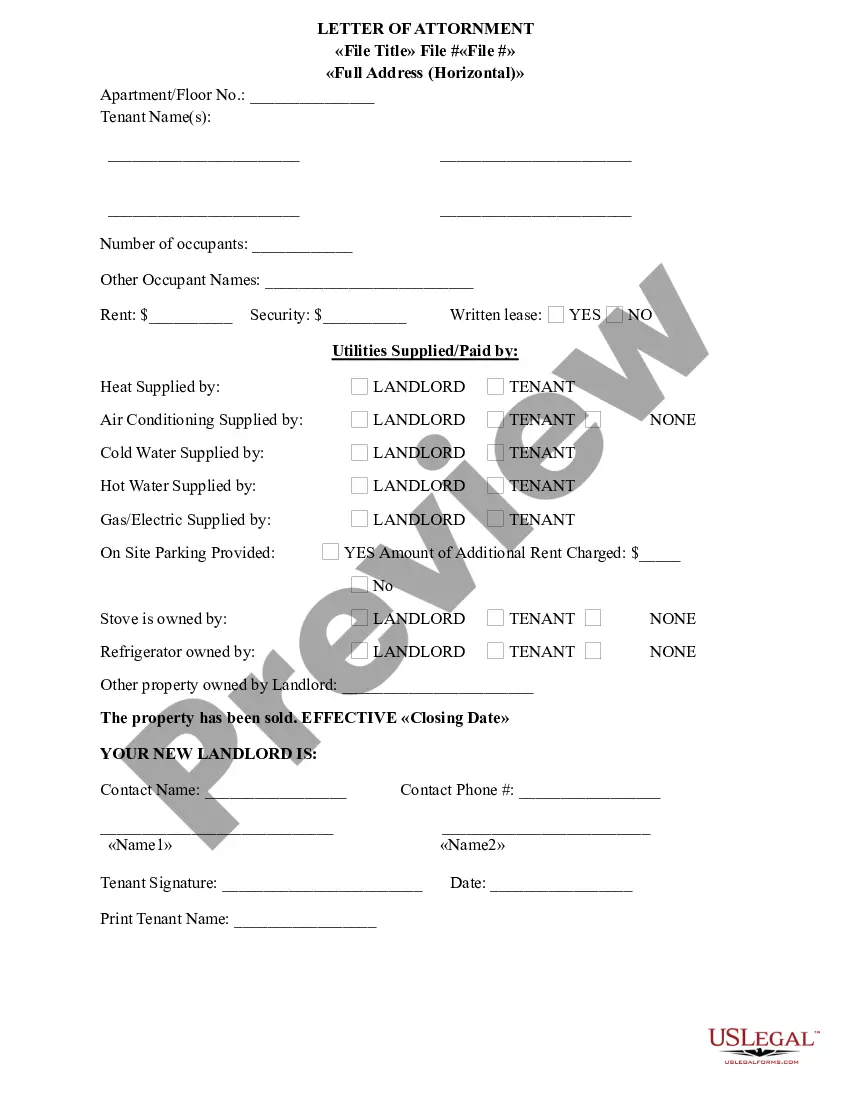
Term. Main definition. Letter of Attornment. A letter from a grantor to a tenant, stating that a property has been sold, and directing rent to be paid to the grantee (i.e., the new owner).
Early Termination of a Sublease The subtenant must give a notice of one month in order to terminate the sublease.The subtenant should also sign an Early Termination Request form and submit it to the tenant with the termination fee that could amount to nearly three months' rent (the amount may vary in some instances).
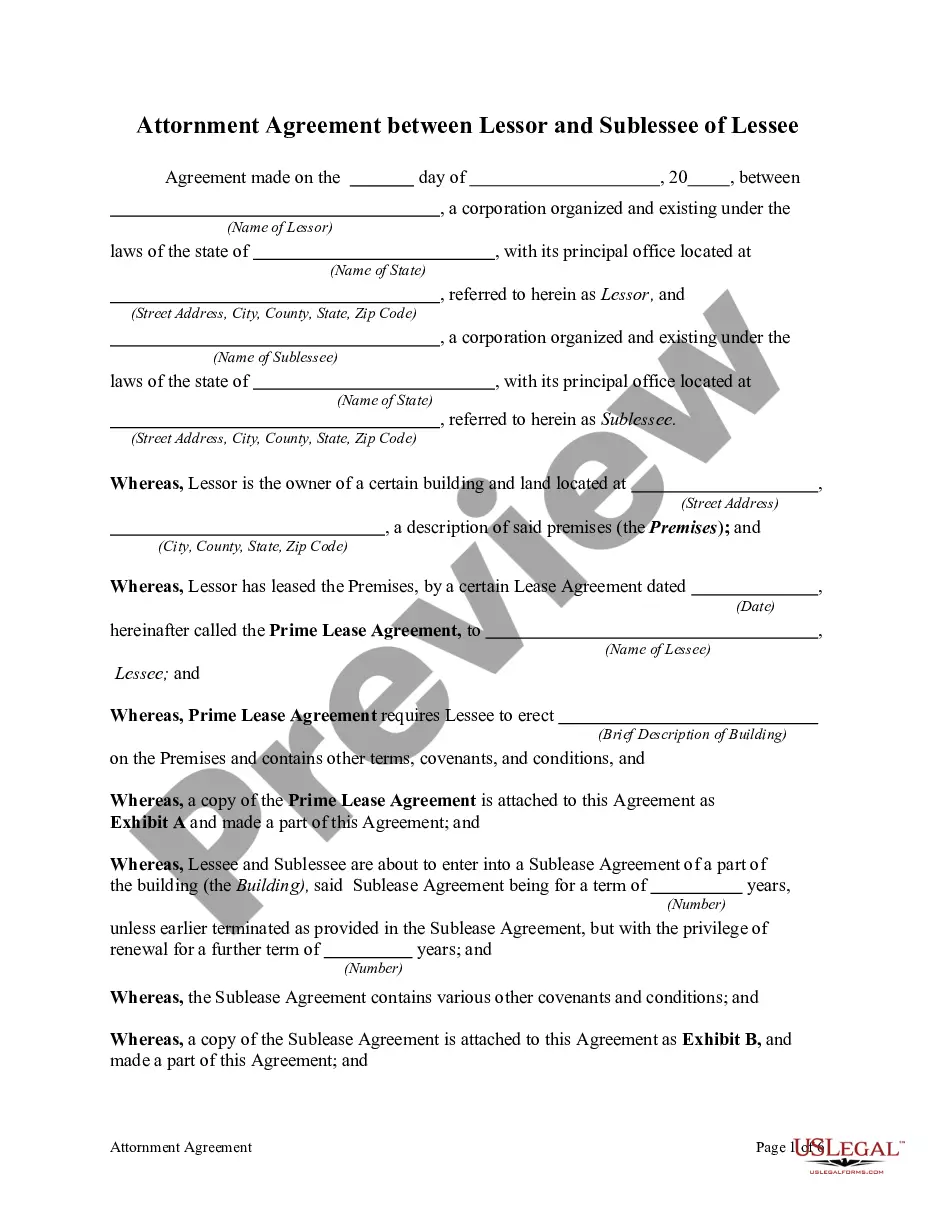
An attornment occurs when the title to an immovable property is transferred from the hands of one lessor to another. In such cases, the existing lessor will usually send a letter of attornment to the lessee notifying him of such sale and request him to make all further lease payments directly to the new lessor.
A Residential Sublease is a legally binding contract made between the original tenant of a rental property (sublandlord) and a new tenant (also known as a subtenant or a sublessee). The sublease gives the subtenant the right to share or to take over the rented premises from the original tenant.
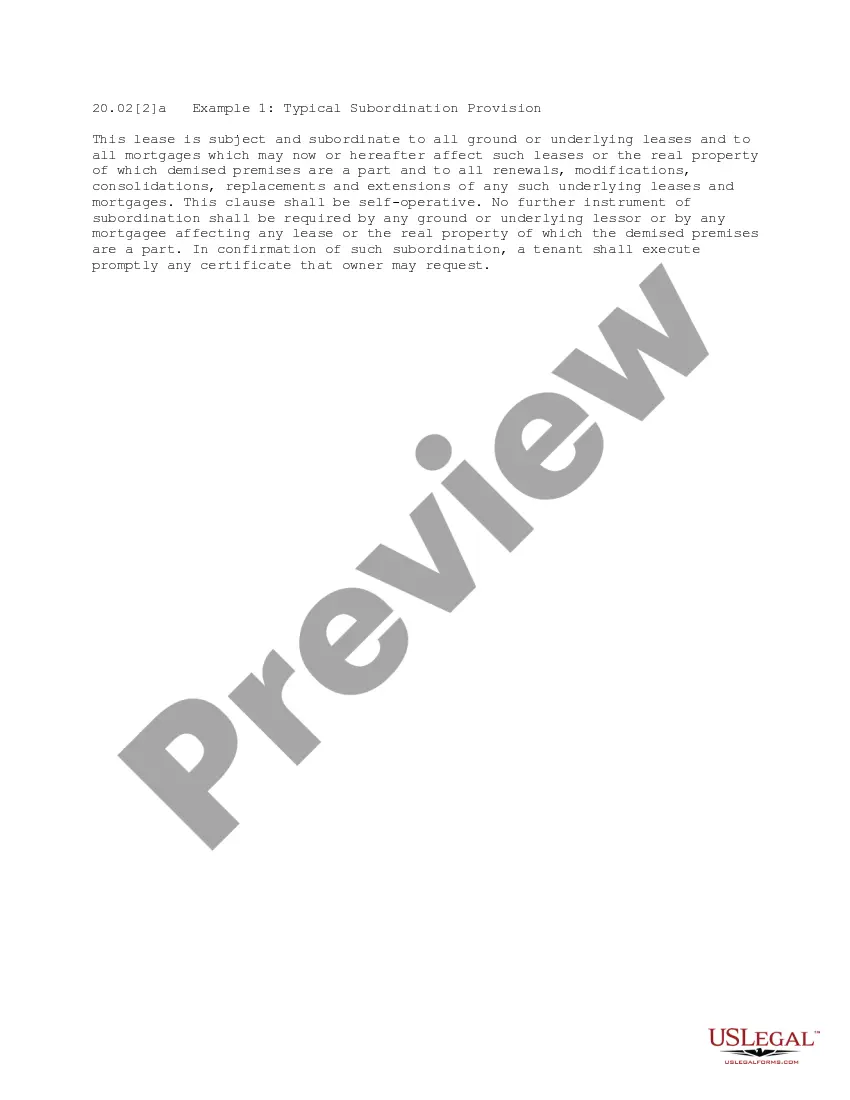
The attornment clause in an SNDA obligates the tenant to recognize the new owner of the property as its landlord regardless of whether the new owner acquired the property through a normal sale or a foreclosure.The tenant can lease the premises even after the property is sold or foreclosed.
The subtenant must give a notice of one month in order to terminate the sublease. The subtenant is also required to give reasons for leaving the premises. A sublease can be terminated early if the subtenant is willing to pay the rent until the end of the month and an amount in addition to this.
A nondisturbance clause is a provision in a mortgage contract that ensures that a rental agreement between the tenant and the landlord will continue under any circumstances. This is done primarily to protect the renter from eviction by the mortgagor if the property is foreclosed upon by the lender.
Attornment is the tenant's agreement to become the tenant of someone other than the original landlord and who has now taken title to the property.