Virginia Certificate of Trust Existence and Authority
About this form
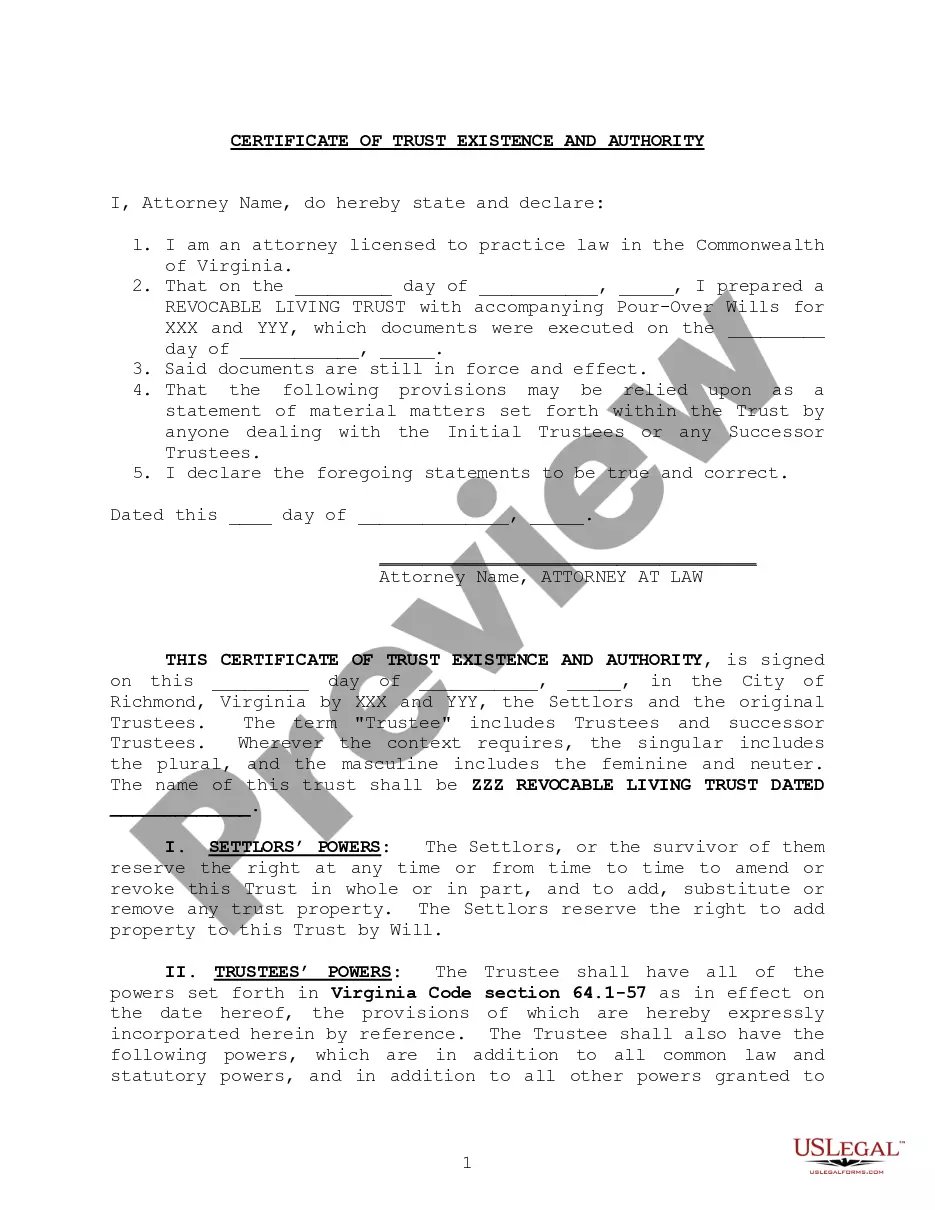
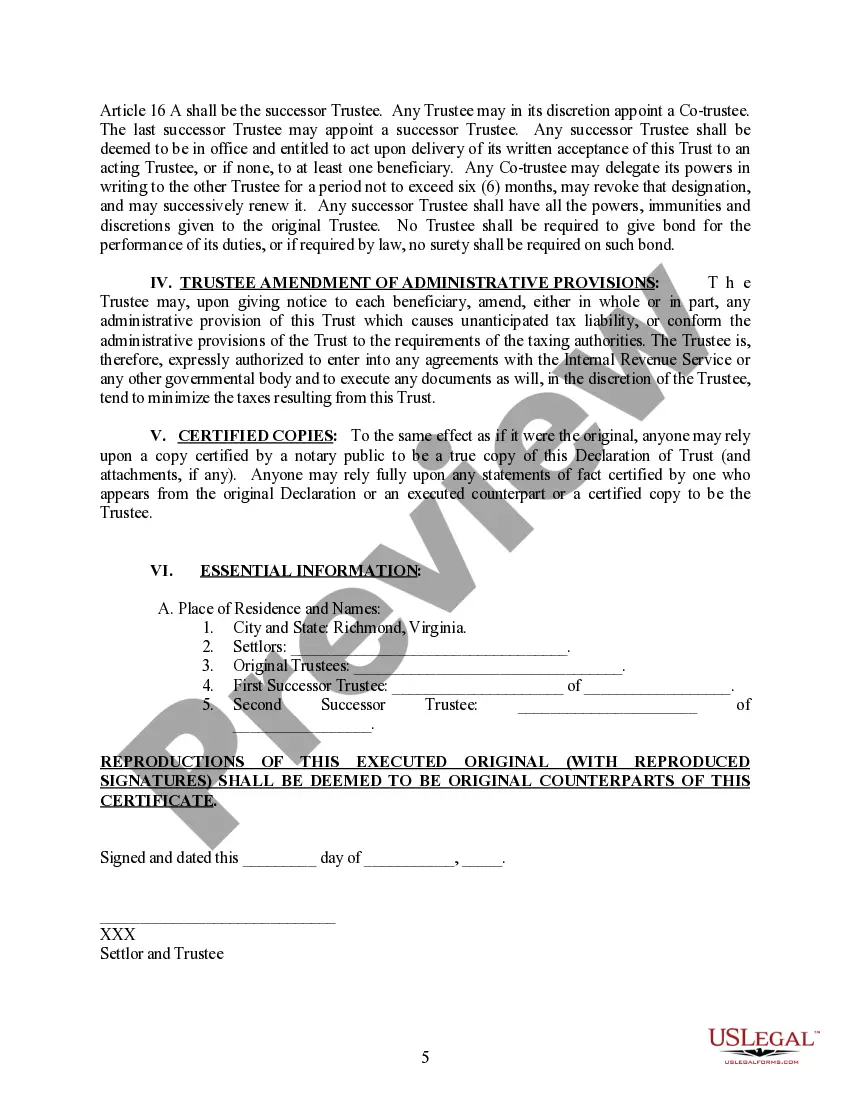
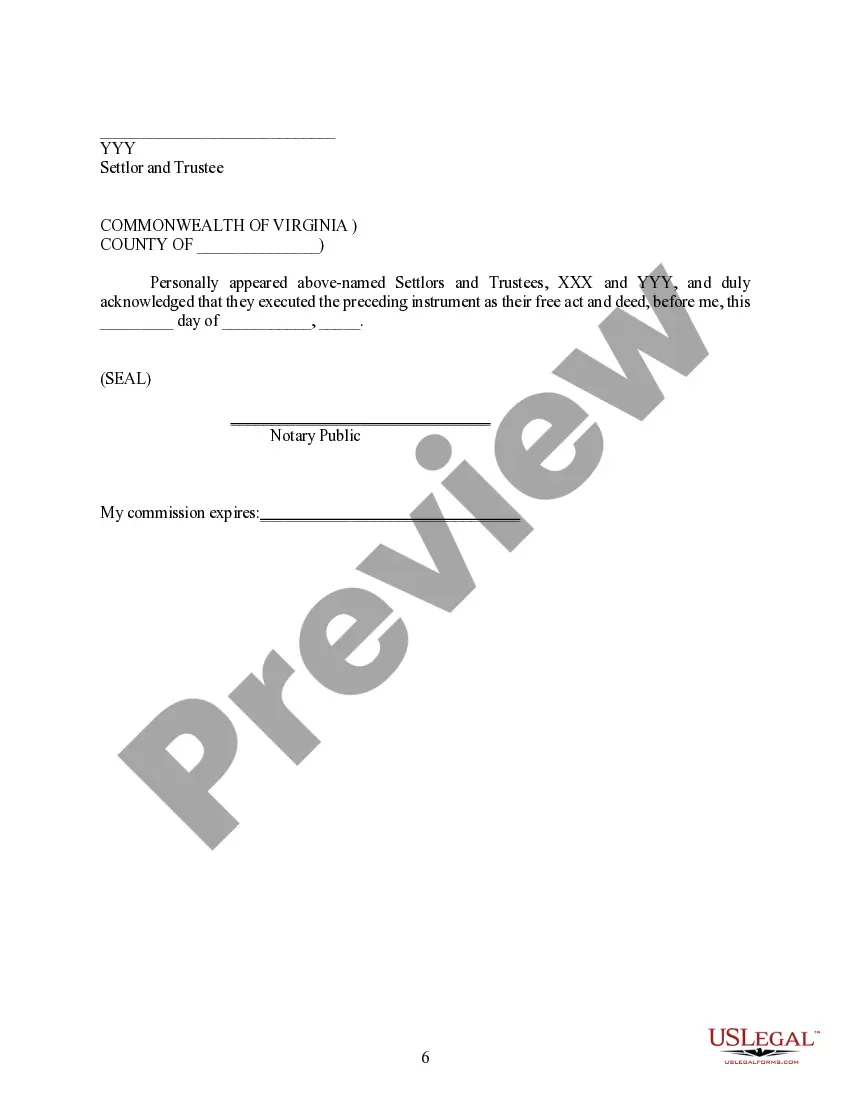
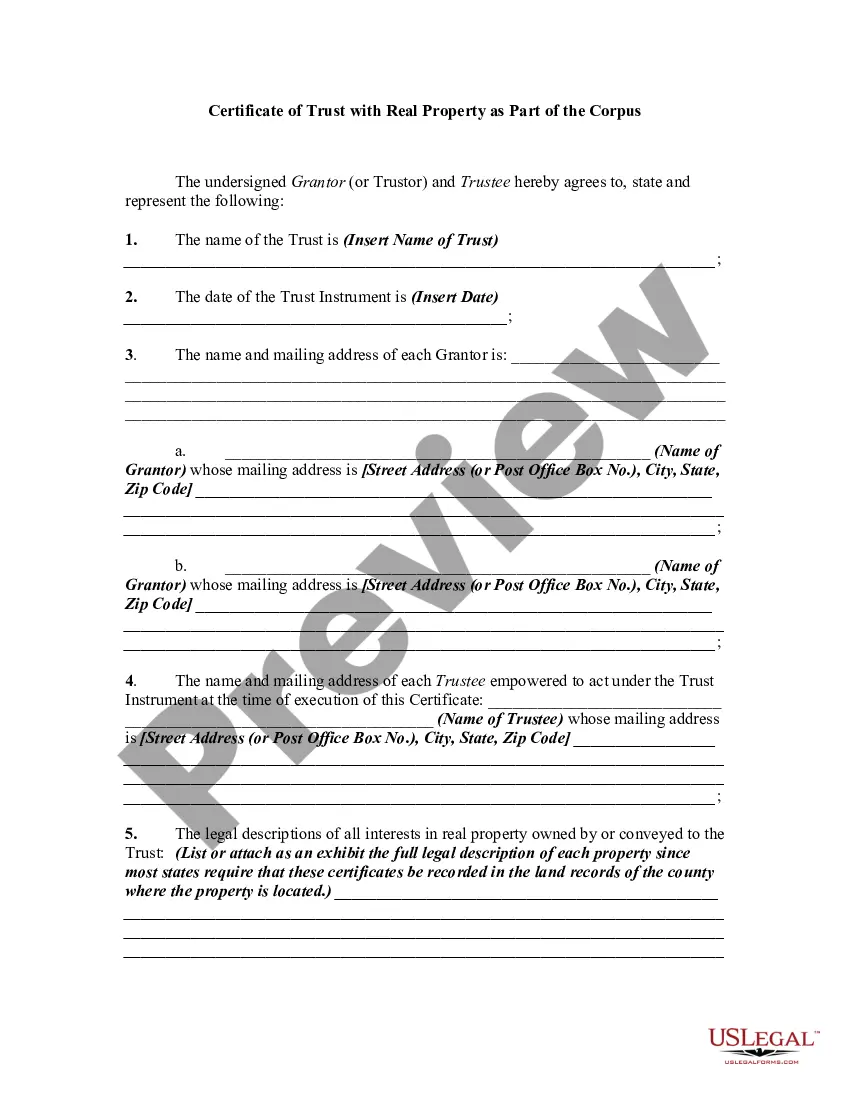
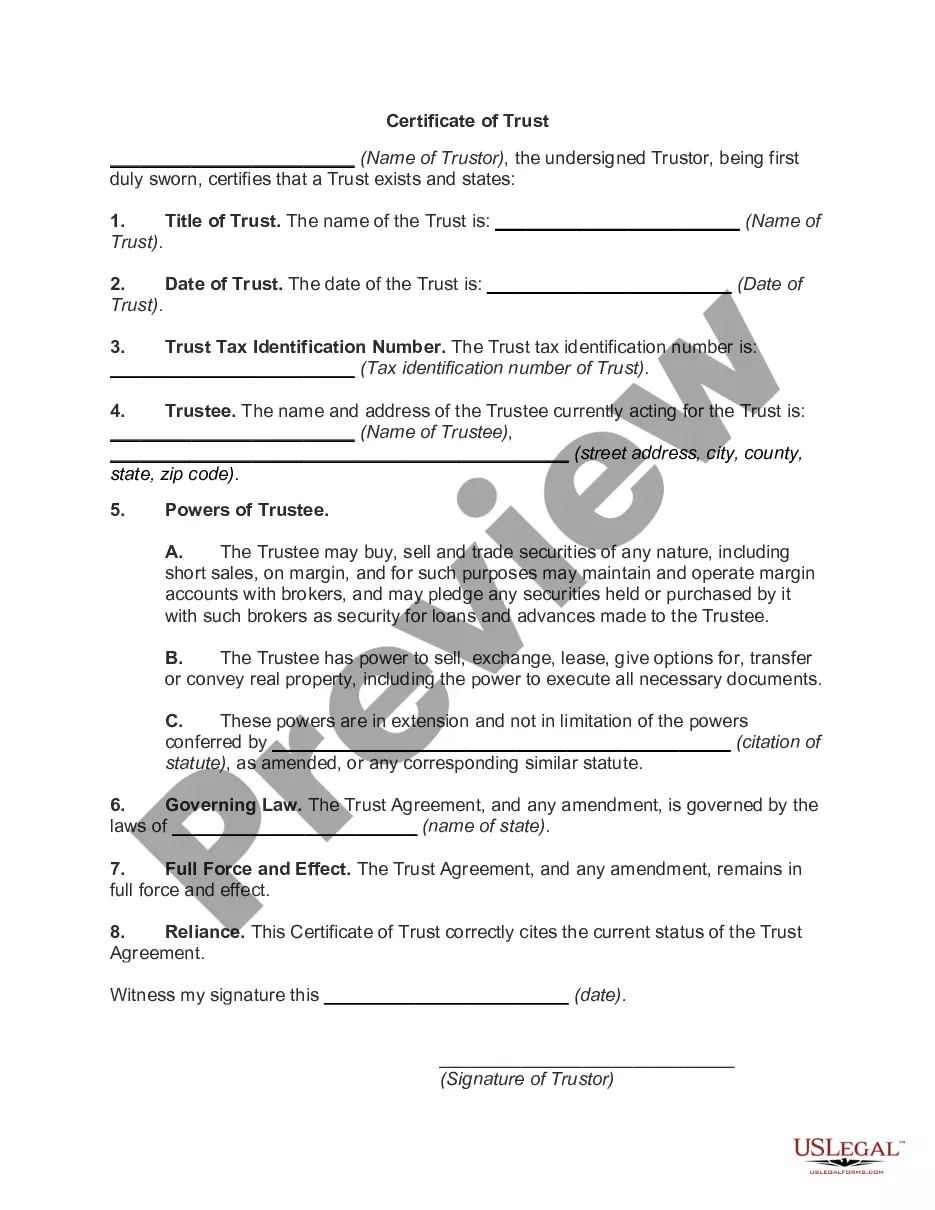
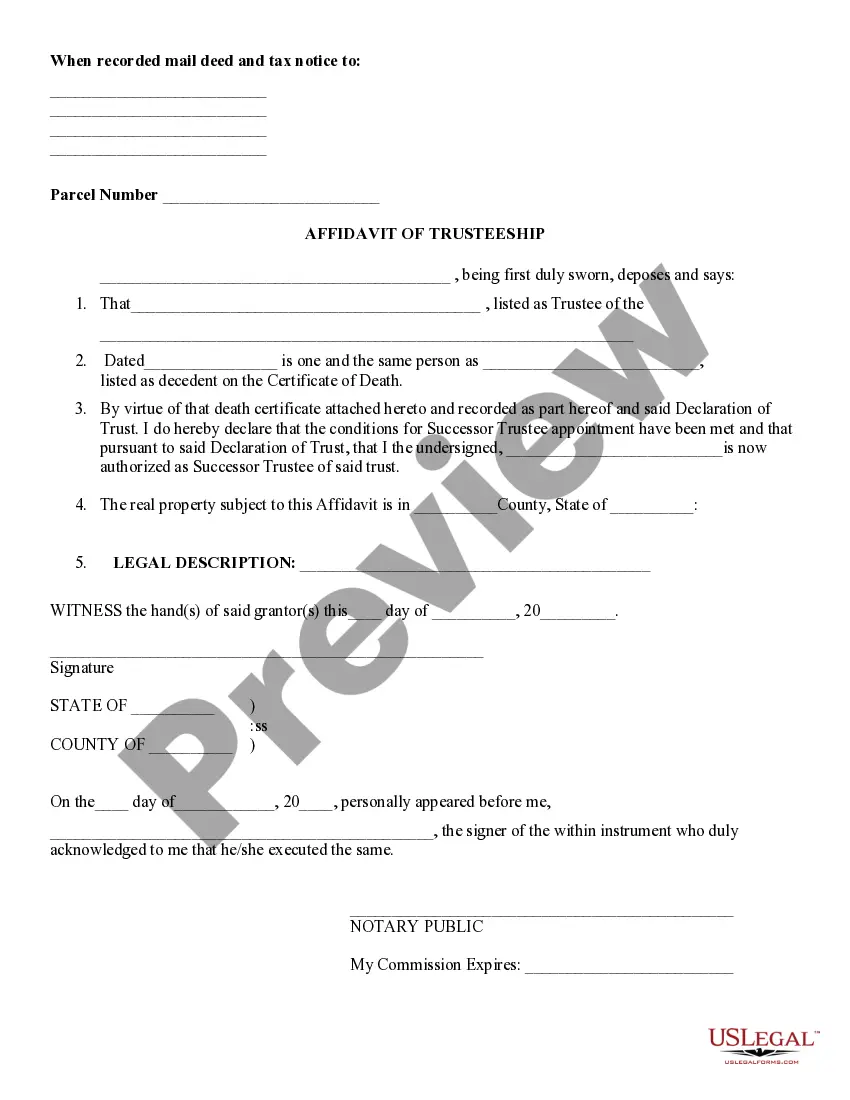
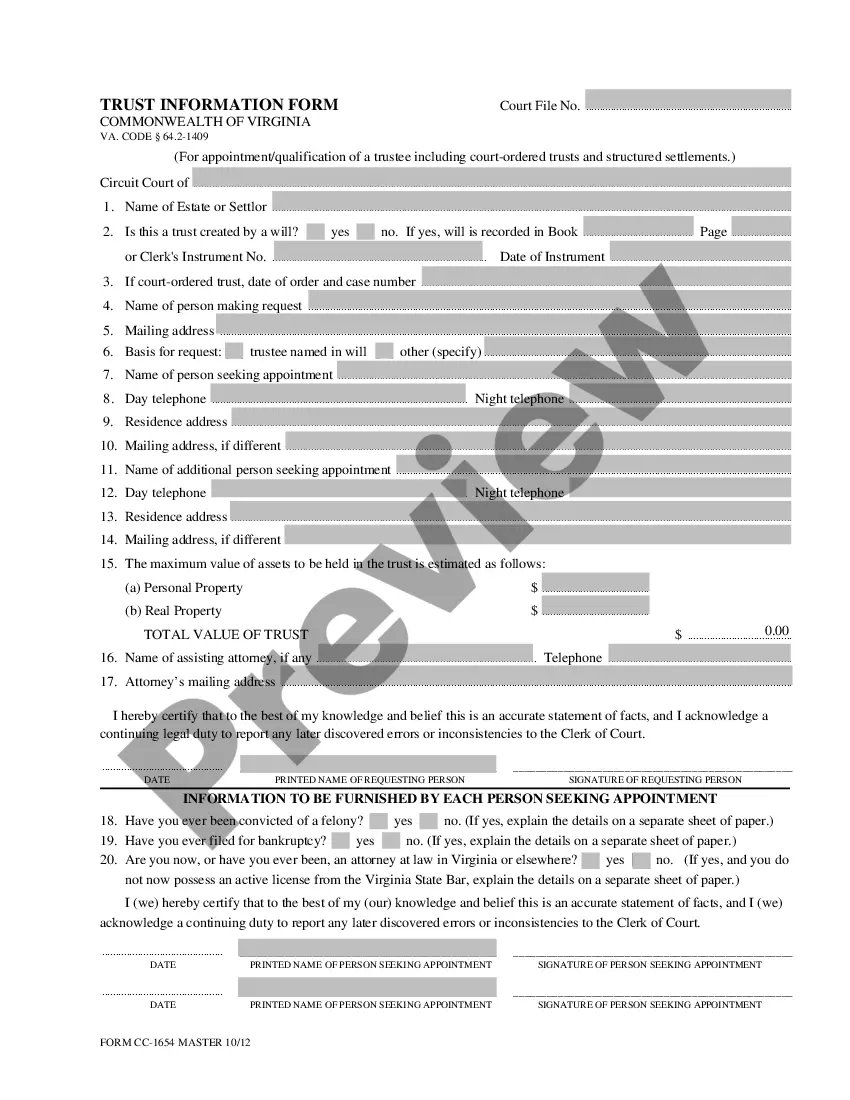
The Certificate of Trust Existence and Authority is an essential legal document used to verify the existence and operational authority of a Revocable Living Trust. Unlike a standard trust document, this certificate provides third parties with confirmed details about the trust without disclosing its entire contents. It serves as evidence that the trust has been legally established and outlines the powers of the trustee, facilitating transactions involving the trust's assets.
What’s included in this form
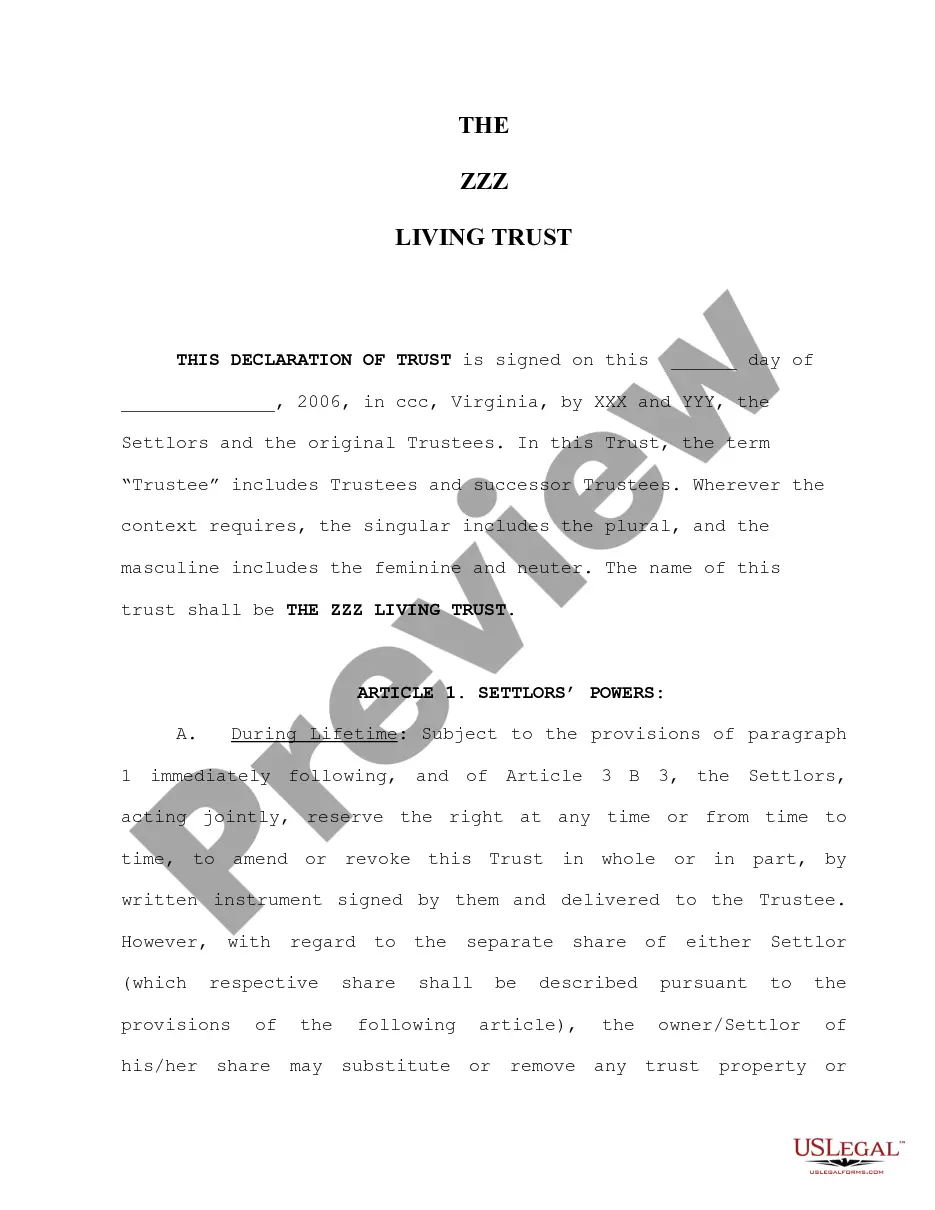
- Identification of the attorney who drafted the trust.
- Declaration of the trust's formation date and the date of execution.
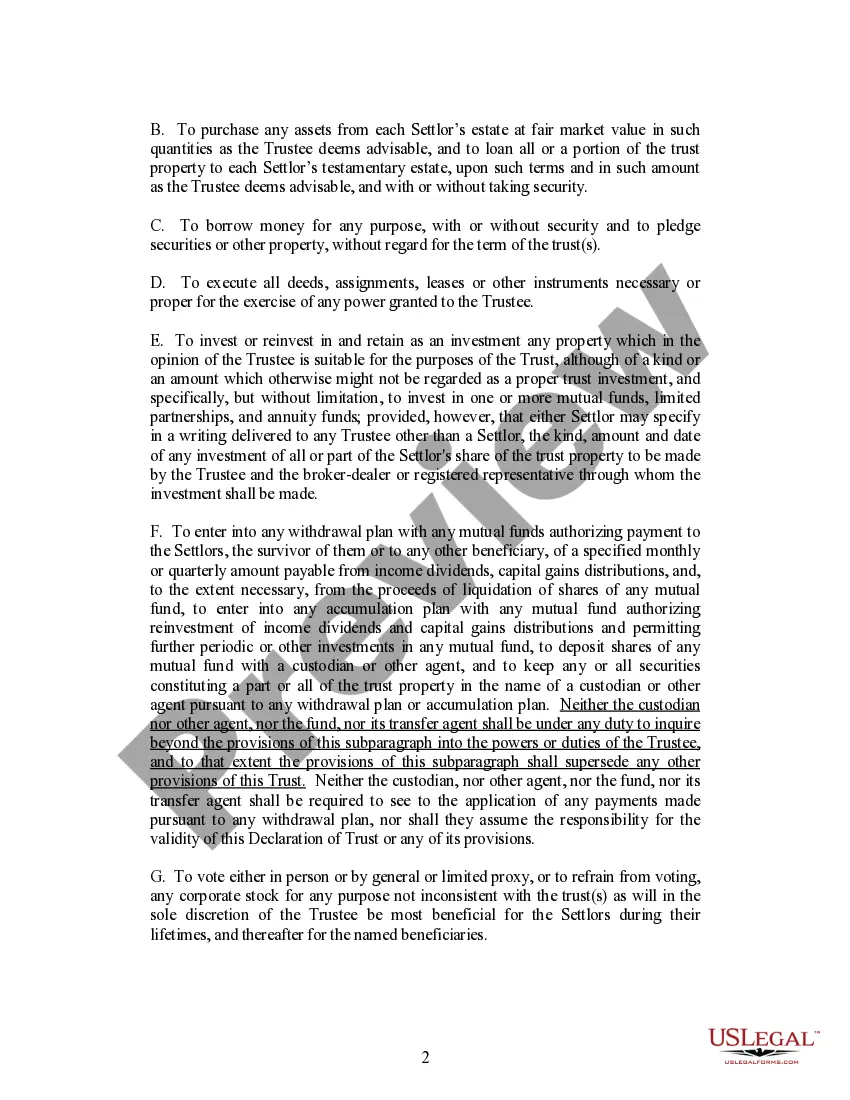
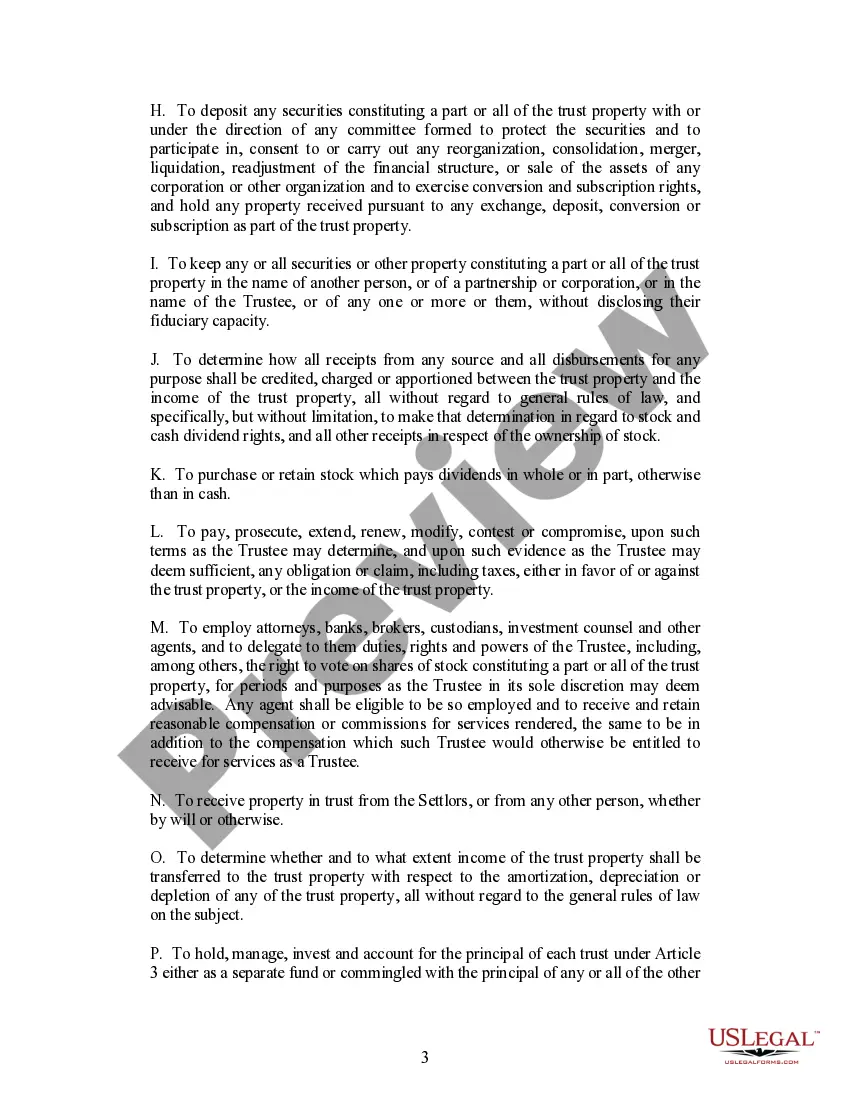
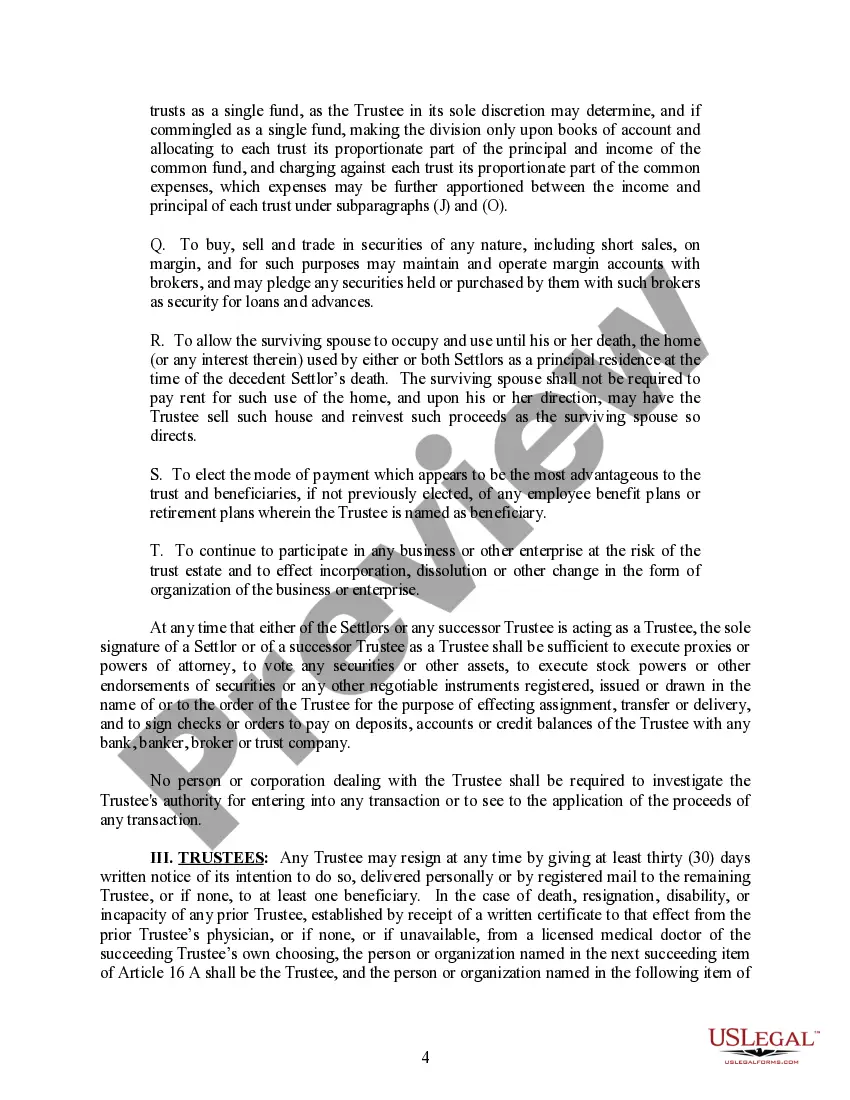
- Details regarding the powers and duties of the trustees.
- Identification of the settlors and original trustees of the trust.
- Provisions for amending or revoking the trust by the settlors.
When to use this document
This form is typically used in situations where the trustee needs to present proof of the trust's existence to banks, financial institutions, or other parties involved in financial transactions. It may also be required when managing trust assets, accessing bank accounts, or during estate planning discussions. If you are a trustee needing to engage in activities related to the trust, this certificate will serve as an important tool to confirm your authority.
Who can use this document
- Trustees who need to provide evidence of their authority.
- Settlors who wish to formalize their trust documentation.
- Legal professionals preparing trust-related documentation.
- Individuals involved in estate planning and asset management.
Steps to complete this form
- Enter the attorney's name and confirm they are licensed in the state.
- Specify the date the Revocable Living Trust was created and executed.
- Fill in the names of the settlors and original trustees involved in the trust.
- Detail any powers granted to the trustee in the trust document.
- Include the notary's information at the end to validate the certificate.
Does this document require notarization?
Notarization is required for this form to take effect. Our online notarization service, powered by Notarize, lets you verify and sign documents remotely through an encrypted video session, available 24/7.
Get your form ready online
Our built-in tools help you complete, sign, share, and store your documents in one place.
Make edits, fill in missing information, and update formatting in US Legal Forms—just like you would in MS Word.
Download a copy, print it, send it by email, or mail it via USPS—whatever works best for your next step.
Sign and collect signatures with our SignNow integration. Send to multiple recipients, set reminders, and more. Go Premium to unlock E-Sign.
If this form requires notarization, complete it online through a secure video call—no need to meet a notary in person or wait for an appointment.
We protect your documents and personal data by following strict security and privacy standards.

Make edits, fill in missing information, and update formatting in US Legal Forms—just like you would in MS Word.

Download a copy, print it, send it by email, or mail it via USPS—whatever works best for your next step.

Sign and collect signatures with our SignNow integration. Send to multiple recipients, set reminders, and more. Go Premium to unlock E-Sign.

If this form requires notarization, complete it online through a secure video call—no need to meet a notary in person or wait for an appointment.

We protect your documents and personal data by following strict security and privacy standards.
Mistakes to watch out for
- Failing to include the correct attorney name and licensing information.
- Incorrectly entering the dates of creation or execution of the trust.
- Omitting the required signatures from settlors and the attorney.
- Failing to notarize the document where necessary.
Benefits of using this form online
- Easy access to legal documents without needing an attorney appointment.
- Convenience of filling out the form at your own pace online.
- Instant download availability allows you to get started immediately.
- Editable formats ensure personalization to fit your specific trust situation.
Looking for another form?


Form popularity
FAQ
The Certificate of Trust Existence and Authority is the settlor, trustee or your lawyer's affidavit representing as true certain relevant provisions of the trust agreement.The name and address of each current trustee or co-trustee. The powers and authority of the trustee(s)
A trust document isn't required to be filed. If you are transferring real estate into a trust, a deed will need oo be filed at the county recorder's office.The declaration will detail the terms and conditions of the living trust, including who will serve as the Trustee.
If you have a trust in Michigan, state law provides that you can register the trust. Registering a Michigan trust is not required (except for certain charitable trusts, as discussed below). Even for non-charitable trusts, there are good reasons that a trust should be registered.
A Certificate of Trust is recorded in the Official Records of the county in which any trust real property is located. It aids in clearing title to the property. Generally, where the trust owns no real property, there is no need to record a Certificate...
A certification of trust (or "trust certificate") is a short document signed by the trustee that simply states the trust's essential terms and certifies the trust's authority without revealing private details of the trust that aren't relevant to the pending transaction.
Create the certificate of trust Sign the living trust in front of a notary public to notarize it. In case your spouse or partner made the trust together, you both need to sign the certification. If one has died, the surviving part can make a certification.
A certification of trust (or "trust certificate") is a short document signed by the trustee that simply states the trust's essential terms and certifies the trust's authority without revealing private details of the trust that aren't relevant to the pending transaction.
A: An affidavit of trust and a certificate of trust are essentially the same thing. At least they serve the same functions. Simply put, an affidavit of trust is an abbreviated version of the trust agreement that provides general information about the terms of the trust.