Overtime Report
What is this form?
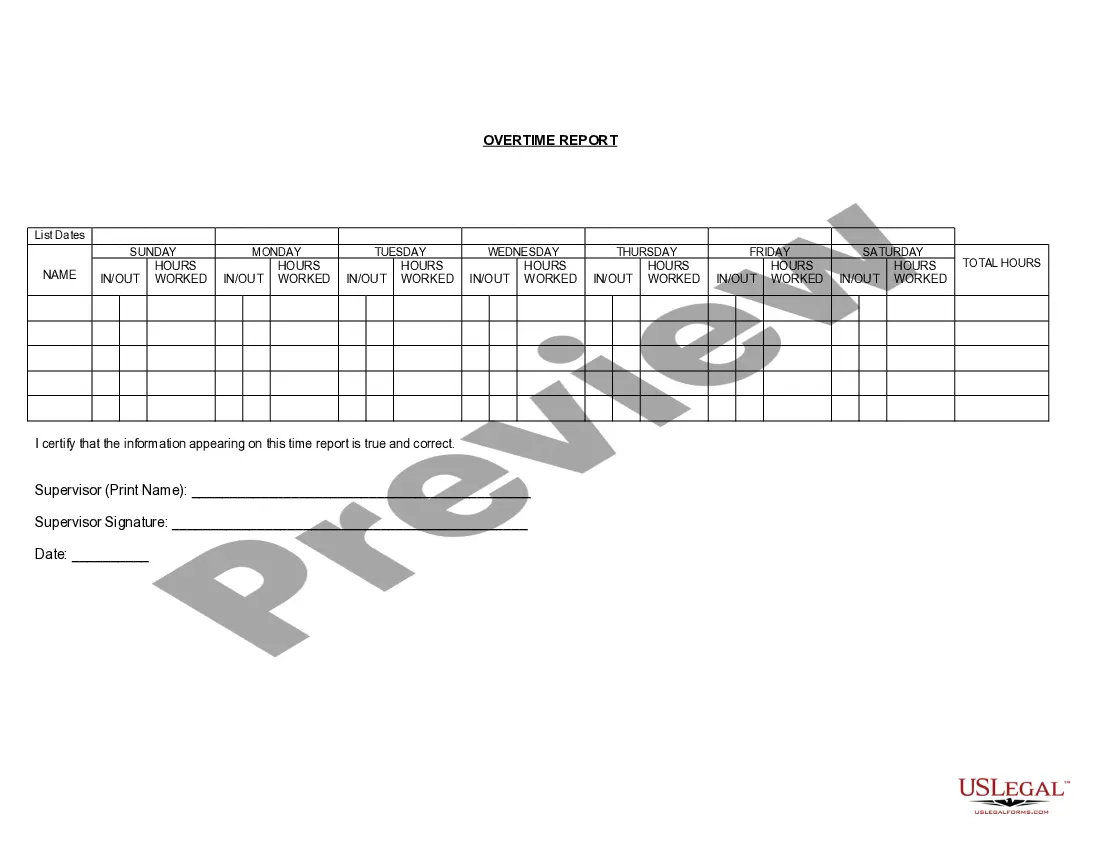
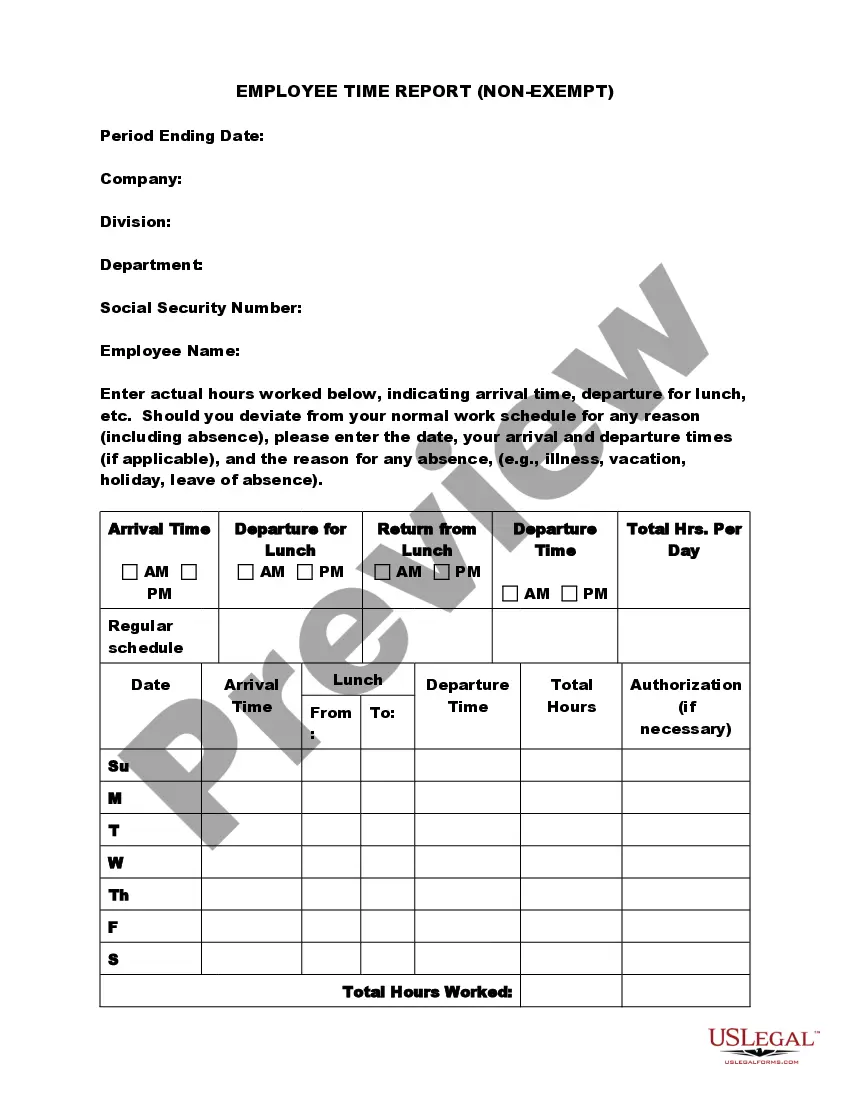
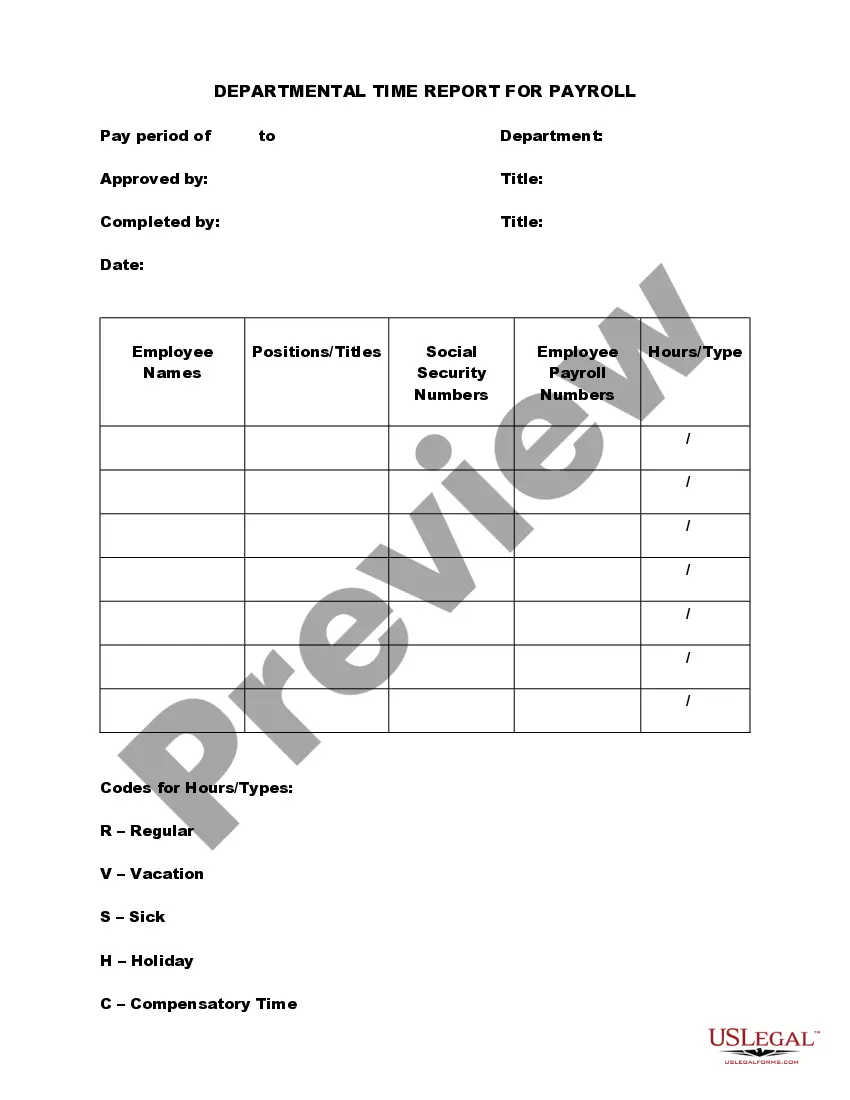
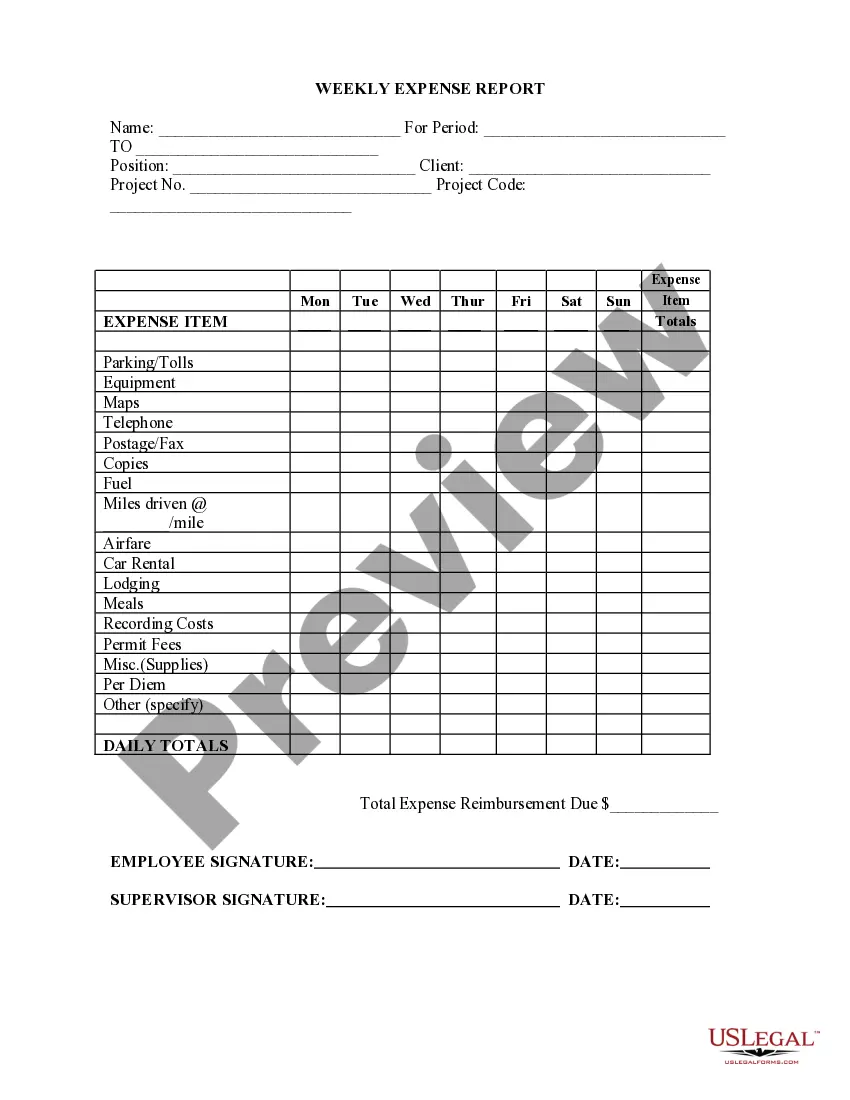
The Overtime Report is a document used to record the overtime hours worked by an employee. This form is essential for employers to maintain accurate records of employee hours, especially when calculating overtime pay. It ensures compliance with labor laws and helps prevent wage disputes, distinguishing it from other employment records which may not focus specifically on overtime tracking.
Form components explained
- Employee's name and identification
- Dates of the work week
- Daily breakdown of hours worked, including regular and overtime hours
- Total hours worked for the week
- Signatures of the employee and supervisor
When to use this form
Use the Overtime Report when an employee has worked beyond their regular hours, requiring documentation for payroll processing. This form is particularly useful during pay periods, for performance assessments, or when addressing overtime disputes. It ensures that all overtime is properly recorded and compensated according to applicable labor laws.
Who should use this form
Eligible users of this form include:
- Employers who need to track employee overtime
- Human resources personnel managing employee hours
- Employees who want to ensure their overtime is accurately recorded
Completing this form step by step
- Enter the employee's name and identification details at the top of the form.
- Fill in the dates of the work week for which overtime is being reported.
- Record daily hours worked for each day, separating regular hours from overtime.
- Calculate and write down the total hours worked for the week.
- Obtain the necessary signatures from both the employee and their supervisor to validate the report.
Notarization guidance
This form does not typically require notarization to be legally valid. However, some jurisdictions or document types may still require it. US Legal Forms provides secure online notarization powered by Notarize, available 24/7 for added convenience.
Get your form ready online
Our built-in tools help you complete, sign, share, and store your documents in one place.
Make edits, fill in missing information, and update formatting in US Legal Forms—just like you would in MS Word.
Download a copy, print it, send it by email, or mail it via USPS—whatever works best for your next step.
Sign and collect signatures with our SignNow integration. Send to multiple recipients, set reminders, and more. Go Premium to unlock E-Sign.
If this form requires notarization, complete it online through a secure video call—no need to meet a notary in person or wait for an appointment.
We protect your documents and personal data by following strict security and privacy standards.

Make edits, fill in missing information, and update formatting in US Legal Forms—just like you would in MS Word.

Download a copy, print it, send it by email, or mail it via USPS—whatever works best for your next step.

Sign and collect signatures with our SignNow integration. Send to multiple recipients, set reminders, and more. Go Premium to unlock E-Sign.

If this form requires notarization, complete it online through a secure video call—no need to meet a notary in person or wait for an appointment.

We protect your documents and personal data by following strict security and privacy standards.
Common mistakes
- Failing to accurately record daily hours, leading to incorrect totals.
- Omitting signatures, rendering the form invalid.
- Not specifying the correct dates for the work week.
Benefits of completing this form online
- Convenient access to the form allows for prompt completion and submission.
- Easy editing capabilities enable users to correct errors before finalization.
- Reliable templates ensure compliance with legal standards.
Main things to remember
- The Overtime Report is essential for accurate documentation of hours worked beyond regular schedules.
- Proper completion and validation of this form helps avoid payroll discrepancies.
- Being aware of common mistakes can enhance the accuracy of the report.
Looking for another form?


Form popularity
FAQ
Overtime Alberta GuidelinesAlberta requires that you pay overtime after 44 hours worked in a week, rather than the typical 40. Alberta does abide by the eight-hour workday rule, so any additional time after eight hours must be compensated by 1.5 times the employee's normal pay.
Overtime. extra hours of work undertaken by an employee that are additional to the number of hours specified as constituting the 'basic' working week, and for which employees are paid a WAGE RATE higher than the 'basic' wage.
Under the weekly overtime law, overtime must be paid for any hours worked over 40 in the workweek at the rate of one and one half times the regular rate of pay. Simply count all hours worked for the entire workweek. If the employee worked 40 or fewer hours that week, he or she has zero weekly overtime hours that week.
FLSA overtime pay for nonexempt employees is computed based on all the time the employee has actually worked in a work week. All time actually worked counts, but only time "actually" worked counts.
In California, the general overtime provisions are that a nonexempt employee 18 years of age or older, or any minor employee 16 or 17 years of age who is not required by law to attend school and is not otherwise prohibited by law from engaging in the subject work, shall not be employed more than eight hours in any
The 8 and 80 exception allows employers to pay one and one-half times the employee's regular rate for all hours worked in excess of 8 in a workday and 80 in a fourteen-day period.
Overtime pay is calculated: Hourly pay rate x 1.5 x overtime hours worked. Here is an example of total pay for an employee who worked 42 hours in a workweek: Regular pay rate x 40 hours = Regular pay, plus. Regular pay rate x 1.5 x 2 hours = Overtime pay, equals.
Employee Overtime: Hours, Pay and Who is Covered. The Fair Labor Standards Act (FLSA) states that any work over 40 hours in a 168 hour period is counted as overtime, since the average American work week is 40 hours - that's eight hours per day for five days a week.
Identify currently exempt employees who earn less than the new annual threshold of $47,476. Estimate how much overtime those employees currently work. Analyze your budget to help assess your compensation options. Review job descriptions for exempt positions to verify that the duties are accurately listed.