Resignation Letter without Contract
What this document covers
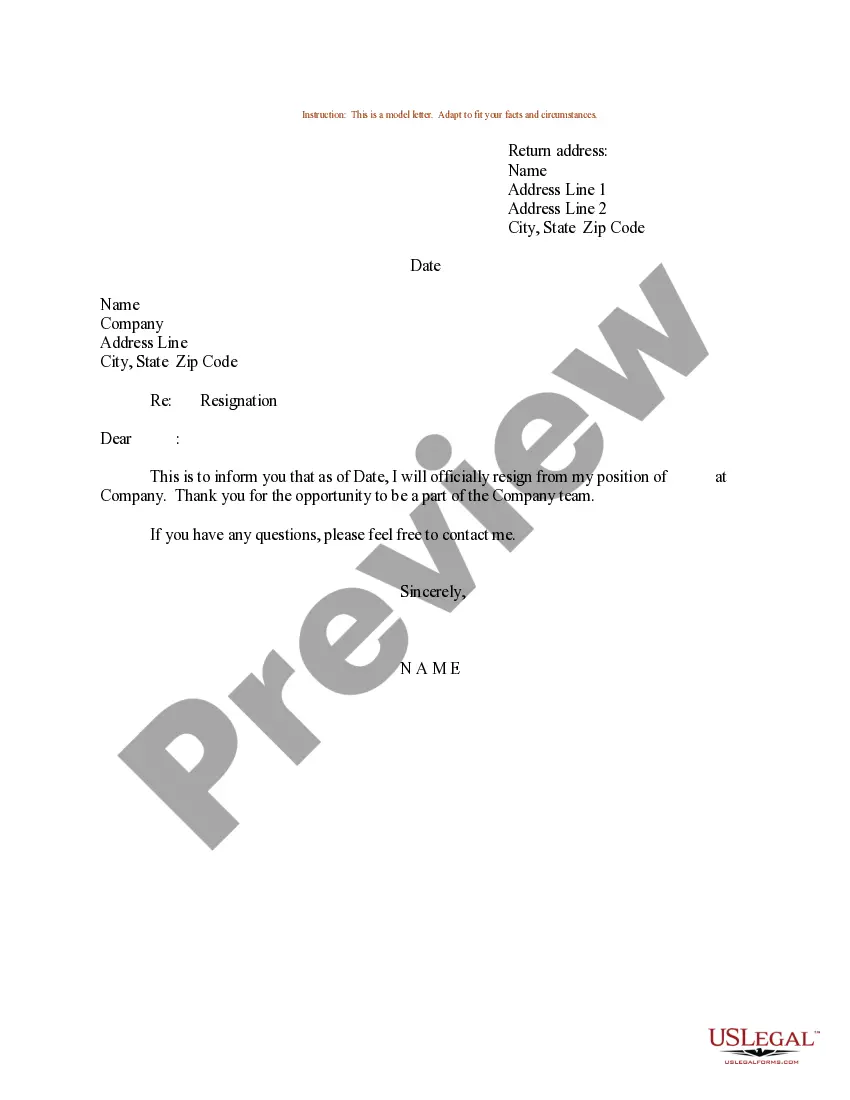
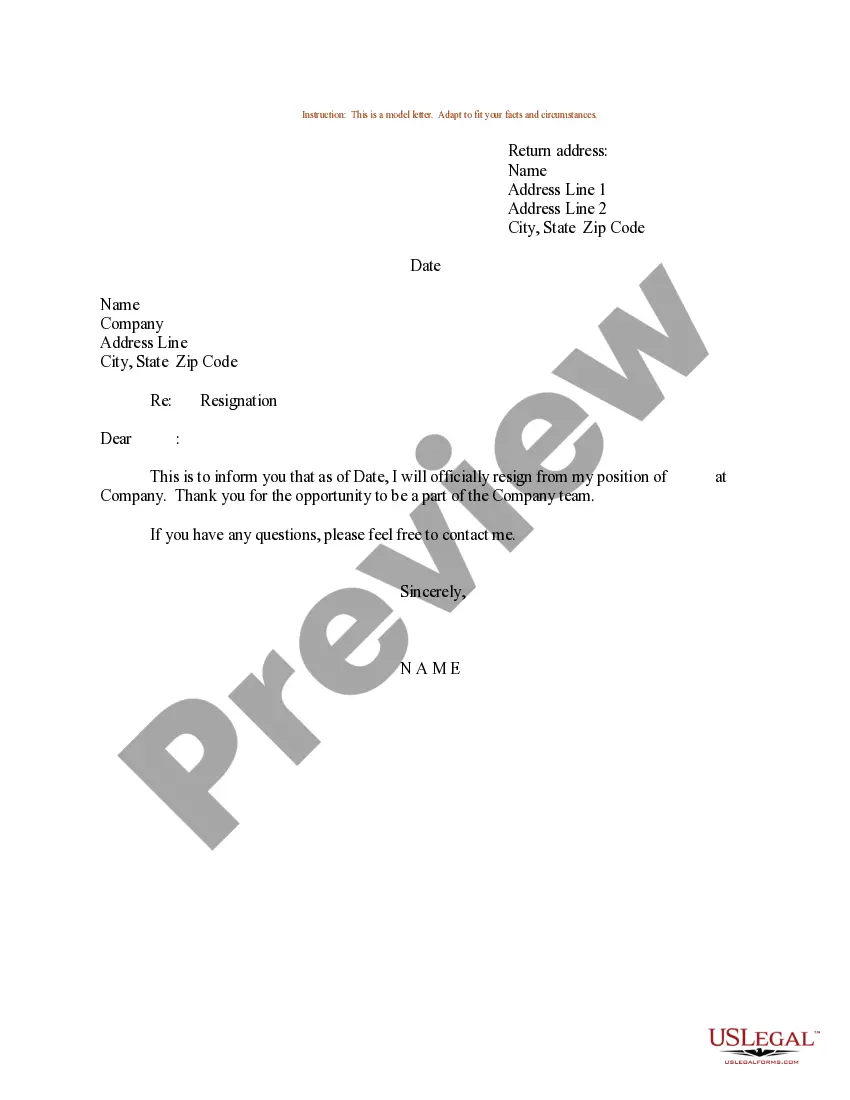
The resignation letter without contract is a formal document that notifies an employer of an employee's decision to leave their position. This letter is particularly useful when there is no contractual obligation to provide notice, making it clear and straightforward for both parties involved. It serves as a professional courtesy and helps maintain a positive relationship, unlike less formal communications such as emails or verbal notices.
Form components explained
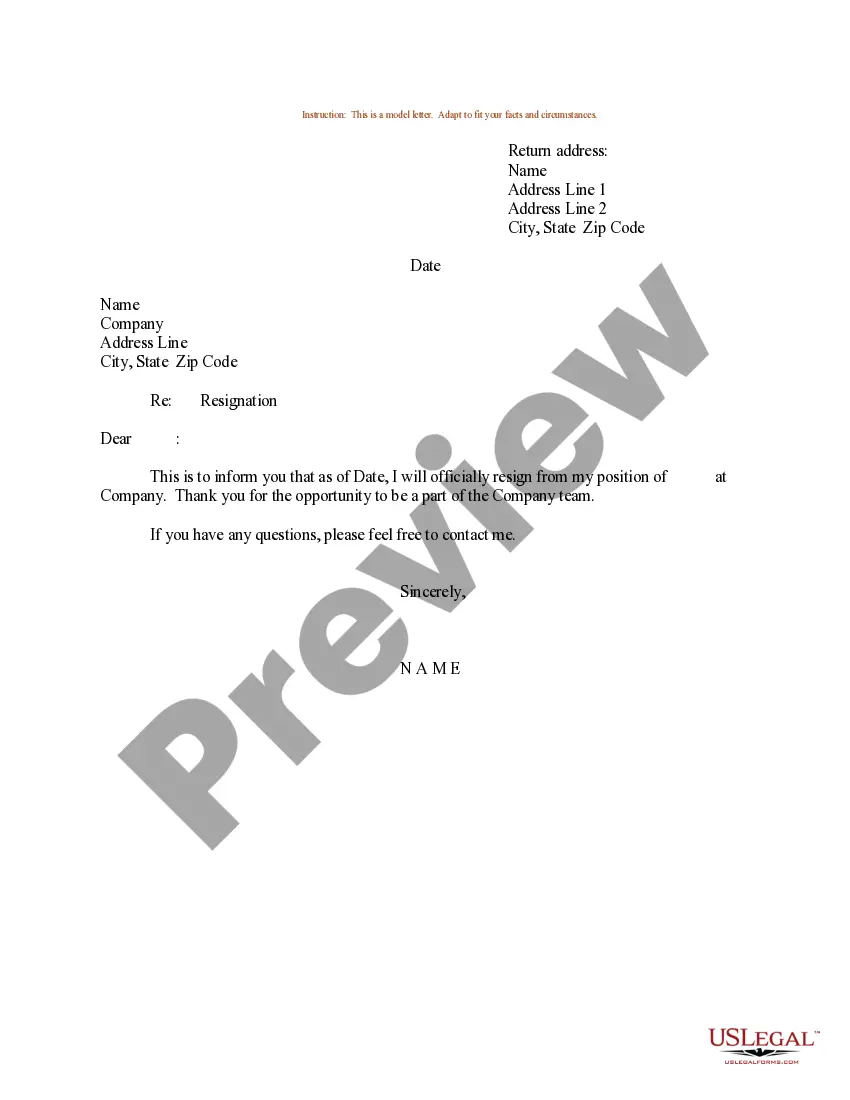
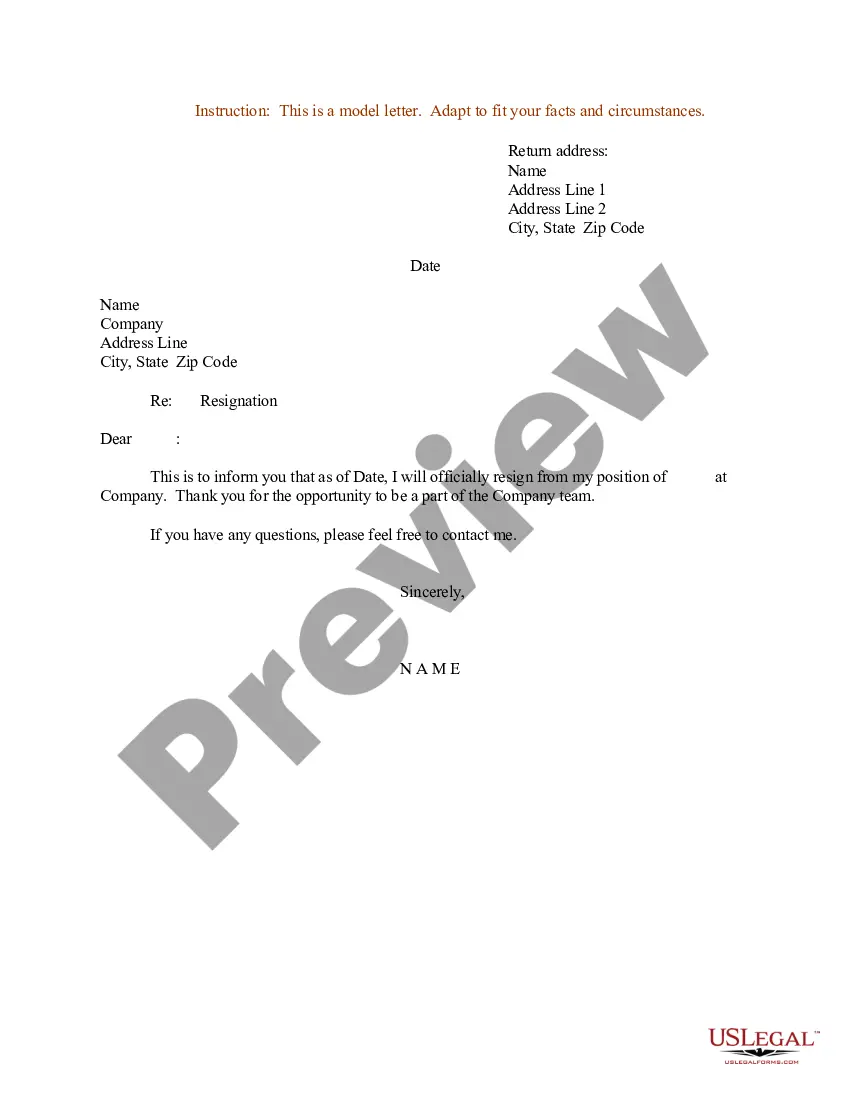
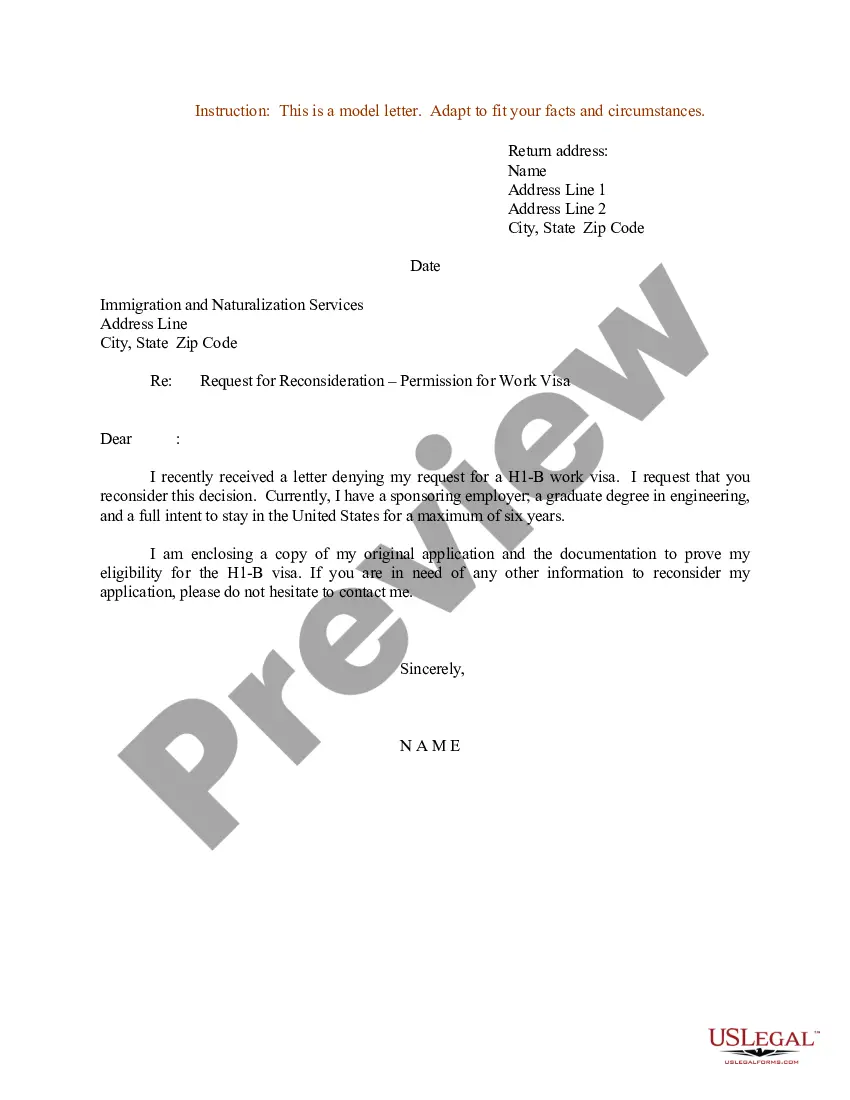
- Return address and date to identify the sender and the correspondence timeline.
- Recipientâs address to specify the employer or supervisor receiving the resignation.
- Subject line indicating the purpose as a resignation notice.
- A brief message stating the intention to resign and the effective date, if applicable.
- Closing with a signature line for a personal touch, reinforcing professionalism.

When this form is needed
This resignation letter is typically used when an employee wishes to formally resign from their position without a binding contract that specifies notice requirements. It is applicable in scenarios where the employee seeks a clear and professional way to communicate their decision, especially if they want to avoid misunderstandings or further obligations. It can be beneficial when leaving for a new opportunity, personal reasons, or after a trial period.
Who needs this form
- Employees who are resigning without a formal contract.
- Individuals leaving a position on good terms and wishing to maintain professionalism.
- Workers transitioning to new employment or career paths.
- Anyone needing a simple, direct method to communicate their resignation.
How to prepare this document
- Enter your return address, including your name, street address, city, state, and zip code.
- Fill in the date to indicate when the letter is being sent.
- Input the recipientâs name and address, ensuring it is accurate.
- Clearly state your intention to resign in the subject line and body of the letter.
- Add your signature at the end to personalize the letter and confirm the resignation.
Is notarization required?
This form does not typically require notarization unless specified by local law. It is important to confirm whether your employer or state jurisdictions have specific requirements regarding resignation letters.
Get your form ready online
Our built-in tools help you complete, sign, share, and store your documents in one place.
Make edits, fill in missing information, and update formatting in US Legal Forms—just like you would in MS Word.
Download a copy, print it, send it by email, or mail it via USPS—whatever works best for your next step.
Sign and collect signatures with our SignNow integration. Send to multiple recipients, set reminders, and more. Go Premium to unlock E-Sign.
If this form requires notarization, complete it online through a secure video call—no need to meet a notary in person or wait for an appointment.
We protect your documents and personal data by following strict security and privacy standards.

Make edits, fill in missing information, and update formatting in US Legal Forms—just like you would in MS Word.

Download a copy, print it, send it by email, or mail it via USPS—whatever works best for your next step.

Sign and collect signatures with our SignNow integration. Send to multiple recipients, set reminders, and more. Go Premium to unlock E-Sign.

If this form requires notarization, complete it online through a secure video call—no need to meet a notary in person or wait for an appointment.

We protect your documents and personal data by following strict security and privacy standards.
Typical mistakes to avoid
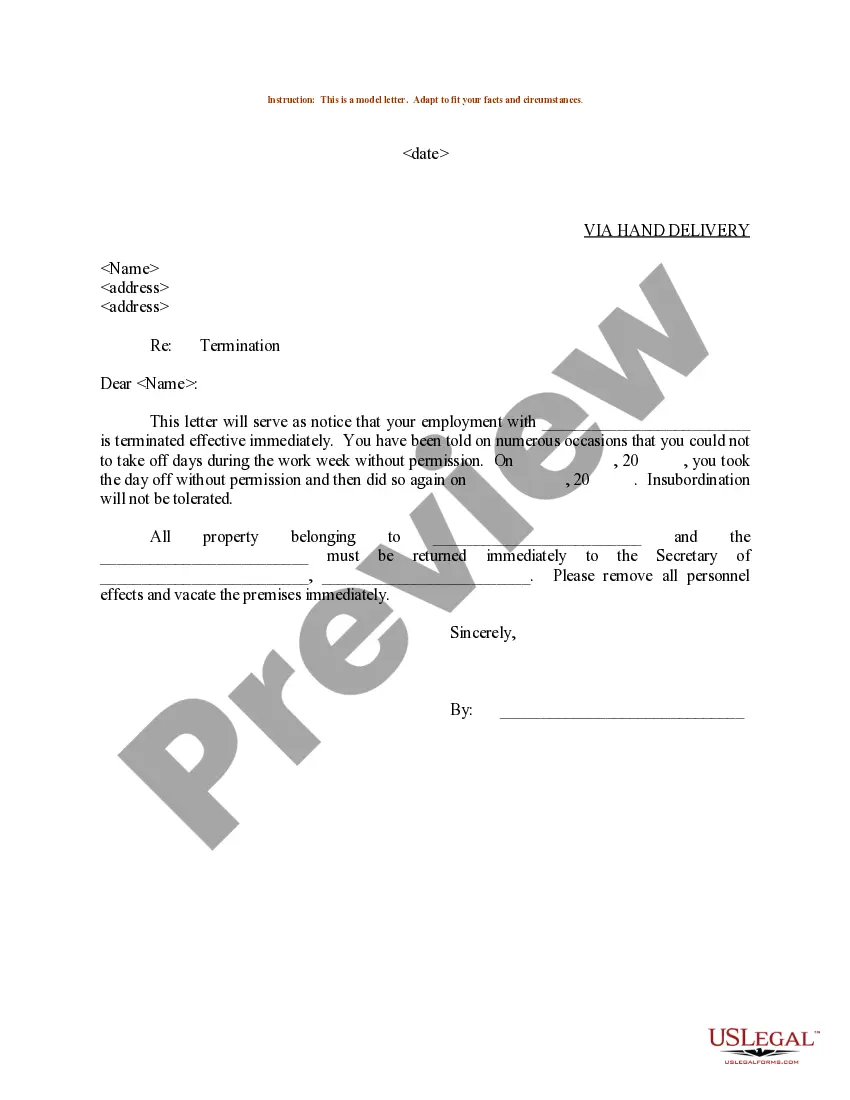
- Failing to include a date, which may causes confusion regarding the resignation timeline.
- Not addressing the letter to the correct person or department.
- Being vague about the resignation, which can lead to misunderstandings.
- Not signing the letter, making it less formal and potentially less credible.
Benefits of using this form online
- Convenient access to a professionally drafted resignation letter template.
- Editable format allows users to tailor the content to their specific needs.
- Instant download means you can complete and submit your resignation quickly.
- Reliable and legally sound format ensures that you meet professional standards.
Looking for another form?


Form popularity
FAQ
The closing is how you end your resignation letter: it should be short and polite. You should start your closing two lines below your final body paragraph. Popular closings include Best regards, Sincerely, and Yours truly.
If you've been in your job for less than a month, you don't have to give notice unless the contract or terms and conditions require you to. If you've been in your job for more than 1 month, you must give at least 1 week's notice. It's best to resign in writing, so there's no argument about when you did it.
If you want to leave your job you'll normally need to give your employer some warning. This is called your notice period.If you've been in your job for less than a month, you don't have to give notice unless the contract or terms and conditions require you to.
A Lengthy Explanation of Why You're Leaving. Reasons You Hated Your Job So Much. Negative Comments About Your Boss. Criticism of Your Peers. Inappropriate Language. Unnecessary Information on Career Plans.
If you are resigning with immediate effect in protest at how you have been treated, a verbal resignation is enough, but it is better to put it in writing. Most employment contracts will require you to resign in writing so, your notice period will not start to run until you give your employer written notice.
Depending on your employer, your job may be terminated immediately and you'll be straight out the door. In other cases, you'll stay on board to help with the transition until your departure date.
Unfortunately, a letter of resignation does not comply with the official legal requirements of a formal termination of contract, meaning it's not legally binding: the law requires that a termination of contract must be written and signed by hand.To make it count, your intention to resign must be handwritten.
Unless you're under a contract requiring you to execute paperwork upon your separation, you're generally not under any obligation to sign anything.
When should you hand in your notice to your current employer? "Do not resign on a verbal offer always wait until you have received the contract of employment," advises Pedder.There is no need to rush to let your current employer know what's happening make sure you're making the right decision first.