Financial Record Storage Chart
Overview of this form
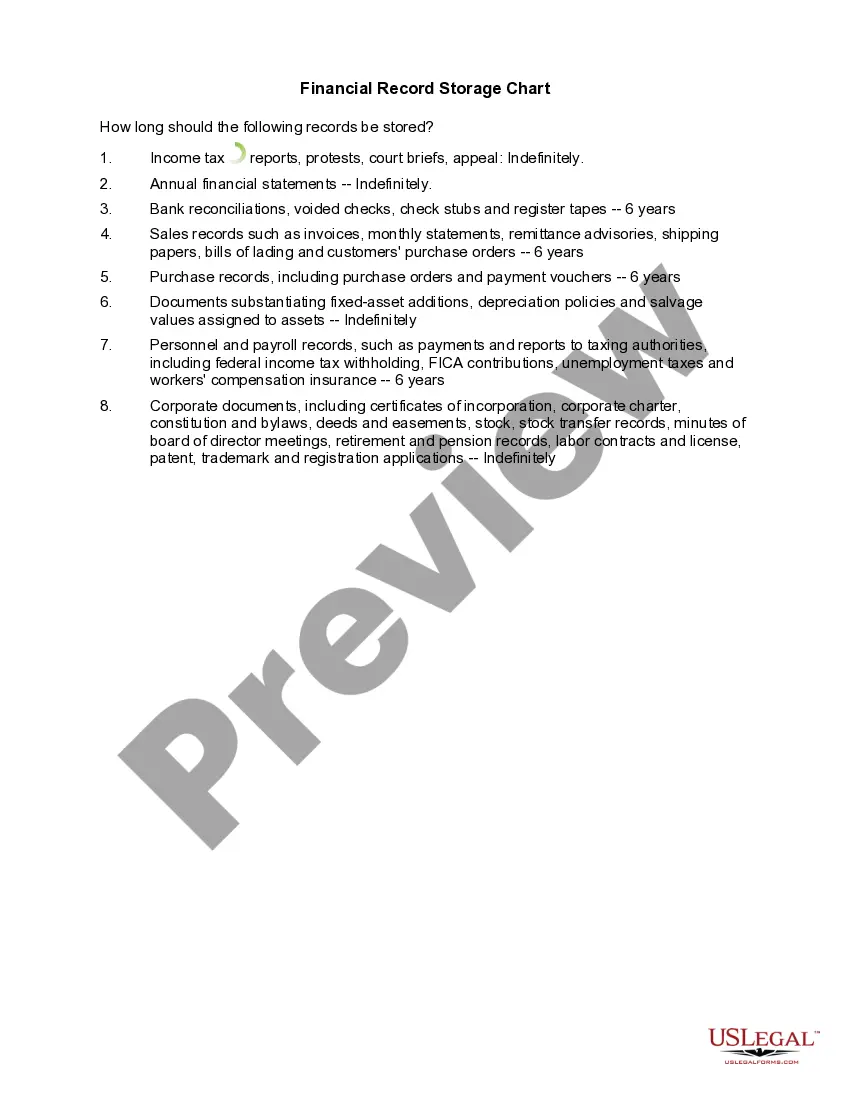
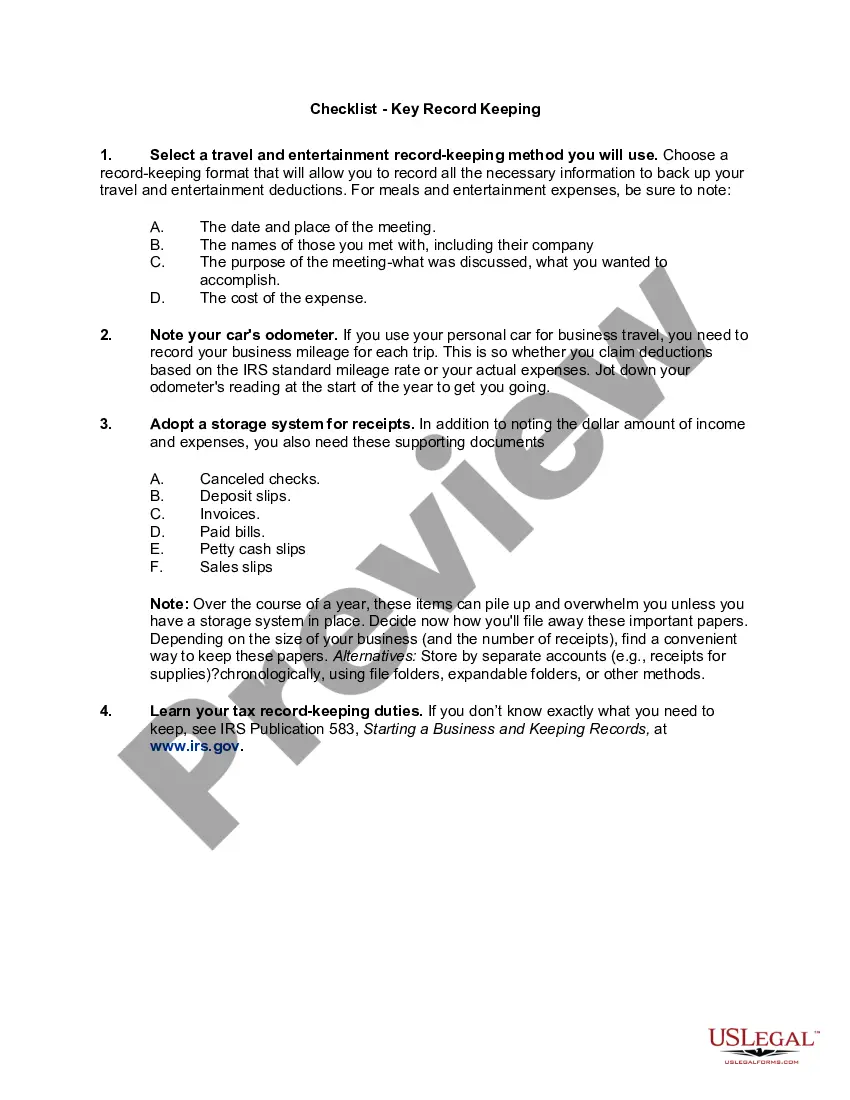
The Financial Record Storage Chart is a tool designed to help individuals and businesses keep track of their financial records and the duration for which they should be maintained. This form stands out from general financial record-keeping documents as it provides specific timeframes for the storage of various financial records, ensuring compliance with tax requirements and safeguarding essential documents.
Key components of this form
- Income tax records: stored indefinitely.
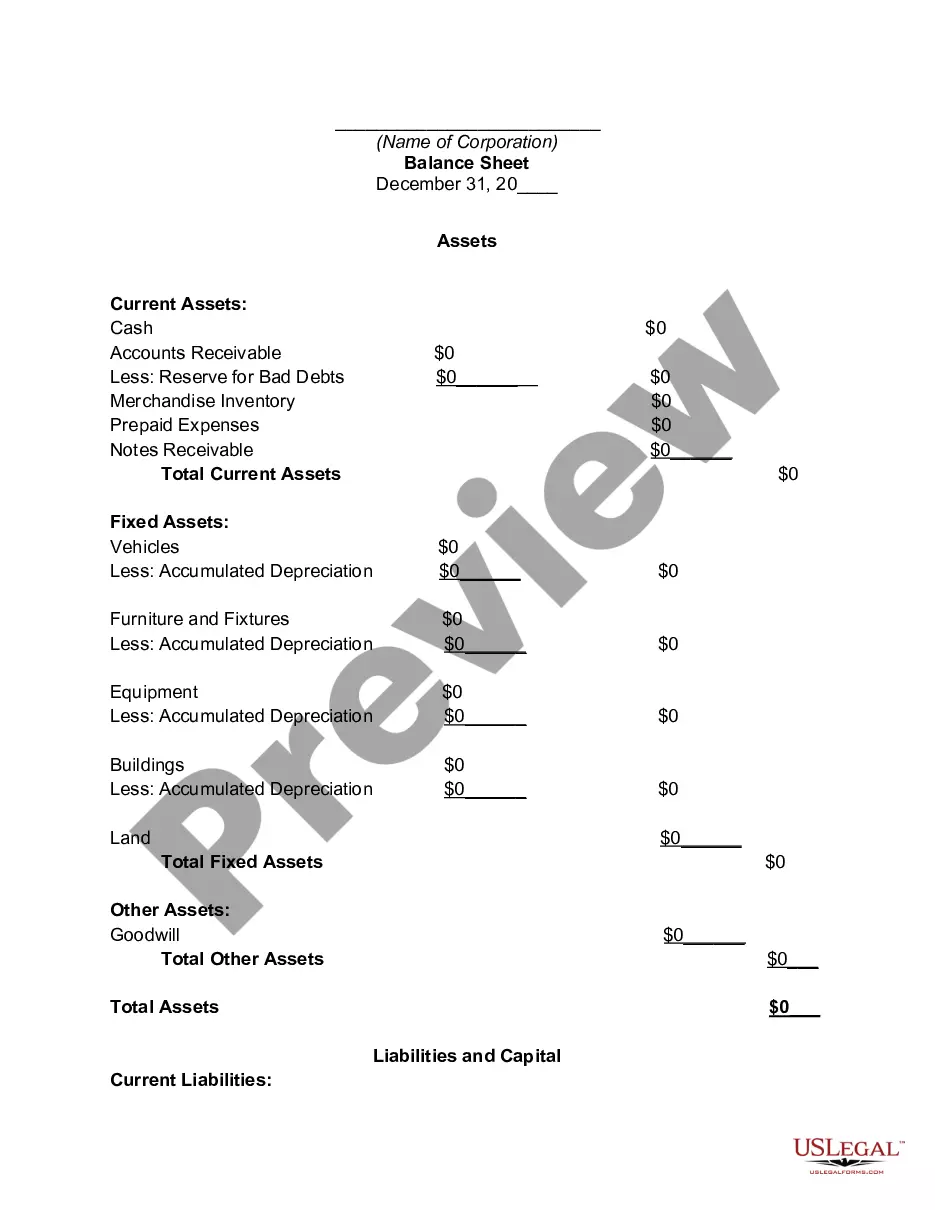
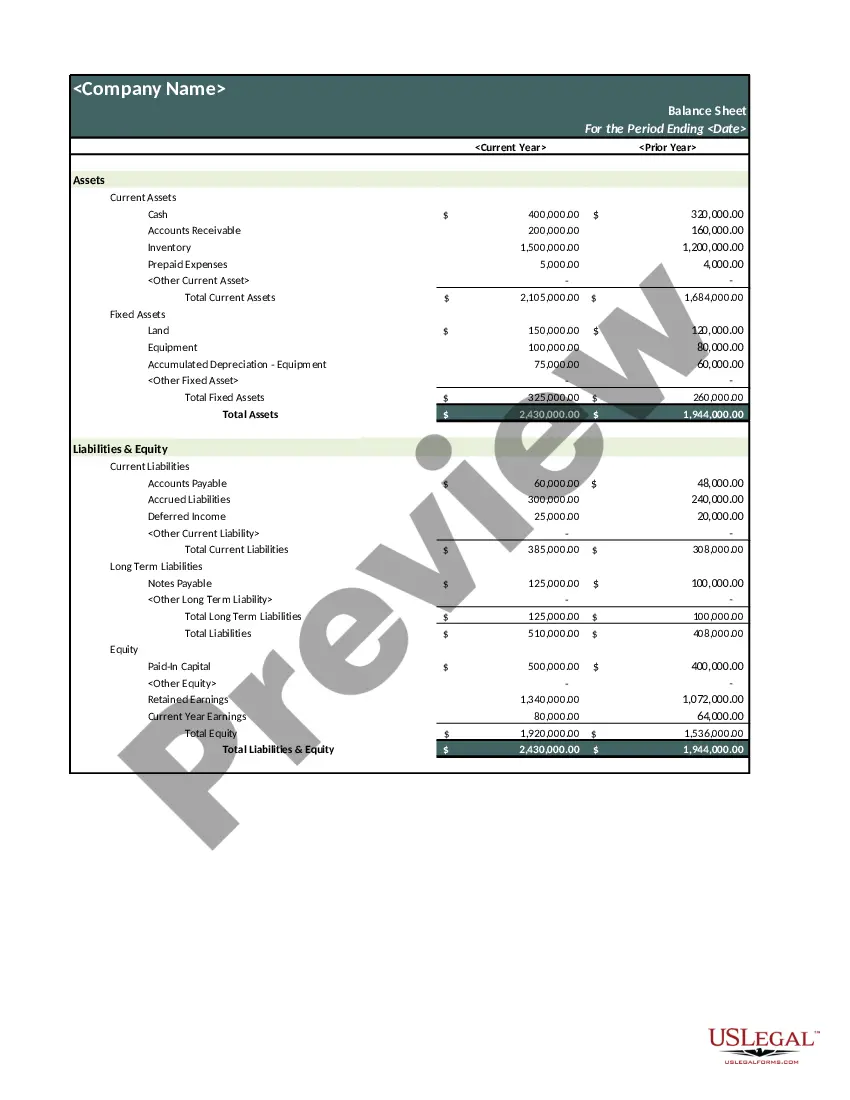
- Annual financial statements: kept indefinitely.
- Bank reconciliations, voided checks, and check stubs: stored for six years.
- Sales records including invoices and statements: kept for six years.
- Purchase records like purchase orders and payment vouchers: stored for six years.
- Documents on fixed assets and depreciation policies: kept indefinitely.
- Personnel and payroll records: stored for six years.
- Corporate documents such as incorporation certificates: kept indefinitely.
Situations where this form applies
This form is essential when you need to ensure compliance with tax regulations and organizational requirements regarding record-keeping. Use it when preparing for an audit, managing corporate governance, or when you want to maintain a clear overview of your financial documents for personal or business purposes.
Who should use this form
- Individuals managing personal finances.
- Small business owners tracking financial documents.
- Accounting professionals handling client records.
- Corporate entities ensuring compliance with legal requirements.
Completing this form step by step
- Gather all relevant financial records you need to track.
- Organize the records based on the indicated categories.
- Refer to the storage duration specified for each type of record.
- Document the date you began maintaining each record.
- Check your records periodically to ensure compliance with the timelines.
Notarization requirements for this form
This form usually doesn’t need to be notarized. However, local laws or specific transactions may require it. Our online notarization service, powered by Notarize, lets you complete it remotely through a secure video session, available 24/7.
Get your form ready online
Our built-in tools help you complete, sign, share, and store your documents in one place.
Make edits, fill in missing information, and update formatting in US Legal Forms—just like you would in MS Word.
Download a copy, print it, send it by email, or mail it via USPS—whatever works best for your next step.
Sign and collect signatures with our SignNow integration. Send to multiple recipients, set reminders, and more. Go Premium to unlock E-Sign.
If this form requires notarization, complete it online through a secure video call—no need to meet a notary in person or wait for an appointment.
We protect your documents and personal data by following strict security and privacy standards.

Make edits, fill in missing information, and update formatting in US Legal Forms—just like you would in MS Word.

Download a copy, print it, send it by email, or mail it via USPS—whatever works best for your next step.

Sign and collect signatures with our SignNow integration. Send to multiple recipients, set reminders, and more. Go Premium to unlock E-Sign.

If this form requires notarization, complete it online through a secure video call—no need to meet a notary in person or wait for an appointment.

We protect your documents and personal data by following strict security and privacy standards.
Typical mistakes to avoid
- Not storing records for the recommended duration.
- Failing to categorize records accurately.
- Overlooking electronic records in storage practices.
Advantages of online completion
- Convenient access to download and fill out the form from anywhere.
- Editability allows you to customize the chart according to your needs.
- Reliability: ensures you are using a form drafted by licensed attorneys.
Legal use & context
- This form provides a structured approach to record keeping, which is legally relevant for tax audits.
- Following the guidelines helps protect against legal disputes over record retention.
- Using this form can enhance overall financial management practices.
What to keep in mind
- The Financial Record Storage Chart helps track the duration financial records should be kept.
- Different records have specific storage duration requirements.
- Using this form can help ensure compliance with tax regulations.
Looking for another form?

Form popularity
FAQ
The eight small business record keeping rulesAlways keep receipts, bank statements, invoices, payroll records, and any other documentary evidence that supports an item of income, deduction, or credit shown on your tax return. Most supporting documents need to be kept for at least three years.
Apply for and claim benefits. Get through the probate process. Close bank accounts. Pay any final estate or income taxes.
General account books including general journal and general and subsidiary ledgers. Cash book records including receipts and payments. Banking records including bank and credit card statements, deposit books, cheque butts and bank reconciliations.
See What You Have. Set Up Your Filing System. Reconcile And File Receipts. Protect Your Investment Papers. Properly Store Your Bank Documents. Take Care Of Any Credit Card Issues.
Establish Business Bank Accounts. Avoid Using Cash. Schedule a Specific Time Each Week. Purchase the Right Accounting Software. Tax Obligations. Keep a Complete Record of Accounting Documents.
Financial Documents The following documents should be kept in either a safe deposit box or locked filing cabinet at home: Tax returns and supporting documents: Keep forever, in case one day you are audited. Credit card statements: Store for one month, unless needed for tax season; then keep for one year.
Keep Your Business and Personal Expenses Separate. Get Sufficient Documentation for All Business Expenses. Get a Separate Bank Account for Your Business. Have and Use a Separate Credit Card for Business Expenses. Keep a Mileage Log of Your Business Travel.
Step 1: Set Up a Filing System For Your Personal Finance. Step 2: Create a Budget with the Help of a Budget Calculator, and Stick to It. Step 3: Set Up Money Reminders or Automate Bill Payments. Step 4: Balance Your Payments with Your Paydays. Step 5: Evaluate and Pay Off Your Debt. Step 6: Start Saving Money.
Establish Business Bank Accounts. Avoid Using Cash. Schedule a Specific Time Each Week. Purchase the Right Accounting Software. Tax Obligations. Keep a Complete Record of Accounting Documents. Invest in an Experienced Bookkeeper.