Checklist - Key Record Keeping
Overview of this form
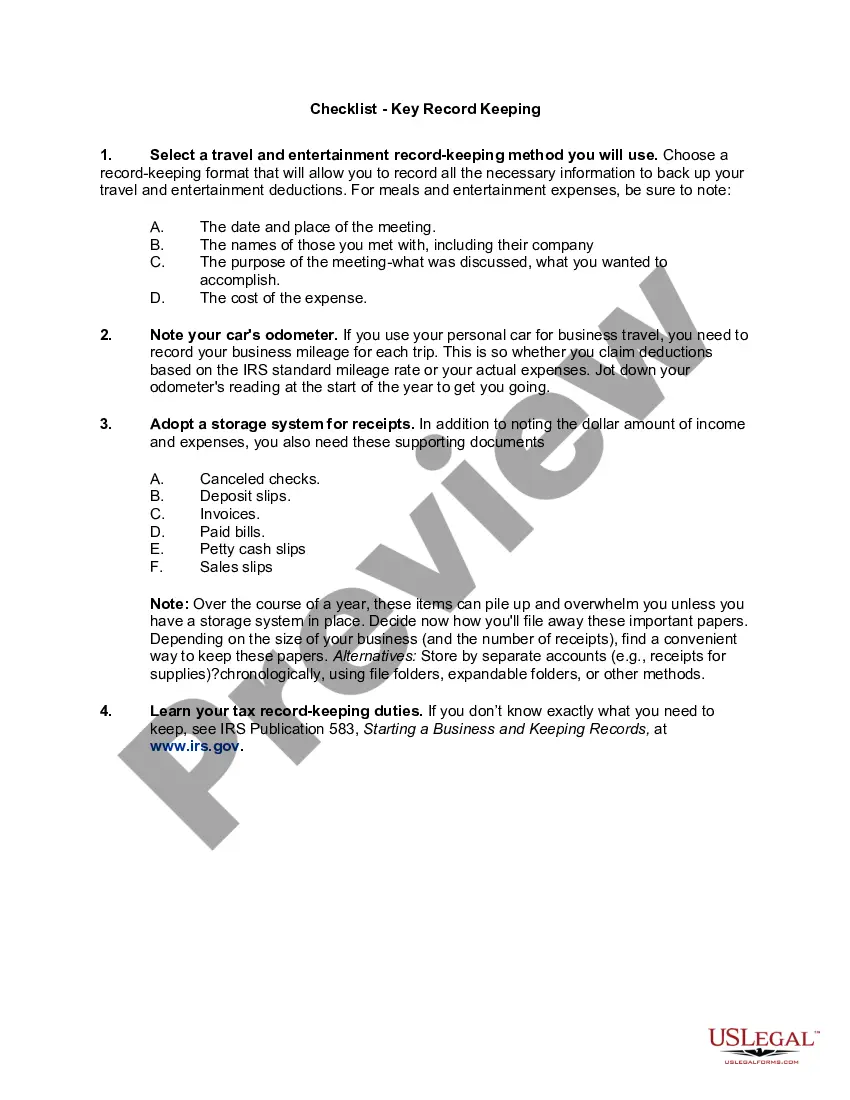
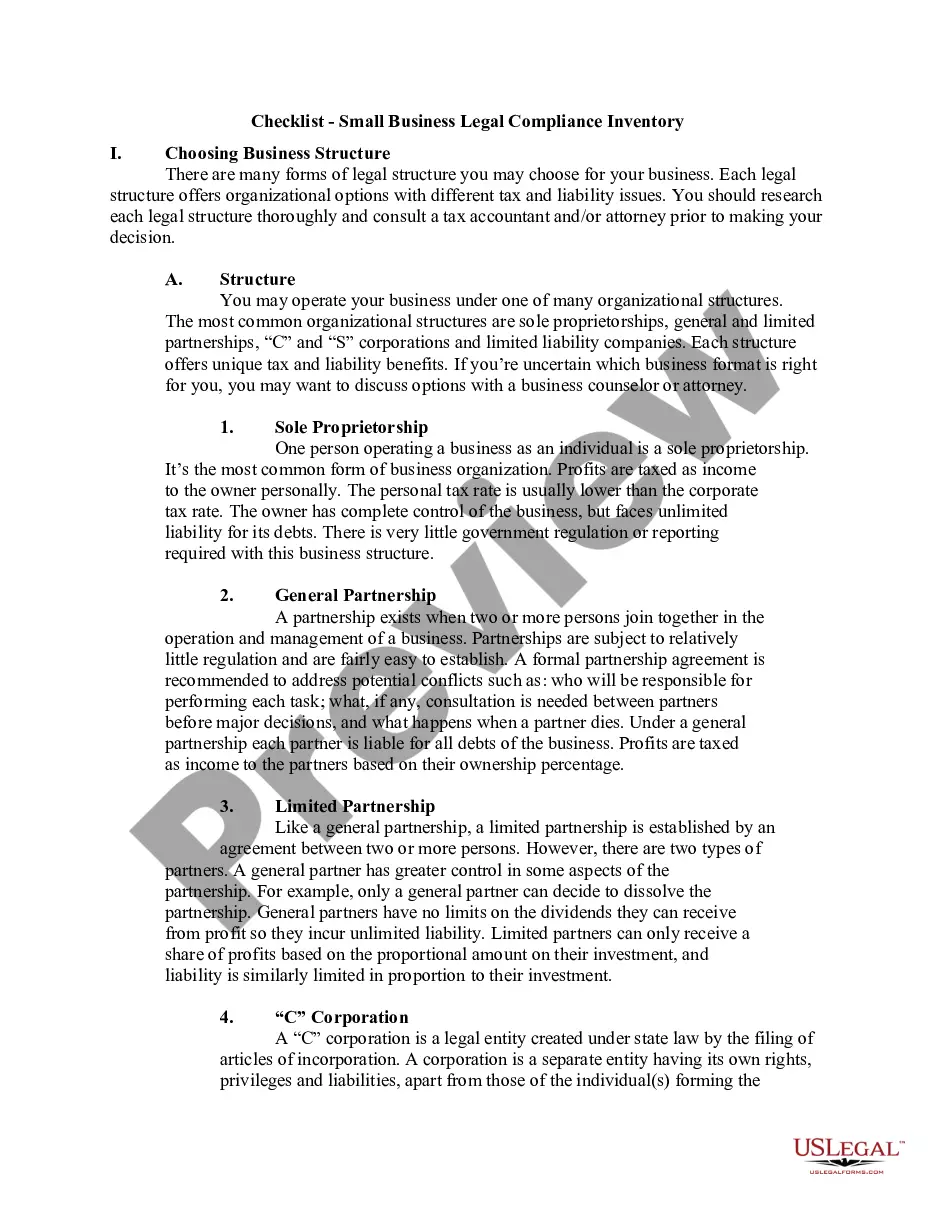
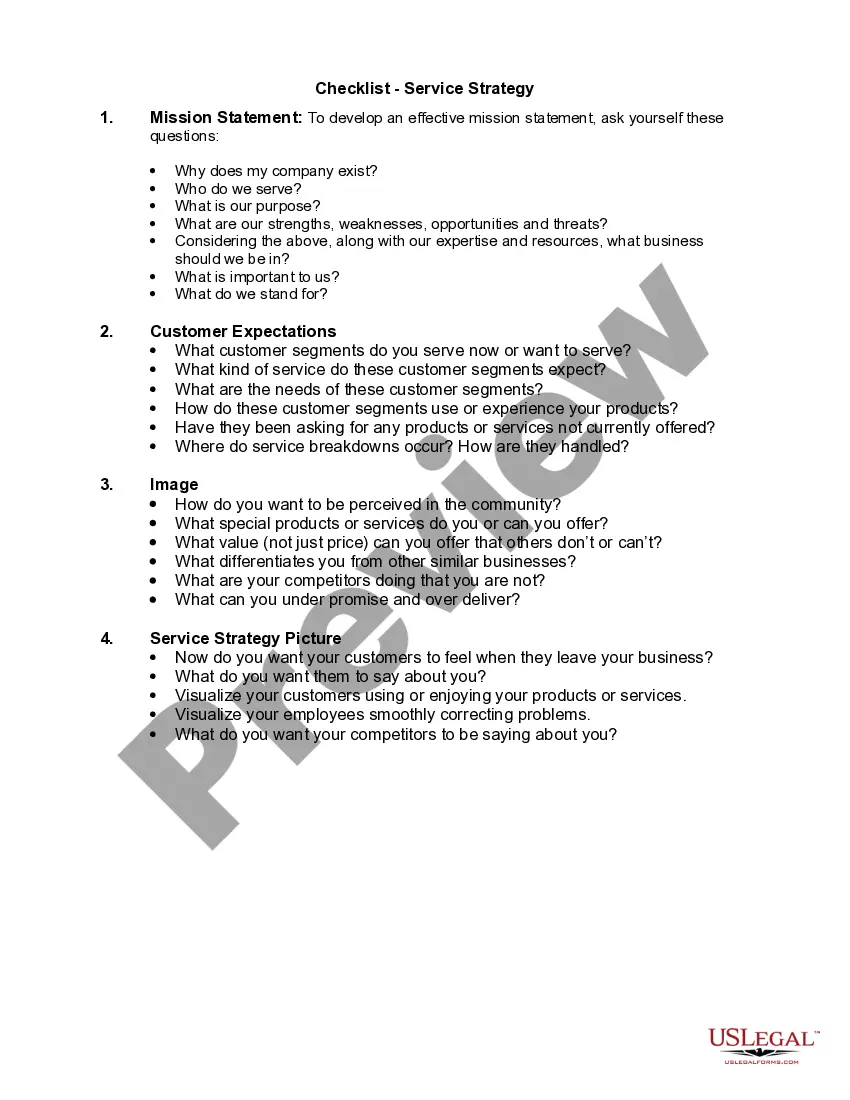
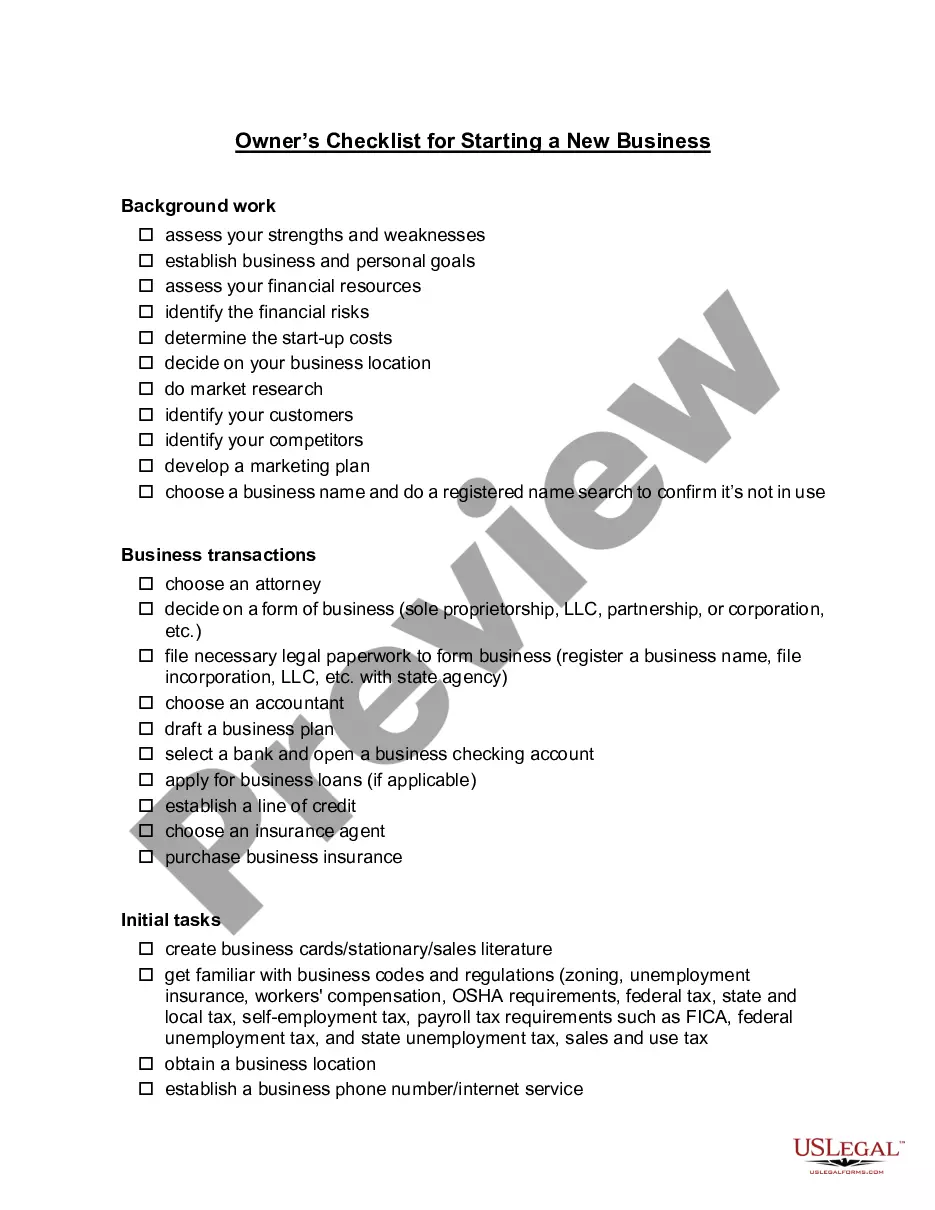
The Key Record Keeping Checklist is a valuable document designed to help individuals and businesses maintain accurate and organized records for tax purposes. By outlining essential record-keeping practices, this checklist ensures you can effectively track your business activities and substantiate deductions on your tax return. Unlike other tax forms, this checklist specifically focuses on the management of records and documentation to support your claims, making it an indispensable tool for both entrepreneurs and small business owners.
Main sections of this form
- Selecting a travel and entertainment record-keeping method.
- Documenting business mileage and odometer readings.
- Implementing a storage system for important receipts and documents.
- Understanding your tax record-keeping duties as outlined by the IRS.
When to use this form
This checklist should be utilized when preparing for tax season, specifically to ensure all necessary documentation is in place to support deductions. It is ideal for business owners seeking to organize their travel, entertainment, and operational expense records throughout the year. Using this checklist regularly will streamline the record-keeping process and help you avoid common pitfalls during tax preparation.
Intended users of this form
- Small business owners looking to keep track of their financial activities.
- Entrepreneurs needing a structured approach to record-keeping for tax purposes.
- Individuals who want to ensure compliance with IRS regulations regarding deductions.
- Freelancers managing their own expenses and tax filings.
Instructions for completing this form
- Select the preferred method for recording travel and entertainment expenses.
- Write down the initial odometer reading of your vehicle at the beginning of the year.
- Create a filing system for receipts related to income and expenses for easy access during tax time.
- Familiarize yourself with IRS record-keeping requirements by consulting relevant publications.
Is notarization required?
In most cases, this form does not require notarization. However, some jurisdictions or signing circumstances might. US Legal Forms offers online notarization powered by Notarize, accessible 24/7 for a quick, remote process.
Get your form ready online
Our built-in tools help you complete, sign, share, and store your documents in one place.
Make edits, fill in missing information, and update formatting in US Legal Forms—just like you would in MS Word.
Download a copy, print it, send it by email, or mail it via USPS—whatever works best for your next step.
Sign and collect signatures with our SignNow integration. Send to multiple recipients, set reminders, and more. Go Premium to unlock E-Sign.
If this form requires notarization, complete it online through a secure video call—no need to meet a notary in person or wait for an appointment.
We protect your documents and personal data by following strict security and privacy standards.

Make edits, fill in missing information, and update formatting in US Legal Forms—just like you would in MS Word.

Download a copy, print it, send it by email, or mail it via USPS—whatever works best for your next step.

Sign and collect signatures with our SignNow integration. Send to multiple recipients, set reminders, and more. Go Premium to unlock E-Sign.

If this form requires notarization, complete it online through a secure video call—no need to meet a notary in person or wait for an appointment.

We protect your documents and personal data by following strict security and privacy standards.
Common mistakes
- Failing to keep receipts for all deductible expenses, which may lead to losing valuable deductions.
- Neglecting to document essential details such as the date, purpose, and participants of business meetings.
- Not recording mileage accurately or forgetting to log business trips.
- Using a disorganized filing system that can complicate tax preparation.
Advantages of online completion
- Easy access to a structured checklist for streamlined record-keeping.
- Ability to update and customize the checklist as your business needs evolve.
- Convenient digital format allows for quick downloads and printing.
- Reliable templates drafted by licensed attorneys ensure legal compliance.
Main things to remember
- Regular record-keeping is vital for tax compliance and accurate reporting.
- Using a checklist can simplify the process and prevent costly oversights.
- Understanding IRS requirements is crucial for claiming deductions effectively.
Looking for another form?
Form popularity
FAQ
Recordkeeping is the act of keeping track of the history of a person's or organization's activities, generally by creating and storing consistent, formal records.Example: The company's recordkeeping was very extensive, with each employee's hiring, pay, and job performance thoroughly documented.
Phase 5: Disposition In this phase, when you don't require a specific kind of information and the data is maintained as per the requirement, the same records are eligible for disposal or shredding. This is usually done being aligned with the company policies of record-keeping and disposal.
Creating a record. capturing a record, including information that needs to be captured. providing or accepting supporting documentation. maintaining a record, including security, storage and handling. providing access to records. retention and disposal of records.
Identifying the transactions. Recording in the journal. Classifying the nature of the transaction. Posting to ledger. Balancing of accounts. Preparing a financial statement. Interpreting the financial statements. Communicating it to stakeholders.
N. Coordinated policies and procedures that enable records to be collected, organized, and categorized to facilitate their management, including preservation3, retrieval, use, and disposition.
Capture the Information. Check to Make Sure the Information Is Complete and Correct. Record the Information to Save It. Consolidate and Review the Information. Act Based on What You Know.
Determine what records you need to have. Take inventory to see what records you are keeping. Create a document retention schedule based on legal requirements and business needs. Figure out the best way to store each type of record. Create a location for records storage.
Creation (or receipt), maintenance and use, and. disposition.
EEOC Regulations require that employers keep all personnel or employment records for one year. If an employee is involuntarily terminated, his/her personnel records must be retained for one year from the date of termination.