Connecticut Application for Arrest Warrant
Overview of this form
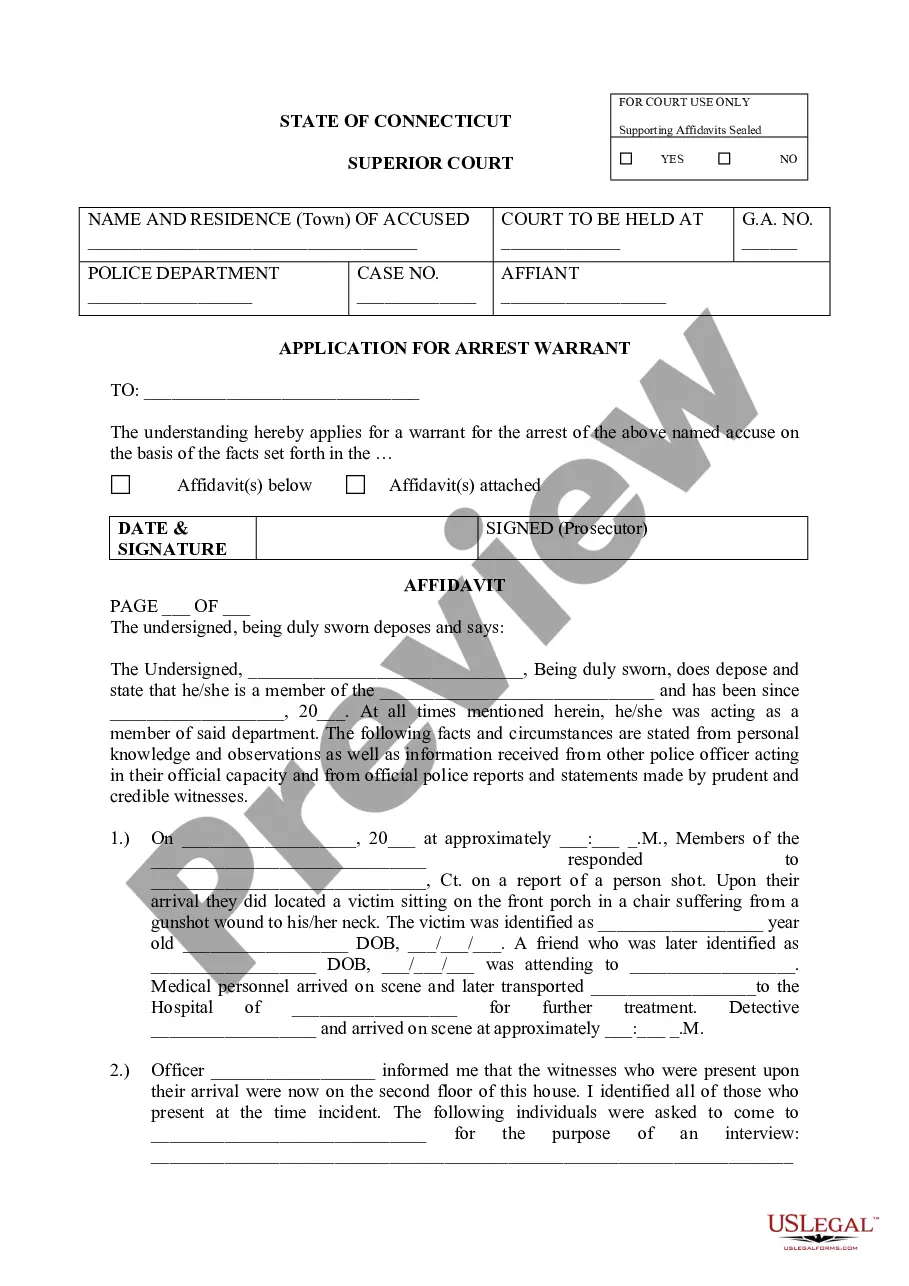
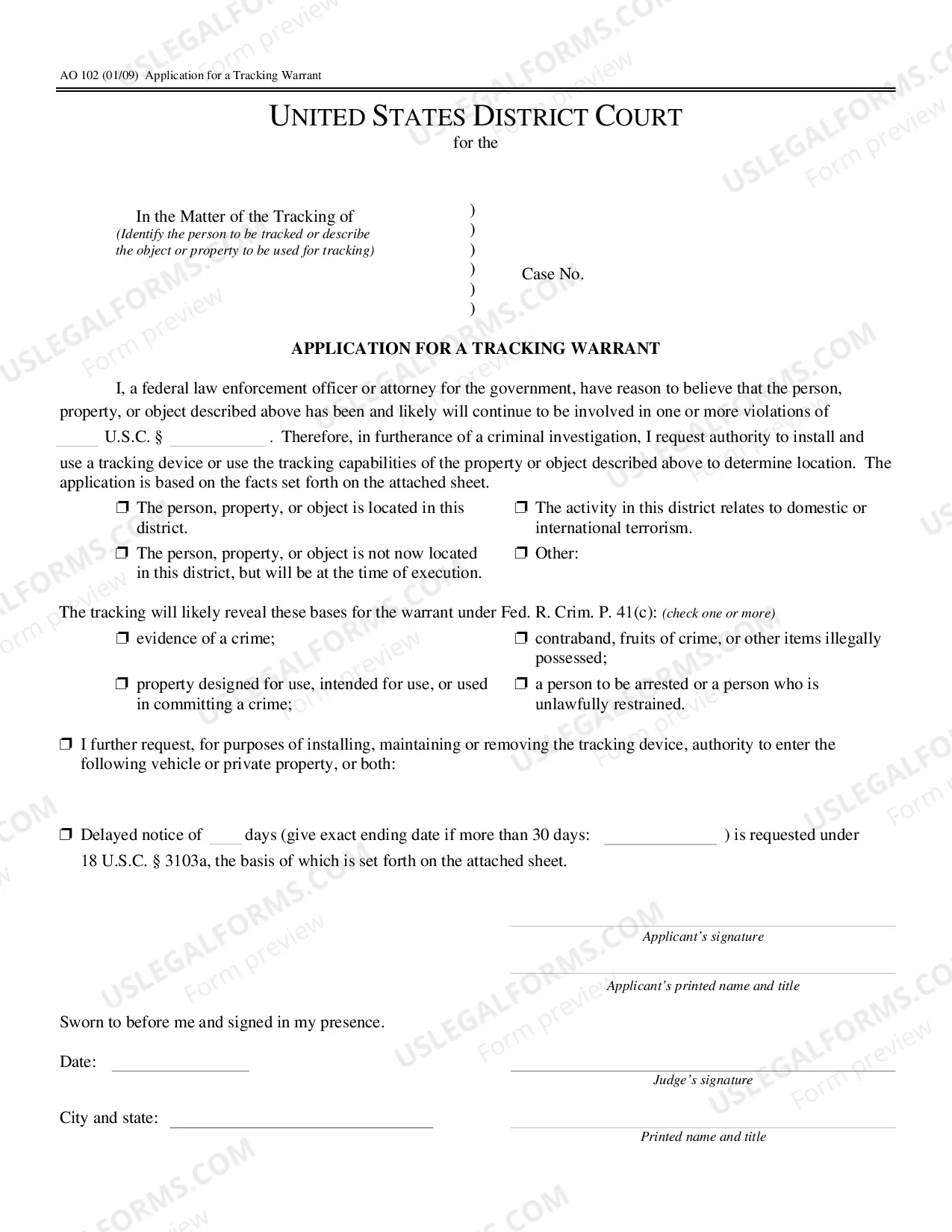
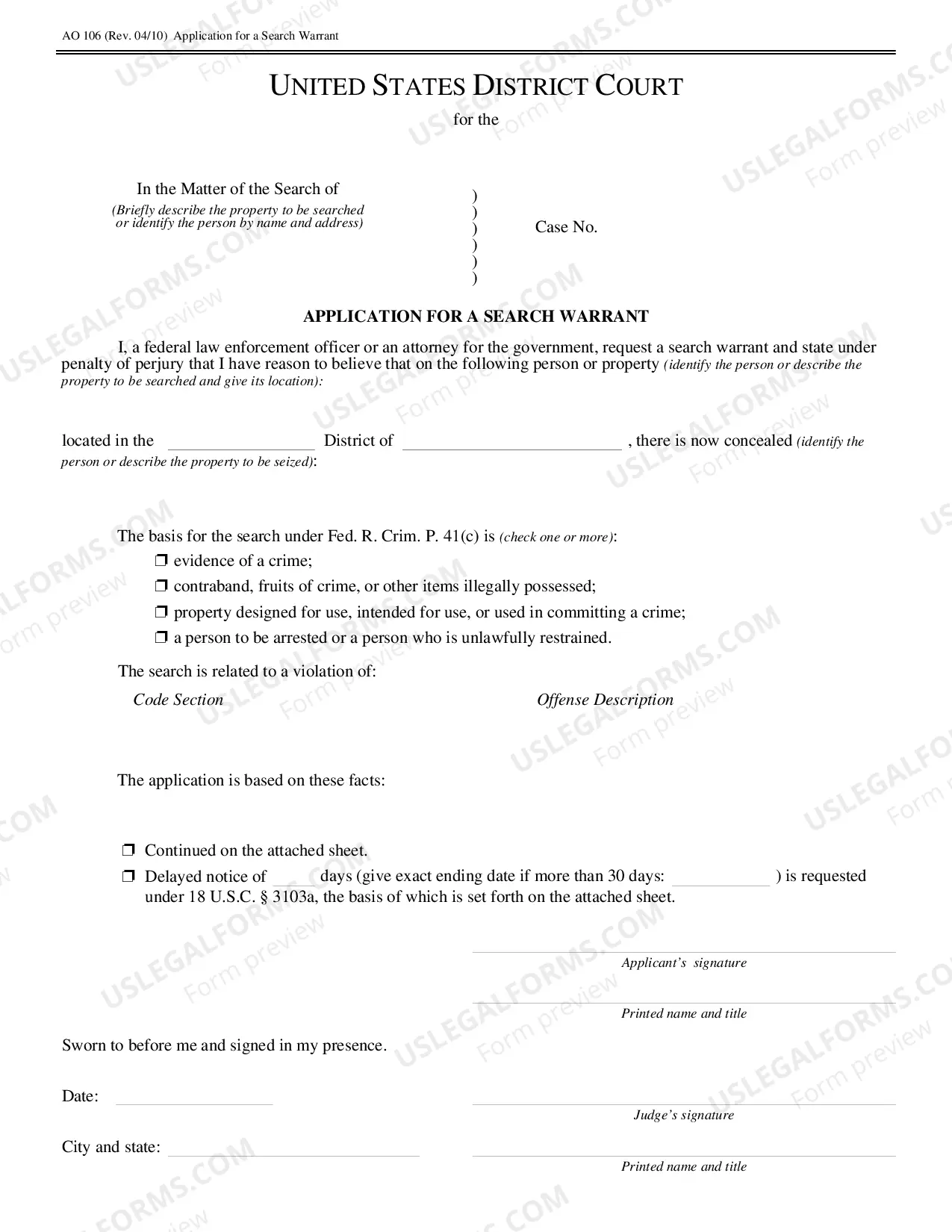
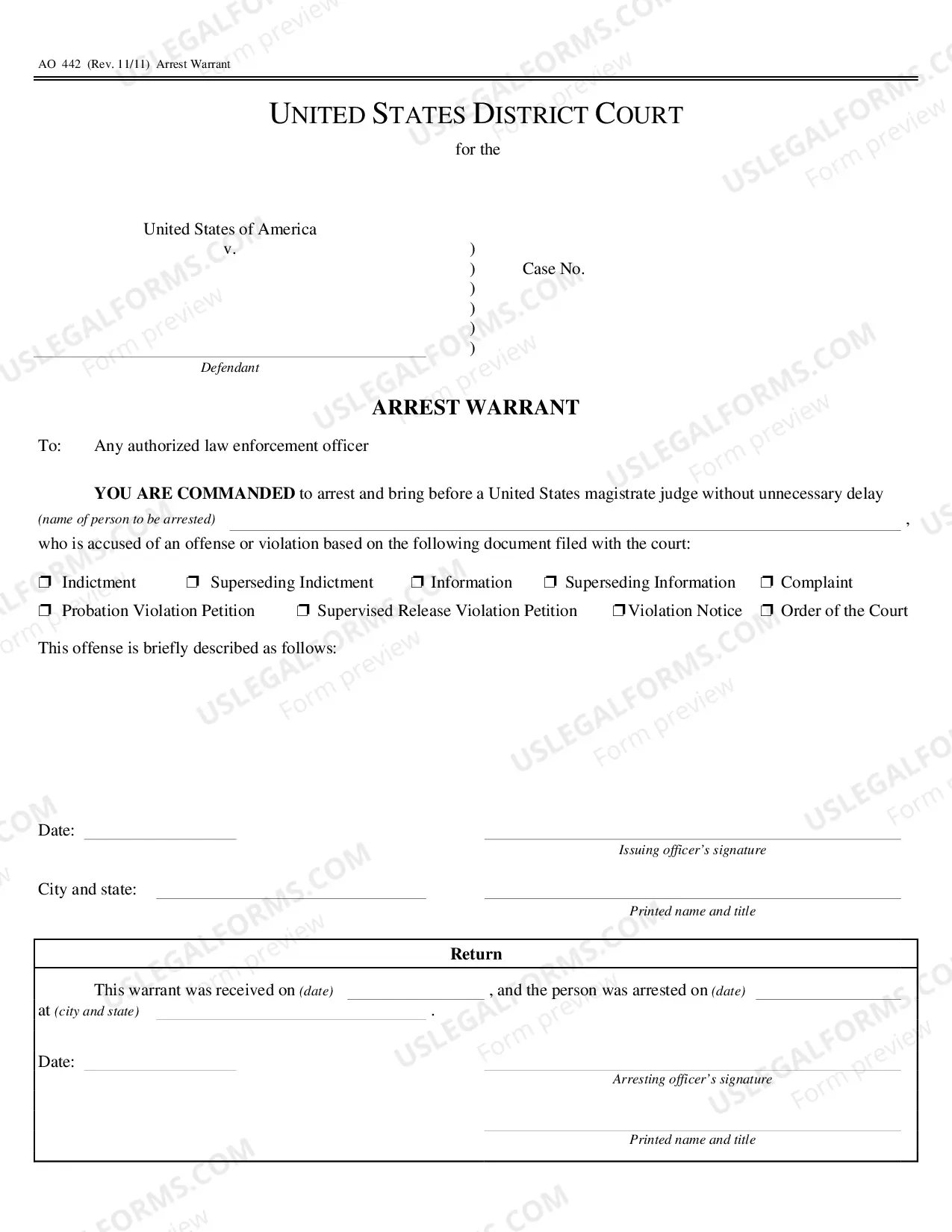
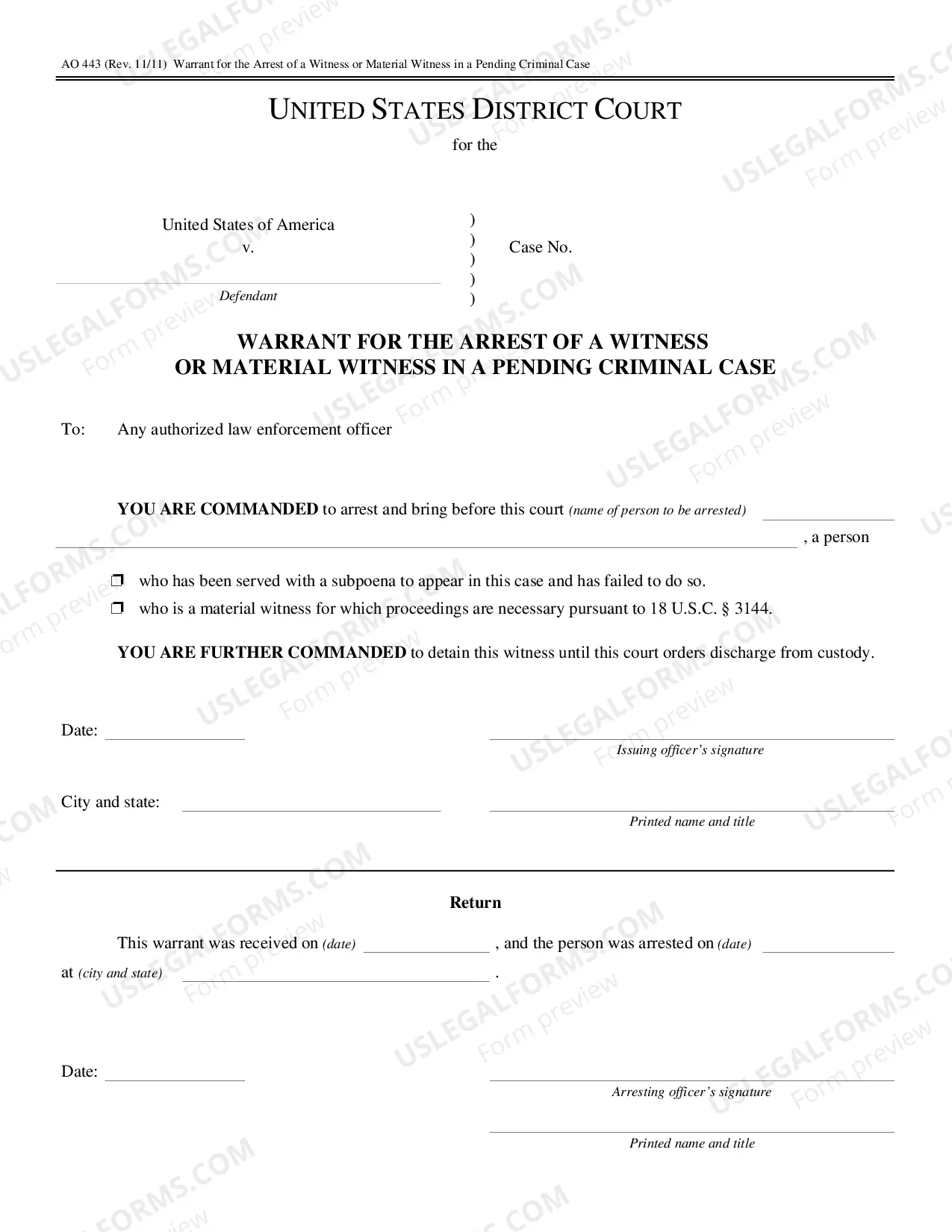
The Application for Arrest Warrant is a legal document used by law enforcement to request a warrant from a judge for the arrest of an individual. It includes sworn statements that establish probable cause, detailing facts and circumstances that suggest a crime has occurred and identifies the person to be arrested. This form differs from other legal documents by its specific focus on initiating the arrest process based on factual evidence of criminal activity.
Key components of this form
- Identification of the accused: Name and residence of the individual for whom the arrest warrant is requested.
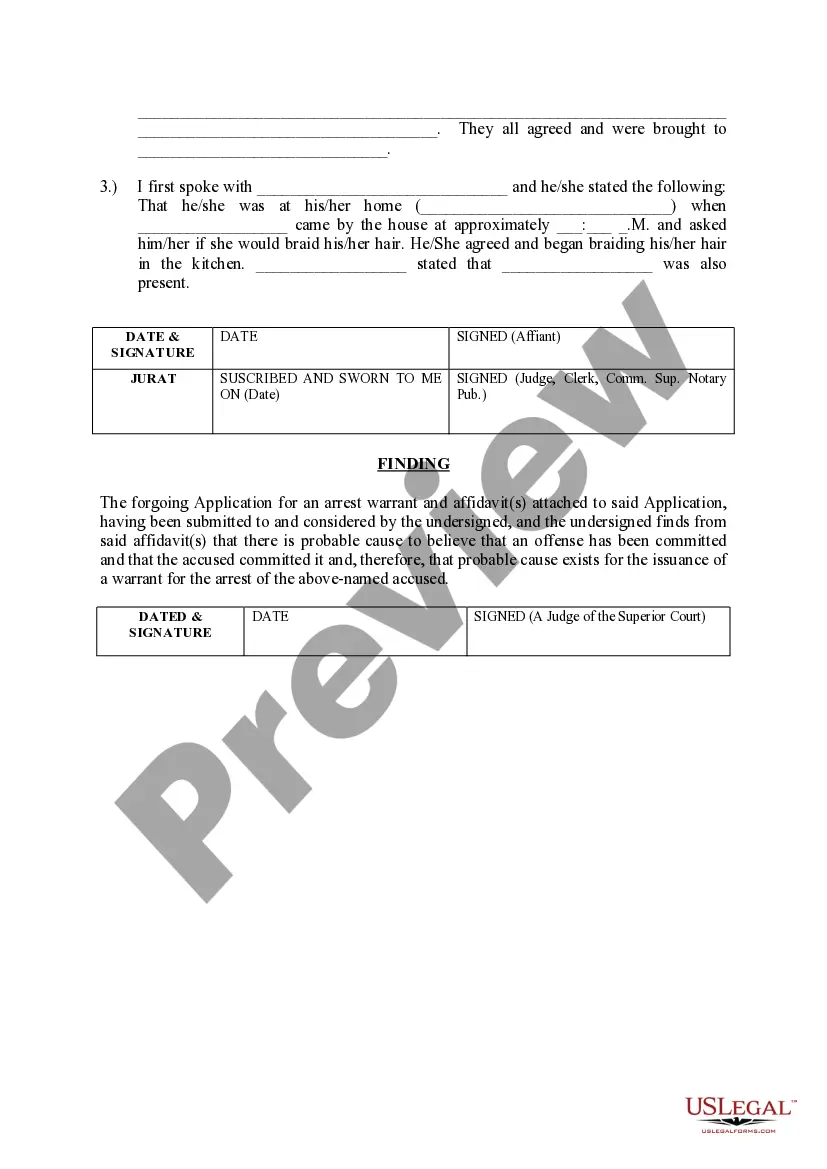
- Affidavit section: Detailed sworn statements from law enforcement officers regarding the facts of the case.
- Court information: Details regarding the court where the warrant application is submitted.
- Police department details: Name and case number related to the application for tracking and record-keeping purposes.
- Judicial finding: Confirmation from a judge that probable cause exists for the warrant to be issued.
When to use this document
This form is necessary when law enforcement has credible evidence suggesting that a person has committed a crime, and a warrant is required to make an arrest. Common scenarios include incidents involving serious offenses such as assault, theft, or drug-related crimes, where immediate action is needed to apprehend the suspect.
Who can use this document
This form is intended for:
- Law enforcement officers who are seeking a warrant for an arrest.
- Prosecutors working in collaboration with local police departments.
- Members of the judiciary who will review and sign the warrant application.
Completing this form step by step
- Enter the name and address of the accused in the designated fields.
- Provide relevant details regarding the incident, including date and time.
- Fill in the affidavit section with factual statements corroborated by police observations and witness accounts.
- Ensure signatures are provided where indicated, including those of the affiant and the judge.
- Submit the completed application to the appropriate court for judicial review.
Notarization requirements for this form
This form does not typically require notarization unless specified by local law. Ensure to check any state-specific requirements that may necessitate notarization to maintain legal validity.
Get your form ready online
Our built-in tools help you complete, sign, share, and store your documents in one place.
Make edits, fill in missing information, and update formatting in US Legal Forms—just like you would in MS Word.
Download a copy, print it, send it by email, or mail it via USPS—whatever works best for your next step.
Sign and collect signatures with our SignNow integration. Send to multiple recipients, set reminders, and more. Go Premium to unlock E-Sign.
If this form requires notarization, complete it online through a secure video call—no need to meet a notary in person or wait for an appointment.
We protect your documents and personal data by following strict security and privacy standards.

Make edits, fill in missing information, and update formatting in US Legal Forms—just like you would in MS Word.

Download a copy, print it, send it by email, or mail it via USPS—whatever works best for your next step.

Sign and collect signatures with our SignNow integration. Send to multiple recipients, set reminders, and more. Go Premium to unlock E-Sign.

If this form requires notarization, complete it online through a secure video call—no need to meet a notary in person or wait for an appointment.

We protect your documents and personal data by following strict security and privacy standards.
Typical mistakes to avoid
- Failing to provide complete details of the accusedâs identity, which may delay processing.
- Omitting critical information or evidence in the affidavit section.
- Neglecting to secure all necessary signatures before submission.
- Using vague language that may not sufficiently establish probable cause.
Why complete this form online
- Convenience: Access and complete the form from any location at any time.
- Editability: Easily make changes to the document as needed before finalizing.
- Reliability: Use forms drafted by licensed attorneys, ensuring compliance with legal standards.
Looking for another form?
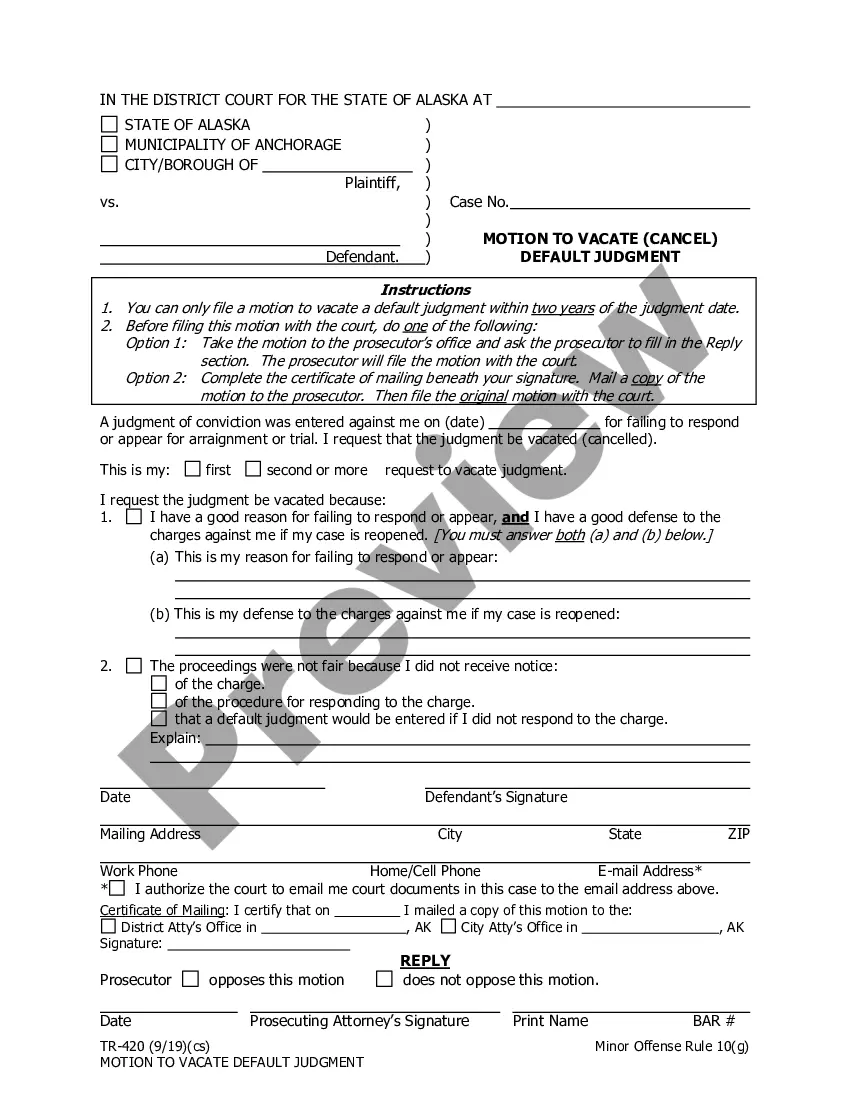

Form popularity
FAQ
The Connecticut Application for Arrest Warrant is a standard criminal form used to request a judge or magistrate in Connecticut to issue an arrest warrant for a named individual. It conveys the basic facts, the person’s identity, and the alleged offense, and is typically filed by a prosecutor or law enforcement officer as part of a criminal case.
Processing times vary with court workload and the urgency of the request. The Connecticut Application for Arrest Warrant is reviewed by the court, and a decision may take days to weeks. In emergencies, judges may issue warrants more quickly when the facts show immediate risk or danger.
Issuance speed depends on the case and procedure. After filing the application, a judge may issue the warrant promptly if the record supports probable cause, or schedule a hearing to determine necessity. In routine cases, a warrant is issued after review of the submitted information.
Arrest warrants filed in Connecticut courts generally become part of court records and are accessible to the public, subject to privacy and sealing rules. Some information may be redacted; consult with a lawyer or the clerk of court for specifics about a particular case.
The Connecticut Application for Arrest Warrant is used to request an arrest warrant and does not by itself reveal whether a warrant exists for you. To determine your status, contact the circuit court clerk or law enforcement, or consult an attorney about available public-records.
The Connecticut Application for Arrest Warrant is a court filing requesting that a judge issue an arrest warrant based on presented evidence; a bench warrant is an order already issued by the court directing arrest for nonappearance or contempt. The form initiates arrest authority, while a bench warrant enforces a court order.