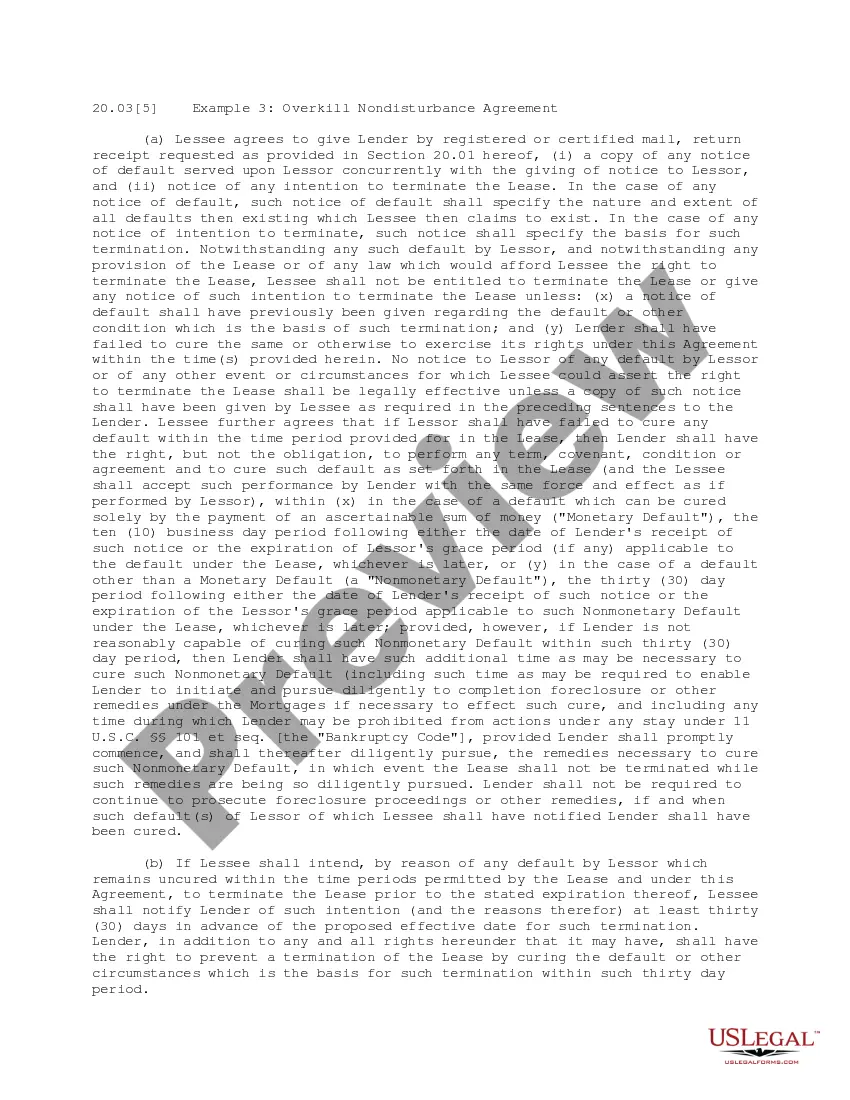
Overkill Nondisturbance Agreement
What this document covers
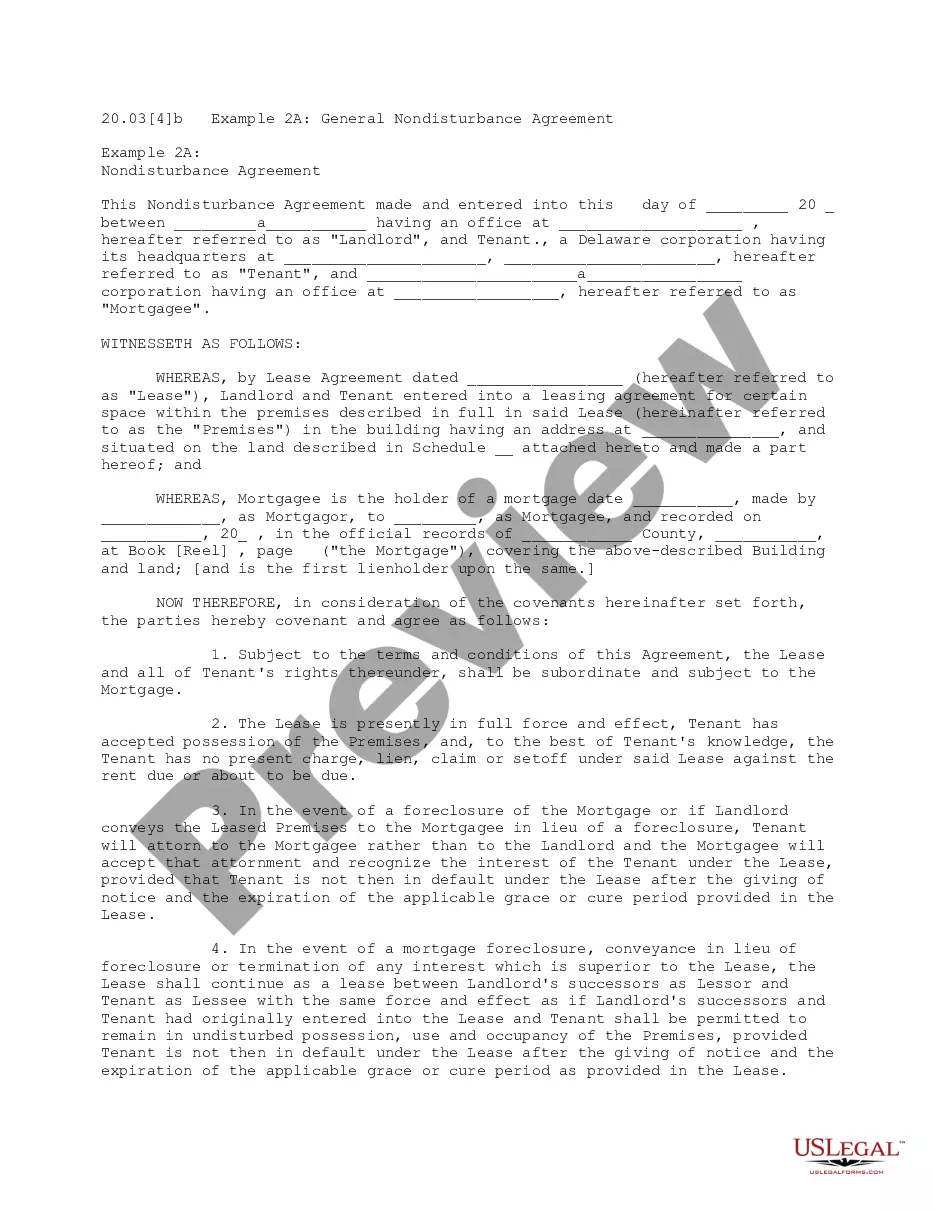
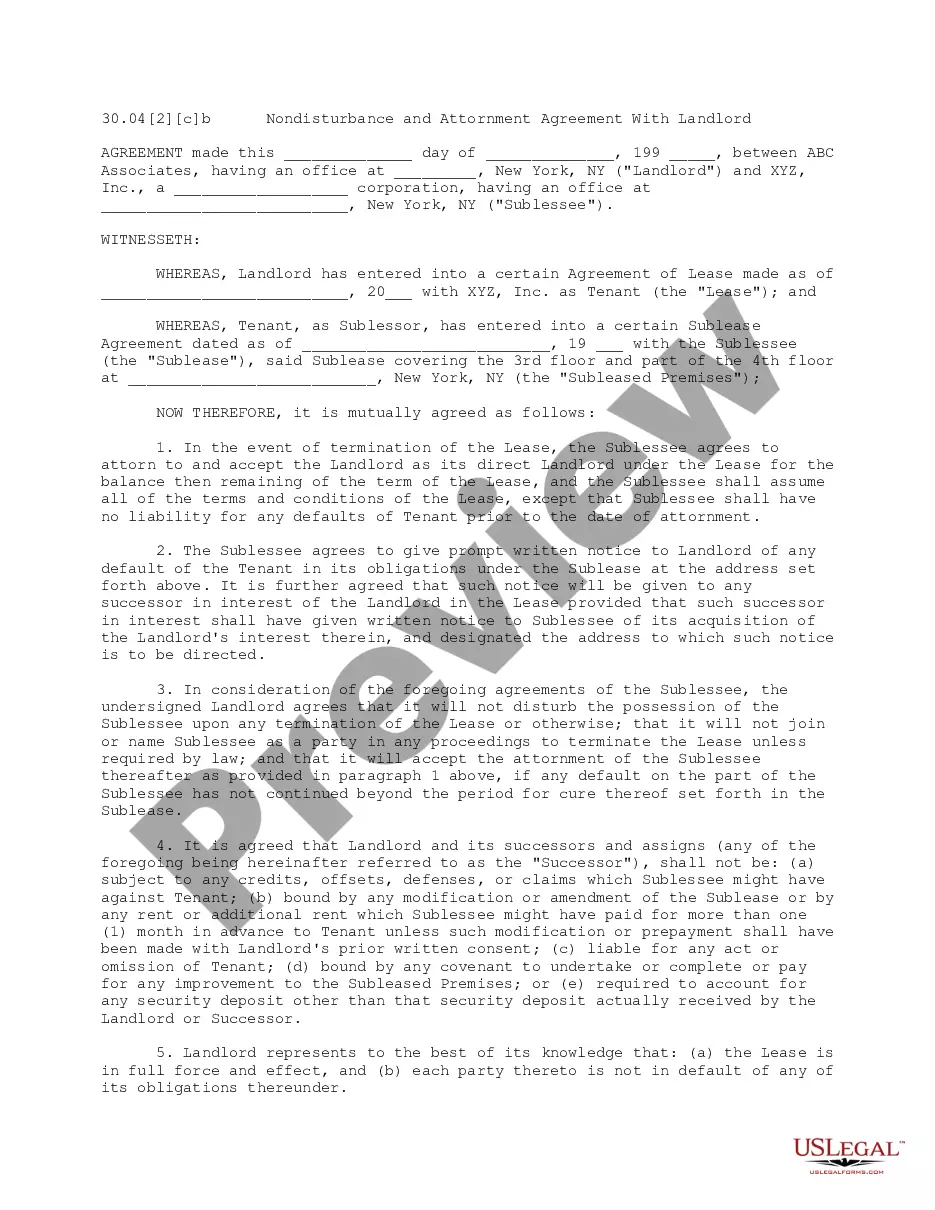
The Overkill Nondisturbance Agreement is a legal document that outlines the conditions under which a lessee agrees not to terminate an office lease, even when the lessor defaults. This agreement protects the interests of both the lessee and the lender by ensuring that specific criteria are met before a lease can be terminated. It is distinct from standard lease agreements, as it emphasizes the communication and obligations between the lessee and the lender in default situations.
Key components of this form
- Lessee obligations to notify the lender of any default by the lessor.
- Notification requirements for lease termination intentions.
- Criteria for the lessee to terminate the lease, including lender's right to cure defaults.
- Time frames for notifications and lender responses regarding defaults.
When to use this document
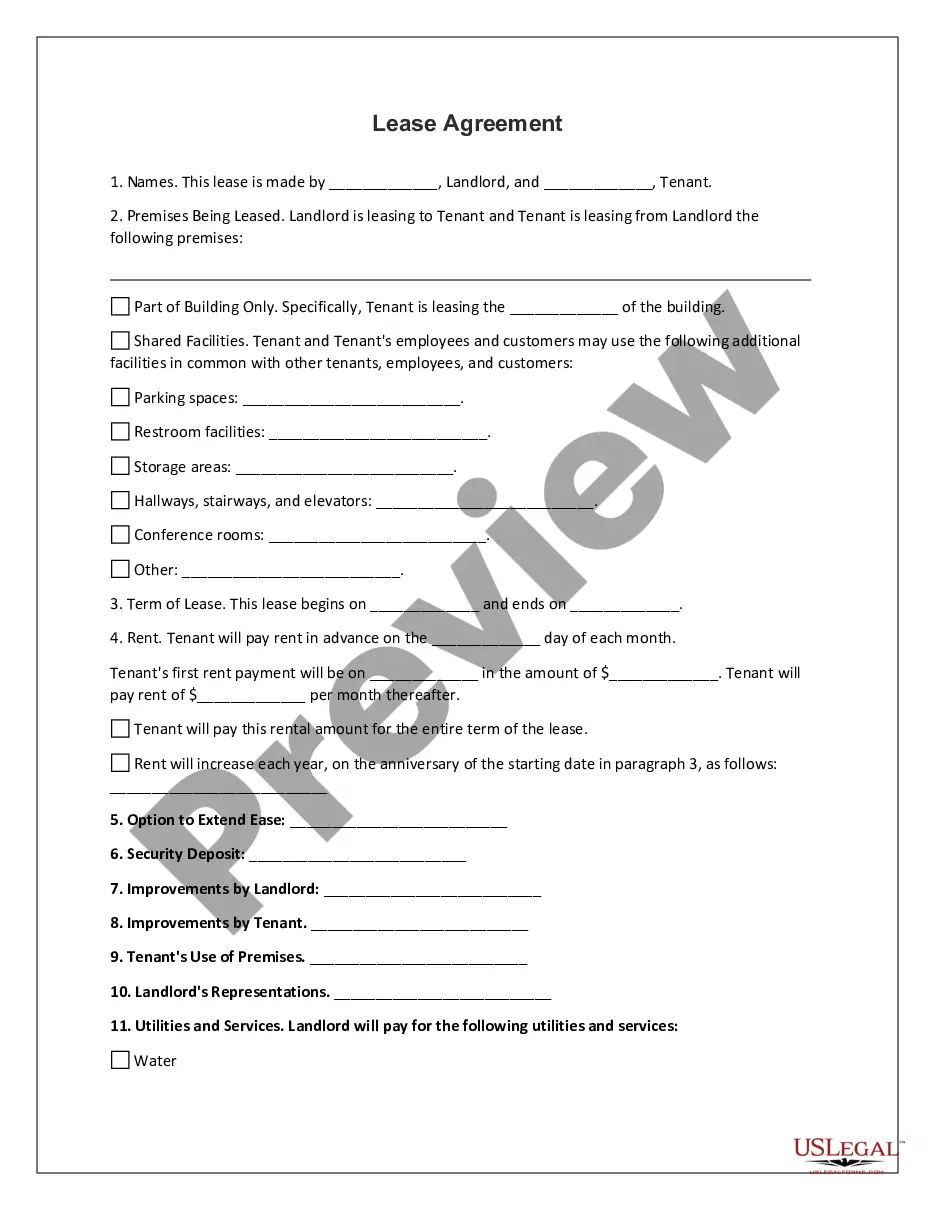
This form is used when a lessee wishes to establish clear terms for lease termination in the event of a lessor's default. It is applicable in scenarios where communication between the lessee and lender is necessary, such as when a lessee believes the lessor has failed to uphold their obligations under the lease. This agreement provides a structured approach to address potential issues before any legal termination occurs.
Who this form is for
- Lessees who are renting commercial office space and want to protect their interests in case of lease defaults.
- Lenders who wish to ensure that their rights are preserved during lease disputes.
- Landlords who are working with tenants that require clear guidelines for lease termination related to defaults.
How to complete this form
- Identify the parties: Enter the names and addresses of the lessee and lender.
- Specify the property: Clearly describe the leased property and the terms of the lease.
- Outline obligations: Detail the notification requirements for defaults and termination intentions.
- Enter dates: Include relevant dates for notifications and effective terminations.
- Sign and date: Ensure all parties sign and date the agreement to make it valid.
Does this form need to be notarized?
This form usually doesn’t need to be notarized. However, local laws or specific transactions may require it. Our online notarization service, powered by Notarize, lets you complete it remotely through a secure video session, available 24/7.
Get your form ready online
Our built-in tools help you complete, sign, share, and store your documents in one place.
Make edits, fill in missing information, and update formatting in US Legal Forms—just like you would in MS Word.
Download a copy, print it, send it by email, or mail it via USPS—whatever works best for your next step.
Sign and collect signatures with our SignNow integration. Send to multiple recipients, set reminders, and more. Go Premium to unlock E-Sign.
If this form requires notarization, complete it online through a secure video call—no need to meet a notary in person or wait for an appointment.
We protect your documents and personal data by following strict security and privacy standards.

Make edits, fill in missing information, and update formatting in US Legal Forms—just like you would in MS Word.

Download a copy, print it, send it by email, or mail it via USPS—whatever works best for your next step.

Sign and collect signatures with our SignNow integration. Send to multiple recipients, set reminders, and more. Go Premium to unlock E-Sign.

If this form requires notarization, complete it online through a secure video call—no need to meet a notary in person or wait for an appointment.

We protect your documents and personal data by following strict security and privacy standards.
Common mistakes
- Failing to provide proper notice to the lender as required.
- Not specifying the grounds for termination clearly.
- Missing signatures from all necessary parties.
Benefits of using this form online
- Immediate access to a legally drafted agreement tailored to your needs.
- Convenient download for personal use, allowing for easy customization.
- Reliable legal language reviewed by licensed attorneys.
Legal use & context
The Overkill Nondisturbance Agreement is legally binding provided it is filled out correctly and signed by the involved parties. It serves as a safeguard for both the lessee and the lender in case of lease disagreements, ensuring a fair process for termination.
Main things to remember
- The Overkill Nondisturbance Agreement protects lessees and lenders during lease defaults.
- Clear communication and defined criteria for lease termination are crucial elements.
- Understanding local laws is important for the effective use of this form.
Looking for another form?

Form popularity
FAQ
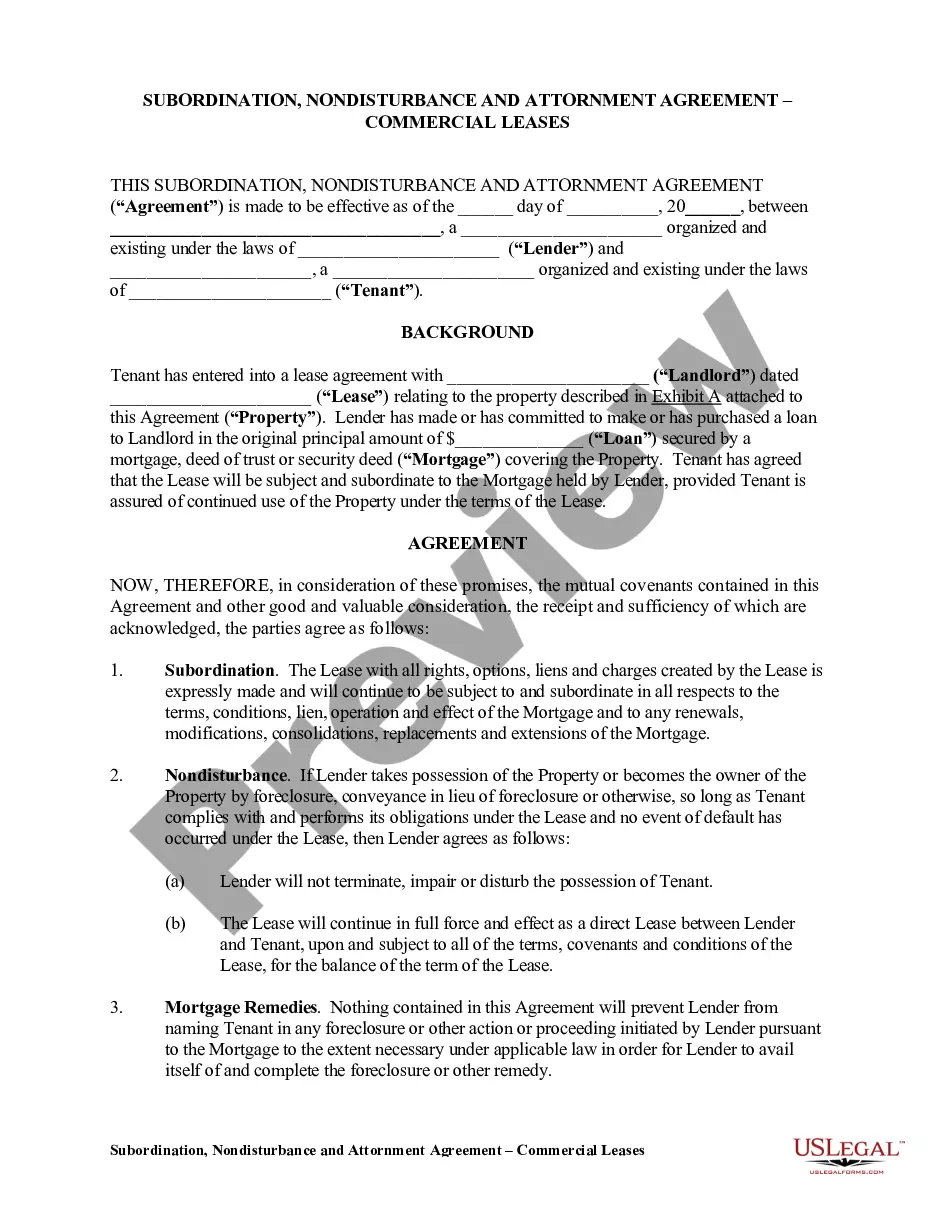
An SNDA is enforceable between the parties signing it (lender, landlord, and tenant) whether or not it is recorded. However, a recorded SNDA provides greater protection because it puts third-party buyers at a foreclosure sale on notice that the tenant's lease cannot be terminated by means of a foreclosure.
Attornment in a commercial lease is similar. The attornment clause in an SNDA obligates the tenant to recognize the new owner of the property as its landlord regardless of whether the new owner acquired the property through a normal sale or a foreclosure.
A lender typically wants to have an SNDA because of its subordination clause if, in the absence of such an agreement, the lease would be prior to the mortgage.Therefore, if a mortgage is senior to a lease, the foreclosure of the mortgage will terminate the lease unless there is an agreement that provides otherwise.
In a lease subordination clause, the tenant is agreeing to allow his/her interest to be subordinated to the lender's. A sample subordination agreement is commonly requested of new tenants.The attornment agreement has the tenant agree to continue lease obligations to a new landlord in the event of a foreclosure.
Attornment is the tenant's agreement to become the tenant of someone other than the original landlord and who has now taken title to the property.
The use clause in a lease tells you how you can utilize your space. It may restrict your lines of business, stipulate office hours that you must adhere to and place restrictions on advertising signage on the premises.
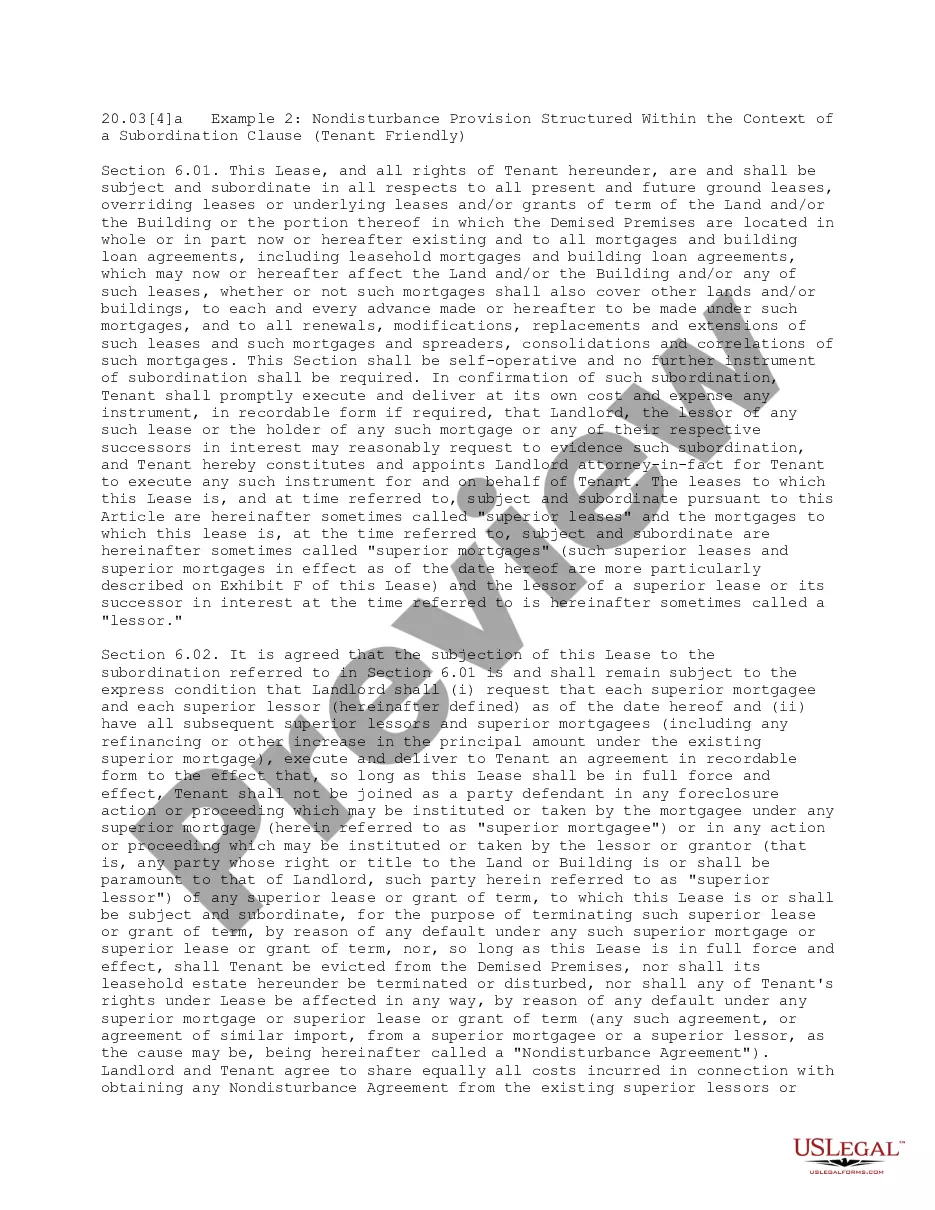
A nondisturbance clause is a provision in a mortgage contract that ensures that a rental agreement between the tenant and the landlord will continue under any circumstances. This is done primarily to protect the renter from eviction by the mortgagor if the property is foreclosed upon by the lender.