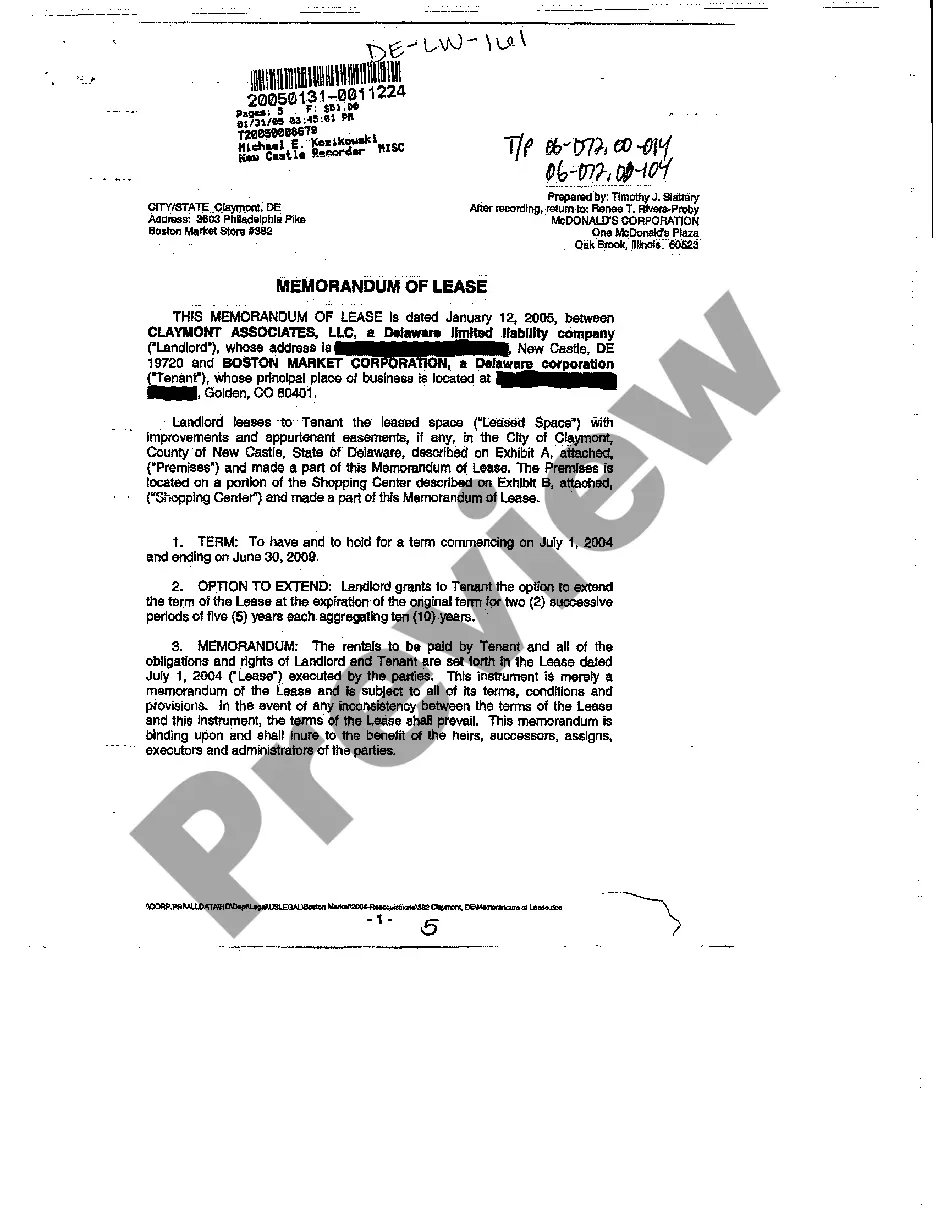
Checklist - Software License Agreement Provisions
Understanding this form
The Checklist - Software License Agreement Provisions is a document designed to outline the legal framework under which software is licensed to users. It serves as a binding agreement that specifies the permissions, restrictions, and obligations related to the software's use. This form is essential for software developers and companies looking to protect their intellectual property while providing clear guidelines to users, distinguishing it from other contractual forms by focusing specifically on software usage rights and limitations.
Key components of this form
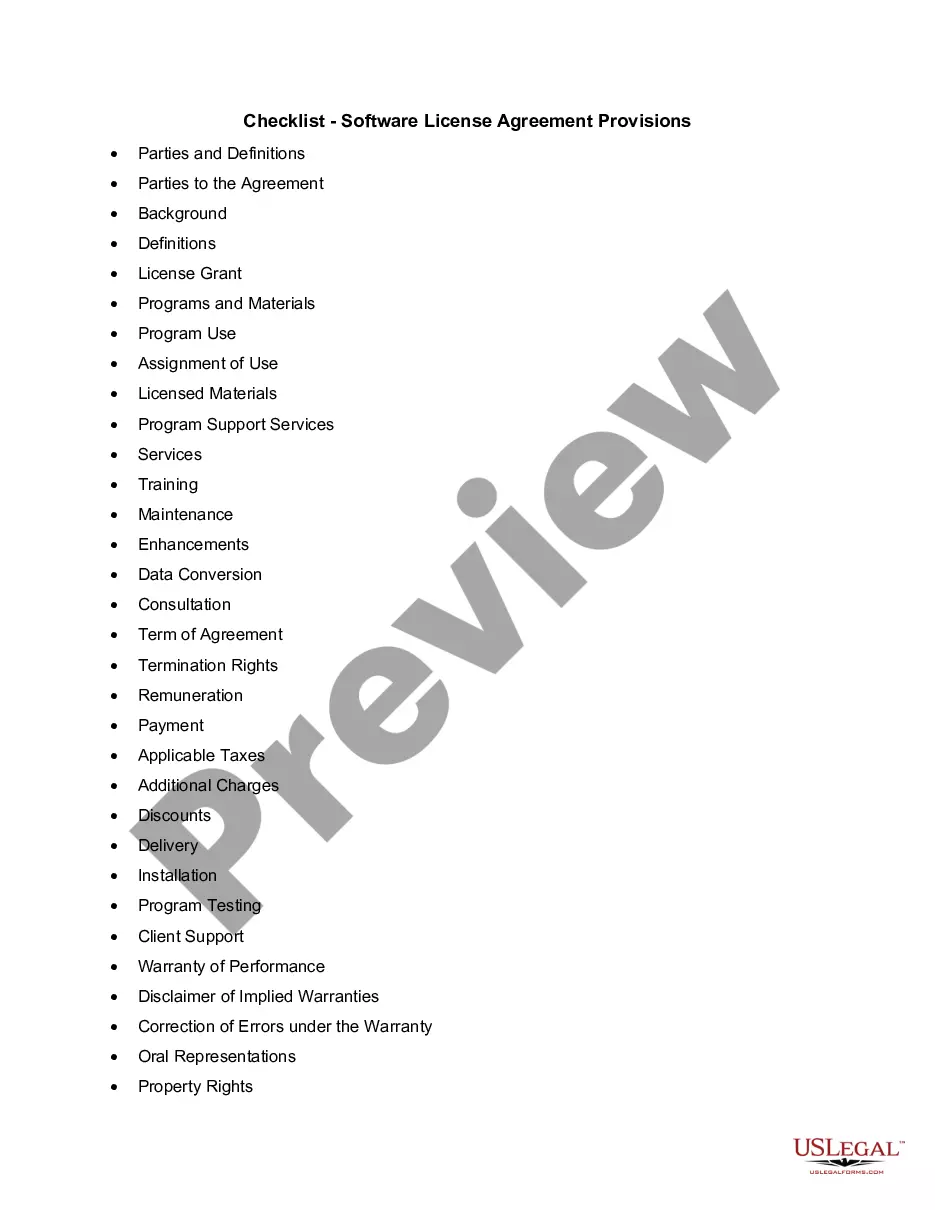
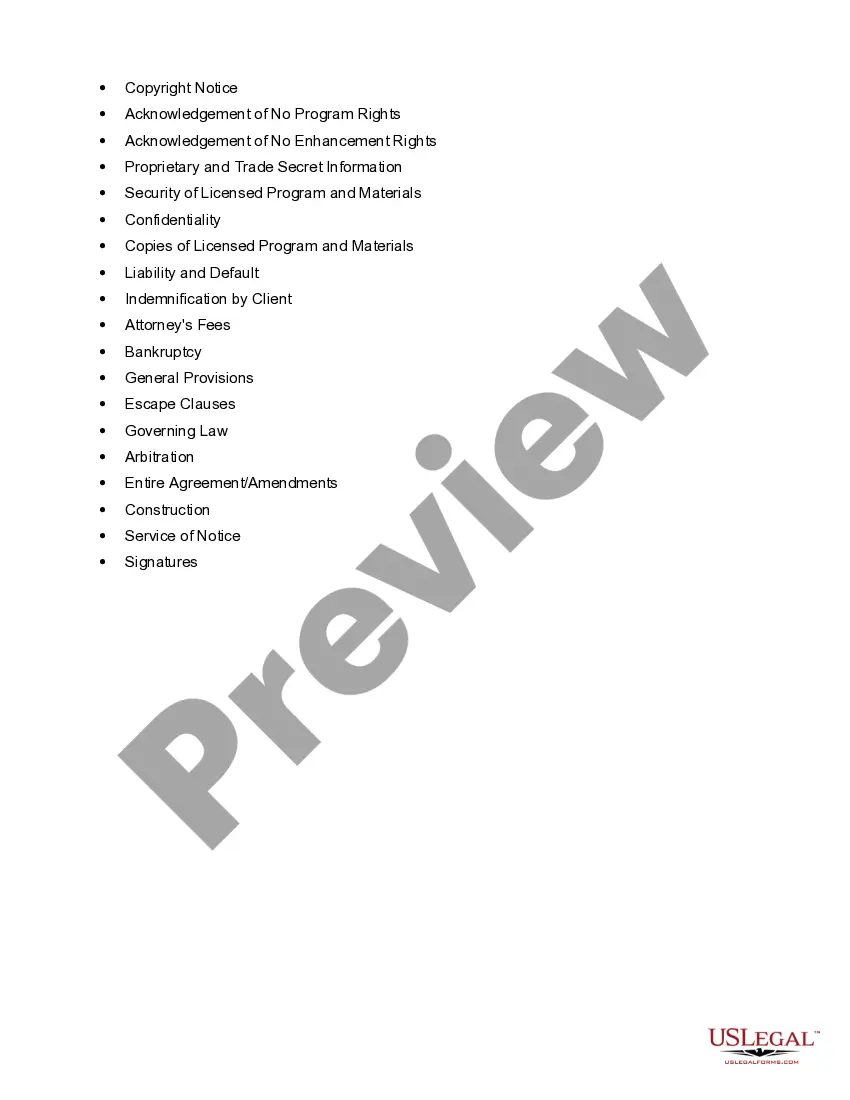
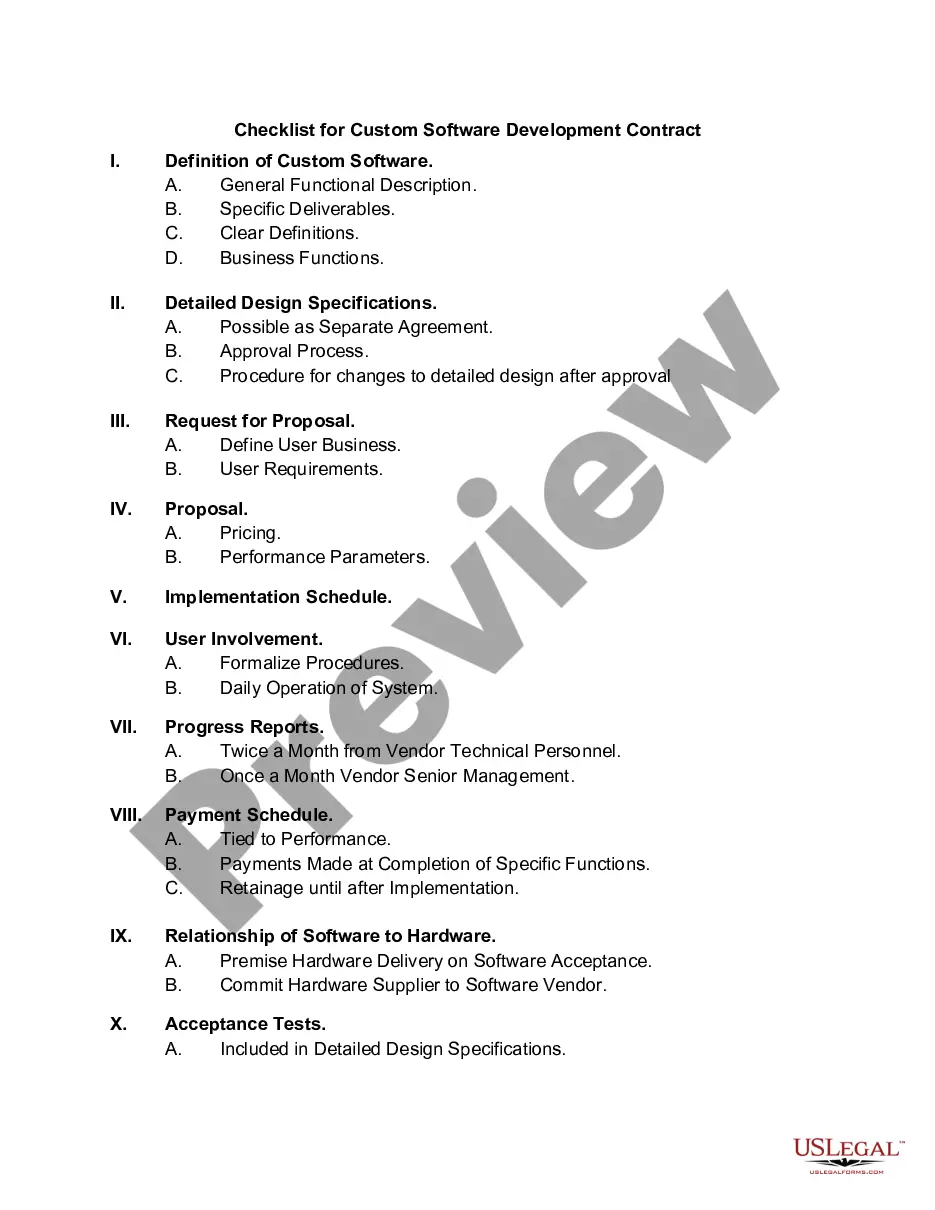
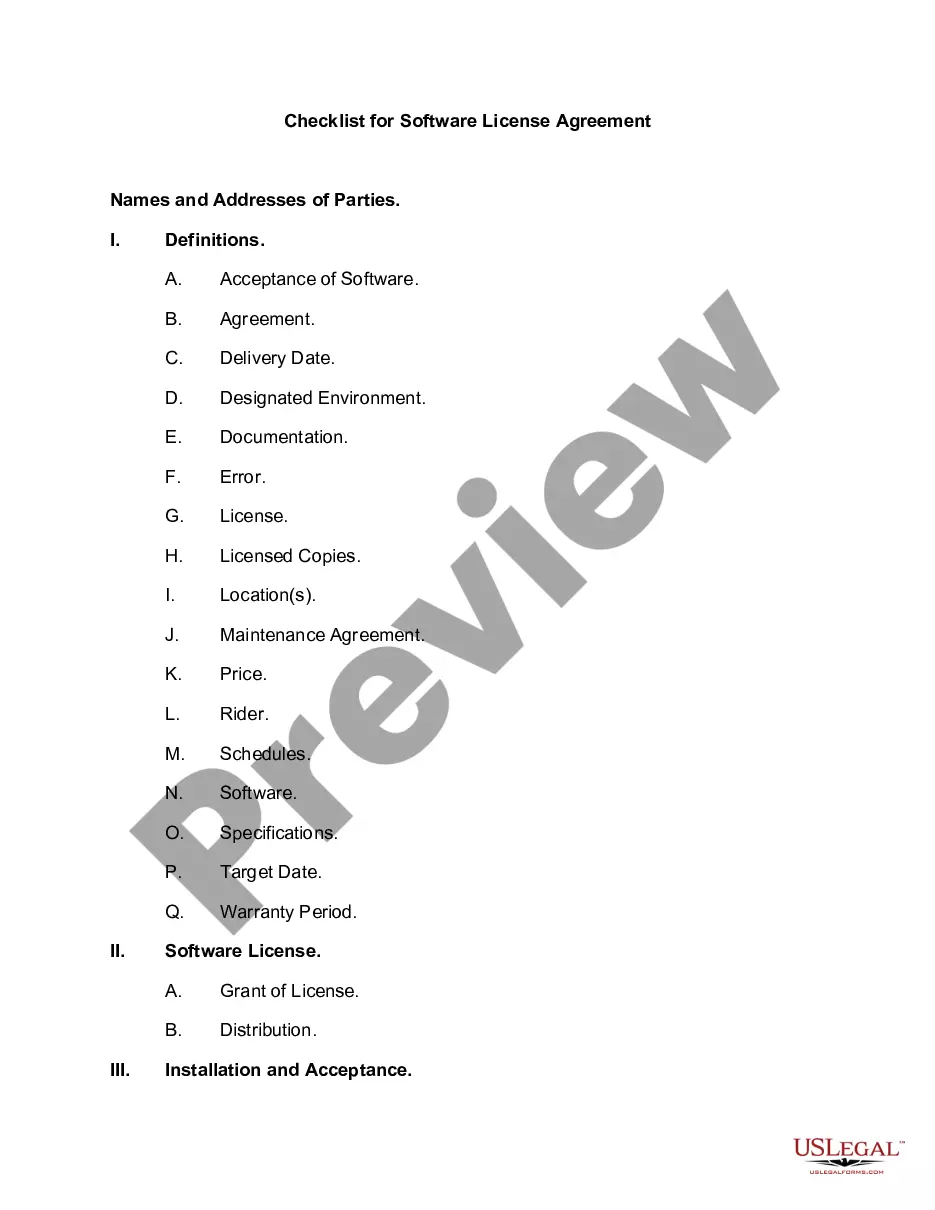
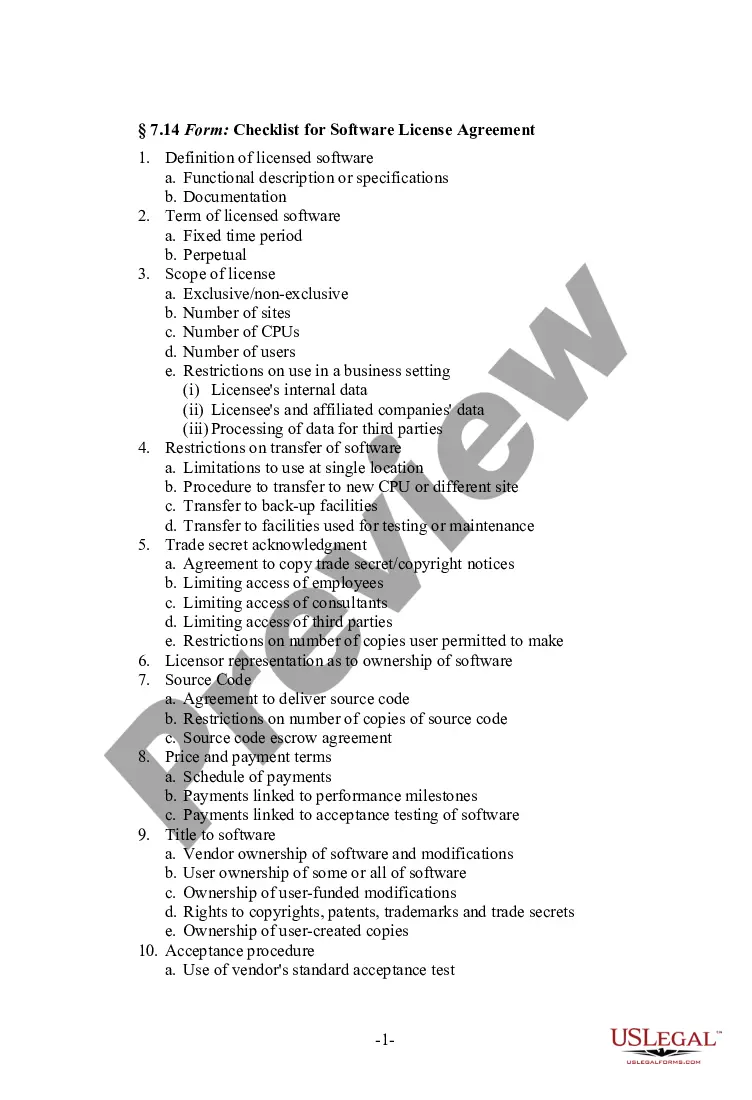
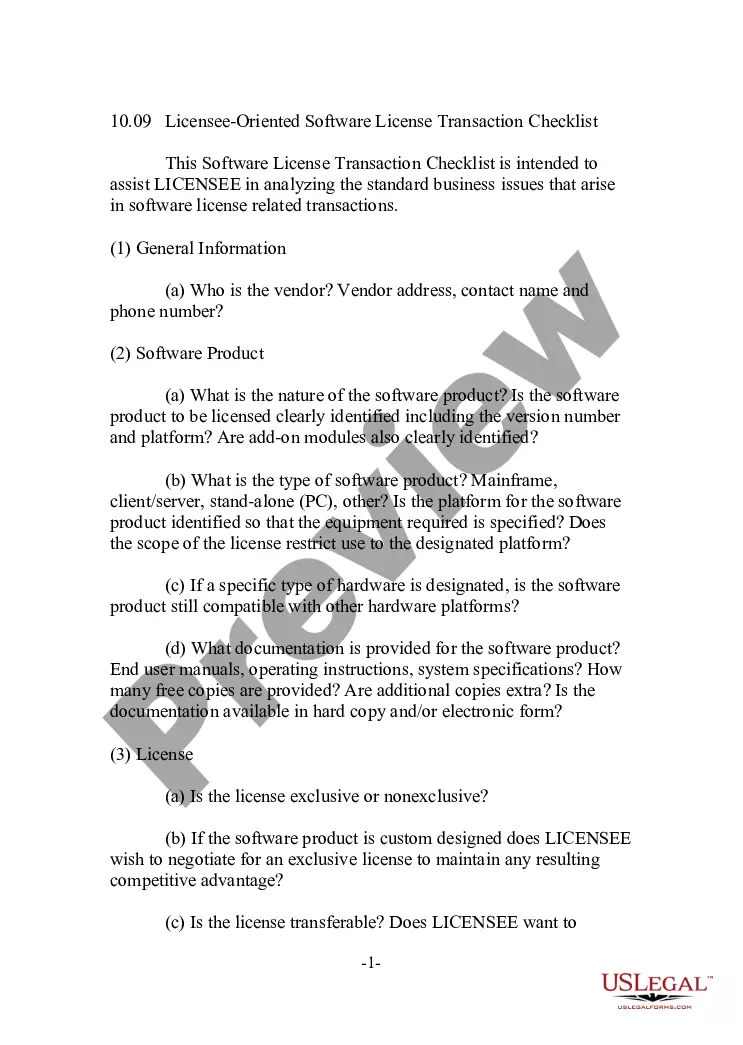
- Parties and Definitions - Identifies the parties involved and key terms.
- License Grant - Details the rights granted to the user for software use.
- Program Support Services - Outlines support obligations and services provided.
- Termination Rights - Specifies conditions under which the agreement can be terminated.
- Indemnification by Client - Addresses liability and responsibilities of the client.
- Governing Law - Identifies which state laws govern the agreement.
Common use cases
This form is typically used when software developers or companies create or provide software and need a formal agreement to define usage terms. It is essential when distributing software to clients or customers, especially in commercial contexts, to protect against unauthorized use and potential liabilities. This checklist helps ensure that no critical provisions are overlooked before finalizing the software license agreement.
Who this form is for
- Software developers and companies releasing software products.
- Businesses seeking to implement software licensing agreements with clients.
- Legal professionals advising clients on software distribution.
- Consumers purchasing or using significant software packages that require clear licensing terms.
Completing this form step by step
- Identify the parties involved in the agreement, including their names and roles.
- Define key terms to avoid ambiguity, ensuring all parties understand specific language.
- Outline the license grant, clearly stating what rights are granted to the user.
- Include support services provisions detailing what support the software provider will offer.
- Specify termination rights to clarify how and when the agreement can be ended.
- Detail indemnification obligations to clarify liability responsibilities of each party.
Notarization requirements for this form
Notarization is generally not required for this form. However, certain states or situations might demand it. You can complete notarization online through US Legal Forms, powered by Notarize, using a verified video call available anytime.
Get your form ready online
Our built-in tools help you complete, sign, share, and store your documents in one place.
Make edits, fill in missing information, and update formatting in US Legal Forms—just like you would in MS Word.
Download a copy, print it, send it by email, or mail it via USPS—whatever works best for your next step.
Sign and collect signatures with our SignNow integration. Send to multiple recipients, set reminders, and more. Go Premium to unlock E-Sign.
If this form requires notarization, complete it online through a secure video call—no need to meet a notary in person or wait for an appointment.
We protect your documents and personal data by following strict security and privacy standards.

Make edits, fill in missing information, and update formatting in US Legal Forms—just like you would in MS Word.

Download a copy, print it, send it by email, or mail it via USPS—whatever works best for your next step.

Sign and collect signatures with our SignNow integration. Send to multiple recipients, set reminders, and more. Go Premium to unlock E-Sign.

If this form requires notarization, complete it online through a secure video call—no need to meet a notary in person or wait for an appointment.

We protect your documents and personal data by following strict security and privacy standards.
Mistakes to watch out for
- Failing to define key terms, leading to misunderstandings.
- Omitting termination conditions, resulting in unresolved agreements.
- Not addressing liability adequately, which may expose parties to unnecessary risk.
- Neglecting to customize the form according to specific legal requirements for the jurisdiction.
Why use this form online
- Immediate access to professionally drafted templates ensuring legal robustness.
- Convenience of downloading and customizing the form according to specific needs.
- Ability to edit the document anytime, allowing for adjustments as needed.
- Increased reliability with forms created by licensed attorneys, minimizing legal risks.
Legal use & context
- The Software License Agreement sets the legal framework protecting intellectual property rights.
- Enforceable as a contract under state contract laws, it provides remedies for breach.
- Helps clarify limitations on software use, aiding compliance and reducing misuse.
Key takeaways
- The software license agreement defines usage rights and responsibilities.
- This form is crucial for protecting both the software developer and user.
- Properly completed agreements minimize legal risks and clarify expectations.
Looking for another form?
Form popularity
FAQ
Setting up Your Licensing Agreement. Granting the License. Limiting Your Liability. Adding Boilerplate Clauses. Finalizing the Licensing Agreement.
What is a Licensing Agreement? A licensing agreement is a contract between two parties (the licensor and licensee) in which the licensor grants the licensee the right to use the brand name, trademark, patented technology, or ability to produce and sell goods owned by the licensor.
Download a template for a licensing agreement. Choose your role as the licensor or licensee. Define the license(s) in the agreement. Decide whether the license is exclusive or not. Settle the matter of fees and payment schedule. Add a renewal date and rules.
An example of a licensing agreement is a contract between the copyright holders of software and another company, allowing the latter to use the computer software for their daily business operations.
Common Clauses for EULAs. There are a few clauses that should be included in every EULA. These clauses address license granting, restrictions on use, infringement information, termination of licensing, and disclaimers and limitations of warranties and liability.
Exclusive or non-exclusive. In an exclusive license, the intellectual property holder is licensing the work only to one person, for that particular use/territory. Territory. Use. Attribution. Derivative works. Confidentiality. Time frame. Termination.
License: Scope. Deliverables. Source Code. Services Furnished. Disclosure/Access. New IP/Developments. Open Source. Acceptance/Warranties.
Exclusive or non-exclusive. In an exclusive license, the intellectual property holder is licensing the work only to one person, for that particular use/territory.Territory.Use.Attribution.Derivative works.Confidentiality.Time frame.Termination.10 Points to Include in Any Licensing Agreement - EPW Small\nwww.elizabethpottsweinstein.com > 10-licensing-agreement
1 Setting up Your Licensing Agreement.2 Granting the License.3 Limiting Your Liability.4 Adding Boilerplate Clauses.5 Finalizing the Licensing Agreement.