Texas Assumption Agreement between State Land Board and Assumptor and Obligor
About this form
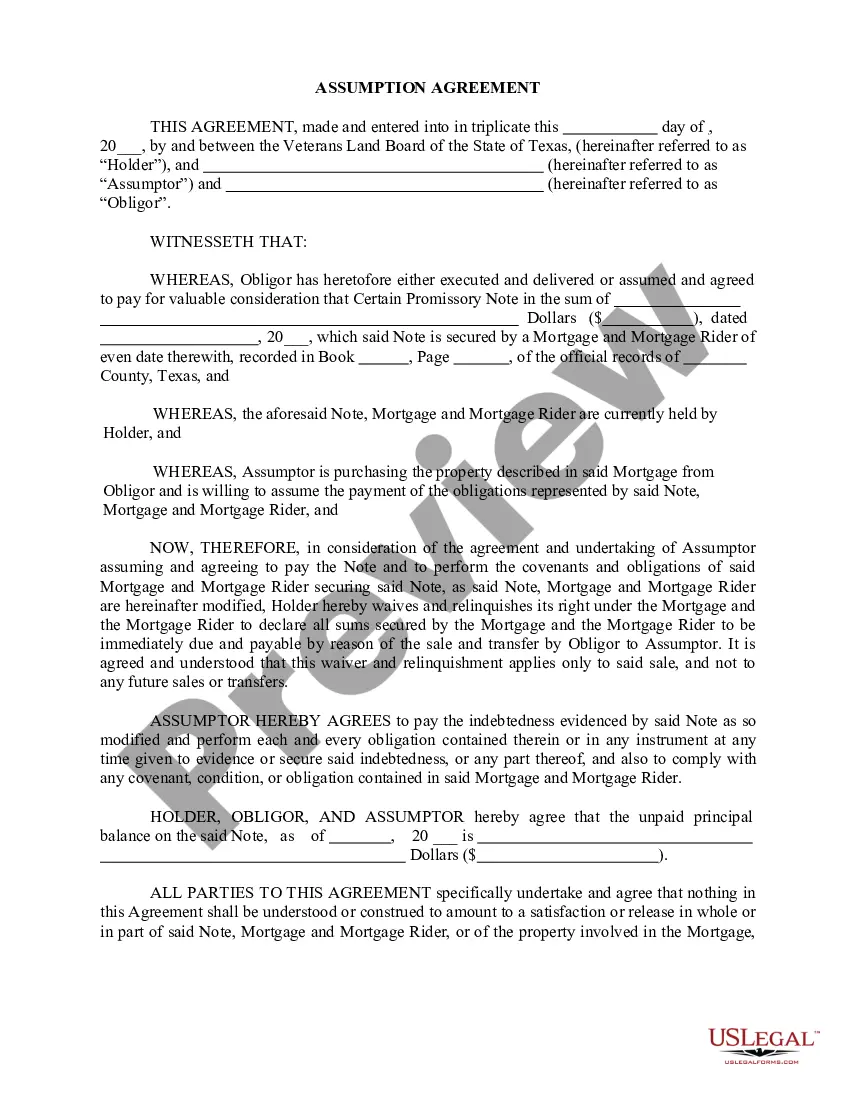
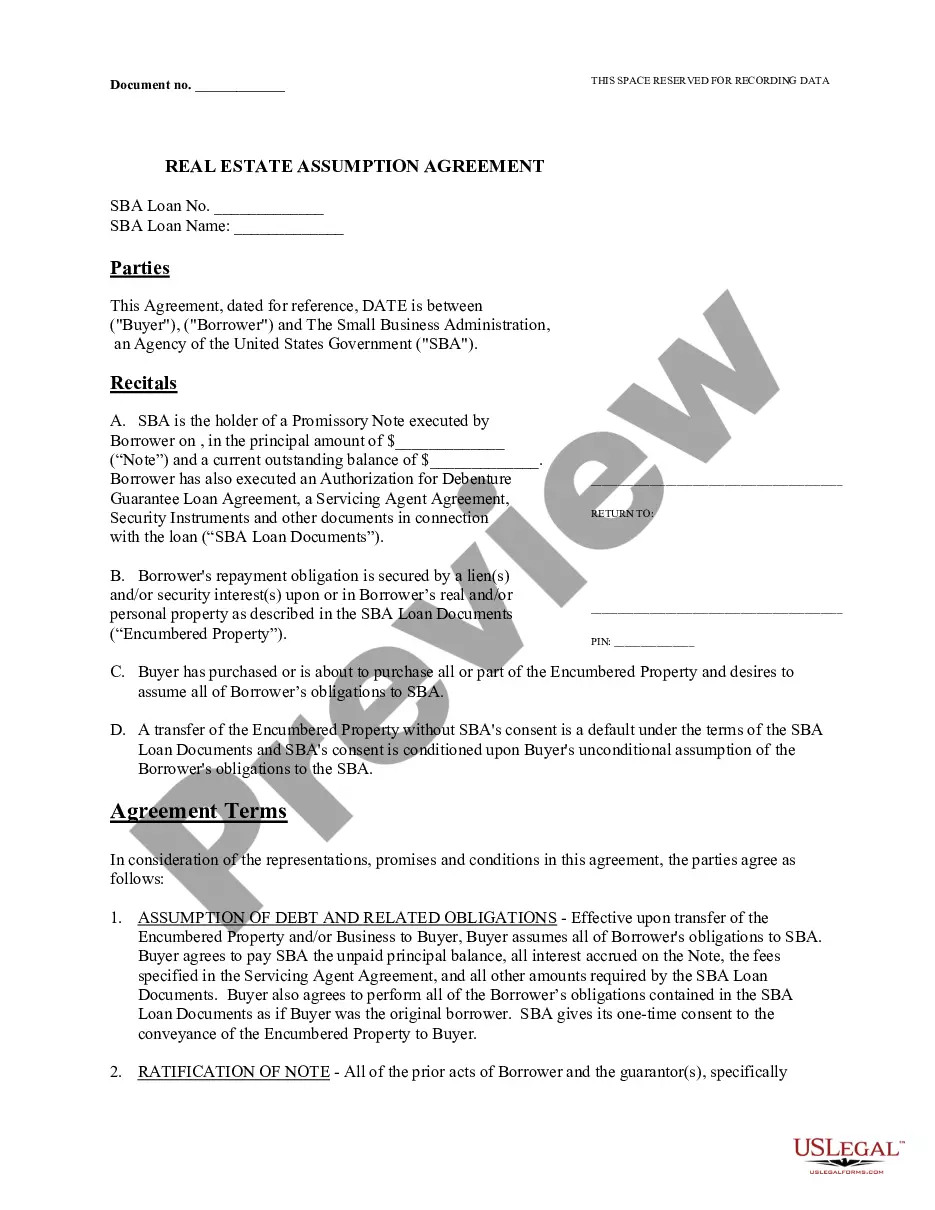
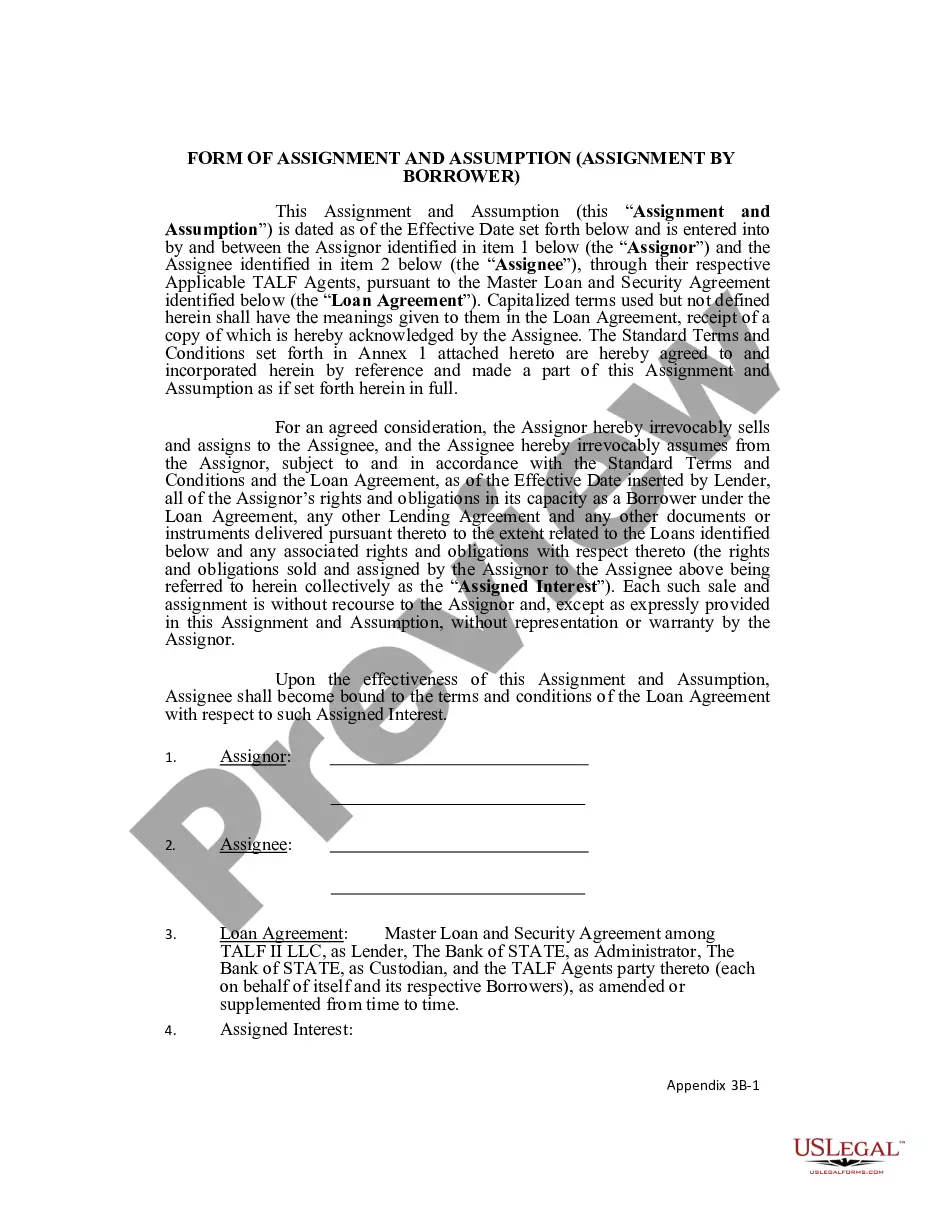
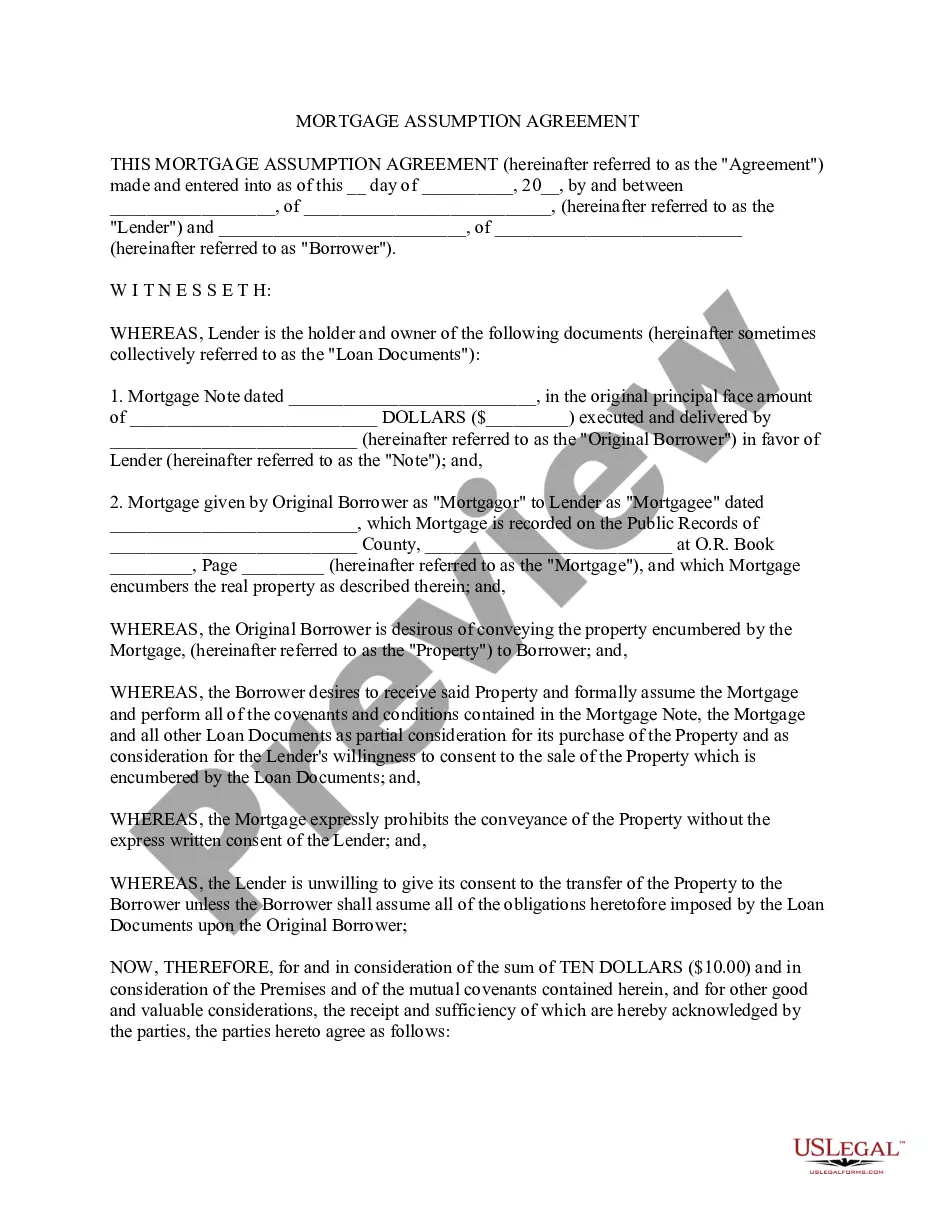
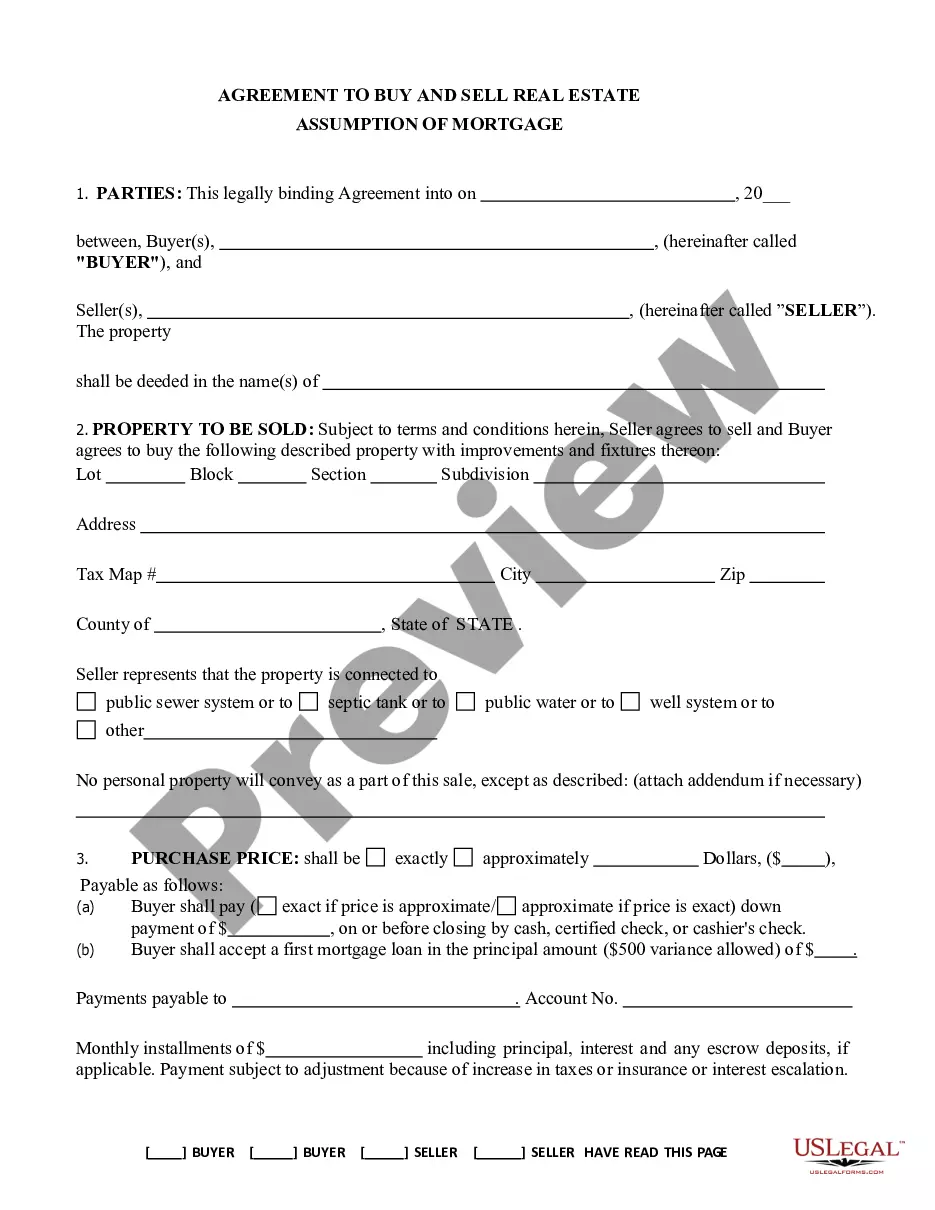
The Assumption Agreement between State Land Board and Assumptor and Obligor is a legal document that facilitates the transfer of rights and obligations from one party to another regarding a mortgage agreement. This form allows an Assumptor to assume the existing mortgage obligations of the Obligor, thus enabling the Assumptor to purchase the property without the need to refinance. It differs from other agreements in that it specifically involves the assumption of mortgage liabilities and is typically used after an assignment of contract has occurred.
Key parts of this document
- Identification of parties: Clearly states the names and roles of the Holder, Assumptor, and Obligor.
- Property details: Specifies the property associated with the mortgage agreement.
- Obligation terms: Outlines the Assumptor's agreement to fulfill the mortgage obligations.
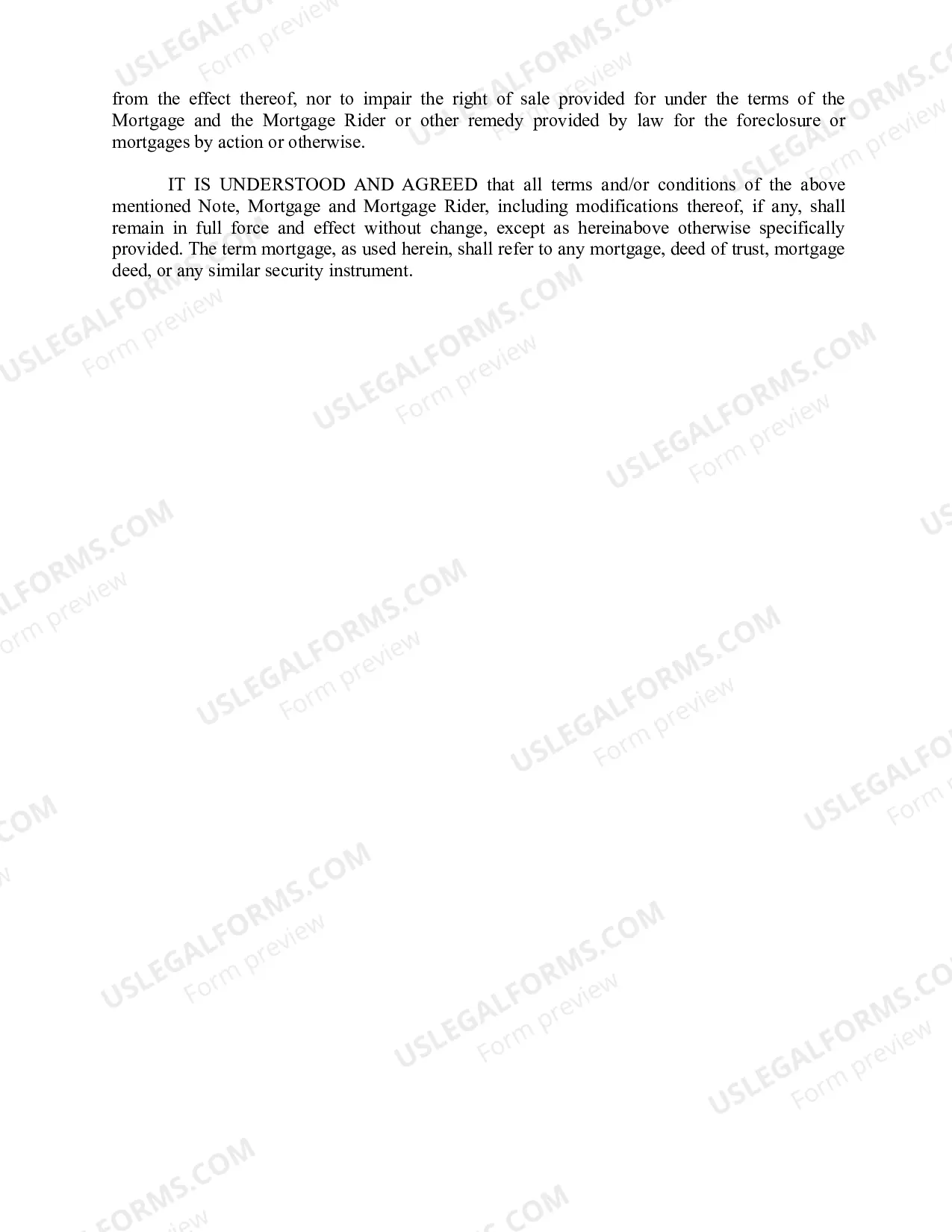
- Waiver clause: Includes a waiver from the Holder that prevents them from demanding immediate payment upon transfer.
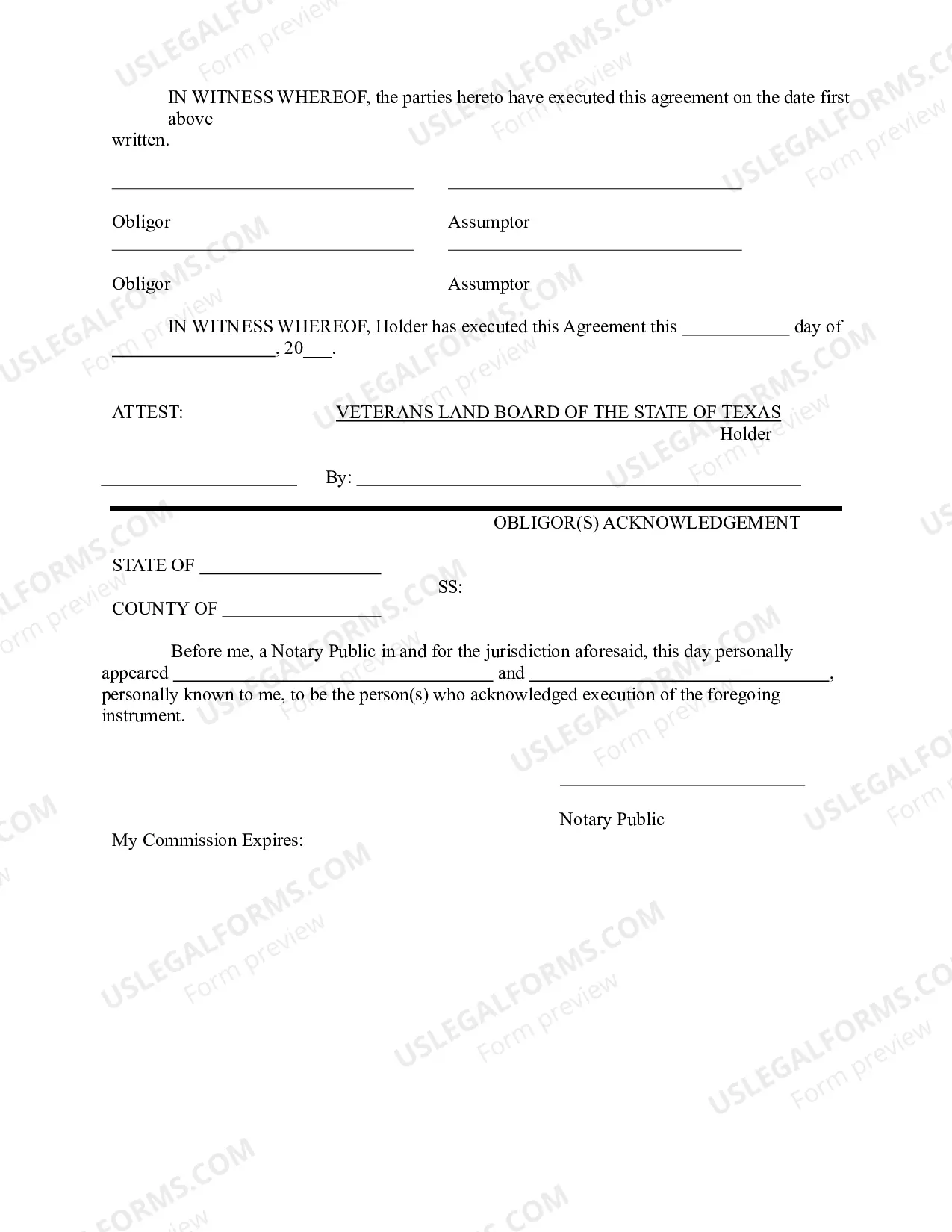
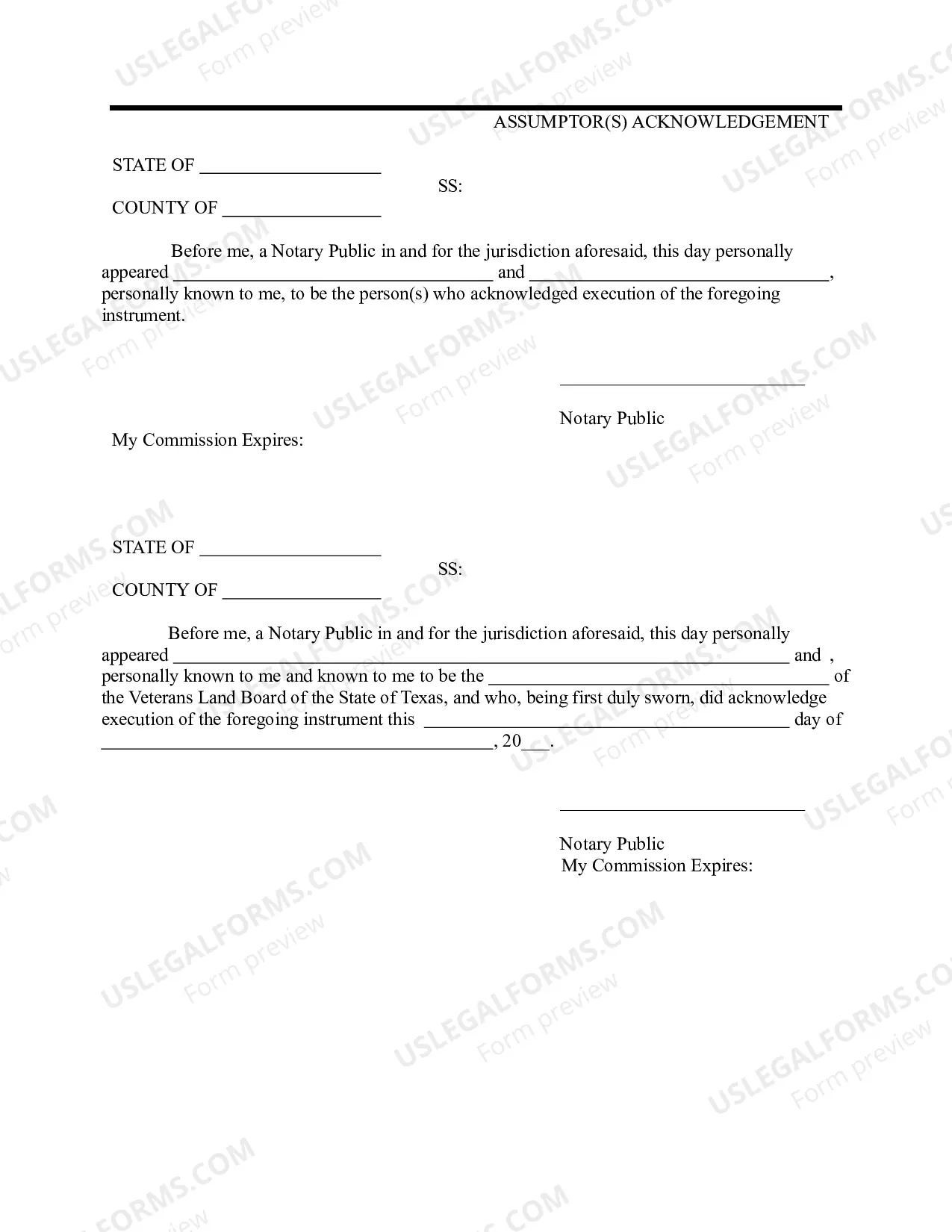
- Signatures: Requires all parties to sign and acknowledge the agreement formally.
When to use this form
This form is needed when an individual or entity (the Assumptor) intends to take over the mortgage obligations of another (the Obligor) in order to acquire property. It is particularly relevant in real estate transactions when the property is sold, and the buyer wishes to assume responsibility for the existing mortgage instead of obtaining a new loan.
Who can use this document
- Individuals or businesses purchasing property with an existing mortgage.
- Current mortgagors looking to transfer their mortgage obligations to another party.
- Real estate professionals facilitating property sale transactions that involve mortgage assumptions.
Steps to complete this form
- Identify the parties: Fill in the names of the Holder, Assumptor, and Obligor.
- Specify the property: Enter the details of the property being transferred.
- Enter financial details: List the amount due under the promissory note, including dates and relevant identifiers.
- Sign and date: Ensure all parties sign the agreement and include the appropriate dates.
- Complete acknowledge sections: Each party must acknowledge their signatures in front of a notary public for verification.
Is notarization required?
Yes, this form must be notarized to be legally valid. The signatures of all parties must be acknowledged before a notary public to confirm the authenticity of the agreement.
Get your form ready online
Our built-in tools help you complete, sign, share, and store your documents in one place.
Make edits, fill in missing information, and update formatting in US Legal Forms—just like you would in MS Word.
Download a copy, print it, send it by email, or mail it via USPS—whatever works best for your next step.
Sign and collect signatures with our SignNow integration. Send to multiple recipients, set reminders, and more. Go Premium to unlock E-Sign.
If this form requires notarization, complete it online through a secure video call—no need to meet a notary in person or wait for an appointment.
We protect your documents and personal data by following strict security and privacy standards.

Make edits, fill in missing information, and update formatting in US Legal Forms—just like you would in MS Word.

Download a copy, print it, send it by email, or mail it via USPS—whatever works best for your next step.

Sign and collect signatures with our SignNow integration. Send to multiple recipients, set reminders, and more. Go Premium to unlock E-Sign.

If this form requires notarization, complete it online through a secure video call—no need to meet a notary in person or wait for an appointment.

We protect your documents and personal data by following strict security and privacy standards.
Common mistakes
- Failing to correctly identify all parties involved.
- Not providing accurate property information.
- Omitting required signatures or dates.
- Neglecting to have the document notarized as required.
Why complete this form online
- Convenient access: Download the form instantly at any time.
- Editable: Customize the form to fit specific transaction details.
- Reliability: Get a professionally drafted document to ensure compliance with legal standards.
Looking for another form?

Form popularity
FAQ
Texas Assumption Deed of Trust As the title indicates, in a deed of trust to secure assumption, another person assumes the note already in place, guaranteeing payment to the grantor in the deed. The agreement means that the buyer or grantee in the deed takes the property, assuming the debt currently on the property.
ASSUMPTION OBLIGATION means any monetary amounts payable to the non-debtor party to any executory contract or unexpired lease, pursuant to section 365(b)(1) of the Bankruptcy Code, as a condition to the assumption of such contract or lease.
Typically, a Court orders the spouse responsible for the mortgage to sign a Deed of Trust to Secure Assumption. In this document, the spouse responsible for the mortgage assumes the payment of the mortgage.
The assignor must agree to assign their rights and duties under the contract to the assignee. The assignee must agree to accept, or "assume," those contractual rights and duties. The other party to the initial contract must consent to the transfer of rights and obligations to the assignee.
An assignment doesn't transfer obligations. Sometimes, a novation is called a ?Hail Mary? defense for someone trying to avoid contractual liability. To establish novation, however, requires a rather high standard. By contrast, assignment and assumption only transfer a party's contractual rights and benefits.
A debt assignment agreement allows a person who owes money to assign the debt to someone else who assumes its obligation. This is common when a person takes possession of an asset where the seller still owes money. The buyer will purchase the asset and assume the debt.
An assumption agreement, sometimes called an assignment and assumption agreement, is a legal document that allows one party to transfer rights and/or obligations to another party. It allows one party to "assume" the rights and responsibilities of the other party.
You can use an assumable loan to keep the family home after a divorce. The party awarded the house will need to qualify for the loan on their own. This means that they will need to have good credit and income. If they are eligible, they can assume the mortgage and make the payments.