Texas Apartment Rules and Regulations
About this form
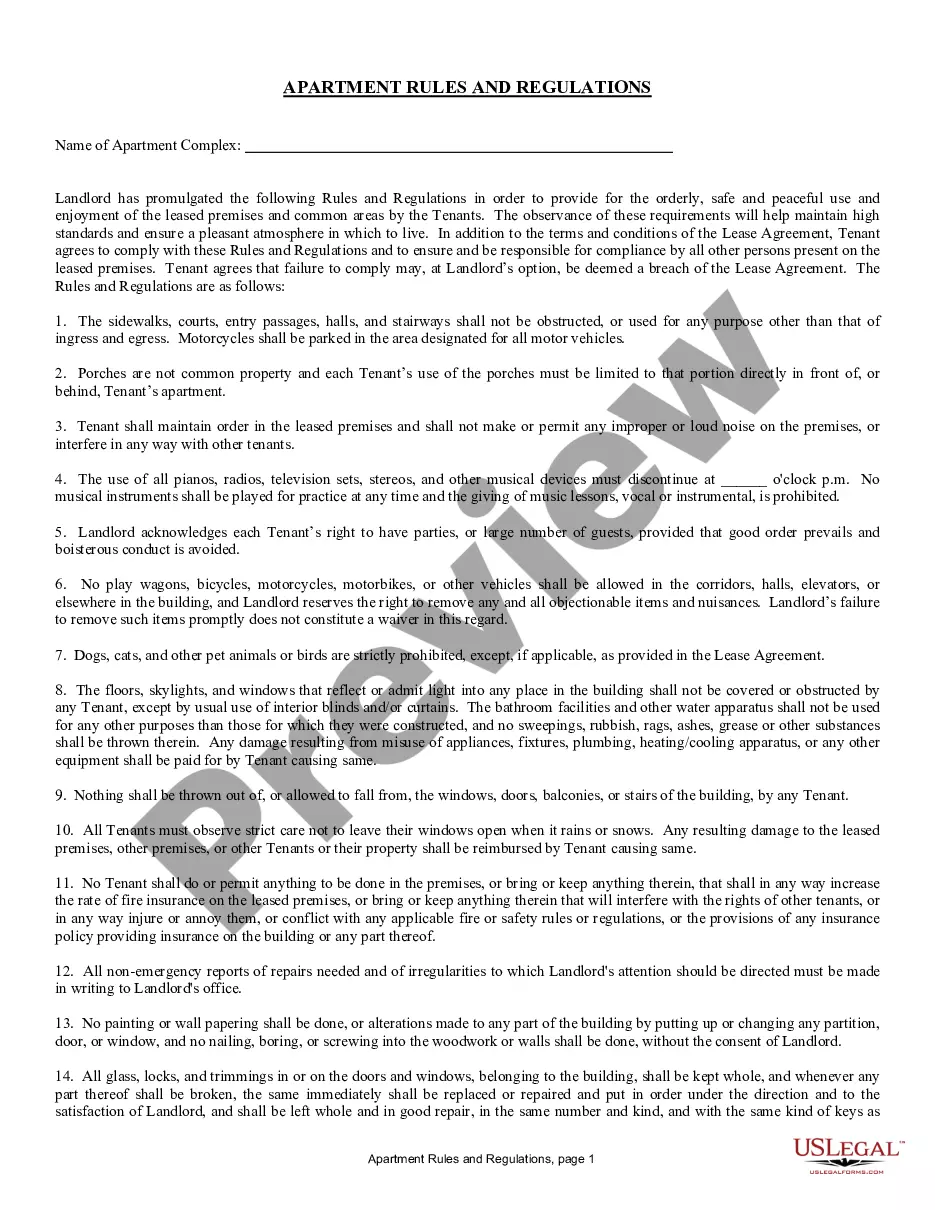
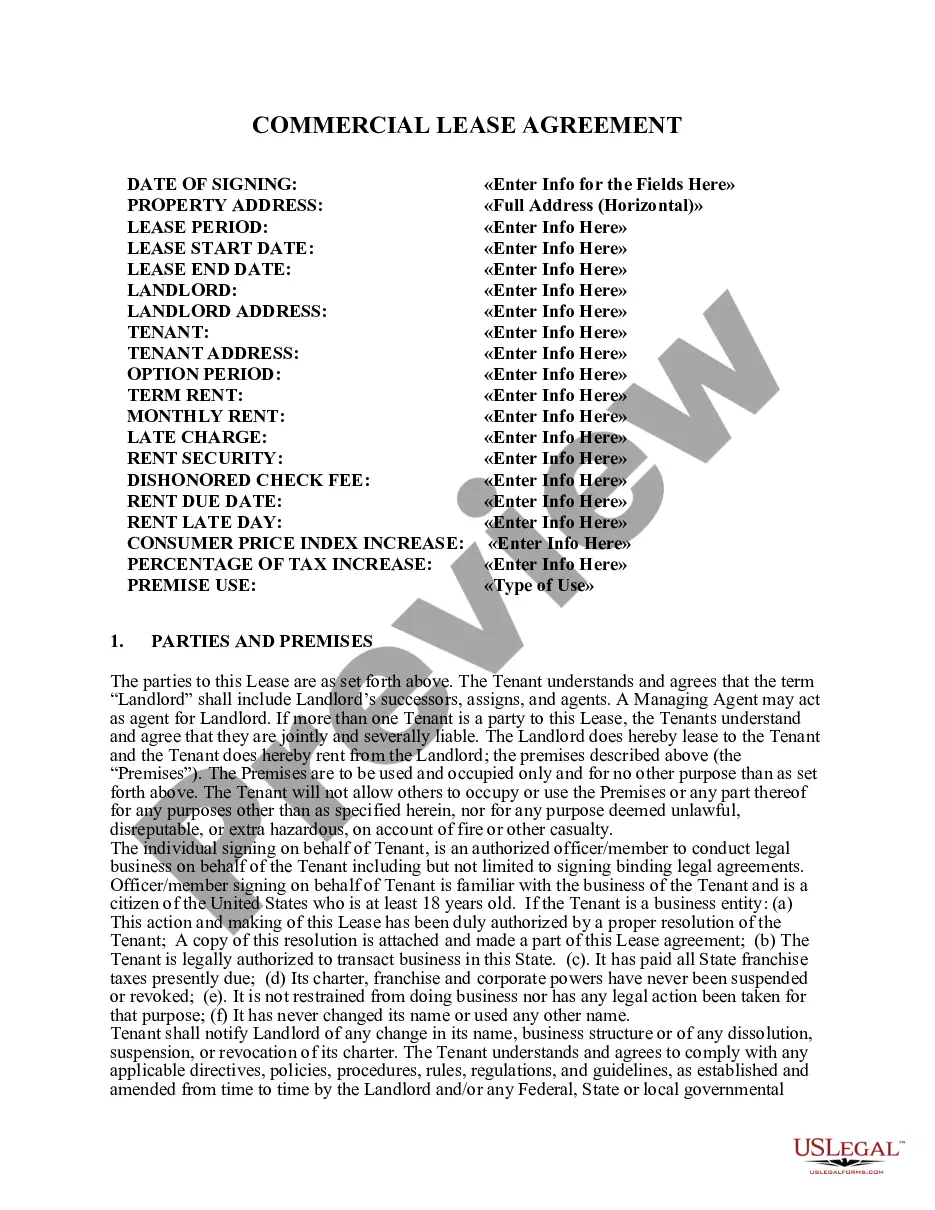
The Apartment Rules and Regulations form is a legal document outlining the expected behavior and responsibilities of tenants within an apartment complex. This form complements the Apartment Lease Agreement by detailing specific everyday rules that tenants must adhere to for peaceful and orderly living. It ensures all tenants are aware of their obligations, helping to maintain a respectful community environment.
What’s included in this form
- Name of Apartment Complex
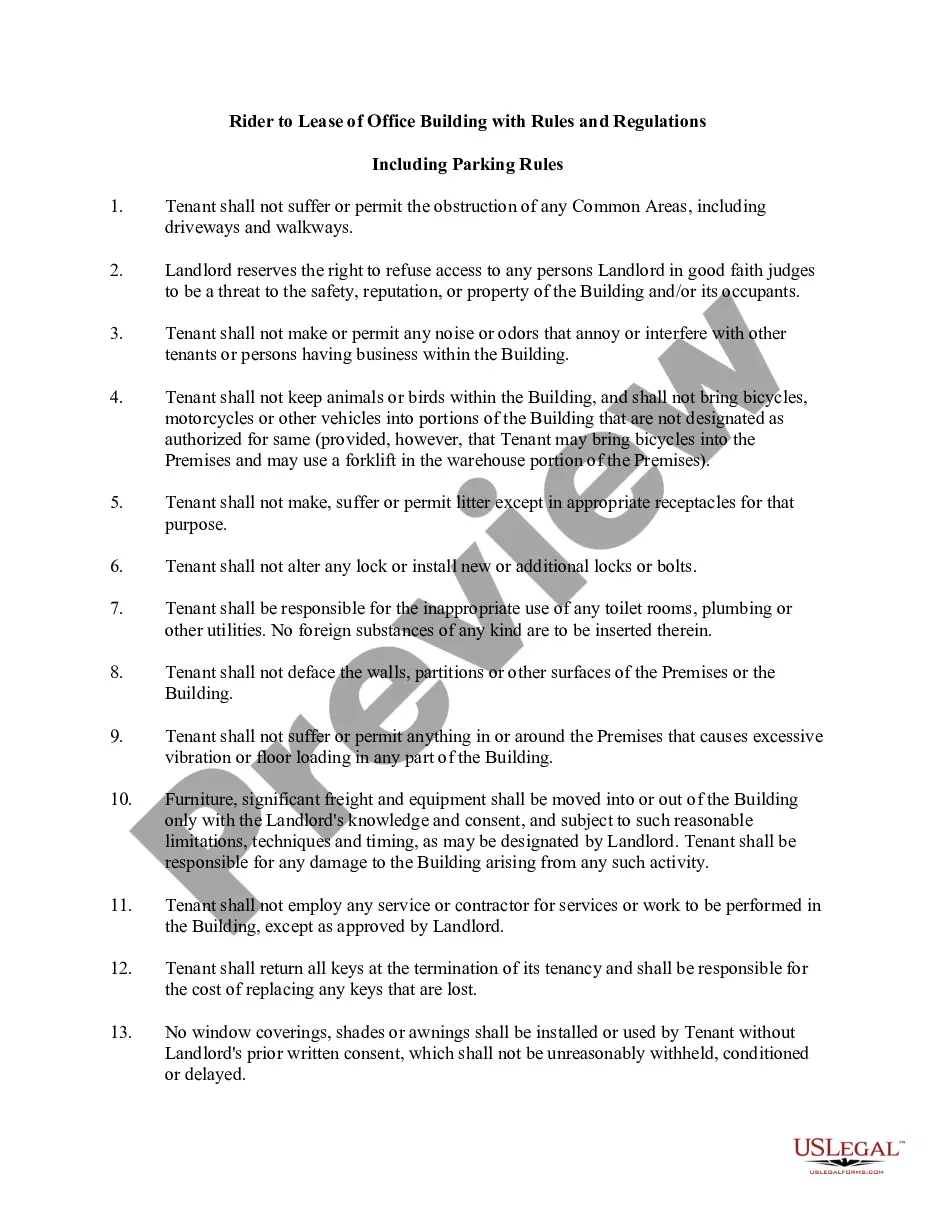
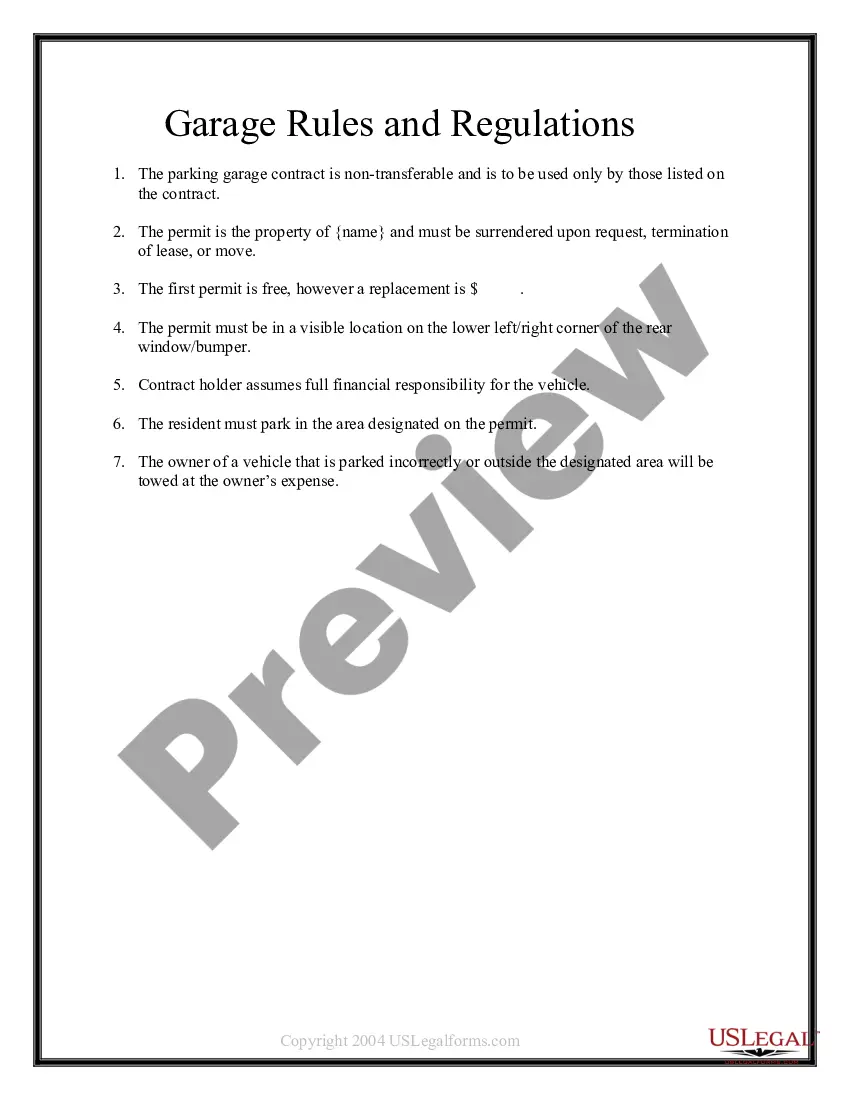
- General rules regarding use of common areas
- Noise control regulations
- Guest policies and limitations on parties
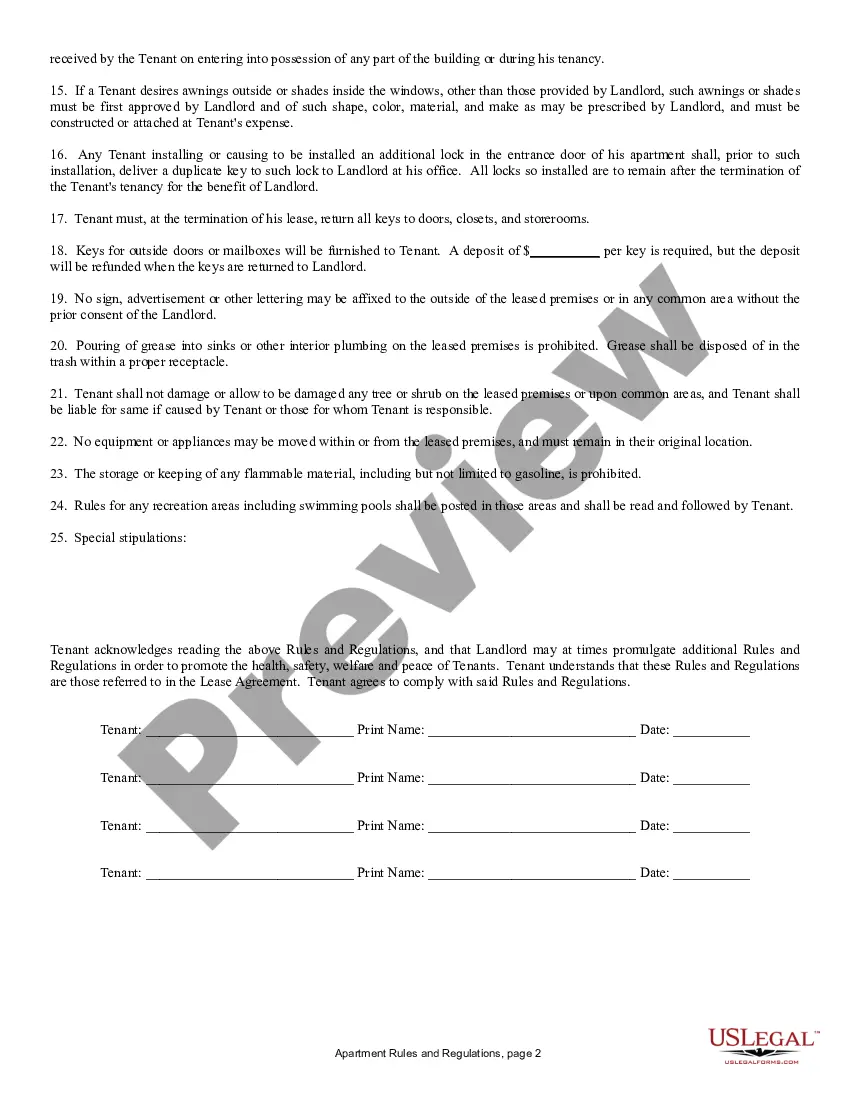
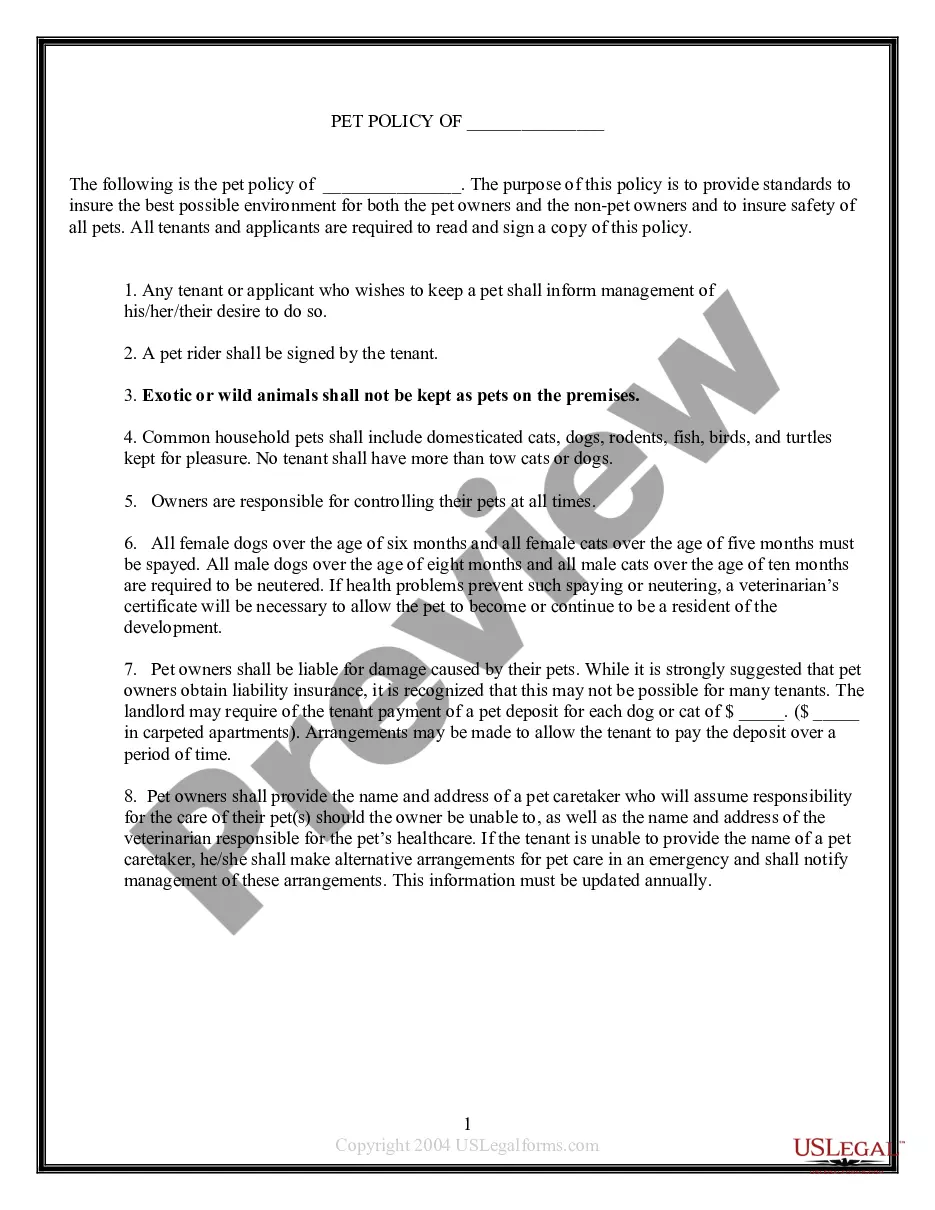
- Prohibitions on pets and alterations to the premises
- Guidelines for reporting repairs and other issues
When to use this form
This form should be used by landlords or property managers to establish clear guidelines for all tenants residing in the apartment complex. It is particularly useful during the lease signing process to ensure tenants understand their obligations and expectations of behavior in shared living spaces.
Who should use this form
Intended audience includes:
- Landlords and property managers looking to enforce apartment rules
- Tenants who are about to move into an apartment complex
- Property owners seeking to maintain a peaceful and orderly living environment
How to complete this form
Follow these steps to complete the Apartment Rules and Regulations form:
- Identify and enter the name of the apartment complex at the top of the form.
- Review and agree upon the rules, ensuring that all tenants understand their responsibilities.
- Collect signatures from all tenants acknowledging that they have read and agree to the rules.
- Specify any additional stipulations or guidelines that are relevant to your specific complex.
- Keep a copy of the signed form for your records and provide one to each tenant.
Notarization requirements for this form
This form does not typically require notarization to be legally valid. However, some jurisdictions or document types may still require it. US Legal Forms provides secure online notarization powered by Notarize, available 24/7 for added convenience.
Get your form ready online
Our built-in tools help you complete, sign, share, and store your documents in one place.
Make edits, fill in missing information, and update formatting in US Legal Forms—just like you would in MS Word.
Download a copy, print it, send it by email, or mail it via USPS—whatever works best for your next step.
Sign and collect signatures with our SignNow integration. Send to multiple recipients, set reminders, and more. Go Premium to unlock E-Sign.
If this form requires notarization, complete it online through a secure video call—no need to meet a notary in person or wait for an appointment.
We protect your documents and personal data by following strict security and privacy standards.

Make edits, fill in missing information, and update formatting in US Legal Forms—just like you would in MS Word.

Download a copy, print it, send it by email, or mail it via USPS—whatever works best for your next step.

Sign and collect signatures with our SignNow integration. Send to multiple recipients, set reminders, and more. Go Premium to unlock E-Sign.

If this form requires notarization, complete it online through a secure video call—no need to meet a notary in person or wait for an appointment.

We protect your documents and personal data by following strict security and privacy standards.
Typical mistakes to avoid
- Failing to update the form with new rules or regulations.
- Not obtaining signatures from all tenants.
- Overly complex language that may confuse tenants.
- Neglecting to discuss the rules with tenants before they sign.
Why complete this form online
- Easy access and download of the form online.
- Customizable to include specific rules relevant to your apartment complex.
- Ensures clarity and sets clear expectations for all tenants.
- Promotes a peaceful living environment by establishing consistent guidelines.
Legal use & context
- This form helps prevent disputes among tenants by setting clear expectations.
- Enforcing these rules is typically supported by local tenant rights regulations.
- Failure to comply may lead to actions defined in the lease agreement.
Main things to remember
- The Apartment Rules and Regulations form standardizes expectations for tenant behavior.
- It encourages compliance among tenants, helping to maintain a peaceful living environment.
- Understanding and agreeing to these rules is a key part of the leasing process.
- Proper completion and distribution of the form help resolve disputes more effectively.
Looking for another form?
Form popularity
FAQ
Uninhabitable conditions can include dangerous ones, such as holes in the floor, unsafe or exposed wiring, or non-working air conditioning in dangerously hot summer months. Gross infestations of roaches, fleas or other pests are also uninhabitable conditions.
The right to quiet enjoyment of your home. This means your landlord cannot evict you without proper cause (most commonly nonpayment of rent) or otherwise disturb your right to live in peace and quiet. The right to health and safety in your home. The right to security in your home.
A condition in the property that materially affects the physical health or safety of an ordinary tenant; which. Wasn't caused by the tenant, a guest, or family member (except for normal wear and tear); and.
What Should Tenants Do if They're Living in Uninhabitable Conditions? Tenants should report all uninhabitable conditions to the landlord immediately. It may also be helpful to reference local housing laws and codes if necessary. In an ideal world, the landlord will quickly respond and resolve the issue.
In the state of Texas, renters, children, individuals with disabilities and the elderly have legal recourse to remedy unsafe living conditions. Unsafe living conditions include pest infestations, unstable roofs or floors, and physical and verbal abuse.
Your rights as a tenant include the right to "quiet enjoyment," a legal term. This means your landlord cannot evict you without cause or otherwise disturb your right to live in peace and quiet. If other tenants in your building are disturbing you, you should complain to the landlord.
The legal definition of an unsanitary living condition can vary from state-to-state and even county-to-county. However, generally speaking, these definitions might include but are not limited to: excessive dirt or filth in the home. improper building construction or poor maintenance of living quarters.
Notice to Vacate The amount of time the tenant has to move out or fix a certain problem before an eviction suit is filed. This must be at least 3 days unless the lease specifically states otherwise.
You are legally required to keep rental premises livable in Texas, under a legal doctrine called the implied warranty of habitability. If you don't take care of important repairs, such as a broken heater, tenants in Texas may have several options, including the right to repair and deduct from the rent.