Oklahoma Drainage Contractor Package
Understanding this form package
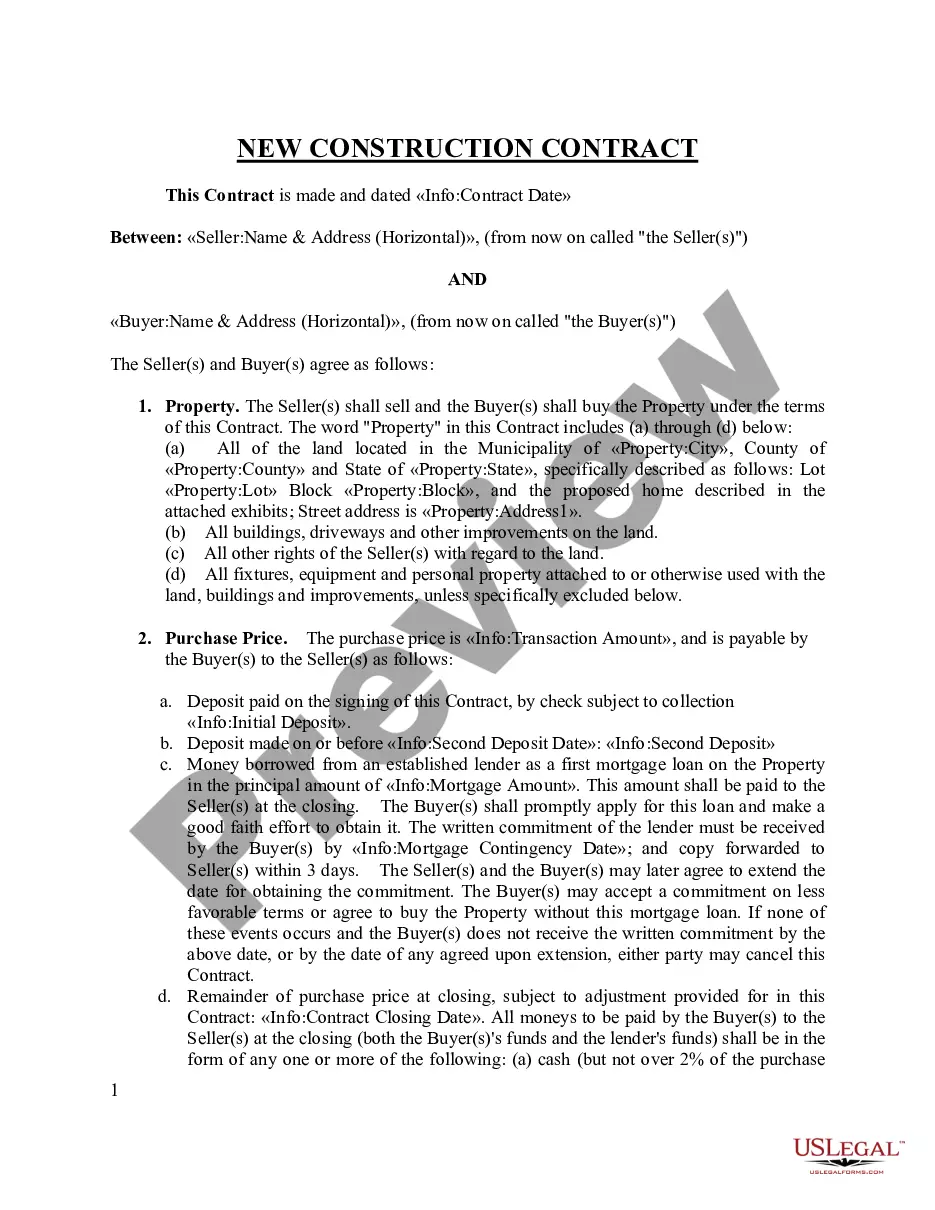
The Oklahoma Drainage Contractor Package is a comprehensive collection of legal documents tailored for drainage contractors. This package includes essential forms that help contractors assert their legal rights and address various legal issues during construction projects that involve cesspools, septic tanks, storm drains, and plumbing repairs. The primary component of this package is a drainage contract that complies with Oklahoma state law, ensuring that all parties are protected and informed throughout the project.
What’s included in this form package
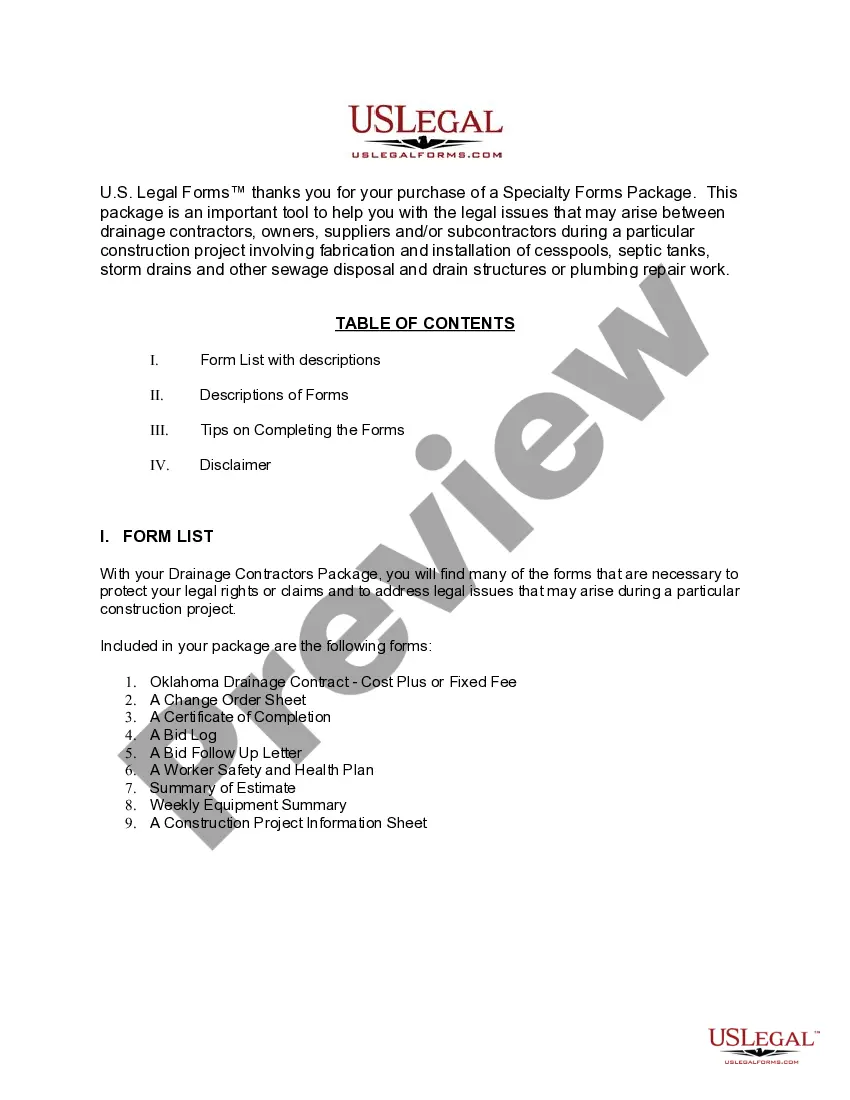
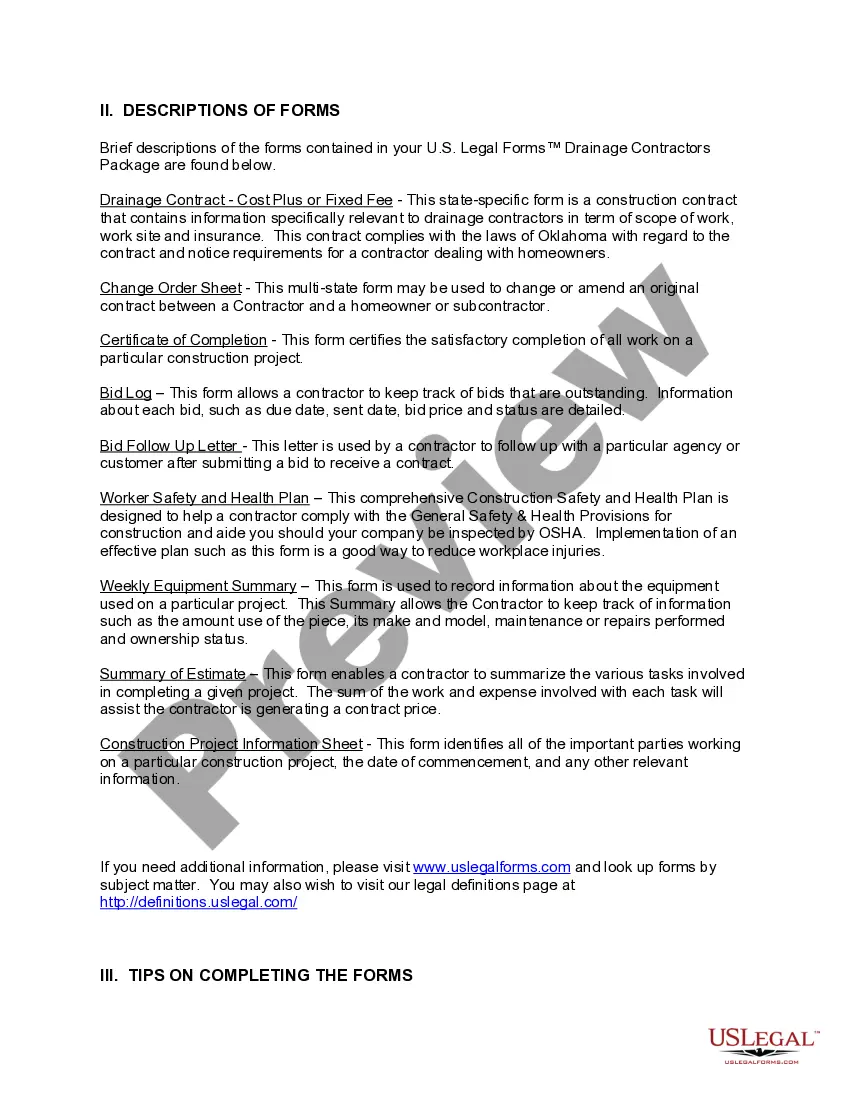
- Drainage Contract for Contractor
- Contractor's Weekly Equipment Summary
- Contractor's Bid Log
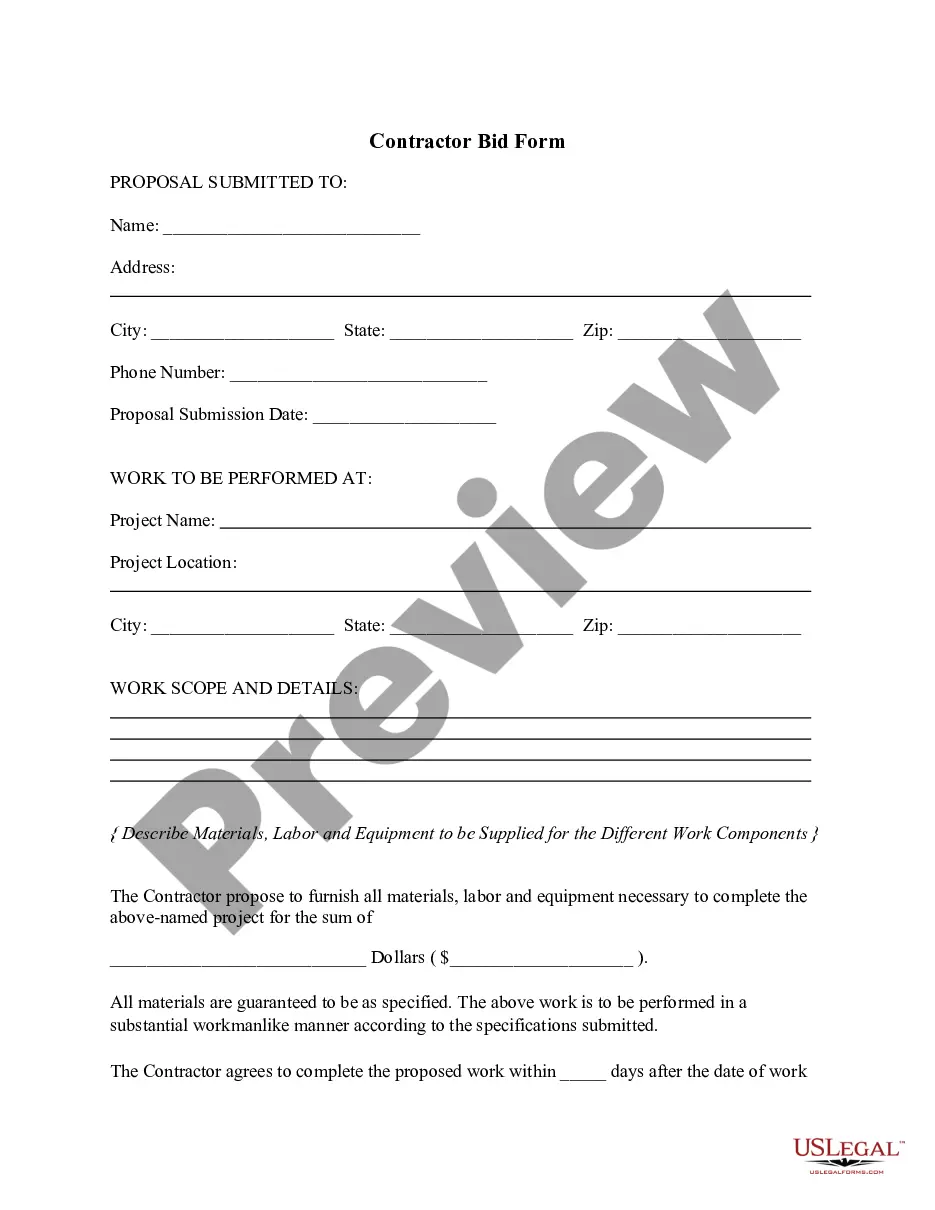
- Contractor's Bid Follow Up Letter
- Contractor's Summary of an Estimate
- Construction Safety and Health Plan
- Change Order for Construction or Repairs by Contractor
- Certification of Completion by Contractor
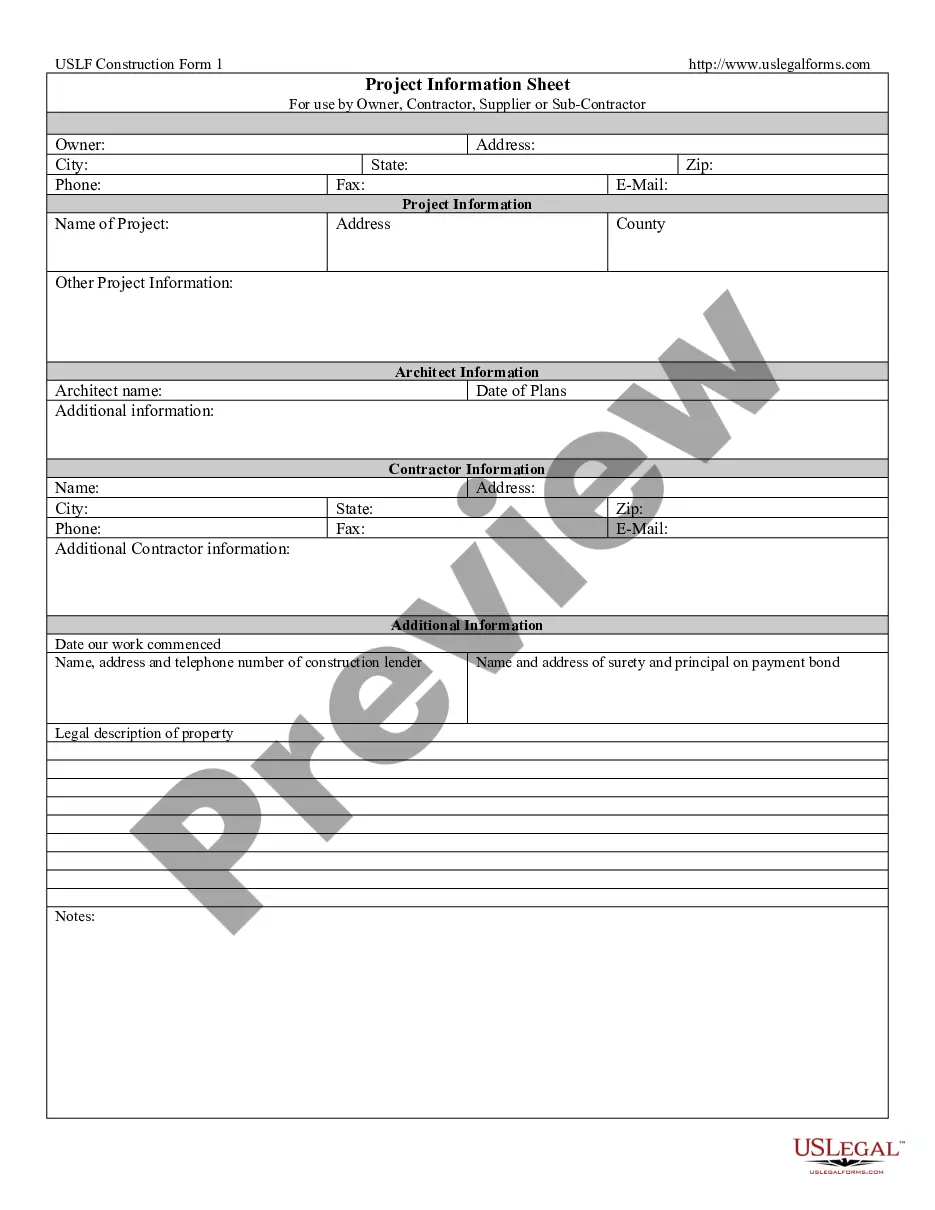
- Construction Project Information Sheet

When to use this form package
This package is valuable in multiple scenarios, including:
- When starting a new drainage construction project
- When documenting changes to existing contracts with clients or subcontractors
- When needing to certify the completion of work to the client
- When ensuring worker safety and health compliance on-site
- When tracking bids and managing project finances
Who this form package is for
- Drainage contractors operating in Oklahoma
- Subcontractors and suppliers involved in drainage projects
- Property owners overseeing drainage construction
- Construction project managers responsible for documentation
Completing these forms step by step
- Review the included forms and identify which are necessary for your project.
- Fill out the Drainage Contract with details specific to your agreement.
- Complete the Construction Project Information Sheet with party details and project start dates.
- Document any changes to existing agreements using the Change Order Sheet.
- Certify the project completion with the Certificate of Completion once work is finished.
Notarization details for included forms
Most forms in this package do not require notarization. However, local laws or specific situations may demand it. Our online notarization service, powered by Notarize, lets you complete the process through a verified video call, available anytime.
Get your form ready online
Our built-in tools help you complete, sign, share, and store your documents in one place.
Make edits, fill in missing information, and update formatting in US Legal Forms—just like you would in MS Word.
Download a copy, print it, send it by email, or mail it via USPS—whatever works best for your next step.
Sign and collect signatures with our SignNow integration. Send to multiple recipients, set reminders, and more. Go Premium to unlock E-Sign.
If this form requires notarization, complete it online through a secure video call—no need to meet a notary in person or wait for an appointment.
We protect your documents and personal data by following strict security and privacy standards.

Make edits, fill in missing information, and update formatting in US Legal Forms—just like you would in MS Word.

Download a copy, print it, send it by email, or mail it via USPS—whatever works best for your next step.

Sign and collect signatures with our SignNow integration. Send to multiple recipients, set reminders, and more. Go Premium to unlock E-Sign.

If this form requires notarization, complete it online through a secure video call—no need to meet a notary in person or wait for an appointment.

We protect your documents and personal data by following strict security and privacy standards.
Avoid these common issues
- Failing to fill out all necessary fields on the forms, which can lead to disputes.
- Not keeping a copy of signed contracts and changes for your records.
- Neglecting to ensure compliance with safety regulations outlined in the Worker Safety and Health Plan.
- Overlooking the importance of documentation in tracking bids and project expenses.
Why use this package online
- Convenience of downloading and accessing forms instantly from any device.
- Editability of documents allows customization to fit individual project needs.
- Access to professional attorney-drafted forms that enhance legal compliance and protection.
- Cost savings, purchasing as a package is more economical than buying forms individually.
Looking for another form?
Form popularity
FAQ
Generally speaking, you're usually responsible for drains inside the boundaries of your property, while the sewerage company is responsible for lateral drains, which are usually outside of property boundaries, and sewers. Although most sewers are now publicly owned, there are still some private or unadopted sewers.
Private drainage and erosion issues, as well as ground water issues, are the responsibility of the property owner. Drainage directed from gutters, downspouts or other private systems to neighboring properties is a civil matter between the property owners.
The deeds for your house and property typically only convey basic information about your property and will not usually show any information about the property's drainage plans.
Reduce Your Watering Schedule. Extend Your Downspout. Dig a Creek Bed or Swale. Construct a Rain Garden. Install a French Drain and/or Dry Well.
Its always possible, and not uncommon, that your drainage shares your neighbours and meets in "their" drain. Mine does, and every house on the street has a shared inspection cover.
The trench should be about 18 inches deep and 9 to 12 inches wide. French drains need to have a slope of at least 1 percent, so the force of gravity will work for you. This means that the drain should slope down a total of at least one inch for every 10 feet of pipe.
The average cost to install a trench drain is $30 to $150 per linear foot, depending on the grate and channel material (plastic, metal, or concrete). Trench drains are set into driveways, patios, concrete slabs, or between pavers with a flush grate surface that catches water in a channel.
The average cost of installing a basement floor drain is $3,000. However, this number can fluctuate significantly depending on the state of your specific basement drainage system. If you simply need a new drain and some de-clogging, it will cost you between $150 $300.
Most HOAs are responsible for maintenance to create proper drainage of stormwater in their communities. Regular maintenance responsibilities can include (but are not limited to): Inspection of easements and common areas. Removal of debris and other obstructions to catch basins and other drainage infrastructure.