Ohio General Partnership Package
Overview of this form package
The Ohio General Partnership Package provides essential legal forms designed for the formation, management, and dissolution of a general partnership. Tailored for partnerships in Ohio, this package includes comprehensive documentation that helps partners navigate legal requirements effectively. Unlike other packages, this one allows for customization, enabling you to adapt the forms to specific partnership needs.
Documents contained in this package
- Name Registration for Domestic / Foreign Profit or NonProfit
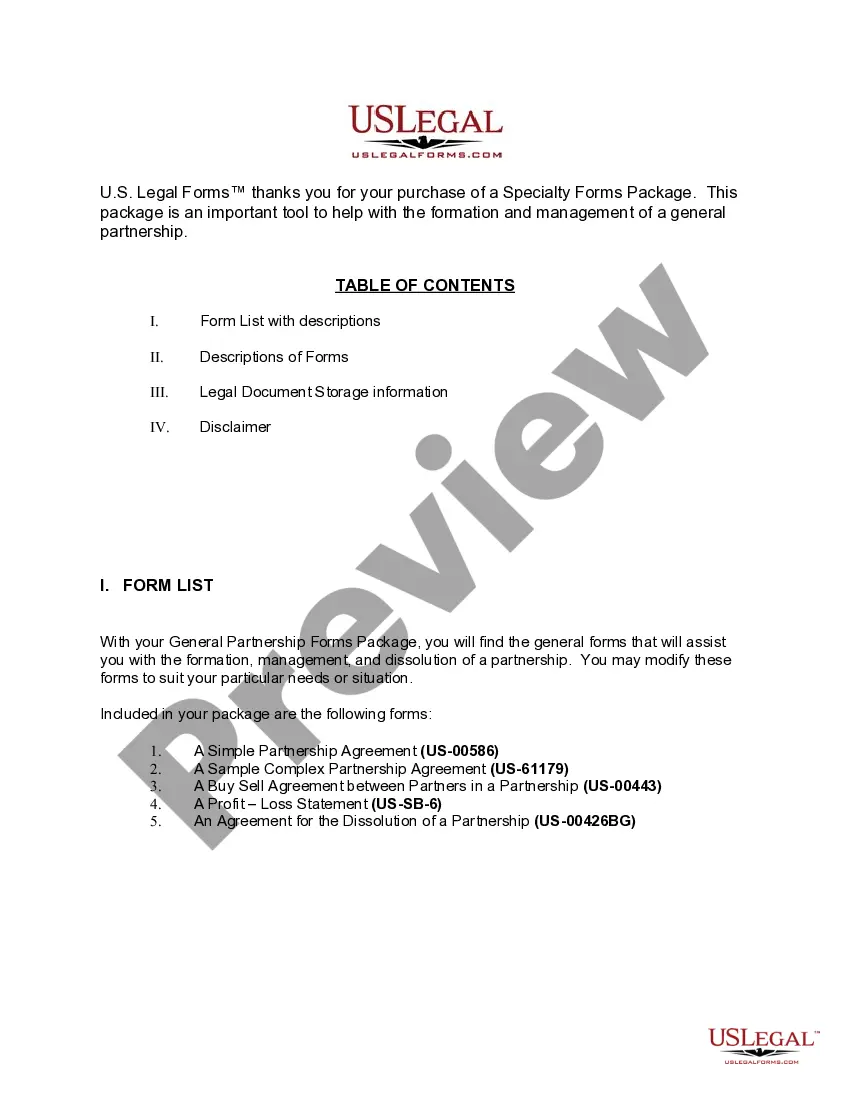
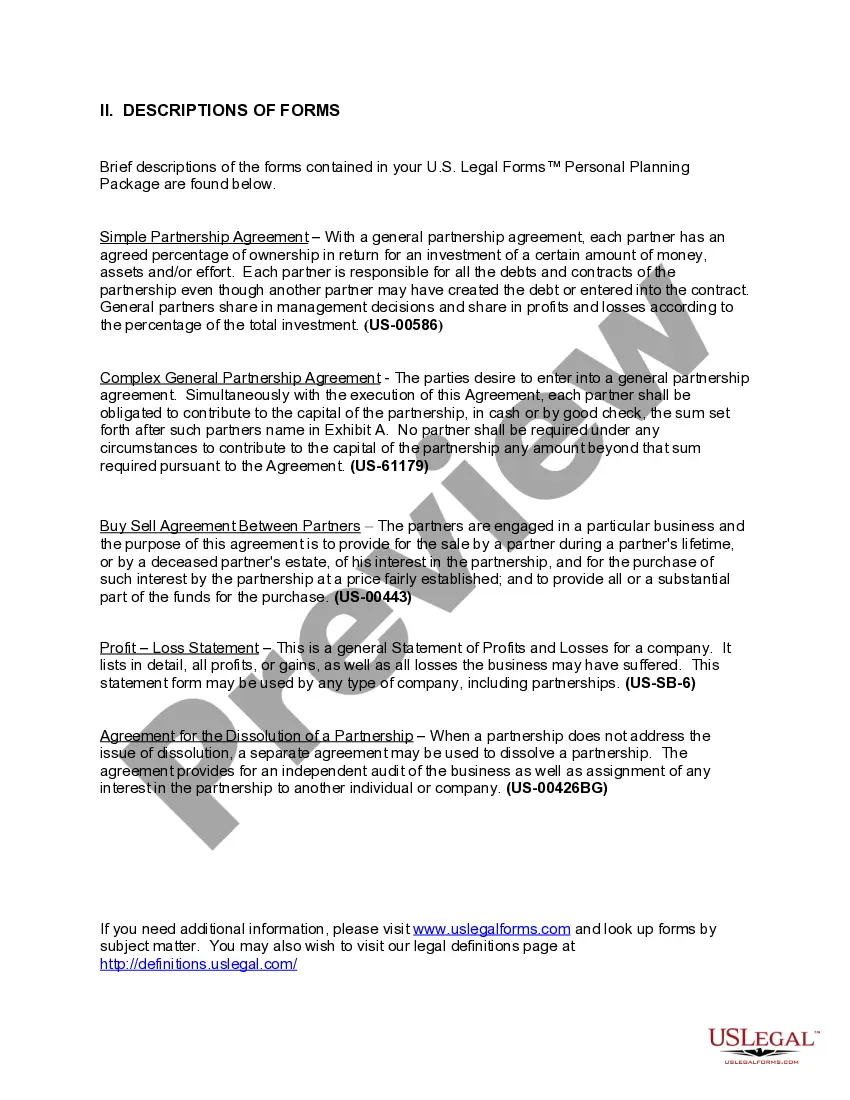
- Agreement for the Dissolution of a Partnership
- I.R.S. Form SS-4 (to obtain your federal identification number)
- Buy Sell Agreement Between Partners of a Partnership
- Sample Business Plan Template
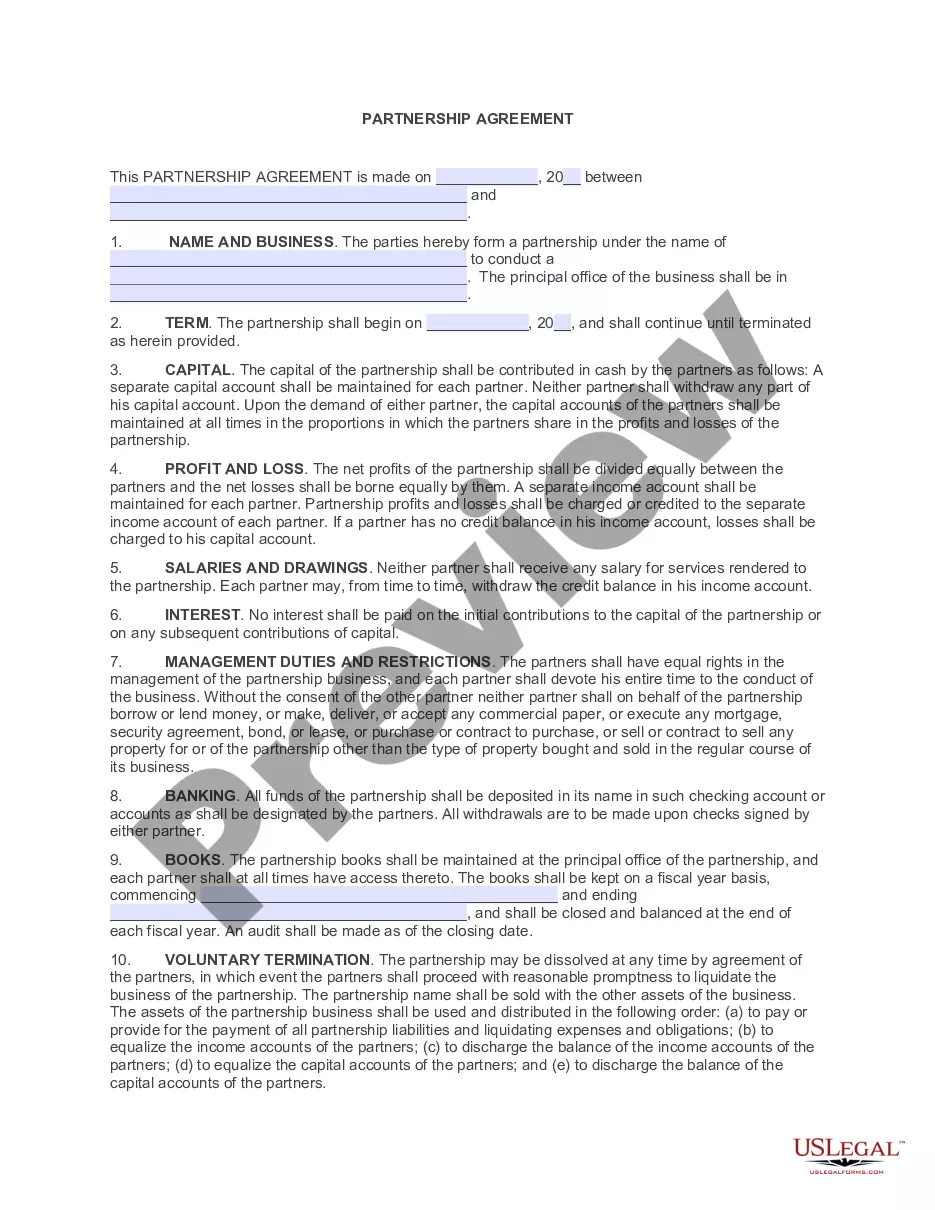
- Simple Partnership Agreement
- Checklist for Starting Up a New Business
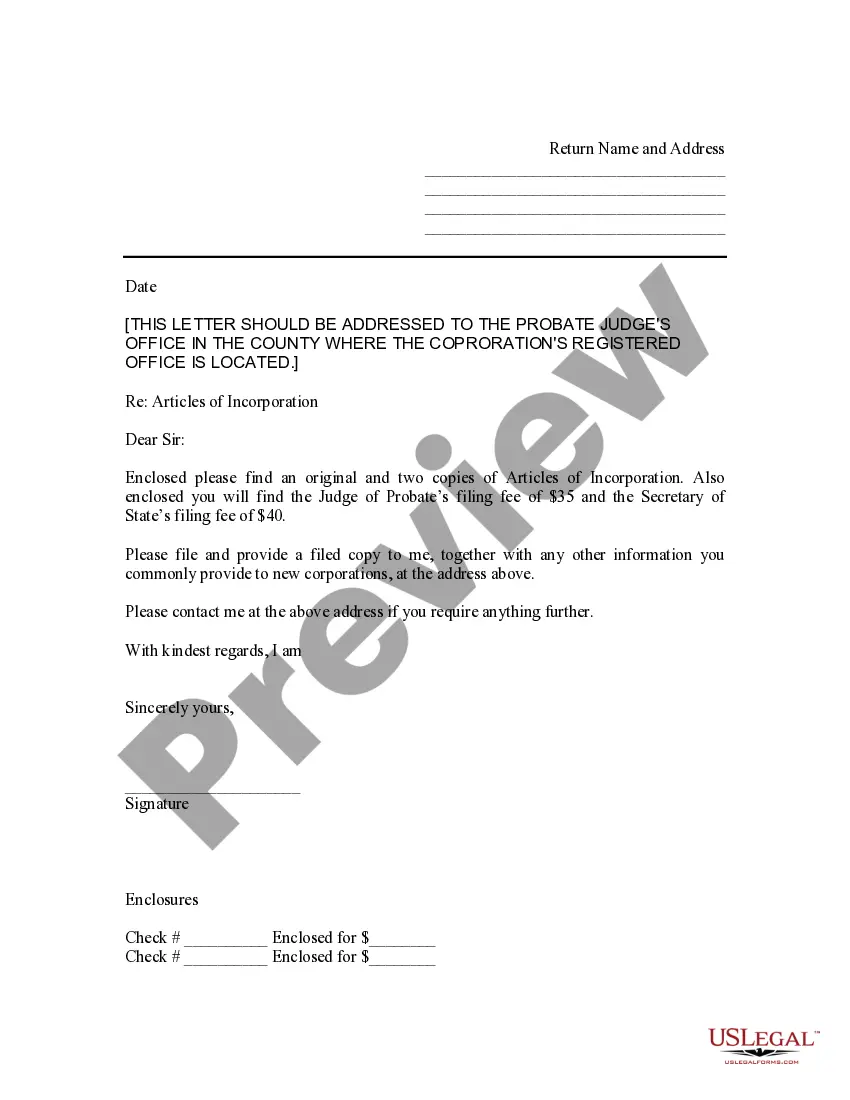
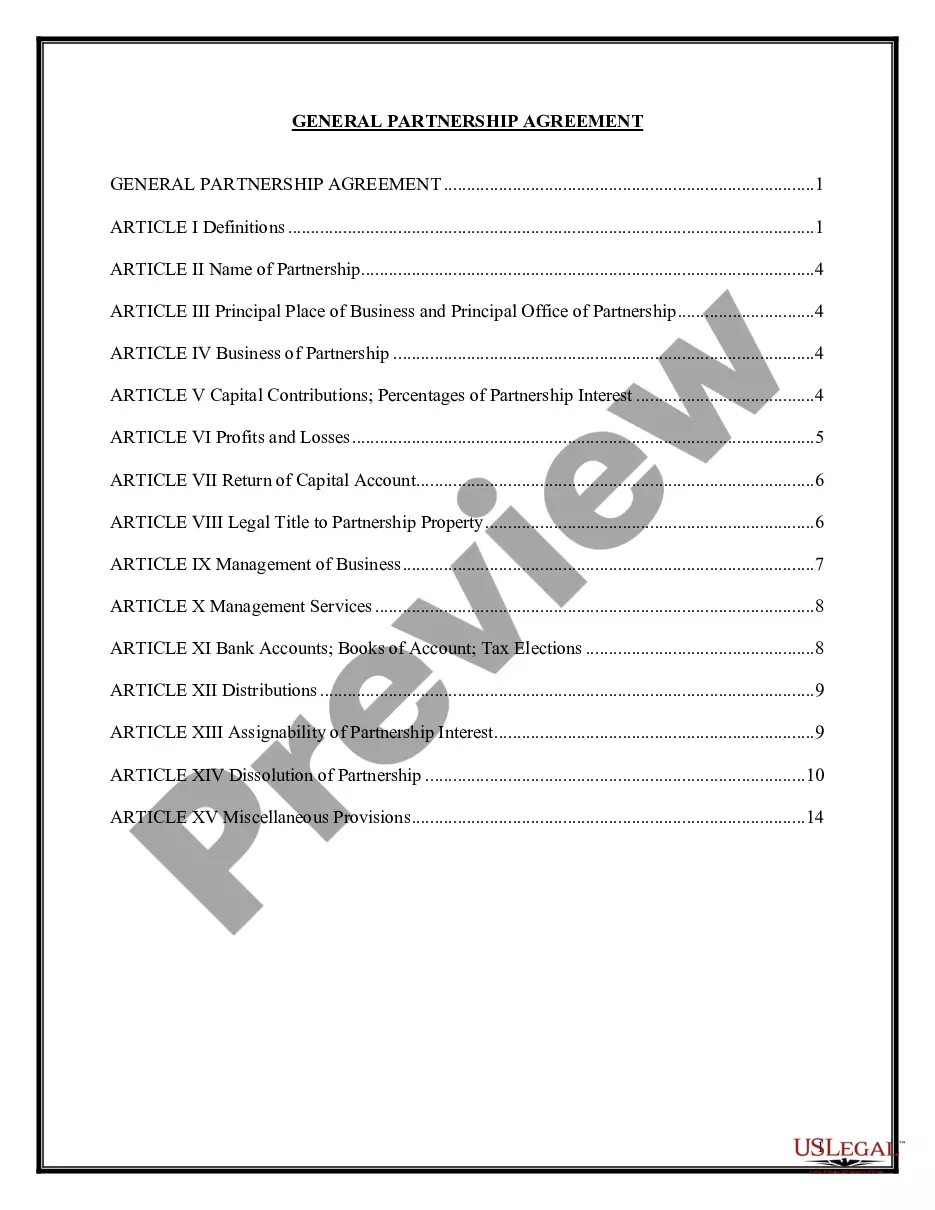
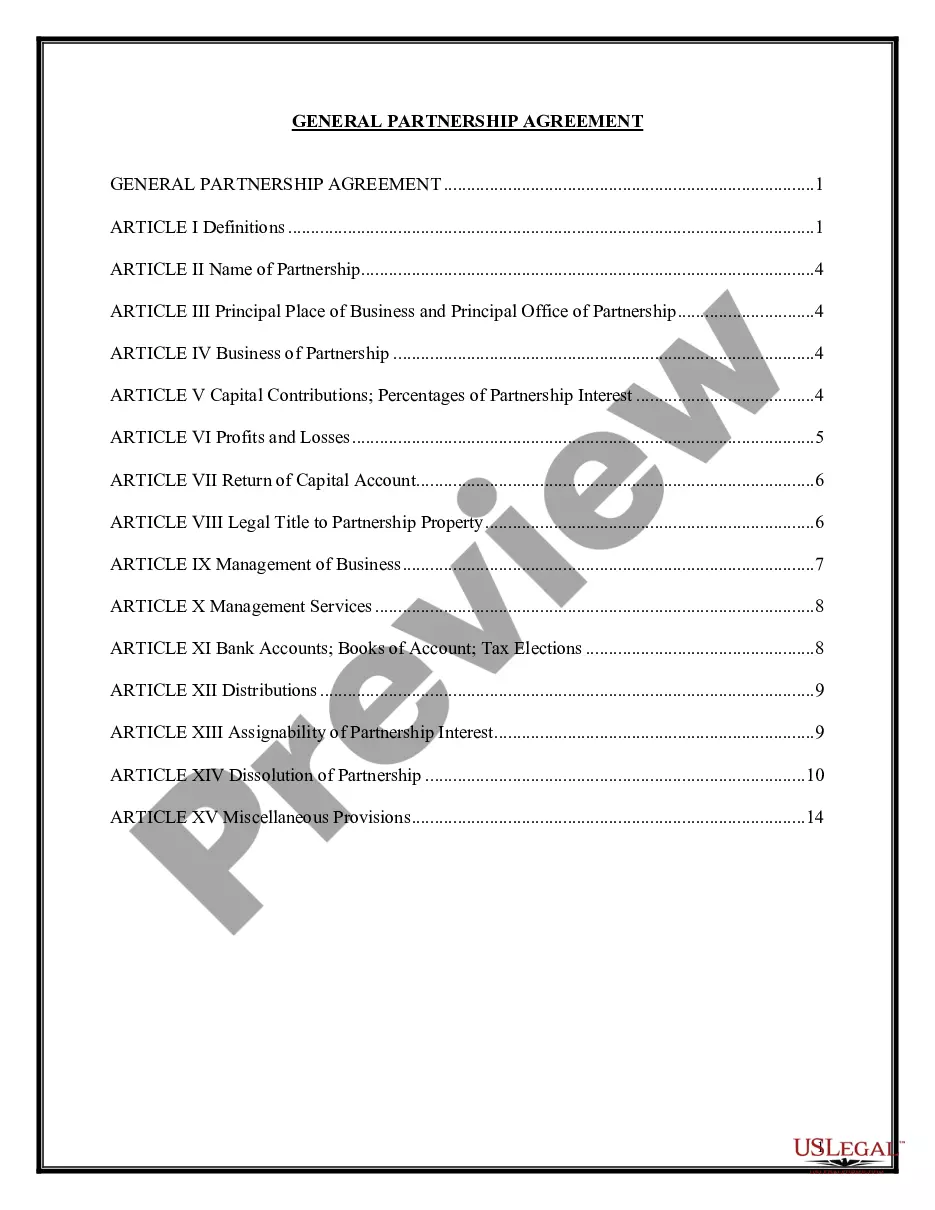
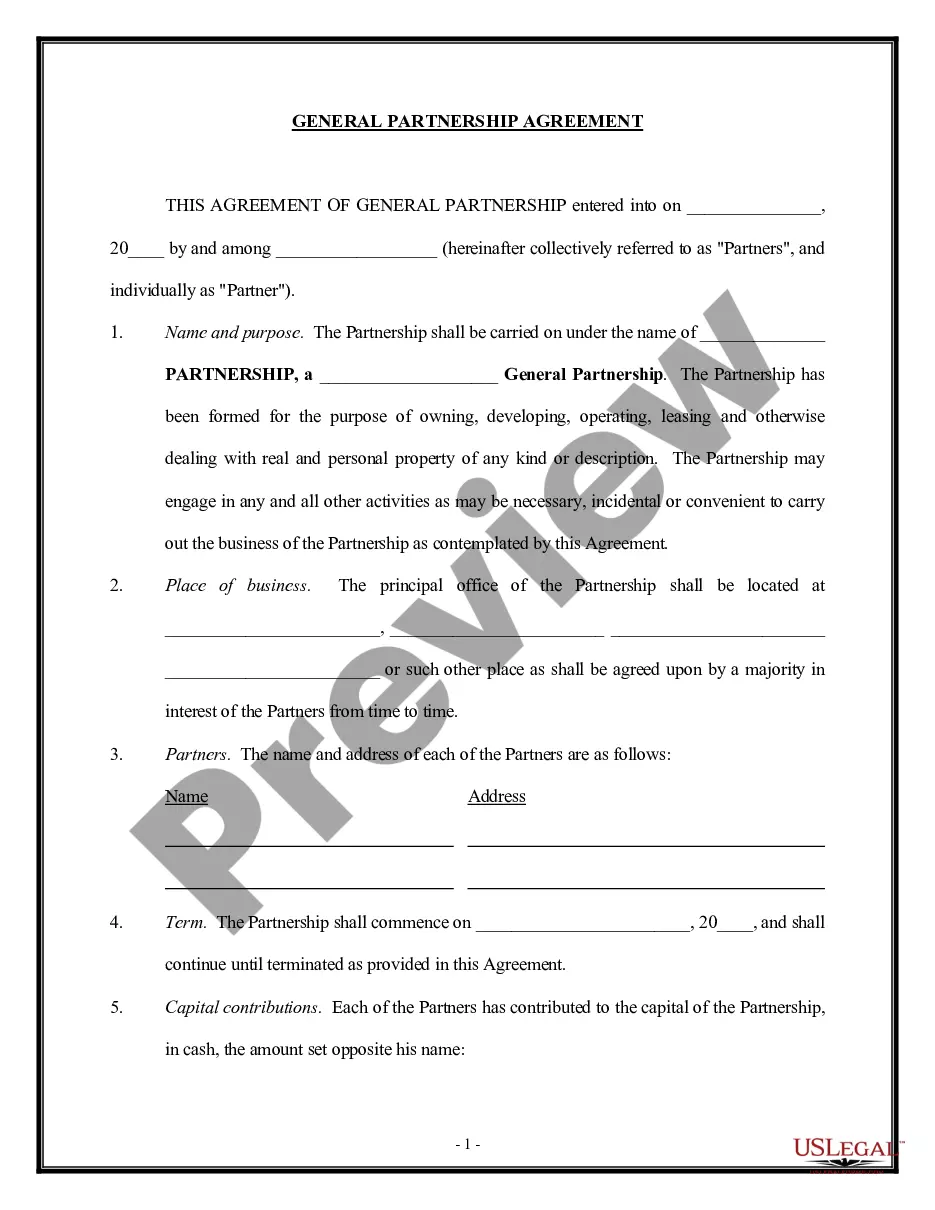
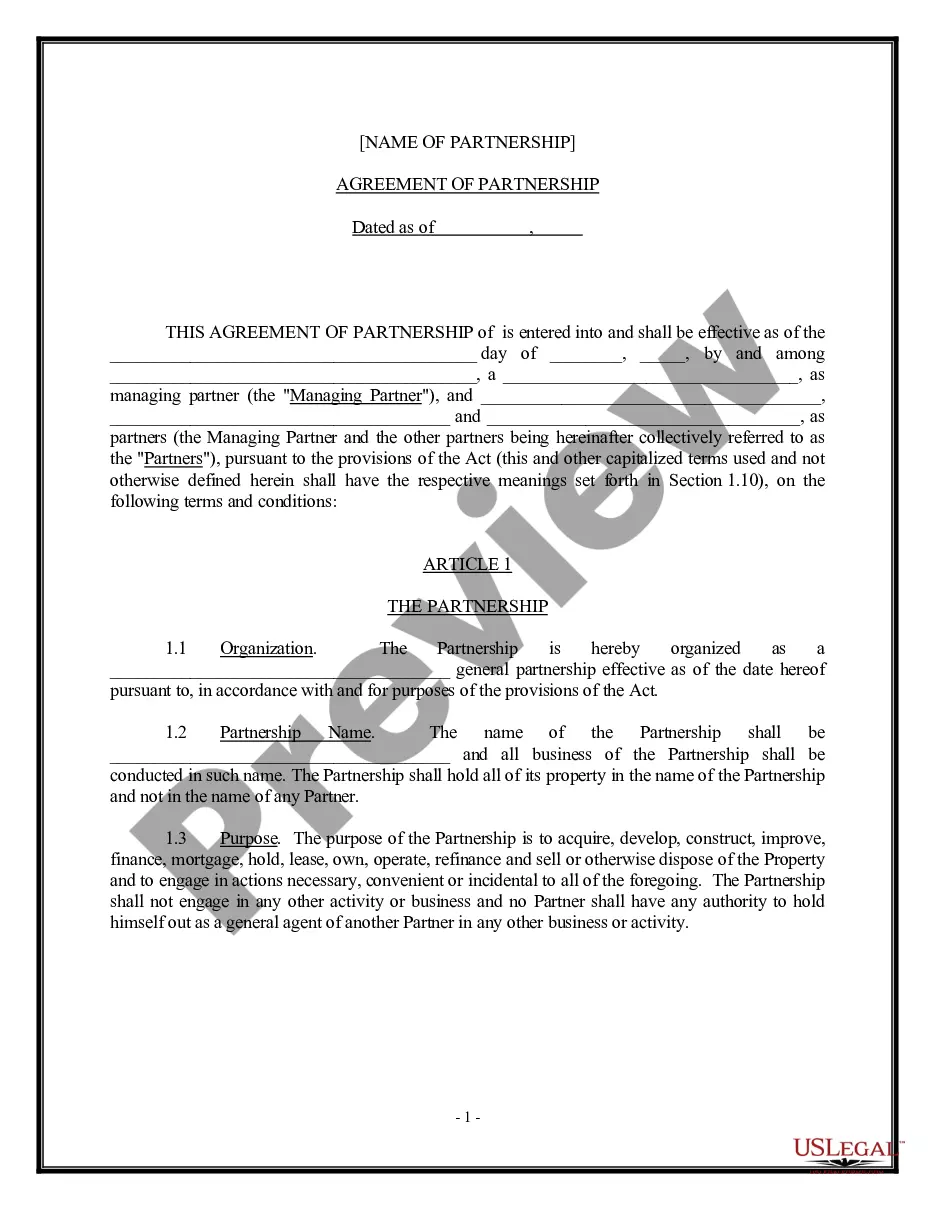
- General Partnership Agreement - Complex
- Business Startup Costs
- Profit and Loss Statement
- Employment or Work Application - General
- Stand Alone Confidentiality and Noncompetition Agreement with Employee
- Self-Employed Independent Contractor Employment Agreement - General
Common use cases
This form package is particularly useful in various situations, including:
- Starting a new partnership and needing a foundational agreement.
- Expanding an existing partnership with additional partners.
- Managing partnership operations and addressing profit and loss distributions.
- Planning for the sale or transfer of a partner's interest.
- Dissolving a partnership either voluntarily or due to external circumstances.
Who should use this form package
- Business partners entering into a general partnership in Ohio.
- Existing partners looking to formalize their operations or business processes.
- Partners needing guidance in dissolution procedures.
- Individuals with limited legal experience seeking straightforward agreements.
Steps to complete these forms
- Review the included forms carefully to understand their purpose.
- Identify the parties involved in the partnership and gather necessary details.
- Fill out the Simple Partnership Agreement or Sample Complex Partnership Agreement with the relevant information.
- Complete the Buy-Sell Agreement to outline terms for partner exits.
- Prepare the Profit and Loss Statement to track financial performance.
- Use the Agreement for the Dissolution of a Partnership when needed to formally dissolve the partnership.
Do forms in this package need to be notarized?
Notarization is not commonly needed for forms in this package. However, if your state’s laws require it, our notarization service, powered by Notarize, allows you to finalize documents online 24/7 without in-person visits.
Get your form ready online
Our built-in tools help you complete, sign, share, and store your documents in one place.
Make edits, fill in missing information, and update formatting in US Legal Forms—just like you would in MS Word.
Download a copy, print it, send it by email, or mail it via USPS—whatever works best for your next step.
Sign and collect signatures with our SignNow integration. Send to multiple recipients, set reminders, and more. Go Premium to unlock E-Sign.
If this form requires notarization, complete it online through a secure video call—no need to meet a notary in person or wait for an appointment.
We protect your documents and personal data by following strict security and privacy standards.

Make edits, fill in missing information, and update formatting in US Legal Forms—just like you would in MS Word.

Download a copy, print it, send it by email, or mail it via USPS—whatever works best for your next step.

Sign and collect signatures with our SignNow integration. Send to multiple recipients, set reminders, and more. Go Premium to unlock E-Sign.

If this form requires notarization, complete it online through a secure video call—no need to meet a notary in person or wait for an appointment.

We protect your documents and personal data by following strict security and privacy standards.
Common mistakes to avoid
- Failing to properly identify all parties and their contributions in the agreements.
- Not thoroughly discussing and understanding the terms of partnership agreements before signing.
- Assuming that oral agreements are sufficient without having formal written agreements.
- Neglecting to review the partnership forms for any local legal requirements.
- Overlooking the need for an accurate and thorough Profit and Loss Statement.
Benefits of using this package online
- Convenient access to legal forms that can be downloaded and customized at any time.
- Editable forms that can be modified to suit partnership needs without the hassle of starting from scratch.
- Prepared by licensed attorneys to ensure reliability and compliance with Ohio laws.
- Cost savings of up to 40% compared to purchasing forms individually.
Legal use & context
- The forms are legally recognized as binding contracts when properly executed.
- It is important to ensure all partners fully understand the terms and obligations outlined in these agreements.
- Any changes to the partnership structure or terms should be documented using the included forms.
Summary of main points
- The Ohio General Partnership Package includes essential forms for managing partnerships.
- This package is designed for easy customization to meet unique partnership needs.
- Proper execution of these forms ensures legal compliance and protect partner interests.
Looking for another form?
Form popularity
FAQ
A general partnership is a business arrangement by which two or more individuals agree to share in all assets, profits, and financial and legal liabilities of a jointly-owned business.Furthermore, any partner may be sued for the business's debts.
Compensation of General Partner The general partner earns an annual management fee of up to 2%, which is used to carry out admin duties, covering expenses to be made like overhead and salaries. GPs can also earn a proportion of the private equity fund's profits, and this fee is carried interest.
A limited partnership must have at least one general partner. The general partner or partners are responsible for running the business. They have control over the day-to-day management of the business and have the authority to make legally binding business decisions.
For example, let's say that Fred and Melissa decide to open a baking store. The store is named F&M Bakery. By opening a store together, Fred and Melissa are both general partners in the business, F&M Bakery. It is important to note that each general partner must be involved in the business.
A general partner is a part-owner of a business and shares in its profits. A general partner is often a doctor, lawyer, or another professional who has joined a partnership in order to remain independent while being part of a larger business.
A general partnership is the shared ownership of a business by two or more people.Forming a general partnership is as simple as filing a form with the Clerk of the Circuit Court in the county in which the business will be located and paying a relatively small fee.
A general partner is one of two or more investors who jointly own a business and assume a day-to-day role in managing it. A general partner has the authority to act on behalf of the business without the knowledge or permission of the other partners.
Aside from formation requirements, the main difference between a partnership and an LLC is that partners are personally liable for any business debts of the partnership -- meaning that creditors of the partnership can go after the partners' personal assets -- while members (owners) of an LLC are not personally liable