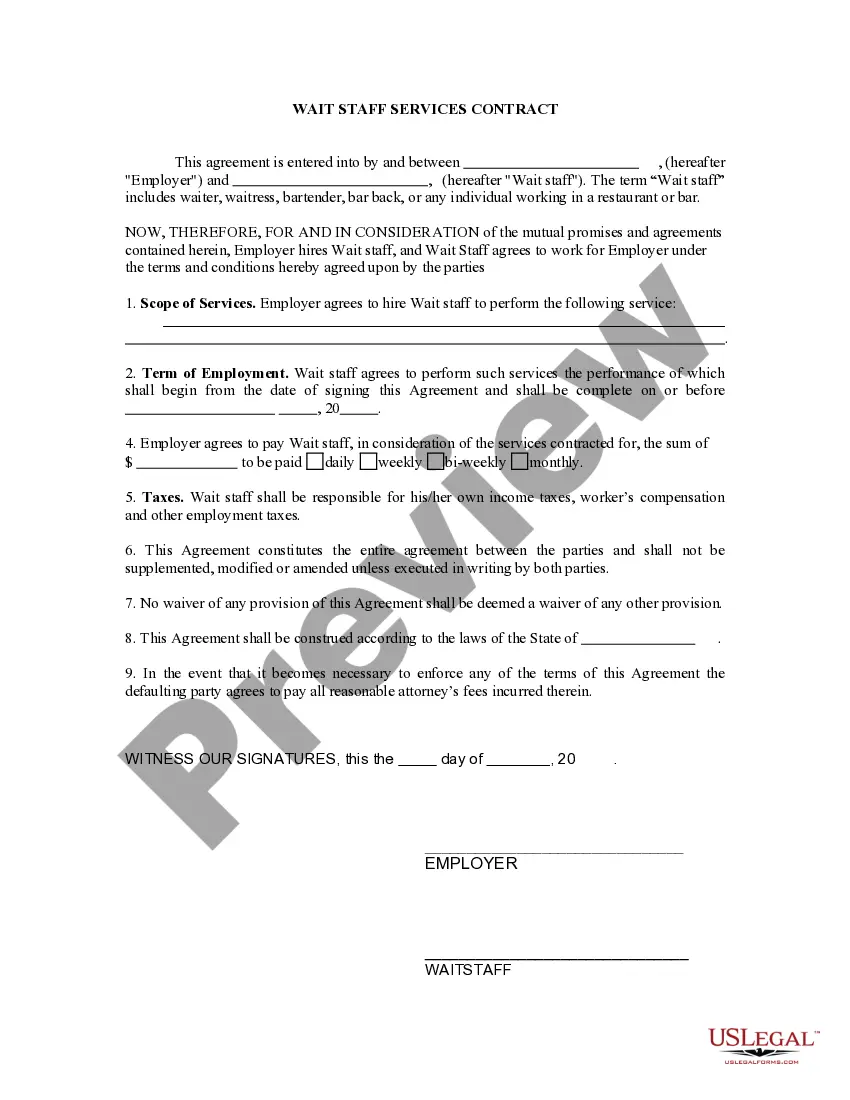
Sample Complaint For Temporary Restraining Order To Prevent Contractor From Entering Premises and Other Relief
Overview of this form
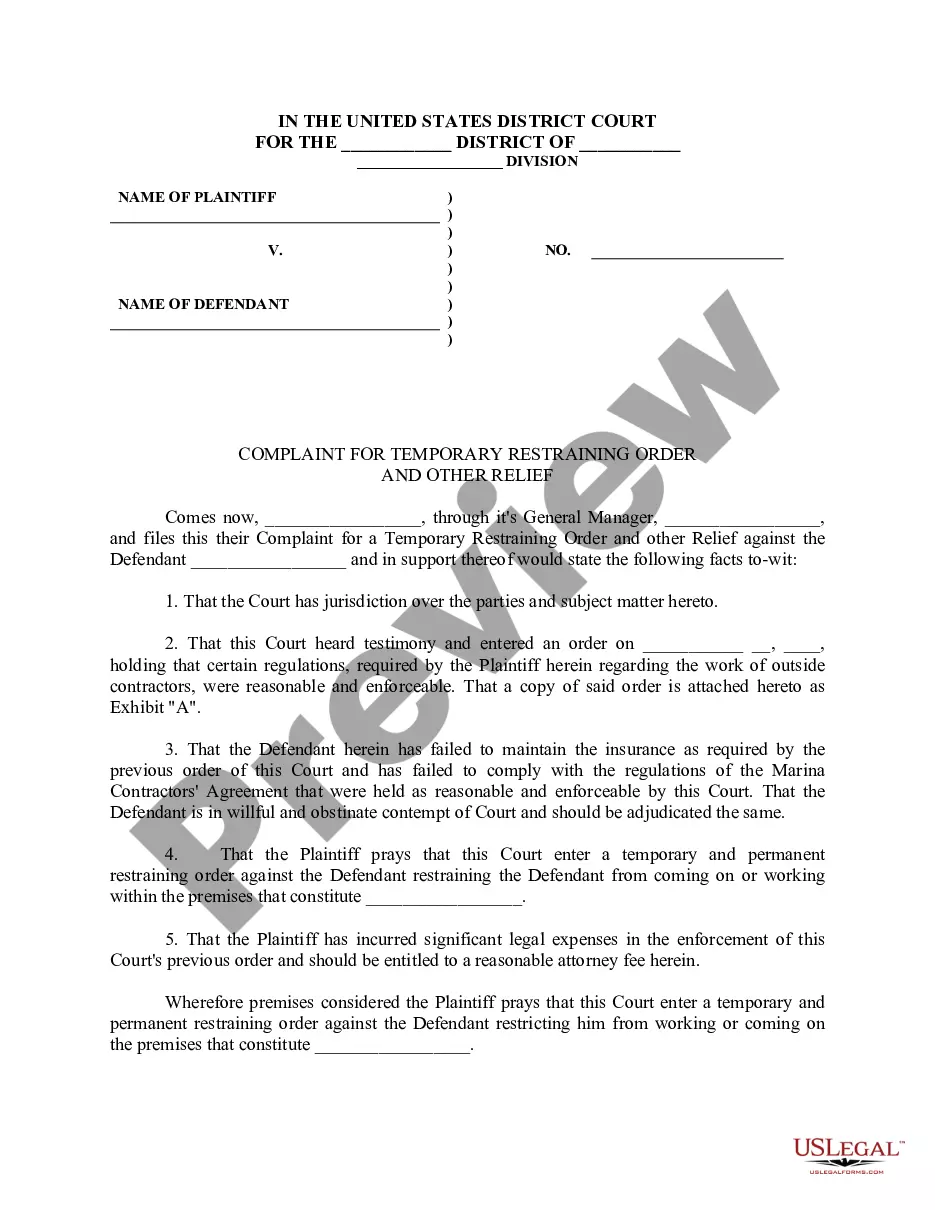
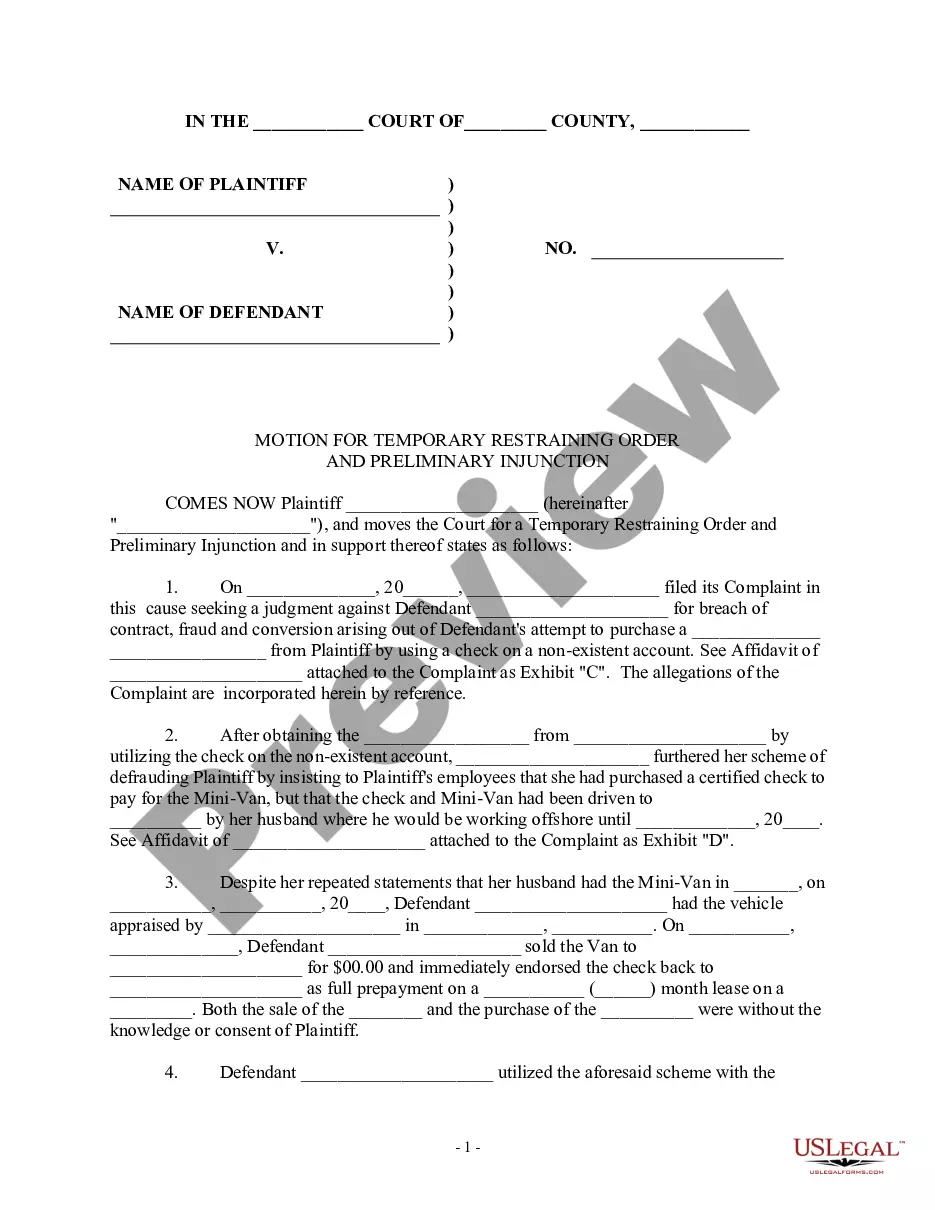
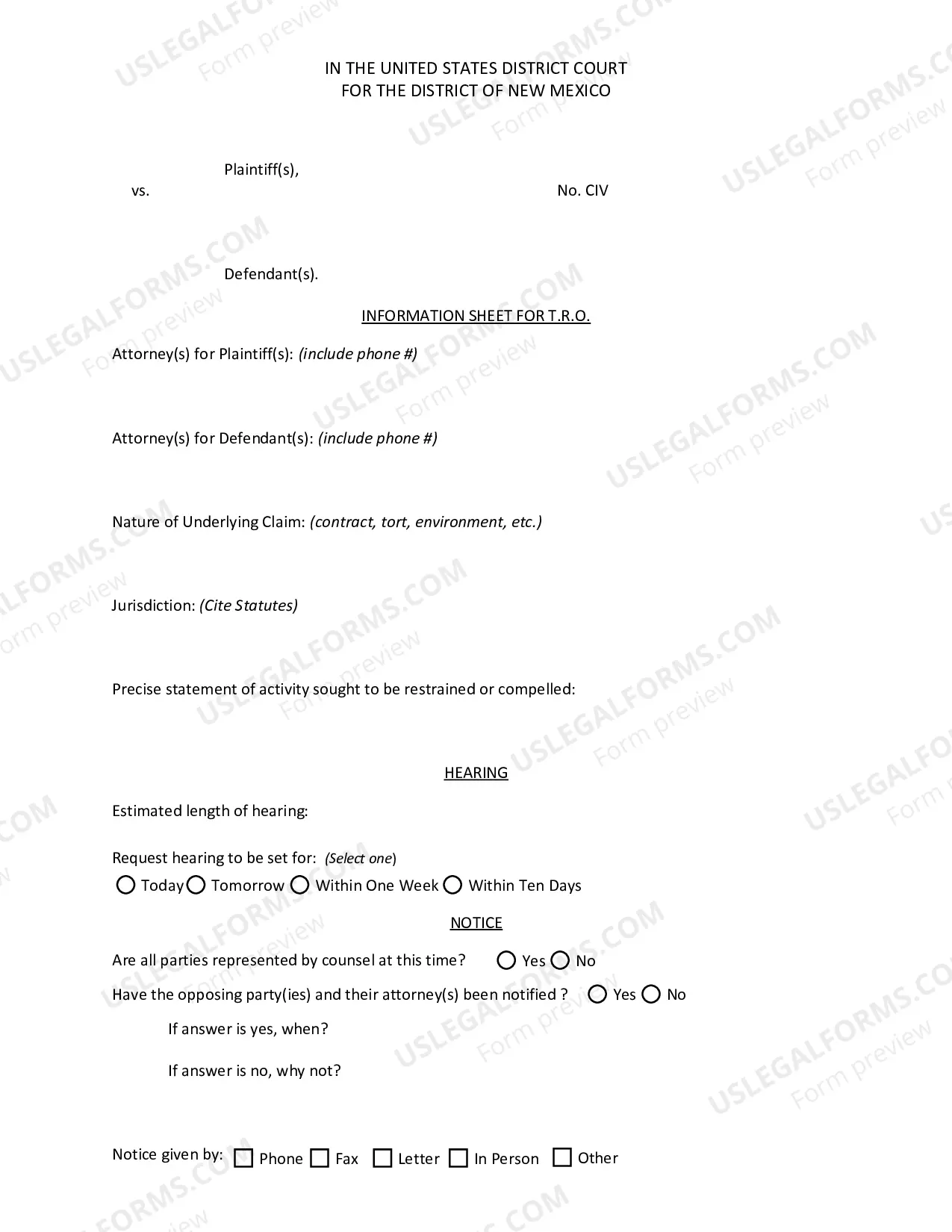
This Sample Complaint for Temporary Restraining Order is a legal document used to request immediate court intervention to prevent a contractor from entering your property. This form is designed for situations where a contractor has violated court orders or agreements, providing the necessary basis for requesting both temporary and permanent restraining orders. It is essential to adapt this form to your specific circumstances and applicable state laws.
Key components of this form
- Jurisdiction statement: Establishes the courtâs authority over the parties involved.
- Evidence of previous court orders: References any existing rulings that support your case.
- Allegations of non-compliance: Details how the contractor failed to adhere to the court's previous orders or agreements.
- Request for relief: Clearly states what the plaintiff is asking the court to do, including restraining orders and compensation for legal fees.
- Signature and date fields: Required for official submission and validation of the complaint.



Common use cases
This form should be used when a contractor is disregarding prior court orders related to their work on your premises. It's particularly relevant in situations where you need to immediately prevent further encroachment or work by the contractor to protect your property or comply with legal agreements.
Intended users of this form
- Property owners or managers facing issues with contractors.
- Individuals or businesses who have obtained a previous court order concerning contractor behavior.
- Those who need emergency court intervention to secure their property from violating contractors.
Instructions for completing this form
- Identify the parties involved: Clearly state the names and roles of the plaintiff and defendant.
- Specify the previous court order: Include details about the order that the contractor has violated.
- Detail the violations: Clearly outline how the contractor has failed to comply with the court order.
- Indicate the requested relief: Clearly state what you are asking the court to do.
- Sign and date the form: Ensure the form is signed by the plaintiff or their authorized representative.
Notarization guidance
This form does not typically require notarization unless specified by local law.
Get your form ready online
Our built-in tools help you complete, sign, share, and store your documents in one place.
Make edits, fill in missing information, and update formatting in US Legal Forms—just like you would in MS Word.
Download a copy, print it, send it by email, or mail it via USPS—whatever works best for your next step.
Sign and collect signatures with our SignNow integration. Send to multiple recipients, set reminders, and more. Go Premium to unlock E-Sign.
If this form requires notarization, complete it online through a secure video call—no need to meet a notary in person or wait for an appointment.
We protect your documents and personal data by following strict security and privacy standards.

Make edits, fill in missing information, and update formatting in US Legal Forms—just like you would in MS Word.

Download a copy, print it, send it by email, or mail it via USPS—whatever works best for your next step.

Sign and collect signatures with our SignNow integration. Send to multiple recipients, set reminders, and more. Go Premium to unlock E-Sign.

If this form requires notarization, complete it online through a secure video call—no need to meet a notary in person or wait for an appointment.

We protect your documents and personal data by following strict security and privacy standards.
Common mistakes to avoid
- Failing to properly identify the parties involved in the complaint.
- Neglecting to include specific details of prior court orders.
- Not clearly outlining the contractor's violations.
- Overlooking required signatures or dates.
Why complete this form online
- Immediate access: Download the form instantly to begin your legal proceedings.
- Editability: Customize the form to fit your specific situation and state laws easily.
- Reliability: Forms are drafted by licensed attorneys to ensure legal validity.
Legal use & context
This form is designed to seek judicial relief and is enforceable if properly completed and filed. It should be used respectfully and in accordance with state laws regarding restraining orders and contempt proceedings.
Quick recap
- The form serves to seek protection from a contractor violating previous agreements.
- Ensure the form is tailored to your local jurisdiction's specific laws.
- Carefully complete all sections to avoid delays in legal proceedings.
Looking for another form?
Form popularity
FAQ
This form is used to request immediate court intervention to prevent a contractor from entering your property and to pursue temporary and permanent restraining relief when the contractor has violated orders or agreements. It should be adapted to your specific circumstances and the relevant state laws. It relies on a jurisdiction statement, evidence of prior orders, non‑compliance allegations, a relief request, and signature/date fields.
Property owners or managers facing issues with a contractor; individuals or businesses who have a previous court order concerning contractor behavior; and those who need emergency court intervention to secure their property from violating contractors. This form is intended for real-world situations requiring quick action to stop ongoing trespass or work while protecting legal rights.
This form should be used when a contractor disregards prior court orders related to work on your premises and you need immediate relief to stop further encroachment or work, to protect your property, and to enforce any agreements. It is designed for emergency scenarios requiring swift court action.
The form includes a jurisdiction statement establishing the court's authority; evidence of any previous court orders; allegations detailing how the contractor has failed to comply; a clearly stated request for relief (including restraining orders and legal-fee recovery); and signature and date fields for submission.
You can request restraining orders and related relief, including compensation for legal fees, as part of the relief requested. The form is designed to adapt to applicable state laws to fit the specific contractor dispute and property protection needs. Consult a licensed attorney for tailored guidance.
This form is tailored specifically to disputes with a contractor and protecting a premises. It emphasizes enforcing prior orders, presenting evidence of non-compliance, and a focused relief request for property protection, which distinguishes it from a generic temporary restraining order filing.