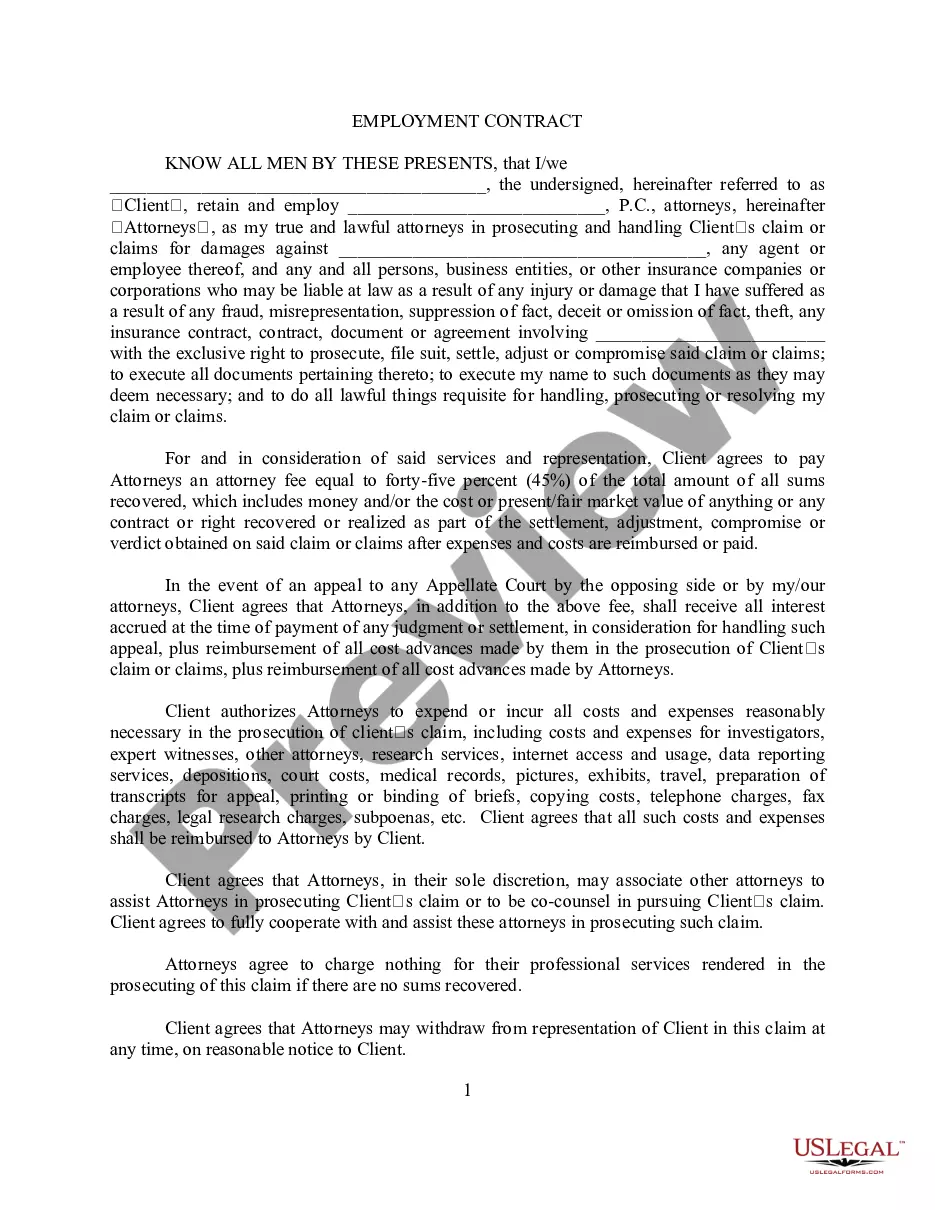
Ohio Coronavirus COVID-19 Family Planning Package
Understanding this form package
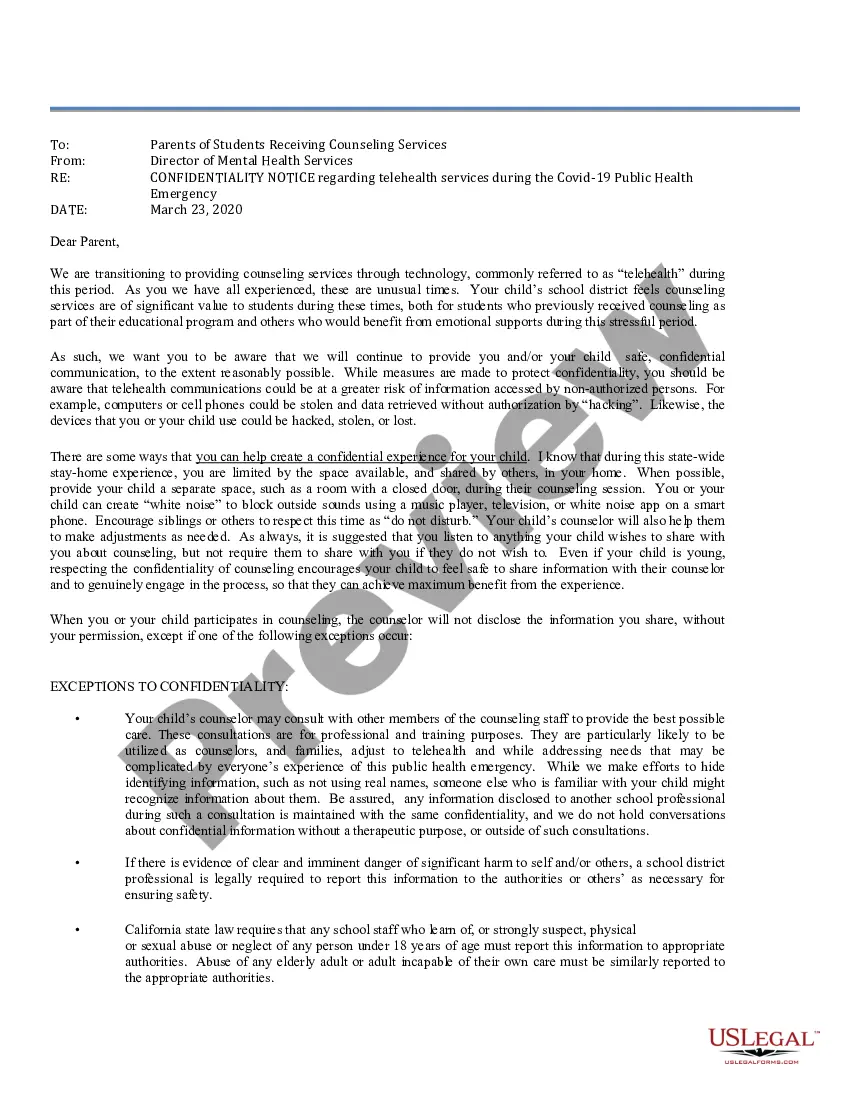
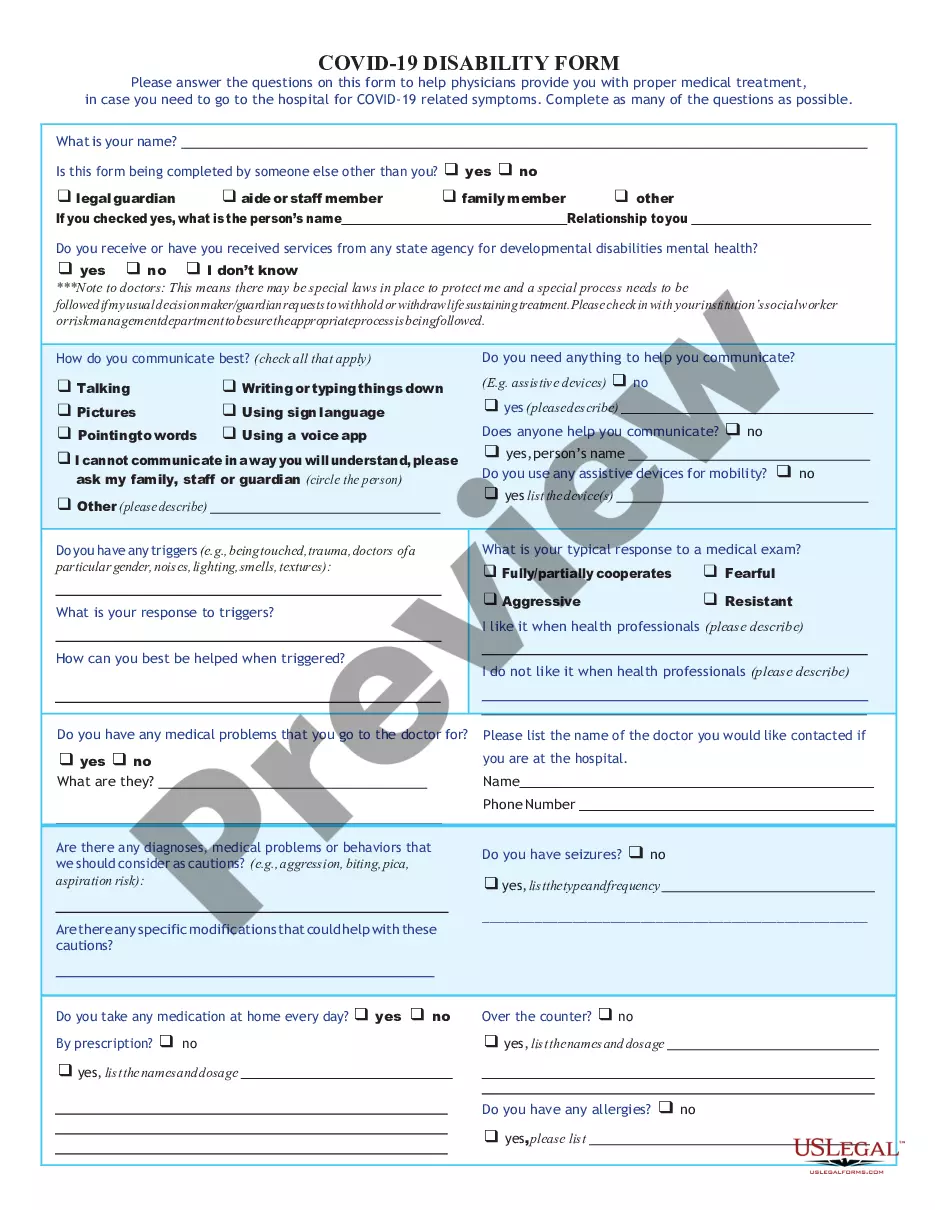
The Ohio Coronavirus COVID-19 Family Planning Package provides a comprehensive set of legal documents designed to help individuals and families prepare for uncertain situations related to health crises, such as the COVID-19 pandemic. Unlike other form packages, this one is specifically tailored to address the legal needs arising from health emergencies, ensuring you have the essential life documents ready for use in Ohio.
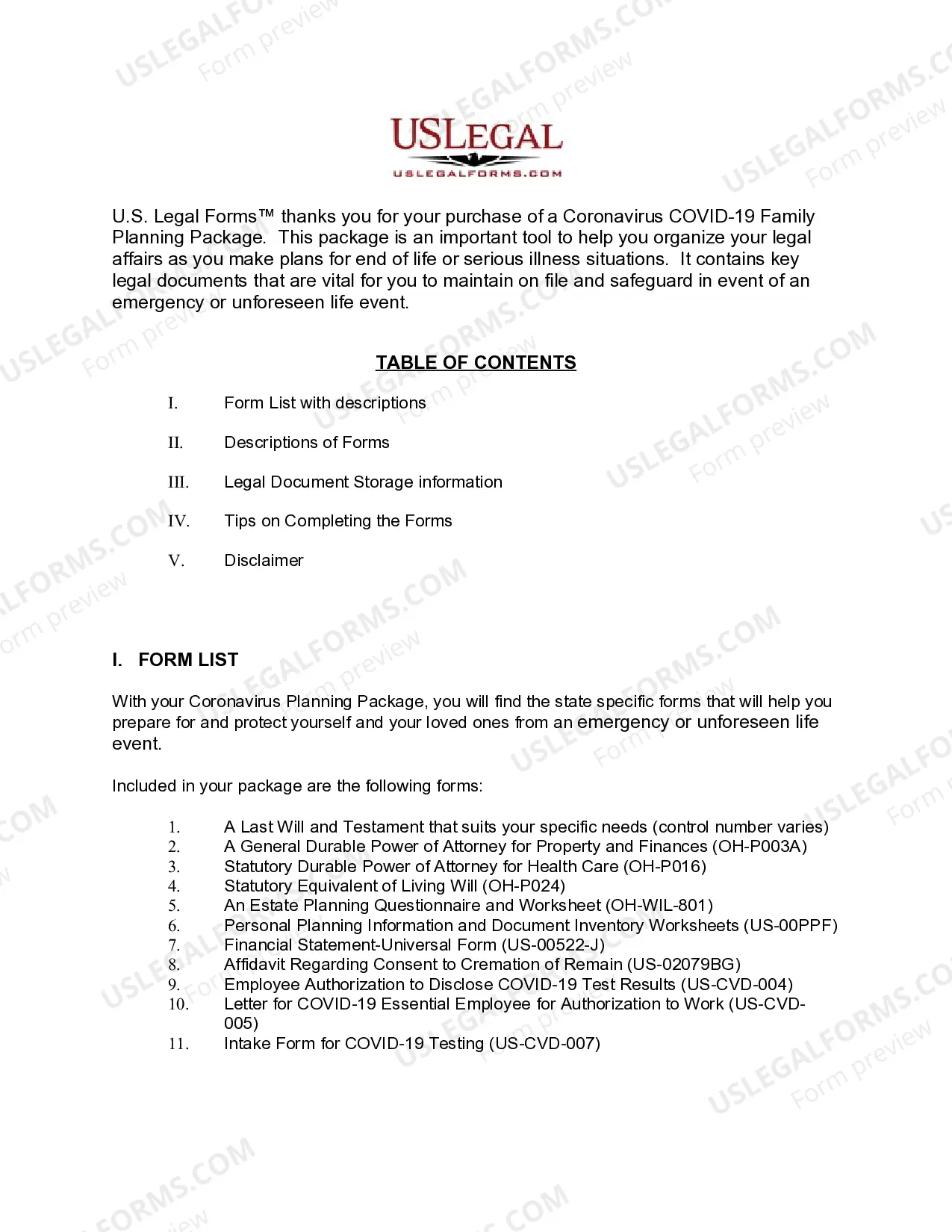
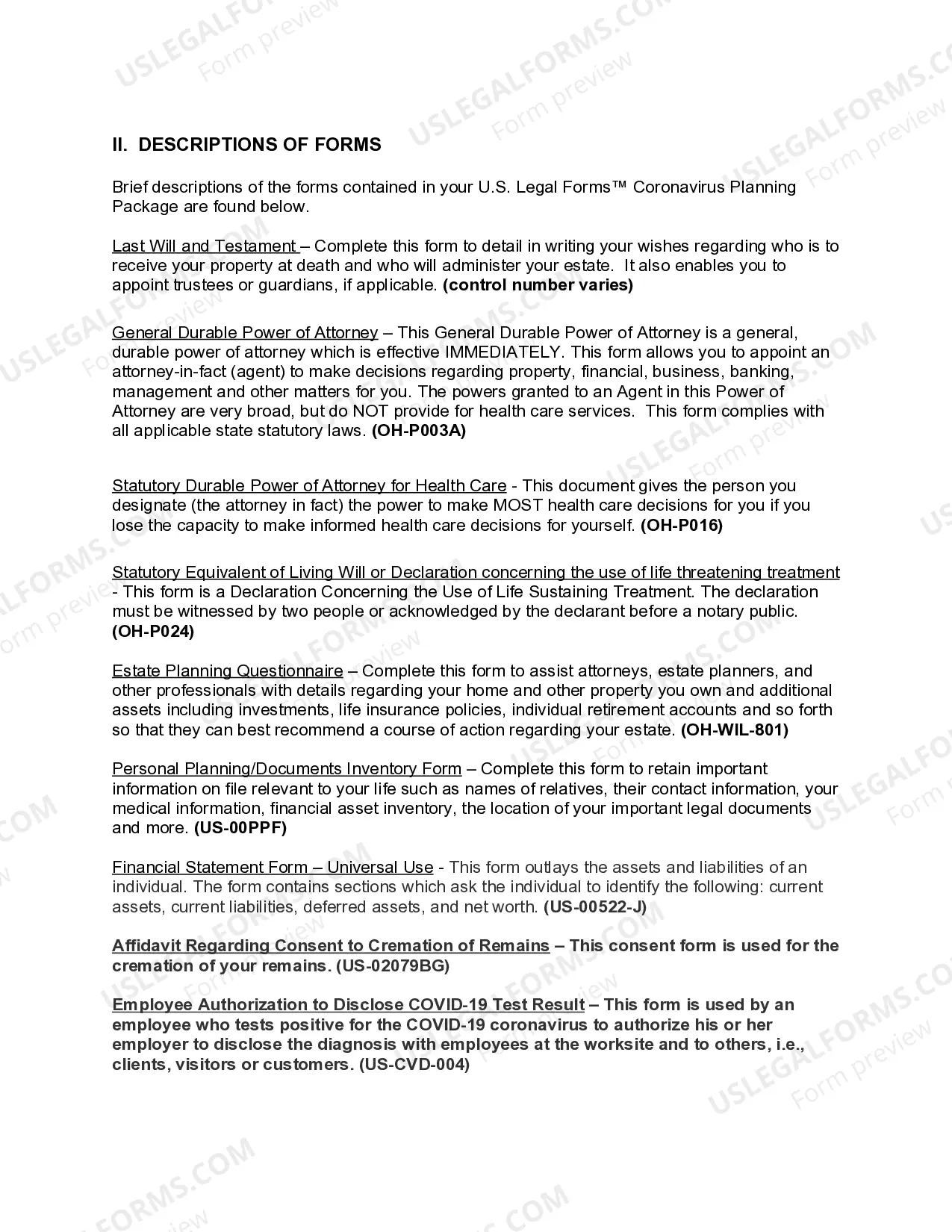
Forms included in this package
- Employee Authorization to Disclose COVID-19 Coronavirus Test Result
- General Durable Power of Attorney for Property and Finances or Financial Effective Immediately
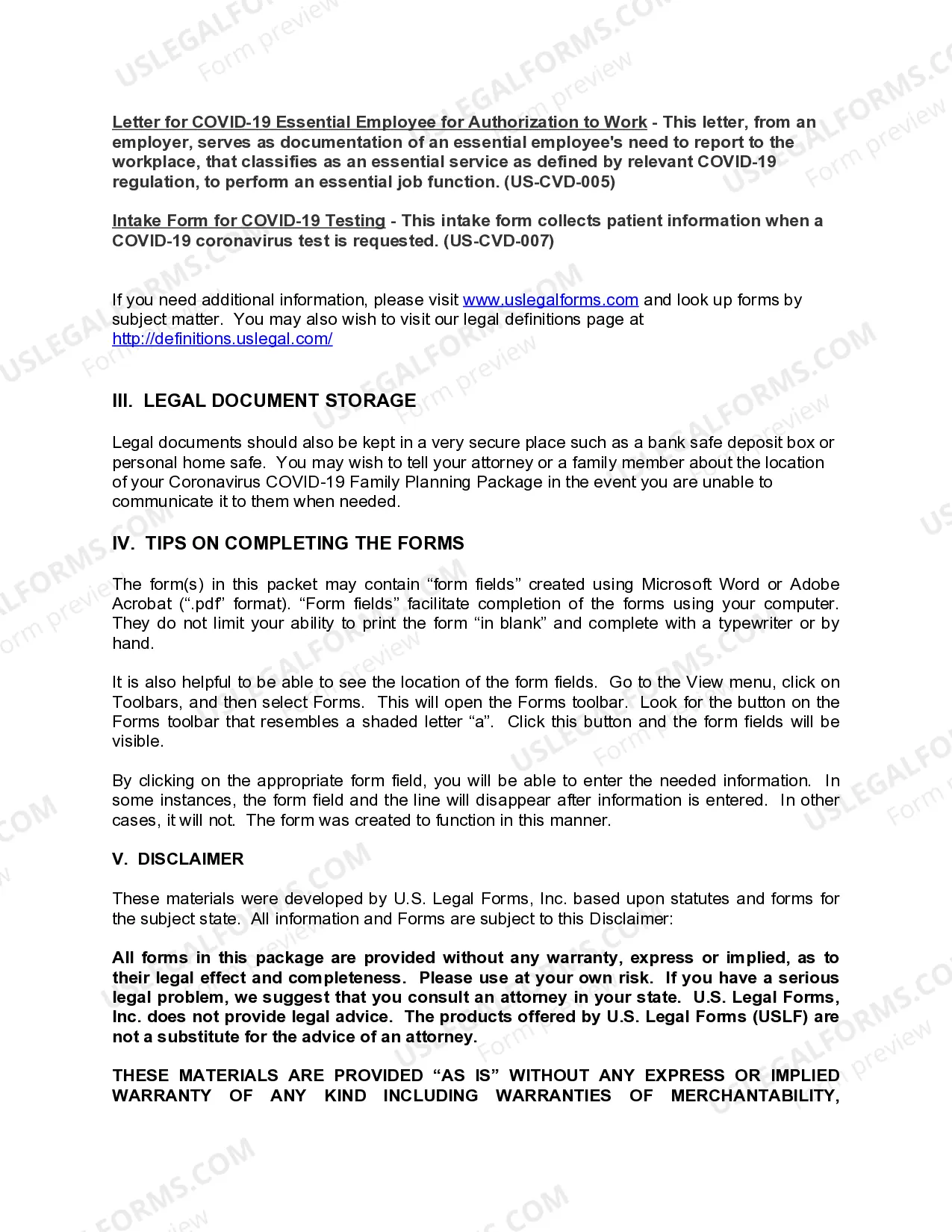
- Letter for COVID-19 Coronavirus Essential Employee Authorization to Work
- Durable Power of Attorney for Health Care
- Ohio Coronavirus COVID-19 Family Planning Package
- Financial Statement Form - Universal Use
- Living Will or Declaration concerning the use of life sustaining treatment
- Estate Planning Questionnaire and Worksheets
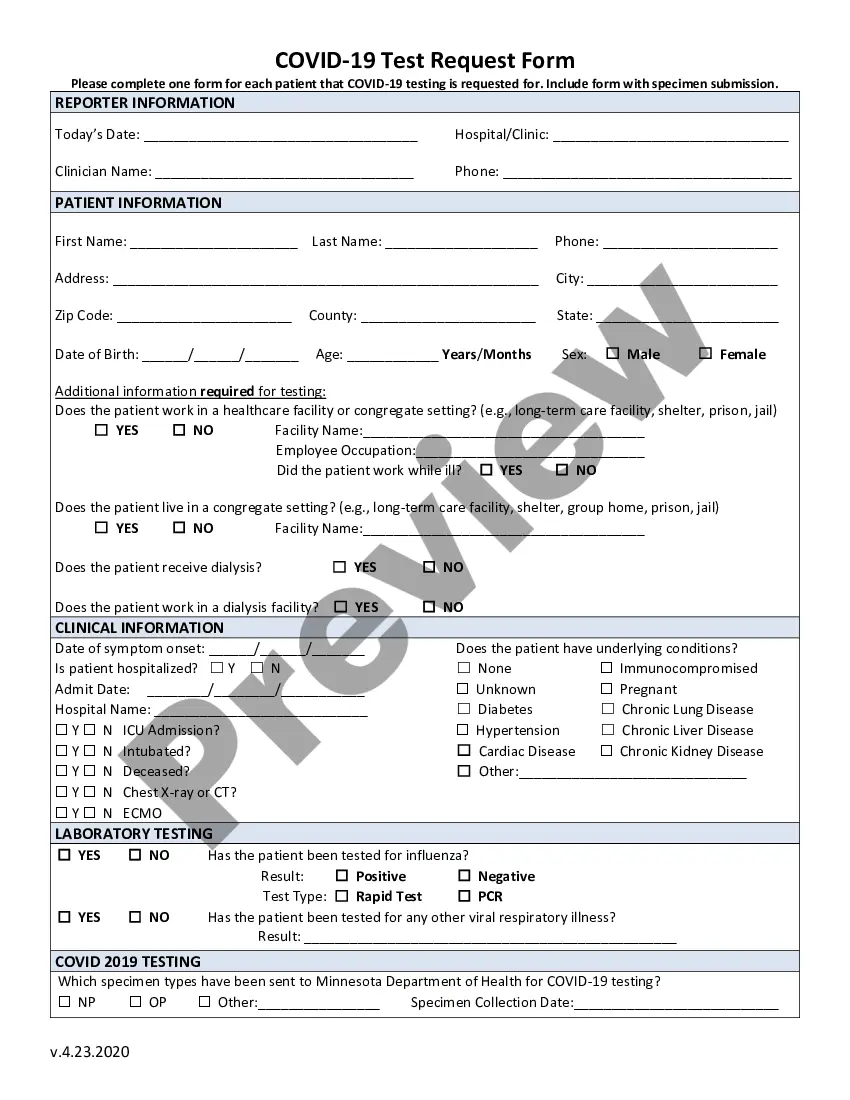
- Intake form for COVID-19 Coronavirus Testing
- Personal Planning Information and Document Inventory Worksheets - A Legal Life Document
- Affidavit Regarding Consent to Cremation of Remains

Common use cases
This package is crucial in various real-world scenarios, including:
- Developing an estate plan to ensure your wishes are honored in case of serious illness or death.
- Designating someone to make financial and health care decisions if you become incapacitated.
- Preparing for children's care and emergencies, particularly for grandparents or caregivers.
- Organizing important personal information and legal documents for quick access in emergencies.
Who can use this document
- Individuals and families in Ohio seeking to create legal documents for end-of-life planning.
- Parents or guardians who wish to authorize caretakers for their children.
- Anyone needing to assign powers of attorney for financial and health care decisions.
- People preparing to document their personal planning information and estate details.
Instructions for completing these forms
- Review each included document to understand its purpose and requirements.
- Gather necessary personal and financial information needed for completion.
- Fill out the forms using the provided fields or by hand as you prefer.
- Ensure that all forms are signed where required, possibly in the presence of a notary.
- Store the completed documents securely and inform trusted family members of their location.
Notarization requirements for forms in this package
Yes, some forms in this package must be notarized to be legally valid. This typically includes the Last Will and some powers of attorney. U.S. Legal Forms offers integrated online notarization services, providing secure video calls with licensed notaries at your convenience, eliminating the need for travel.
Get your form ready online
Our built-in tools help you complete, sign, share, and store your documents in one place.
Make edits, fill in missing information, and update formatting in US Legal Forms—just like you would in MS Word.
Download a copy, print it, send it by email, or mail it via USPS—whatever works best for your next step.
Sign and collect signatures with our SignNow integration. Send to multiple recipients, set reminders, and more. Go Premium to unlock E-Sign.
If this form requires notarization, complete it online through a secure video call—no need to meet a notary in person or wait for an appointment.
We protect your documents and personal data by following strict security and privacy standards.

Make edits, fill in missing information, and update formatting in US Legal Forms—just like you would in MS Word.

Download a copy, print it, send it by email, or mail it via USPS—whatever works best for your next step.

Sign and collect signatures with our SignNow integration. Send to multiple recipients, set reminders, and more. Go Premium to unlock E-Sign.

If this form requires notarization, complete it online through a secure video call—no need to meet a notary in person or wait for an appointment.

We protect your documents and personal data by following strict security and privacy standards.
Avoid these common issues
- Failing to sign forms where required, which can invalidate the documents.
- Not keeping the documents in a secure and accessible location.
- Overlooking the need for witnesses or notarization when specified.
- Forgetting to update documents after significant life events (e.g., marriage, divorce).
Why complete this package online
- Convenience of immediate download, allowing you to access necessary documents quickly.
- Editability for forms that permit online completion, making it easier to ensure accuracy.
- Reliability of attorney-drafted documents tailored to state regulations.
- Peace of mind knowing your legal affairs are organized and ready for any situation.
Looking for another form?
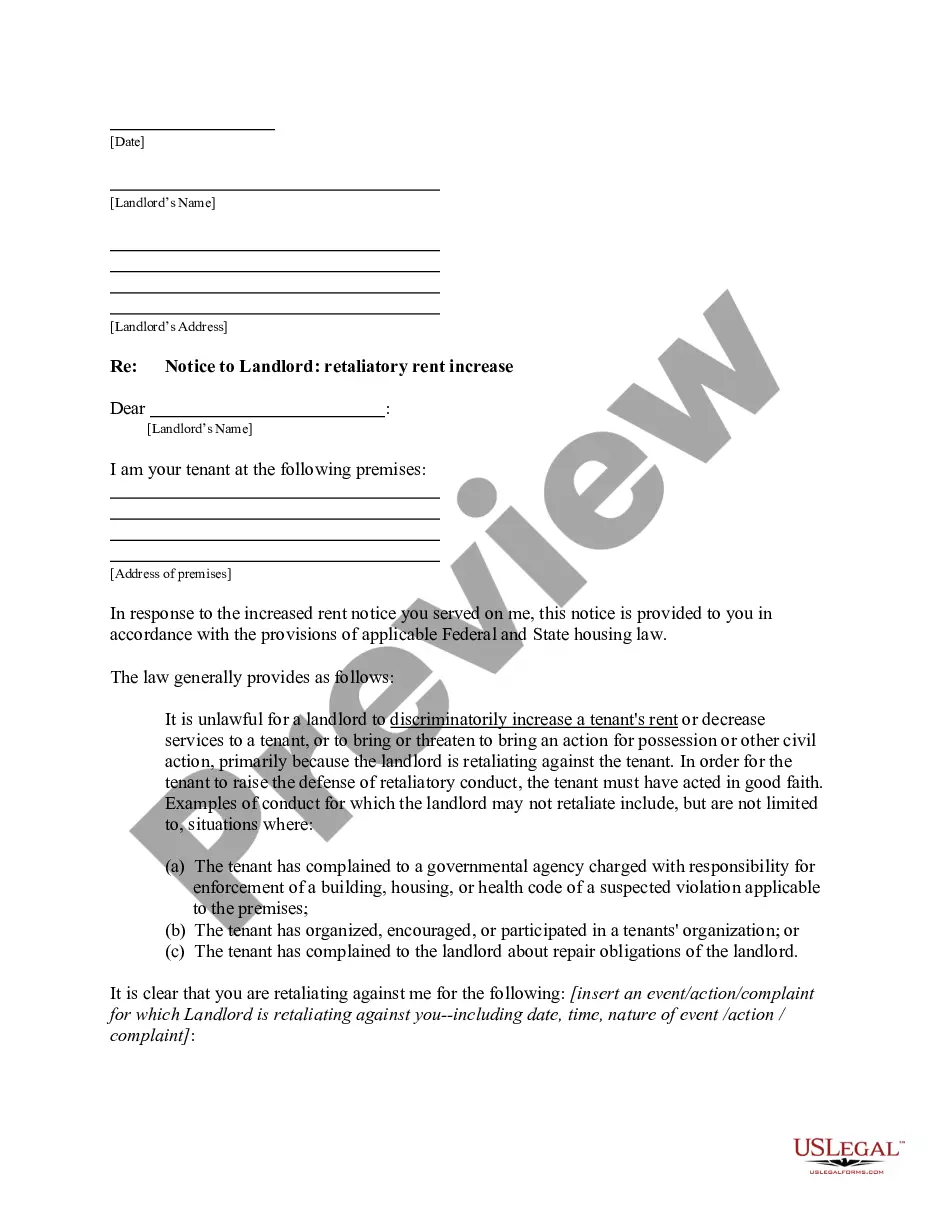

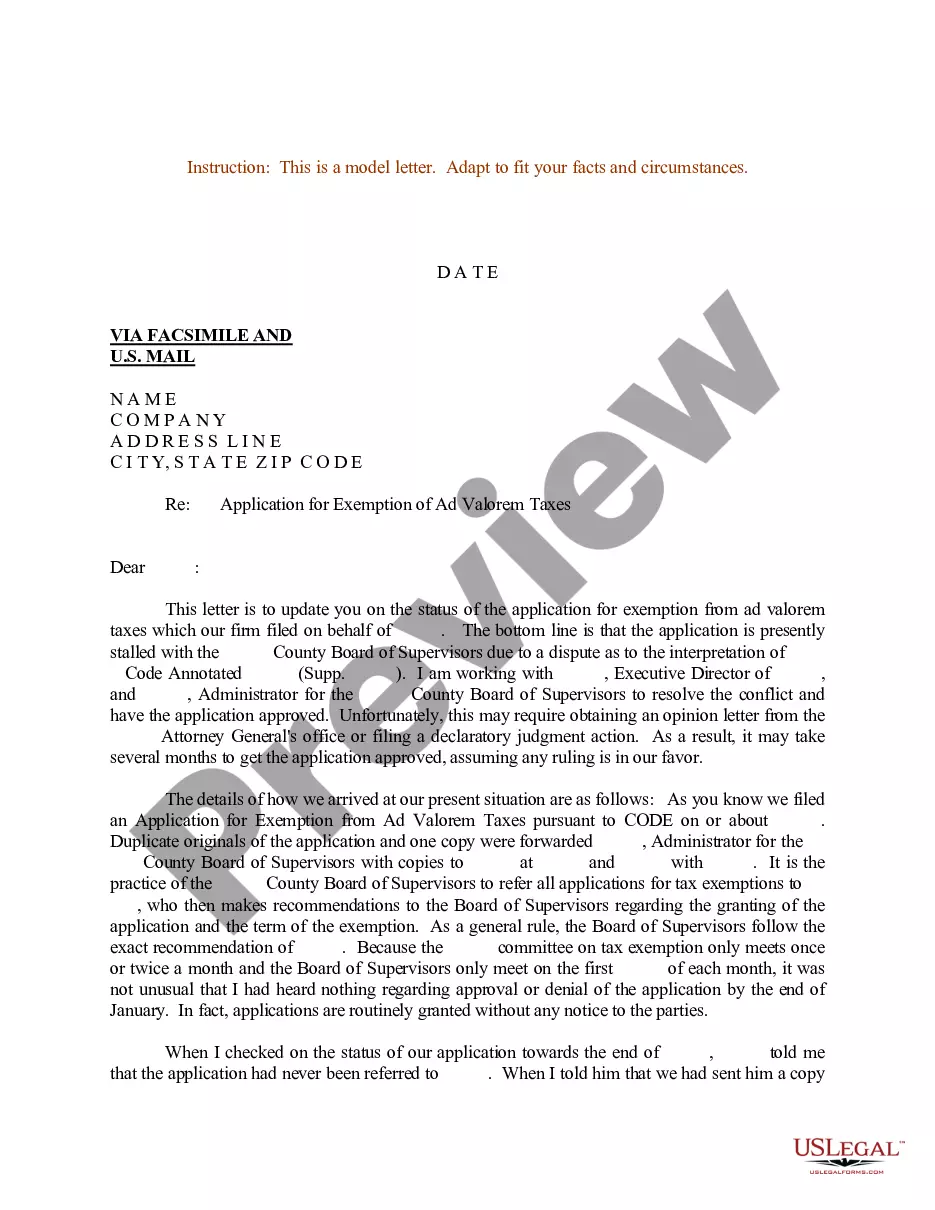
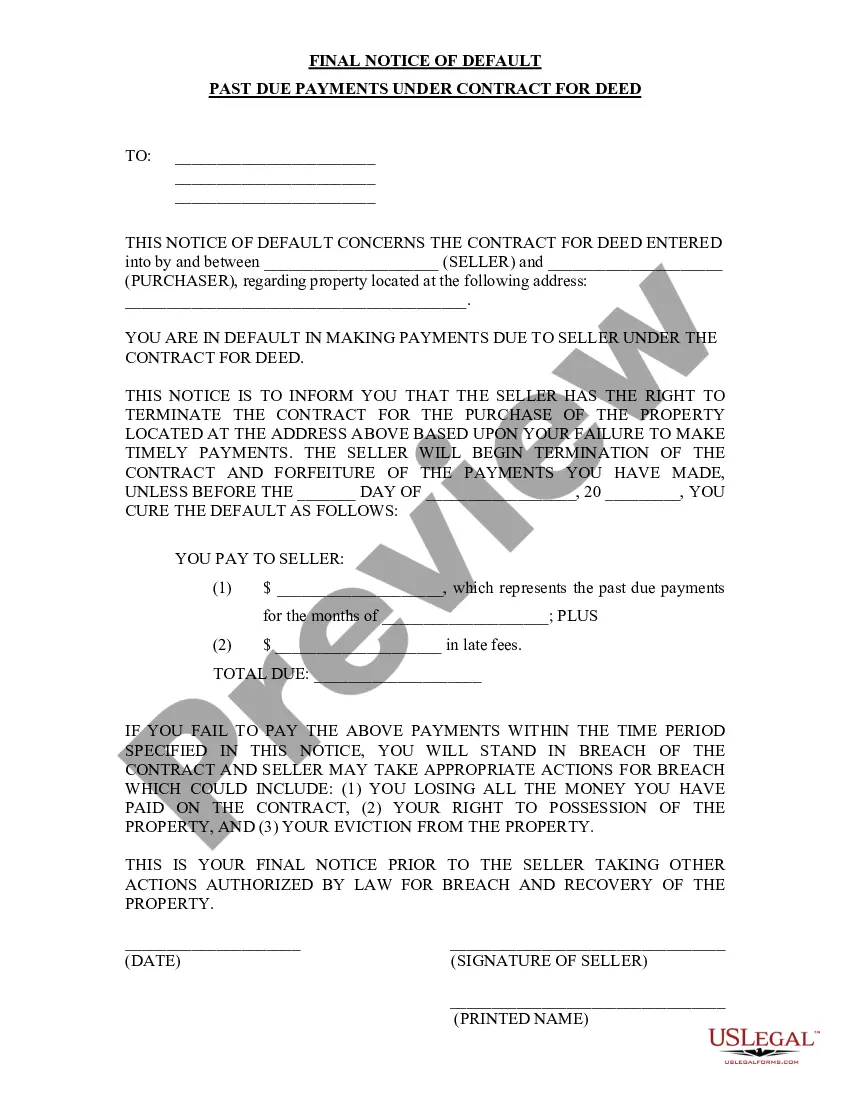
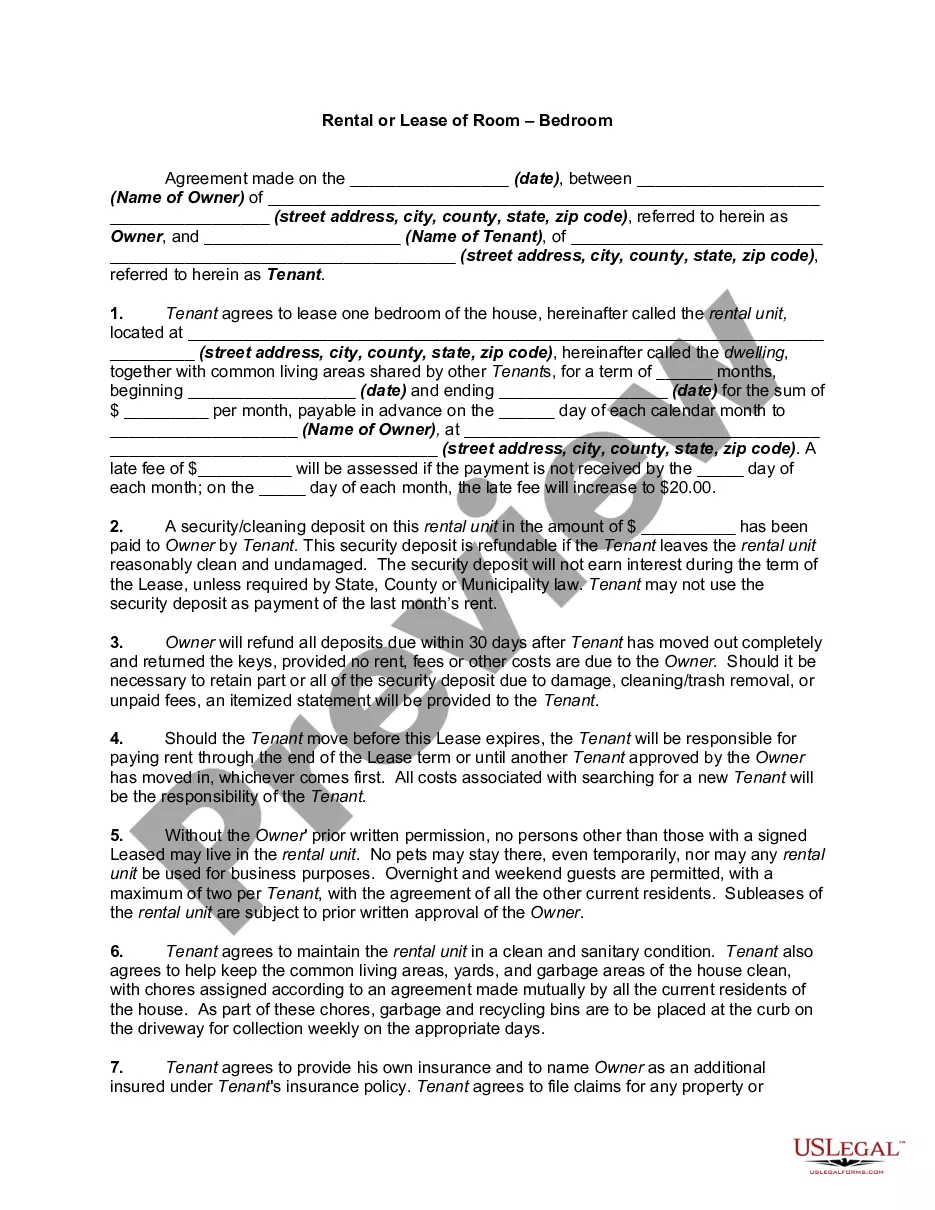
Form popularity
FAQ
Children of all ages can become ill with coronavirus disease 2019 (COVID-19). But most kids who are infected typically don't become as sick as adults and some might not show any symptoms at all.
For answers to your COVID-19 questions, call 1-833-4-ASK-ODH (1-833-427-5634).
Most public outdoor spaces at Ohio state parks, wildlife areas, forests, and nature preserves including trails, dog parks, docks, fishing piers, and boat ramps are open.
Ohio's April order that limits public events and private gatherings of more than 10 people is still in effect, however, there has been rampant spread of the virus as a result of banquets, wedding receptions, and social gatherings following funerals.
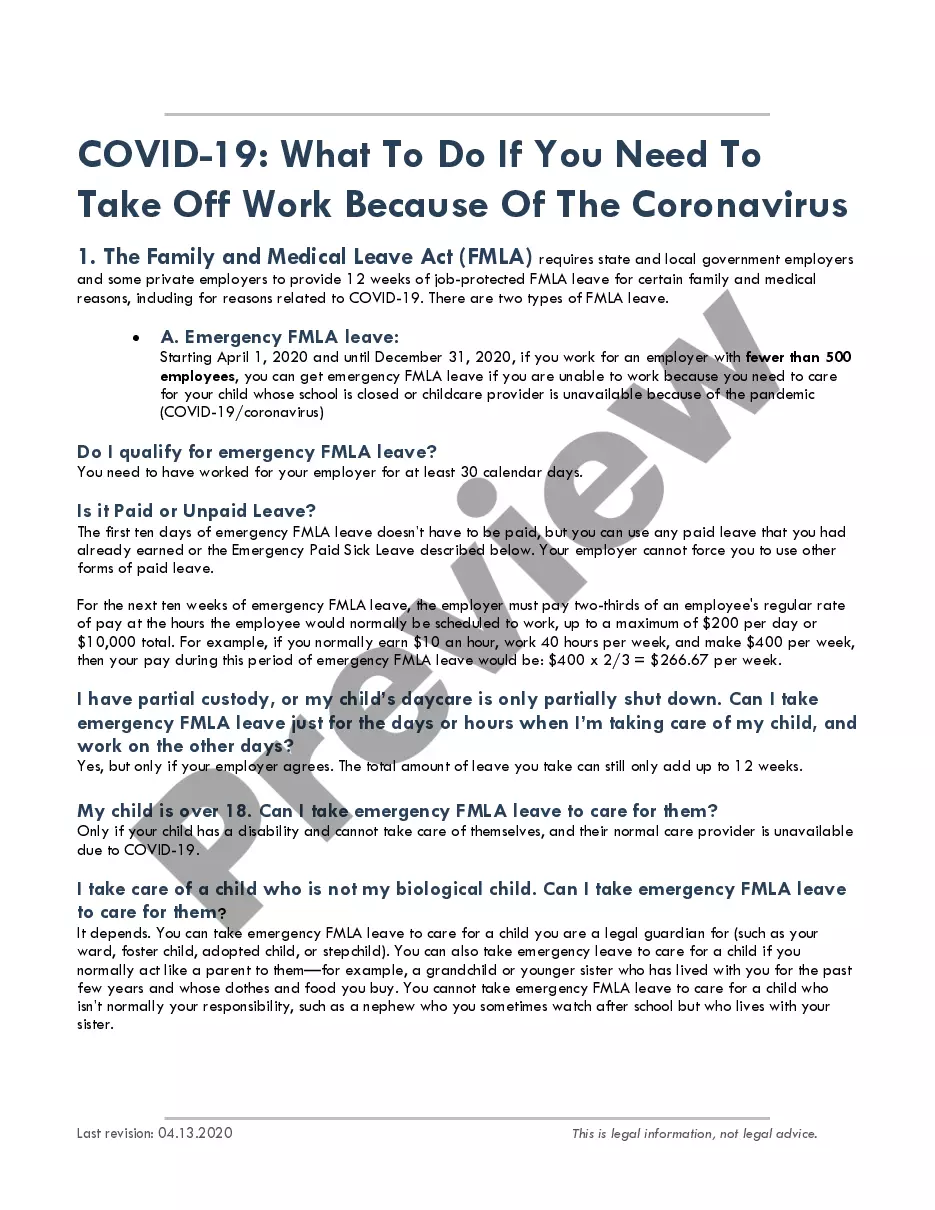
There is currently no federal law covering non-government employees who take off from work to care for healthy children, and employers are not required by federal law to provide leave to employees caring for dependents who have been dismissed from school or child care. However, given the potential for significant illness under some pandemic influenza scenarios, employers should review their leave policies to consider providing increased flexibility to their employees and their families. Remember that federal law mandates that any flexible leave policies must be administered in a manner that does not discriminate against employees because of race, color, sex, national origin, religion, age (40 and over), disability, or veteran status.
Anyone who has had close contact with someone with COVID-19 should stay home for 14 days after their last exposure to that person. The best way to protect yourself and others is to stay home for 14 days if you think you've been exposed to someone who has COVID-19.
YES! It's important to get outside but remember to go to parks that offer enough space for social distancing. You can bike, hike, fish or jog but avoid doing these activities with groups. Contact activities such as frisbee, football or other sports should only be played with immediate family members.
High profile international sporting events such as the Olympics or World Cups as well as international religious events such as the Hajj count as mass gatherings. However, lower profile conferences and events can also meet WHO2019s definition of a mass gathering. An event counts as a mass gatherings if the number of people it brings together is so large that it has the potential to strain the planning and response resources of the health system in the community where it takes place. You need to consider the location and duration of the event as well as the number of participants. For example, if the event takes place over several days in a small island state where the capacity of the health system is quite limited then even an event with just a few thousand participants could place a big strain on the health system and then be considered a mass gathering event.