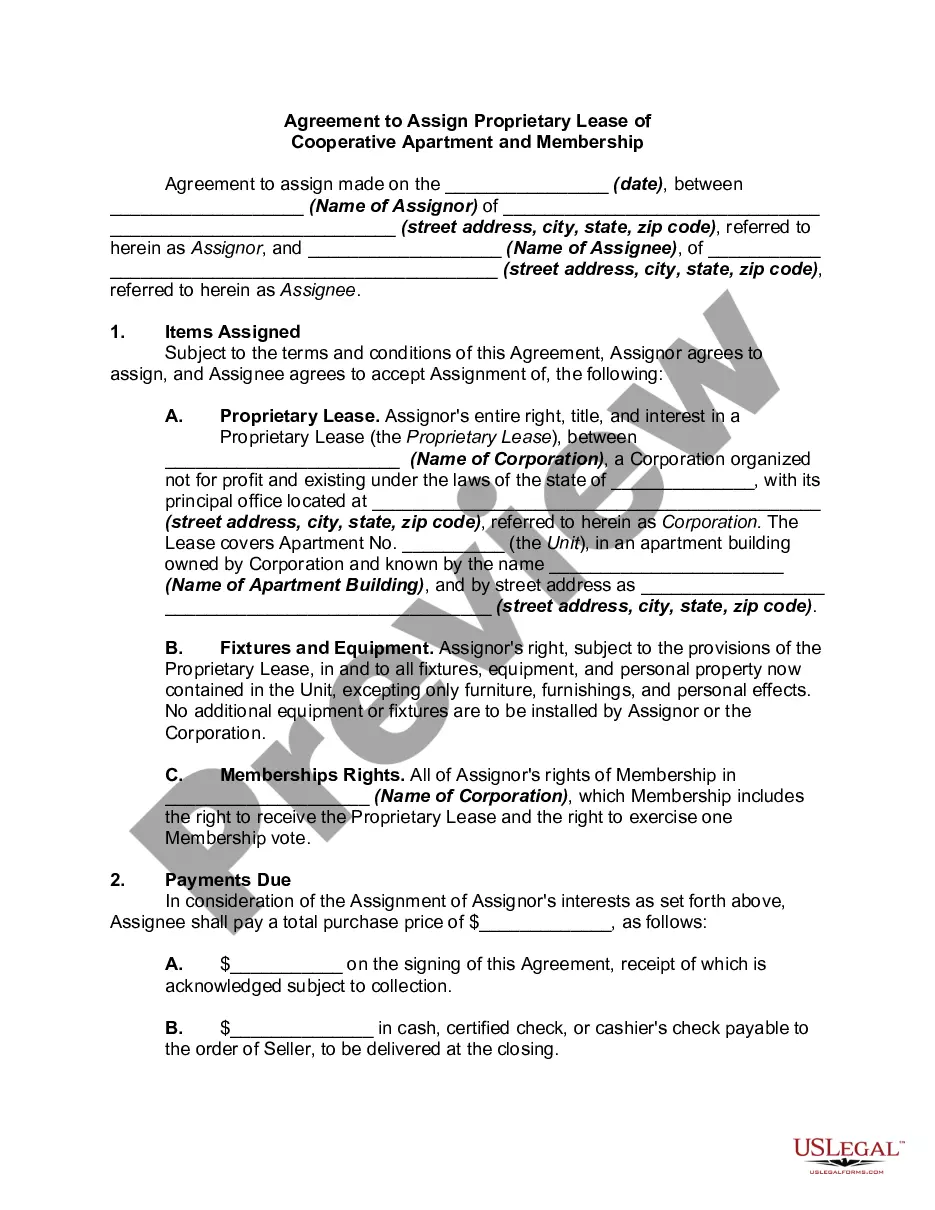
New York Fencing Contract for Contractor
About this form
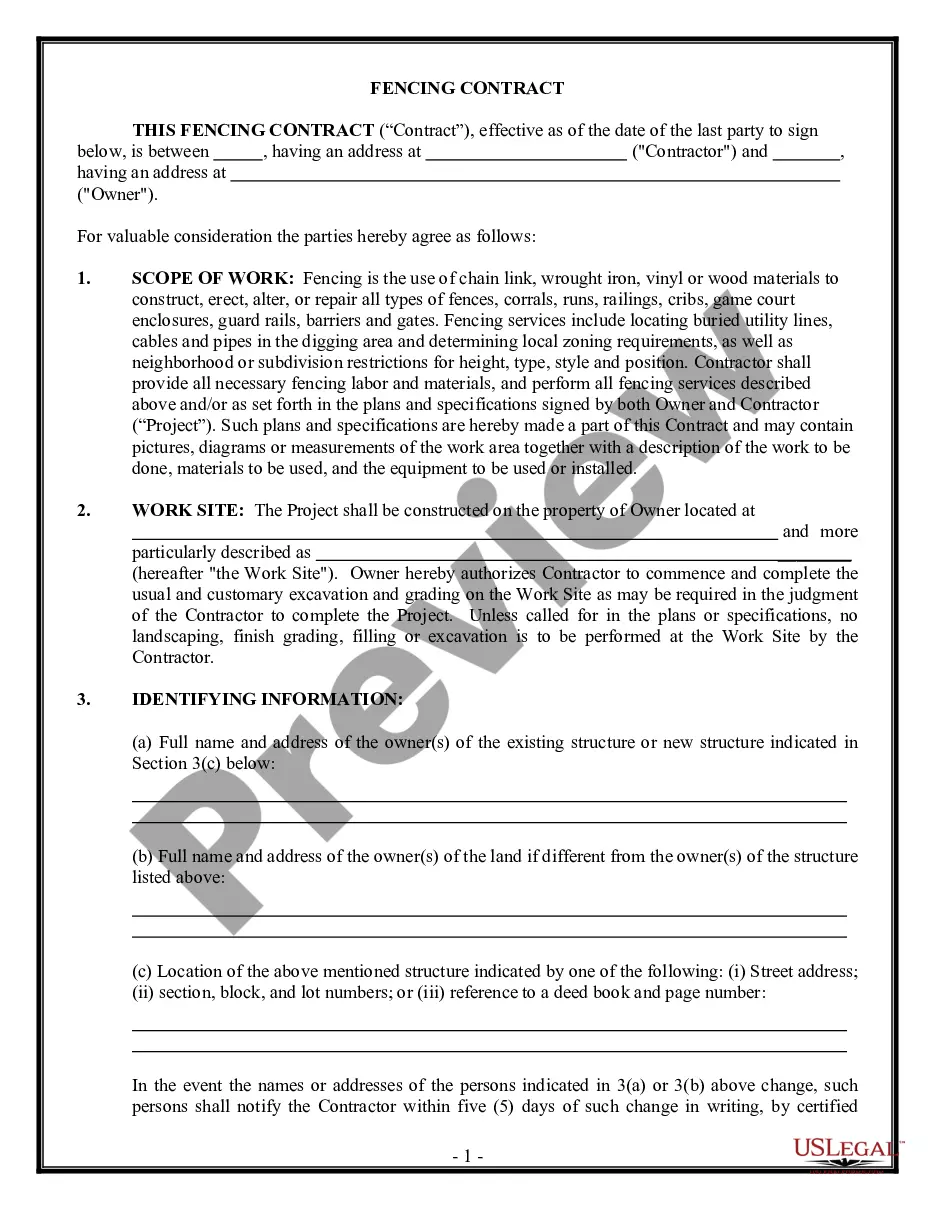
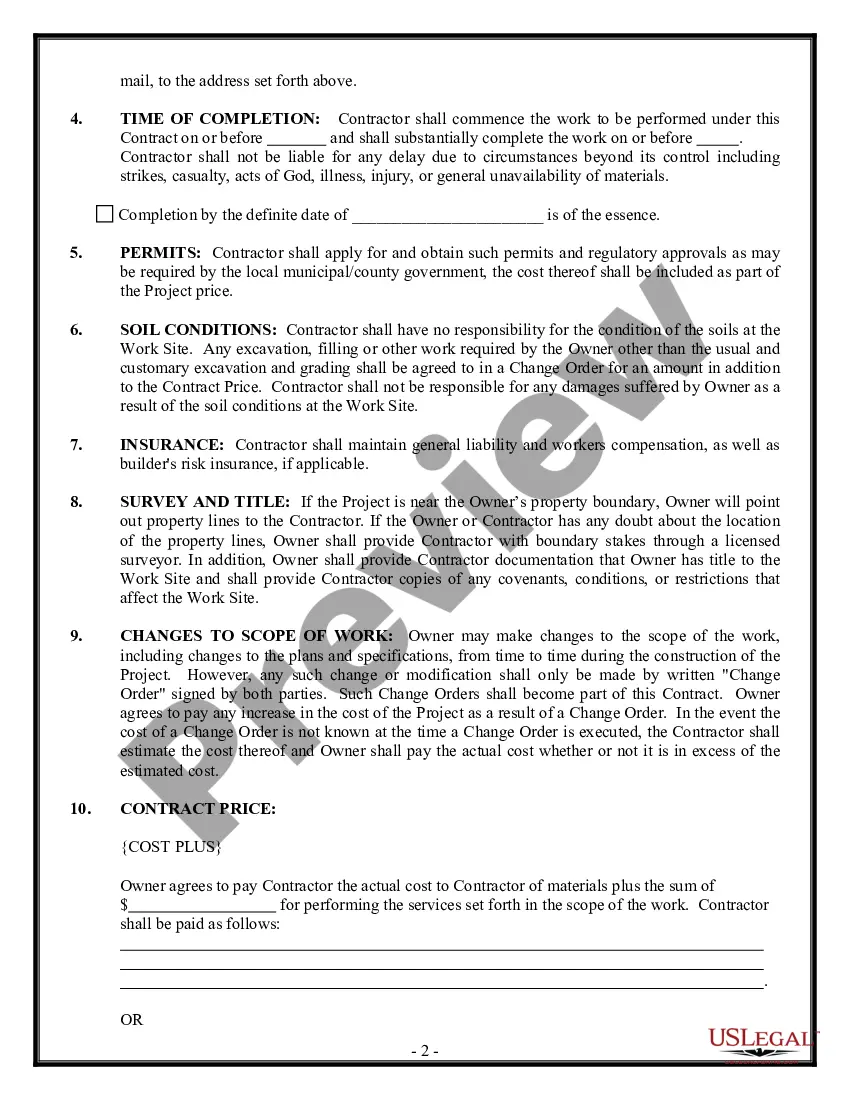
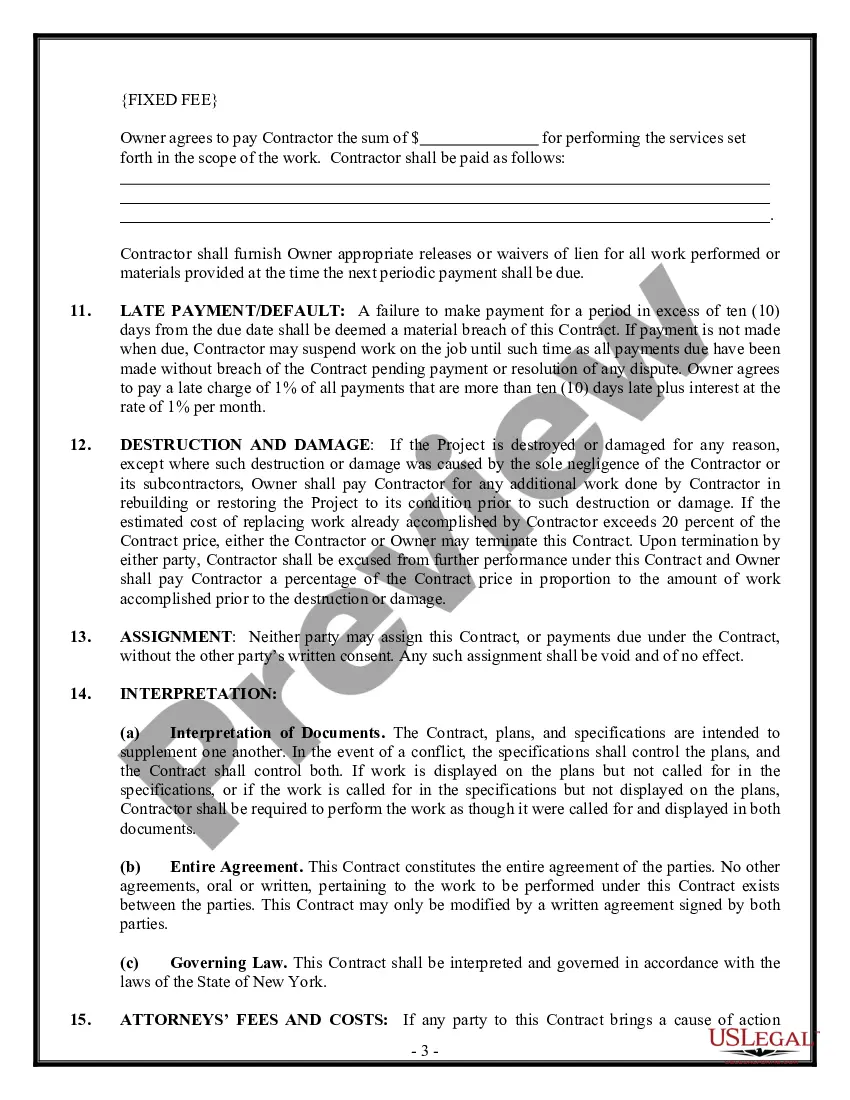
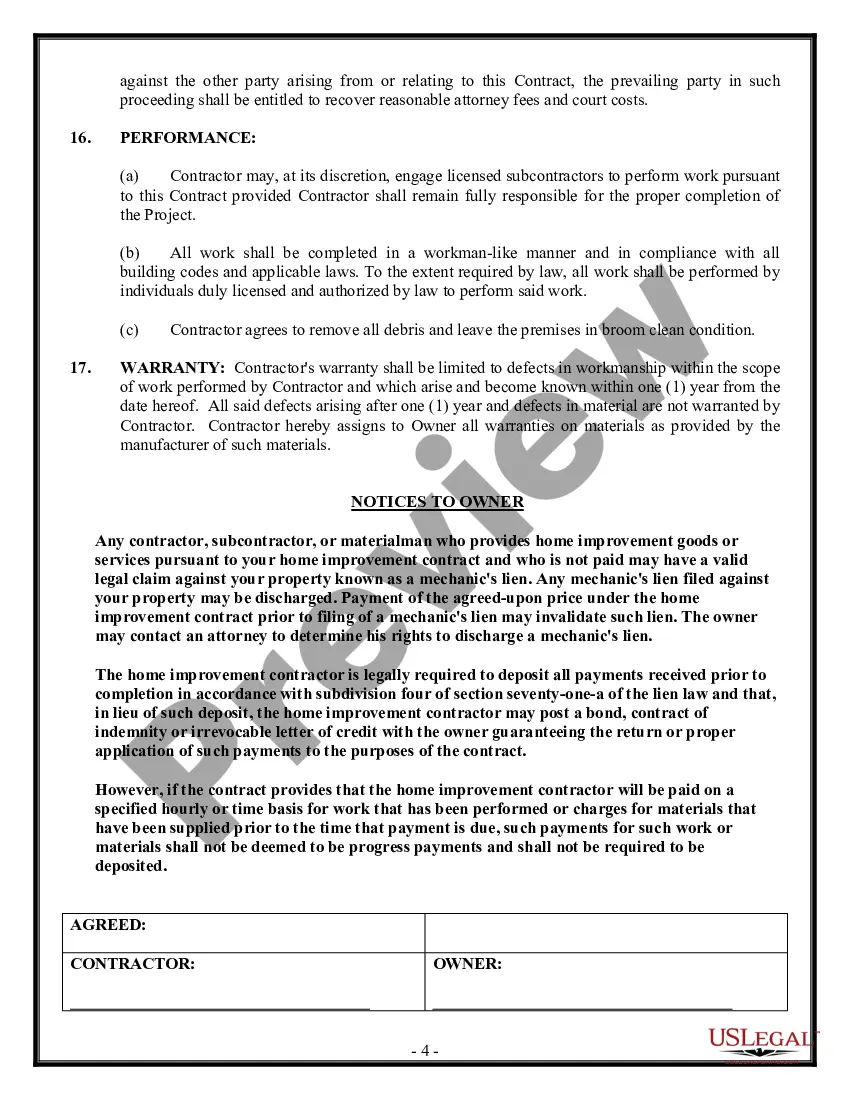
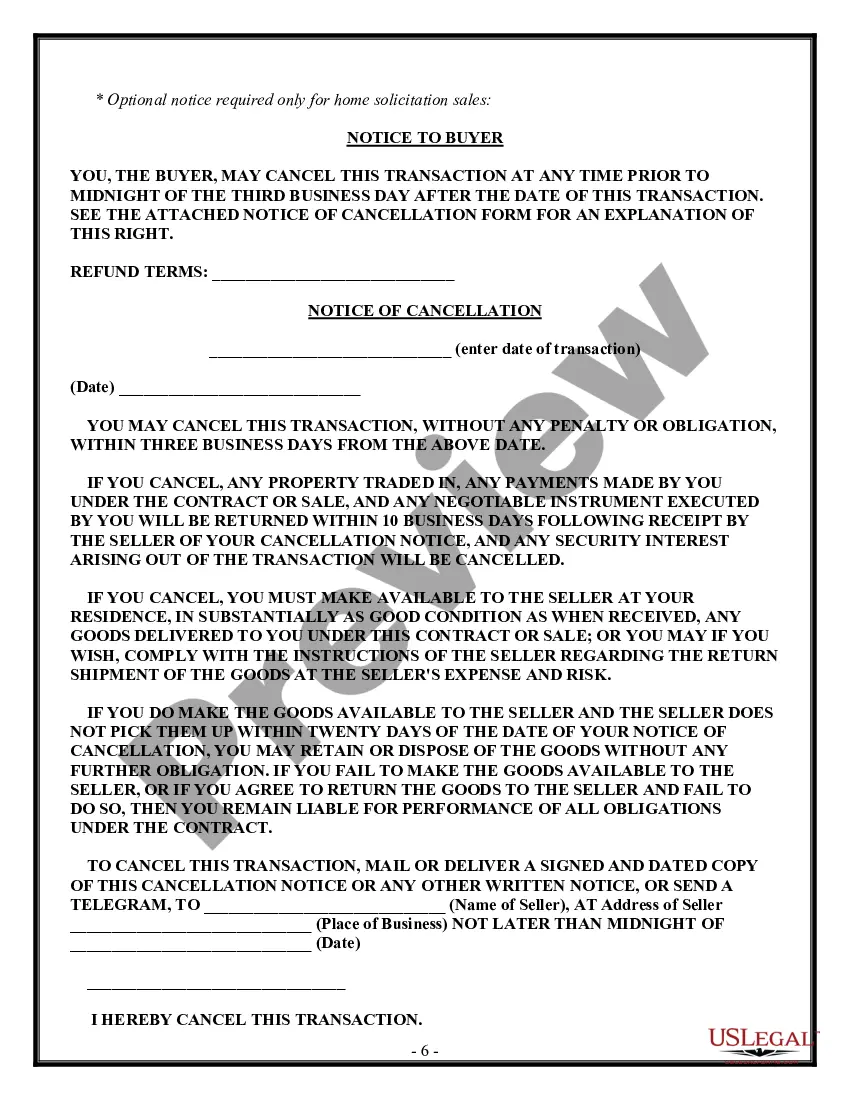
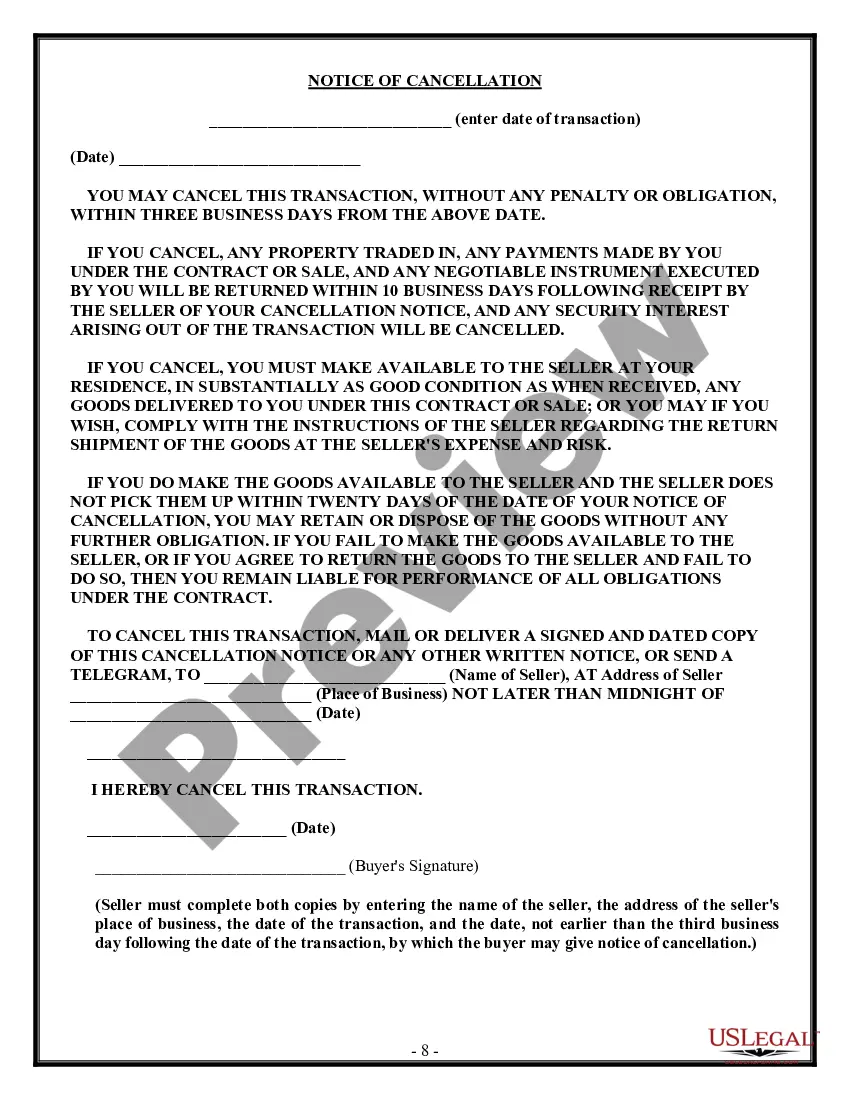
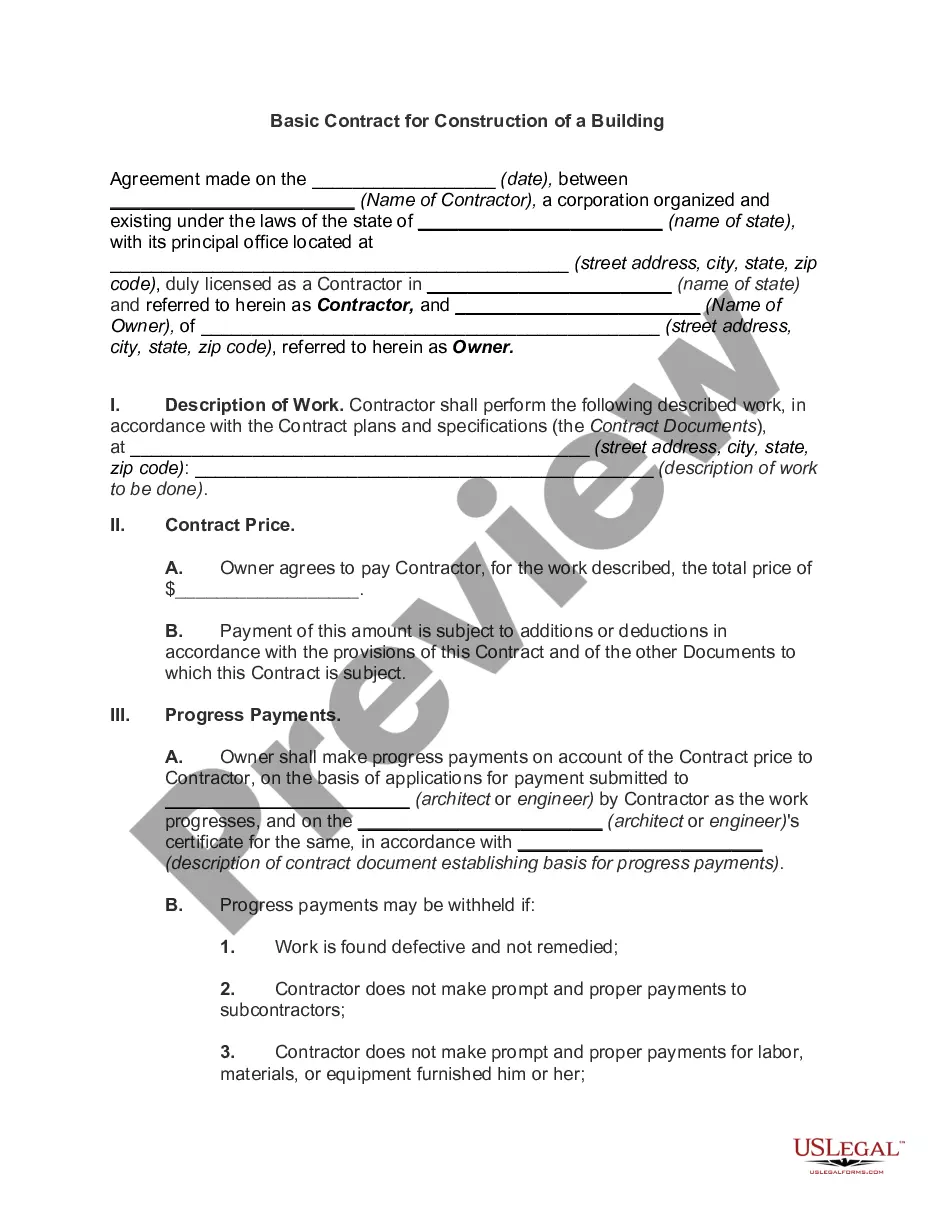
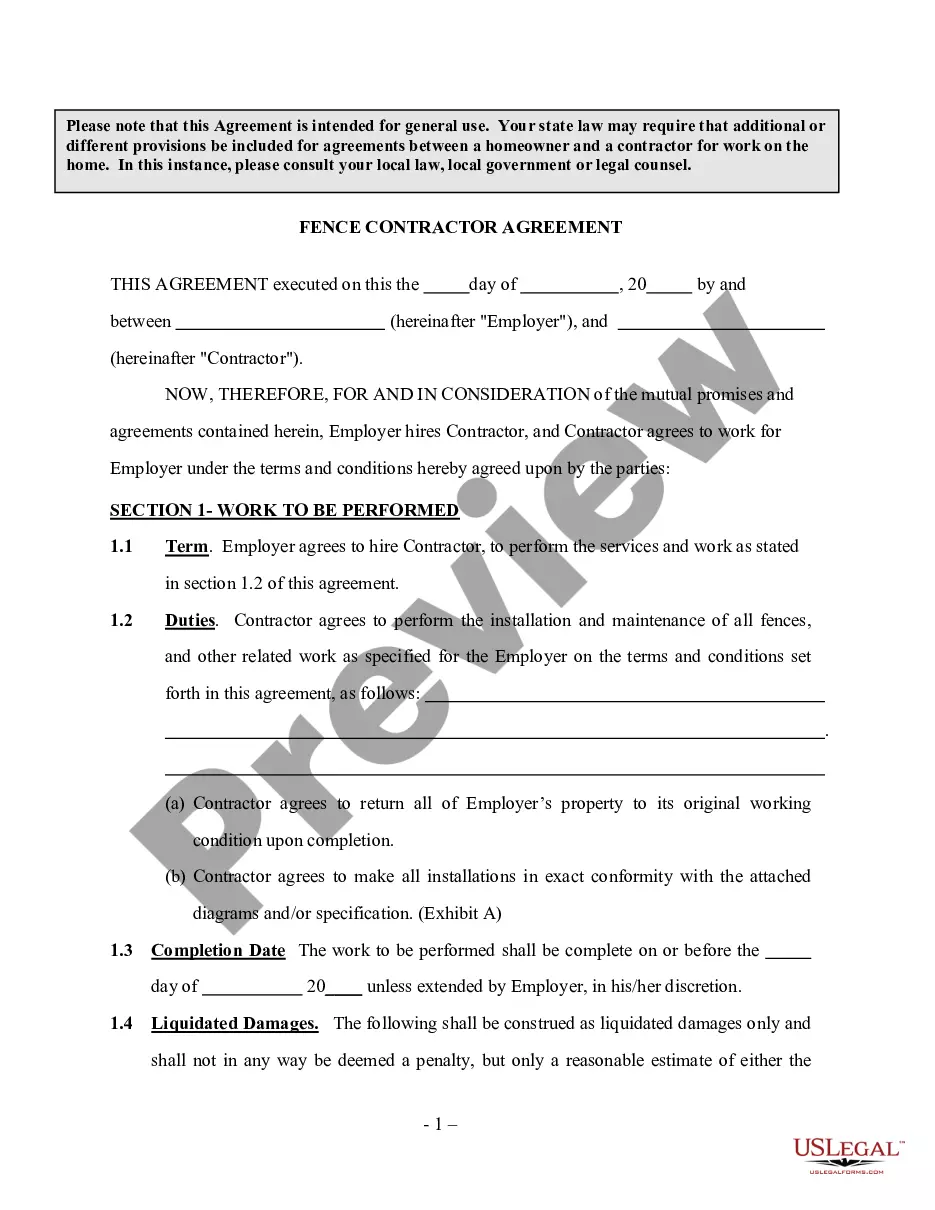
The Fencing Contract for Contractor is a legal document designed for use between fencing contractors and property owners. It outlines the terms and conditions of the project, including payment arrangements, work site information, change orders, and warranties. This contract ensures clarity and compliance with the laws of New York, setting it apart from other general contracts as it specifically addresses the unique requirements of fencing projects while protecting both parties involved.
Form components explained
- Work site details specific to the owner's property.
- Identifying information for both the contractor and property owner.
- Provisions for obtaining necessary permits and approvals.
- Clauses regarding soil conditions and responsibilities.
- Insurance requirements for the contractor.
- Payment terms, including penalties for late payments or default.
- Warranty limitations on workmanship and material defects.
- Procedures for handling destruction or damage to the project.

Situations where this form applies
This form should be used when a property owner hires a fencing contractor to install or repair a fence on their property. It is essential in scenarios where the payment structure needs to be outlined, whether through a fixed fee or cost-plus arrangement. Additionally, this contract is vital in coordinating responsibilities related to permits, insurance, and handling unexpected issues that may arise during the project.
Who should use this form
- Fencing contractors seeking a clear contractual agreement with clients.
- Property owners planning to hire a contractor for fencing projects.
- Individuals engaged in home improvement projects requiring legal documentation.
- Those unfamiliar with fencing contracts who need guidance on clear terms.
How to complete this form
- Identify the parties involved by entering the full names and addresses of the contractor and property owner.
- Specify the work site clearly, including the address where the fencing will be installed.
- Define the payment terms, noting whether the agreement is a cost plus or fixed fee arrangement.
- Enter the completion date for the project, making it clear that this timeline is essential.
- Review and include any necessary information regarding permits and insurance coverage.
- Both parties should sign the document to make it legally binding.
Notarization requirements for this form
Notarization is not commonly needed for this form. However, certain documents or local rules may make it necessary. Our notarization service, powered by Notarize, allows you to finalize it securely online anytime, day or night.
Get your form ready online
Our built-in tools help you complete, sign, share, and store your documents in one place.
Make edits, fill in missing information, and update formatting in US Legal Forms—just like you would in MS Word.
Download a copy, print it, send it by email, or mail it via USPS—whatever works best for your next step.
Sign and collect signatures with our SignNow integration. Send to multiple recipients, set reminders, and more. Go Premium to unlock E-Sign.
If this form requires notarization, complete it online through a secure video call—no need to meet a notary in person or wait for an appointment.
We protect your documents and personal data by following strict security and privacy standards.

Make edits, fill in missing information, and update formatting in US Legal Forms—just like you would in MS Word.

Download a copy, print it, send it by email, or mail it via USPS—whatever works best for your next step.

Sign and collect signatures with our SignNow integration. Send to multiple recipients, set reminders, and more. Go Premium to unlock E-Sign.

If this form requires notarization, complete it online through a secure video call—no need to meet a notary in person or wait for an appointment.

We protect your documents and personal data by following strict security and privacy standards.
Typical mistakes to avoid
- Failing to clearly specify the work site location.
- Not including all necessary identifying information for both parties.
- Overlooking the need for permits or insurance details.
- Missing the set completion date or making it ambiguous.
- Not reviewing the late payment penalties and other contractual obligations.
Why use this form online
- Convenient access to a legally compliant fencing contract template.
- Edit and customize the document to fit specific project needs seamlessly.
- Reduce the risk of legal issues by ensuring all essential terms are included.
- Download and store the contract securely for easy future reference.
Legal use & context:
- This contract serves as a legally binding agreement that outlines the responsibilities of both the contractor and the property owner.
- It helps prevent disputes by clearly stating the terms of the project and the conditions of payment.
- A well-executed contract protects both parties by ensuring compliance with state laws.
What to keep in mind
Key takeaways:
- The Fencing Contract for Contractor is essential for any fencing project, ensuring all parties understand their responsibilities.
- Proper completion and signing of the contract protect both the contractor and the property owner.
- State compliance ensures that the contract is enforceable under New York law.
Looking for another form?

Form popularity
FAQ
Your requirements for a New York Contractors License include submitting an application and appropriate fee, proof of identity (driver's license, for example), and proof of liability insurance coverage and, if you will be employing any staff/contractors, workers' compensation insurance.
A one year warranty is the minimum you should expect. New York State law requires the buyer have certain warranties when buying a new home. One year's protection against faulty workmanship and defective materials.
Agency: Nassau County Consumer Affairs. Phone Number: (516) 571-2449. Business Hours: Monday - Friday: 9 AM - 5 PM.
New York. There are no state licensing requirements for handymen or general contractors in New York. However, there are laws and regulations at a local level. Check handyman license requirements with local government before you do any work.
Get clear on the scope of work. Measure the fencing area. Estimate the material cost. Estimate labor costs. Calculate your overhead costs. Tally all costs. Calculate your margins for desired profit.
Your requirements for a New York Contractors License include submitting an application and appropriate fee, proof of identity (driver's license, for example), and proof of liability insurance coverage and, if you will be employing any staff/contractors, workers' compensation insurance.
Research local prices. Avoid giving estimates over the phone. Don't forget about overhead. Put everything in writing. Consider all factors. Deliver the bid in a timely fashion. Keep references on hand. Buy a template.
Licensing Requirements Contractors who do work in New York City and Nassau, Suffolk, Putnam, Rockland and Westchester counties must be licensed by local authorities. Before signing a contract and before making any payments, check to make sure that a contractor is licensed in your town or county.
A certified contractor passed the state licensing examination. Certified contractors can work anywhere within the state in which they are licensed. A registered contractor is registered by a local county or municipality and receives a certificate of competency from the Electrical Contractors' Licensing Board.