Fence Contractor Agreement - Self-Employed
What is this form?
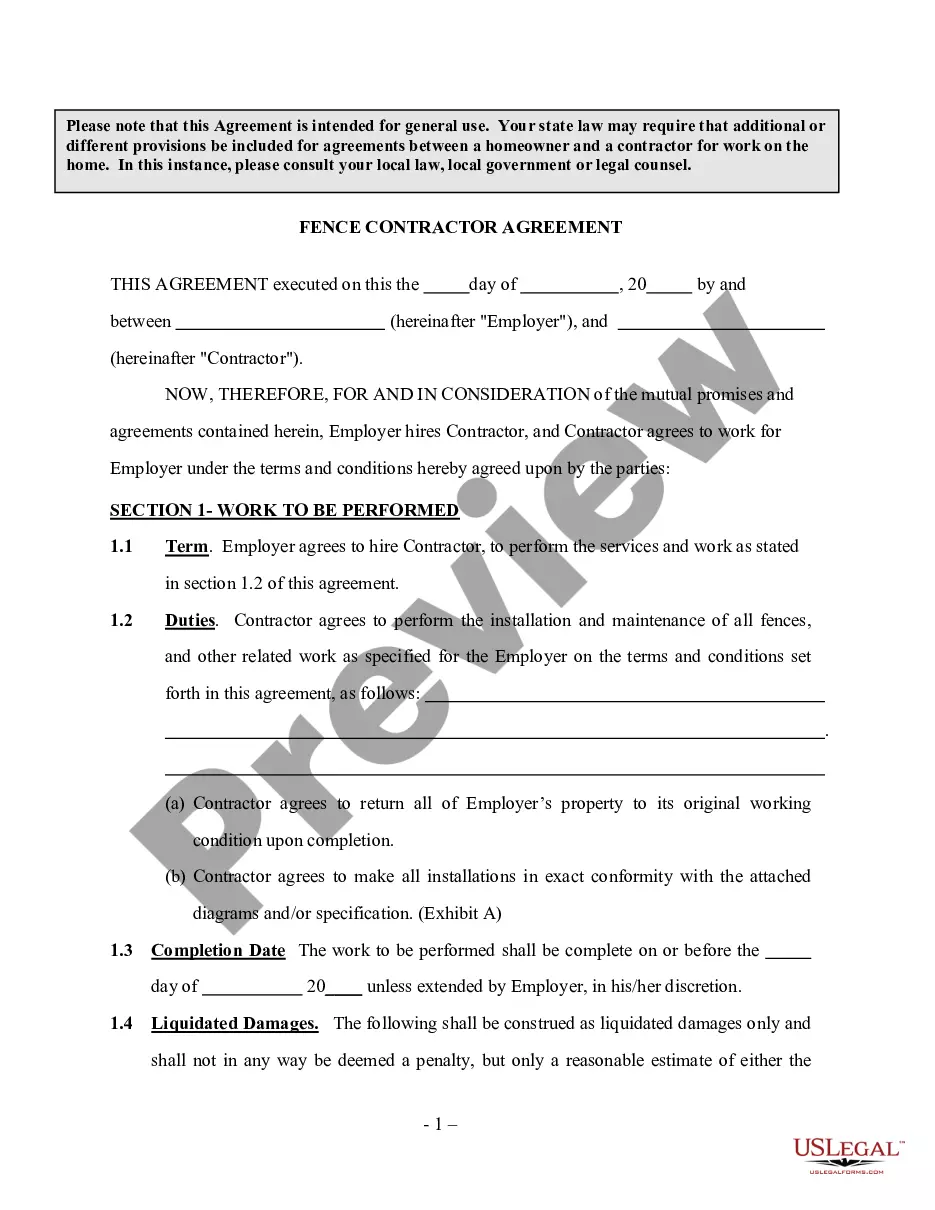
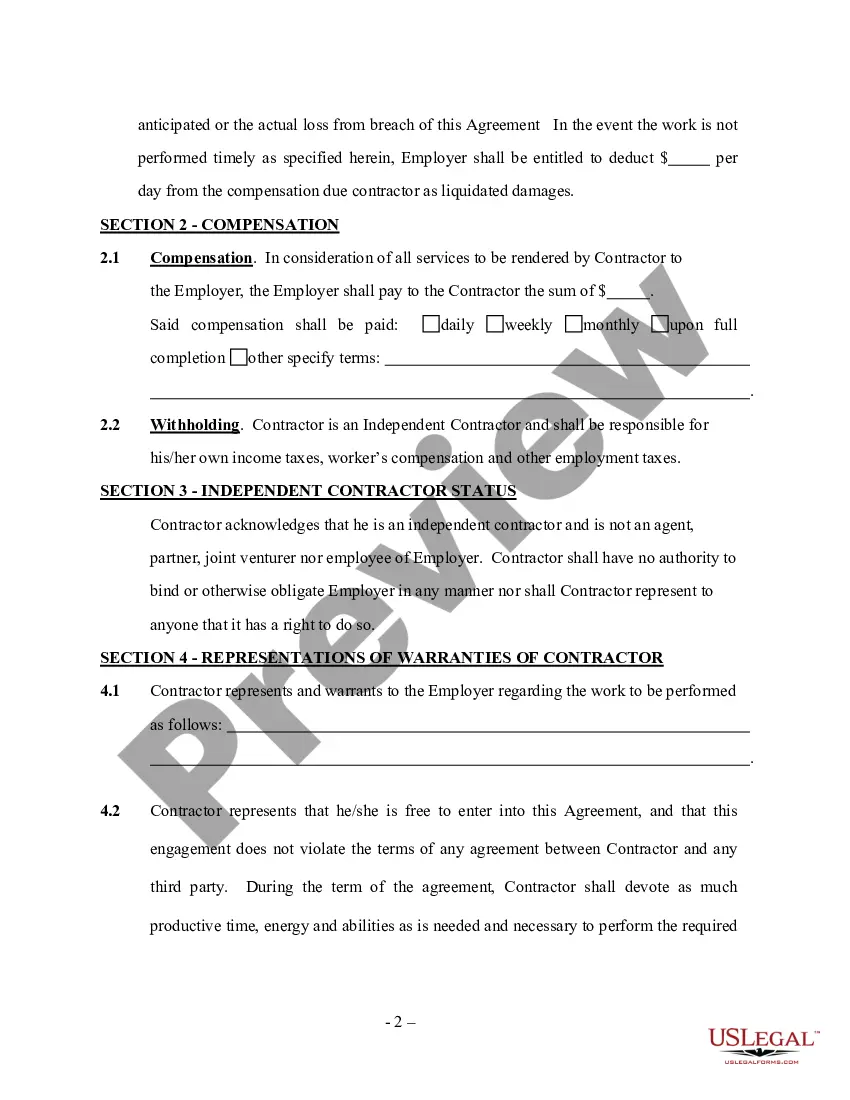
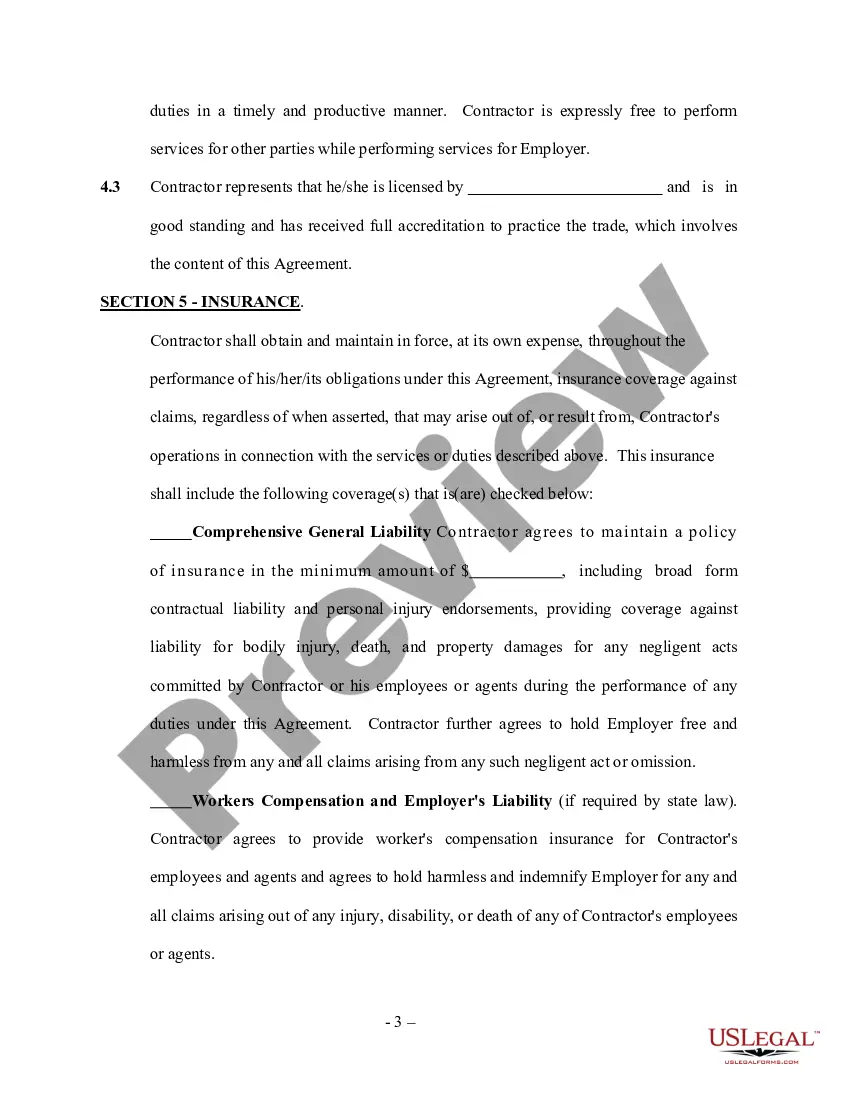
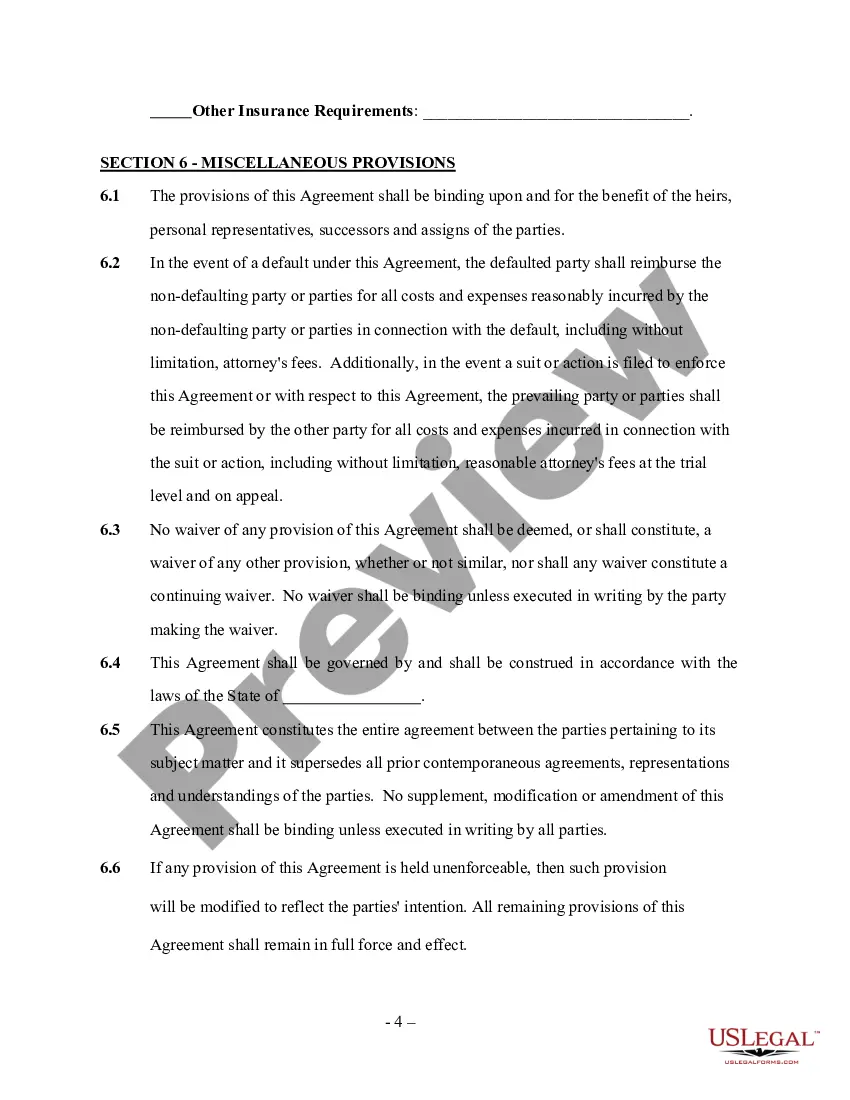
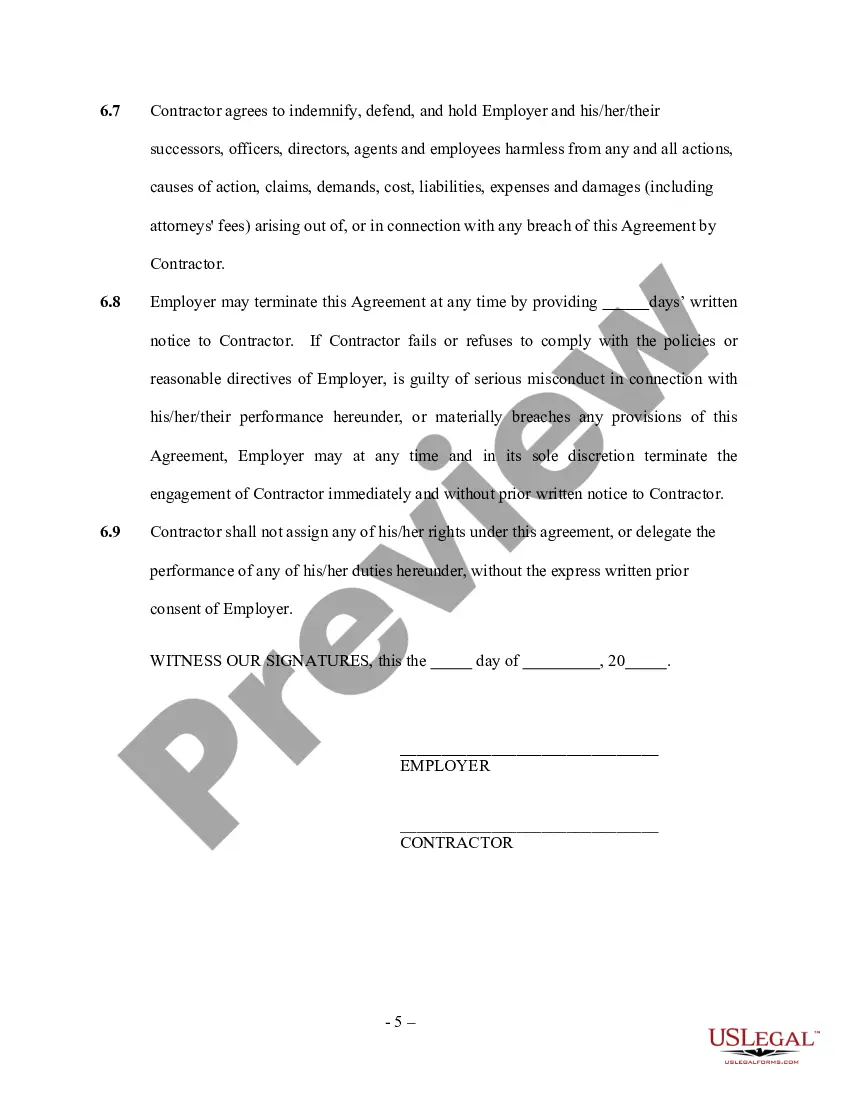
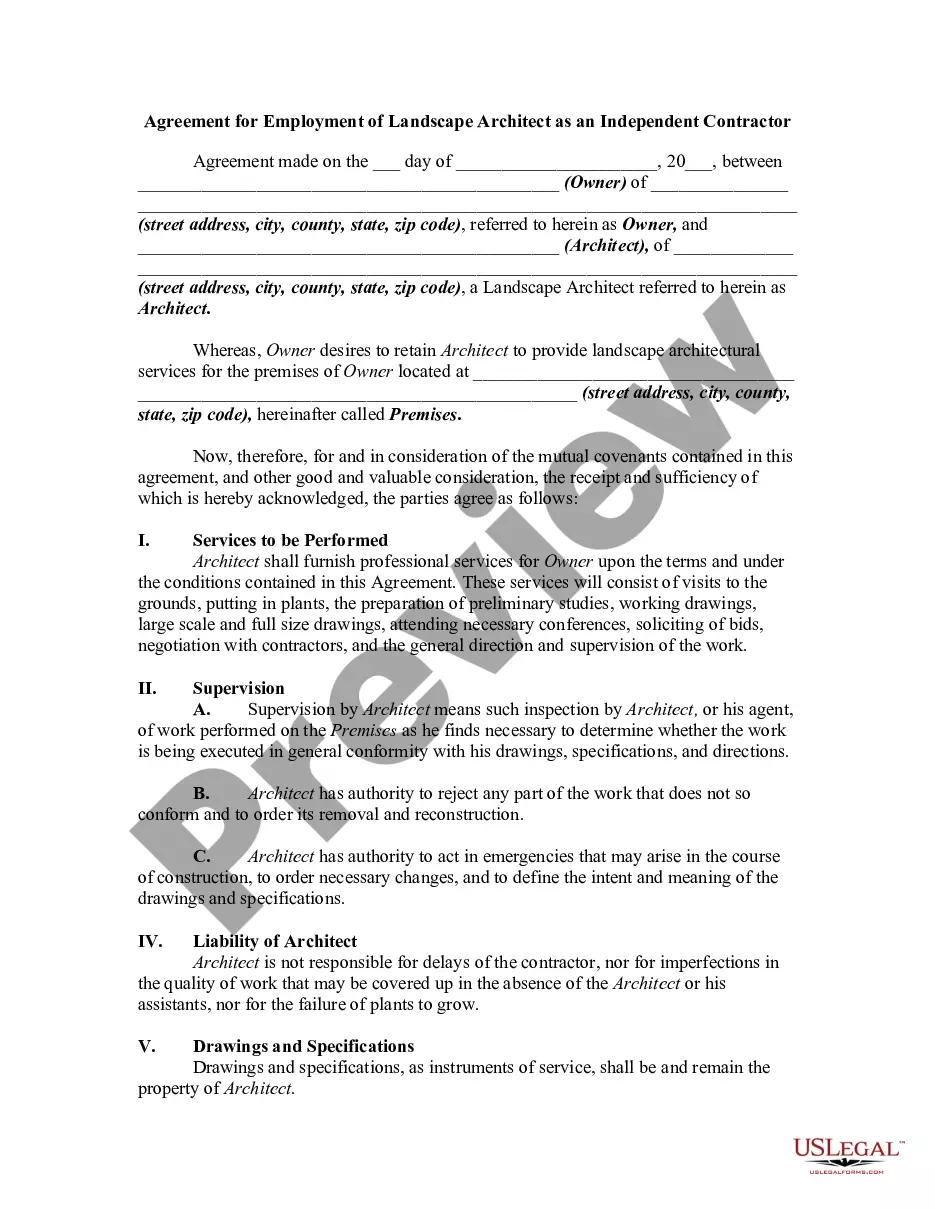
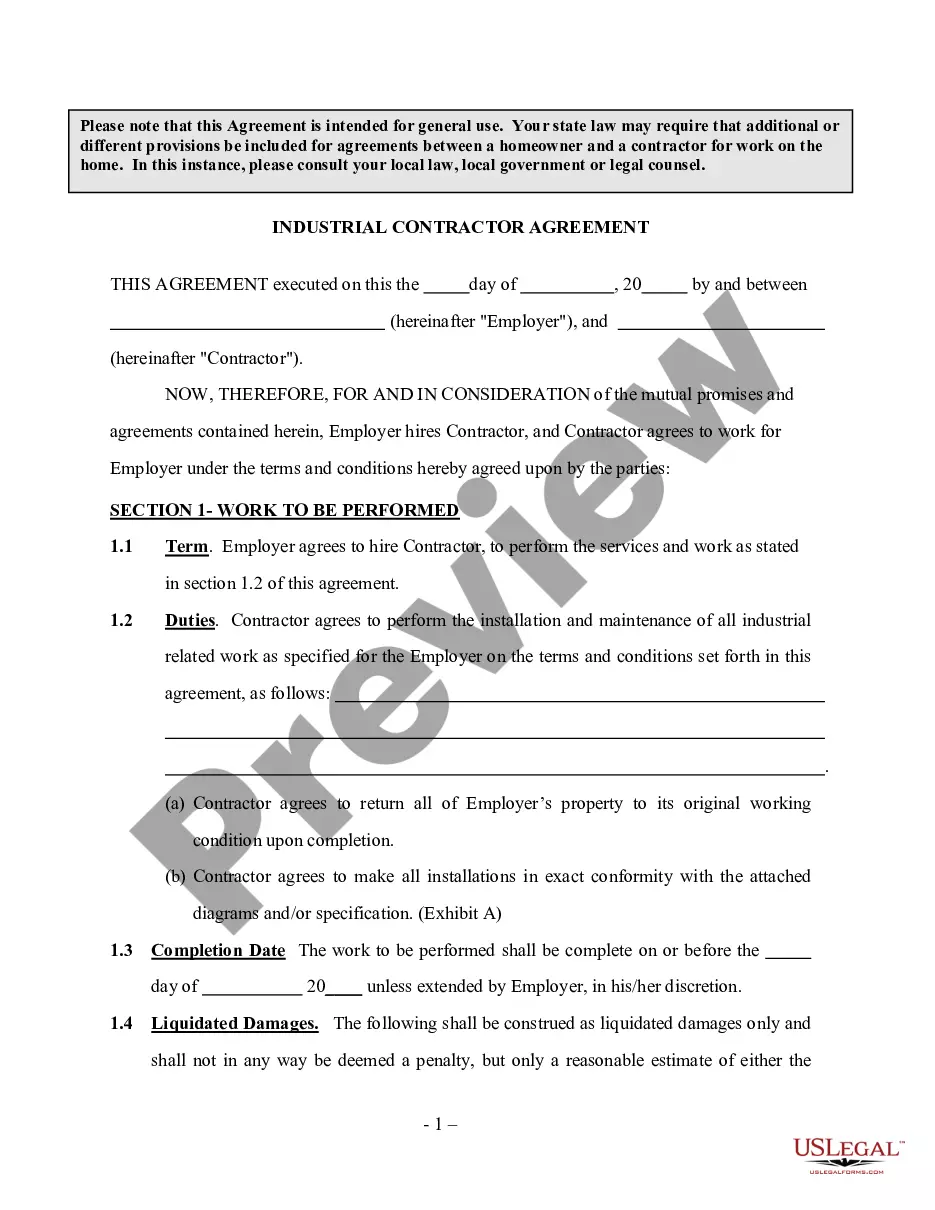
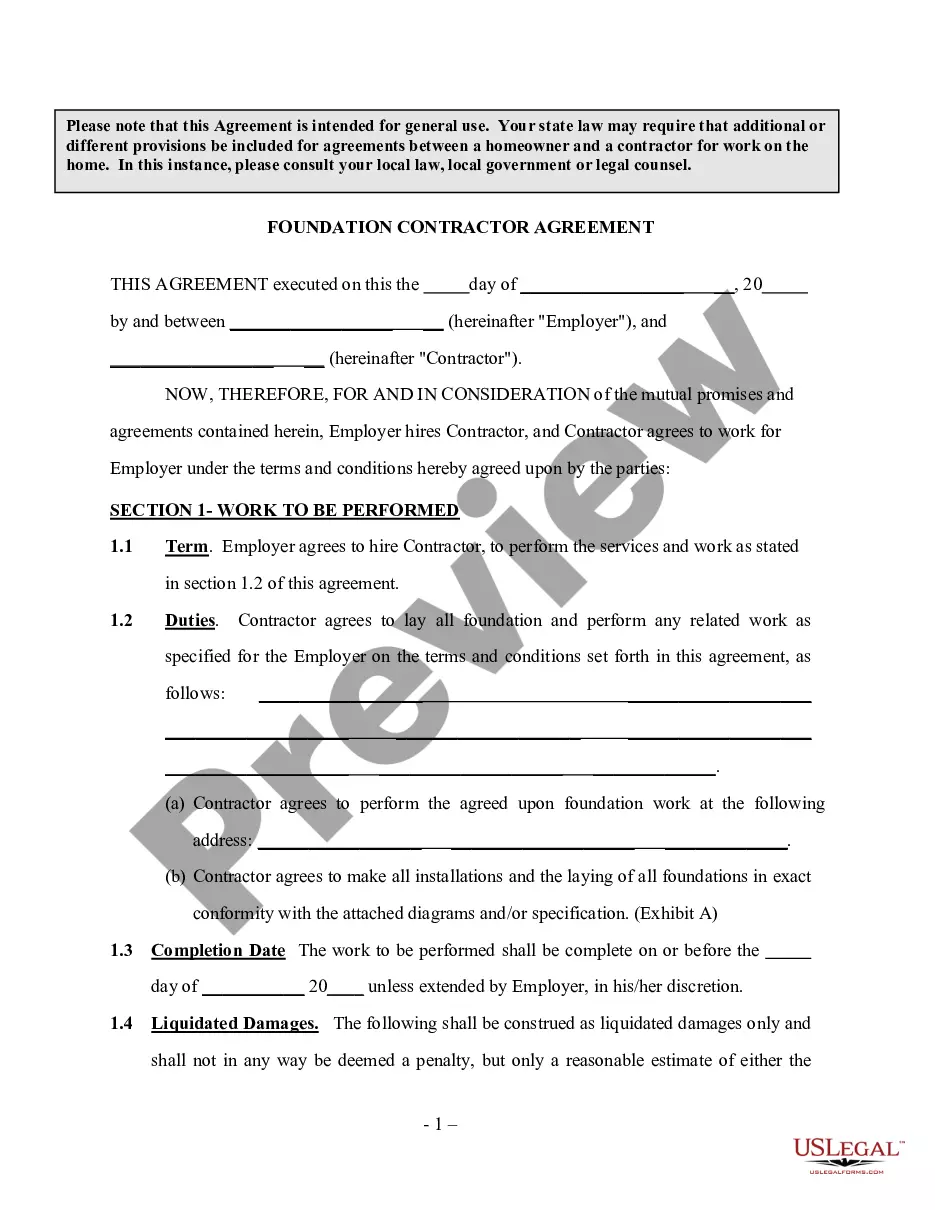
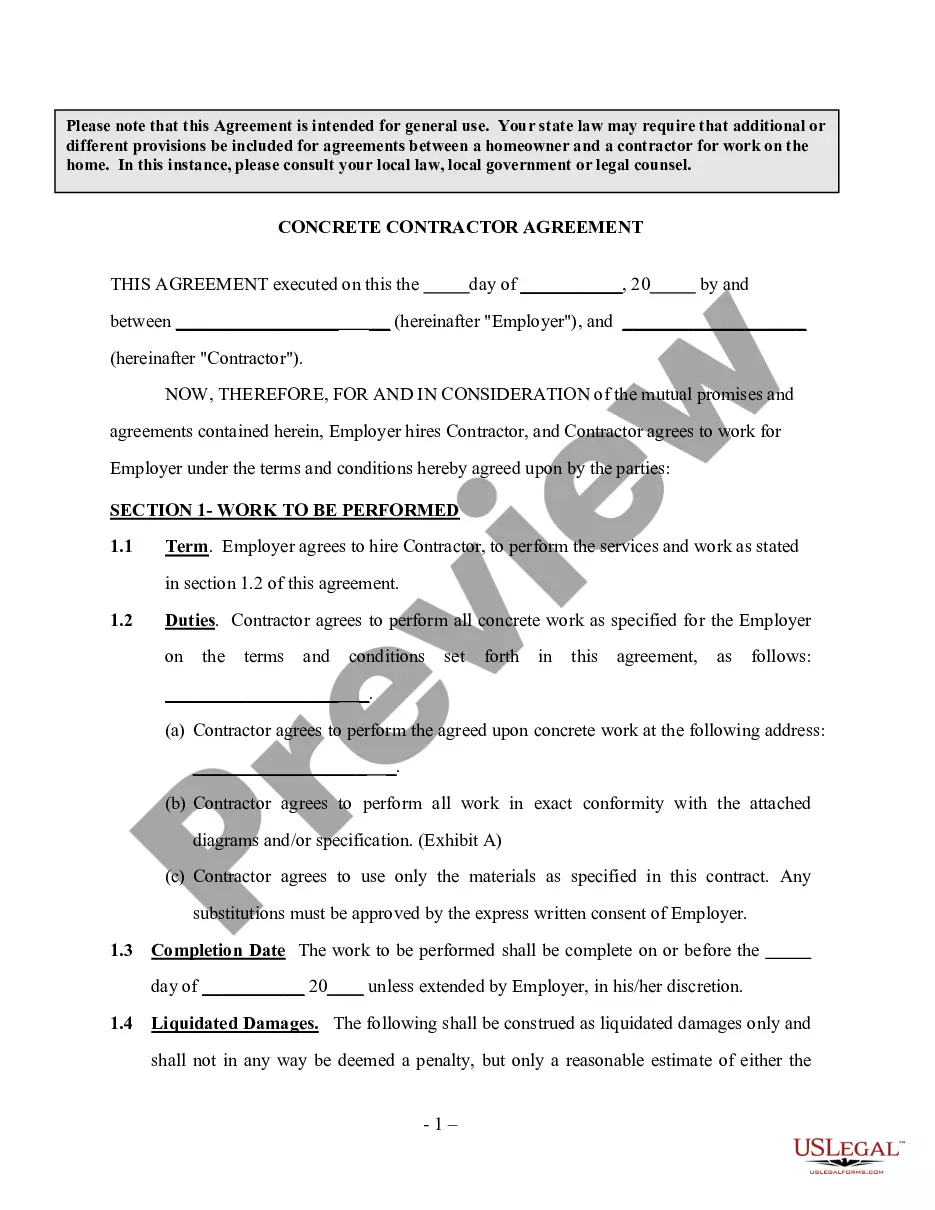
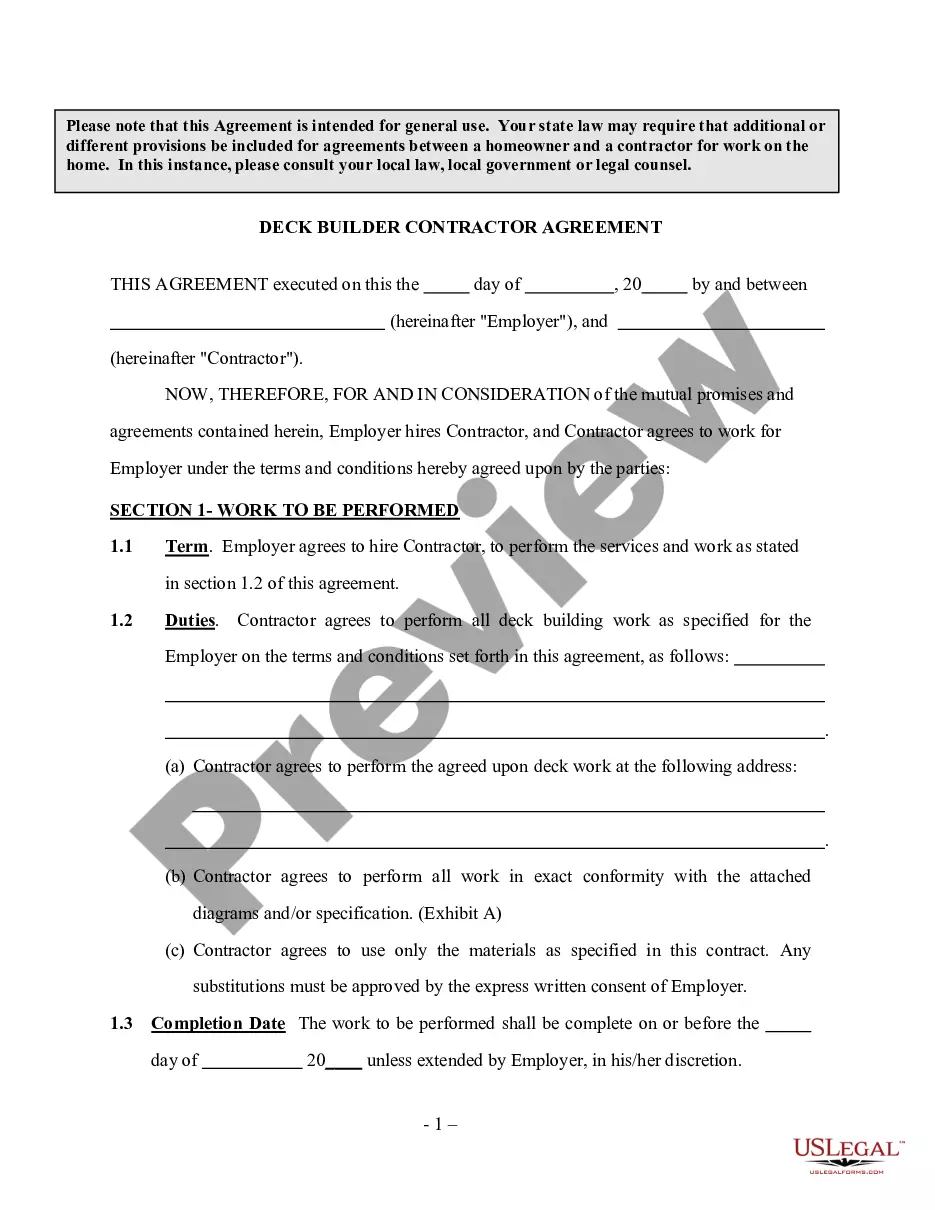
The Fence Contractor Agreement - Self-Employed is a legal document that formalizes the relationship between a homeowner (Employer) and an independent contractor who will provide and install a fence. This agreement outlines the terms of the work and clarifies the independent status of the contractor, distinguishing it from full employment arrangements. It is essential for ensuring both parties understand their responsibilities and obligations as outlined in the contract.
Main sections of this form
- Section 1 - Work to be performed: Details the scope of the fence installation work.
- Section 2 - Term: Specifies the duration of the agreement.
- Section 3 - Independent contractor status: Clarifies that the contractor is not an employee of the Employer.
- Section 4 - Payment terms: Outlines the payment methods and schedule.
- Signatures: Confirms the agreement between both parties.

Situations where this form applies
This form should be used when a homeowner hires an independent contractor to install a fence. It is suitable in situations where the contractor's services are required for a specific project, ensuring that both parties understand their legal and financial responsibilities.
Who can use this document
This agreement is intended for:
- Homeowners looking to hire a fence contractor.
- Independent contractors offering fence installation services.
- Any party wishing to establish clear terms in a contractor-client relationship for fence installation.
How to prepare this document
- Identify the parties involved: Clearly state the names and addresses of both the Employer and the Contractor.
- Define the scope of work: Specify the details of the fence installation in Section 1.
- Specify the term: Enter the start and potential end date of the work.
- Outline payment terms: Clearly indicate how and when payments will be made.
- Obtain signatures: Ensure both parties sign and date the agreement to formalize it.
Does this document require notarization?
This form does not typically require notarization to be legally valid. However, some jurisdictions or document types may still require it. US Legal Forms provides secure online notarization powered by Notarize, available 24/7 for added convenience.
Get your form ready online
Our built-in tools help you complete, sign, share, and store your documents in one place.
Make edits, fill in missing information, and update formatting in US Legal Forms—just like you would in MS Word.
Download a copy, print it, send it by email, or mail it via USPS—whatever works best for your next step.
Sign and collect signatures with our SignNow integration. Send to multiple recipients, set reminders, and more. Go Premium to unlock E-Sign.
If this form requires notarization, complete it online through a secure video call—no need to meet a notary in person or wait for an appointment.
We protect your documents and personal data by following strict security and privacy standards.

Make edits, fill in missing information, and update formatting in US Legal Forms—just like you would in MS Word.

Download a copy, print it, send it by email, or mail it via USPS—whatever works best for your next step.

Sign and collect signatures with our SignNow integration. Send to multiple recipients, set reminders, and more. Go Premium to unlock E-Sign.

If this form requires notarization, complete it online through a secure video call—no need to meet a notary in person or wait for an appointment.

We protect your documents and personal data by following strict security and privacy standards.
Avoid these common issues
- Failing to specify the scope of work, which can lead to misunderstandings.
- Not completing all necessary sections, such as payment terms and dates.
- Neglecting to have both parties sign the agreement, making it non-enforceable.
Benefits of using this form online
- Convenience: Access the form anytime, from anywhere.
- Editability: Easily customize the document to fit your specific needs.
- Reliability: Use a form that has been drafted by licensed attorneys to ensure its legal adequacy.
Key takeaways
- The Fence Contractor Agreement formalizes the relationship between a homeowner and a contractor.
- It clearly defines the independent contractor status, protecting both parties.
- Using this form helps avoid common contractual mistakes and clarify terms.
Looking for another form?
Form popularity
FAQ
The date of the contract. The names of all parties or entities involved. Payment amounts and due dates. Contract expiration dates. Potential damages for breach of contract, missed deadlines or incomplete services.
Get it in writing. Keep it simple. Deal with the right person. Identify each party correctly. Spell out all of the details. Specify payment obligations. Agree on circumstances that terminate the contract. Agree on a way to resolve disputes.
An independent contractor agreement, also known as a '1099 agreement', is a contract between a client willing to pay for the performance of services by a contractor.In most cases, the contractor is paid on a per-job basis and not by the hour, unless, the contractor is a lawyer, accountant, or equivalent.
An Independent Contractor Agreement should contain all of these basic terms: Description of the services to be provided.Explanation of what the hiring party will provide or not provide, such as equipment, for the independent contractor to use. Ownership of work product if that is relevant to the work being performed.
Contractor's business name and all contact information (phone number, address, supervisor name, etc.) Description of the project, including expected start and completion dates. Details such as location, perimeter, fence height. Material use brand, supplier, specific amount, cost, etc.
The IRS requires contractors to fill out a Form W-9, request for Taxpayer Identification Number and Certification, which you should keep on file for at least four years after the hiring. This form is used to request the correct name and Taxpayer Identification Number, or TIN, of the worker or their entity.
Terms. This is the first section of any agreement or contract and states the names and locations of the parties involved. Responsibilities & Deliverables. Payment-Related Details. Confidentiality Clause. Contract Termination. Choice of Law.
Gather All Available Information. The more information you have about a fence project, the more accurate your bid will be. Calculate Material Costs. To give an accurate bid, it's vital to figure out exactly what your material costs will be. Price the Materials. Price Labor and Equipment. Add Your Profit Margin.
Write your contact information at the top of the proposal. This includes your address, phone, email, any state licenses and the payee name the client should use. Describe the task to be completed in the first paragraph. Detail the type of fence to be built, how it will be secured in the ground and its length.