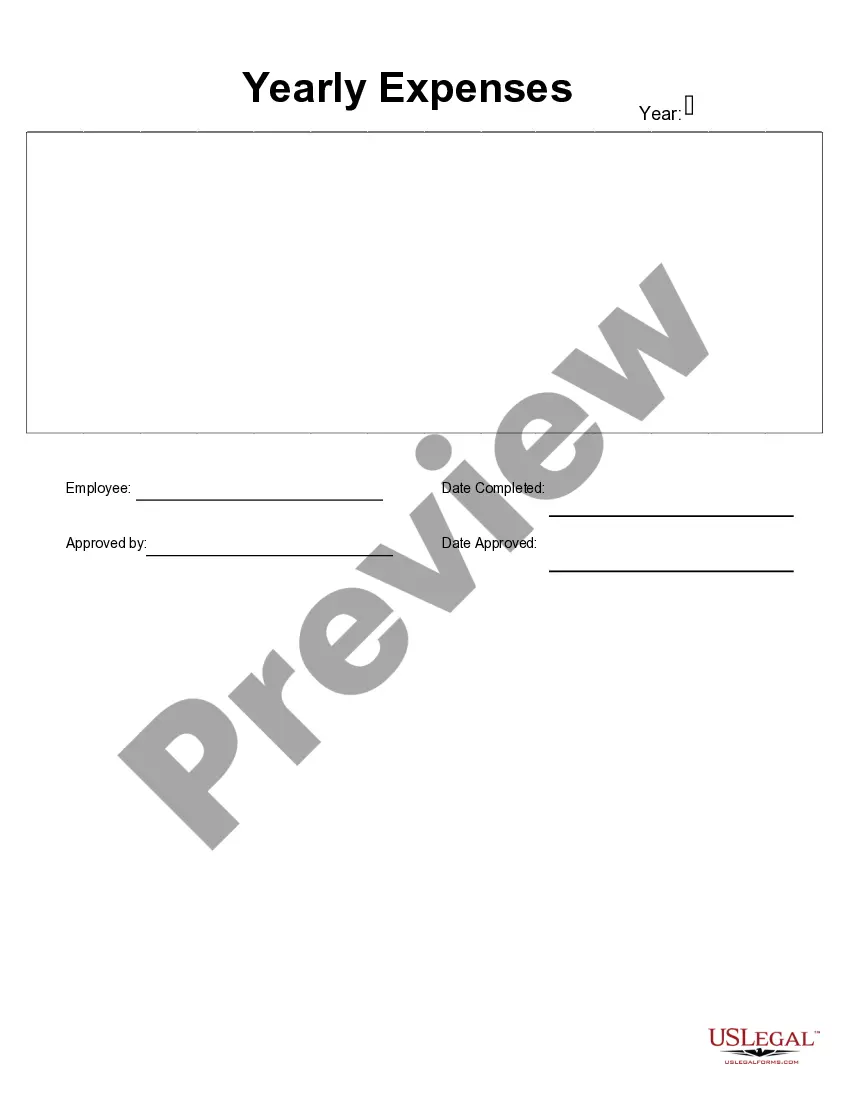
Yearly Expenses
About this form
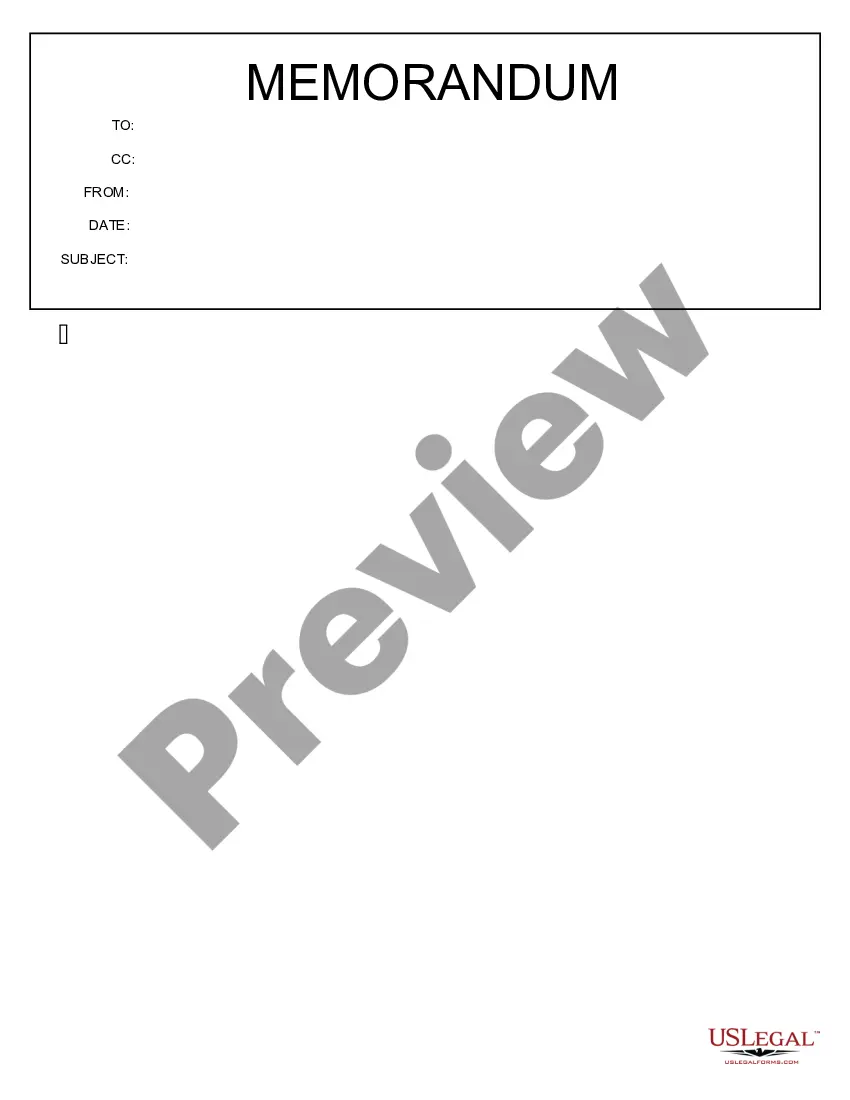
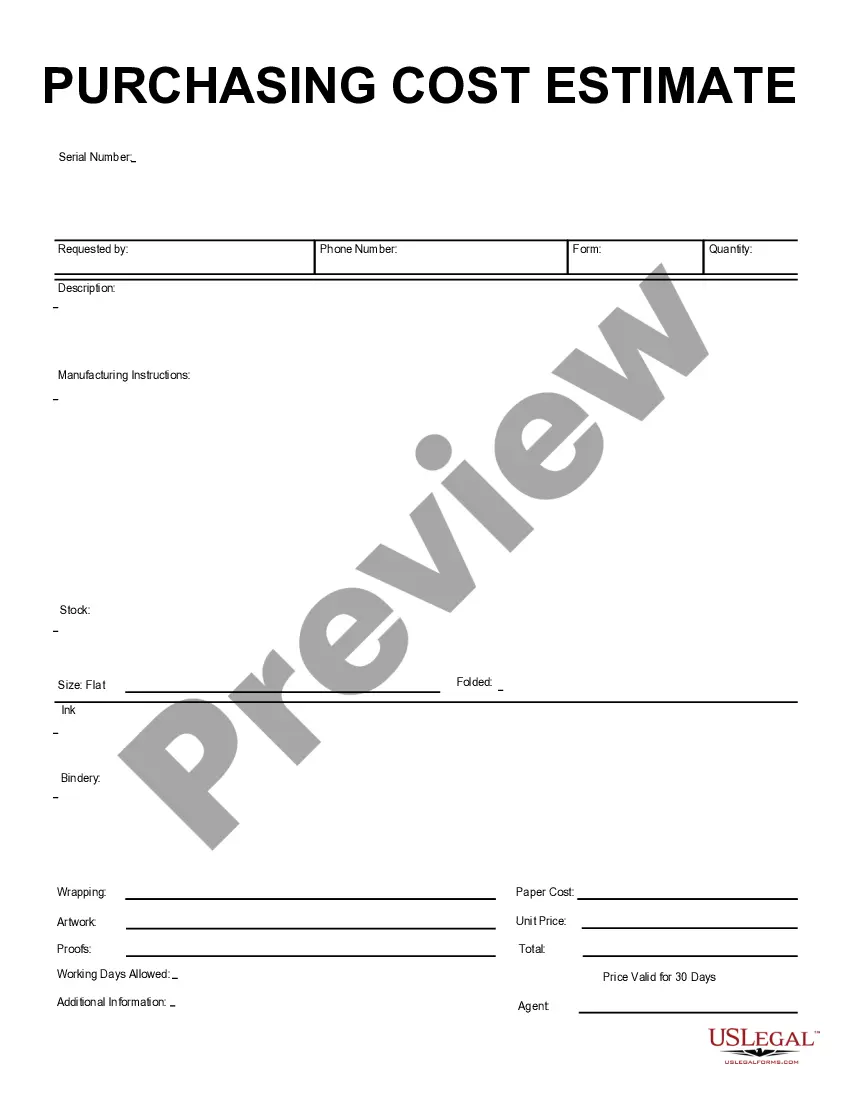
The Yearly Expenses form is a business template designed to help individuals and businesses track their financial outflows over a one-year period. This form is structured for easy completion using Adobe Acrobat or Word, enabling users to fill in necessary fields digitally. Unlike other financial forms which may offer a broader scope, this specific form focuses solely on detailing yearly expenses, making it an essential tool for effective financial planning.
Form components explained
- Expense categories: Sections to categorize different types of expenses, such as rent, utilities, and salaries.
- Date fields: Areas to enter the date for each recorded expense.
- Amount fields: Spaces to input the cost associated with each expense.
- Total expense calculation: An area for summing up all yearly expenses for a clear overview.
- Signature line: A designated space for the user to sign and date the completed form.

When this form is needed
This form is ideal for businesses and individuals preparing annual financial reports, budgeting for the upcoming year, or assessing previous spending. Use it when you need to provide a detailed account of your yearly expenditures for audits, financial assessments, or when seeking loans.
Who can use this document
The following individuals and entities can benefit from using the Yearly Expenses form:
- Small business owners looking to track their annual expenses.
- Freelancers or independent contractors managing their finances.
- Individuals preparing for tax filings.
- Anyone seeking to create a personal or family budget.
How to complete this form
- Identify the categories: List out all your expenses under appropriate headings.
- Enter the dates: Fill in the date for each expense recorded.
- Input the amounts: Record the total for each expense category accurately in the amount fields.
- Calculate totals: Use the provided fields to sum up annual expenses for a complete overview.
- Sign the form: Include your signature and the date on the designated line to validate the document.
Does this form need to be notarized?
This form does not typically require notarization to be legally valid. However, some jurisdictions or document types may still require it. US Legal Forms provides secure online notarization powered by Notarize, available 24/7 for added convenience.
Get your form ready online
Our built-in tools help you complete, sign, share, and store your documents in one place.
Make edits, fill in missing information, and update formatting in US Legal Forms—just like you would in MS Word.
Download a copy, print it, send it by email, or mail it via USPS—whatever works best for your next step.
Sign and collect signatures with our SignNow integration. Send to multiple recipients, set reminders, and more. Go Premium to unlock E-Sign.
If this form requires notarization, complete it online through a secure video call—no need to meet a notary in person or wait for an appointment.
We protect your documents and personal data by following strict security and privacy standards.

Make edits, fill in missing information, and update formatting in US Legal Forms—just like you would in MS Word.

Download a copy, print it, send it by email, or mail it via USPS—whatever works best for your next step.

Sign and collect signatures with our SignNow integration. Send to multiple recipients, set reminders, and more. Go Premium to unlock E-Sign.

If this form requires notarization, complete it online through a secure video call—no need to meet a notary in person or wait for an appointment.

We protect your documents and personal data by following strict security and privacy standards.
Common mistakes
- Forgetting to categorize expenses completely.
- Leaving date fields blank, which can create confusion.
- Not double-checking calculations for total expenses.
- Failing to sign the form before submission if required.
Why use this form online
- Convenience of filling out the form digitally at your own pace.
- Editability allows users to correct errors easily without starting over.
- Reliable formatting that ensures all necessary sections are included.
Legal use & context
- This form is a useful record for tax purposes, particularly when claiming deductions.
- Maintaining thorough records can support financial audits or assessments.
Main things to remember
- The Yearly Expenses form is essential for tracking annual financial outflows.
- It is suitable for a wide range of users, from individuals to business owners.
- Proper completion ensures accurate financial planning and budgeting.
- Checking for common mistakes helps maintain accuracy and validity.
Looking for another form?


Form popularity
FAQ
To get the average, add up the amount of money spent for 12 consecutive months, then divide by 12. This will give an average of how much has been spent per month. Calculating average monthly expenses usually begins with listing all living costs.
Key findings. The average American household spends $5,102 every month. Housing is the largest single category, accounting for 33% of monthly expenses. Transportation was the second-most expensive category at 16%.
Fixed expenses, savings expenses, and variable costs are the three categories that make up your budget, and are vitally important when learning to manage your money properly. When you've committed to living on a budget, you must know how to put your plan into action.
Housing. Your housing expenses are likely your single-largest budget item. Food. Your monthly food expense includes everything that you spend on eating. Transportation. Childcare and pet care. Cell phone. Health insurance. Debt. Savings.
Rent or mortgage. Electricity. Gas. Water and sewer. Internet/cable/phone. Subscription services, such as a gym membership, newspaper, Netflix or Hulu. Credit card bills and loan payments. Insurance.
Mortgage/rent. Homeowners or renters insurance. Property tax (if not already included in the mortgage payment). Auto insurance. Health insurance. Out-of-pocket medical costs. Life insurance. Electricity and natural gas.
You might think expenses are expenses. If the money's going out, it's an expense. But here at Fiscal Fitness, we like to think of your expenses in four distinct ways: fixed, recurring, non-recurring, and whammies (the worst kind of expense, by far). What are these different types of expenses and why do they matter?
Basic cost-of-living expenses include housing, food, transportation, child care, health care and other necessities, according to the Economic Policy Institute.For example, commuting costs could vary based on your job and how you get to work.
The average American's monthly expenses: $5,102 According to the BLS, consumer units "include families, single persons living alone or sharing a household with others but who are financially independent, or two or more persons living together who share major expenses."