New Jersey Estate Planning Questionnaire and Worksheets
About this form
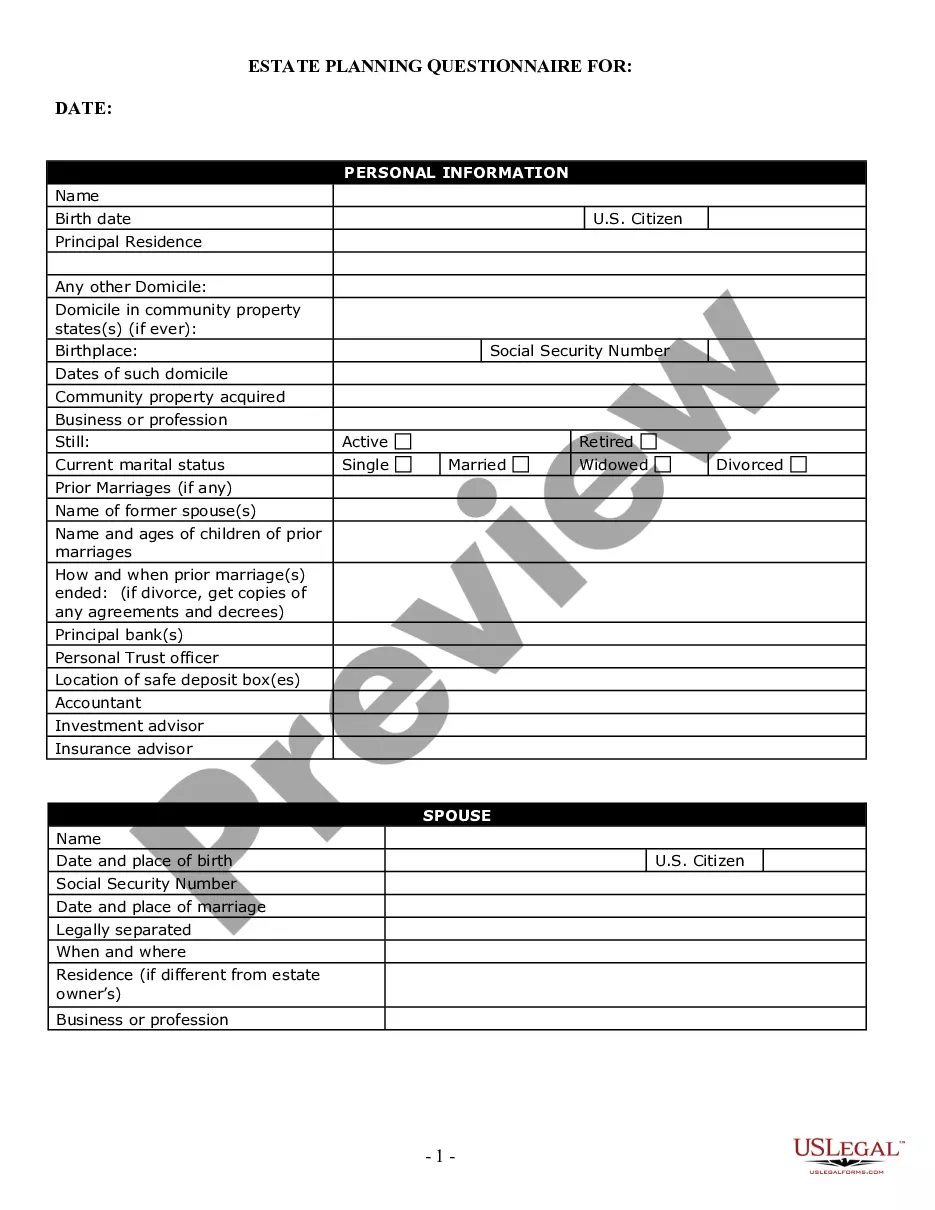
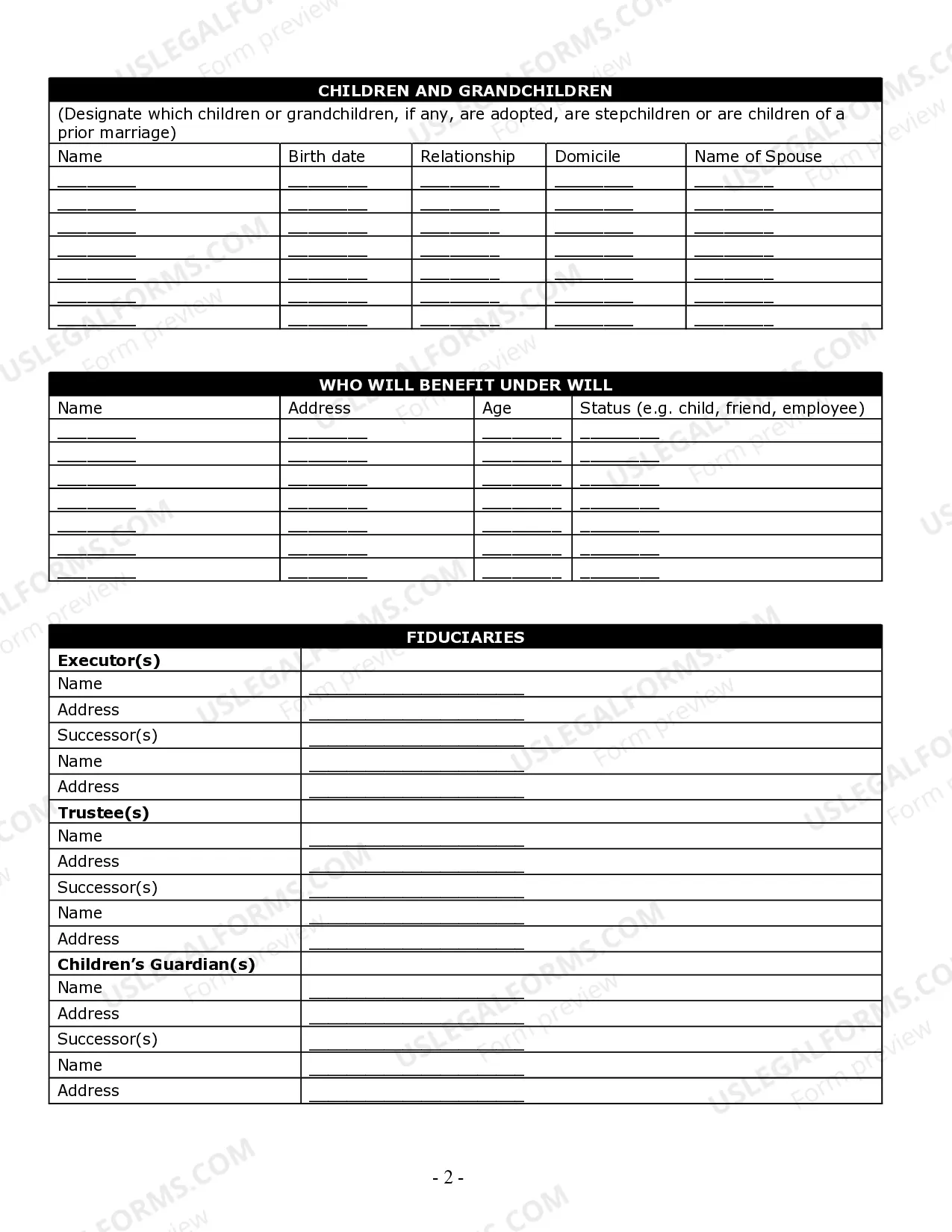
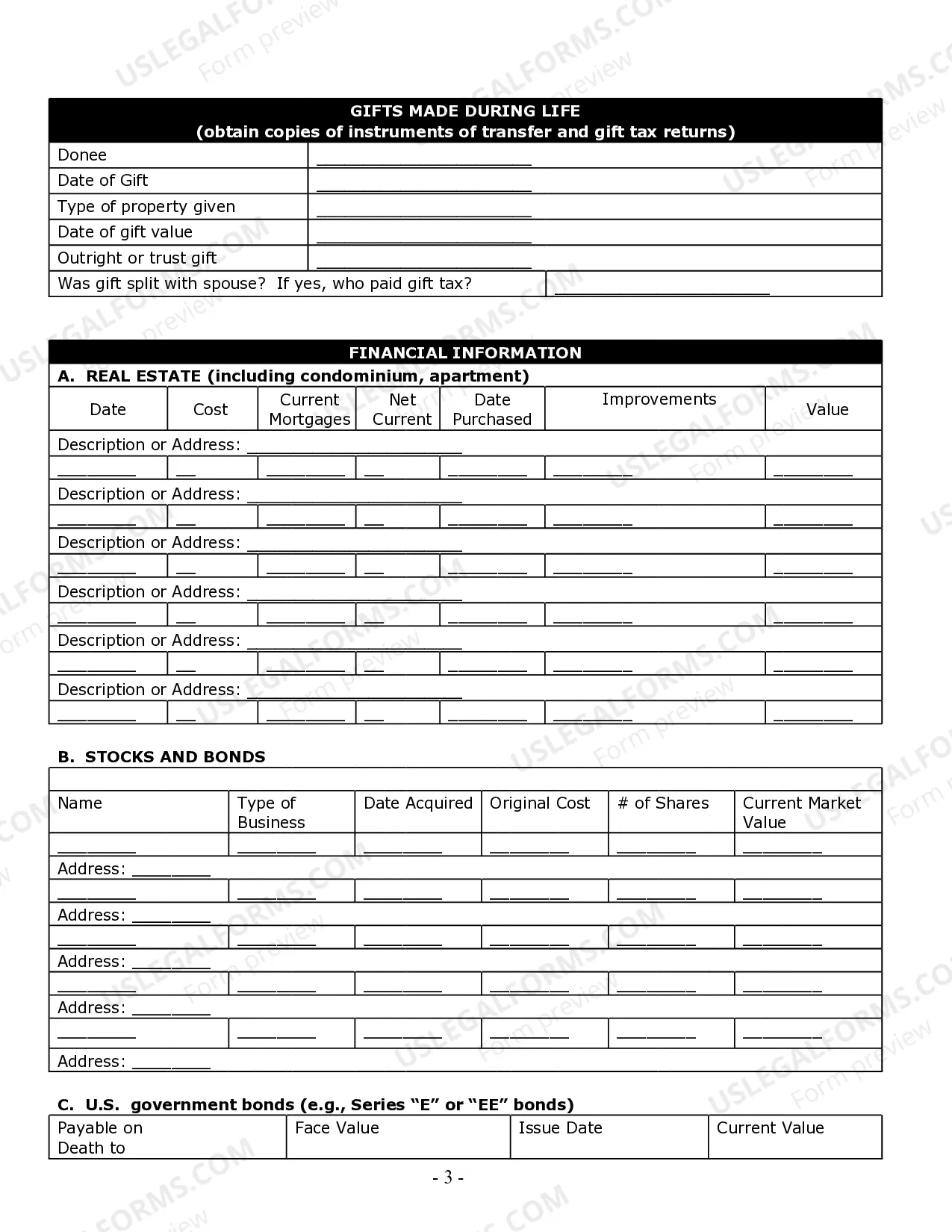
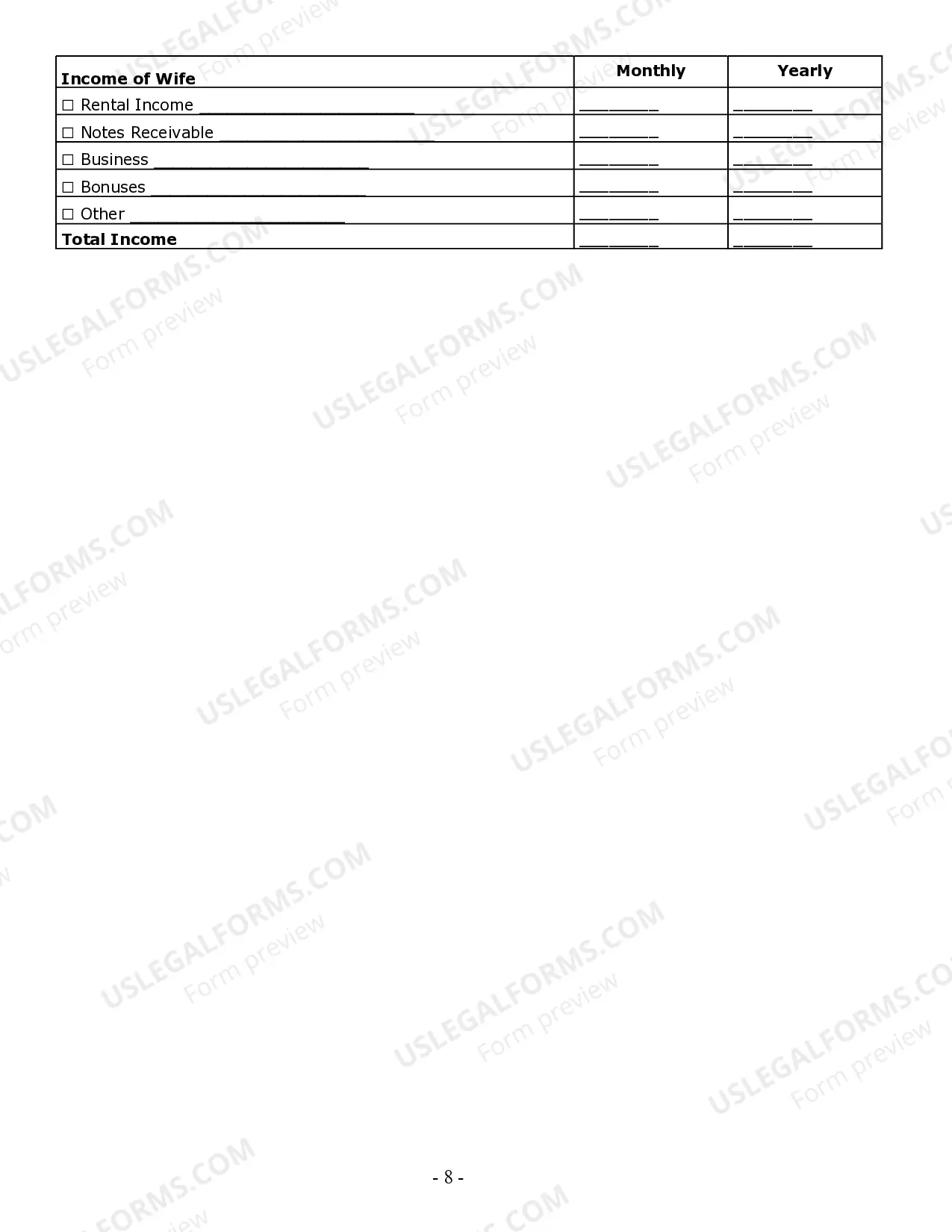
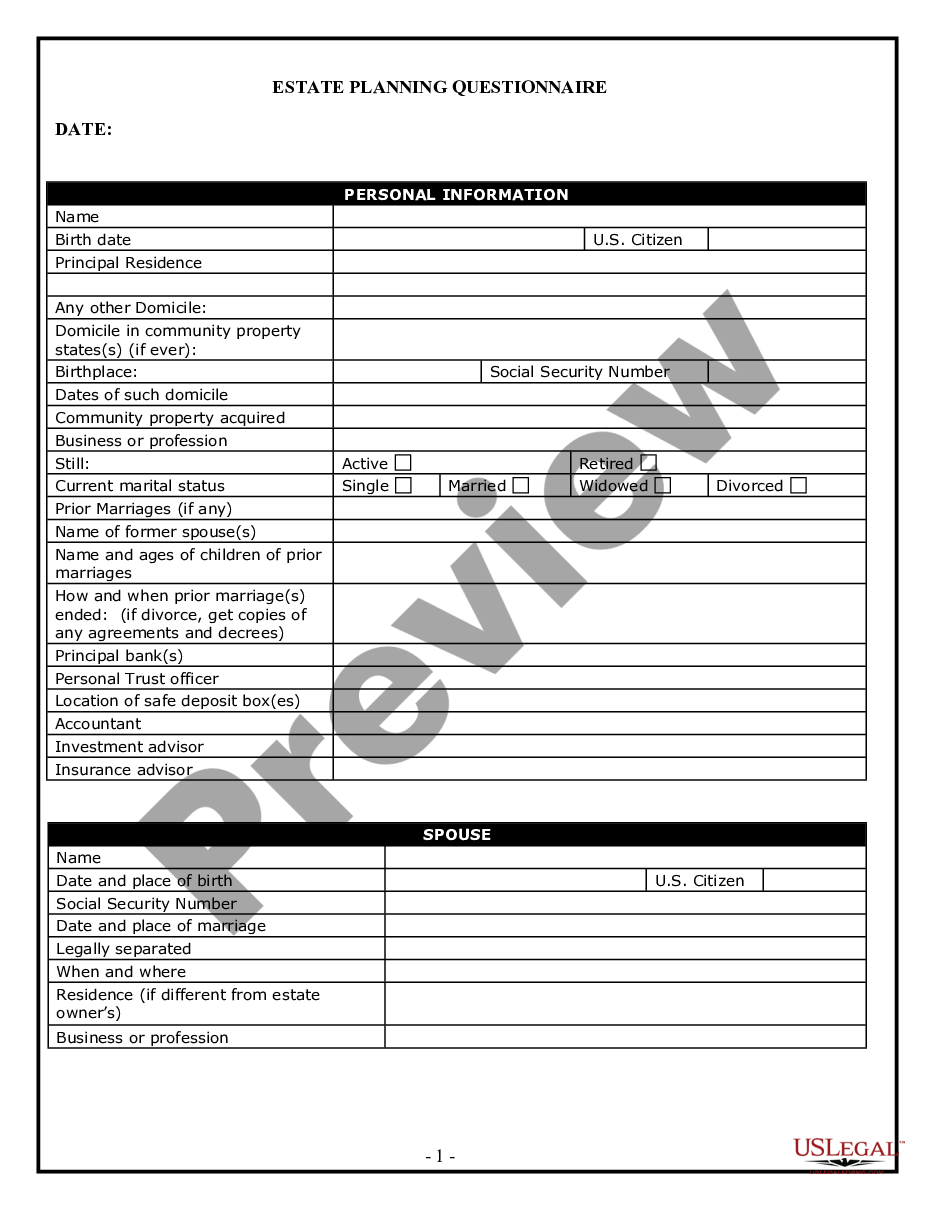
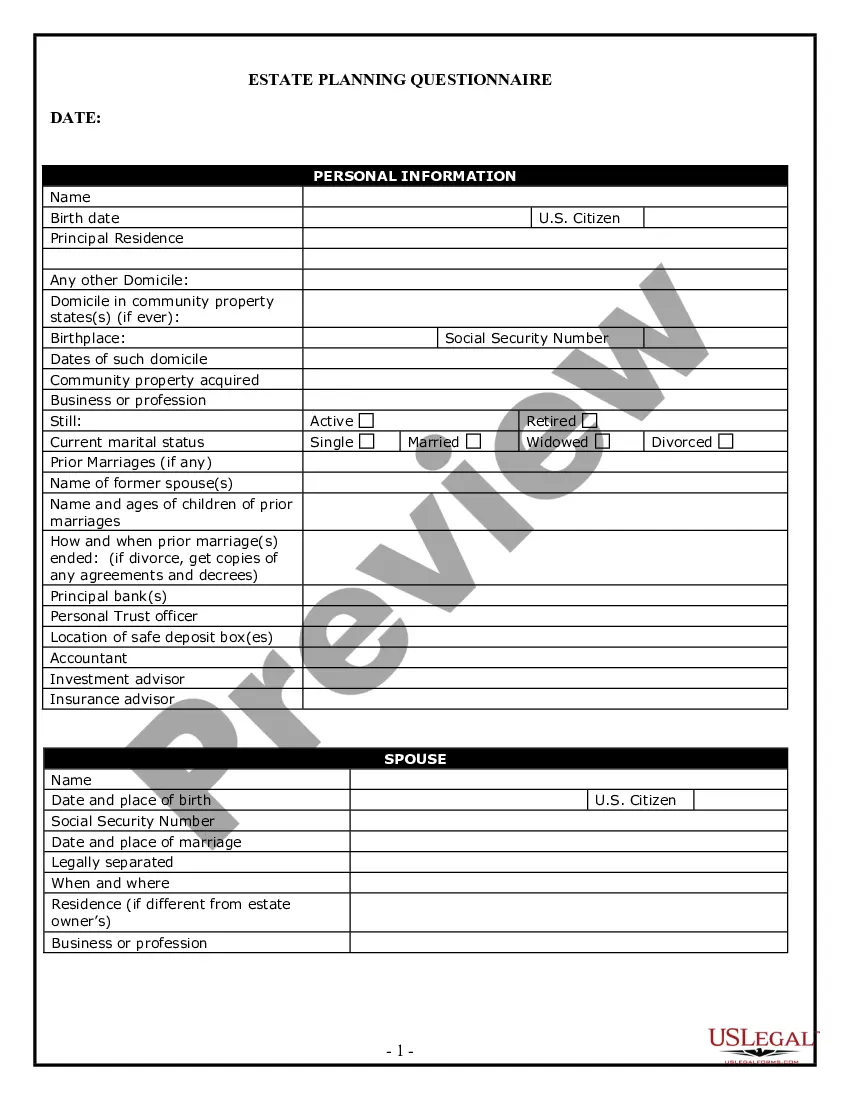
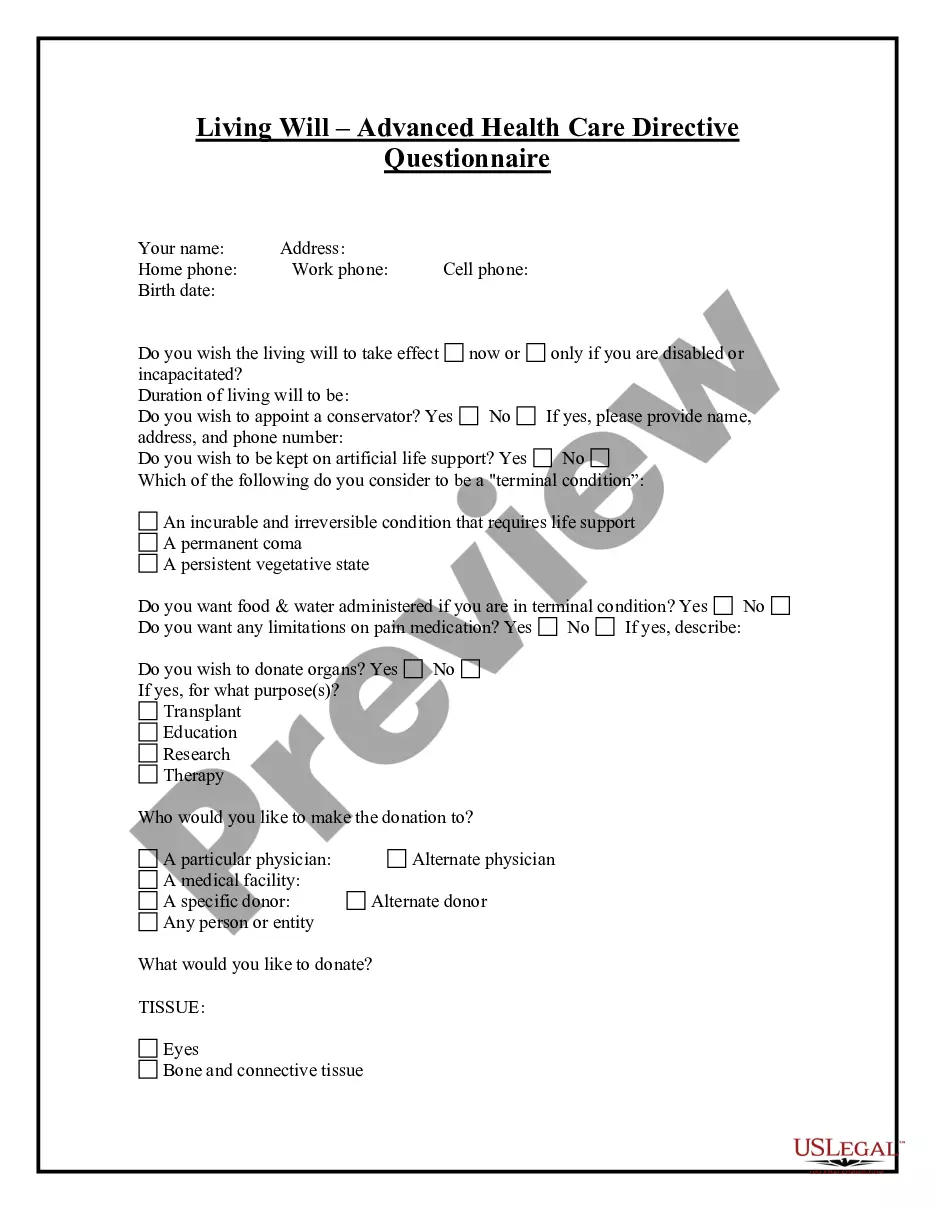
The Estate Planning Questionnaire and Worksheets is designed to help individuals gather essential personal and financial information for effective estate planning. This form serves as a comprehensive tool for client interviews and personal assessment, distinguishing it from other legal forms by its focus on collecting relevant data needed to develop an estate plan.
Form components explained
- Personal information section to capture details about the individual.
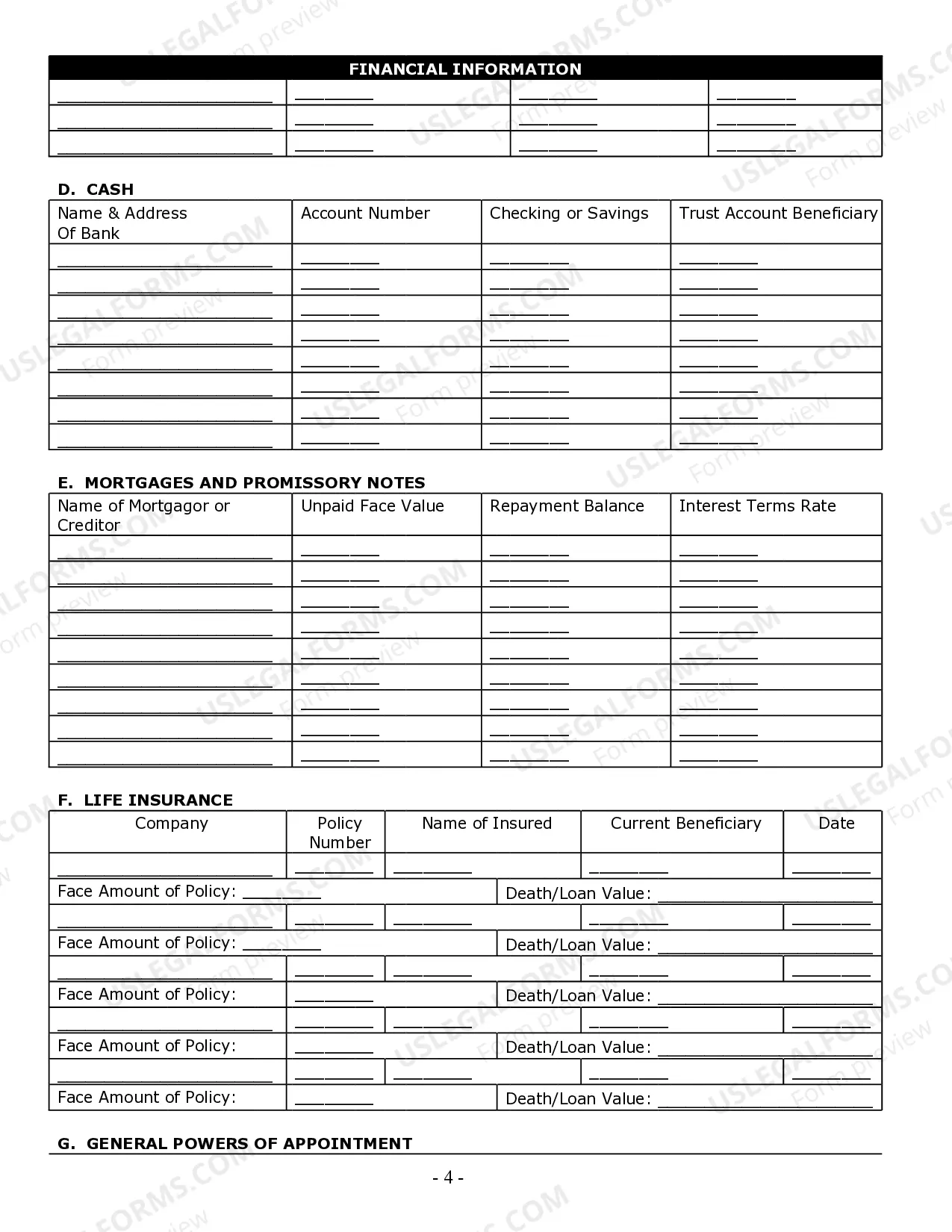
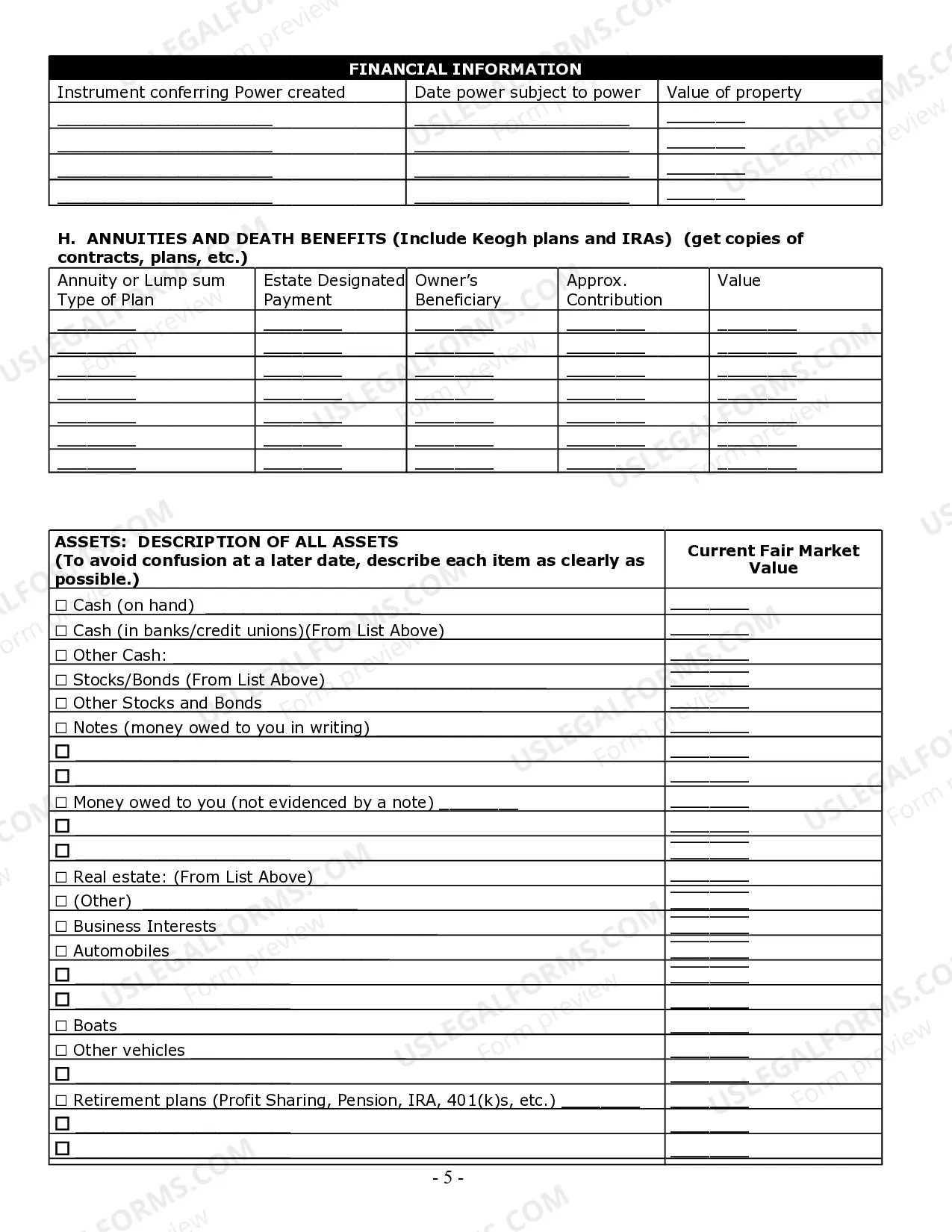
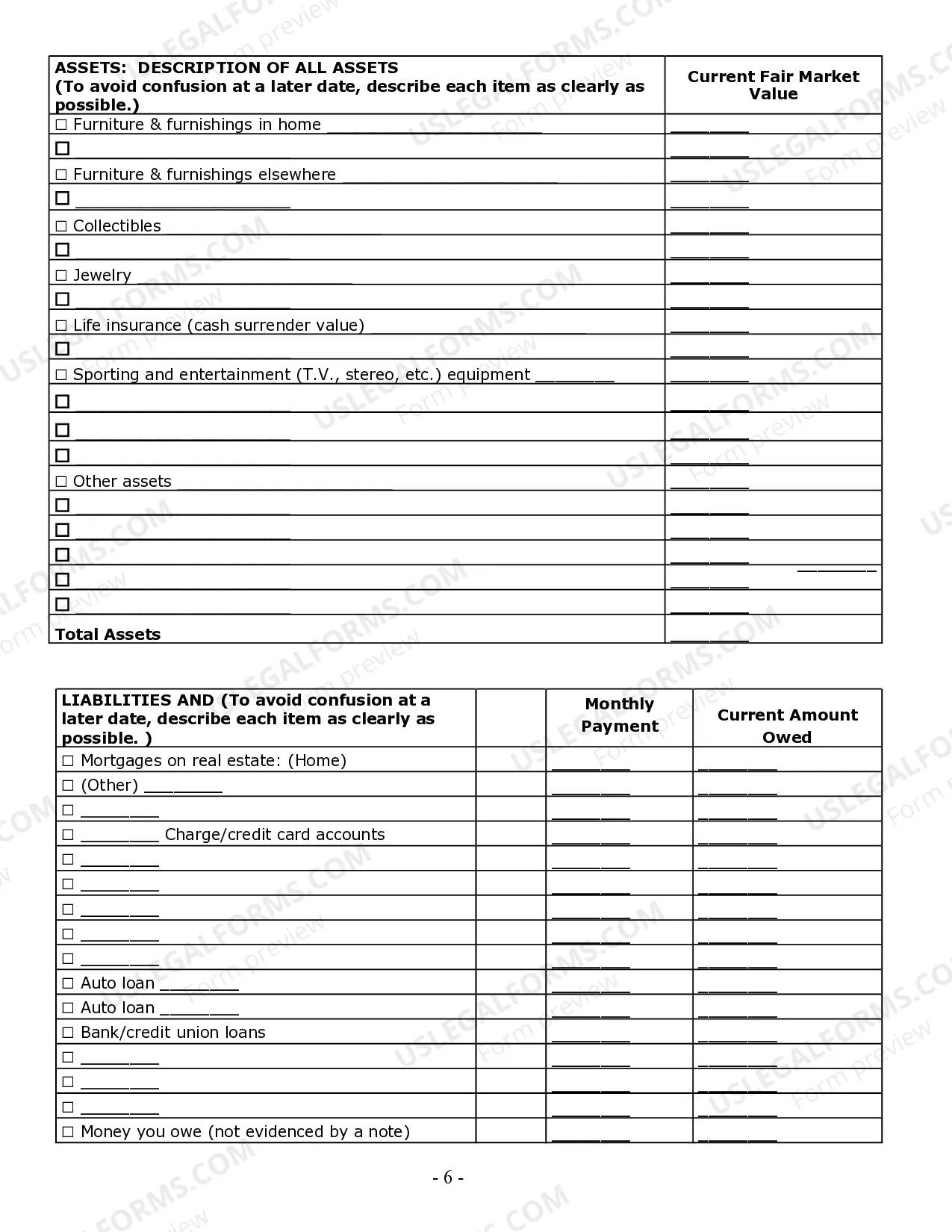
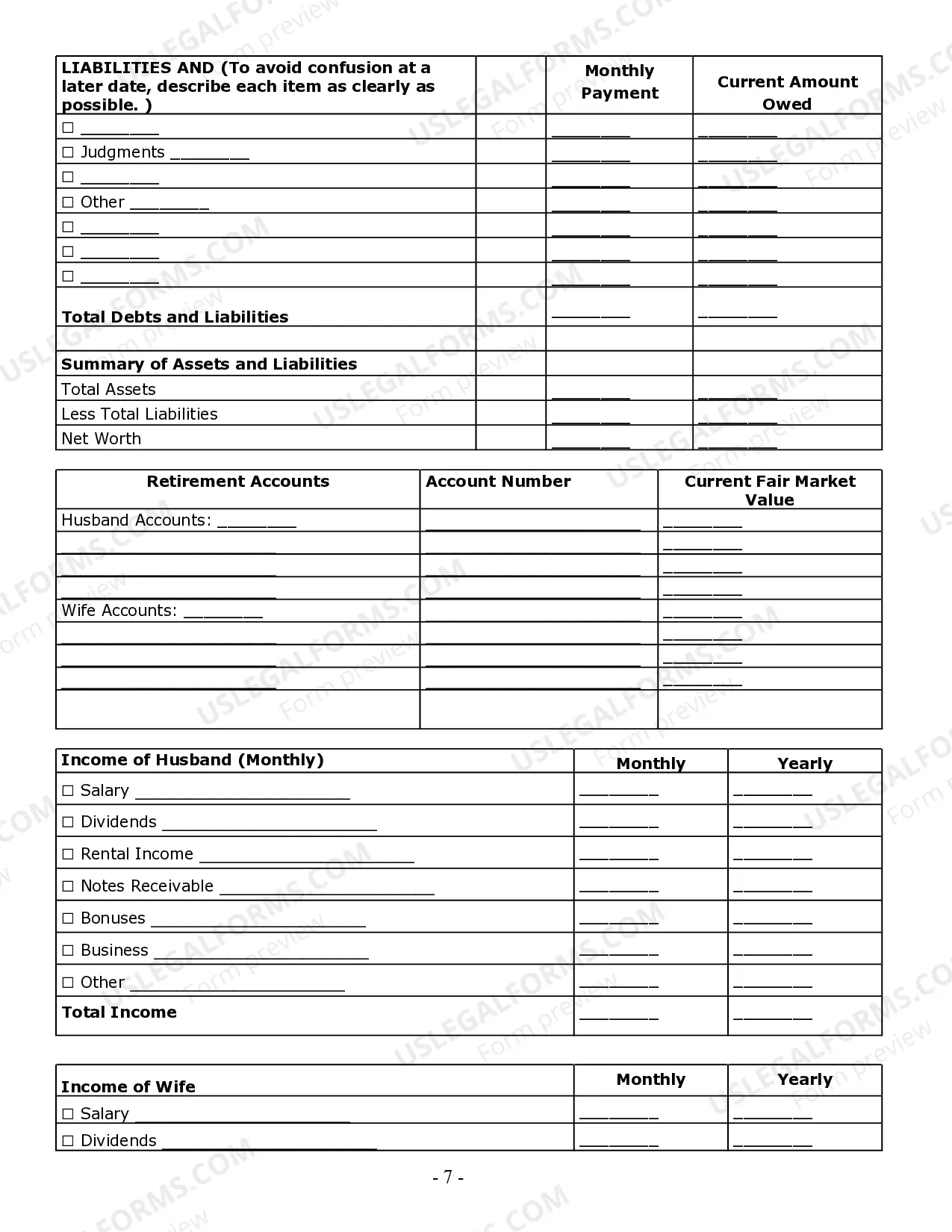
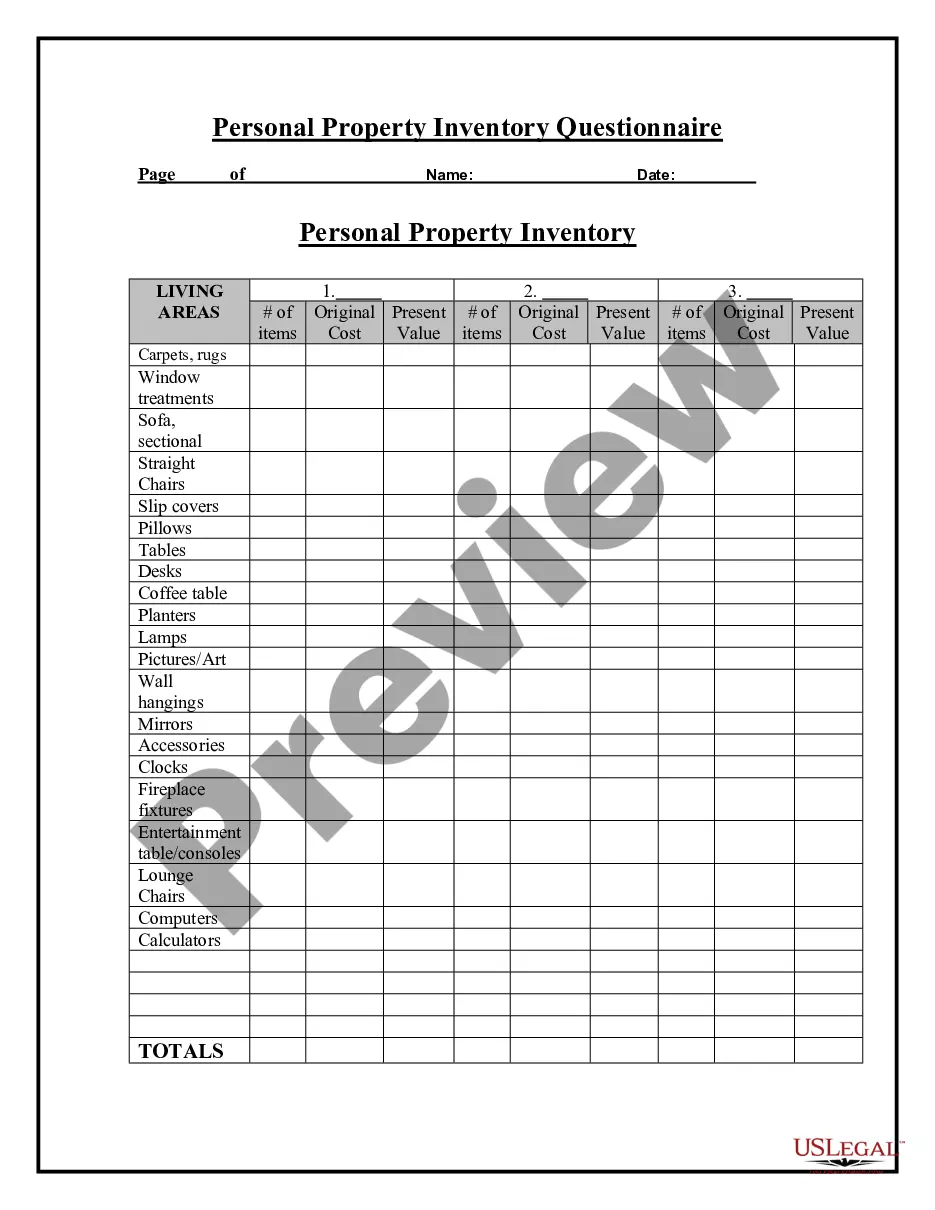
- Financial information section for assets, debts, and liabilities.
- Questions to assess family structure and relationships.
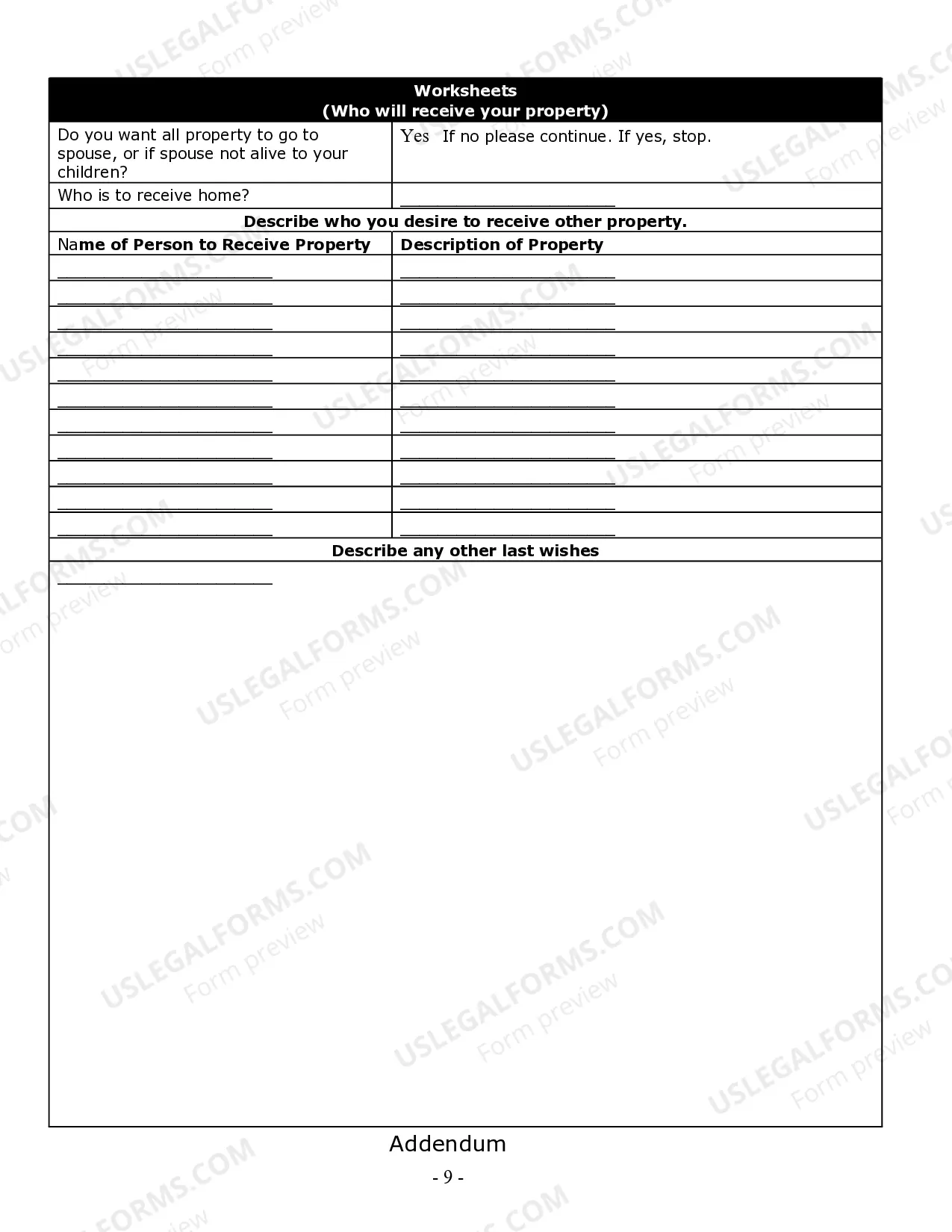
- Specific inquiries regarding beneficiaries and guardianship preferences.
- Options for funeral and burial arrangements.


When this form is needed
This form is useful when creating or updating an estate plan, preparing for meetings with an estate planning attorney, or conducting a personal review of financial and familial circumstances. It can guide individuals in comprehensively understanding their current estate situation and help facilitate informed decisions.
Who needs this form
- Individuals beginning the estate planning process.
- Parents seeking to establish guardianship for children.
- Anyone wanting to ensure their assets are distributed according to their wishes.
- People managing complex financial situations with multiple beneficiaries.
Instructions for completing this form
- Identify yourself and gather necessary personal details.
- List all financial assets, liabilities, and debts.
- Answer questions regarding your family structure and relationships.
- Specify your preferences for beneficiaries and potential guardians.
- Include any wishes related to funeral arrangements.
Notarization guidance
This form does not typically require notarization unless specified by local law.
Get your form ready online
Our built-in tools help you complete, sign, share, and store your documents in one place.
Make edits, fill in missing information, and update formatting in US Legal Forms—just like you would in MS Word.
Download a copy, print it, send it by email, or mail it via USPS—whatever works best for your next step.
Sign and collect signatures with our SignNow integration. Send to multiple recipients, set reminders, and more. Go Premium to unlock E-Sign.
If this form requires notarization, complete it online through a secure video call—no need to meet a notary in person or wait for an appointment.
We protect your documents and personal data by following strict security and privacy standards.

Make edits, fill in missing information, and update formatting in US Legal Forms—just like you would in MS Word.

Download a copy, print it, send it by email, or mail it via USPS—whatever works best for your next step.

Sign and collect signatures with our SignNow integration. Send to multiple recipients, set reminders, and more. Go Premium to unlock E-Sign.

If this form requires notarization, complete it online through a secure video call—no need to meet a notary in person or wait for an appointment.

We protect your documents and personal data by following strict security and privacy standards.
Avoid these common issues
- Forgetting to include all assets and liabilities.
- Neglecting to update information regularly.
- Overlooking the need for clarity in beneficiary designations.
- Assuming a simple will is sufficient without further planning.
Benefits of completing this form online
- Convenience of completing the questionnaire at your own pace.
- Editability allows for updates as your circumstances change.
- Ease of access to professional legal forms without the need for physical meetings.
- Secure digital storage for your completed documents.
Legal use & context
- This questionnaire serves as a foundational tool for estate planning, helping to articulate your desires concerning asset distribution.
- While it is not a legally binding document, it prepares individuals and attorneys for creating enforceable estate planning documents.
Main things to remember
- The form is essential for gathering crucial estate planning information.
- Completing the questionnaire helps organize thoughts before consultations.
- Regularly updating the information ensures your estate plans remain relevant.
Looking for another form?
Form popularity
FAQ
Estate planning is the preparation of tasks that serve to manage an individual's asset base in the event of their incapacitation or death. The planning includes the bequest of assets to heirs and the settlement of estate taxes. Most estate plans are set up with the help of an attorney experienced in estate law.
An estate plan is a comprehensive plan that includes documents that are effective during your lifetime as well as other documents that aren't in effect until your death.A will details where you want your assets to go at your death, and who you would like to serve as guardian of your minor children.
There are four main elements of an estate plan; these include a will, a living will and healthcare power of attorney, a financial power of attorney, and a trust.
Creating an estate plan is a lot like getting into better shape. Step 1: Sign a will. Step 2: Name beneficiaries. Step 3: Dodge estate taxes. Step 4: Leave a letter. Step 5: Draw up a durable power of attorney. Step 6: Create an advance health care directive.