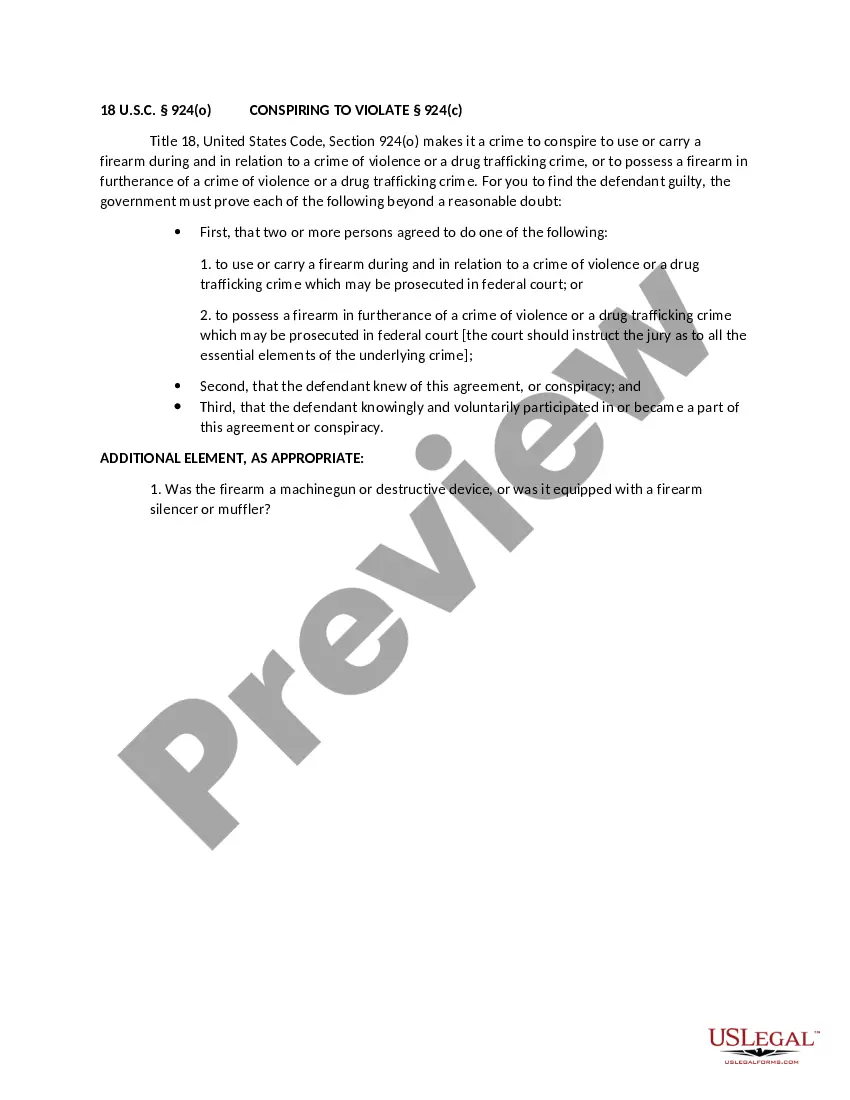
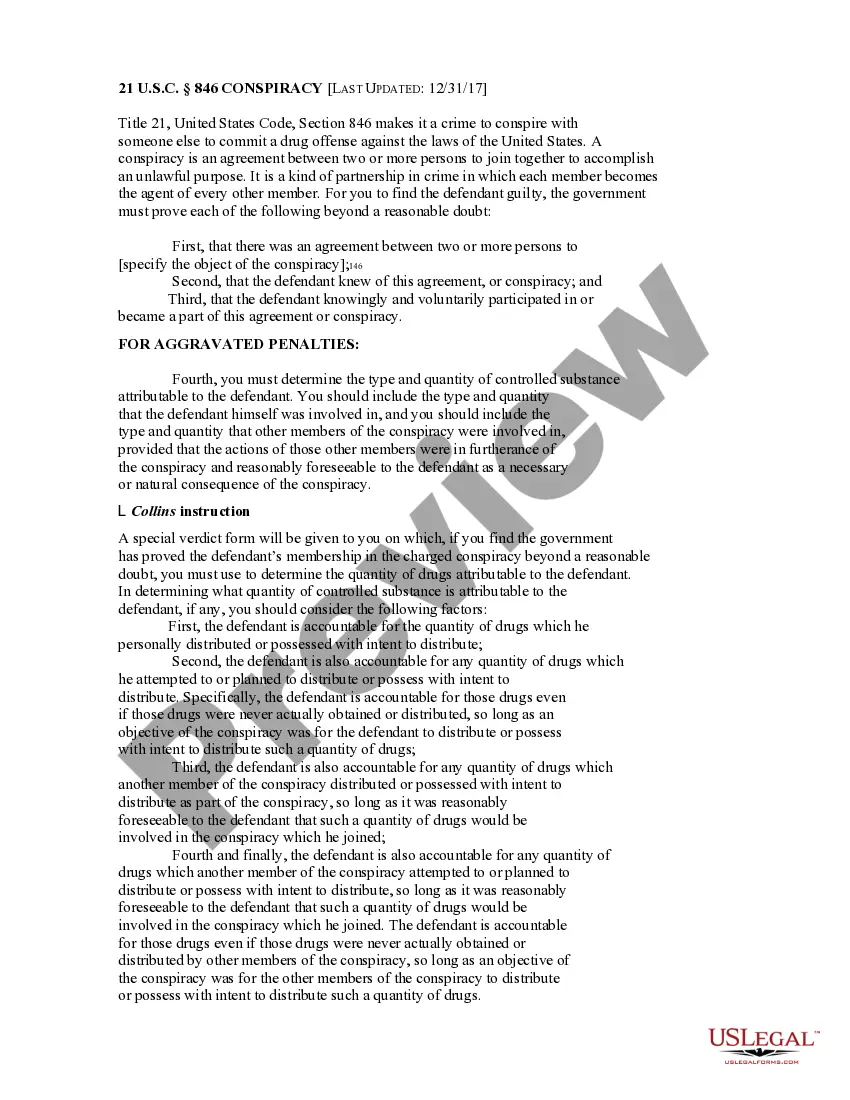
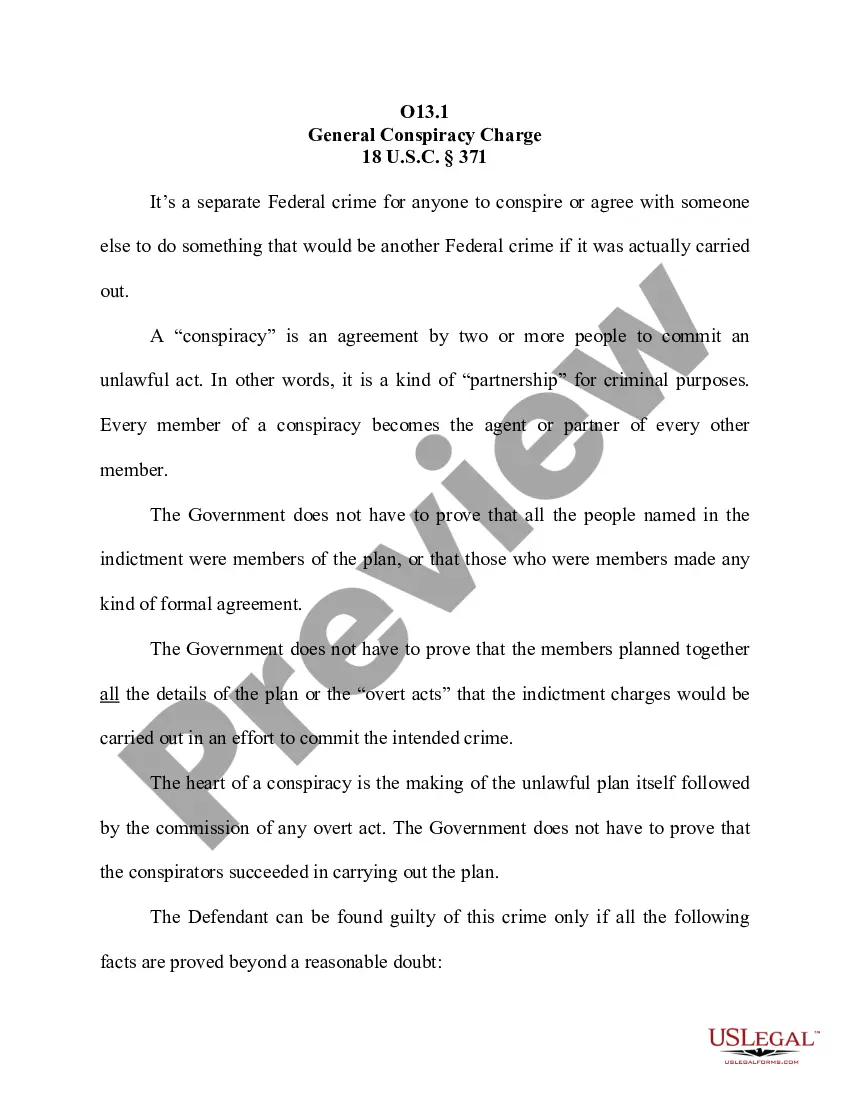
South Carolina CONSPIRACY
Is notarization required?
This form usually doesn’t need to be notarized. However, local laws or specific transactions may require it. Our online notarization service, powered by Notarize, lets you complete it remotely through a secure video session, available 24/7.
Get your form ready online
Our built-in tools help you complete, sign, share, and store your documents in one place.
Make edits, fill in missing information, and update formatting in US Legal Forms—just like you would in MS Word.
Download a copy, print it, send it by email, or mail it via USPS—whatever works best for your next step.
Sign and collect signatures with our SignNow integration. Send to multiple recipients, set reminders, and more. Go Premium to unlock E-Sign.
If this form requires notarization, complete it online through a secure video call—no need to meet a notary in person or wait for an appointment.
We protect your documents and personal data by following strict security and privacy standards.

Make edits, fill in missing information, and update formatting in US Legal Forms—just like you would in MS Word.

Download a copy, print it, send it by email, or mail it via USPS—whatever works best for your next step.

Sign and collect signatures with our SignNow integration. Send to multiple recipients, set reminders, and more. Go Premium to unlock E-Sign.

If this form requires notarization, complete it online through a secure video call—no need to meet a notary in person or wait for an appointment.

We protect your documents and personal data by following strict security and privacy standards.
Looking for another form?





Form popularity
FAQ
Those four types are 1) intrusion on a person's seclusion or solitude; 2) public disclosure of embarrassing private facts about a person; 3) publicity that places a person in a false light in the public eye; and 4) appropriation, for the defendant's advantage, of the person's name or likeness. 1.
Under South Carolina Code Annotated 16-17-530, the crime of public disorderly conduct is defined as behavior that is outside the bounds of behavior expected of citizens in public areas.
Invasion of privacy involves the infringement upon an individual's protected right to privacy through a variety of intrusive or unwanted actions. Such invasions of privacy can range from physical encroachments onto private property to the wrongful disclosure of confidential information or images.
Invasion of privacy occurs when someone unlawfully enters or intrudes onto another person's property, thereby violating that person's reasonable expectation of privacy. In South Carolina, the criminal offense of invasion of privacy encompasses three distinct actions: trespassing, peeping, and eavesdropping.
The following are some examples of what is NOT an invasion of privacy: Hearing a phone call while in a public area; Reading a document left in a public place; Photographing a person in public; and.
The term "peeping tom", as used in this section, is defined as a person who peeps through windows, doors, or other like places, on or about the premises of another, for the purpose of spying upon or invading the privacy of the persons spied upon and any other conduct of a similar nature, that tends to invade the
Invasion of privacy is the violation of a person's freedom to control their image and be left undisturbed in private spaces and conversations.
Title 16 - Crimes and Offenses. CHAPTER 5 - OFFENSES AGAINST CIVIL RIGHTS. SECTION 16-5-50. Penalty for hindering officers or rescuing prisoners.