Montana HVAC Contractor Package
What this form package covers
The Montana HVAC Contractor Package contains crucial legal documents specifically designed for HVAC contractors. This package includes a comprehensive HVAC contract that complies with Montana state law, essential for protecting your rights and managing legal matters related to residential HVAC projects. Unlike generic templates, these forms are drafted by licensed attorneys to ensure compliance with local regulations.
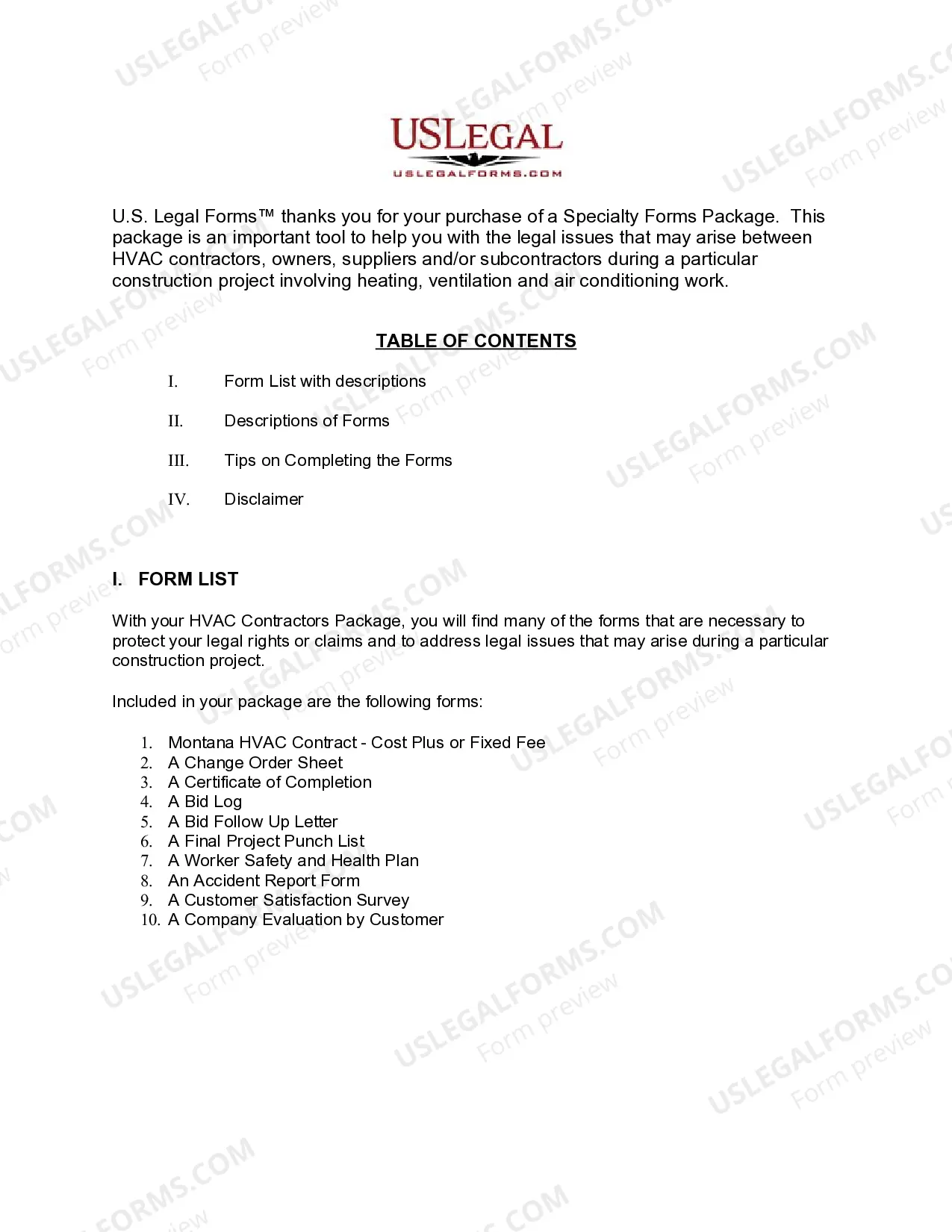
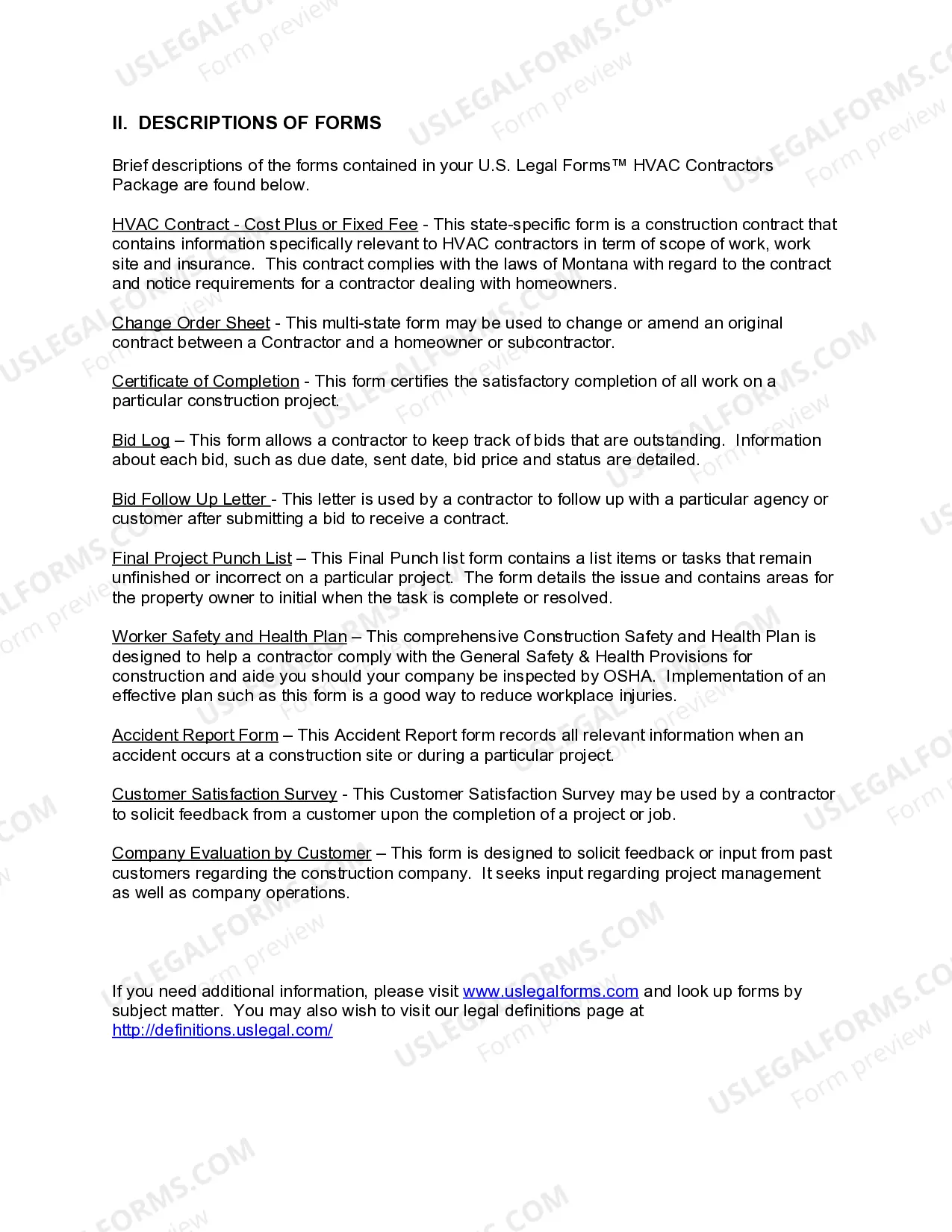
Forms included in this package
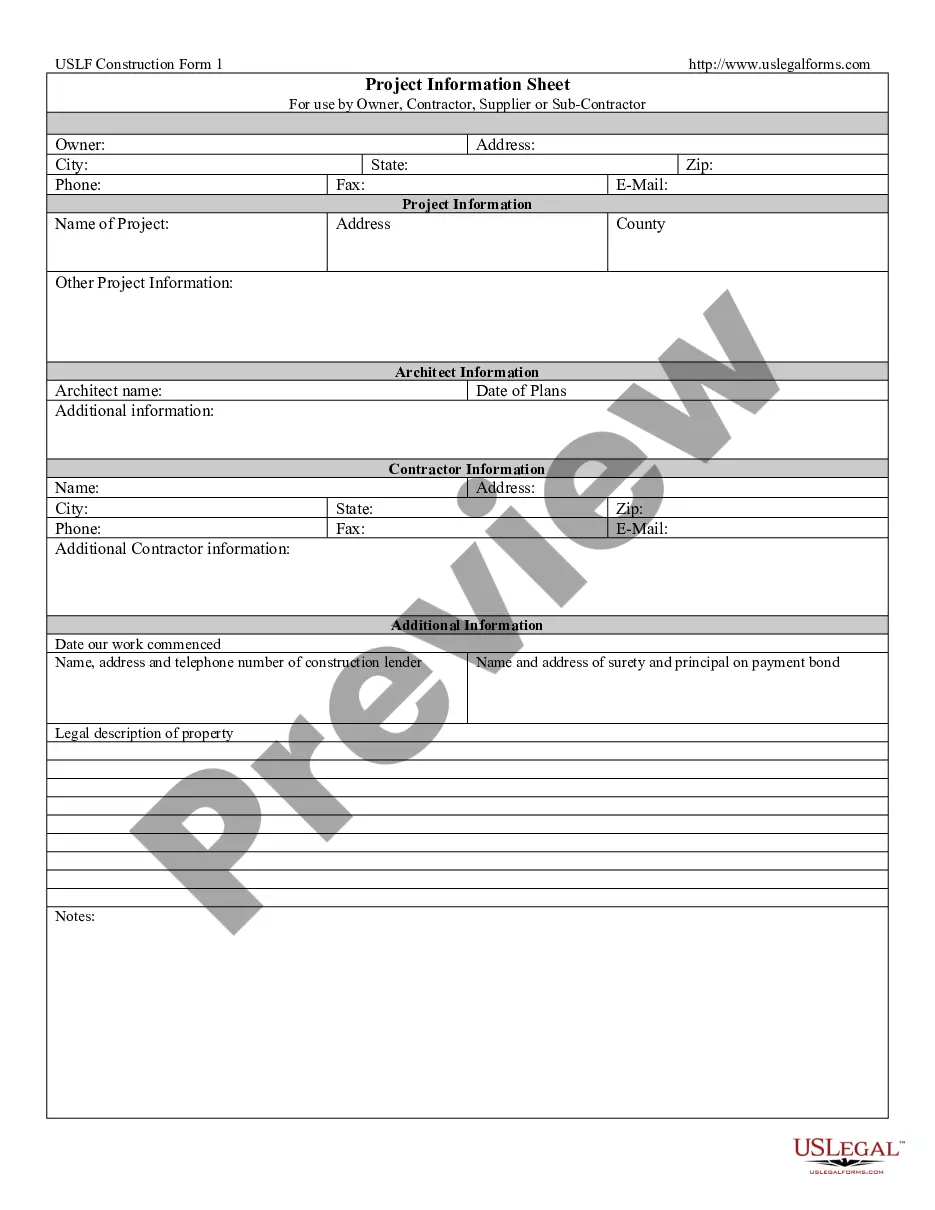
- HVAC Contract for Contractor
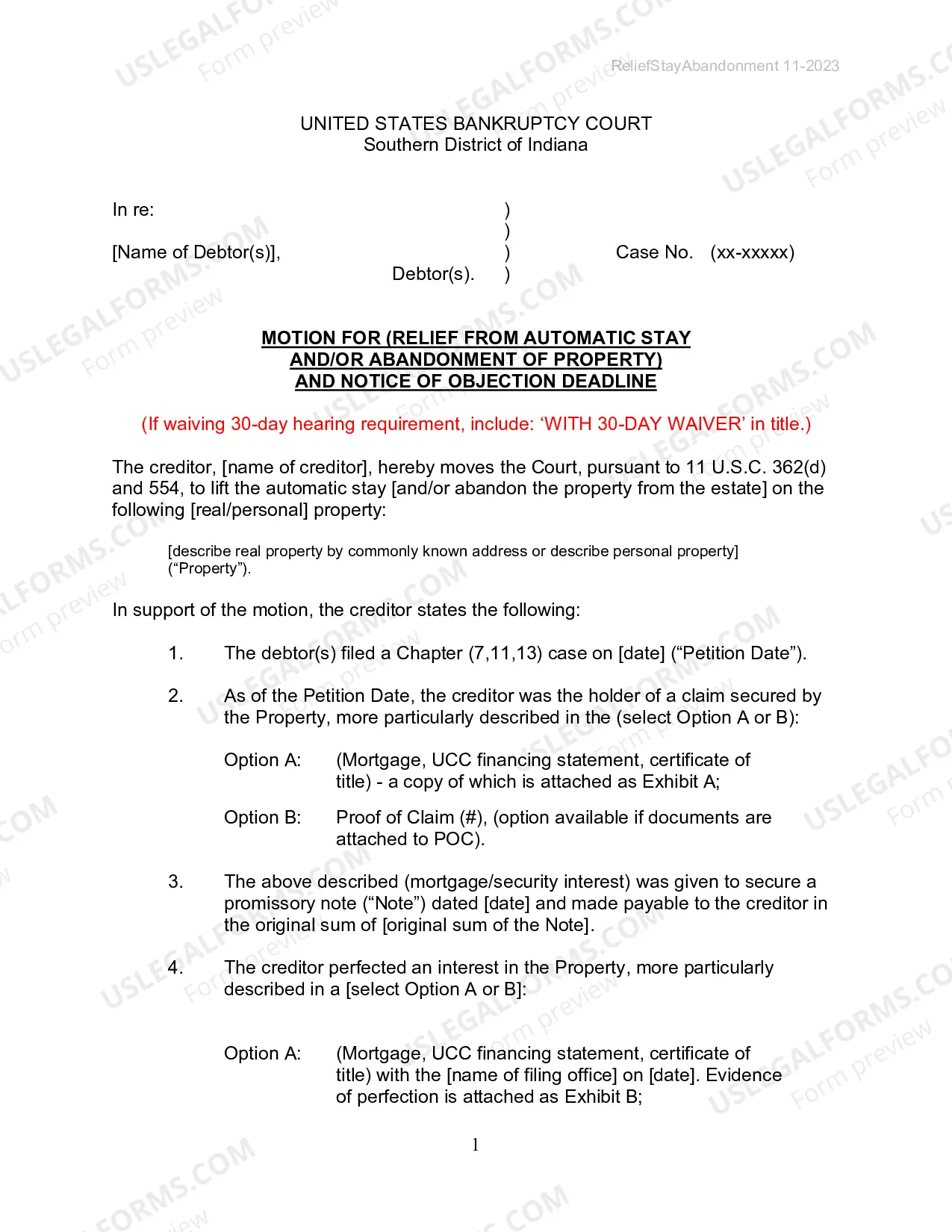
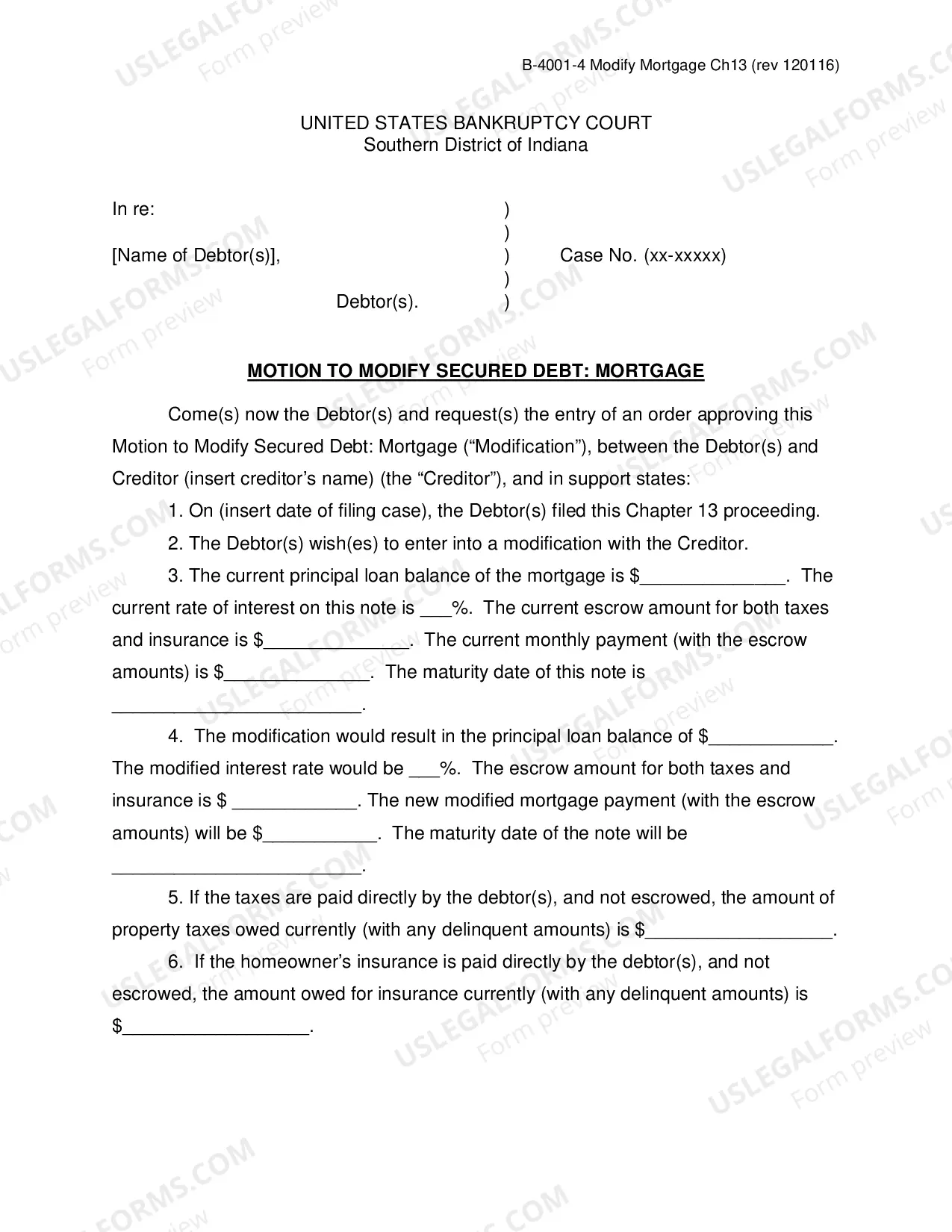
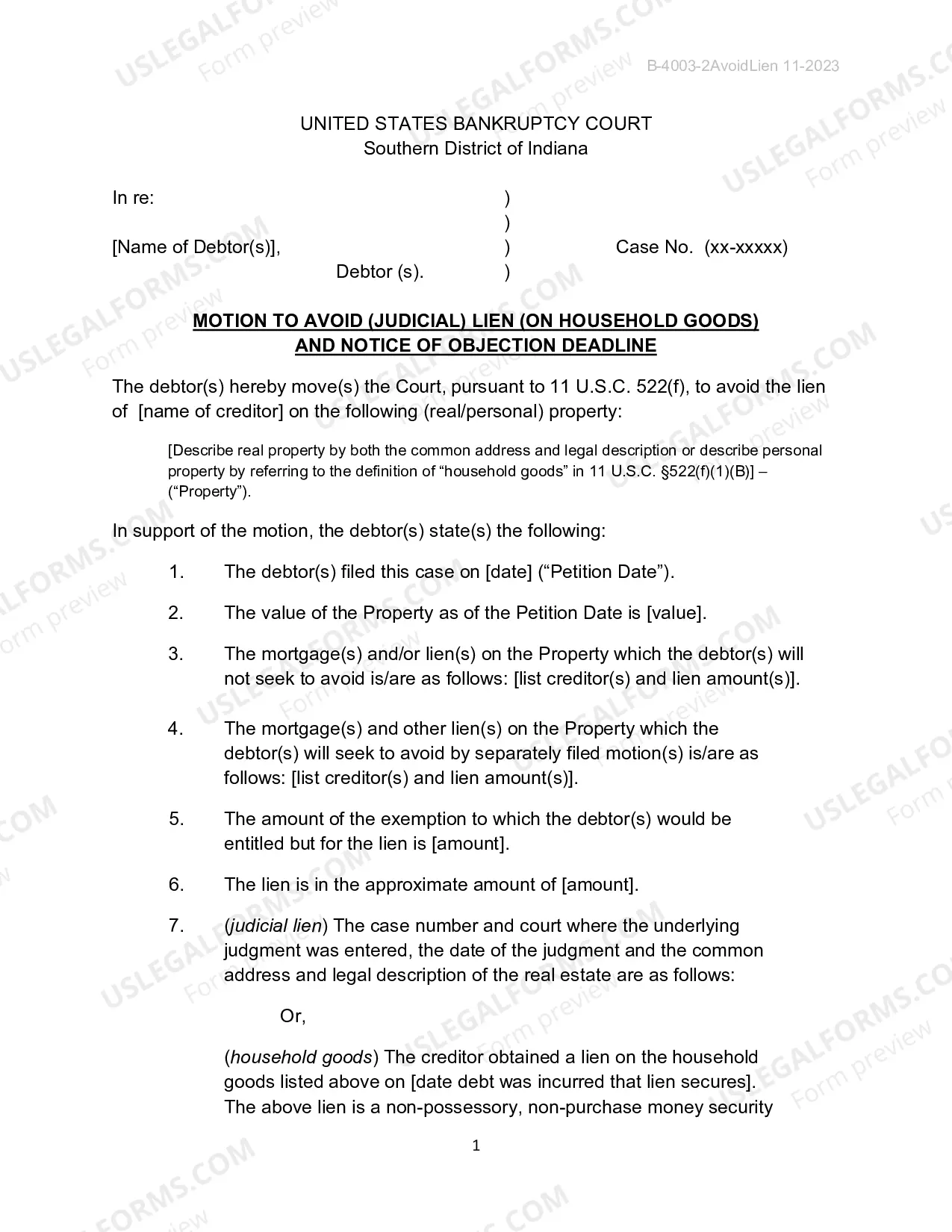
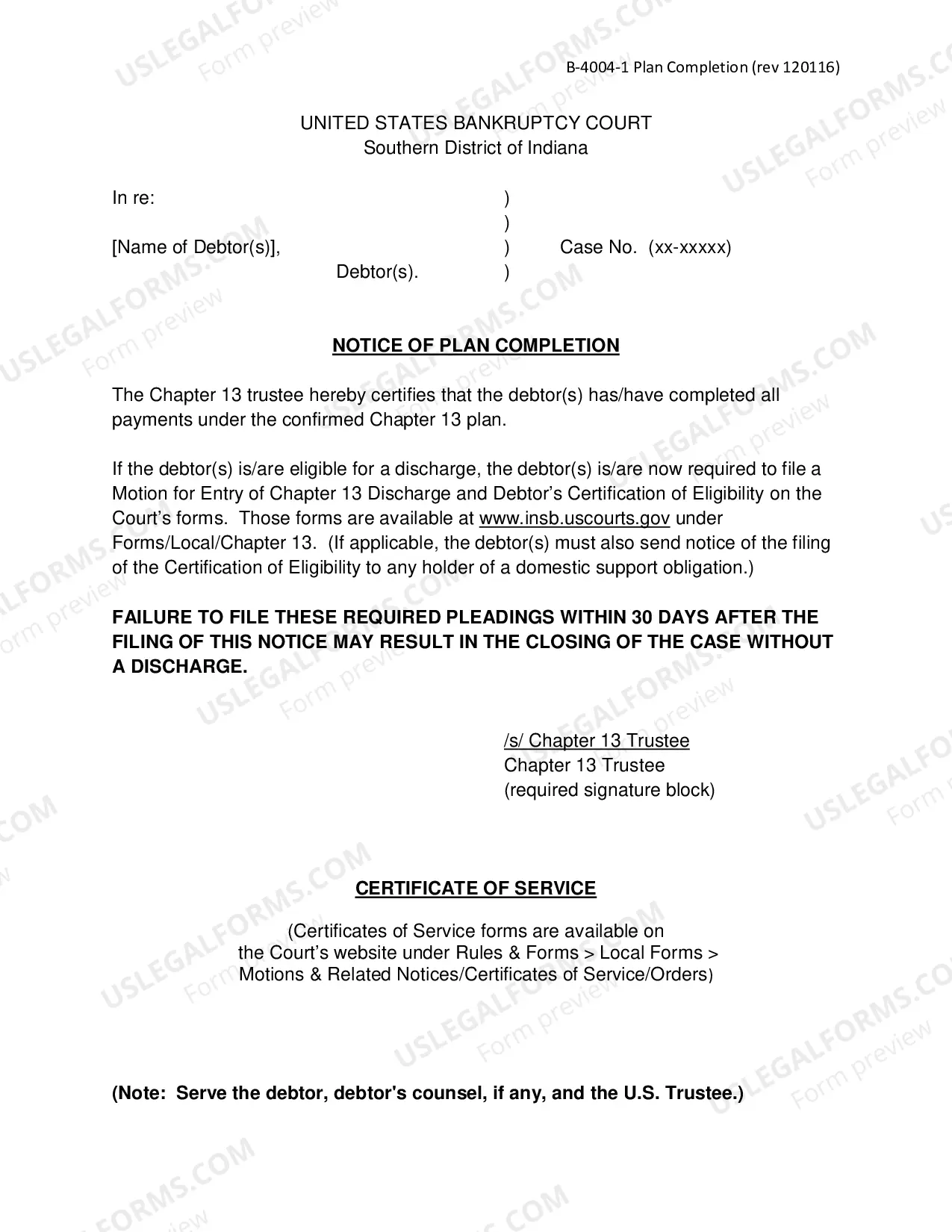
- Contractor's Bid Log
- Contractor's Bid Follow Up Letter
- Contractor's Final Punch List
- Customer Satisfaction Survey
- Construction Company Evaluation by a Customer
- Construction Accident Report
- Construction Safety and Health Plan
- Change Order for Construction or Repairs by Contractor
- Certification of Completion by Contractor
Common use cases
This form package is particularly useful in various scenarios including:
- Starting new HVAC projects and requiring a legally binding contract.
- Amending existing contracts with the Change Order Sheet.
- Documenting project completion with the Certificate of Completion.
- Tracking potential safety issues with the Worker Safety and Health Plan.
- Gathering customer feedback following project completion through the Customer Satisfaction Survey.
Who needs this form package
- HVAC contractors operating in Montana.
- Subcontractors working on residential HVAC installations.
- HVAC project managers needing to streamline workflows and document processes.
- Business owners looking to protect their legal interests during HVAC projects.
How to prepare this document
- Review all included forms to understand their specific functions.
- Identify the main parties involved in the contract and enter their details.
- Complete the HVAC Contract using accurate project specifications and pricing.
- Attach necessary supporting documents, such as the Change Order Sheet, if modifications are needed.
- Ensure all parties sign where necessary and retain copies for your records.
Do forms in this package need to be notarized?
Forms in this package typically do not require notarization. However, certain states or document types may still need it. US Legal Forms provides online notarization powered by Notarize, available 24/7 for your convenience.
Get your form ready online
Our built-in tools help you complete, sign, share, and store your documents in one place.
Make edits, fill in missing information, and update formatting in US Legal Forms—just like you would in MS Word.
Download a copy, print it, send it by email, or mail it via USPS—whatever works best for your next step.
Sign and collect signatures with our SignNow integration. Send to multiple recipients, set reminders, and more. Go Premium to unlock E-Sign.
If this form requires notarization, complete it online through a secure video call—no need to meet a notary in person or wait for an appointment.
We protect your documents and personal data by following strict security and privacy standards.

Make edits, fill in missing information, and update formatting in US Legal Forms—just like you would in MS Word.

Download a copy, print it, send it by email, or mail it via USPS—whatever works best for your next step.

Sign and collect signatures with our SignNow integration. Send to multiple recipients, set reminders, and more. Go Premium to unlock E-Sign.

If this form requires notarization, complete it online through a secure video call—no need to meet a notary in person or wait for an appointment.

We protect your documents and personal data by following strict security and privacy standards.
Common mistakes to avoid
- Failing to customize the HVAC contract to reflect the specific terms of the project.
- Not keeping accurate records in the Bid Log.
- Overlooking safety protocols outlined in the Worker Safety and Health Plan.
- Forgetting to have forms signed and dated by all parties involved.
- Not following up on bids with the Bid Follow Up Letter.
Why complete this package online
- Easy access to high-quality, state-compliant documents whenever needed.
- Ability to customize forms to fit specific project requirements while ensuring legal compliance.
- Cost-effective solution, saving more than 50% compared to purchasing forms separately.
- Convenient download option for immediate use without waiting for physical delivery.
Looking for another form?

Form popularity
FAQ
Trane. Trane Central Air Conditioners. Trane systems are the top-of-the-line. Amana. Amana Central Air Conditioners. Michigan-based Amana has been manufacturing systems since 1934. Carrier. Carrier Central Air Conditioners. Lennox. Lennox Central Air Conditioners. Rheem. Rheem Central Air Conditioners.
For smaller homes, the packaged unit will be best. That's because all components of the packaged system are located outside. With a smaller amount of storage space for HVAC components, you'll be better off with a package system. For larger homes, or those with a basement or crawlspace, a split system will be best.
Making 3 to $20M a year usually about 6% of the overall revenue of the company. If you do some math, this means the average HVAC company is bringing in between $580K and 1.25M a year.
A packaged unit is an all-in-one HVAC appliance that is spatially efficient, making it ideal for situations where indoor square footage is at a premium. It is installed outside the home (either on the roof or the side) where it produces conditioned air that is forced into a series of ducts running throughout the house.
Packaged air conditioners are solely electric and typically contain a cooling-only system, although electrical strip heat can be added. These units are generally found in warmer areas.Packaged heat pump systems contain both a heat pump and an air handler and provide electric heating and cooling.
In short, a packaged HVAC unit comprises everything involved in a central air system in one unit placed outside the home. Homes with little indoor space to house these systems - or those lacking in underground spaces - will have a packaged unit.
Per BLS data, the median salary of HVAC technicians as of May 2016 was $45,910. The highest 10 percent of earners in the HVAC field earned upwards of $73,000.
The cost to replace an HVAC system averages $7,000, with a typical range of $5,000 to $10,000. This translates into $25 to $60 per square foot, depending on the brand and size. For anew installation, you can expect to pay $1,500 to $12,500.
Split Systems. A package HVAC unit combines multiple units, such as an air conditioner and heater, into a single unit. The unit is usually placed outside. Split systems, on the other hand, divide each system into its own unit, so your heater and air conditioner are separate.