Montana Newly Widowed Individuals Package
About this form package
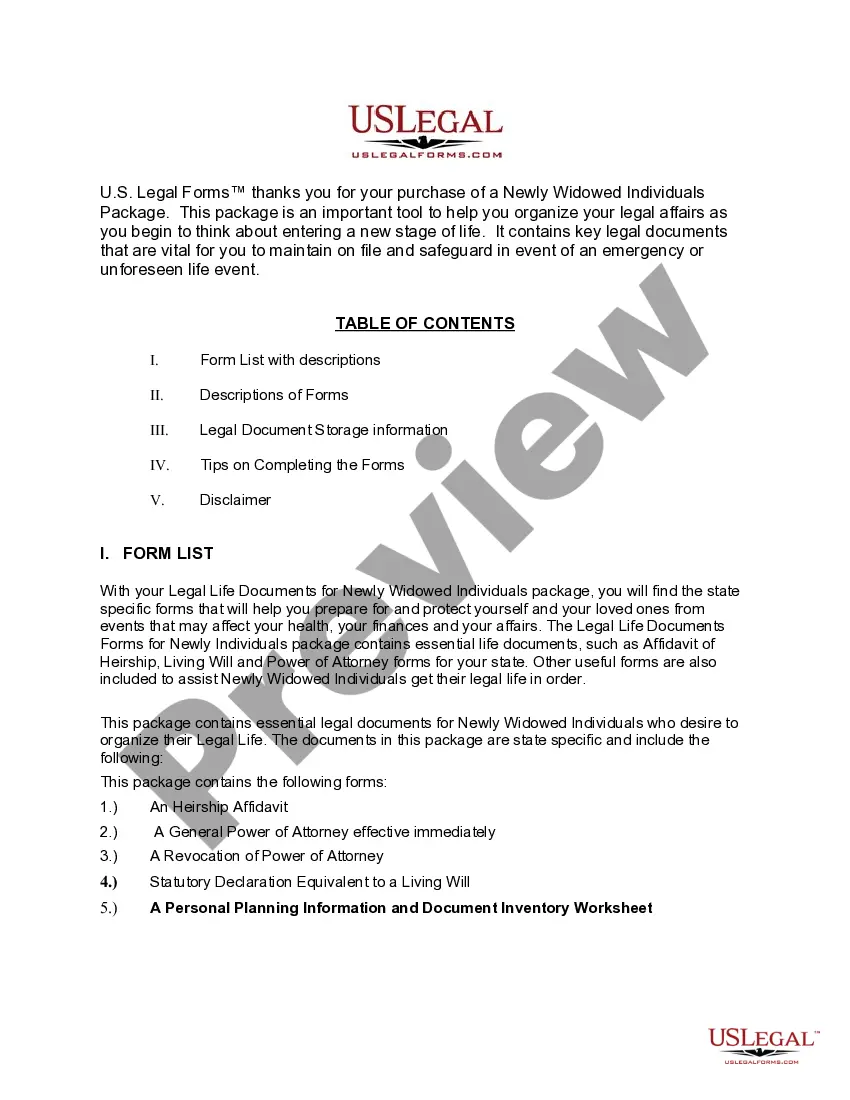
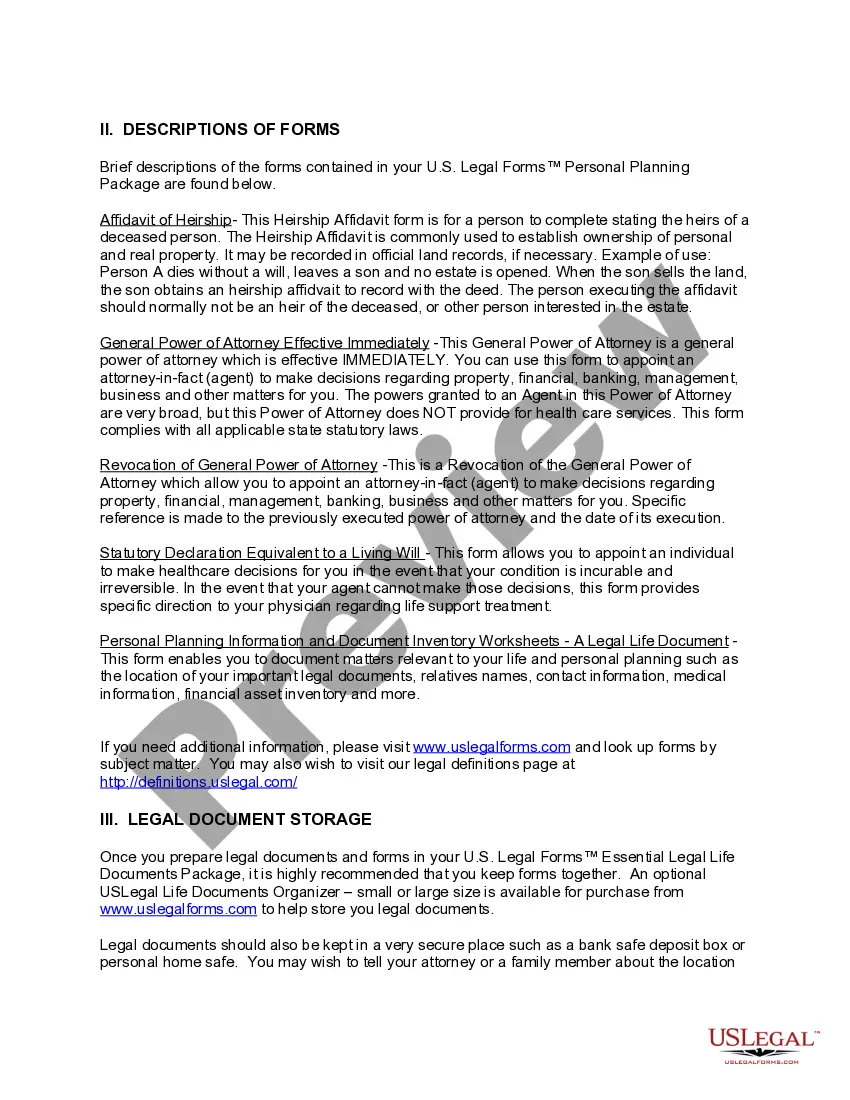
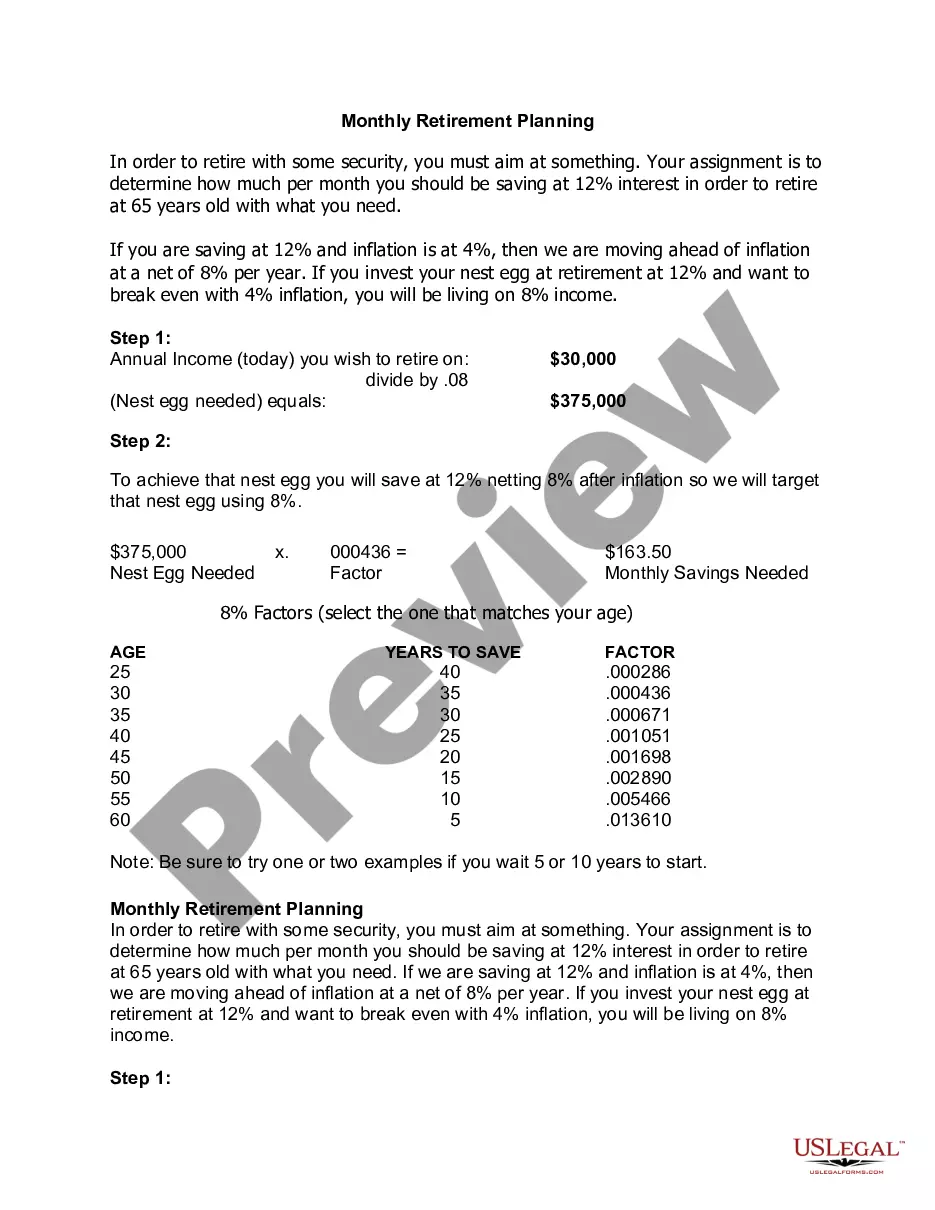
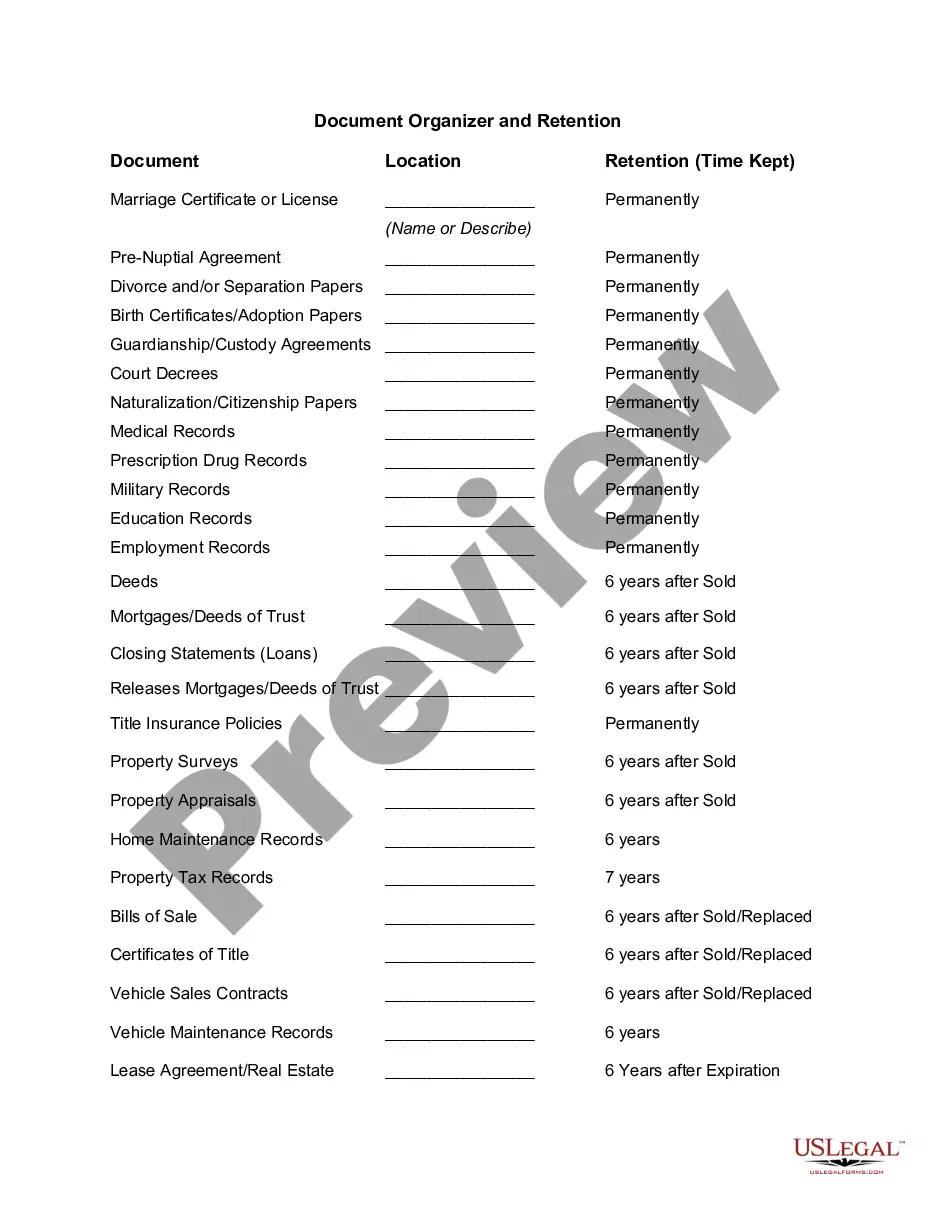
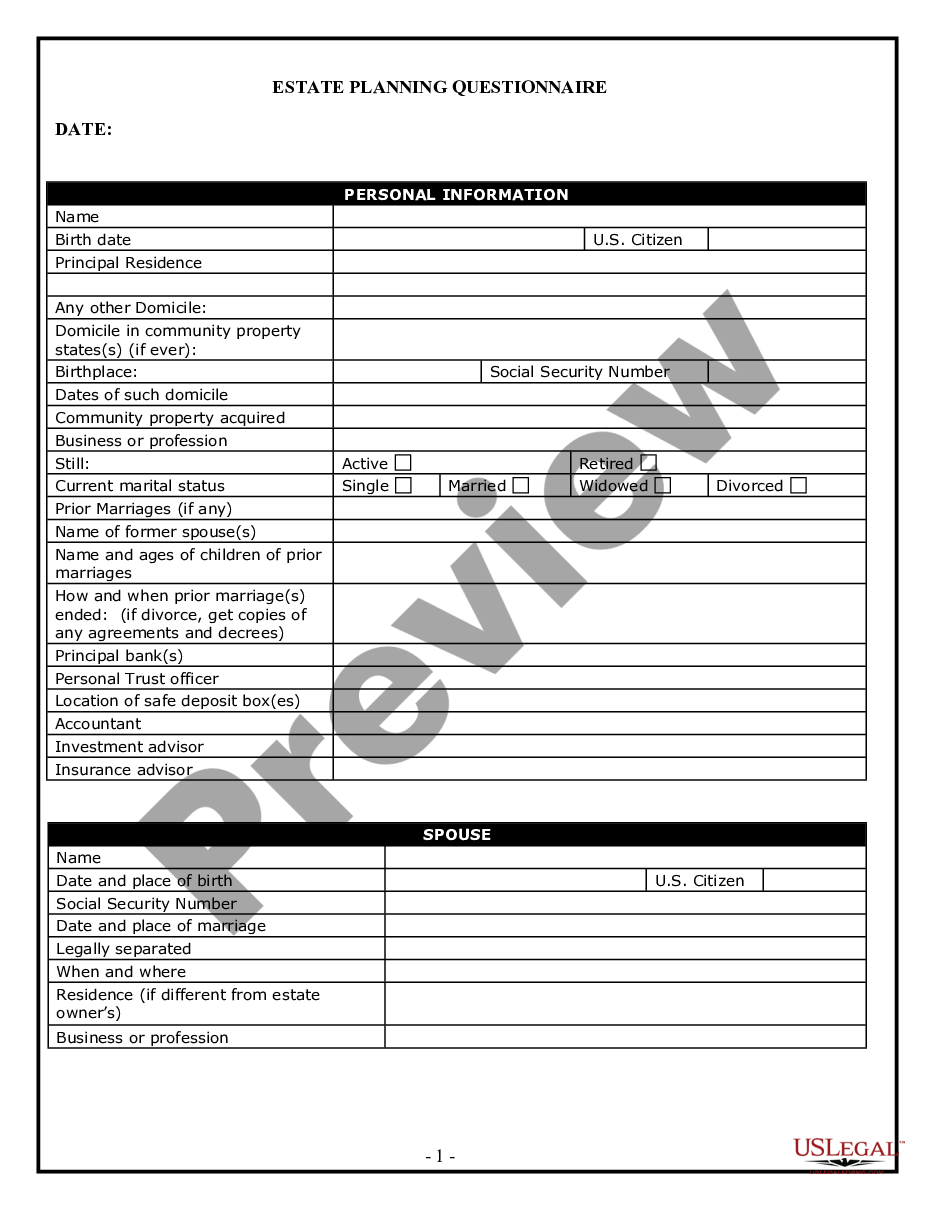
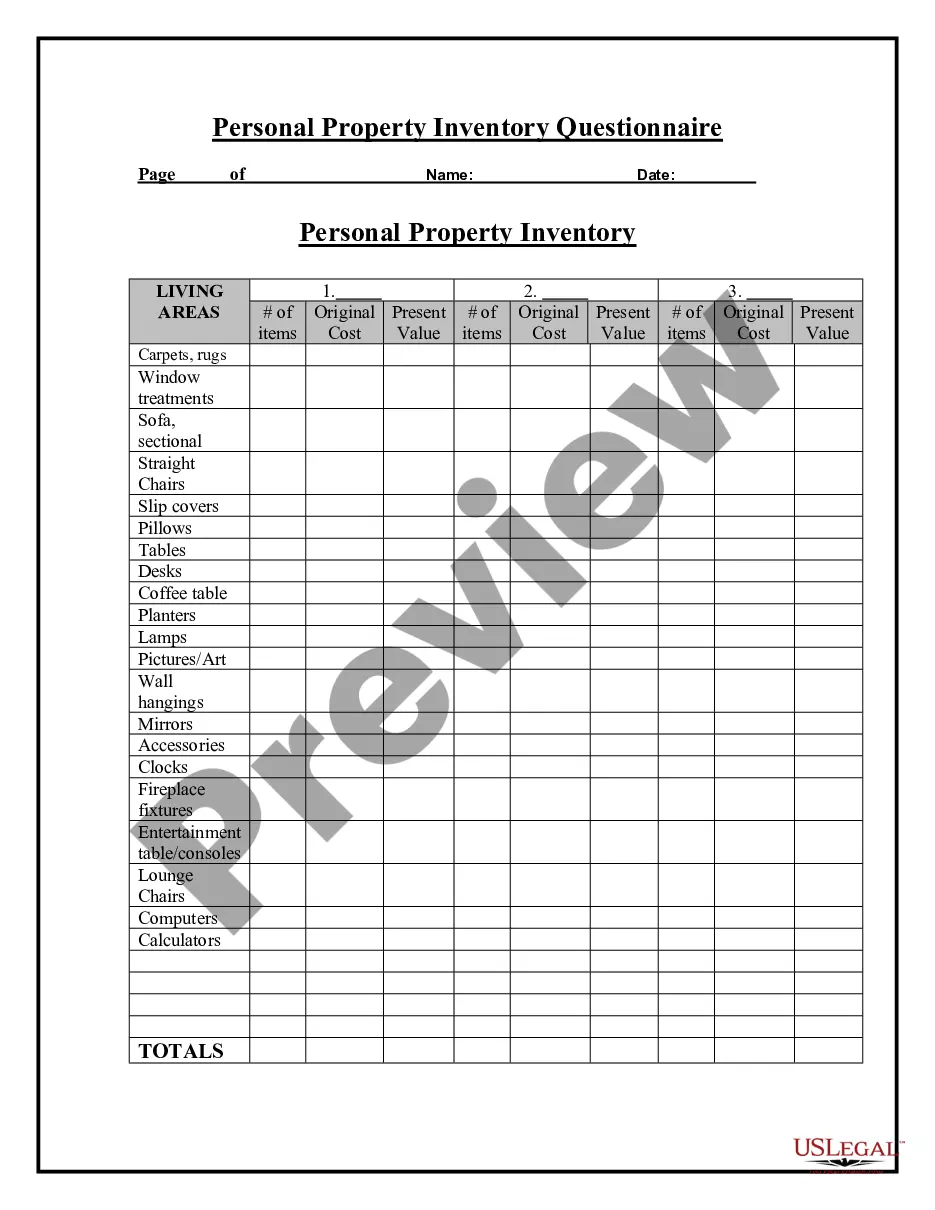
The Montana Newly Widowed Individuals Package is designed to help those who have recently lost a spouse to manage and organize their legal affairs. This package includes essential legal documents tailored for individuals in Montana, ensuring completeness and compliance with state laws. It features an heirship affidavit, general power of attorney, revocation of power of attorney, a living will/advance healthcare directive, and a personal planning information and document inventory worksheet. Together, these documents provide a comprehensive framework for making important decisions regarding health and finances during a challenging time.
Documents contained in this package
When to use this document
This form package is ideal for newly widowed individuals who need to establish legal authority over their financial and healthcare decisions. It is particularly useful when:
- Planning your estate after the loss of a spouse.
- Designating a trusted person to manage your finances and property.
- Making decisions about medical treatments in accordance with your wishes.
- Documenting important personal information for future reference.
Who this form package is for
- Individuals who have recently become widowed.
- Those seeking to establish or update their legal documents in light of a spouse's passing.
- People looking to clarify their healthcare preferences and financial arrangements.
- Residents of Montana who require state-specific legal support.
How to complete these forms
- Review each document included in the package for understanding.
- Identify and designate individuals for power of attorney and healthcare decisions.
- Fill in the necessary information in the forms using a computer or by hand.
- Ensure that the documents are signed as required, including witness signatures if applicable.
- Store your completed documents in a secure location and inform a trusted person of their whereabouts.
Notarization guidance for this package
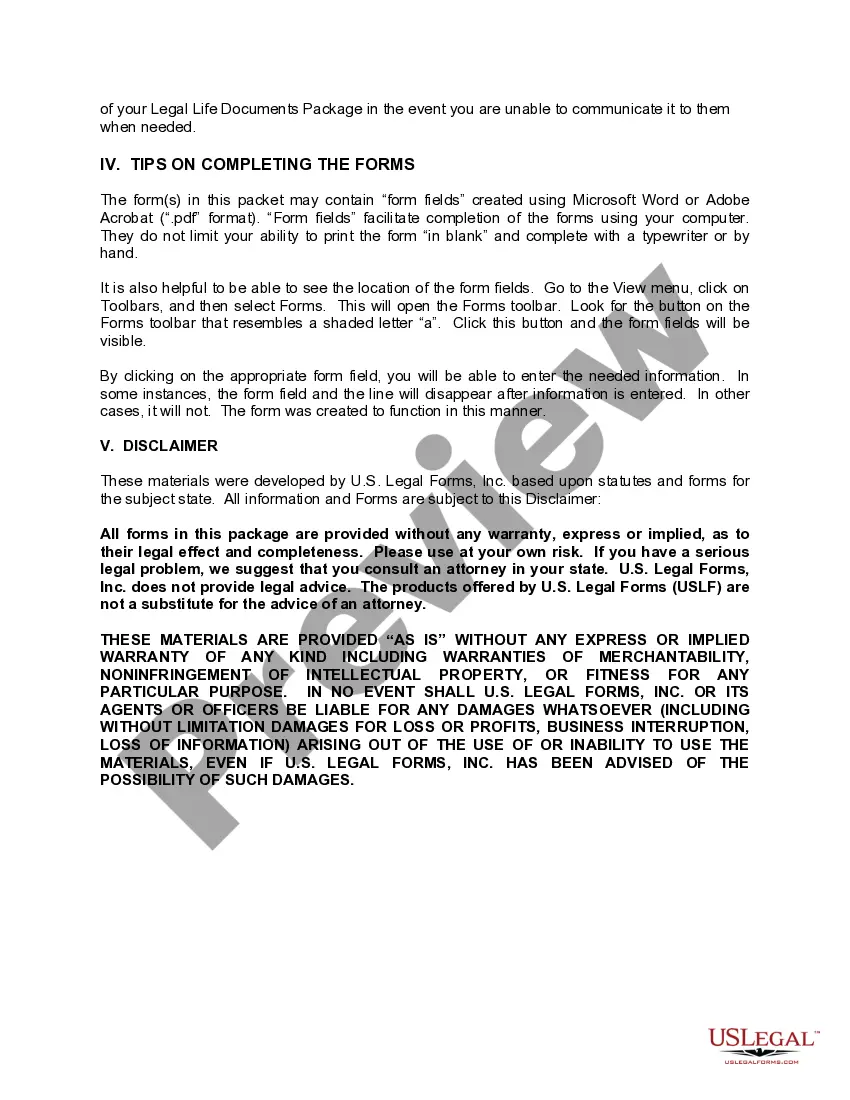
Some forms in this package require notarization to be legally valid. US Legal Forms provides secure online notarization powered by Notarize, allowing you to complete the process through a verified video call, available 24/7.
Get your form ready online
Our built-in tools help you complete, sign, share, and store your documents in one place.
Make edits, fill in missing information, and update formatting in US Legal Forms—just like you would in MS Word.
Download a copy, print it, send it by email, or mail it via USPS—whatever works best for your next step.
Sign and collect signatures with our SignNow integration. Send to multiple recipients, set reminders, and more. Go Premium to unlock E-Sign.
If this form requires notarization, complete it online through a secure video call—no need to meet a notary in person or wait for an appointment.
We protect your documents and personal data by following strict security and privacy standards.

Make edits, fill in missing information, and update formatting in US Legal Forms—just like you would in MS Word.

Download a copy, print it, send it by email, or mail it via USPS—whatever works best for your next step.

Sign and collect signatures with our SignNow integration. Send to multiple recipients, set reminders, and more. Go Premium to unlock E-Sign.

If this form requires notarization, complete it online through a secure video call—no need to meet a notary in person or wait for an appointment.

We protect your documents and personal data by following strict security and privacy standards.
Avoid these common issues
- Failing to sign the documents, which can render them invalid.
- Not including witnesses when required for the power of attorney or living will.
- Overlooking to update the documents if circumstances change (such as new relationships).
Benefits of completing this package online
- Convenient access to legal documents anytime and anywhere.
- Edit and tailor forms to meet personal needs without needing to visit a lawyer.
- Reliable, attorney-drafted content specific to Montana laws.
Legal use & context
- The documents provided within this package are effective under Montana law for estate planning and healthcare decisions.
- Each document serves a specific purpose, ensuring clarity in legal intentions and directives.
- Having these forms helps establish legal rights and prevent disputes regarding asset distribution and healthcare treatments.
Main things to remember
- The Montana Newly Widowed Individuals Package provides essential legal documents tailored for local requirements.
- Understanding when and how to use these forms can greatly simplify managing legal affairs after the loss of a spouse.
- Taking proactive steps in organizing these documents contributes to peace of mind during a difficult transition.
Looking for another form?

Form popularity
FAQ
There are two kinds of benefits that loved ones left behind may be entitled to receive after the death of a spouse. These are: Widowed parent's allowance. Bereavement allowance and bereavement payment.
As a widow: You must be at least 60 years old (unless you are disabled in which case you can claim your benefit as early as age 50). If you are divorced, you can claim the survivors benefit if you were married at least 10 years and are currently unmarried (unless you remarried after age 60).
Employees may also be eligible to receive Medicare benefits through a deceased spouse if that spouse had earned 40 credits prior to their death and they were married to them at the time of the spouse's death.
Plants. People often send flowers to express their sympathies. Gift Baskets. This isn't just us being biased. A Meal. If you live close enough to the widowed, you can skip a basket and make a meal instead. Special Photo. Jewelry. Tree. Journal & Pen. Charity.
For Your Widow Or Widower Widows and widowers can receive: Reduced benefits as early as age 60 or full benefits at full retirement age or older. If widows or widowers qualify for retirement benefits on their own record, they can switch to their own retirement benefit as early as age 62.
Widows can claim benefits at any time between 60 and their survivor full retirement age.
The deceased spouse's filing status becomes Married Filing Separately. Surviving spouses who have a dependent child may be able to use the Qualifying Widow(er) status in the two tax years following the year of the spouse's death.
A surviving spouse can collect 100 percent of the late spouse's benefit if the survivor has reached full retirement age, but the amount will be lower if the deceased spouse claimed benefits before he or she reached full retirement age.
These are examples of the benefits that survivors may receive: Widow or widower, full retirement age or older 100 percent of the deceased worker's benefit amount. Widow or widower, age 60 full retirement age 71½ to 99 percent of the deceased worker's basic amount.