Montana Contractors Forms Package

What is this form package?
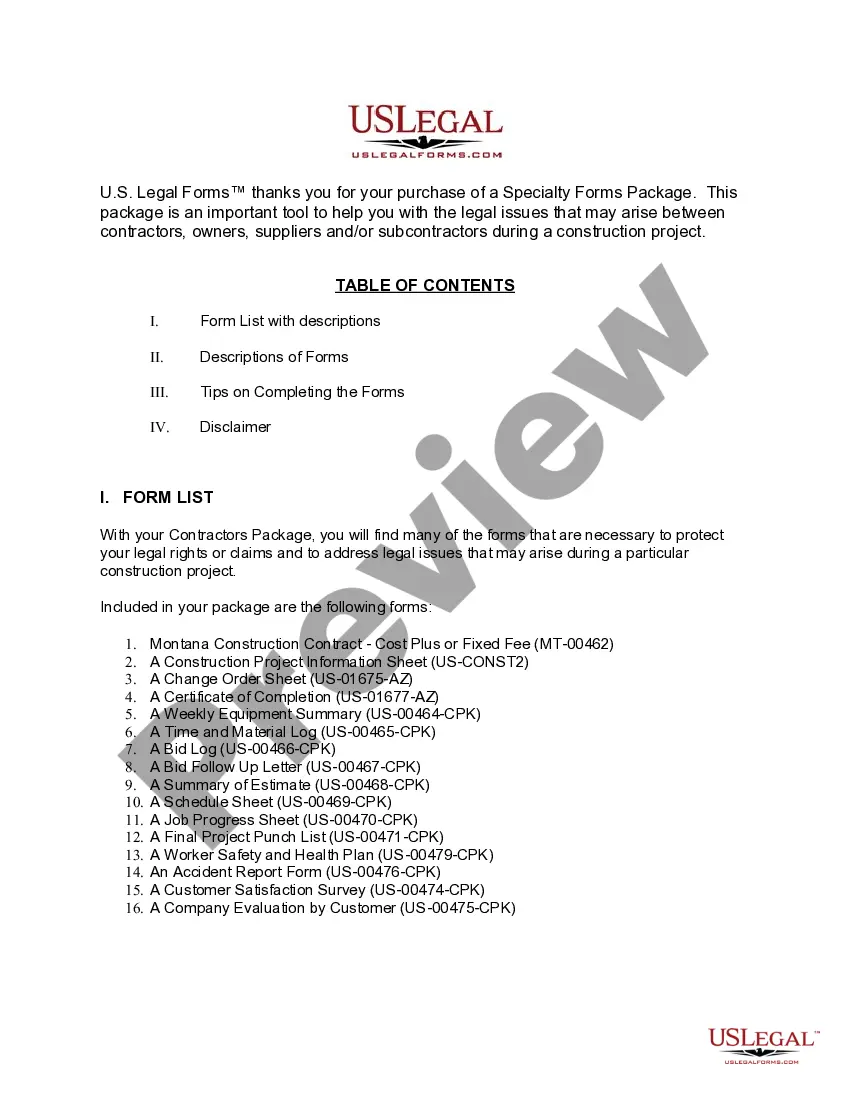
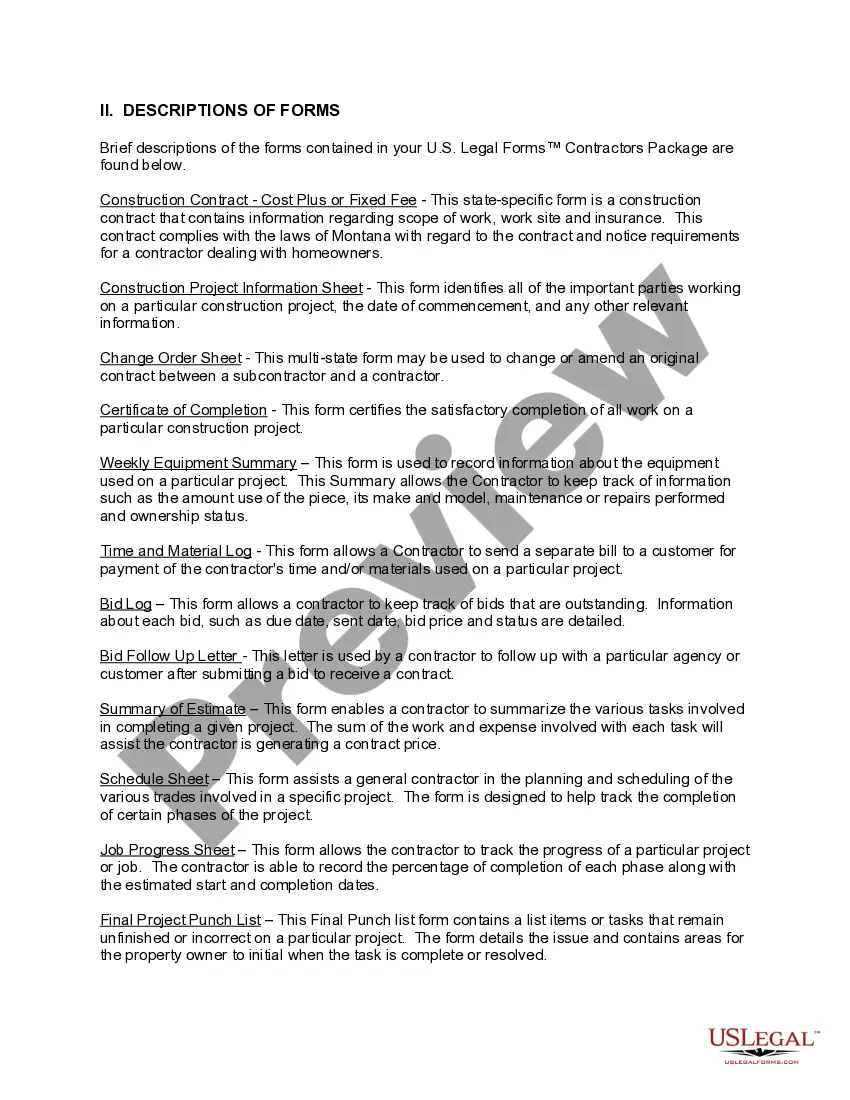
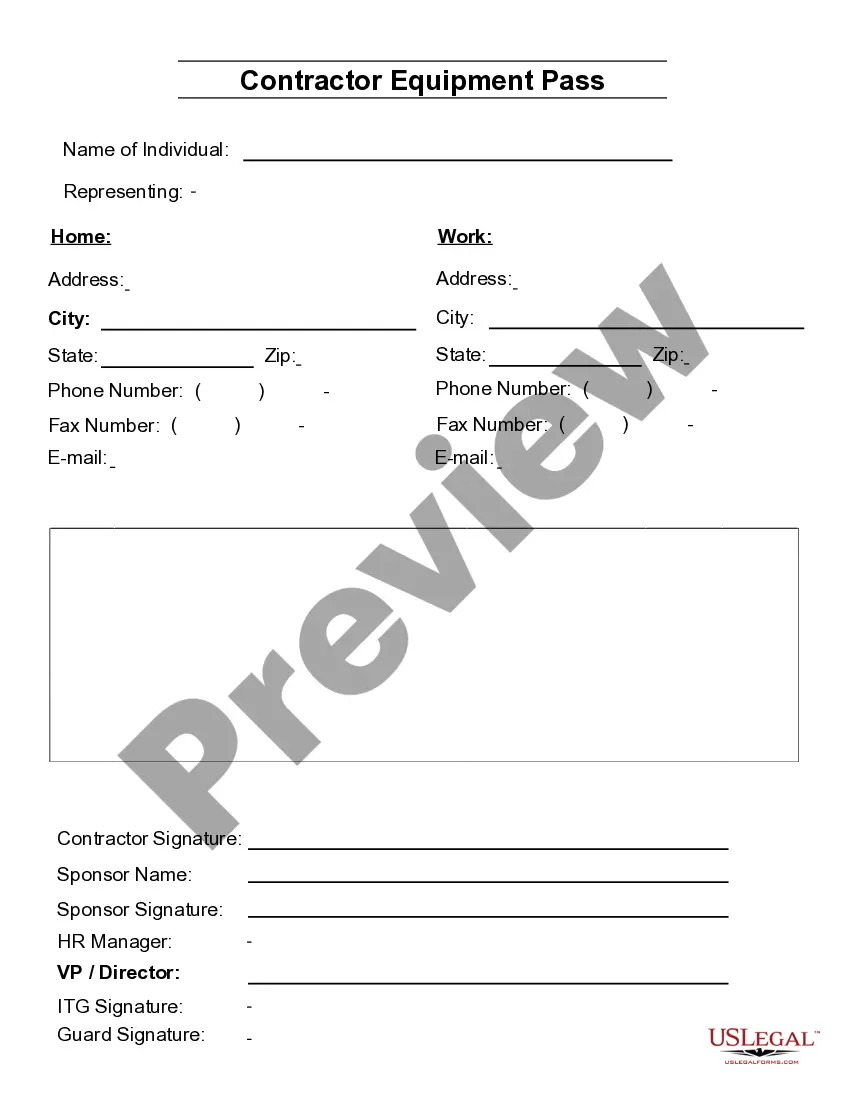
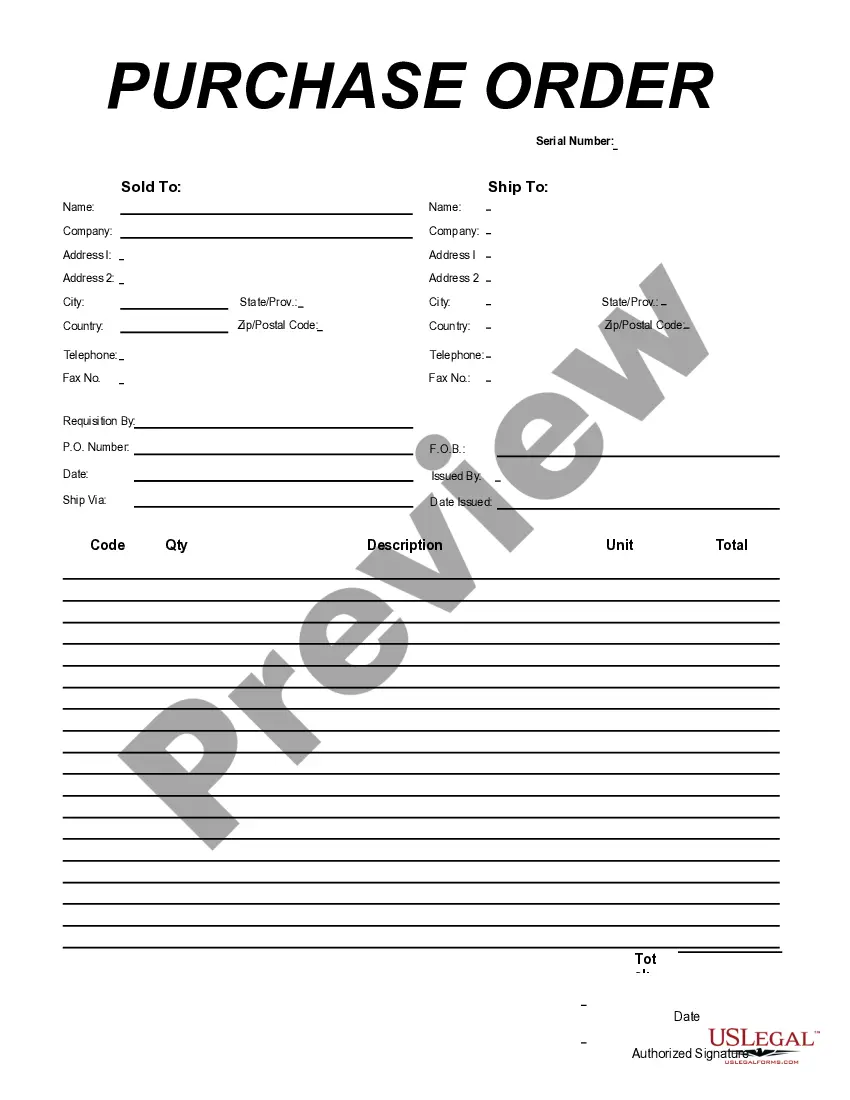
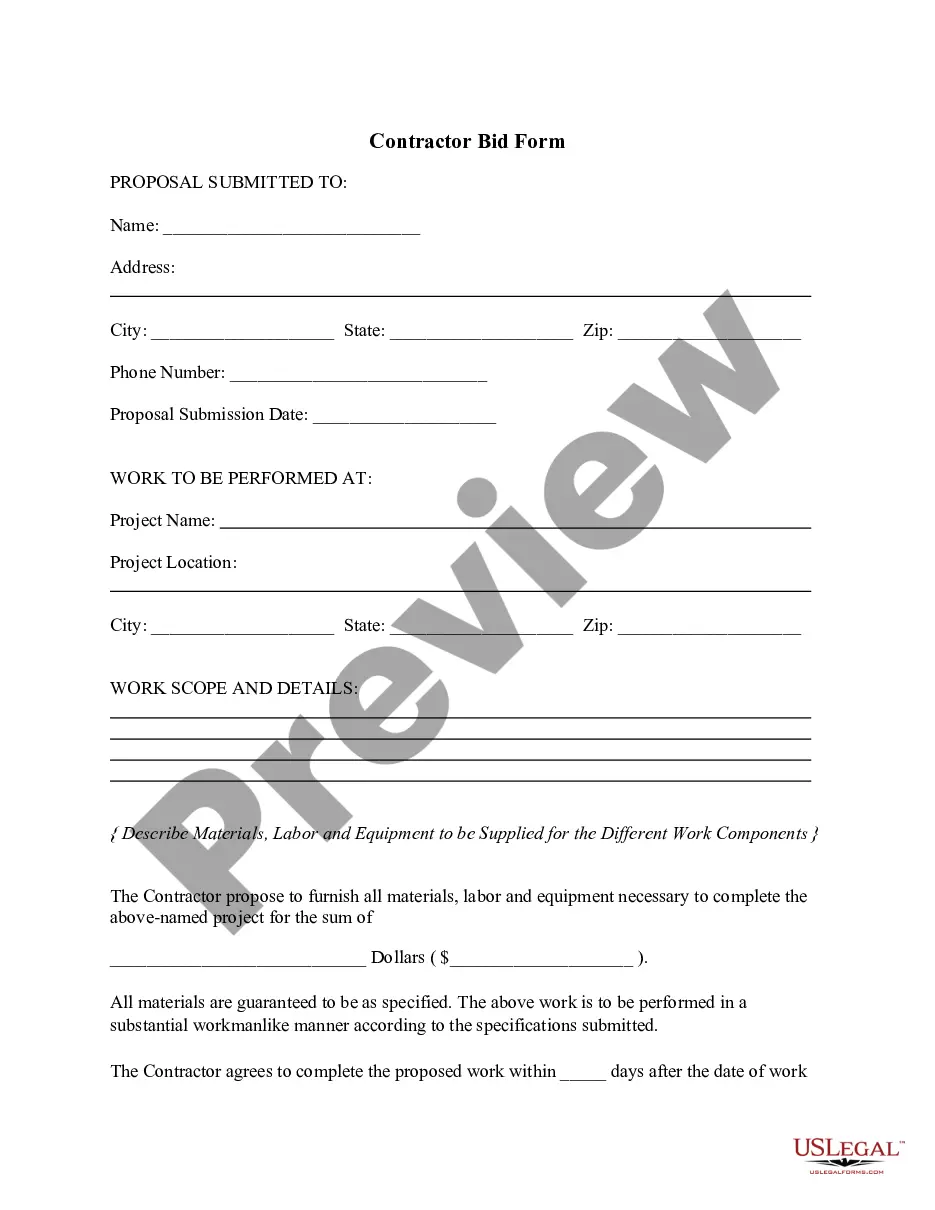
The Montana Contractors Forms Package provides essential legal documents specifically tailored for contractors, owners, suppliers, or subcontractors involved in construction projects in Montana. This comprehensive package includes a variety of forms designed to assert legal rights, track project details, and ensure compliance with state-specific regulations. With this package, users can efficiently manage their construction contracts and related documentation, offering convenience and legal clarity compared to purchasing individual forms separately.
Documents contained in this package
- Construction Contract Cost Plus or Fixed Fee
- Contractor's Weekly Equipment Summary
- Contractor's Time and Materials Log
- Contractor's Bid Log
- Contractor's Bid Follow Up Letter
- Contractor's Summary of an Estimate
- Contractor's Schedule Sheet
- Contractor's Job Progress Sheet
- Contractor's Final Punch List
- Customer Satisfaction Survey
- Construction Company Evaluation by a Customer
- Construction Accident Report
- Construction Safety and Health Plan
- Change Order for Construction or Repairs by Contractor
- Certification of Completion by Contractor
- Construction Project Information Sheet
When this form package is needed
This package is ideal for use in various scenarios, including:
- Initiating construction projects where formal agreements are necessary.
- Documenting progress and changes throughout the project lifecycle.
- Tracking equipment usage and labor contributions.
- Ensuring safety and health regulations are met on the job site.
- Evaluating customer satisfaction upon project completion.
Intended users of this form package
- Contractors managing construction projects in Montana.
- Property owners hiring contractors or subcontractors.
- Suppliers providing materials for construction projects.
- Subcontractors needing clear documentation for their services.
- Any stakeholders involved in construction projects requiring legal protection and clarity.
How to complete these forms
- Review included forms and determine which are relevant to your project.
- Identify the parties involved, including contractors and subcontractors.
- Enter specific project details such as dates, scope of work, and payment terms.
- Complete the necessary fields and ensure any required signatures are obtained.
- Keep a copy of all completed forms for your records and future reference.
Notarization details for included forms
Notarization is not commonly needed for forms in this package. However, if your state’s laws require it, our notarization service, powered by Notarize, allows you to finalize documents online 24/7 without in-person visits.
Get your form ready online
Our built-in tools help you complete, sign, share, and store your documents in one place.
Make edits, fill in missing information, and update formatting in US Legal Forms—just like you would in MS Word.
Download a copy, print it, send it by email, or mail it via USPS—whatever works best for your next step.
Sign and collect signatures with our SignNow integration. Send to multiple recipients, set reminders, and more. Go Premium to unlock E-Sign.
If this form requires notarization, complete it online through a secure video call—no need to meet a notary in person or wait for an appointment.
We protect your documents and personal data by following strict security and privacy standards.

Make edits, fill in missing information, and update formatting in US Legal Forms—just like you would in MS Word.

Download a copy, print it, send it by email, or mail it via USPS—whatever works best for your next step.

Sign and collect signatures with our SignNow integration. Send to multiple recipients, set reminders, and more. Go Premium to unlock E-Sign.

If this form requires notarization, complete it online through a secure video call—no need to meet a notary in person or wait for an appointment.

We protect your documents and personal data by following strict security and privacy standards.
Common mistakes to avoid
- Failing to specify all parties involved in the construction project.
- Not including project timelines or costs in contracts.
- Neglecting to document changes in the Change Order Sheet.
- Overlooking safety regulations in the Worker Safety and Health Plan.
- Not obtaining necessary signatures on completion certificates.
Why use this package online
- Convenient access to all necessary forms in one package.
- Editable forms allow for customization to suit individual project needs.
- Includes forms created by licensed attorneys ensuring legal validity.
- Quick download and print capability for immediate use.
Legal use & context
- This package provides forms that are compliant with Montana law, ensuring they hold up in legal contexts.
- Using these forms helps mitigate disputes and facilitate communication between involved parties.
- Proper documentation assists in case of future legal actions related to the project.
Quick recap
- The Montana Contractors Forms Package is designed to help stakeholders manage construction projects legally and effectively.
- Understanding when and how to use each form is critical to maintaining compliance and protecting rights.
- Utilizing this package can save time and resources compared to acquiring forms individually.
Looking for another form?
Form popularity
FAQ
The roof is also of non-combustible material, such as concrete or steel. TYPE II This type of building has steel or concrete walls, floors, and structural framework similar to type I construction; however, the roof covering material is combustible.The floor and roof are plank board.
The IBC classifies buildings into five types of construction.Type III allows a mix of non-combustible and combustible materials, while construction Types IV and V can have combustible building materials. Multi-story wood construction generally falls under Types III and V.
Type IV construction (Heavy Timber, HT) is that type of construction in which the exterior walls are of noncombustible materials and the interior building elements are of solid or laminated wood without concealed spaces.
In this page you can discover 91 synonyms, antonyms, idiomatic expressions, and related words for construction, like: structure, development, inference, manufacture, turn, erecting, conformation, build, frame, exposition and illumination.
Type V construction is a fairly broad classification. It uses any structural element constructed from a material permitted by the code. Most wood-frame structures, including one- and two-family residences, fall in this category.
Buildings can be categorized into five different types of construction: fire-resistive, non-combustible, ordinary, heavy timber, and wood-framed.
In every construction project, there are three types of construction specifications. The three types of construction specifications are prescriptive, performance, and proprietary.
A construction project entails 5 important stages: initiation, planning, implementation, performance and monitoring, and closing. Here is an in-depth review of the construction life cycle.
Residential Building. Institutional and Commercial Building. Specialized Industrial Construction. Infrastructure and Heavy Construction.