Missouri Subordination Agreement
What is this form?
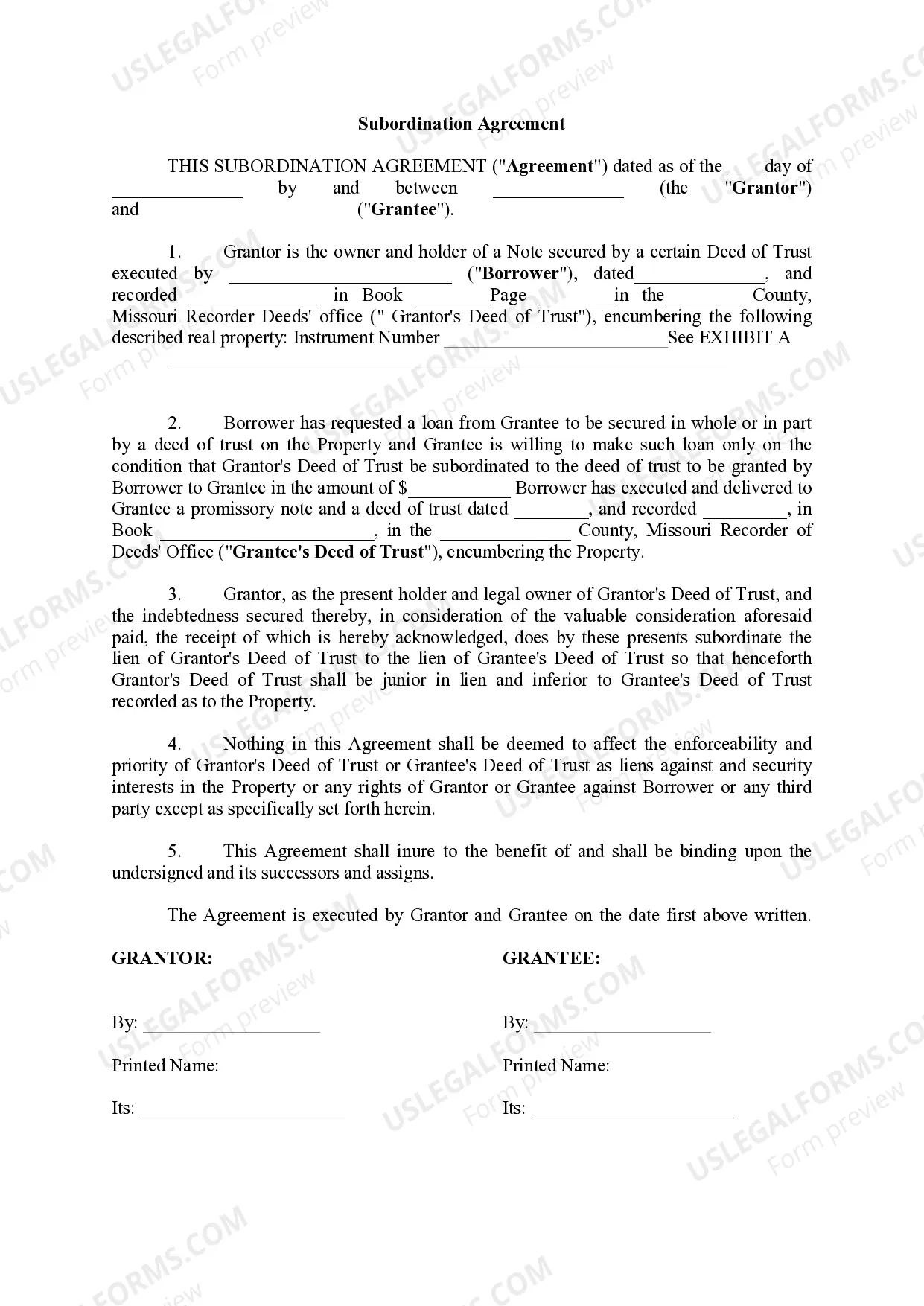
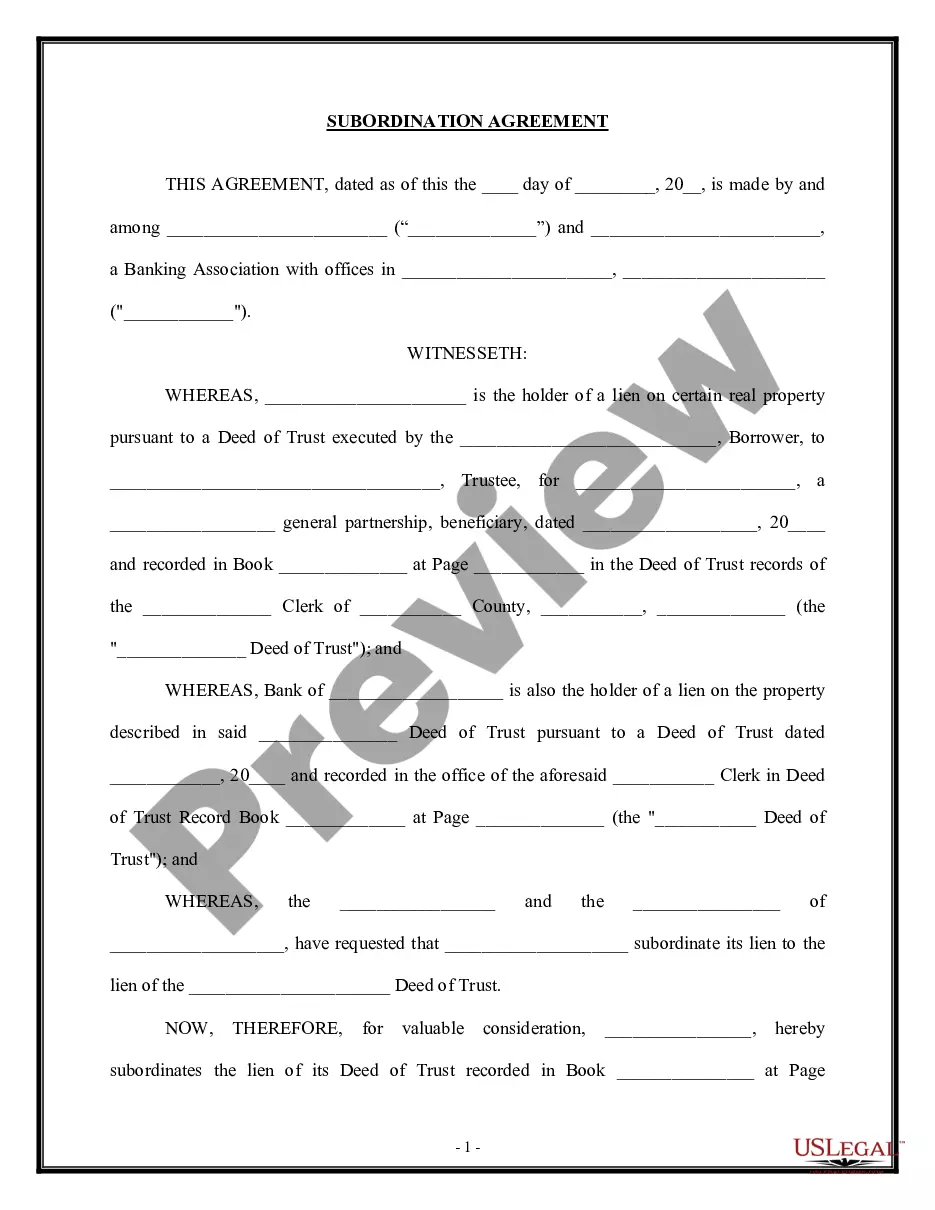
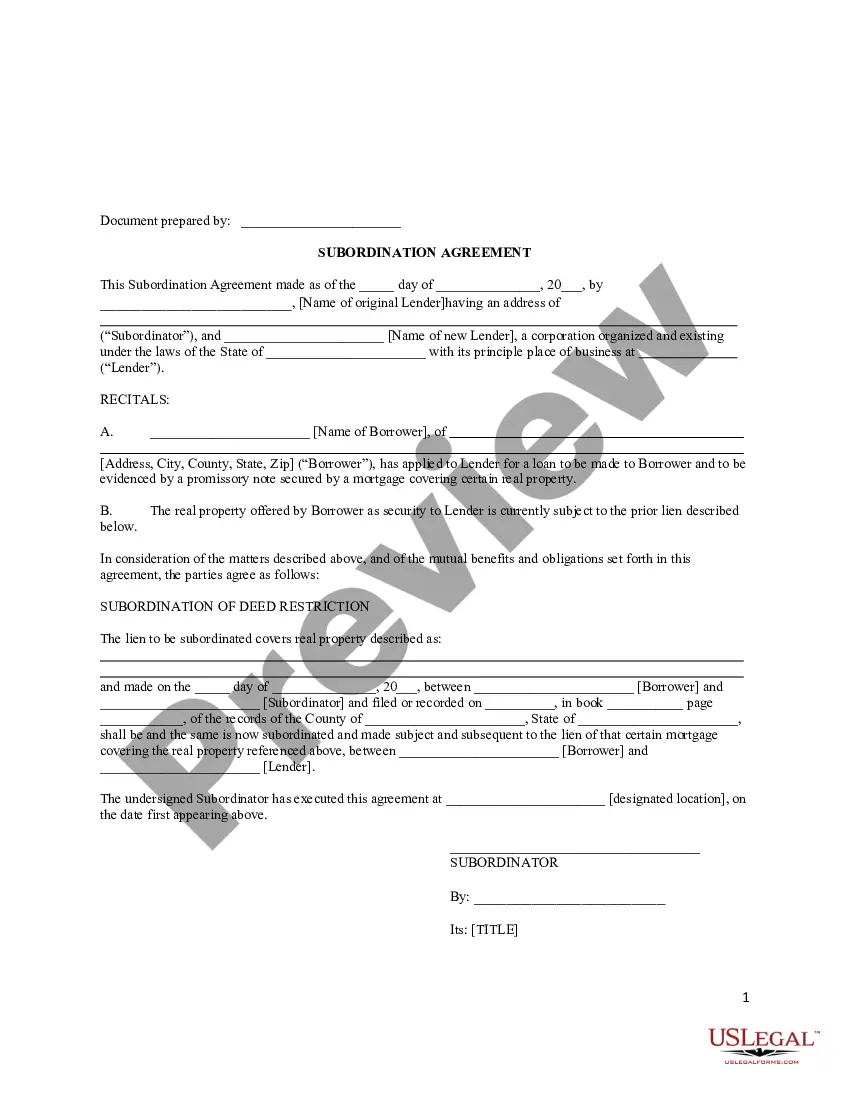
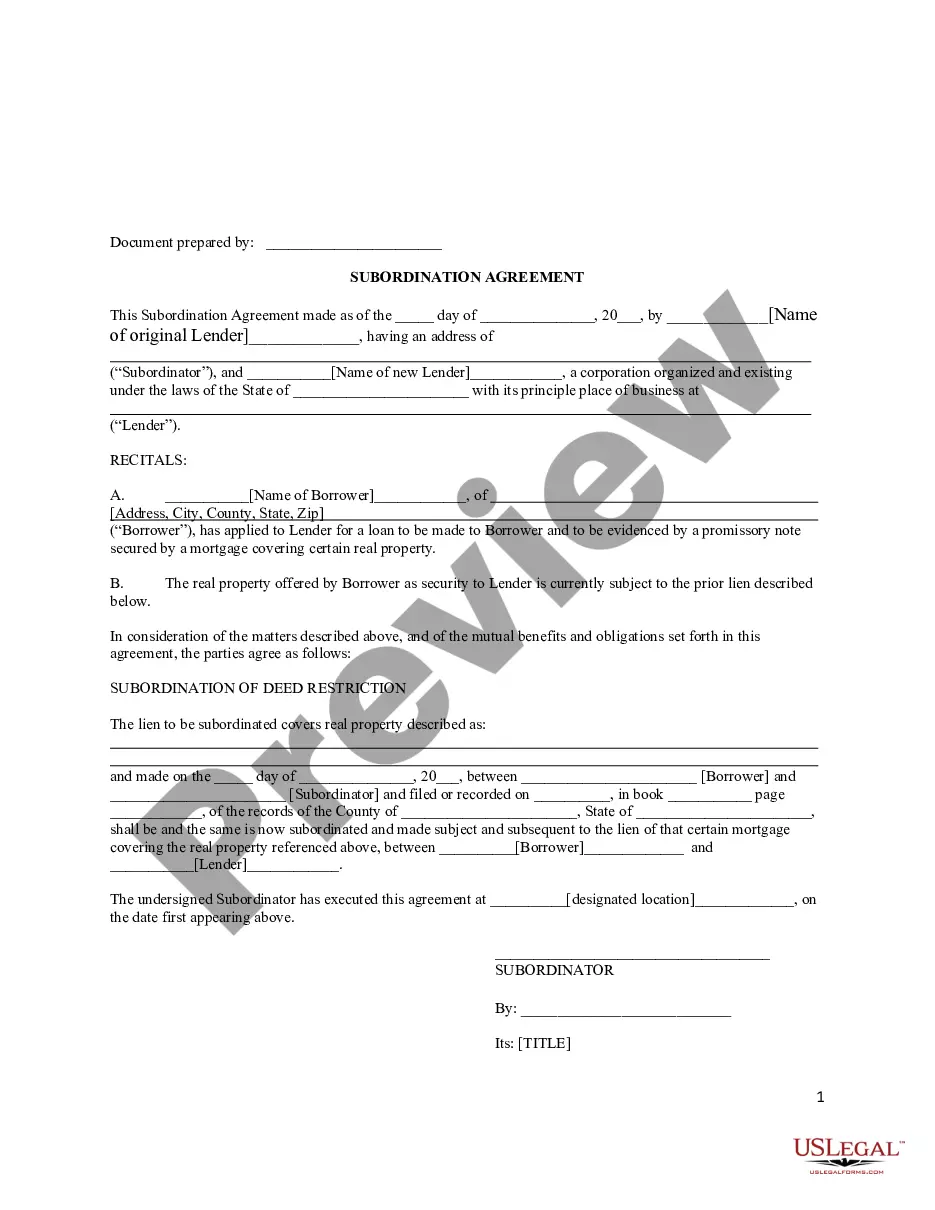
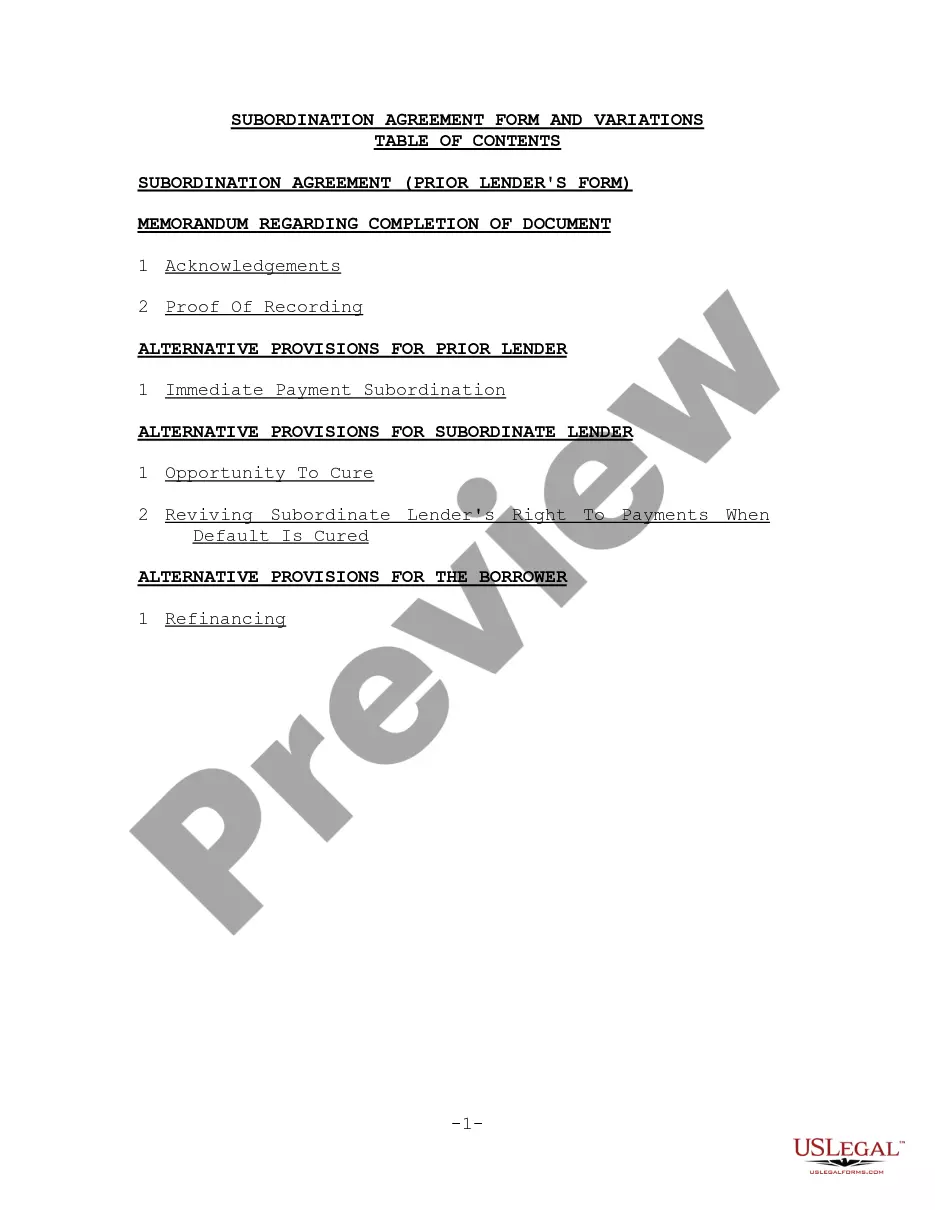
A subordination agreement is a legal document that allows one debt or claim to take precedence over another in terms of priority. This form is used when a borrower seeks a new loan, and the lender requires that the existing debt is subordinated, meaning it will be ranked lower than the new loan. This agreement modifies the priority of liens on a property, ensuring that the new lender's interests are protected while also allowing the borrower to access additional financing.
Key components of this form
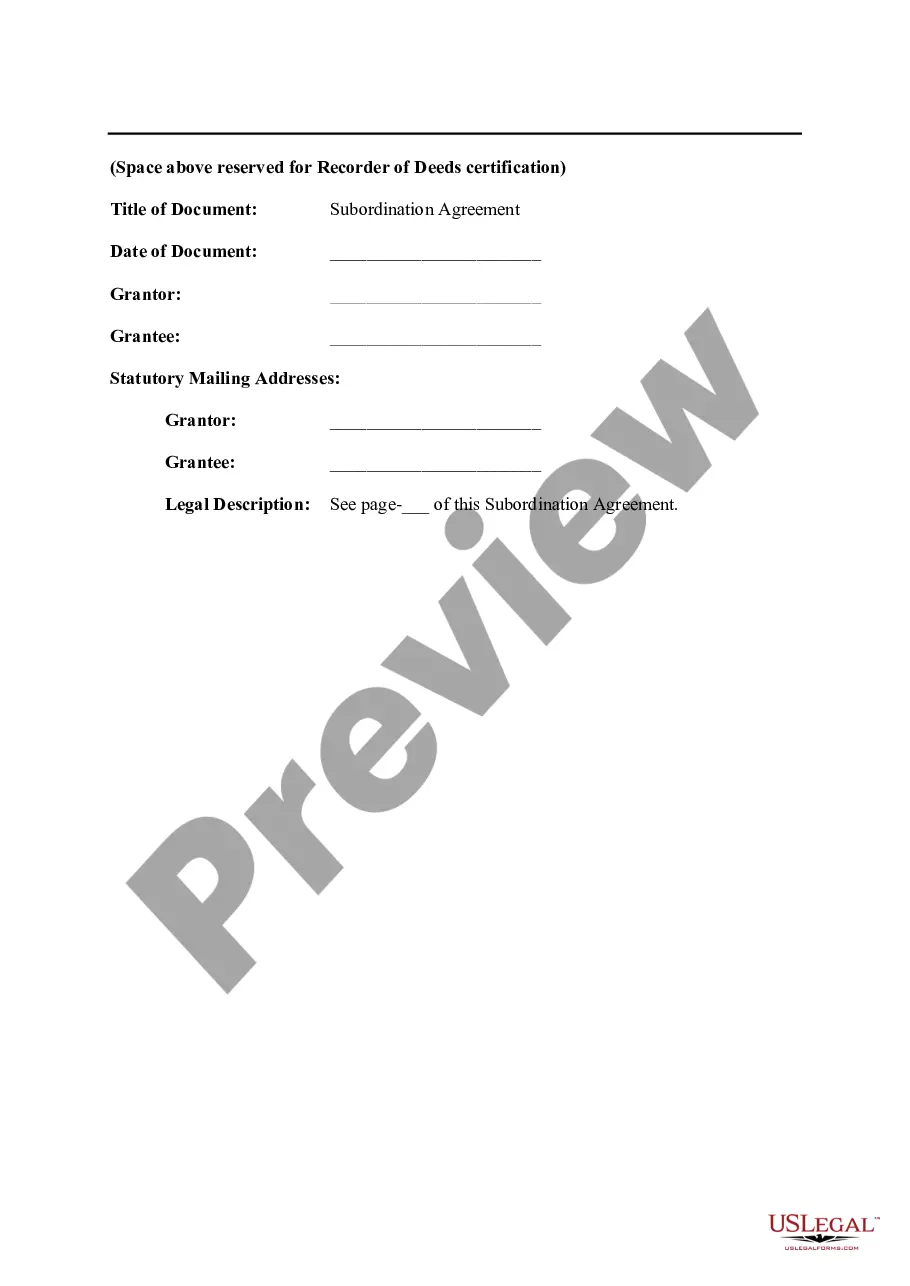
- Title of Document: Identifies the type of agreement.
- Date of Document: Specifies when the agreement is effective.
- Grantor and Grantee Information: Includes the names and addresses of the parties involved.
- Legal Description: Details the property affected by the agreement.
- Subordination Clause: States the agreement to subordinate the existing deed of trust to the new one.
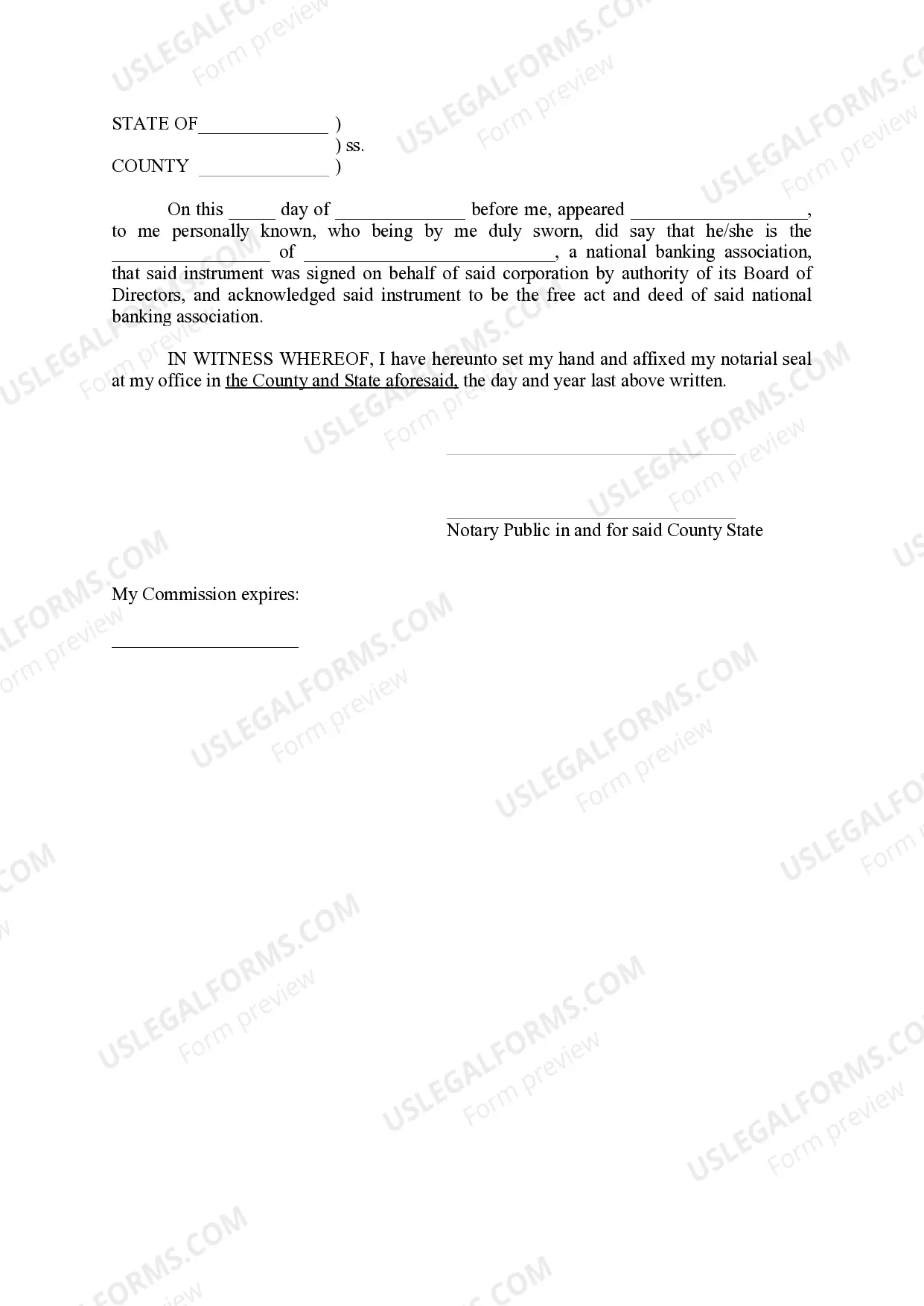
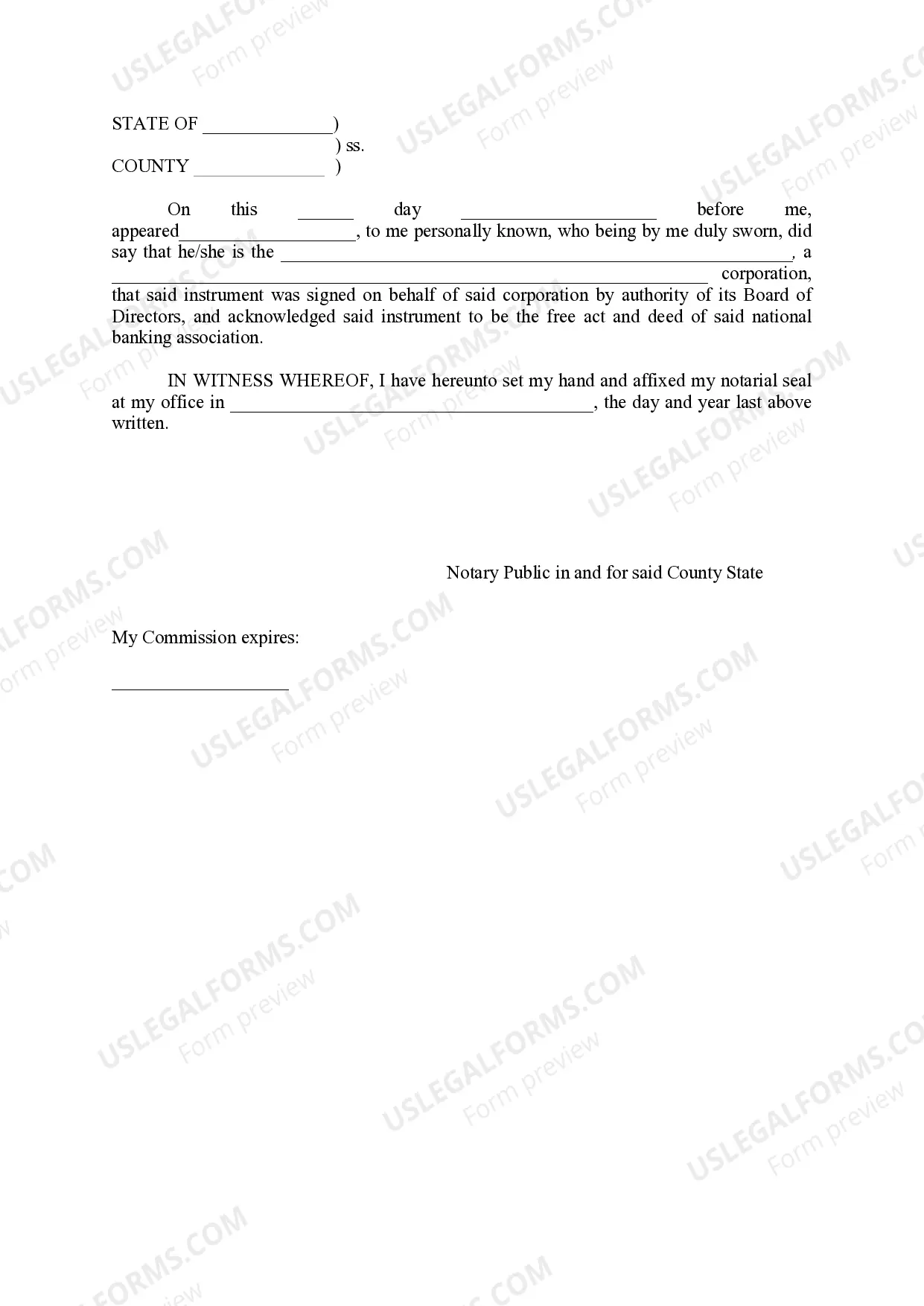
- Notarization Sections: Includes spaces for notarizing the document for legality.

Common use cases
This form is typically used in scenarios where a borrower requires additional financing and needs to refinance or secure a new loan. It is particularly relevant when a current lender must agree to subordinate their existing lien on a property to accommodate the lenderâs interest in a new loan, ensuring that the new debt takes priority over previous debts.
Who should use this form
- Borrowers seeking additional loans who have existing subordinate debt.
- Lenders who require subordination of prior debts to protect their new loan.
- Real estate professionals assisting clients in refinancing or loan structuring.
- Property owners involved in second mortgages or equity lines of credit.
Instructions for completing this form
- Identify the parties involved: Fill in the names of the Grantor and Grantee, including their mailing addresses.
- Enter the date of the agreement: Specify the effective date of the subordination agreement.
- Provide the legal description of the property: Include necessary information to describe the property accurately.
- Specify the amount of the new loan: Detail the financial amount secured by the Grantee's Deed of Trust.
- Sign and date the document: Both parties must sign to validate the agreement.
- Arrange for notarization: Complete the notarization sections to confirm the identity of signatories.
Does this document require notarization?
Yes, this form must be notarized to be legally valid. US Legal Forms offers integrated online notarization, allowing users to notarize documents via a secure video call, available 24/7, ensuring a hassle-free process without the need to travel.
Get your form ready online
Our built-in tools help you complete, sign, share, and store your documents in one place.
Make edits, fill in missing information, and update formatting in US Legal Forms—just like you would in MS Word.
Download a copy, print it, send it by email, or mail it via USPS—whatever works best for your next step.
Sign and collect signatures with our SignNow integration. Send to multiple recipients, set reminders, and more. Go Premium to unlock E-Sign.
If this form requires notarization, complete it online through a secure video call—no need to meet a notary in person or wait for an appointment.
We protect your documents and personal data by following strict security and privacy standards.

Make edits, fill in missing information, and update formatting in US Legal Forms—just like you would in MS Word.

Download a copy, print it, send it by email, or mail it via USPS—whatever works best for your next step.

Sign and collect signatures with our SignNow integration. Send to multiple recipients, set reminders, and more. Go Premium to unlock E-Sign.

If this form requires notarization, complete it online through a secure video call—no need to meet a notary in person or wait for an appointment.

We protect your documents and personal data by following strict security and privacy standards.
Mistakes to watch out for
- Failing to accurately complete the legal description of the property.
- Not having all parties sign the agreement.
- Forgetting to notarize the document when required.
- Leaving blank spaces that should contain crucial information, such as the date or the loan amount.
Benefits of using this form online
- Convenience of downloading and completing the form at your own pace.
- Editability allows for easy modifications to fit specific needs.
- Reliable templates drafted by licensed attorneys ensure compliance with legal requirements.
Looking for another form?


Form popularity
FAQ
To obtain a subordination agreement in Missouri, you can start by contacting your lender or mortgage broker. They can guide you through the process and provide you with the necessary forms. Additionally, platforms like uslegalforms can simplify this process by offering templates and resources tailored for creating a Missouri Subordination Agreement. With the right tools, you can efficiently secure the agreement you need.
A subordination agreement in Missouri establishes the priority of debts in the event of default. Essentially, it allows a lender to agree that their claim on the property is subordinate to another lender's claim. This arrangement can facilitate refinancing or help secure new financing by making it easier for the new lender to take a first priority position. Understanding how a Missouri Subordination Agreement works can help you make informed decisions about your financial commitments.
In Missouri, a subordination agreement typically needs to be notarized to ensure its legality and enforceability. Notarization provides an added layer of authenticity, which can be crucial in legal proceedings. By having your Missouri Subordination Agreement notarized, you can protect your interests and ensure that all parties are held accountable. It's always a good idea to consult with a legal professional for guidance on this process.
A subordination agreement is an instrument that allows a first lien or interest to be paid off and allows another first mortgage company to come in and be the first priority lien holder. It is very common for the borrower to pay subordination fees.
What is a Subordinate Mortgage? Subordinate mortgages are loans that have a lower priority status than any other recorded liens (or debts) against a property. When you get the loan you need to purchase your home, this loan is typically recorded as the first repayment priority on your deed after closing.
A subordination agreement often comes up when a home has a first and a second mortgage, and the borrower wants to refinance the first mortgage. If you have two mortgages on your home and refinance the first loan, the refinancing lender might require a subordination agreement.
But as property values are going up and the demand for refinance isn't as much, it seems that the subordination process has gotten a little easier. Typically, it takes two to three weeks to get the resubordination paperwork through, and it is likely to set you back $200 to $300.
Subordination clauses in mortgages refer to the portion of your agreement with the mortgage company that says their lien takes precedence over any other liens you may have on your property.The primary lien on a house is usually a mortgage. However, it's also possible to have other liens.
Fffd There is no provision in the Uniform Commercial Code to file a subordination agreement. Not filing a subordination agreement does not harm any other creditor.
Despite its technical-sounding name, the subordination agreement has one simple purpose. It assigns your new mortgage to first lien position, making it possible to refinance with a home equity loan or line of credit.