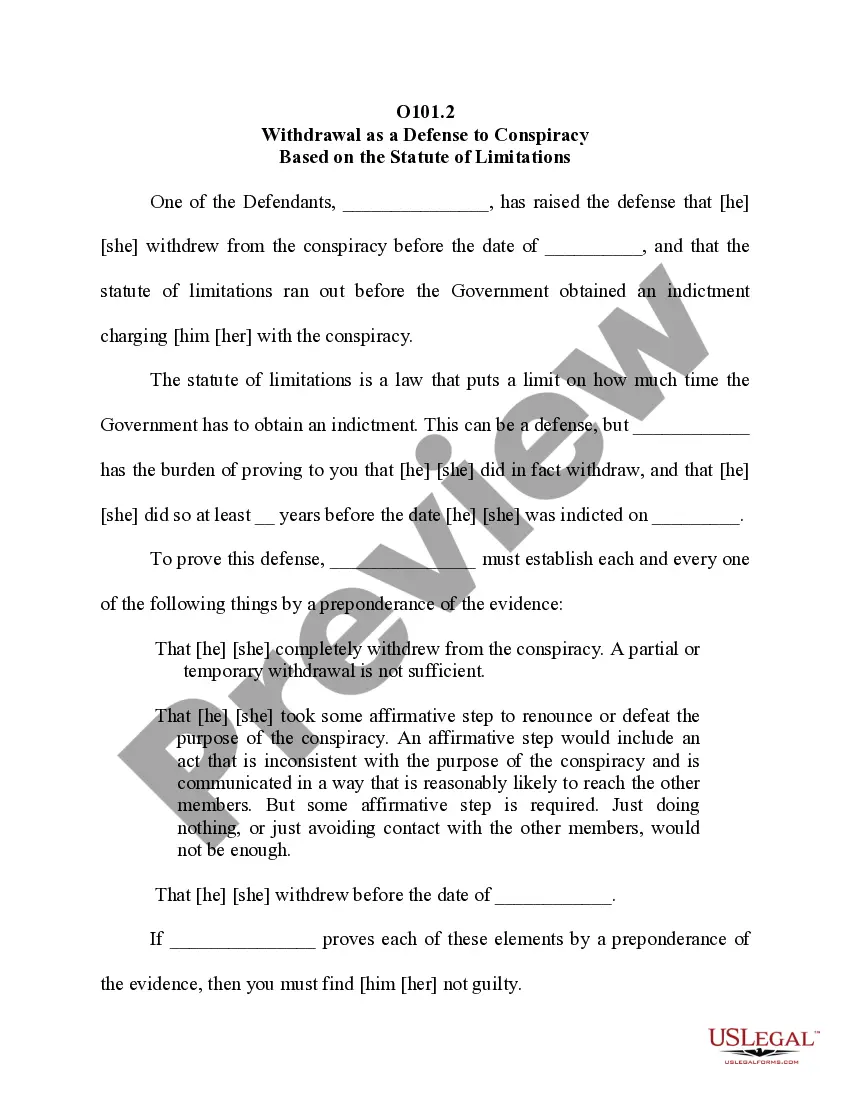
Minnesota Protective Order - Parent with Children
Understanding this form
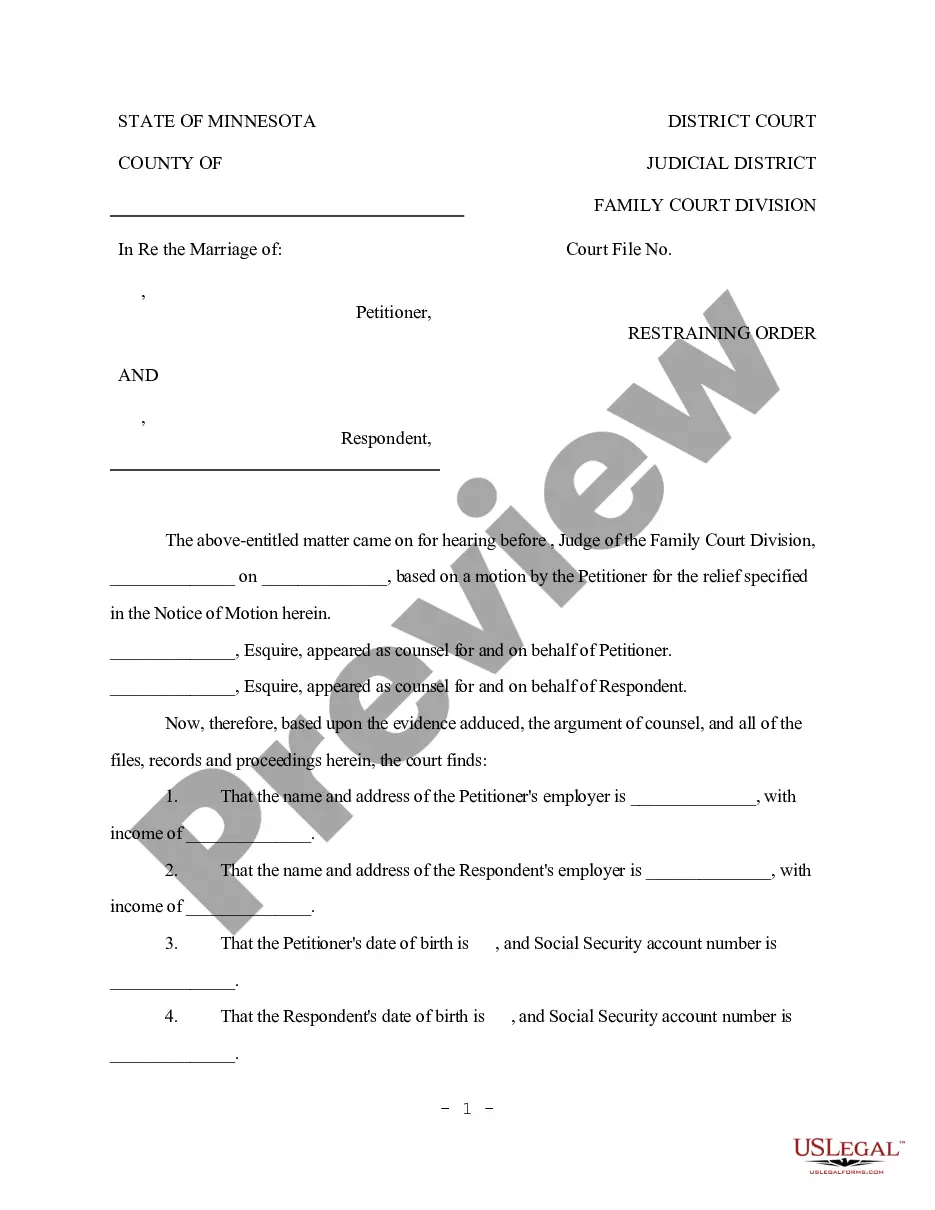
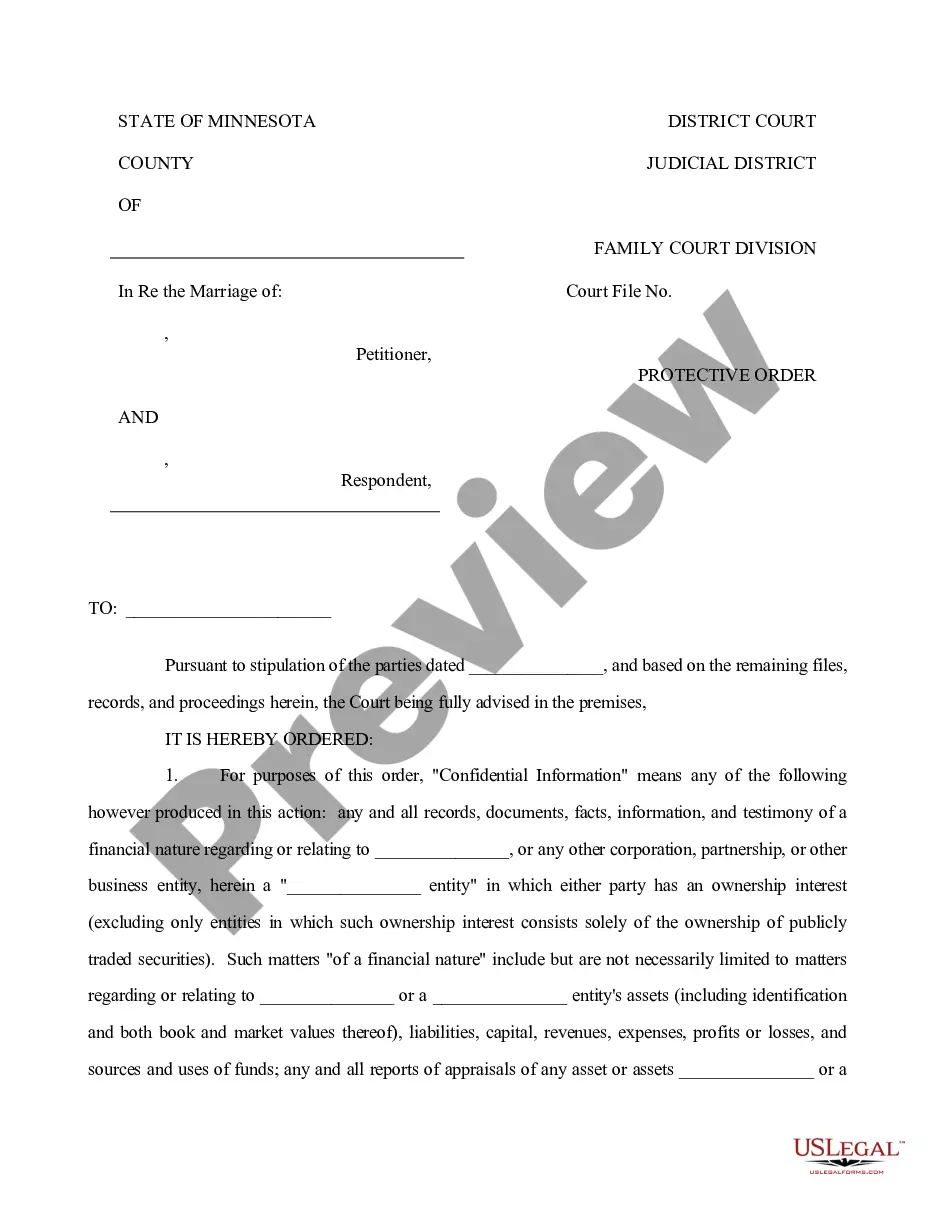
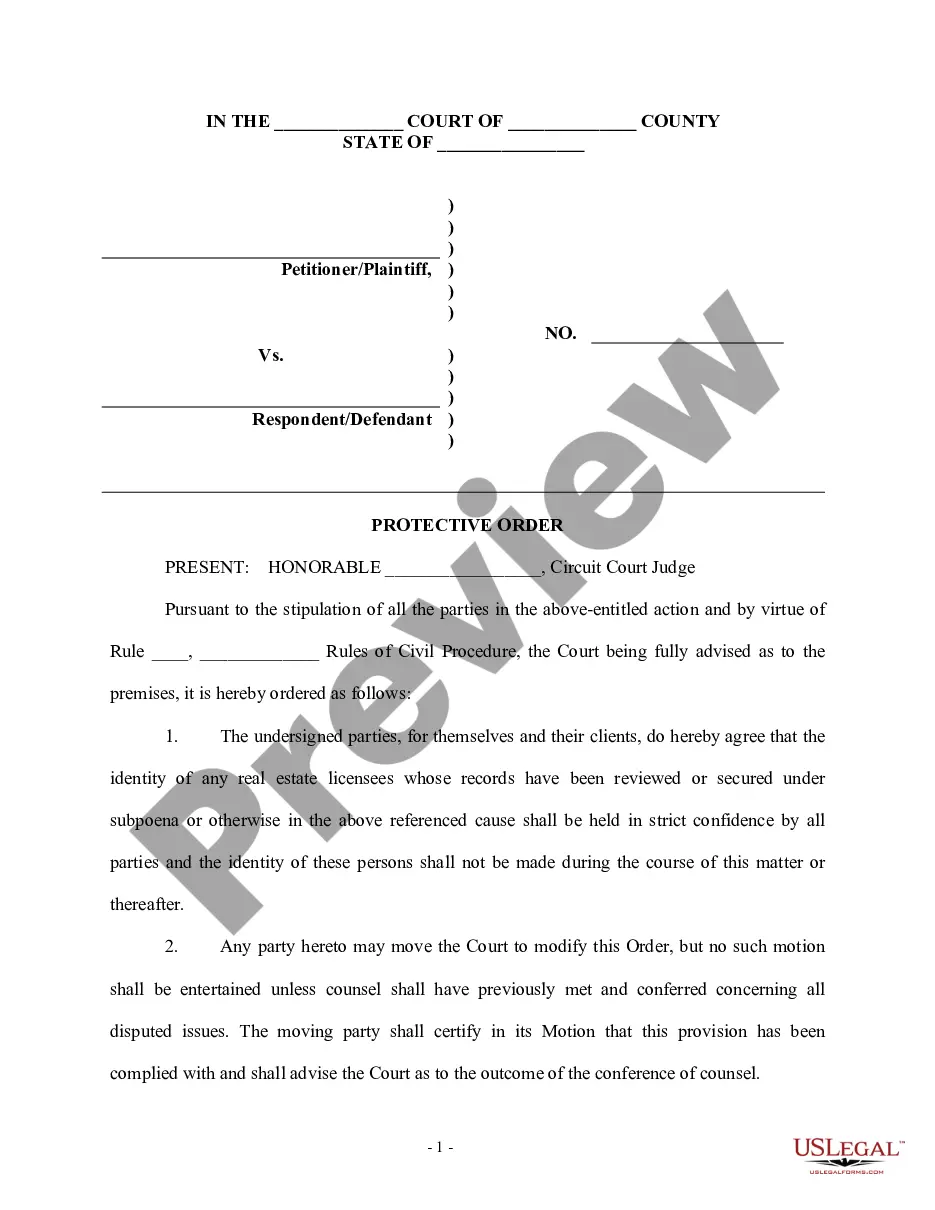
The Protective Order - Parent with Children is a legal document that restrains one spouse from committing acts of domestic abuse against the other spouse and their children. This form includes provisions to keep the abusive spouse away from the family residence and outlines support arrangements for minor children. Unlike standard protective orders, this form specifically addresses situations involving children and seeks to ensure their safety during ongoing family law proceedings.
Key parts of this document
- Petitioner and Respondent information, including names, addresses, and employers
- Court findings regarding income and date of birth for both parties
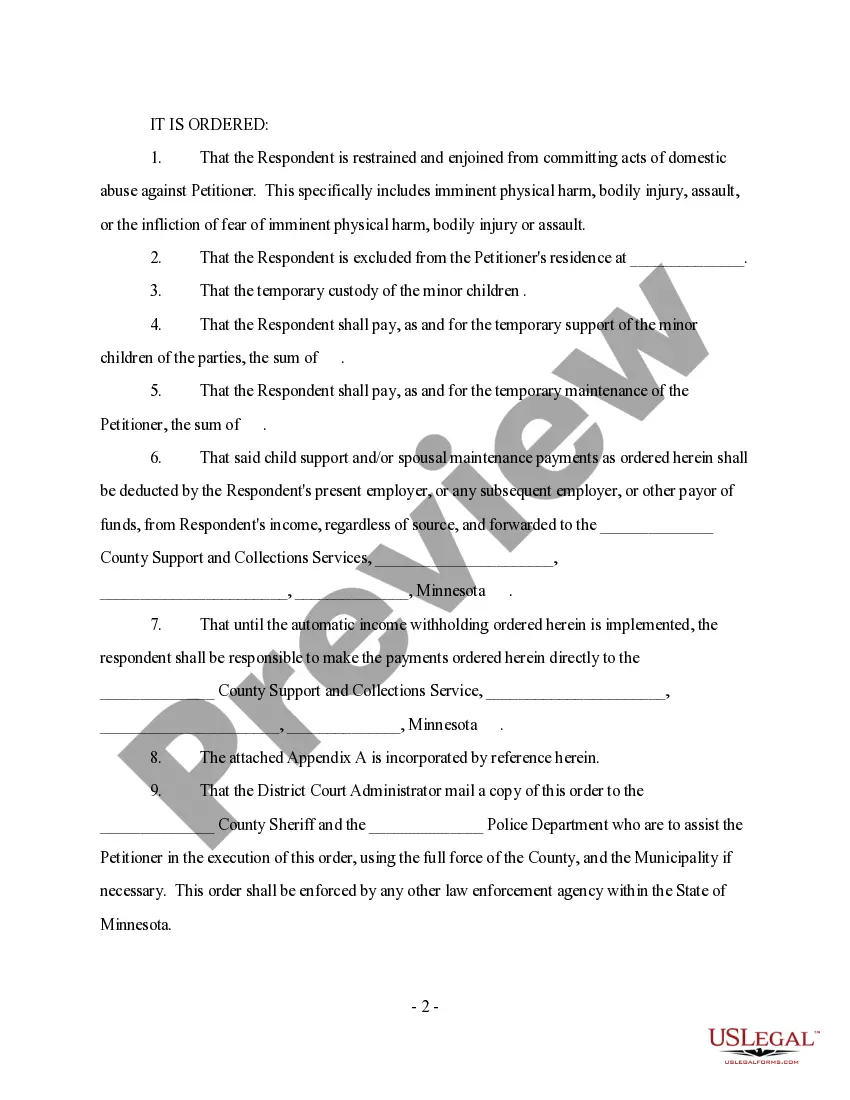
- Specific restrictions placed on the Respondent to prevent domestic abuse
- Details about temporary custody arrangements for minor children
- Financial obligations for child support and spousal maintenance
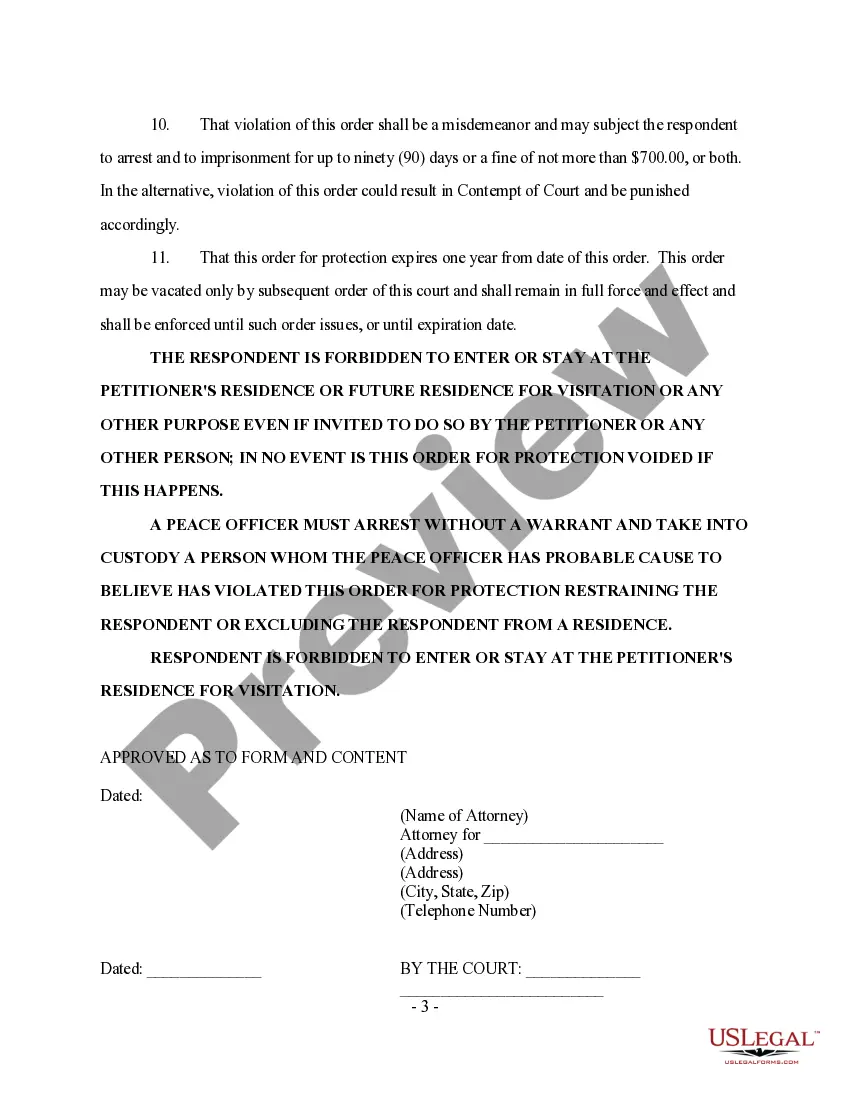
- Enforcement provisions, including penalties for violations of the order

Common use cases
This form should be used in scenarios where one spouse feels threatened or has experienced domestic abuse, and there are minor children involved. It is appropriate during family law proceedings to ensure the safety of all parties while addressing custody and financial support matters. If you require immediate protection from an abusive spouse, this form can help establish necessary legal barriers.
Intended users of this form
- Individuals who are experiencing domestic abuse
- Parents seeking protection for themselves and their minor children
- Spouses involved in family law proceedings where safety is an issue
- Anyone needing temporary custody and financial support arrangements during legal matters
Steps to complete this form
- Identify the parties involved by filling in the names and relevant details of the Petitioner and Respondent.
- Provide the date of the hearing and specify the court information.
- Complete the sections regarding income and employer details for both parties.
- Detail the terms of the order, including custody arrangements and support payments.
- Have the form signed and dated by the judge upon approval.
Notarization guidance
Notarization is generally not required for this form. However, certain states or situations might demand it. You can complete notarization online through US Legal Forms, powered by Notarize, using a verified video call available anytime.
Get your form ready online
Our built-in tools help you complete, sign, share, and store your documents in one place.
Make edits, fill in missing information, and update formatting in US Legal Forms—just like you would in MS Word.
Download a copy, print it, send it by email, or mail it via USPS—whatever works best for your next step.
Sign and collect signatures with our SignNow integration. Send to multiple recipients, set reminders, and more. Go Premium to unlock E-Sign.
If this form requires notarization, complete it online through a secure video call—no need to meet a notary in person or wait for an appointment.
We protect your documents and personal data by following strict security and privacy standards.

Make edits, fill in missing information, and update formatting in US Legal Forms—just like you would in MS Word.

Download a copy, print it, send it by email, or mail it via USPS—whatever works best for your next step.

Sign and collect signatures with our SignNow integration. Send to multiple recipients, set reminders, and more. Go Premium to unlock E-Sign.

If this form requires notarization, complete it online through a secure video call—no need to meet a notary in person or wait for an appointment.

We protect your documents and personal data by following strict security and privacy standards.
Common mistakes to avoid
- Failing to provide complete and accurate information about income and employers.
- Not specifying all necessary details regarding custody and support obligations.
- Overlooking the requirement for signatures from both parties and the judge.
- Neglecting to document any prior incidents of abuse, which may strengthen the case.
Benefits of using this form online
- Immediate access to professionally drafted legal documents.
- Editability allows customization based on individual circumstances.
- A reliable source that ensures compliance with legal standards in your jurisdiction.
- Convenience of completing and downloading the form from home.
Legal use & context
The Protective Order - Parent with Children is enforceable in family law cases where domestic violence has been alleged. The court may impose penalties for any violations, making it crucial for the respondent to adhere strictly to the terms outlined in the order. Understanding the legal context helps ensure that individuals are aware of their rights and responsibilities while seeking protection.
Key takeaways
- This form provides immediate legal protection for individuals and their children from domestic violence.
- Filling out the form accurately is crucial for it to be effective in court.
- Consulting with a legal professional may help clarify any concerns regarding specific state laws and enforcement.
Looking for another form?
Form popularity
FAQ
When you have kids, a restraining order, such as a Minnesota Protective Order - Parent with Children, addresses the safety of both the parent and the children. This order defines visitation rights and custody arrangements while protecting vulnerable family members. Courts typically consider the best interests of the children when enforcing the order. If you need assistance in understanding these legalities, US Legal Forms can help you access the relevant forms and information.
Co-parenting with a restraining order can be challenging, but it is possible with clear communication and respect for boundaries. A Minnesota Protective Order - Parent with Children outlines specific guidelines that help ensure the safety of all parties involved. It is important to follow the terms of the order while making child custody arrangements. Utilizing resources like US Legal Forms can provide you with the necessary documentation and guidance to navigate this process smoothly.
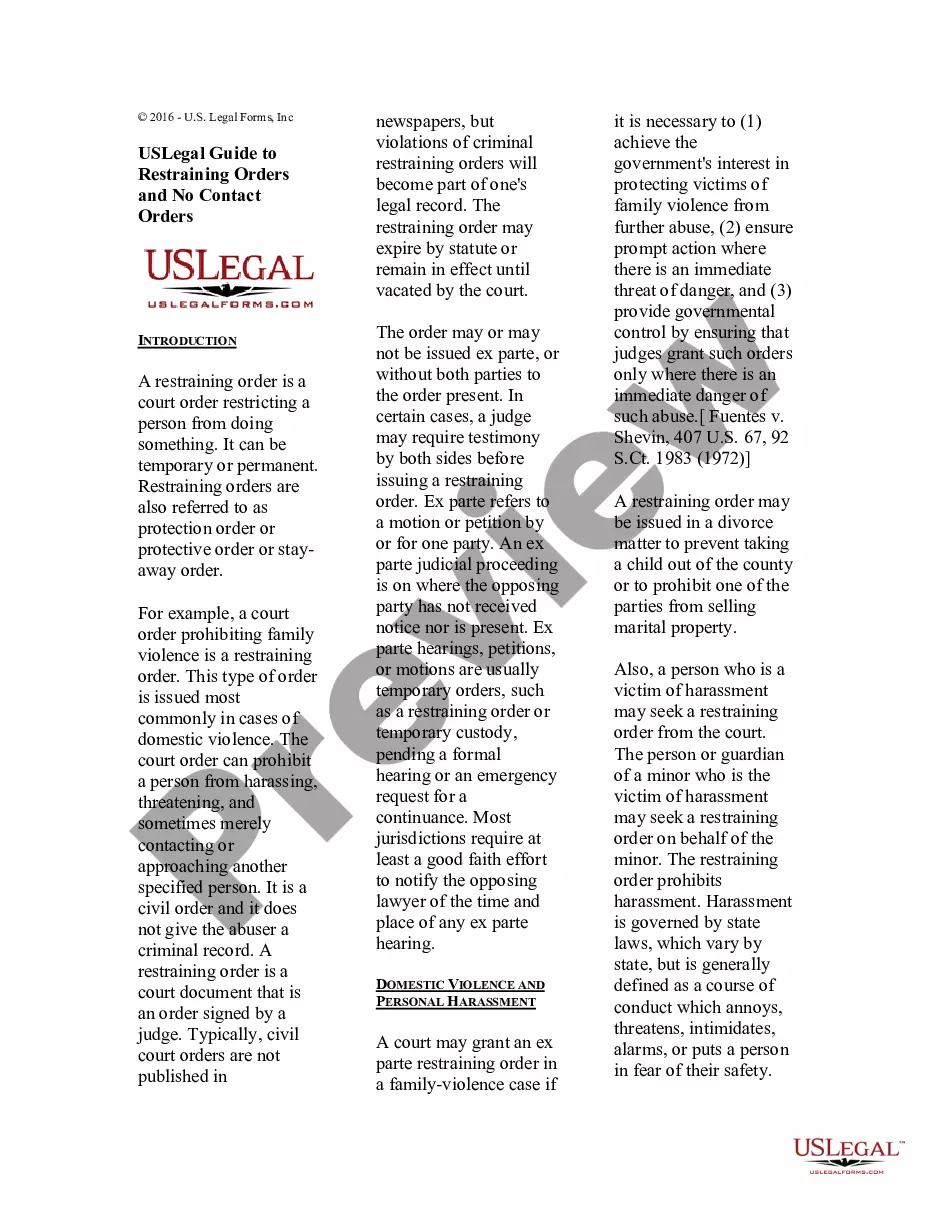
If a person violates a no contact orders, he or she can face serious consequences. Consequences often include potential jail time, the payment of fines or the loss of certain civil rights.Violating a no contact order is considered a crime as well as a violation of a probation, parole or bail conditions.
Usually yes, but sometimes no. Temporary restraining orders will appear so law enforcement officers can see it.But if the hearing results in a permanent restraining order, it goes on your record. But even restraining orders that should be expunged sometimes stay in the system longer.
The Emergency Protective Order goes into effect immediately and is good for seven (7) calendar days or five (5) business days, whichever is shorter. The Emergency Protective Order is intended to provide protection long enough for the requestor to file an application for a Domestic Violence Restraining Order in court.
First, the protective order trumps any prior custody or visitation arrangements, even if they were court-ordered.The judge in a custody battle will always rule in favor of what's best for the child. Therefore, if there are allegations of abuse, the judge will most likely grant a restraining order.
A "no contact order" is a type of order usually issued by a judge in criminal court that orders the criminal defendant not to have contact with someone. There can be both a "no contact order" and a Harassment Restraining Order.
There is no fee to get an Order of Protection and it can last for up to one year and can be renewed. Once an order is issued, only a judge can change it. If the order includes a stay-away provision and your partner comes to your house, he or she is violating the order and can be arrested.
A no contact order is found in criminal court proceedings rather than civil court cases.A restraining order is for civil cases; criminal charges aren't typically involved. Restraining orders are used for protecting the party who filed it from physical, emotional, or material harm.
There are typically two reasons for a denied restraining order petition: Petitioner did not establish a claim for relief. Petitioner did not appear at the time set for the ex parte hearing on the petition.