Protective Order - Civil Trial
What this document covers
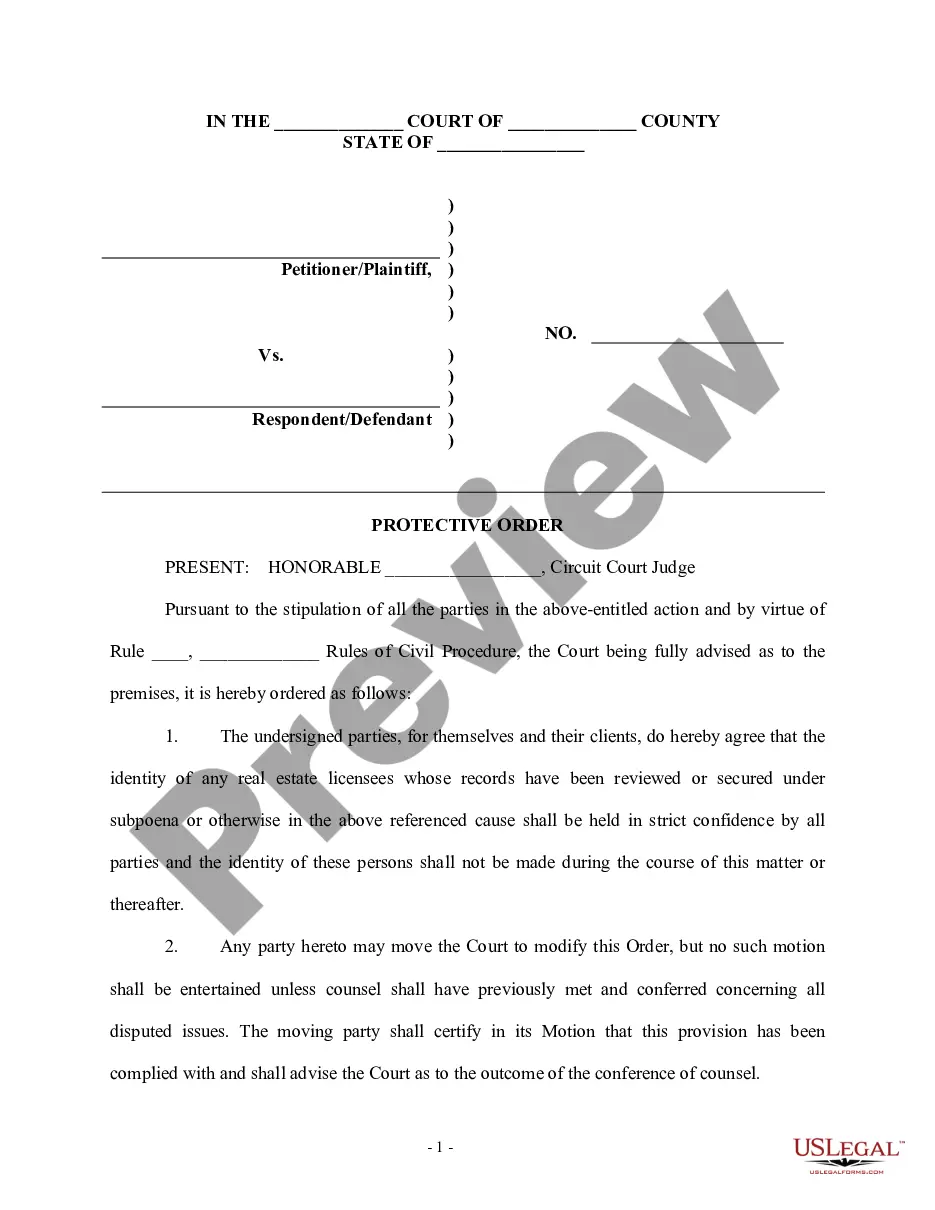
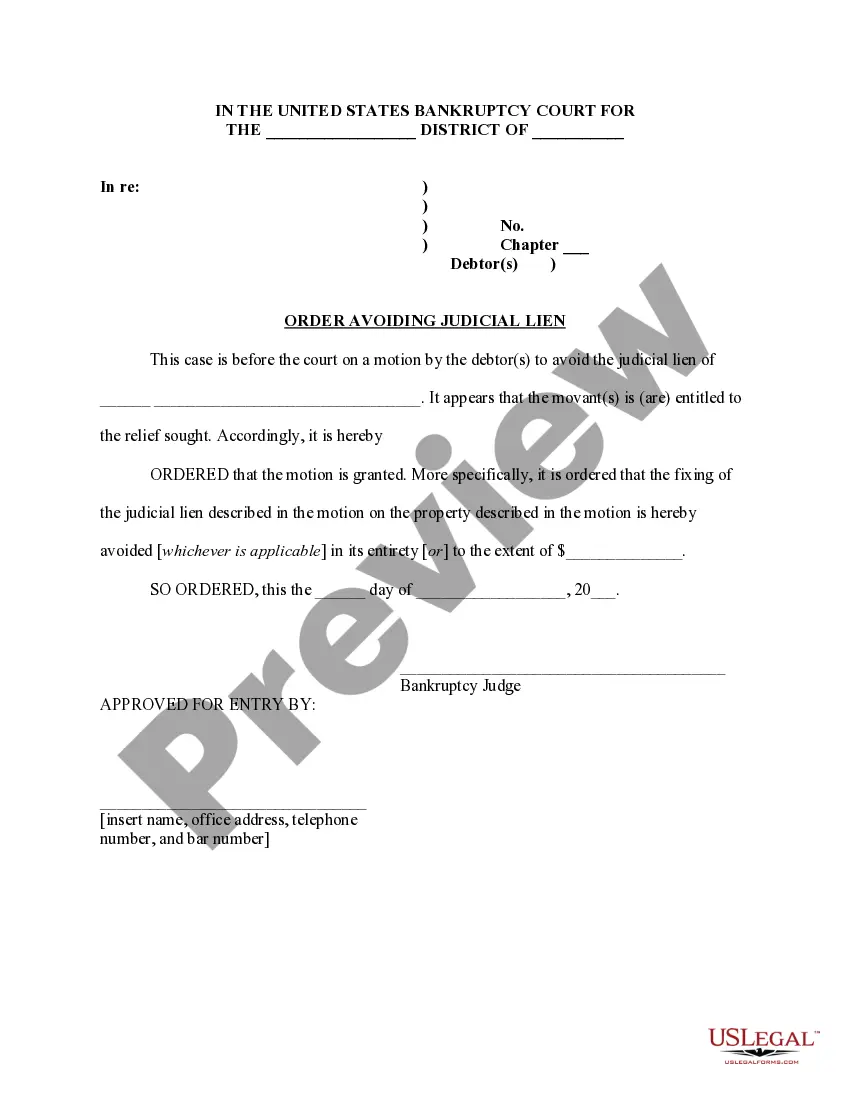
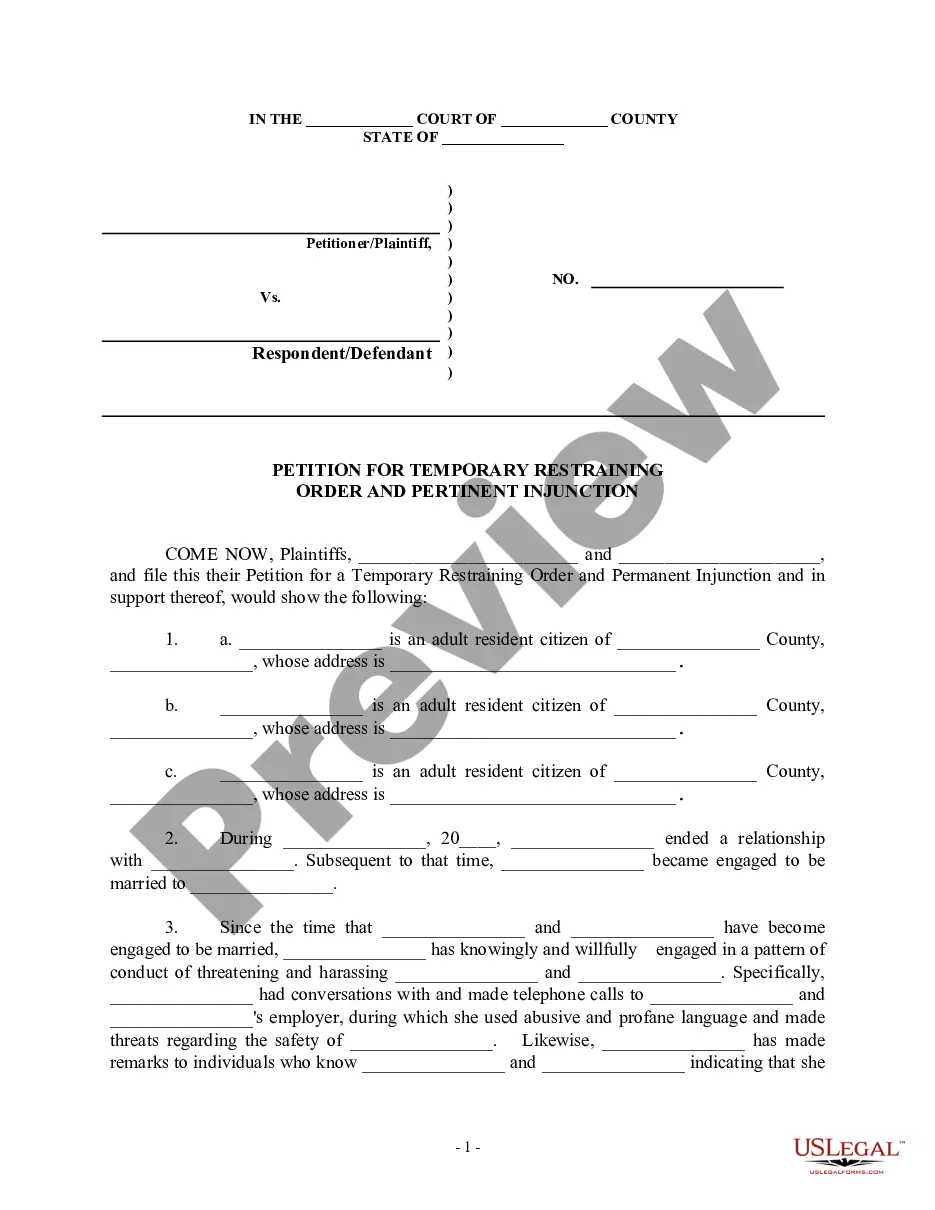
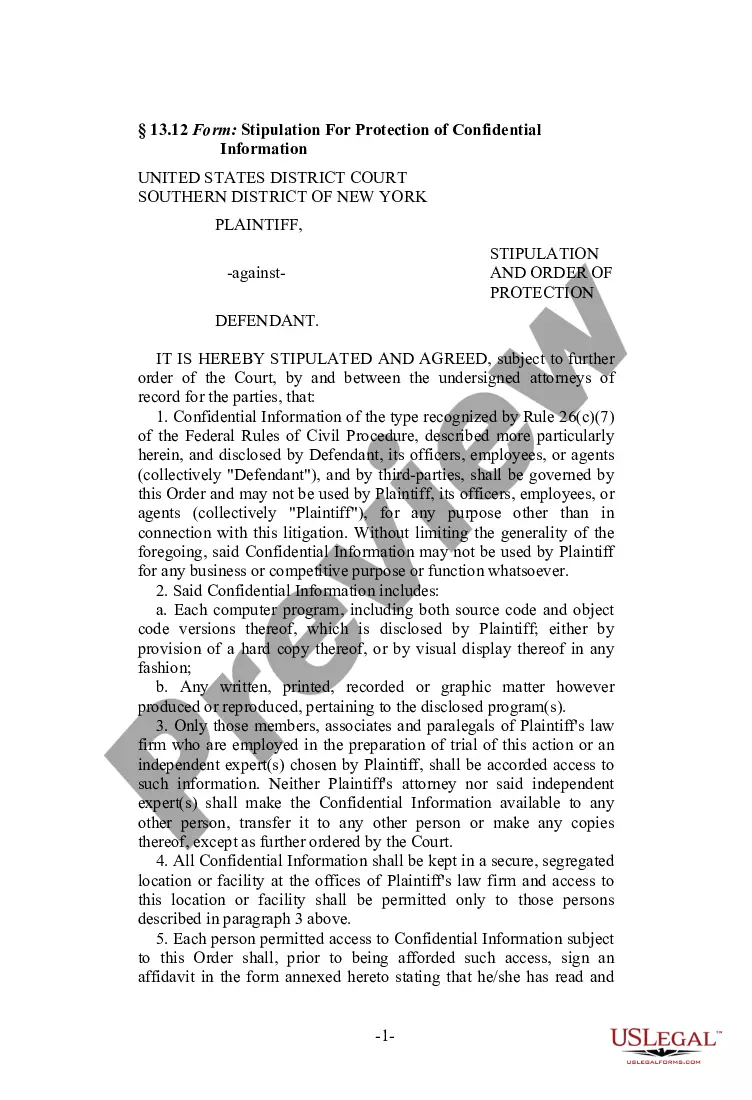
The Protective Order - Civil Trial is a legal document designed to maintain the confidentiality of sensitive information shared during a personal injury action. This order is crucial for ensuring that the identities of real estate licensees involved in the case remain confidential, setting it apart from other legal forms that may not address issues of privacy and information security during litigation.
Form components explained
- A confidentiality agreement regarding the identities of real estate licensees.
- Provision for parties to modify the order upon a conference between counsel.
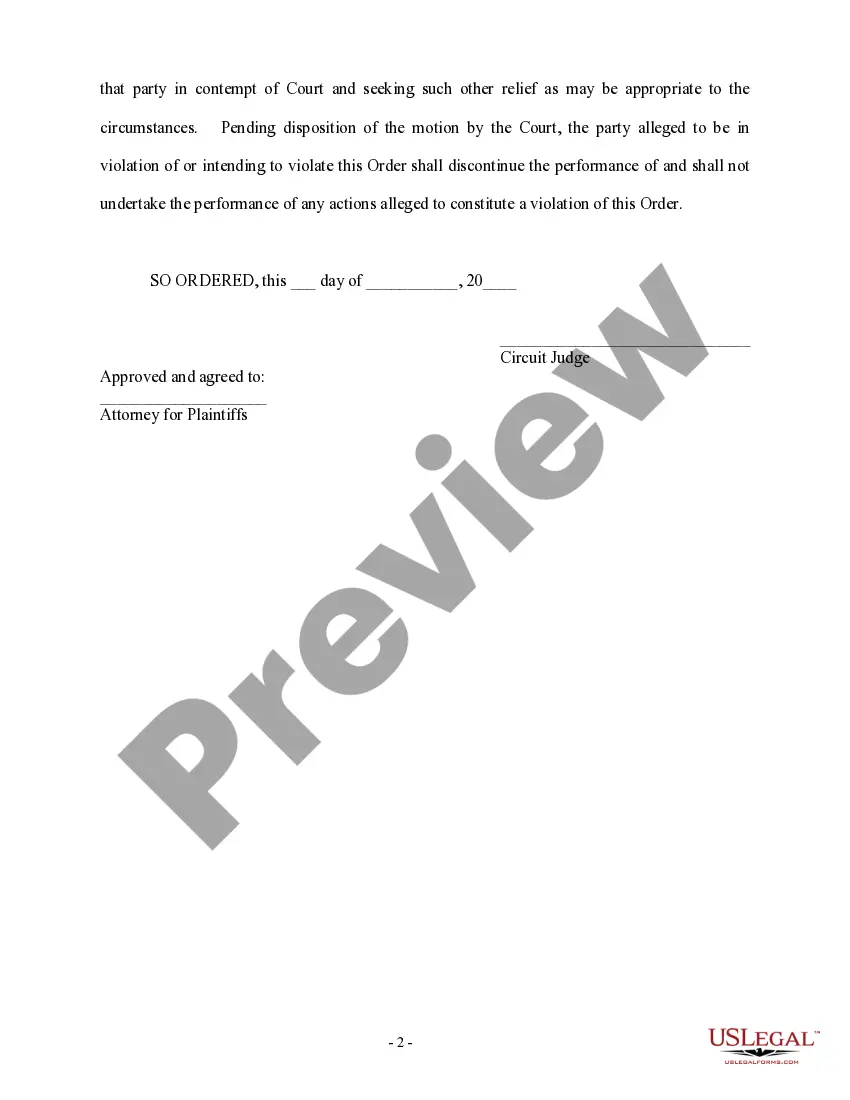
- Authority for parties to seek enforcement against violations of the order.
- Provisions for discontinuing actions alleged to violate the order pending court disposition.
- Spaces for signatures from the Circuit Judge and attorney for plaintiffs.
When to use this document
This form is used in personal injury cases where sensitive information needs protection. It is particularly relevant when real estate licensees' identities are involved and may require confidentiality to safeguard against potential harm or prejudice to the parties involved.
Who this form is for
- Plaintiffs and defendants in personal injury cases.
- Attorneys representing clients in litigation involving confidential information.
- Parties who need to ensure the protection of sensitive information throughout legal proceedings.
How to prepare this document
- Identify the parties involved in the civil trial.
- Provide details regarding the confidentiality of the real estate licensees.
- Include a section for all parties to agree to the terms of confidentiality.
- Specify any conditions under which the order may be modified.
- Ensure the form is signed by the Circuit Judge and attorney for plaintiffs.
Is notarization required?
This form usually doesn’t need to be notarized. However, local laws or specific transactions may require it. Our online notarization service, powered by Notarize, lets you complete it remotely through a secure video session, available 24/7.
Get your form ready online
Our built-in tools help you complete, sign, share, and store your documents in one place.
Make edits, fill in missing information, and update formatting in US Legal Forms—just like you would in MS Word.
Download a copy, print it, send it by email, or mail it via USPS—whatever works best for your next step.
Sign and collect signatures with our SignNow integration. Send to multiple recipients, set reminders, and more. Go Premium to unlock E-Sign.
If this form requires notarization, complete it online through a secure video call—no need to meet a notary in person or wait for an appointment.
We protect your documents and personal data by following strict security and privacy standards.

Make edits, fill in missing information, and update formatting in US Legal Forms—just like you would in MS Word.

Download a copy, print it, send it by email, or mail it via USPS—whatever works best for your next step.

Sign and collect signatures with our SignNow integration. Send to multiple recipients, set reminders, and more. Go Premium to unlock E-Sign.

If this form requires notarization, complete it online through a secure video call—no need to meet a notary in person or wait for an appointment.

We protect your documents and personal data by following strict security and privacy standards.
Common mistakes to avoid
- Failing to confer with counsel before seeking modifications of the order.
- Neglecting to complete all required sections and signatures on the form.
- Overlooking the importance of confidentiality clauses, which can lead to information leaks.
Benefits of using this form online
- Convenient access to templates that are tailored for various jurisdictions.
- Editability allows for customization specific to your case needs.
- Quick downloads that save time compared to traditional paperwork.
Looking for another form?
Form popularity
FAQ
Protective order is an order that prevents the disclosure of certain information under certain circumstances. A party cannot use discovery rights just to harass or annoy another party or an outside witness.
Domestic violence may be classified as a misdemeanor when it involves a party who uses, attempts to use, or threatens to use physical force against another member of their household. Misdemeanor charges are usually the result of an assault or battery crime.
Practically, the most important distinction between a civil protection order and a criminal charge is the fact one is a civil case and the other is a criminal case.There may be instances where there is criminal conduct but it does not necessarily fall under a civil protection order.
1. civil order - the form of government of a social organization. polity. order - established customary state (especially of society); "order ruled in the streets"; "law and order" Based on WordNet 3.0, Farlex clipart collection.
A restraining order filed in a lawsuit is not enforceable by the police. It is a civil matter and must be enforced through civil proceedings. At times, the police may come out when called upon a violation of a restraining order, but they are not in a position to force the parties to obey the order or to arrest anyone.
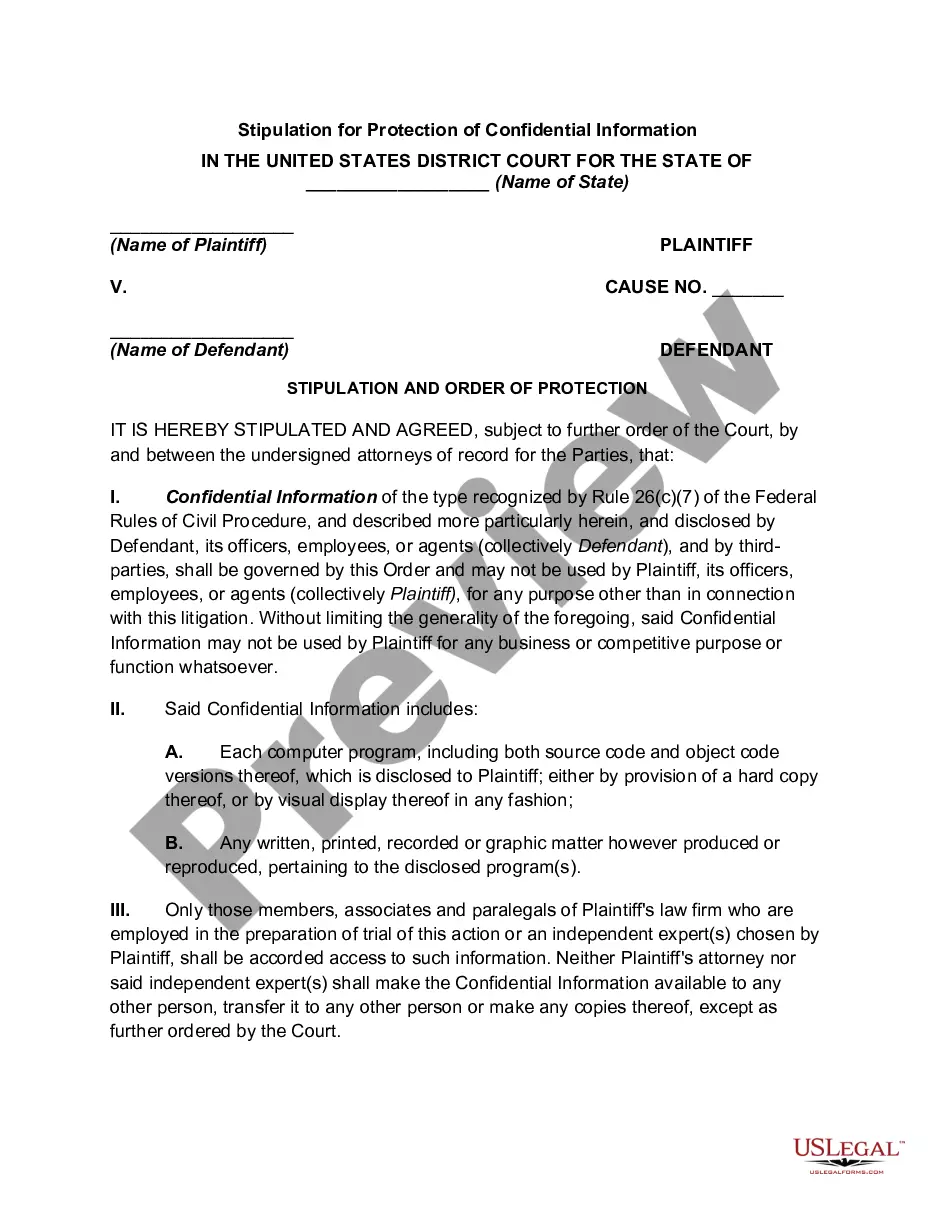
Protective orders are used in litigation to protect a party's propriety or confidential information from being disclosed to the public. Often, parties agree on the terms of the order and submit a stipulated protective order for entry by the court.
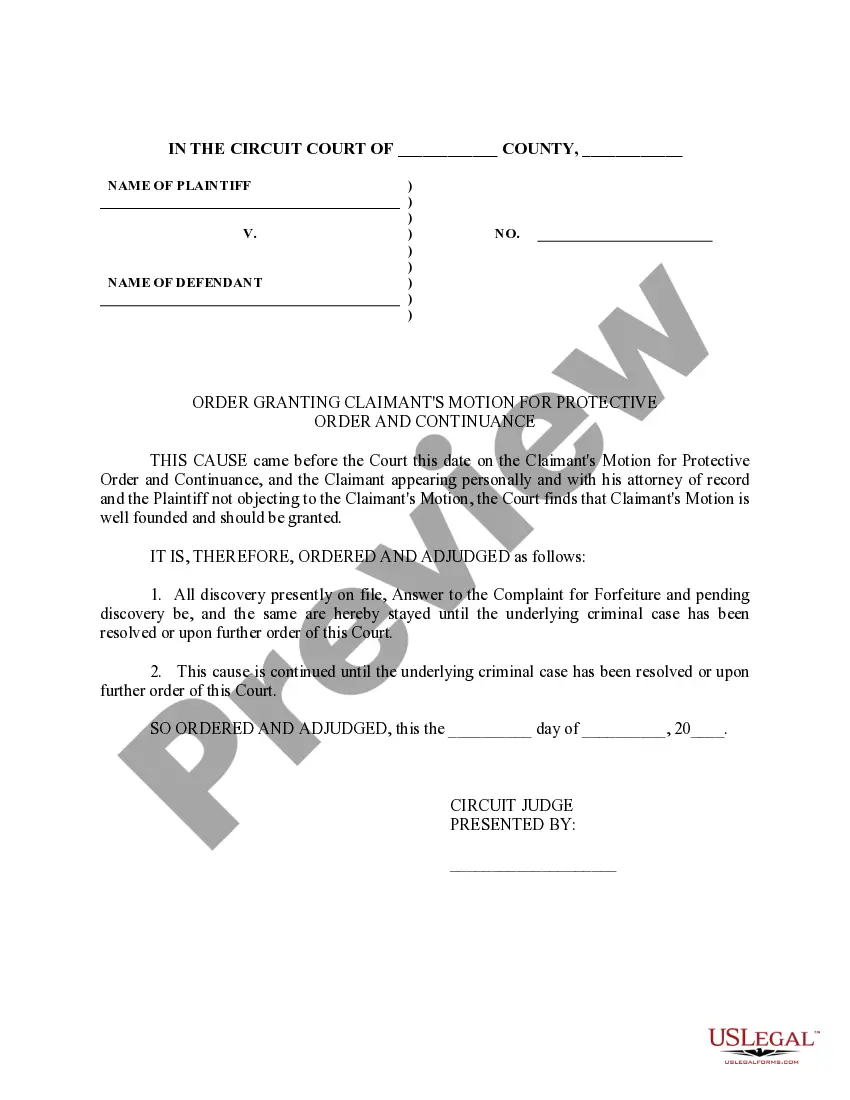
A motion for protective order refers to a party's request that the court protect it from potentially abusive action by the other party. Such a request is often made in relation to discovery, as when one party seeks discovery of the other party's trade secrets.