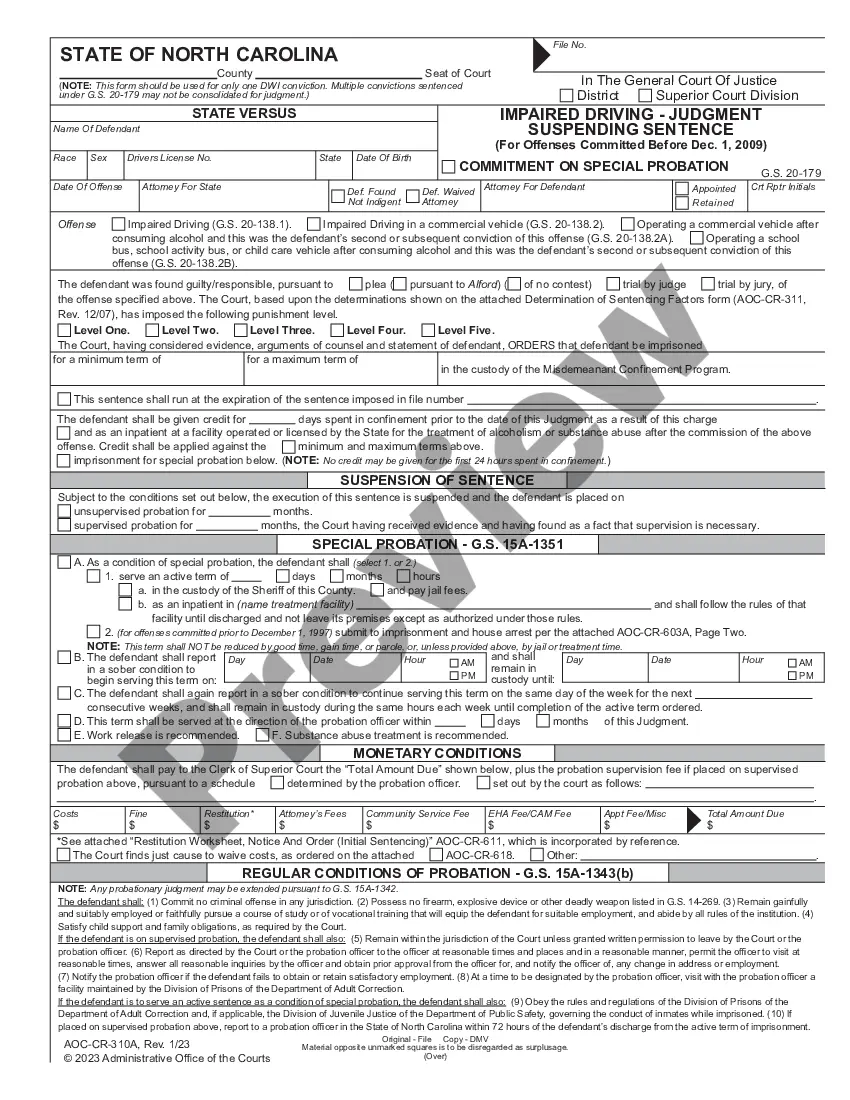
Stipulation and Order for Protection for Confidential Information
Overview of this form
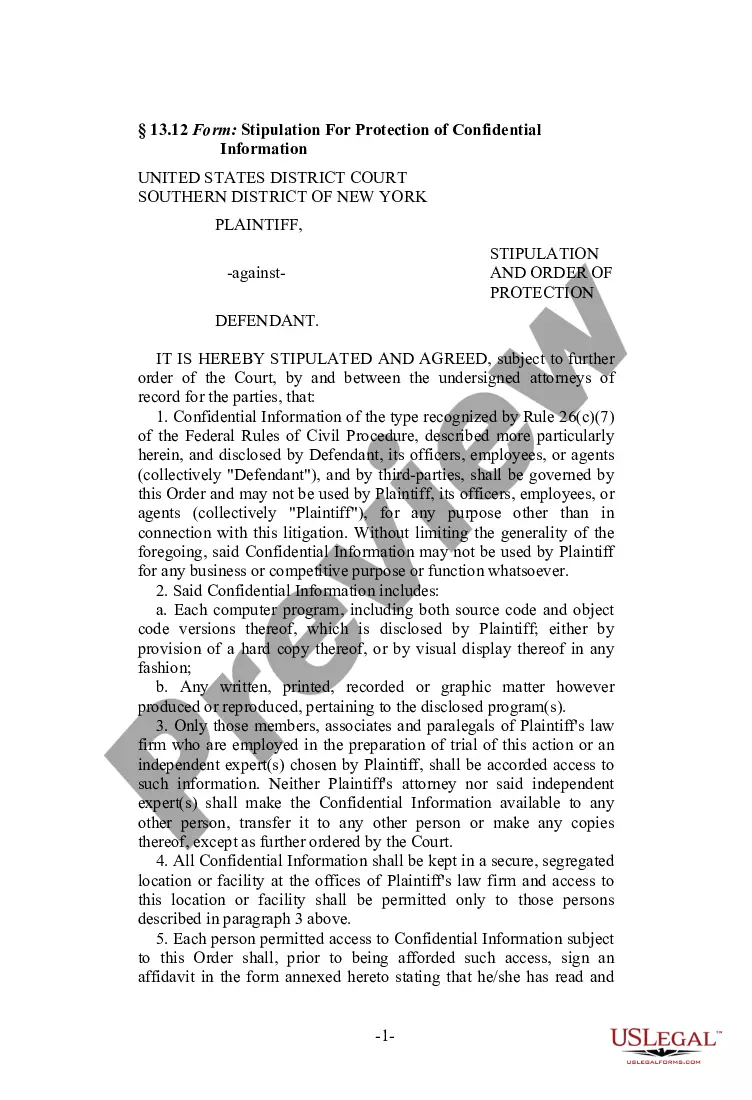
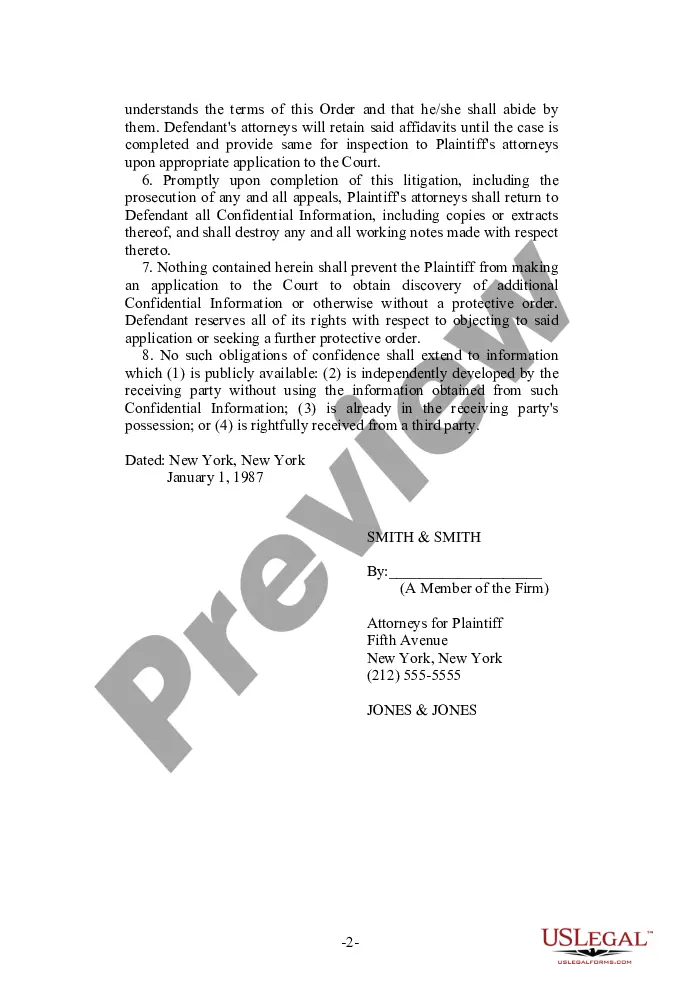
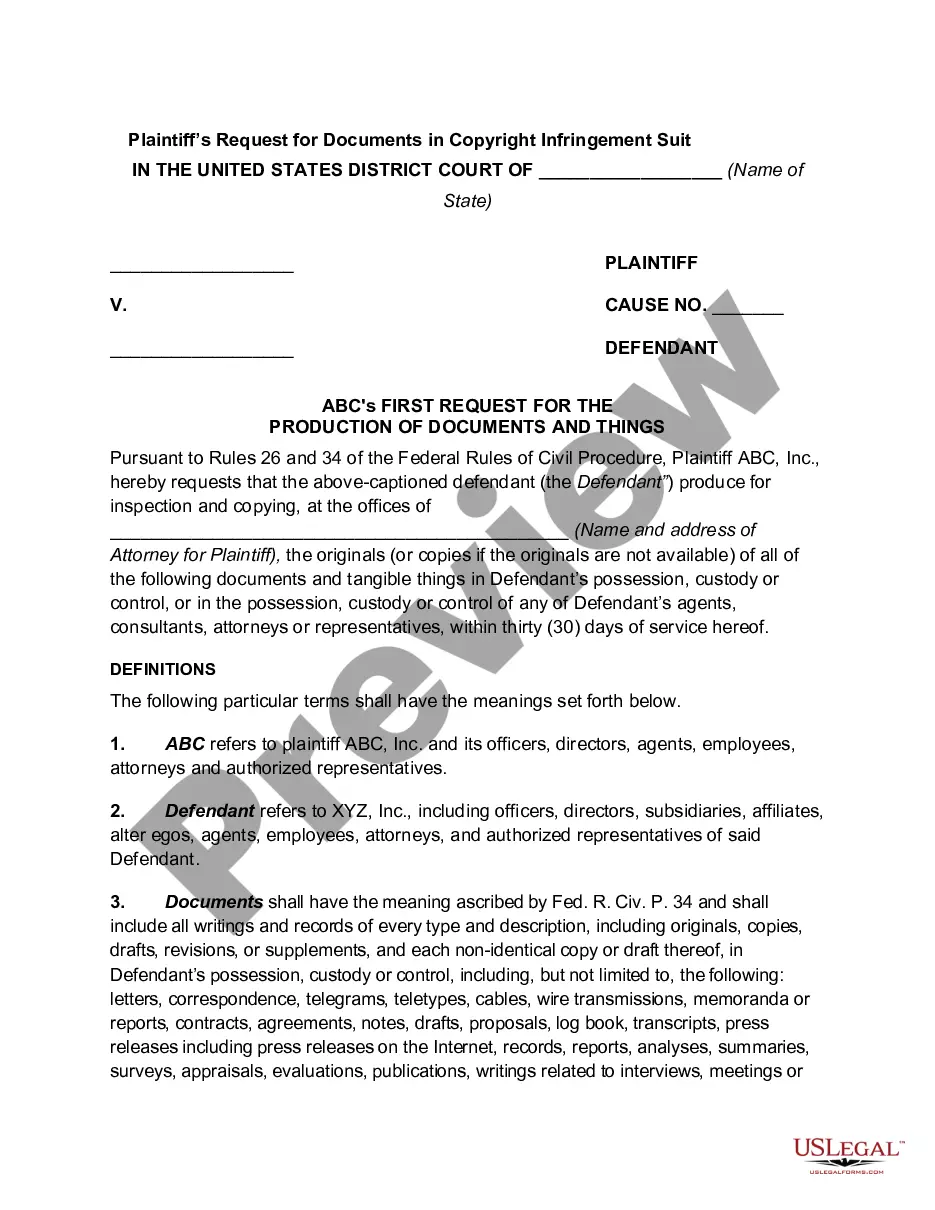
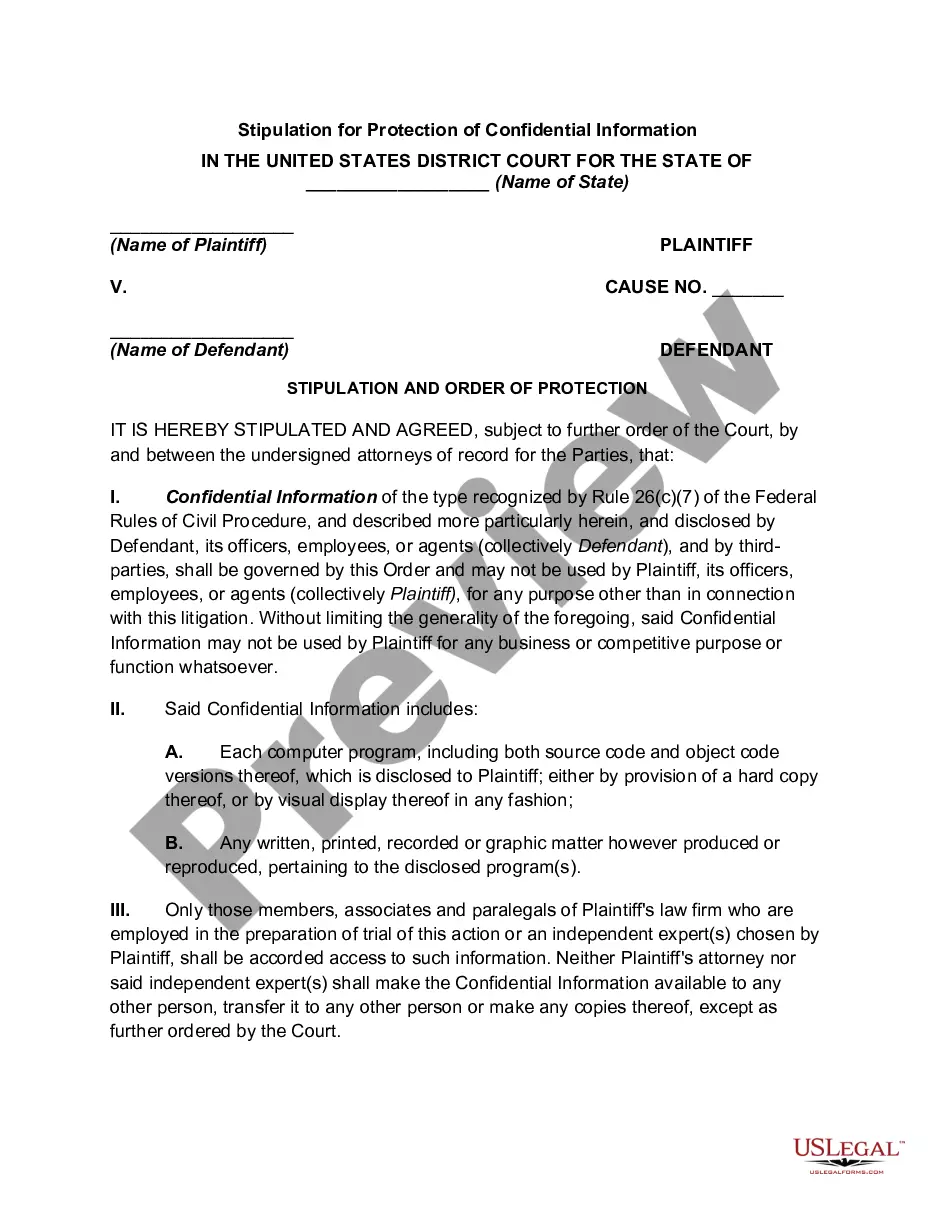
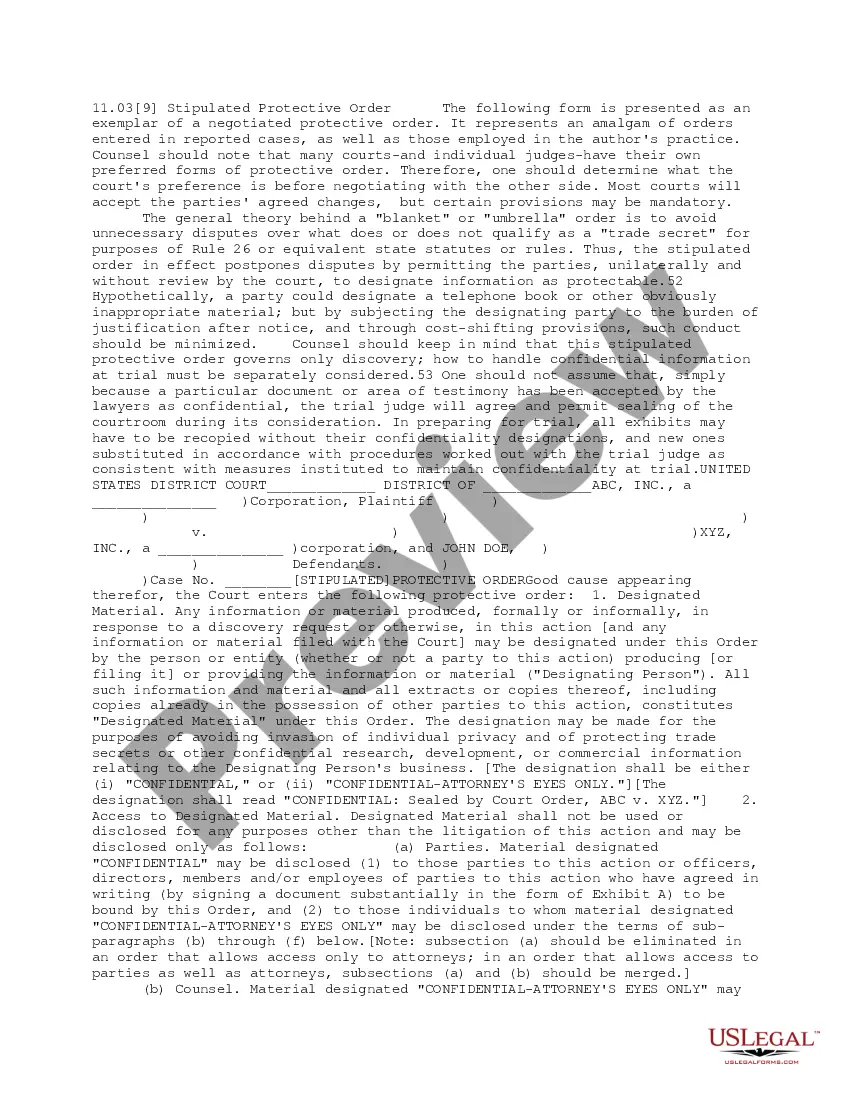
The Stipulation and Order for Protection for Confidential Information is a legal document designed to safeguard sensitive information disclosed during litigation, particularly in the computer, internet, and software industries. This form establishes parameters for how confidential information is handled and restricts its use to the context of the case, ensuring that it is not utilized for any business or competitive purposes. This form is essential for maintaining the integrity of proprietary technology during legal proceedings.
Key components of this form
- Definition of Confidential Information governed by the order.
- Clarification of who can access the confidential information.
- Instructions for storing and securing confidential information.
- Requirements for signing an affidavit before accessing the information.
- Procedures for returning or destroying confidential information after litigation.
Situations where this form applies
This form should be used in legal disputes where confidential technical information is exchanged between parties. It is particularly relevant in cases involving software development, technology patents, or any litigation where trade secrets may be at risk. Using this form helps ensure that sensitive information is protected from unauthorized use or disclosure throughout the legal process.
Who needs this form
- Attorneys representing clients in litigation involving confidential information.
- Parties engaged in disputes over intellectual property or proprietary technology.
- Organizations that handle sensitive information and wish to maintain confidentiality during legal proceedings.
How to complete this form
- Identify the parties involved in the case and their legal representatives.
- Define the confidential information that will be protected under this order.
- Include clauses detailing who will have access to the confidential information.
- Ensure that all partiesâ attorneys sign the document.
- File the final version with the court, as needed, to make the order enforceable.
Notarization requirements for this form
This form does not typically require notarization unless specified by local law. However, it's essential to check jurisdiction-specific requirements to ensure compliance.
Get your form ready online
Our built-in tools help you complete, sign, share, and store your documents in one place.
Make edits, fill in missing information, and update formatting in US Legal Forms—just like you would in MS Word.
Download a copy, print it, send it by email, or mail it via USPS—whatever works best for your next step.
Sign and collect signatures with our SignNow integration. Send to multiple recipients, set reminders, and more. Go Premium to unlock E-Sign.
If this form requires notarization, complete it online through a secure video call—no need to meet a notary in person or wait for an appointment.
We protect your documents and personal data by following strict security and privacy standards.

Make edits, fill in missing information, and update formatting in US Legal Forms—just like you would in MS Word.

Download a copy, print it, send it by email, or mail it via USPS—whatever works best for your next step.

Sign and collect signatures with our SignNow integration. Send to multiple recipients, set reminders, and more. Go Premium to unlock E-Sign.

If this form requires notarization, complete it online through a secure video call—no need to meet a notary in person or wait for an appointment.

We protect your documents and personal data by following strict security and privacy standards.
Common mistakes
- Failing to clearly define what constitutes confidential information.
- Not limiting access to the confidential information to authorized individuals.
- Neglecting to file the stipulation with the court in a timely manner.
- Omitting necessary signatures from all involved parties.
Benefits of using this form online
- Convenience of downloading and completing the form from anywhere.
- Editable format allows for easy customization based on specific needs.
- Access to reliable templates crafted by licensed attorneys ensures legal compliance.
Legal use & context
- This form helps to create a legally binding agreement on how confidential information is handled during litigation.
- It reinforces the courtâs authority to enforce the confidentiality obligations outlined in the order.
- Failure to adhere to the terms can lead to legal consequences, including contempt of court.
Quick recap
- The Stipulation and Order for Protection for Confidential Information is crucial for protecting sensitive information during legal proceedings.
- It outlines specific guidelines for accessing and handling confidential data.
- Proper completion of this form can help prevent unintended misuse of sensitive information.
Looking for another form?

Form popularity
FAQ
Protective orders are used in litigation to protect a party's propriety or confidential information from being disclosed to the public. Often, parties agree on the terms of the order and submit a stipulated protective order for entry by the court.
It is confidential. It is used so that your restraining order can be entered into a statewide computer system that lets the police know about your order.
Parties also may agree to enter into a protective order (also referred to as a confidentiality order) to keep confidential information protected from disclosure outside of the case. The parties may agree to provisions:For designating discovery material confidential after a party inadvertently produces it.
What happens if someone applies for a restraining order against me? An AVO is not a criminal charge. It will not appear on your criminal record.
A protective order is formal order authorized by a judge or other bench officer that prohibits one party from having any contact with the protected person.This means that if a person is not aware that he or she is the subject of a protective order, he or she can not violate it.
Protective orders are used in litigation to protect a party's propriety or confidential information from being disclosed to the public. Often, parties agree on the terms of the order and submit a stipulated protective order for entry by the court.
A motion for protective order refers to a party's request that the court protect it from potentially abusive action by the other party. Such a request is often made in relation to discovery, as when one party seeks discovery of the other party's trade secrets.
Orders of protection are designed to protect one party from abuse. However, they're often used by women as a tool to get a leg up in their divorce case.By filing for an order of protection prior to filing for divorce, one party can gain an advantage regarding property division, child custody or child support.
If you believe the protection order was granted improperly or that it is no longer needed, you can file a motion asking the court to dissolve (terminate or cancel) the protection order.If the court schedules a hearing and grants the motion, the protection order will become immediately void and unenforceable.