Stipulation for Protection of Confidential Information
Overview of this form
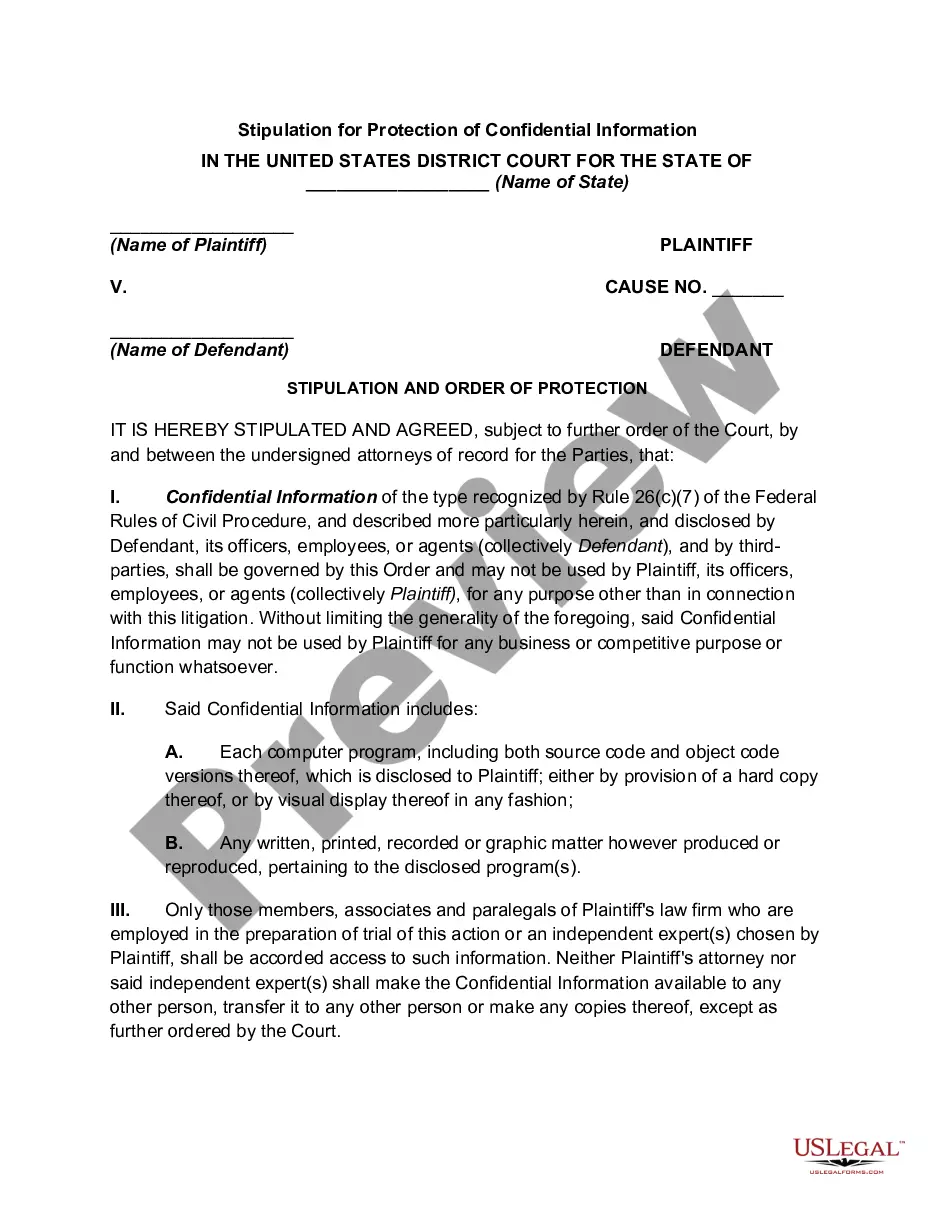
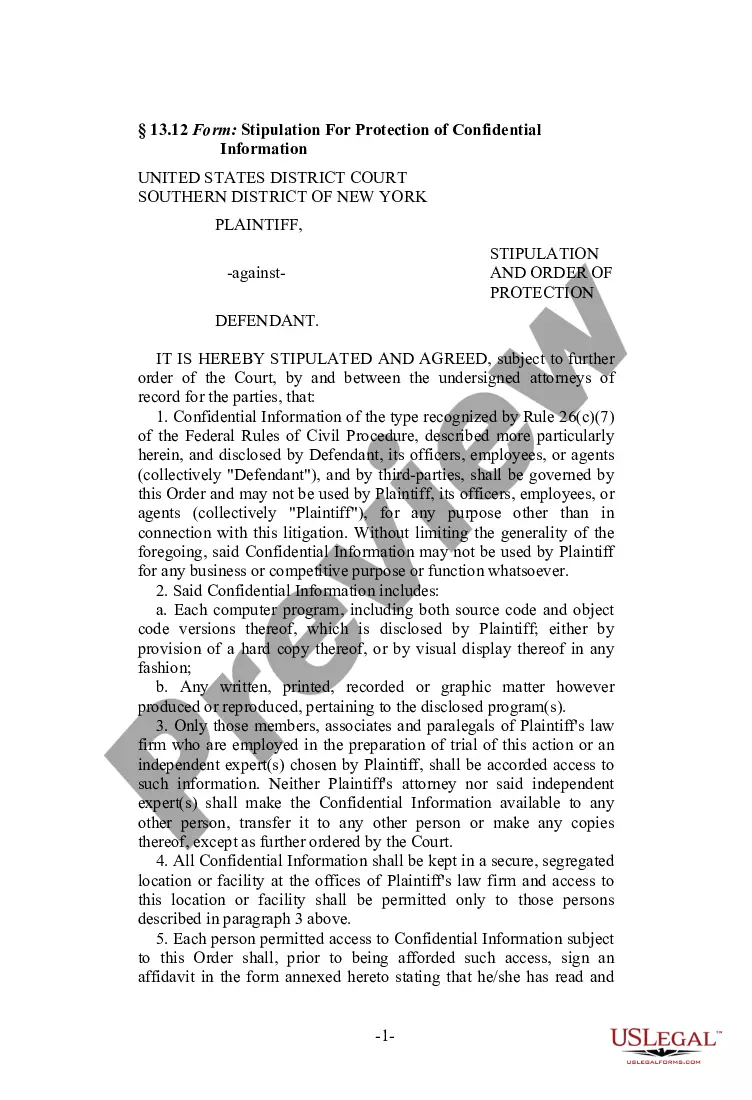
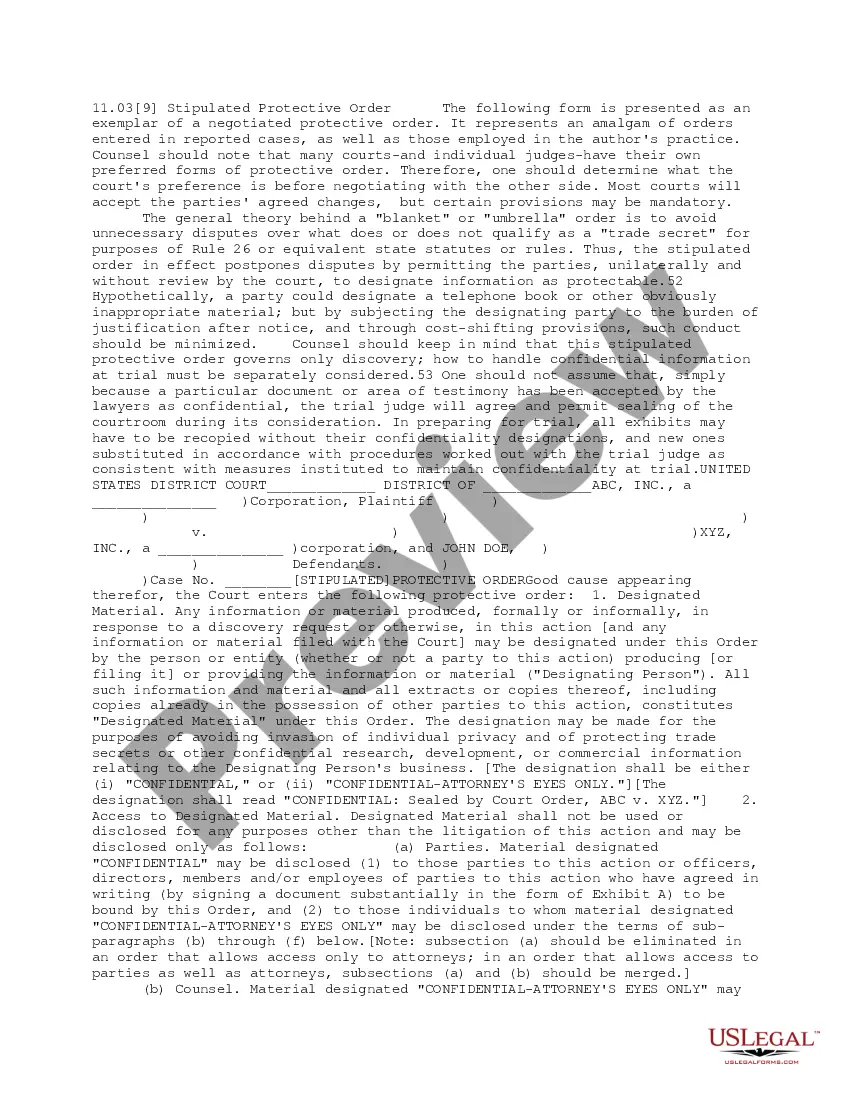
The Stipulation for Protection of Confidential Information is a legal document used in court proceedings to ensure that specific sensitive information disclosed during litigation remains confidential. This form is crucial for parties involved in a lawsuit, allowing them to share proprietary or sensitive data while protecting it from public disclosure. It differs from other forms in that it specifically addresses the handling of confidential information in a legal context, ensuring compliance with legal standards for confidentiality as outlined in Rule 26(c)(7) of the Federal Rules of Civil Procedure.
Key components of this form
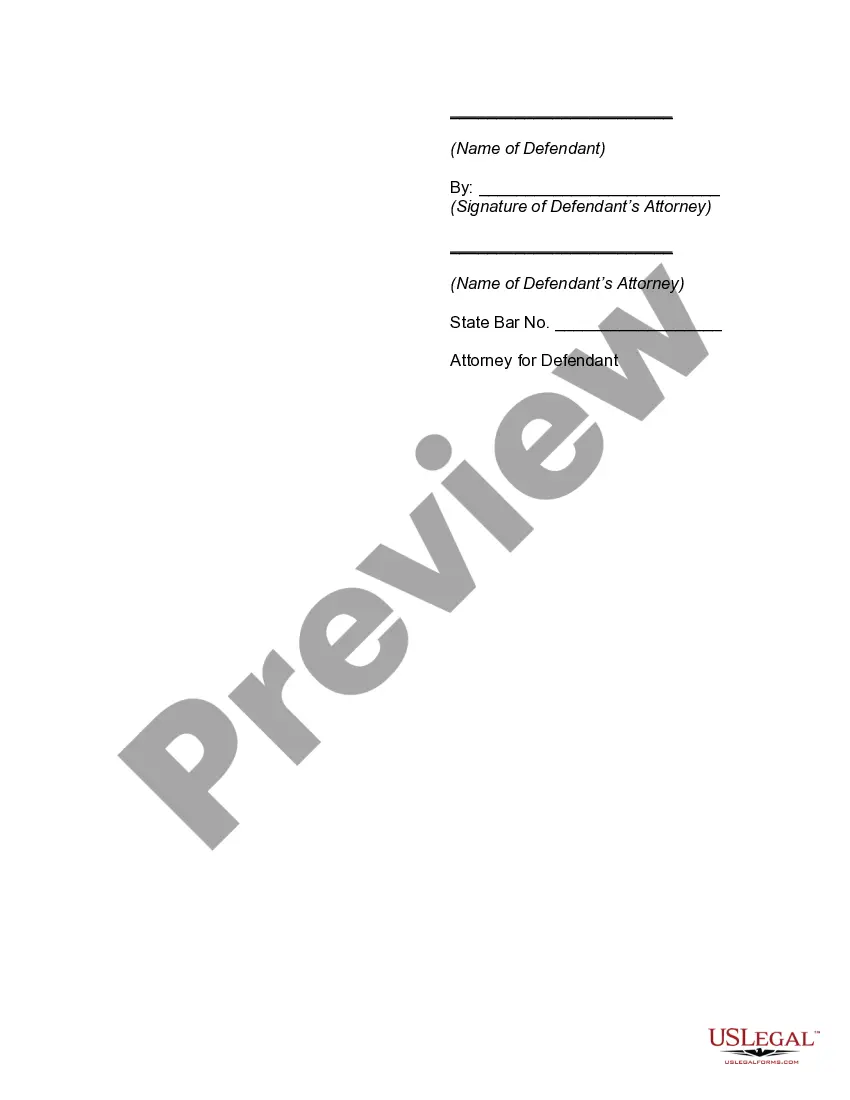
- Identification of the parties involved in the litigation (plaintiff and defendant).
- Definition of what constitutes 'Confidential Information.'
- Restrictions on access to confidential information limited to specific personnel.
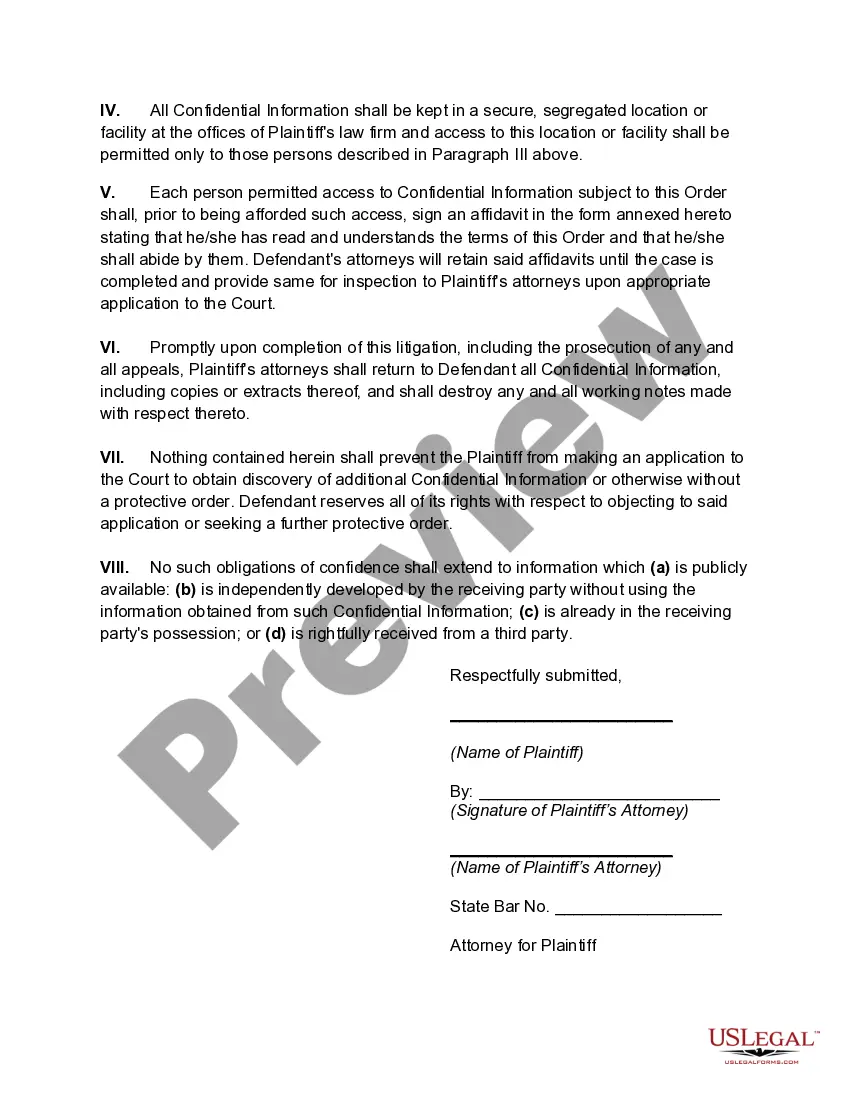
- Requirements for individuals accessing the information to sign an affidavit confirming understanding of confidentiality obligations.
- Procedures for the return and destruction of confidential information upon conclusion of litigation.
When to use this form
This form should be used when parties in a litigation need to share sensitive information that must be kept confidential. Examples include cases involving trade secrets, proprietary data, or any other information that, if disclosed, could harm the disclosing party's interests or competitive position. It is particularly relevant in cases where the exchange of such information is necessary for discovery or trial preparation but also raises privacy concerns.
Who needs this form
- Attorneys representing parties in litigation.
- Businesses involved in legal disputes where confidential information is shared.
- Individuals needing legal protection for their confidential information during legal proceedings.
Steps to complete this form
- Identify the names of the plaintiff and defendant in the case.
- Specify the relevant cause number associated with the litigation.
- Define the confidential information that will be protected.
- Indicate the individuals authorized to access the confidential information.
- Ensure that each individual with access signs an affidavit confirming their understanding of the obligations regarding the confidential information.
Is notarization required?
This form does not typically require notarization unless specified by local law. However, ensuring that all individuals with access sign the affidavit is critical for maintaining the integrity of the confidentiality stipulated in the form.
Get your form ready online
Our built-in tools help you complete, sign, share, and store your documents in one place.
Make edits, fill in missing information, and update formatting in US Legal Forms—just like you would in MS Word.
Download a copy, print it, send it by email, or mail it via USPS—whatever works best for your next step.
Sign and collect signatures with our SignNow integration. Send to multiple recipients, set reminders, and more. Go Premium to unlock E-Sign.
If this form requires notarization, complete it online through a secure video call—no need to meet a notary in person or wait for an appointment.
We protect your documents and personal data by following strict security and privacy standards.

Make edits, fill in missing information, and update formatting in US Legal Forms—just like you would in MS Word.

Download a copy, print it, send it by email, or mail it via USPS—whatever works best for your next step.

Sign and collect signatures with our SignNow integration. Send to multiple recipients, set reminders, and more. Go Premium to unlock E-Sign.

If this form requires notarization, complete it online through a secure video call—no need to meet a notary in person or wait for an appointment.

We protect your documents and personal data by following strict security and privacy standards.
Avoid these common issues
- Failing to accurately define what constitutes confidential information.
- Not having all authorized personnel sign the affidavit prior to gaining access to confidential materials.
- Misplacing or improperly securing confidential information within the law firm's offices.
- Not returning or destroying confidential information as required at the conclusion of the case.
Advantages of online completion
- Convenient to download and fill out from anywhere, eliminating the need for in-person visits to attorneys.
- Editable formats allow users to customize the document as needed.
- Provides reliable templates drafted by licensed attorneys, ensuring legal compliance.
Looking for another form?


Form popularity
FAQ
It is confidential. It is used so that your restraining order can be entered into a statewide computer system that lets the police know about your order.
The court has the power to order which information or documents must be disclosed to the other party so that justice is done. Therefore your solicitor may be required to disclose and allow for inspection certain information contained in documents if the court so orders.
Parties also may agree to enter into a protective order (also referred to as a confidentiality order) to keep confidential information protected from disclosure outside of the case. The parties may agree to provisions:For designating discovery material confidential after a party inadvertently produces it.
In civil litigation, an order that prevents the disclosure of certain information. A party or person, such as a non-party recipient of a subpoena, may move for a protective order by showing good cause that the court should not permit the requested discovery because the discovery request is: Annoying.
The use of privileged information is not only inadmissible at trial it is not even discoverable.Information that is merely confidential, however, must be turned over in response to a discovery request and can be introduced in court as evidence.
A party or non-party may designate information disclosed during a deposition or in response to written discovery as Confidential by so indicating in said responses or on the record at the deposition and requesting the preparation of a separate transcript of such material.
In practice, this means that all patient/client information, whether held on paper, computer, visually or audio recorded, or held in the memory of the professional, must not normally be disclosed without the consent of the patient/client.
The confidentiality rule, for example, applies not only to matters communicated in confidence by the client but also to all information relating to the representation, whatever its source. A lawyer may not disclose such information except as authorized or required by the Rules of Professional Conduct or other law.
The use of privileged information is not only inadmissible at trial it is not even discoverable.Information that is merely confidential, however, must be turned over in response to a discovery request and can be introduced in court as evidence.