Order Granting Protective Order
What is this form?
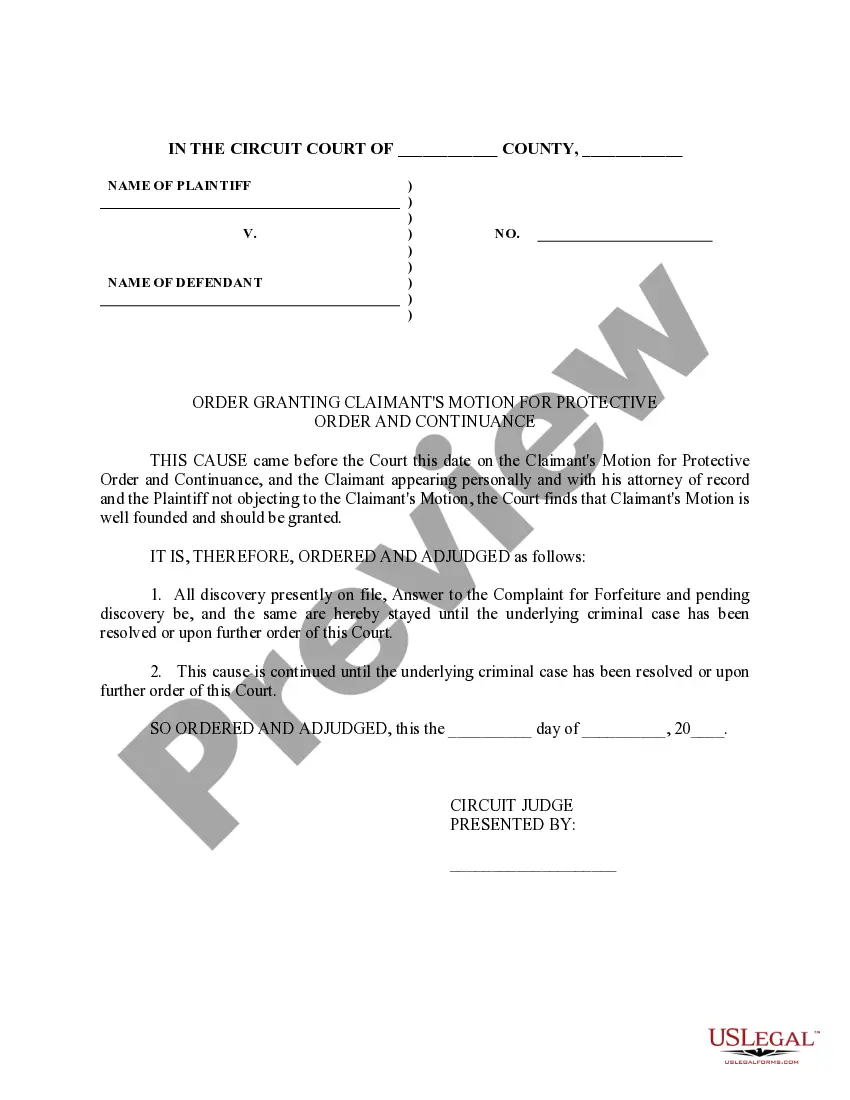
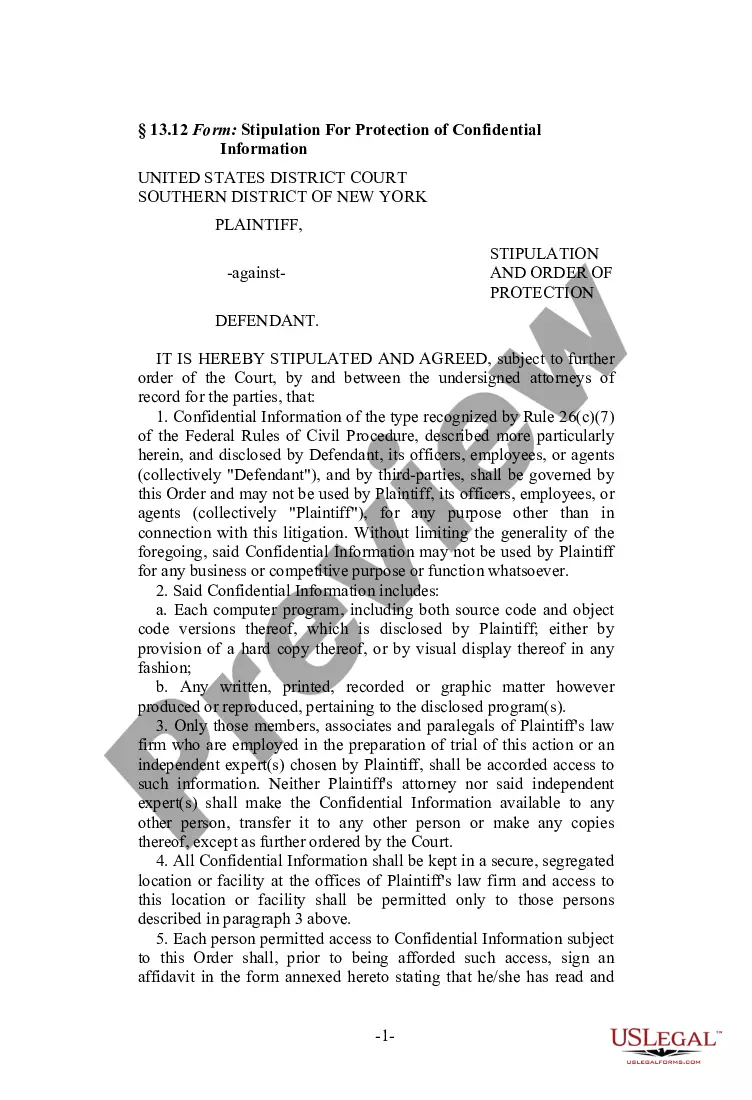
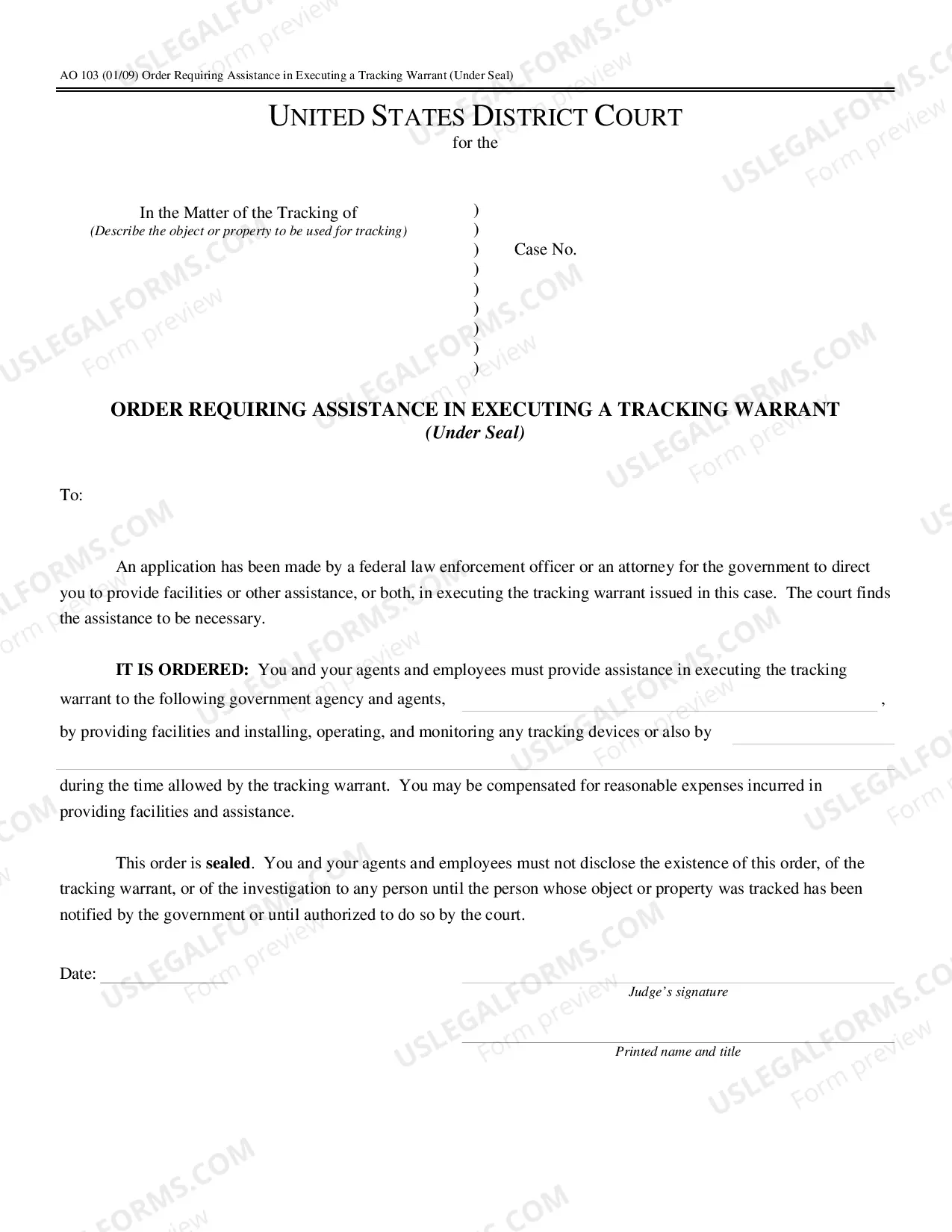
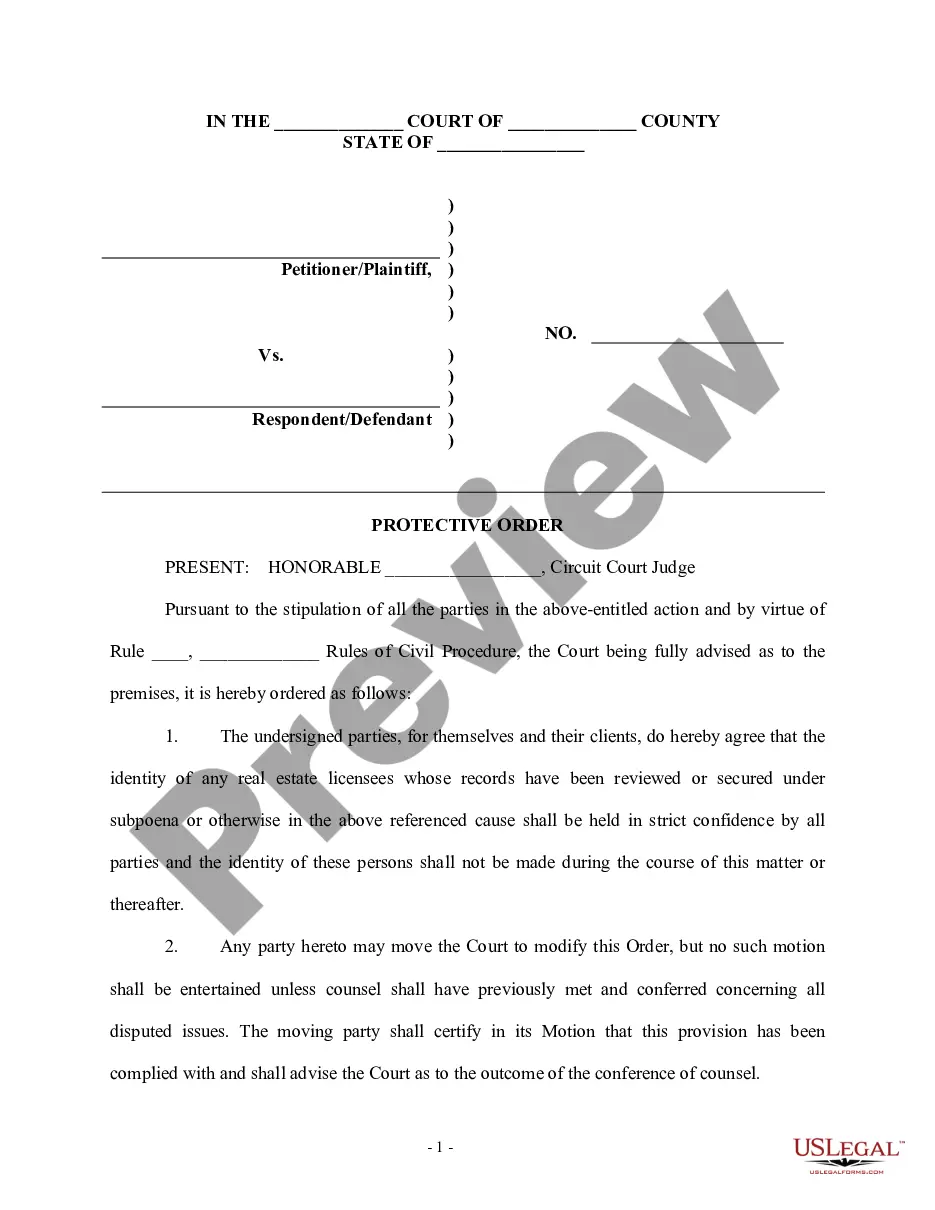
The Order Granting Protective Order is a legal document that protects property involved in a forfeiture proceeding initiated by government authorities in relation to a criminal case. This form temporarily prevents the seizure of the specified property until the underlying criminal case is resolved. Unlike other legal documents associated with forfeiture, this order specifically focuses on safeguarding property against government action while legal proceedings are ongoing.
Main sections of this form
- Identification of the Claimant and the court involved in the motion.
- A section detailing the discovery stay until the resolution of the criminal case.
- Order of continuance regarding the case proceedings.
- Signature line for the Circuit Judge to validate the order.
- Space for the date of issuance and for attorneys representing the Claimant.
Common use cases
This form is necessary when a Claimant seeks to protect their property from being seized during a criminal forfeiture case. It is commonly used when the Claimant believes that the seizure of their property would be unjust or unwarranted while criminal allegations are still under review. For instance, if an individual faces criminal charges and their assets are at risk of forfeiture, they can file this order to ensure their property remains untouched until the case concludes.
Who should use this form
- Individuals or entities whose property is subject to forfeiture due to ongoing criminal proceedings.
- Claimants seeking to assert their rights over property potentially impacted by government seizure.
- Legal representatives advising clients on protecting assets in forfeiture cases.
How to prepare this document
- Identify the parties involved by entering the Claimant's and Plaintiffâs names.
- Specify the case number and court information accurately.
- Complete the date fields to indicate when the order is issued.
- Review the details of the property being protected and ensure they are clearly stated.
- Have the Claimant and their attorney sign below the Judgeâs signature line.
Notarization requirements for this form
This form does not typically require notarization unless specified by local law. However, it is advisable to check specific requirements in {state} or consult a legal professional to ensure compliance with local court procedures.
Get your form ready online
Our built-in tools help you complete, sign, share, and store your documents in one place.
Make edits, fill in missing information, and update formatting in US Legal Forms—just like you would in MS Word.
Download a copy, print it, send it by email, or mail it via USPS—whatever works best for your next step.
Sign and collect signatures with our SignNow integration. Send to multiple recipients, set reminders, and more. Go Premium to unlock E-Sign.
If this form requires notarization, complete it online through a secure video call—no need to meet a notary in person or wait for an appointment.
We protect your documents and personal data by following strict security and privacy standards.

Make edits, fill in missing information, and update formatting in US Legal Forms—just like you would in MS Word.

Download a copy, print it, send it by email, or mail it via USPS—whatever works best for your next step.

Sign and collect signatures with our SignNow integration. Send to multiple recipients, set reminders, and more. Go Premium to unlock E-Sign.

If this form requires notarization, complete it online through a secure video call—no need to meet a notary in person or wait for an appointment.

We protect your documents and personal data by following strict security and privacy standards.
Typical mistakes to avoid
- Failing to provide accurate case details, which can lead to confusion.
- Not signing the document, rendering it invalid.
- Omitting critical information about the property that requires protection.
- Ignoring local court formatting requirements when submitting the form.
Advantages of online completion
- Convenience of downloading and completing the form at your own pace.
- Immediate access to the latest legal templates authored by licensed attorneys.
- Editability allows you to customize the form to fit your specific circumstances.
- Ensures compliance with legal standards, reducing the risk of errors.
Legal use & context
- The protective order is designed to protect the interests of individuals involved in forfeiture proceedings.
- Legal effectiveness can depend on proper completion and adherence to local requirements.
Key takeaways
- The Order Granting Protective Order safeguards property from illegal seizure during criminal cases.
- Understanding when and how to use this form is essential for protecting your rights.
- Completing the form accurately can help in maintaining ownership of contested property.
Looking for another form?


Form popularity
FAQ
A protective order is formal order authorized by a judge or other bench officer that prohibits one party from having any contact with the protected person.This means that if a person is not aware that he or she is the subject of a protective order, he or she can not violate it.
If the court issues a final peace or protective order, how long does it stay on your record? If you contest either one and lose, the record of the entry of order stays forever.
A motion for protective order refers to a party's request that the court protect it from potentially abusive action by the other party. Such a request is often made in relation to discovery, as when one party seeks discovery of the other party's trade secrets.
If you believe the protection order was granted improperly or that it is no longer needed, you can file a motion asking the court to dissolve (terminate or cancel) the protection order.If the court schedules a hearing and grants the motion, the protection order will become immediately void and unenforceable.
Protective orders are used in litigation to protect a party's propriety or confidential information from being disclosed to the public. Often, parties agree on the terms of the order and submit a stipulated protective order for entry by the court.
Protective order is an order that prevents the disclosure of certain information under certain circumstances. A party cannot use discovery rights just to harass or annoy another party or an outside witness.
Protective orders are used in litigation to protect a party's propriety or confidential information from being disclosed to the public. Often, parties agree on the terms of the order and submit a stipulated protective order for entry by the court.
If you have had a restraining order placed against you, you may wonder if that will show on a background check and how it will affect you. Typically, restraining orders are civil, which means they shouldn't show on a criminal background check.
Orders of protection are designed to protect one party from abuse. However, they're often used by women as a tool to get a leg up in their divorce case.By filing for an order of protection prior to filing for divorce, one party can gain an advantage regarding property division, child custody or child support.