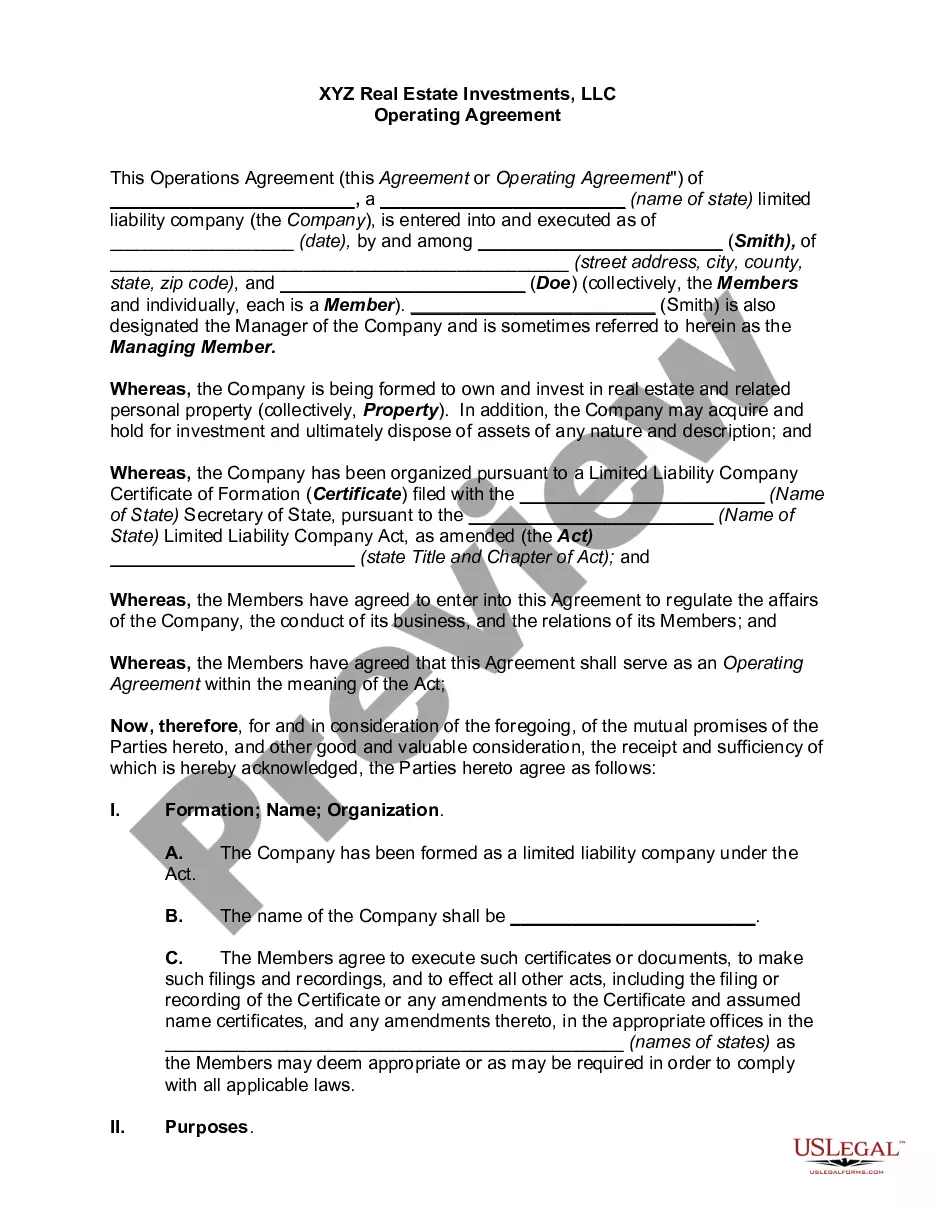
Michigan Landlord Tenant Sublease Package
What is this form package?
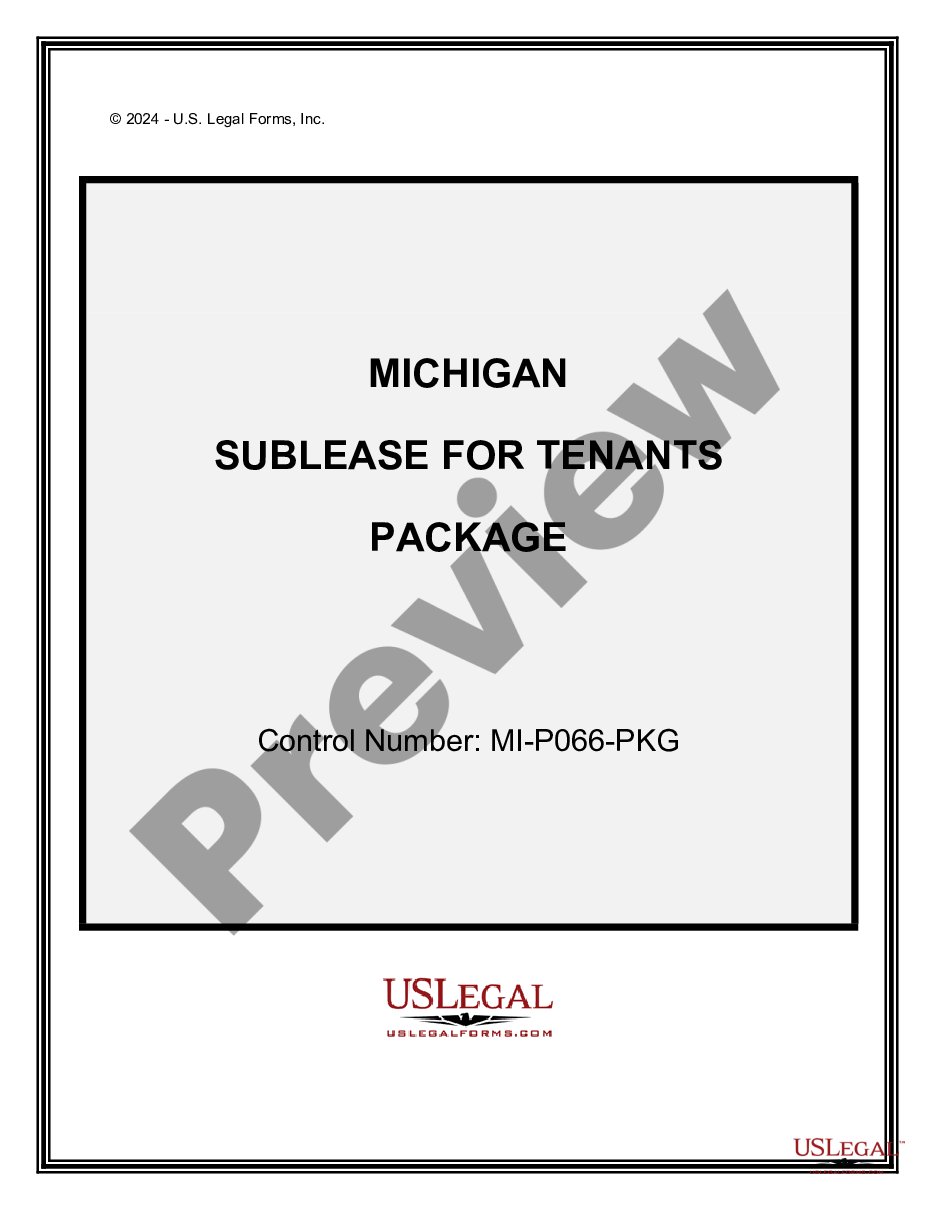
The Michigan Landlord Tenant Sublease Package offers a comprehensive collection of legal documents specifically designed for subleasing rental properties. This package includes crucial forms that address potential legal concerns between landlords, tenants, and subtenants. Unlike generic rental agreements, these documents are tailored to comply with Michigan's laws and regulations regarding the subleasing process.
What’s included in this form package
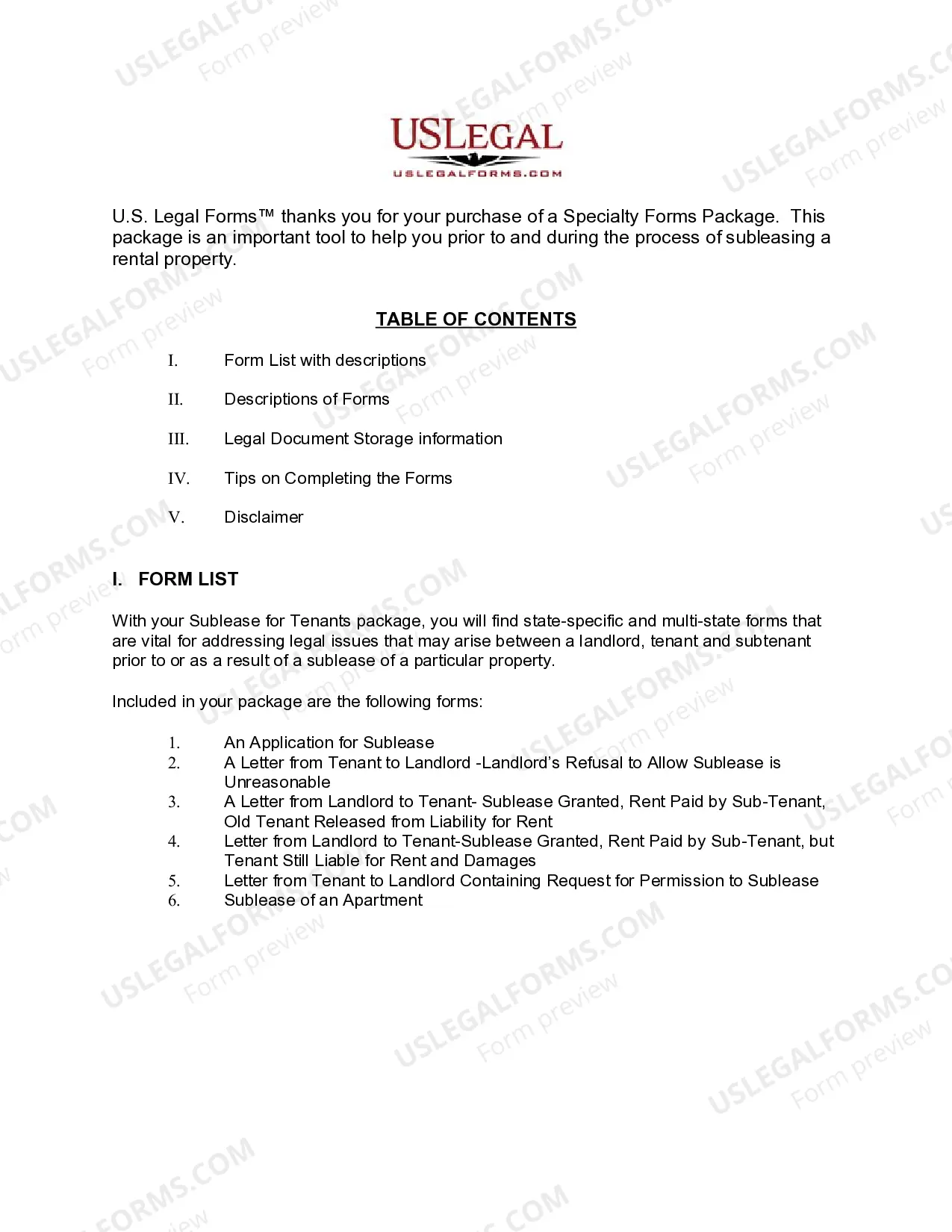
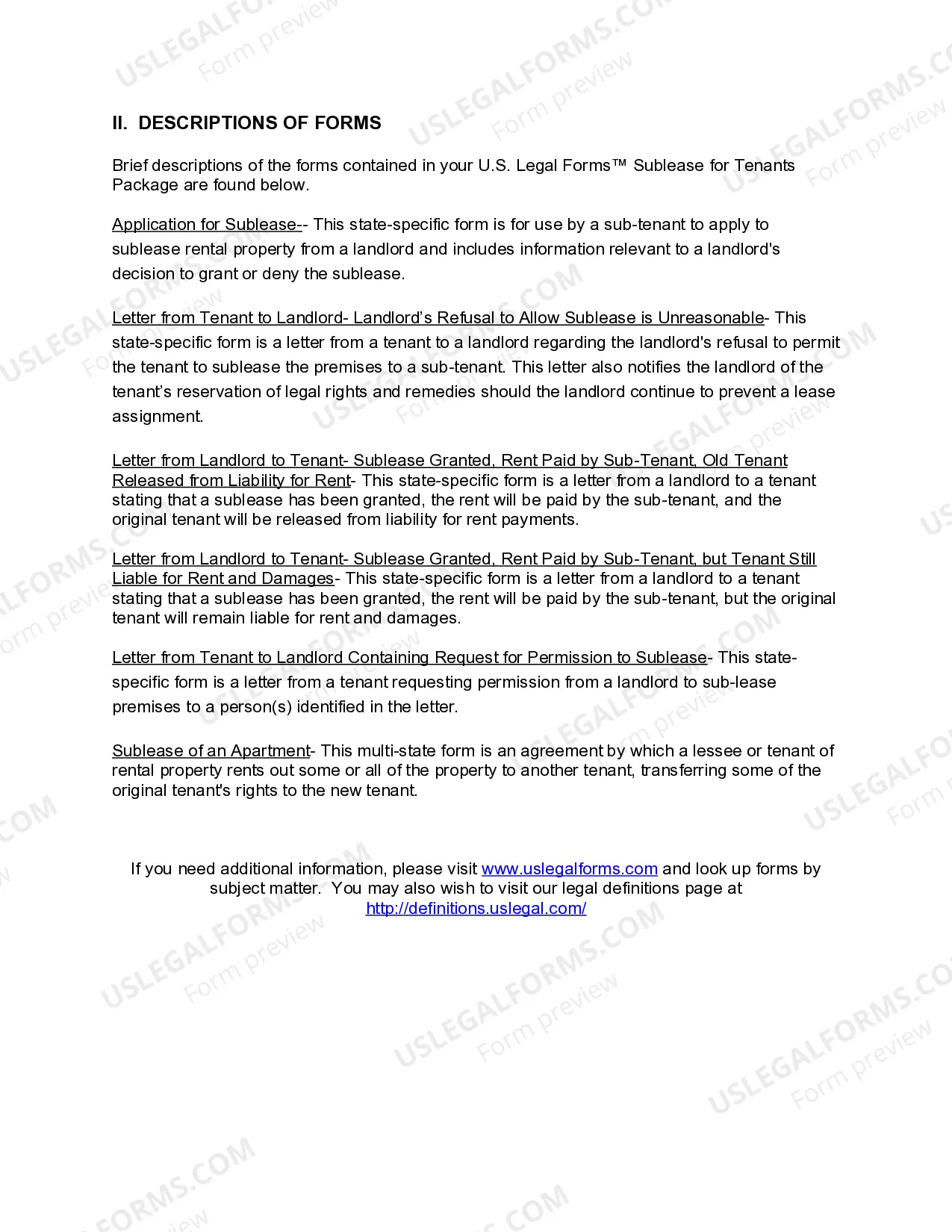
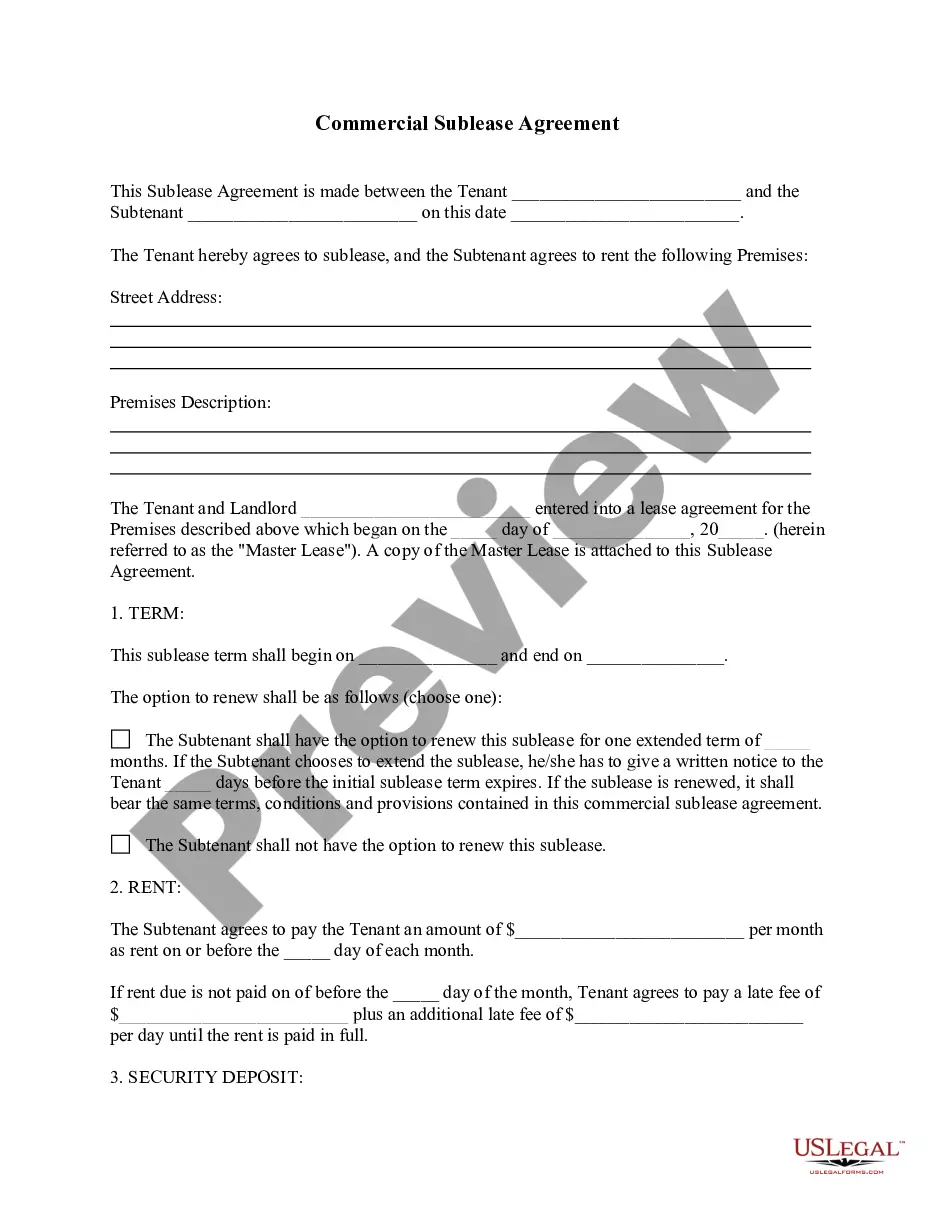
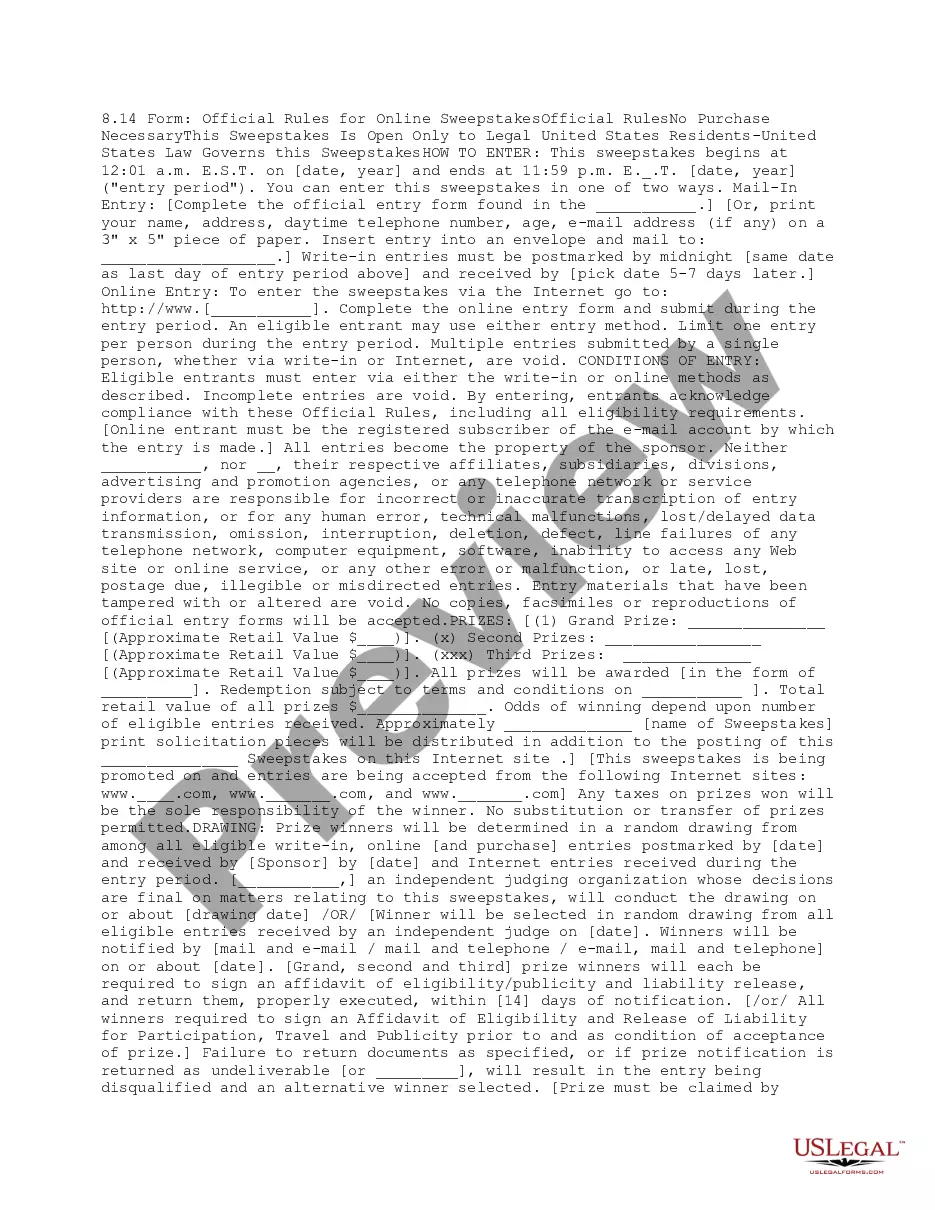
- Letter from Tenant to Landlord containing Request for permission to sublease
- Letter from Landlord to Tenant that Sublease granted - Rent Paid by Subtenant, but Tenant Still Liable for Rent and Damages
- Letter from Landlord to Tenant that Sublease granted - Rent Paid by Subtenant, Old Tenant Released from Liability for Rent
- Letter from Tenant to Landlord about Landlord's refusal to allow sublease is unreasonable
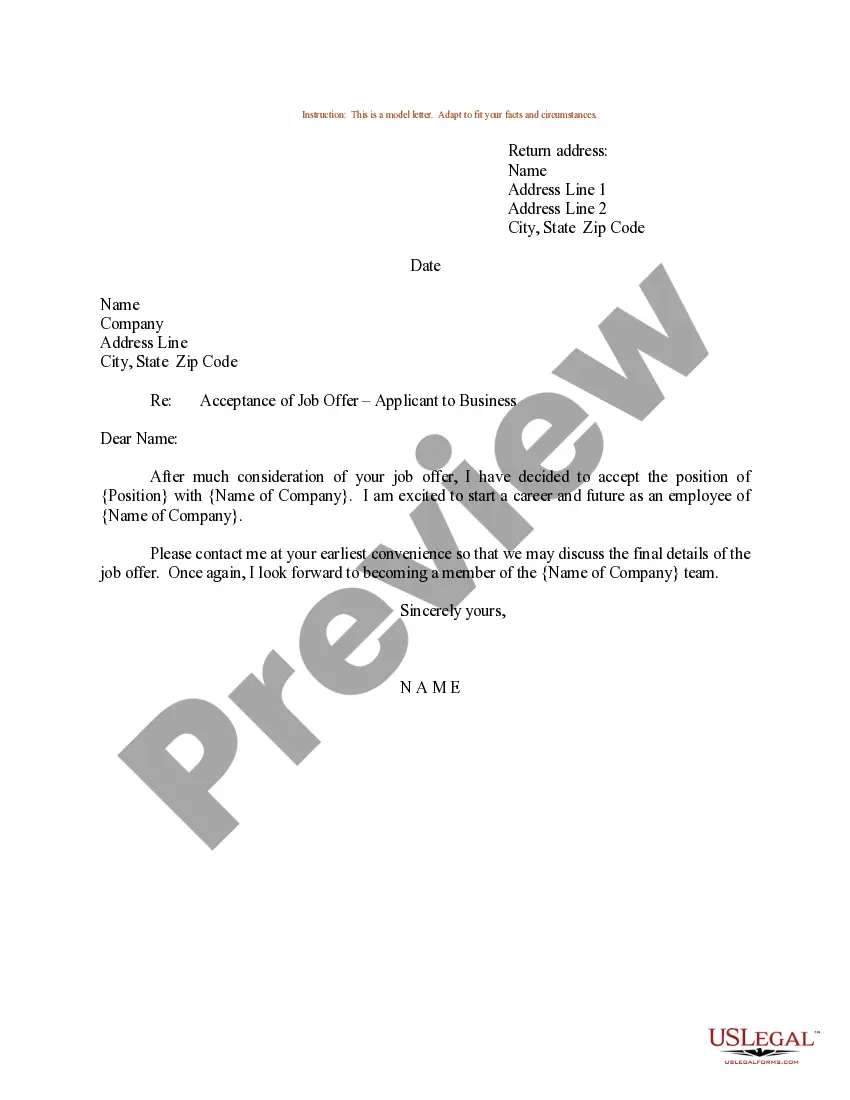
- Application for Sublease
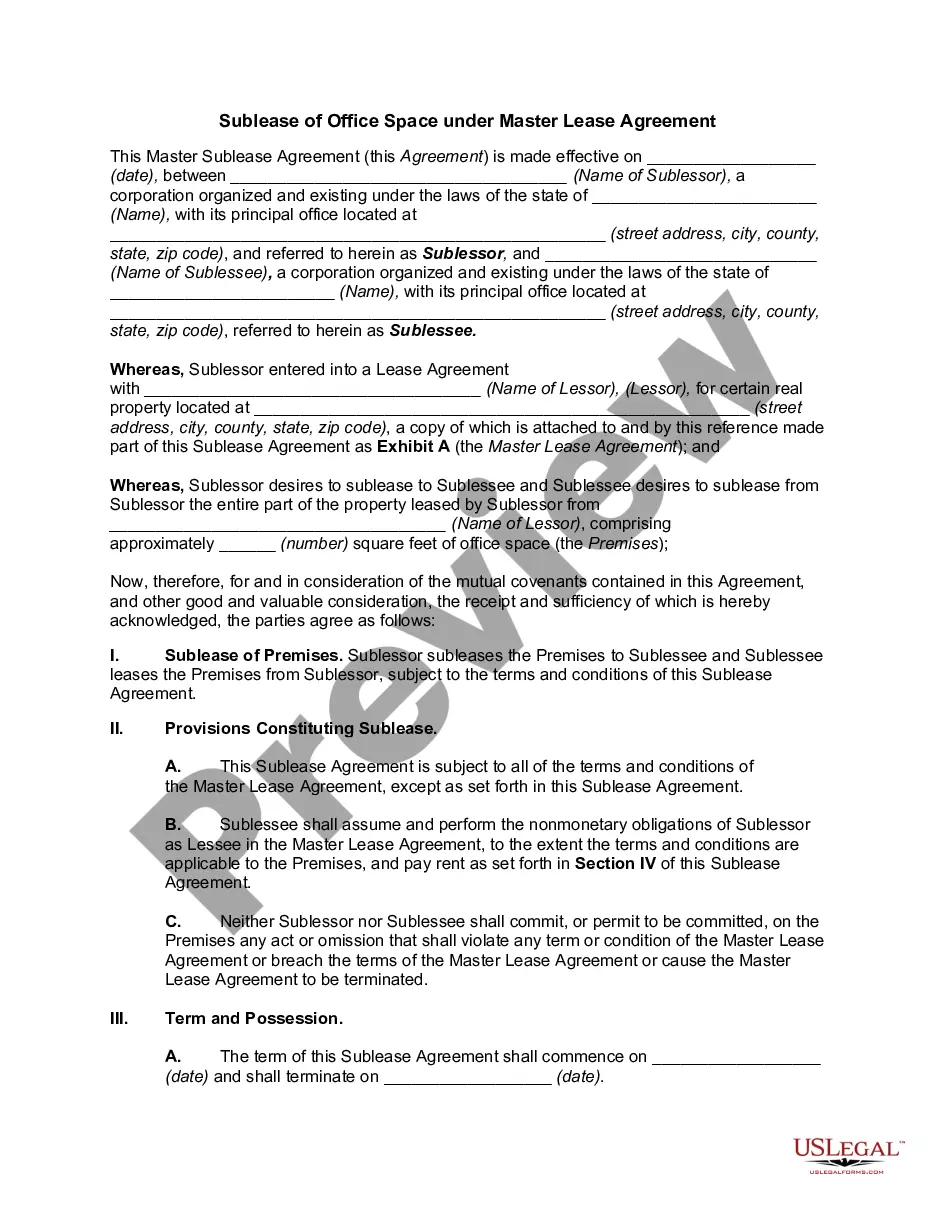
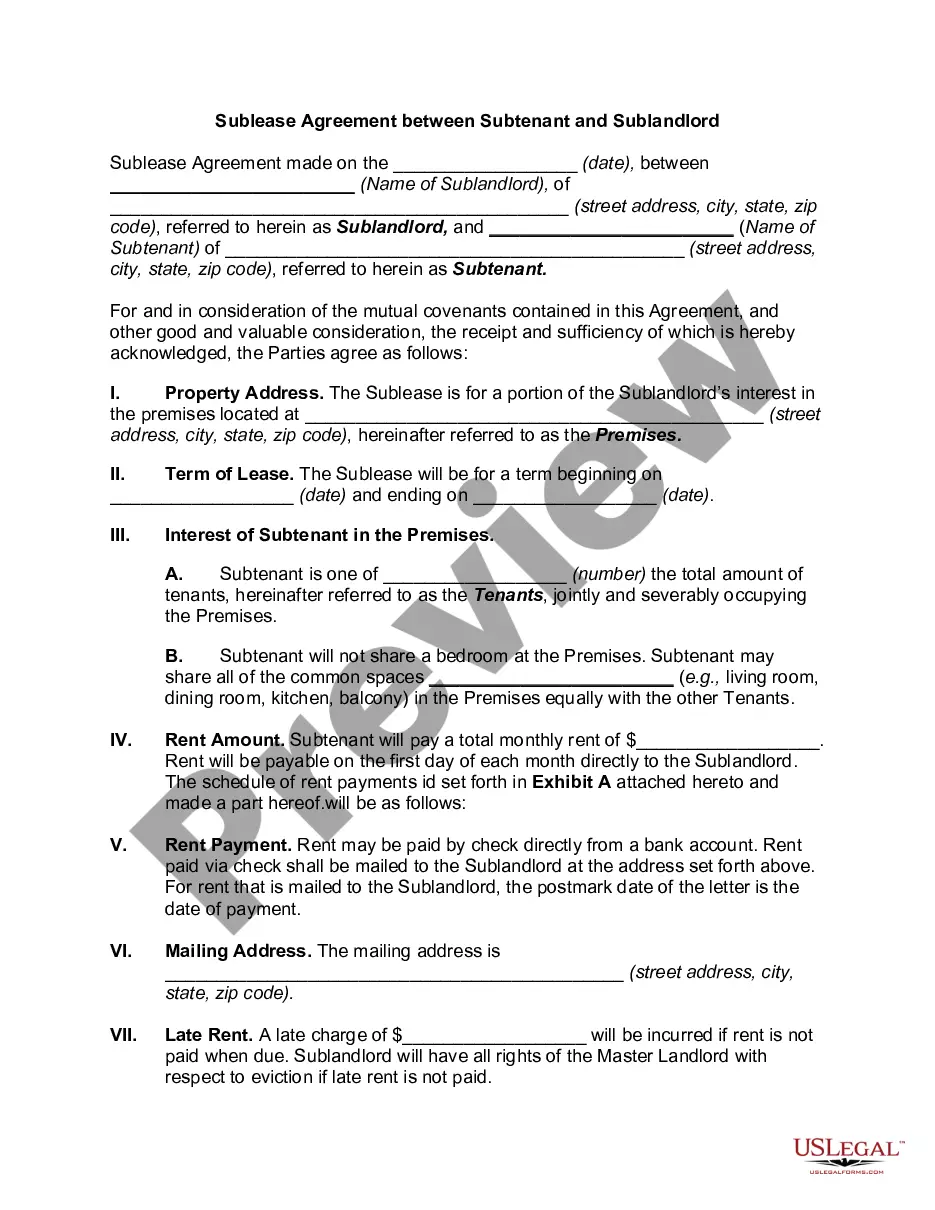
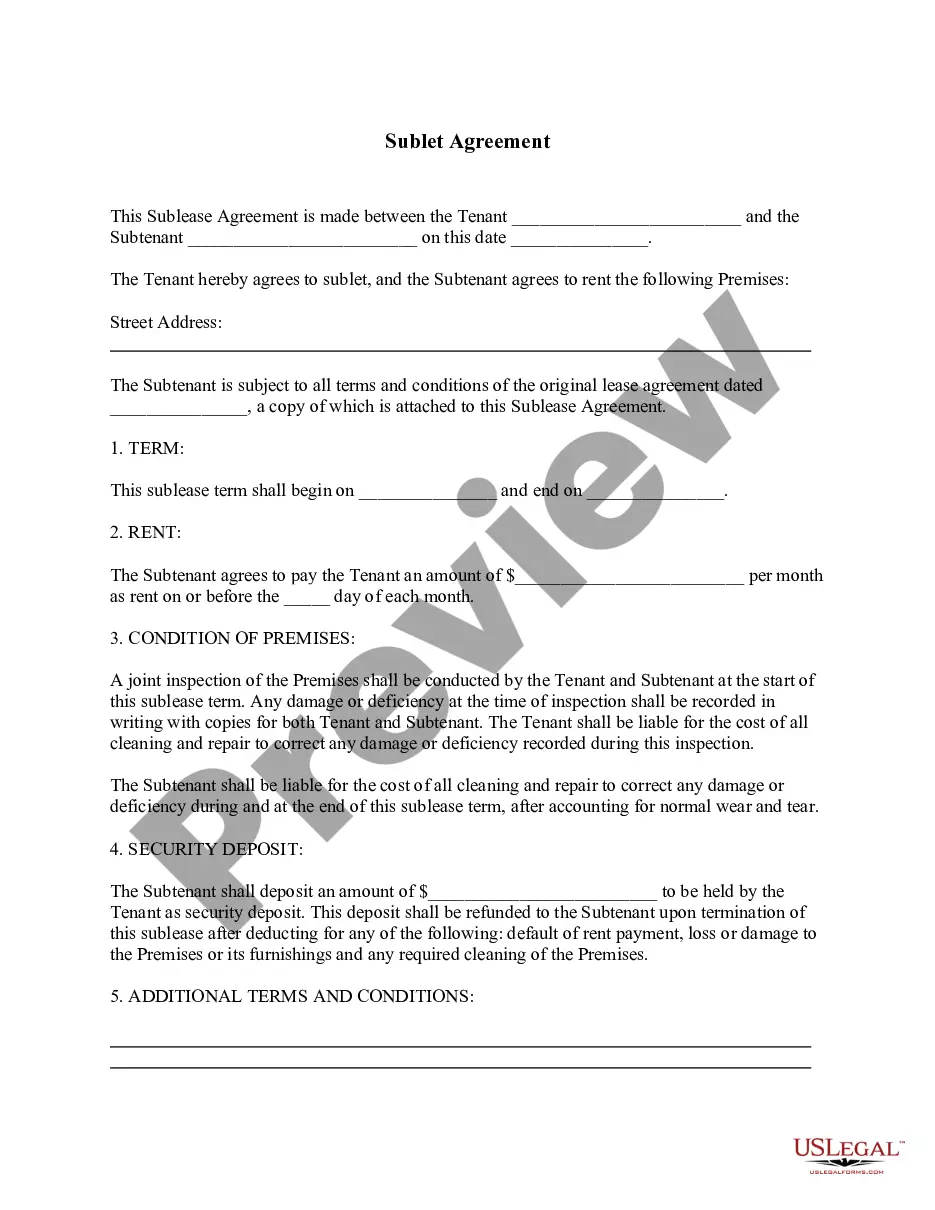
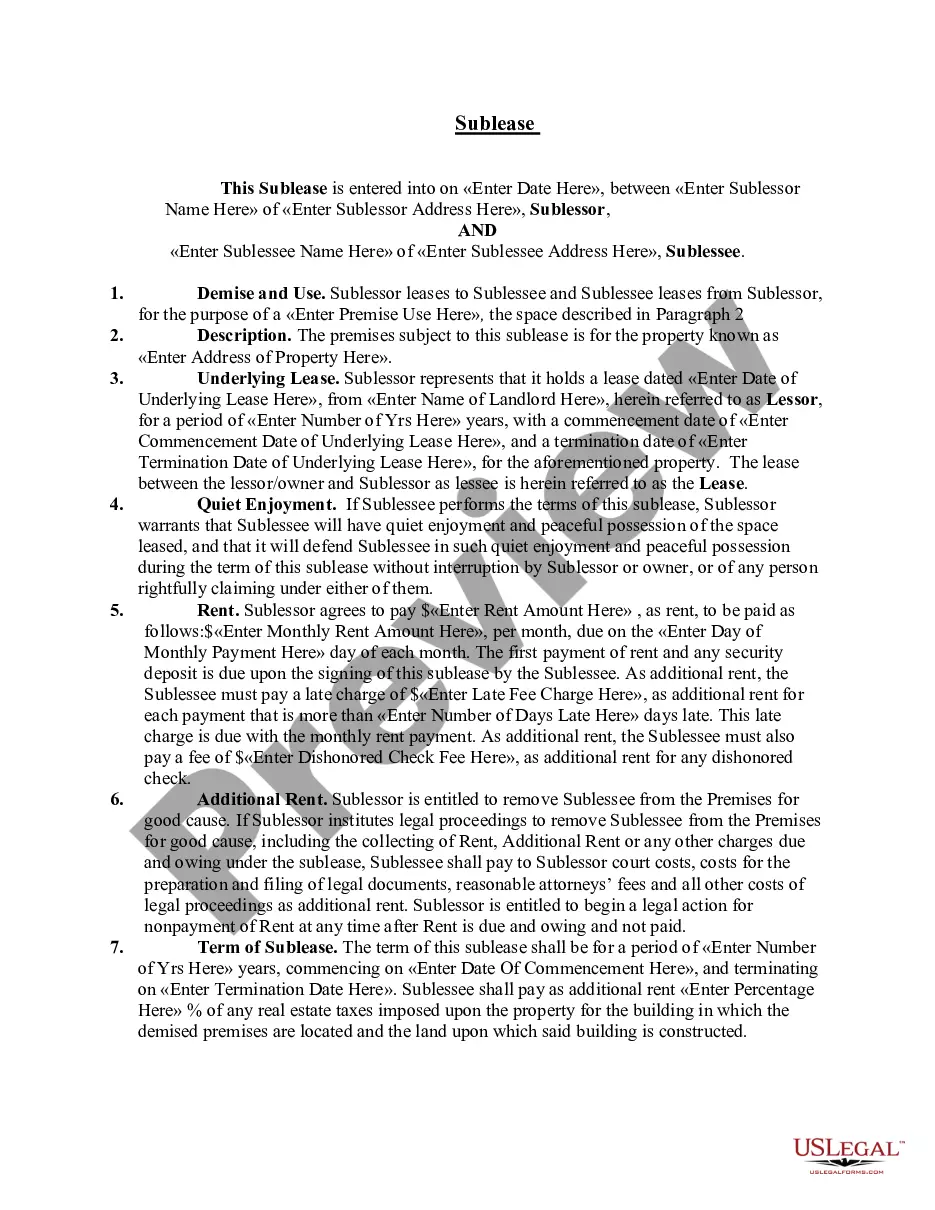
- Sublease of an Apartment - Real Estate Rental
Situations where these forms applies
This package is useful in various situations, including:
- When a tenant wishes to temporarily rent out their leased property to another party.
- If a landlord refuses a tenant's request to sublease, and the tenant needs to assert their rights.
- To clarify the terms and responsibilities of each party involved in a sublease agreement.
- When a landlord needs to formally approve or deny a proposed sublease arrangement.
Who this form package is for
- Tenants looking to sublease their rental property.
- Landlords who need to manage tenant requests for subleasing.
- Subtenants seeking official documentation of their rental conditions.
- Property managers overseeing rental agreements that involve subleasing.
Steps to complete these forms
- Review included forms to understand all requirements and options.
- Identify the parties involved, including the landlord, tenant, and subtenant.
- Fill out each form, entering appropriate details and signatures.
- Ensure dates are correctly noted and that all necessary documents are included.
- Keep copies of completed forms for your records.
Notarization details for included forms
Notarization is not commonly needed for forms in this package. However, if your state’s laws require it, our notarization service, powered by Notarize, allows you to finalize documents online 24/7 without in-person visits.
Get your form ready online
Our built-in tools help you complete, sign, share, and store your documents in one place.
Make edits, fill in missing information, and update formatting in US Legal Forms—just like you would in MS Word.
Download a copy, print it, send it by email, or mail it via USPS—whatever works best for your next step.
Sign and collect signatures with our SignNow integration. Send to multiple recipients, set reminders, and more. Go Premium to unlock E-Sign.
If this form requires notarization, complete it online through a secure video call—no need to meet a notary in person or wait for an appointment.
We protect your documents and personal data by following strict security and privacy standards.

Make edits, fill in missing information, and update formatting in US Legal Forms—just like you would in MS Word.

Download a copy, print it, send it by email, or mail it via USPS—whatever works best for your next step.

Sign and collect signatures with our SignNow integration. Send to multiple recipients, set reminders, and more. Go Premium to unlock E-Sign.

If this form requires notarization, complete it online through a secure video call—no need to meet a notary in person or wait for an appointment.

We protect your documents and personal data by following strict security and privacy standards.
Common mistakes
- Failing to obtain written consent from the landlord before subleasing.
- Not including all required details in the sublease agreement.
- Overlooking state-specific regulations that affect subleasing.
- Neglecting to clarify the responsibilities and liabilities of all parties involved.
Why complete this package online
- Convenient access to all necessary legal forms in one package.
- Flexibility to complete forms online and edit them as needed.
- Cost-effective, saving up to 40% compared to purchasing forms separately.
- Designed by licensed attorneys to ensure compliance with Michigan law.
Legal use & context
- Sublease agreements must comply with the original lease terms to be enforceable.
- Landlords have the right to impose conditions with respect to subleasing.
- Each party should understand their liabilities when entering a sublease agreement.
Key takeaways
- The Michigan Landlord Tenant Sublease Package is essential for ensuring all parties are protected during a subleasing arrangement.
- Clear communication and documentation are critical to avoid disputes.
- It is vital to understand local laws regarding subleasing to ensure compliance.
Looking for another form?
Form popularity
FAQ
Many landlords are hesitant about subleasing due to concerns over property damage, non-payment of rent, and tenant turnover. They worry that sublessees may not uphold the same standards as original tenants, which can complicate management and increase risks. Addressing these concerns through the Michigan Landlord Tenant Sublease Package can ease fears by outlining clear expectations and responsibilities.
In Michigan, subleasing works by allowing tenants to rent out their rented space to another individual, known as the sublessee. However, tenants must first obtain the landlord's permission and adhere to any specified conditions in the original lease. A well-prepared Michigan Landlord Tenant Sublease Package clarifies these terms and protects everyone involved in the agreement.
Drafting a sublease agreement requires attention to detail. Begin by outlining the essential terms, including the rent amount, duration, and responsibilities of each party. To ensure compliance with Michigan laws, consider using the Michigan Landlord Tenant Sublease Package. This package provides templates and guidance to streamline the drafting process.
The subleasing process generally involves several key steps. First, you should review your current lease to ensure that subleasing is permitted. Next, approach your landlord for approval and find a qualified sublessee. Finally, draft a clear sublease agreement using tools such as the Michigan Landlord Tenant Sublease Package to ensure all parties are protected.
Subleasing is not illegal in Michigan, provided you follow the lease terms and applicable laws. If your lease allows subletting, and you obtain consent from your landlord, you are within your rights. To avoid potential issues and misunderstandings, use a Michigan Landlord Tenant Sublease Package that outlines the process clearly.
Yes, subleasing is allowed in Michigan, but it typically requires the landlord's consent. Depending on the terms outlined in the lease agreement, a tenant may or may not have the ability to sublet their unit freely. To navigate the subleasing process effectively, utilize a Michigan Landlord Tenant Sublease Package to ensure all necessary steps are followed.
The 554.134 law in Michigan outlines the specific conditions under which a tenant can sublet their leased property. This law requires a tenant to obtain the landlord's written consent unless the lease states otherwise. Understanding this law can prevent misunderstandings. A Michigan Landlord Tenant Sublease Package can help clarify these rules for both tenants and landlords.
Subletting rules can vary, but generally, you must seek your landlord's approval before entering into a sublease. Many leases require written consent for subleasing, and this may include providing information about the potential subtenant. To ensure you comply with Michigan laws, consider using a Michigan Landlord Tenant Sublease Package for guidance.
Yes, a landlord can prevent you from subleasing your rental unit. They usually have the right to deny permission if the lease agreement includes specific clauses about subletting. However, if the landlord unreasonably refuses, you may have rights under Michigan law. Using a Michigan Landlord Tenant Sublease Package can help clarify your rights and obligations.