Louisiana Codicil to Last Will and Testament - Will Changes or Amendments
Understanding this form
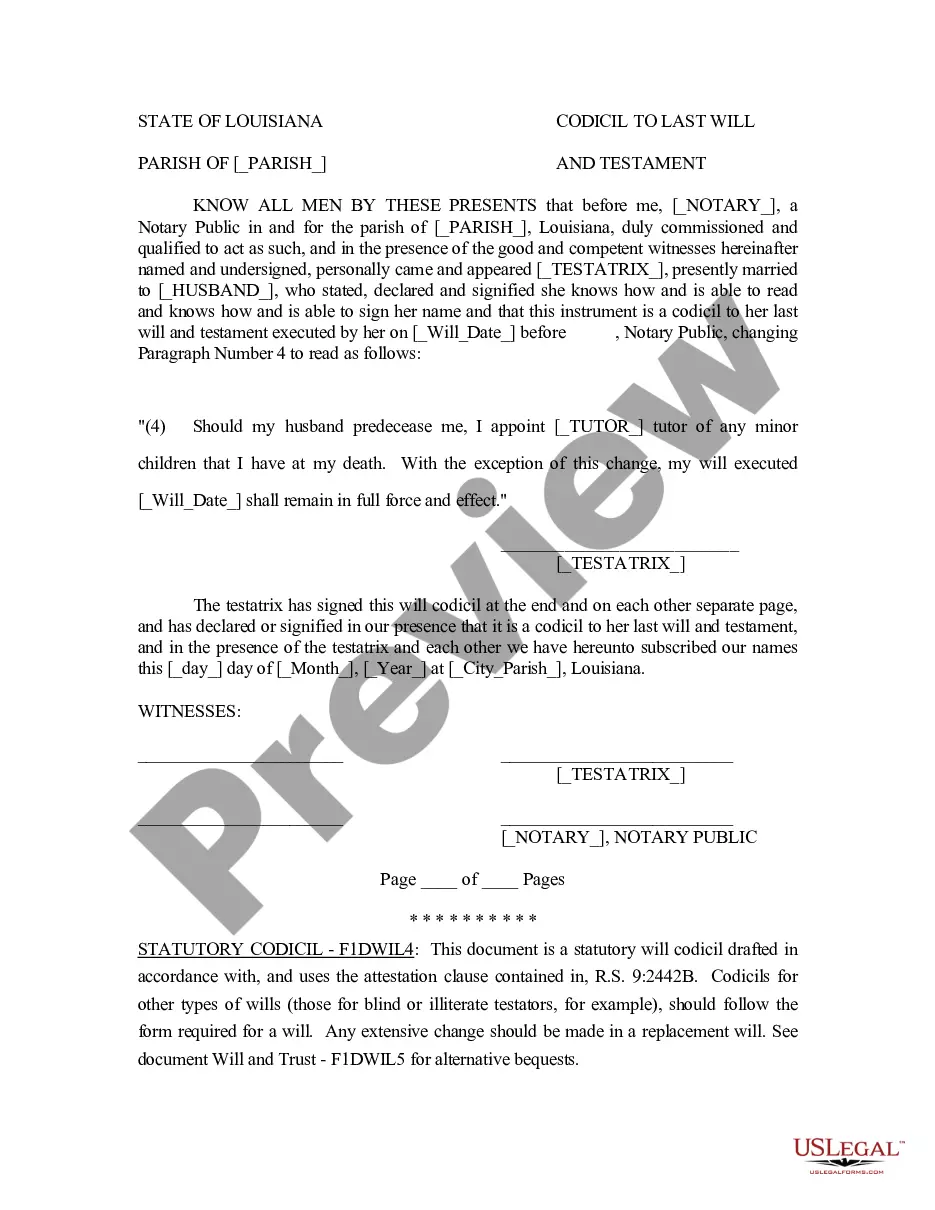
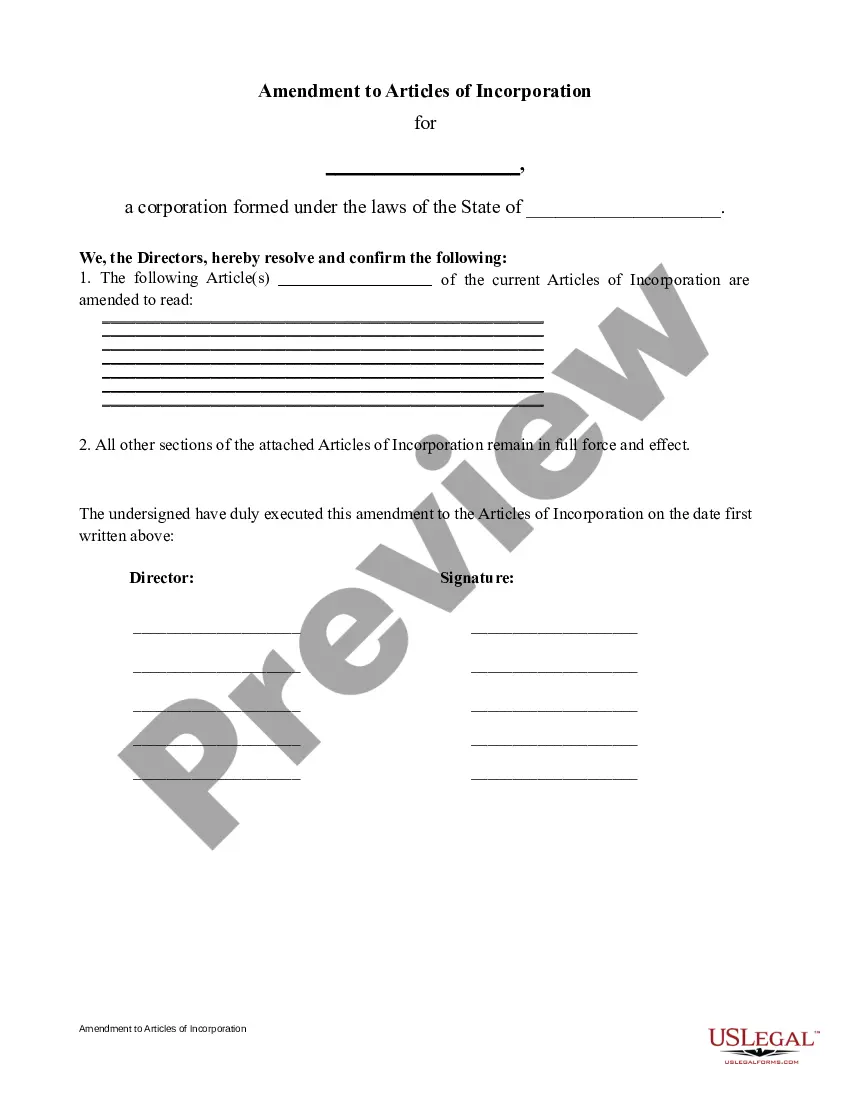
The Codicil to Last Will and Testament is a legal document that allows you to make minor changes or amendments to your existing will without creating an entirely new one. This form is specifically crafted to comply with Louisiana law, making it distinct from codicils for other types of wills. It is essential for individuals who wish to update specific provisions of their will, such as appointing a tutor for minor children or modifying certain bequests, while ensuring that the rest of the will remains intact.
Main sections of this form
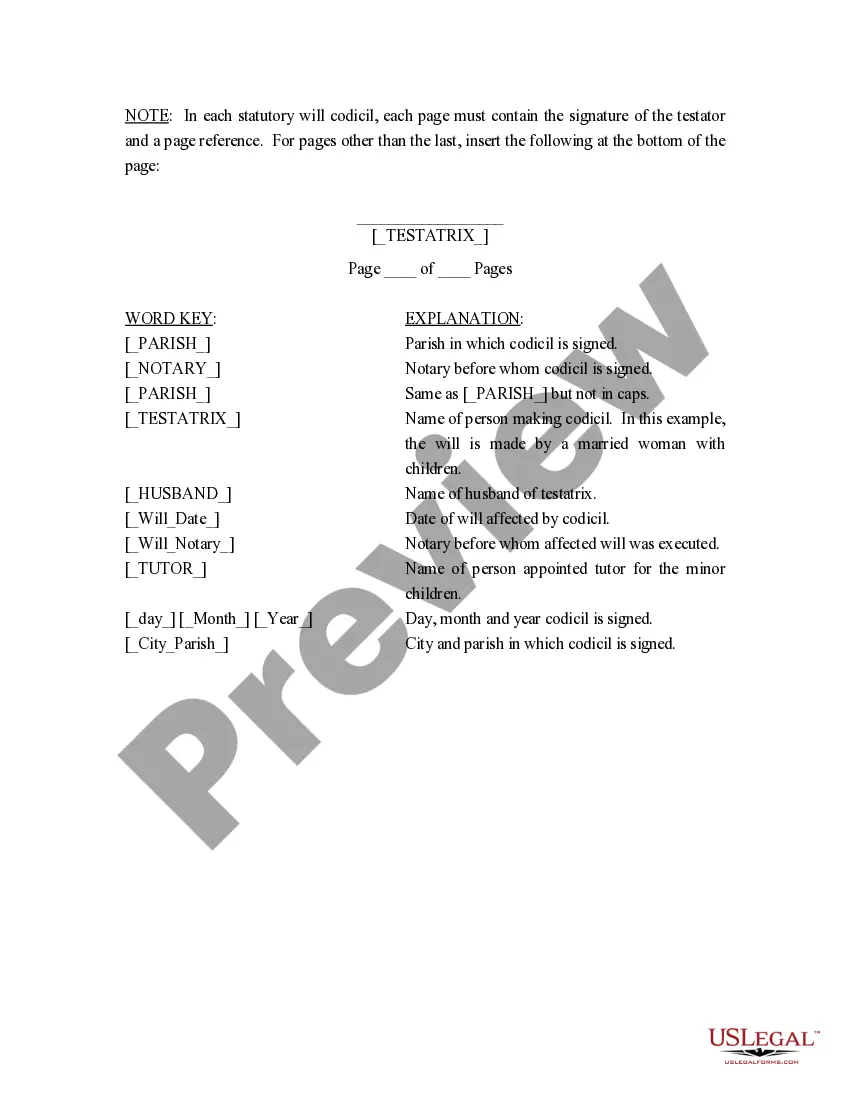
- Signature of the testatrix at the end of the document and on each separate page.
- Identification of the parish where the codicil is executed.
- Designation of a tutor for minor children in case of the testatrix's death.
- Reference to the date of the original will for clarity.
- Signature lines for witnesses and a notary public.



Common use cases
You should use this codicil when you need to make specific, minor adjustments to your existing last will and testament. This might arise in situations such as a change in family dynamics, the birth of a child, or the need to appoint a different guardian for your minor children. If the changes are substantial, it may be more appropriate to draft a new will instead.
Who can use this document
This form is intended for:
- Individuals who have an existing last will and testament.
- Testators in Louisiana who wish to update their will in compliance with local law.
- Persons wanting to make minor adjustments without having to recreate their entire will.
Completing this form step by step
- Identify and enter your name as the testatrix.
- Specify the parish where you are executing the codicil.
- Appoint a tutor for any minor children, indicating their name clearly.
- Sign the codicil in the presence of witnesses and a notary public.
- Include the date of your original will to reference it accurately.
Is notarization required?
This form needs to be notarized to ensure legal validity. US Legal Forms provides secure online notarization powered by Notarize, allowing you to complete the process through a verified video call, available anytime.
Get your form ready online
Our built-in tools help you complete, sign, share, and store your documents in one place.
Make edits, fill in missing information, and update formatting in US Legal Forms—just like you would in MS Word.
Download a copy, print it, send it by email, or mail it via USPS—whatever works best for your next step.
Sign and collect signatures with our SignNow integration. Send to multiple recipients, set reminders, and more. Go Premium to unlock E-Sign.
If this form requires notarization, complete it online through a secure video call—no need to meet a notary in person or wait for an appointment.
We protect your documents and personal data by following strict security and privacy standards.

Make edits, fill in missing information, and update formatting in US Legal Forms—just like you would in MS Word.

Download a copy, print it, send it by email, or mail it via USPS—whatever works best for your next step.

Sign and collect signatures with our SignNow integration. Send to multiple recipients, set reminders, and more. Go Premium to unlock E-Sign.

If this form requires notarization, complete it online through a secure video call—no need to meet a notary in person or wait for an appointment.

We protect your documents and personal data by following strict security and privacy standards.
Common mistakes to avoid
- Failing to sign each page, which can invalidate the codicil.
- Not having the form notarized, if required by additional local regulations.
- Neglecting to specify the tutor for minor children.
Why use this form online
- Convenience of downloading and completing the form at your own pace.
- Ability to make edits as needed without the hassle of visiting a lawyer's office.
- Assurance that the form is drafted by licensed attorneys to meet legal standards.
Main things to remember
- A codicil allows for easy modifications to your will without rewriting it.
- This document is specifically tailored for Louisiana and complies with state law.
- Ensure to sign and notarize each page for the codicil to be legally recognized.
Looking for another form?

Form popularity
FAQ
The codicil, if valid, does not revoke the Will (if it revokes the prior Will , then it is a Will not a codicil), but it does alter the terms of the Will.
Making changes to your will You cannot amend your will after it's been signed and witnessed. The only way you can change a will is by making an official alteration called a codicil. You must sign a codicil and get it witnessed in the same way as witnessing a will.
The Codicil cross-refers to the original Will and gives details of the amendments or additions you want to make to it. The Codicil must then be executed in the same way as for the Will i.e. signed with two witnesses (although the witnesses do not need to be the same people as the witnesses on the Will).
If executed correctly, a codicil is simply an amendment to the original will and therefor in essence becomes part of the original will. So, there is really no "will overriding a codicil" as they are in essence one and the same.
You cannot amend your will after it's been signed and witnessed. The only way you can change a will is by making an official alteration called a codicil. You must sign a codicil and get it witnessed in the same way as witnessing a will. There's no limit on how many codicils you can add to a will.
A codicil may be a legally binding amendment to a will. It can add, further explain, modify, or revoke portions of a given will.
You can either make a codicil to your existing will or make a new will. Both require your signature and the signatures of two witnesses.You can have a lawyer write your codicil for you, or you can make one yourself. However, in most cases it makes more sense just to make a new will.