Pot Testamentary Trust
Understanding this form
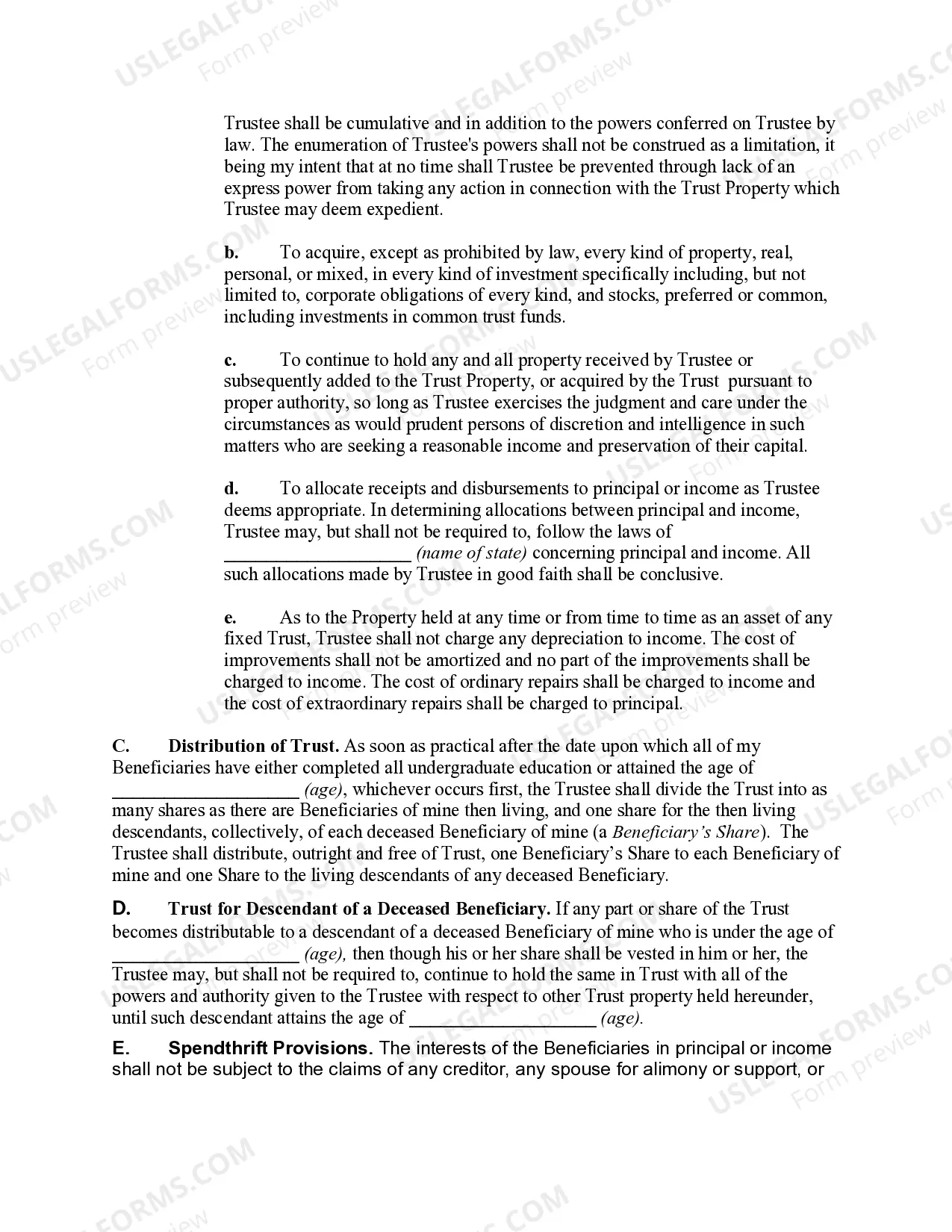
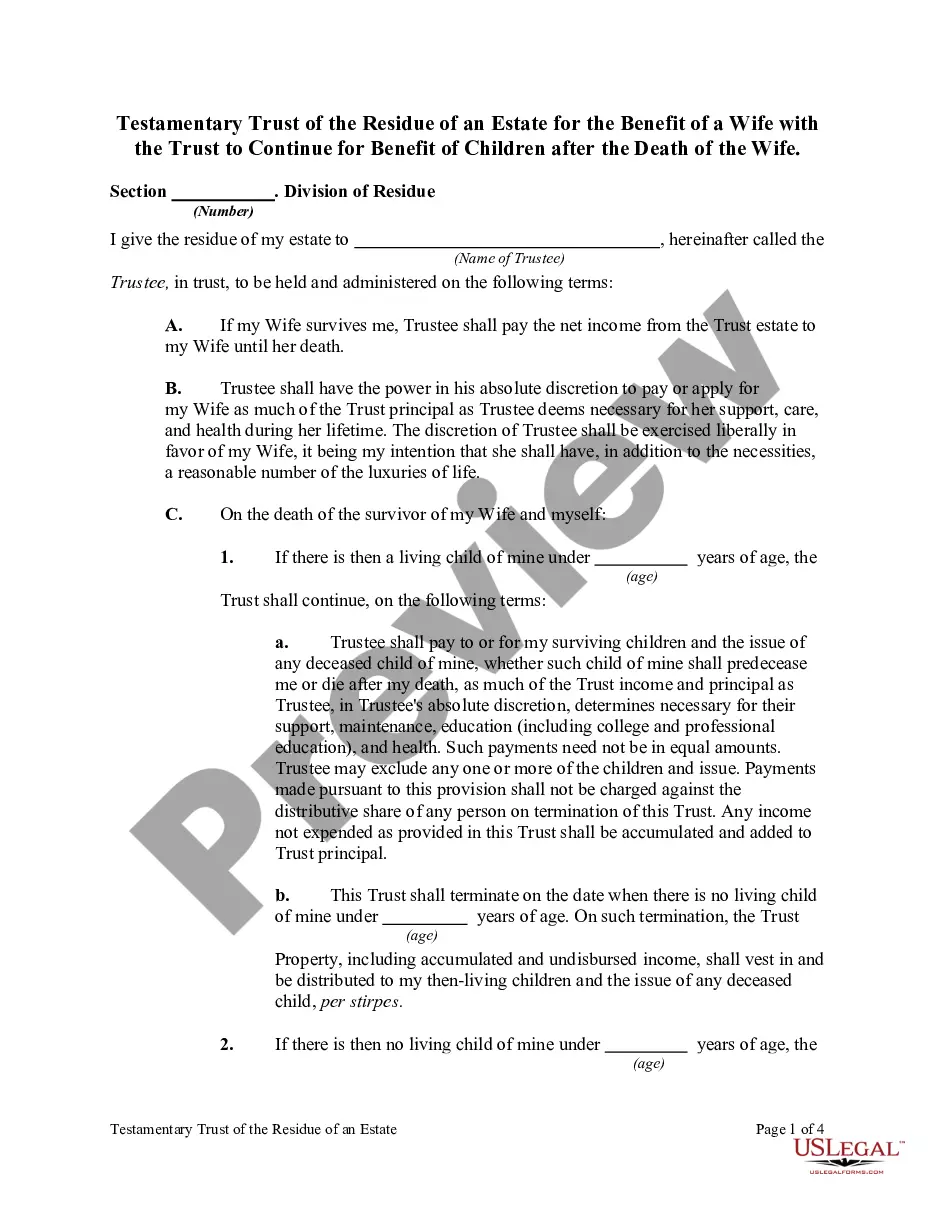
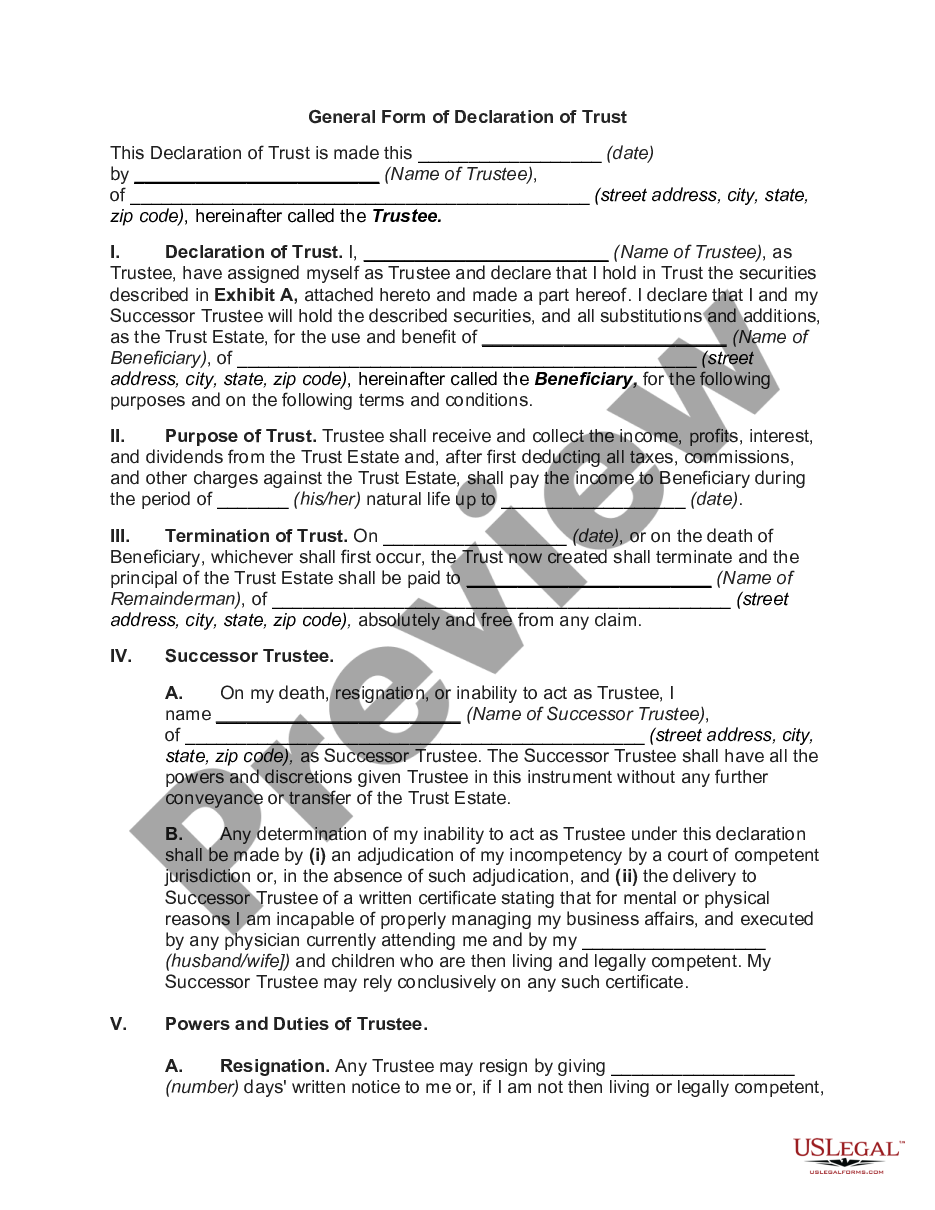
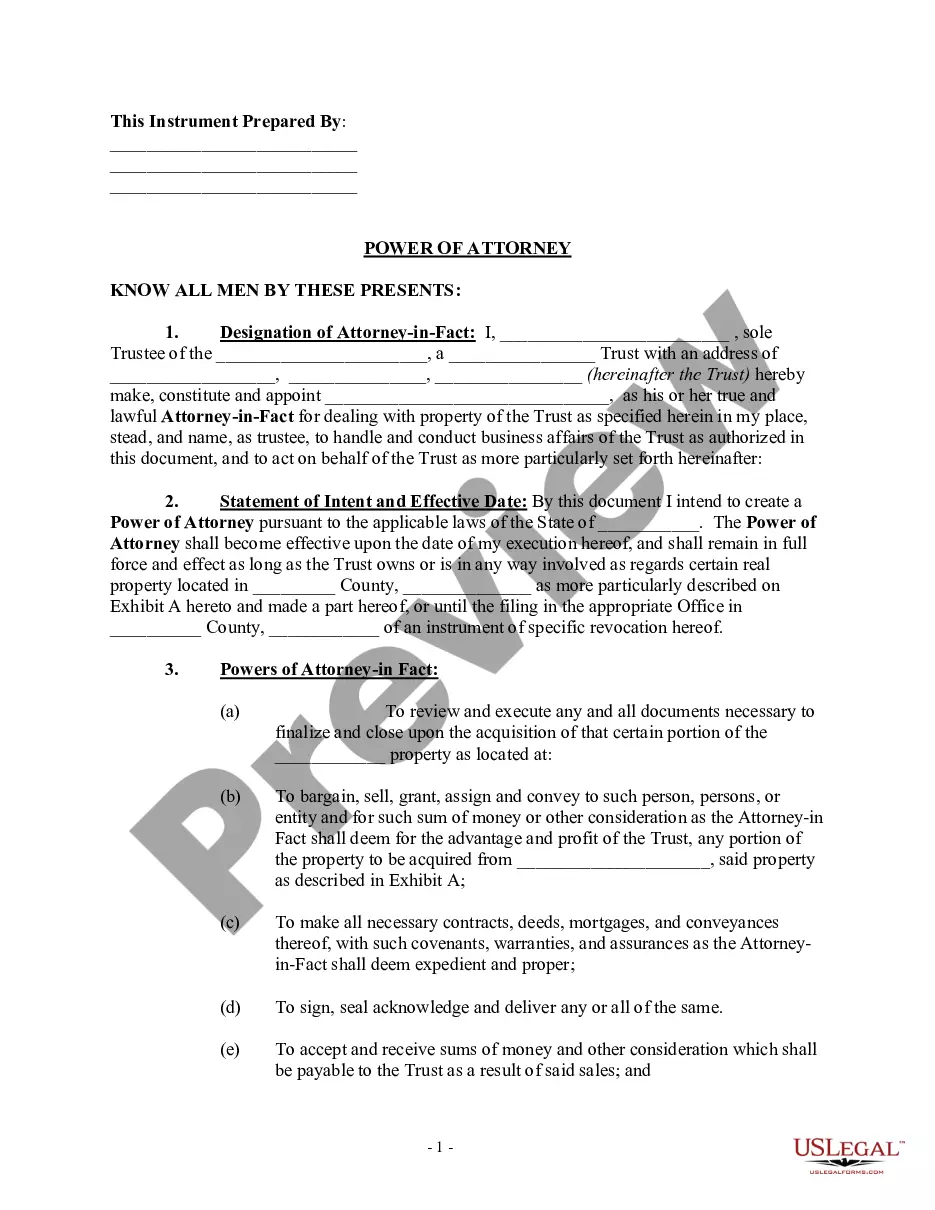
A Pot Testamentary Trust is a legal document that creates a trust for multiple beneficiaries, usually children. The assets are pooled together and held in one fund until a specific event occurs, such as the beneficiaries reaching a certain age or completing their education. This differs from other trust types by allowing flexibility in fund distribution, ensuring that all beneficiaries' needs are considered before dispersing the assets.
Main sections of this form
- Identification of the Trustee and Substitute Trustee.
- Details about the Beneficiaries of the Trust.
- Management and Administration provisions for handling Trust Property.
- Distribution rules for shares among Beneficiaries after specific conditions are met.
- Spendthrift provisions protecting the Beneficiaries' interests from creditors.


When to use this form
This form is necessary when creating a trust that will benefit multiple children or dependents. It is used after the parentsâ death to ensure equitable and responsible management of the estate until the beneficiaries are ready to receive their inheritance. Ideal scenarios include planning for a childâs education or maturity, ensuring financial support during formative years, or protecting assets from creditors.
Who needs this form
- Parents seeking to create a trust for their children.
- Individuals wanting to ensure funds are managed properly until beneficiaries reach adulthood.
- Those with multiple beneficiaries who wish to keep assets pooled for collective benefit.
Steps to complete this form
- Identify the Trustee and Substitute Trustee with full names and addresses.
- List all beneficiaries, including their names and relationship to the Grantor.
- Specify critical age milestones or conditions for fund distribution.
- Detail the management and distribution powers granted to the Trustee.
- Review and sign the document, ensuring to comply with any state notarization requirements.
Does this form need to be notarized?
This form does not typically require notarization unless specified by local law. However, it is recommended to check your state requirements to ensure its legality.
Get your form ready online
Our built-in tools help you complete, sign, share, and store your documents in one place.
Make edits, fill in missing information, and update formatting in US Legal Forms—just like you would in MS Word.
Download a copy, print it, send it by email, or mail it via USPS—whatever works best for your next step.
Sign and collect signatures with our SignNow integration. Send to multiple recipients, set reminders, and more. Go Premium to unlock E-Sign.
If this form requires notarization, complete it online through a secure video call—no need to meet a notary in person or wait for an appointment.
We protect your documents and personal data by following strict security and privacy standards.

Make edits, fill in missing information, and update formatting in US Legal Forms—just like you would in MS Word.

Download a copy, print it, send it by email, or mail it via USPS—whatever works best for your next step.

Sign and collect signatures with our SignNow integration. Send to multiple recipients, set reminders, and more. Go Premium to unlock E-Sign.

If this form requires notarization, complete it online through a secure video call—no need to meet a notary in person or wait for an appointment.

We protect your documents and personal data by following strict security and privacy standards.
Common mistakes to avoid
- Failing to clearly identify all beneficiaries.
- Not specifying conditions for distributions, leading to potential confusion.
- Omitting the designation of a Substitute Trustee.
- Not updating the trust in case of changes in personal circumstances.
Why complete this form online
- Convenience of downloading and completing at your own pace.
- Editability allows for customization specific to your family's needs.
- Reliability of forms drafted by licensed attorneys, ensuring legal validity.
Looking for another form?
Form popularity
FAQ
The major advantage of a testamentary trust is that the grantor retains control over his or her assets. Because a testamentary trust becomes effective only upon the grantor's death, the grantor may make changes to its terms any time before death.
A testamentary trust will can give your family asset protection for their inheritance by having distributions of income and capital done in a way that takes into account the potential beneficiaries' changing needs and therefore minimising the ability creditors to identify those assets as belonging to particular
The Trusts can also provide tax benefits, in particular to beneficiaries who are minors. However, before setting up a Testamentary Trust, the cost of the Trust should be considered. Firstly, to draft a Testamentary Trust, the legal fees would be anywhere between $2,000.00 to $5,000.00 or above per Will.
A pot trust or family pot trust is one in which the beneficiaries are children and the trustee has discretion over how to spend money on each child, based on each child's specific needs. Family assets are generally made available to whatever child needs them.
While the primary purpose of most living trusts is to avoid probate, testamentary trusts, unlike living trusts, do not avoid probate. A will must go through probate before the testamentary trust is created. The executor will probate the will and create the trust in the process.
Once the pot trust terminates, the remaining balance could be distributed outright or in further trust. If there is no Pot Trust, the assets could be distributed outright to the beneficiaries or held in some type of trust.
The adult pays the top marginal tax rate on their non-inheritance income. the beneficiaries of the testamentary trust include three. the low income rebate applies to the distributions to minors and.