Arizona DR Interrogatories
What is this form?
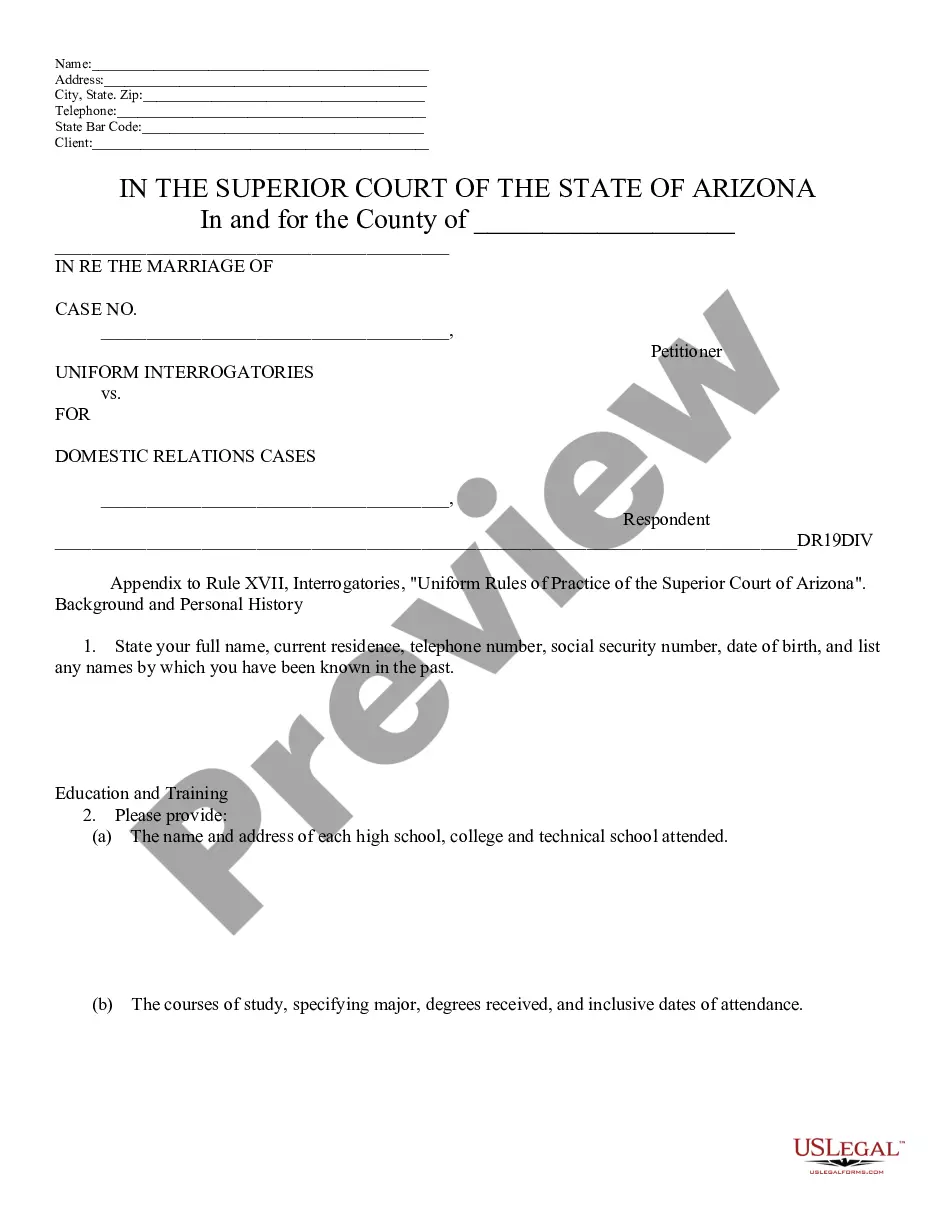
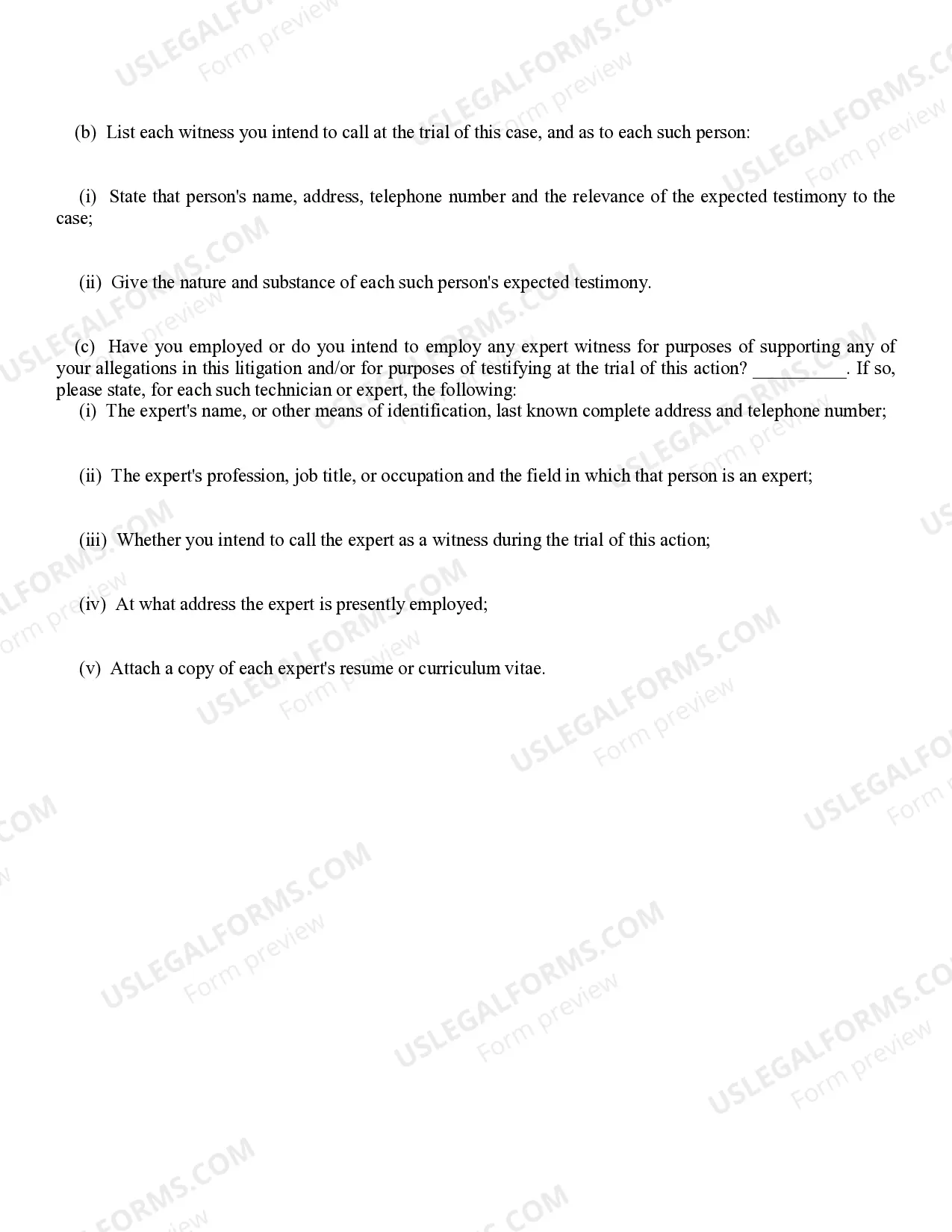
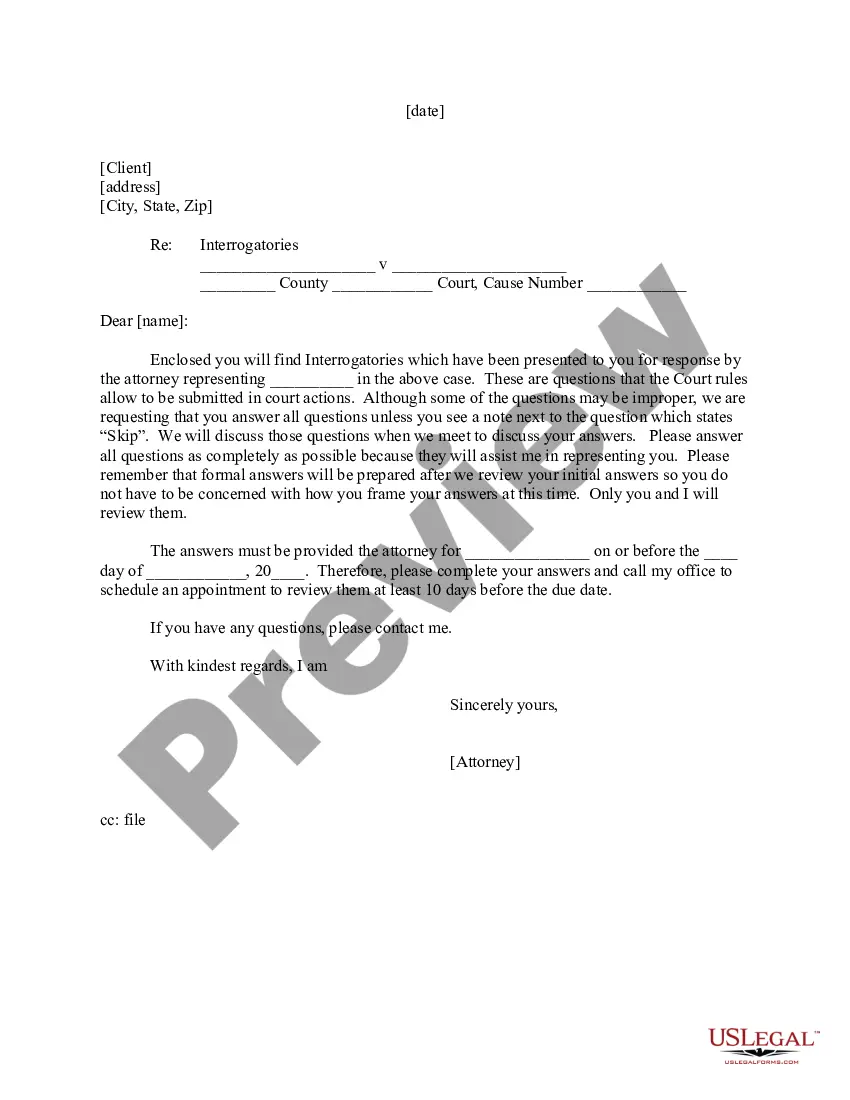
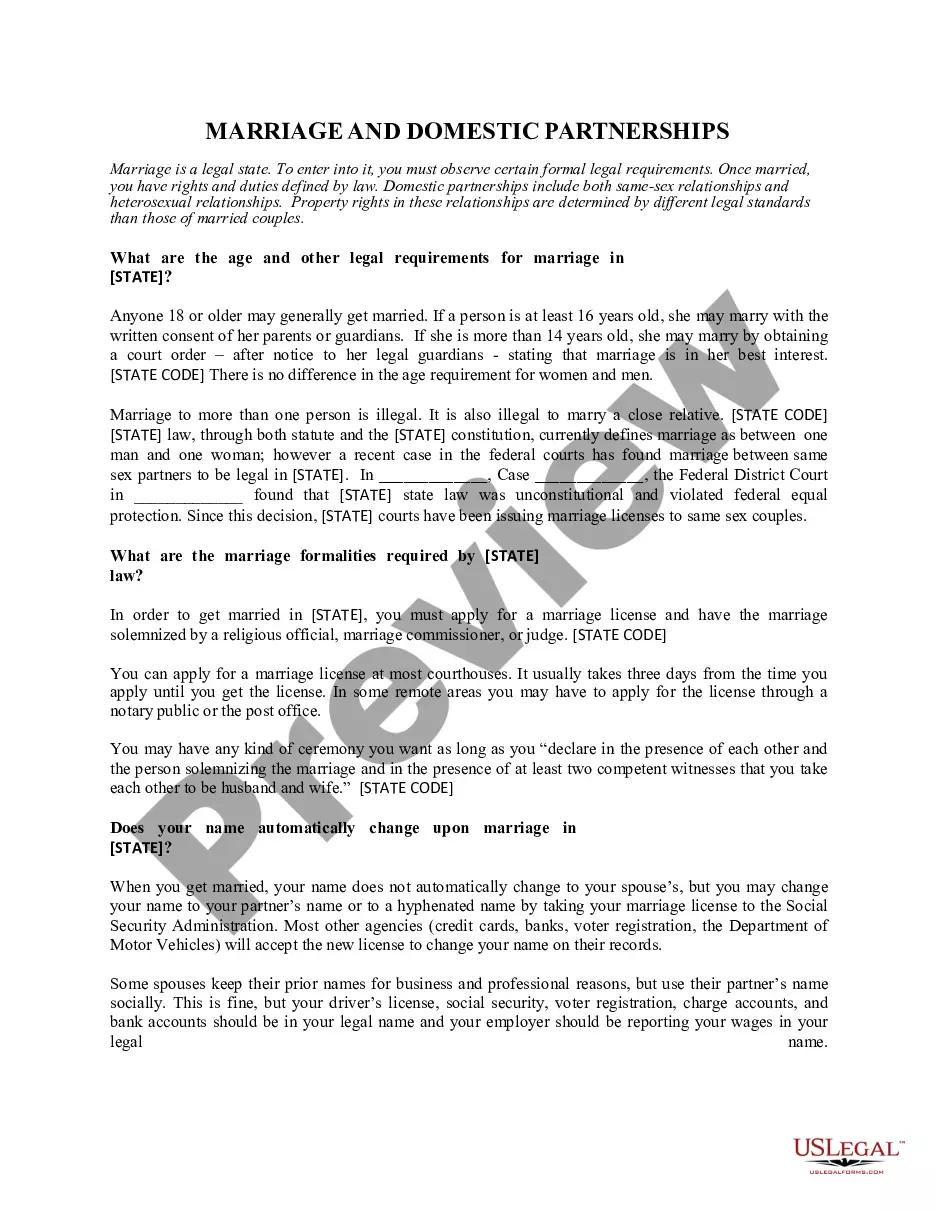
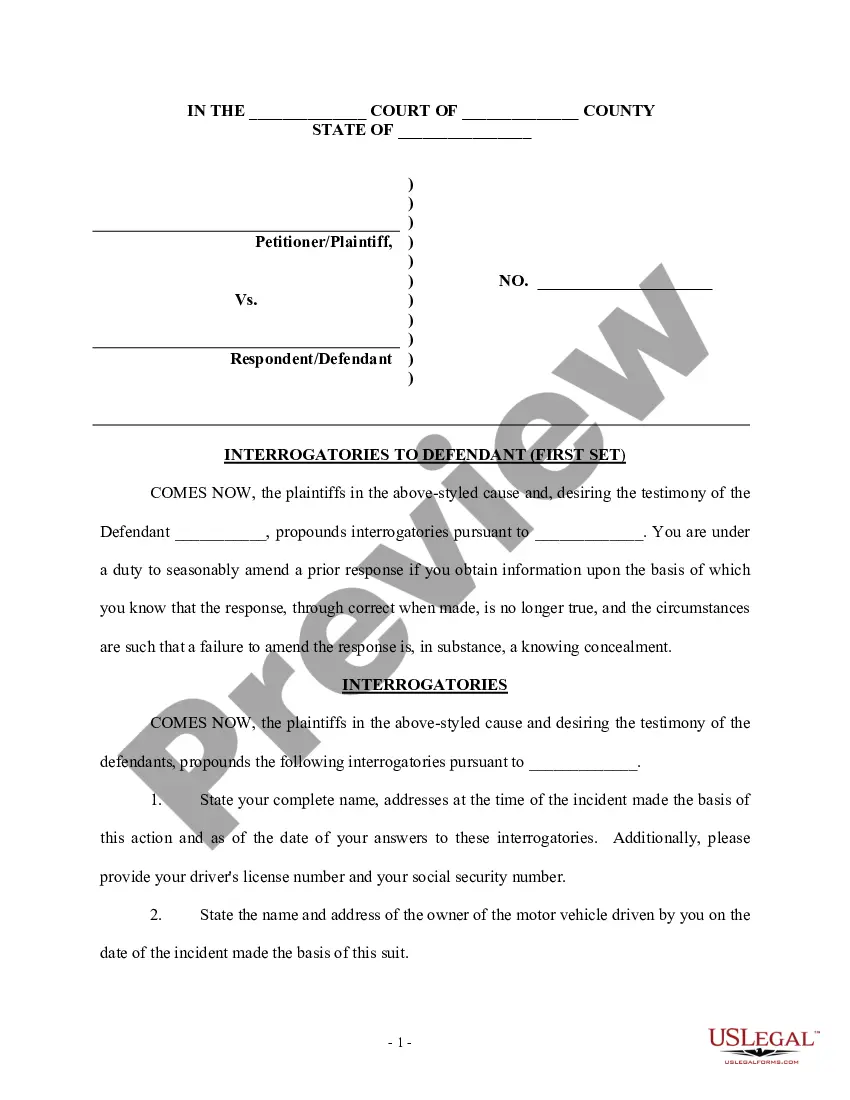
The DR Interrogatories is a legal document that includes a series of written questions submitted to a party involved in a domestic relations lawsuit as part of the discovery process. It helps gather necessary information to support a case. Unlike other forms, this document is specifically tailored for domestic relations matters such as divorce and child custody, making it an essential tool for litigants to clarify facts and circumstances relevant to their case.
Key components of this form
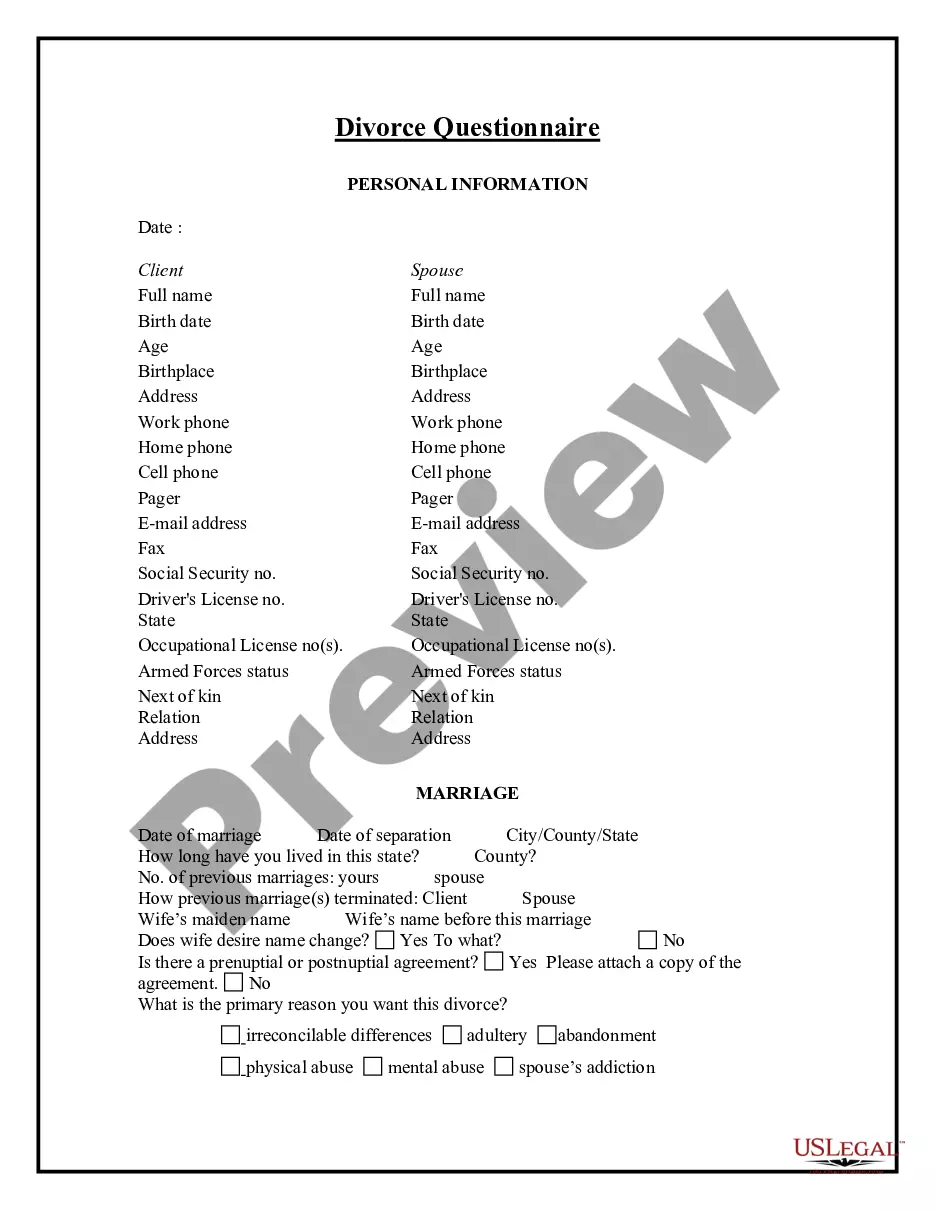
- Address and contact information of the parties involved
- Personal identification details, including name, social security number, and date of birth
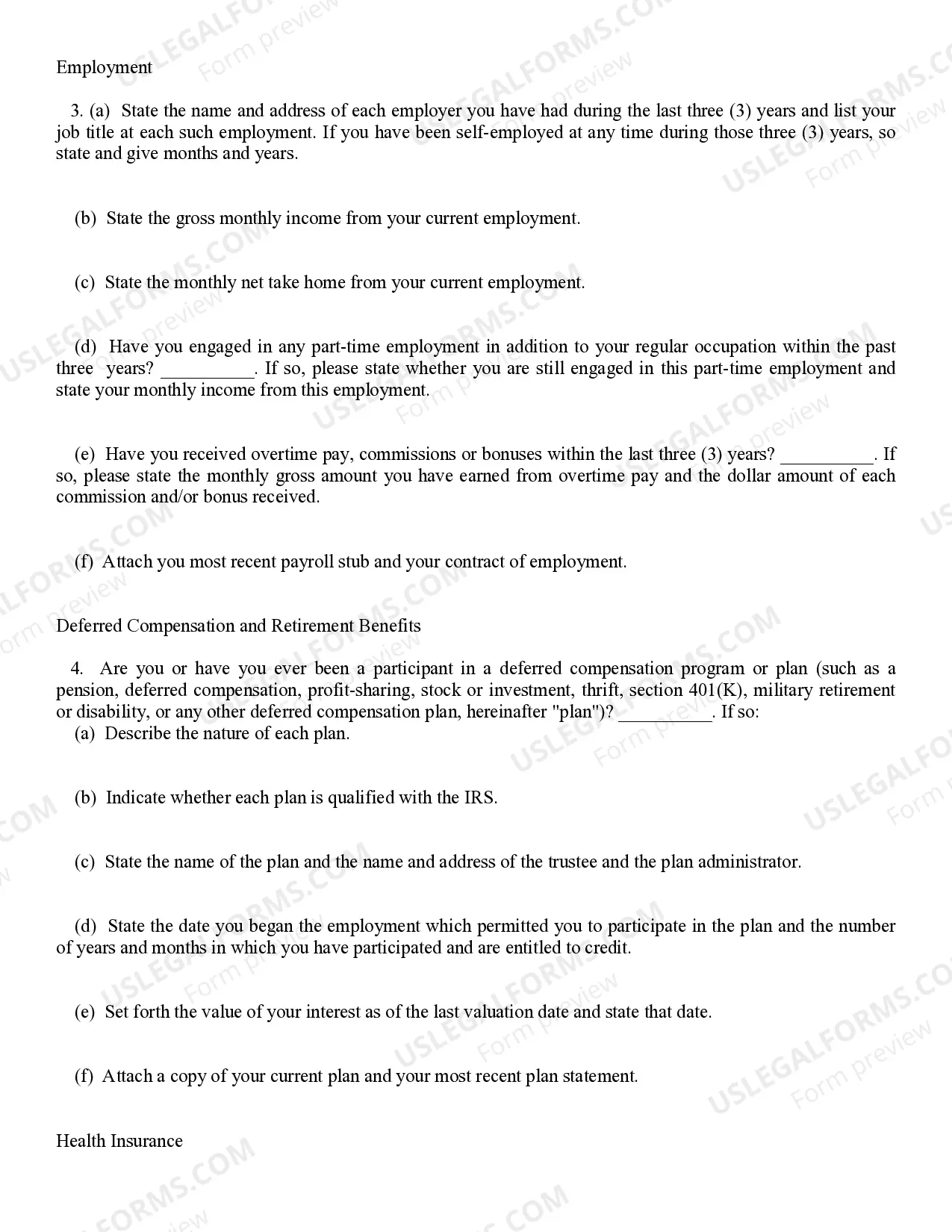
- Information regarding educational background and employment history
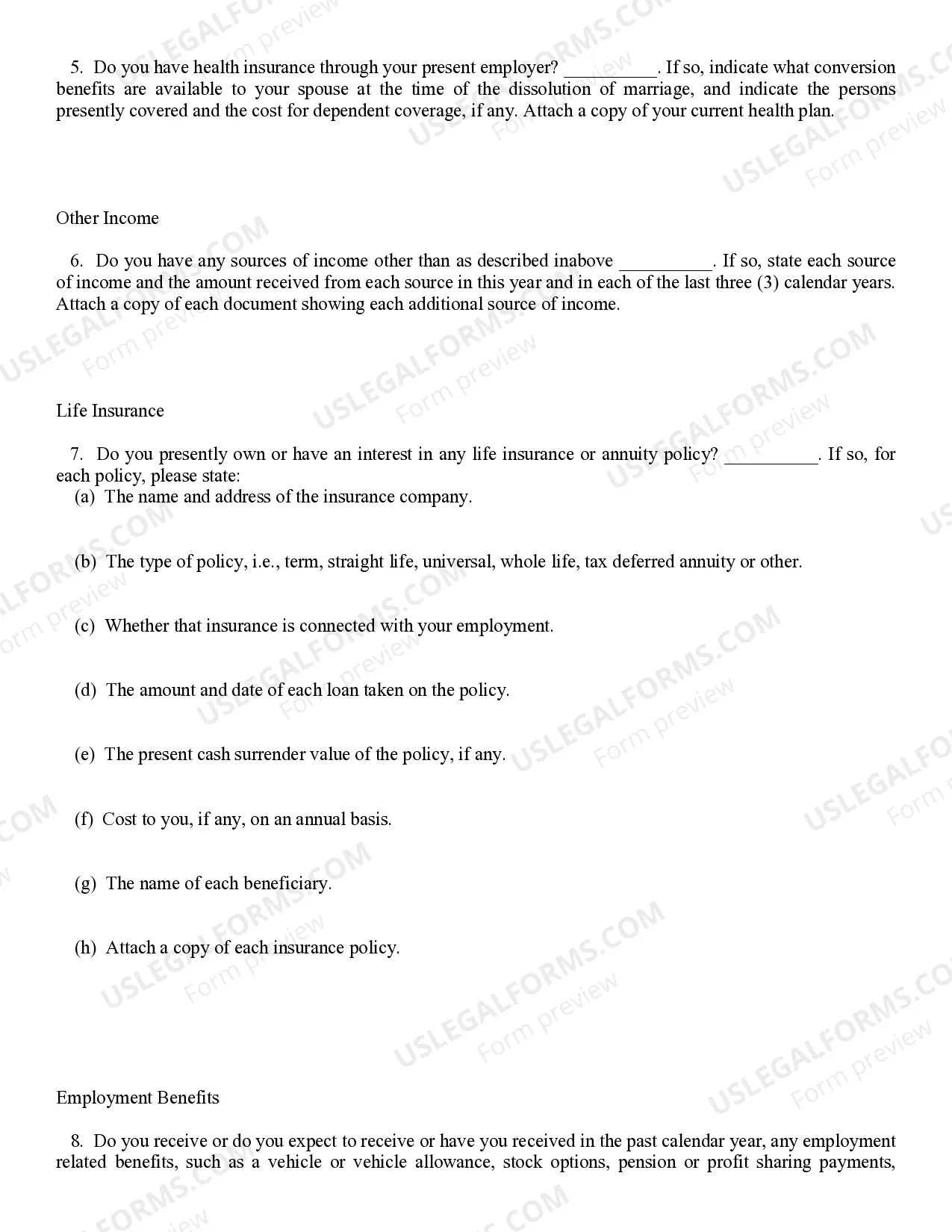
- Details on health insurance coverage and other income sources
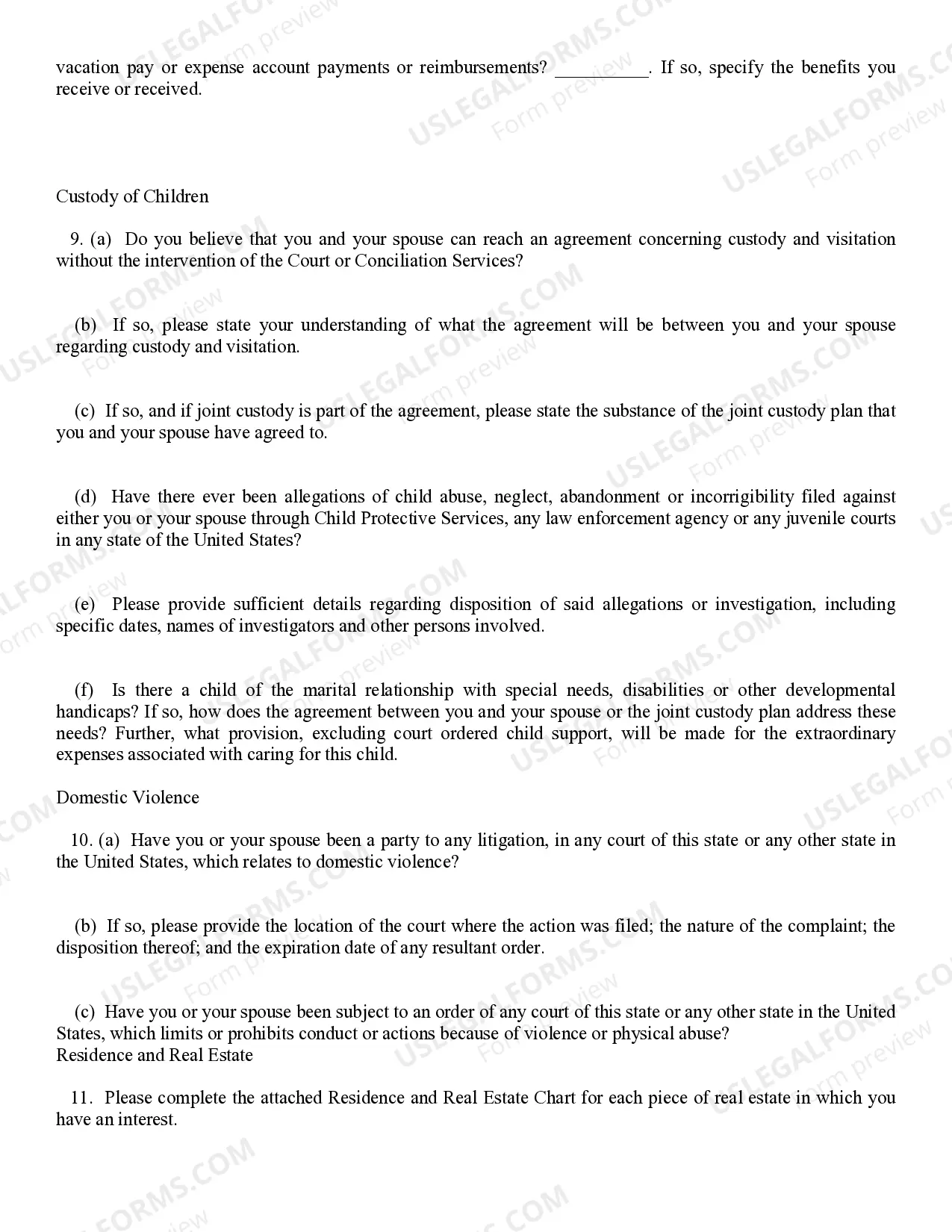
- Questions regarding the custody of children and domestic violence history
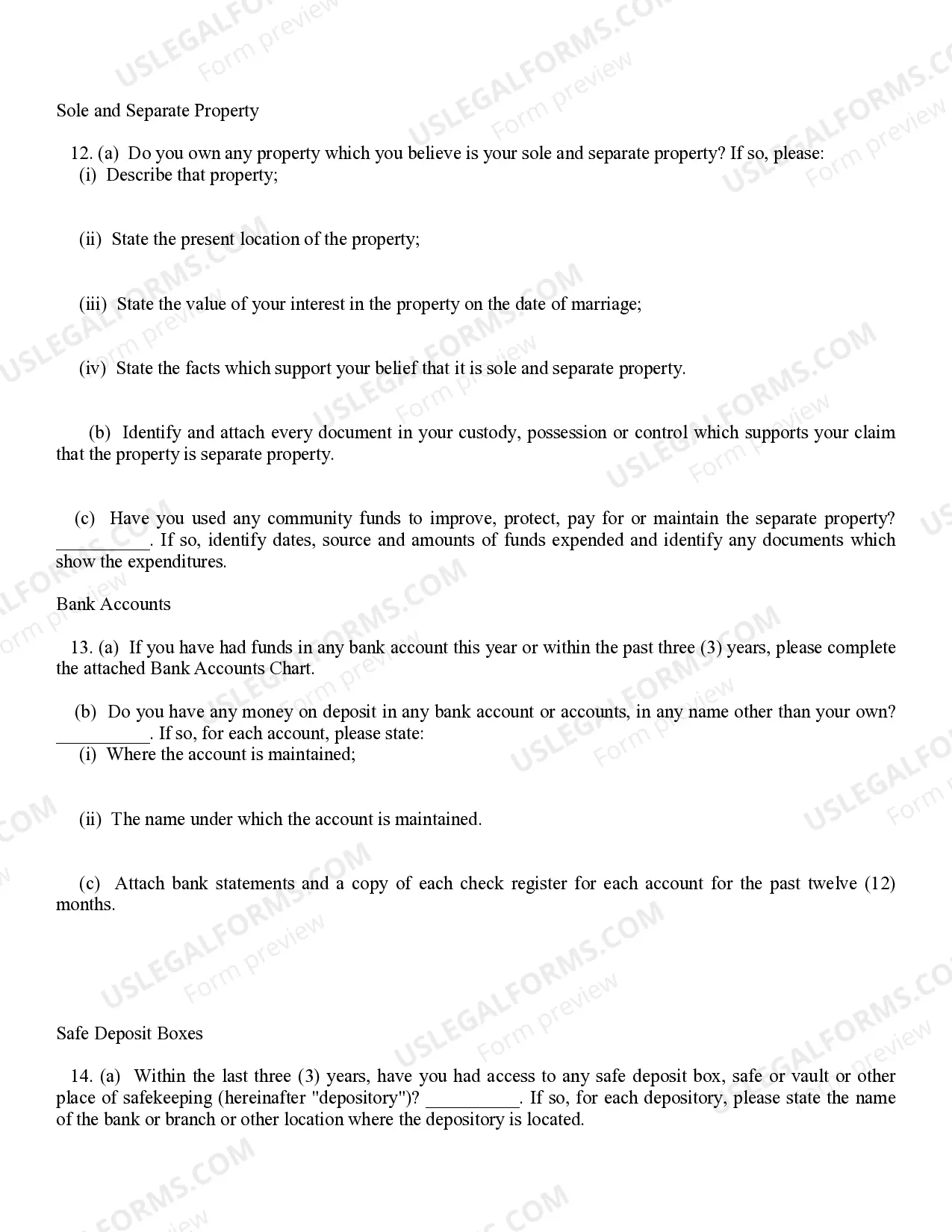
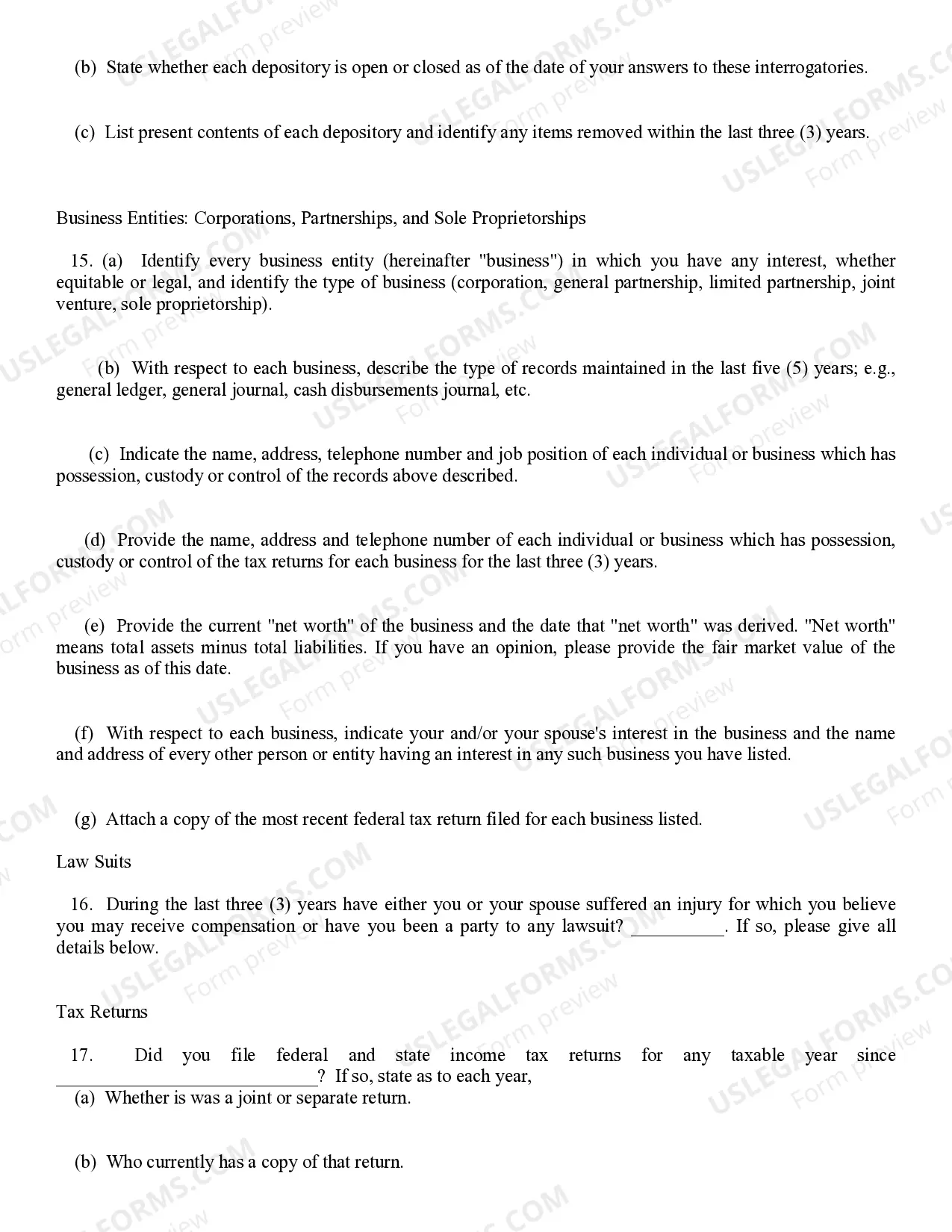
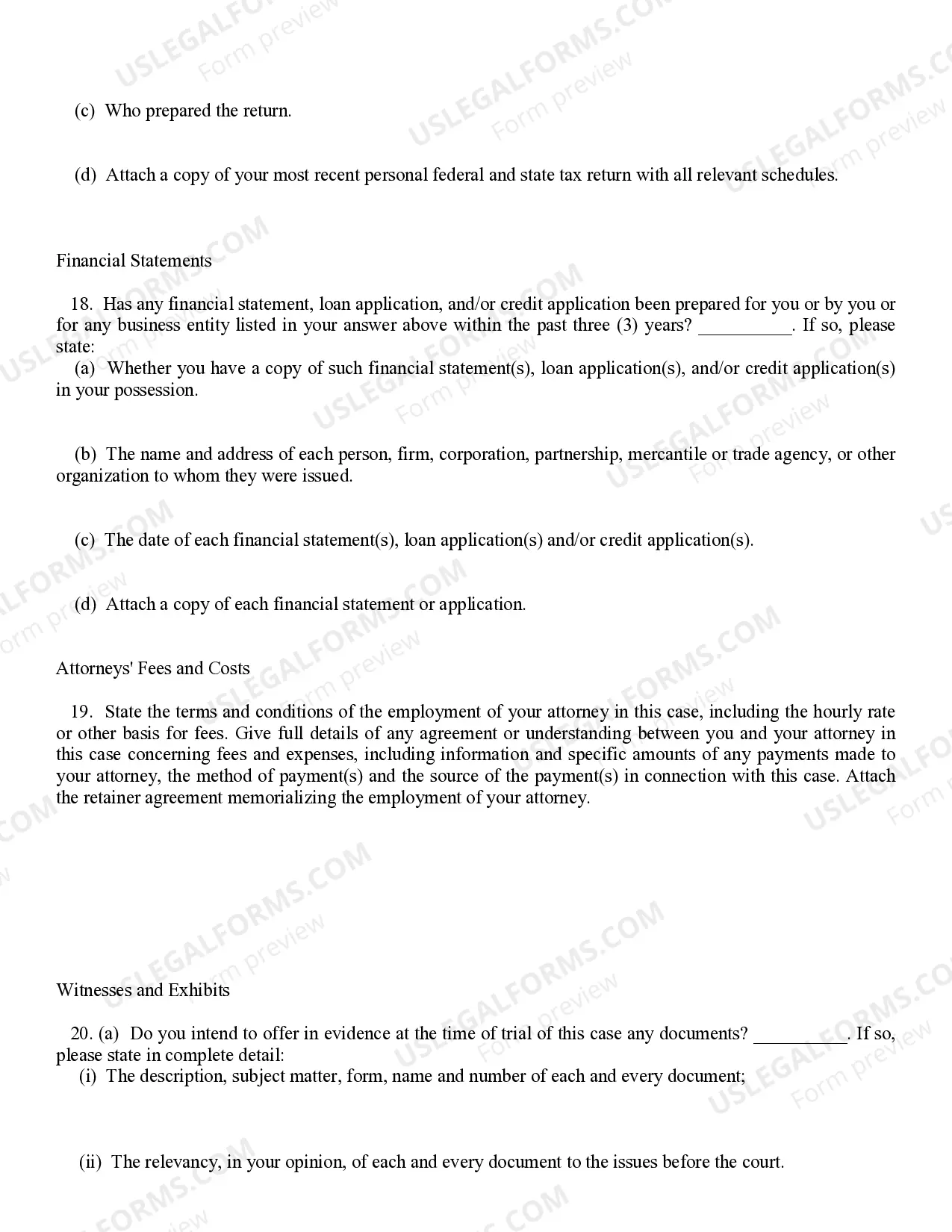
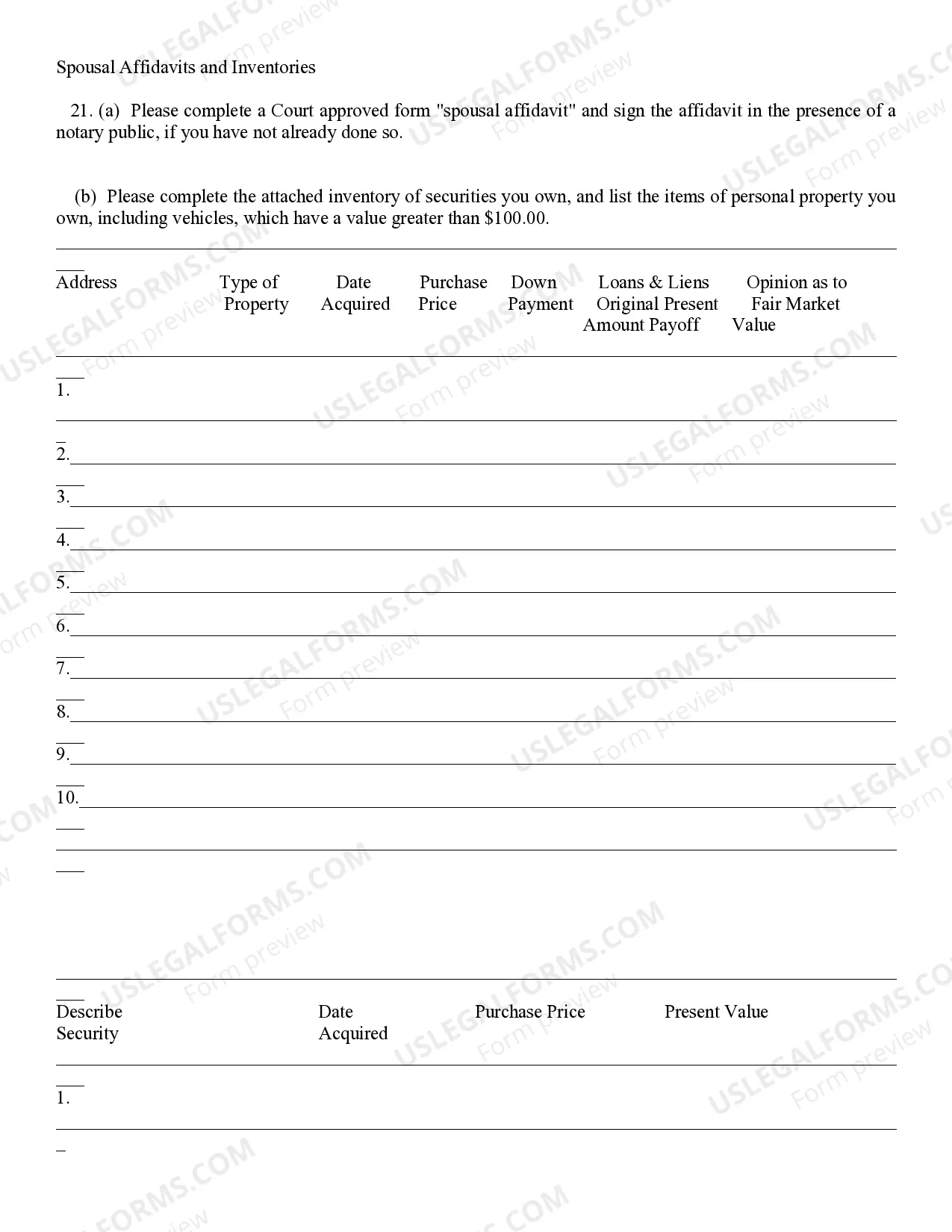
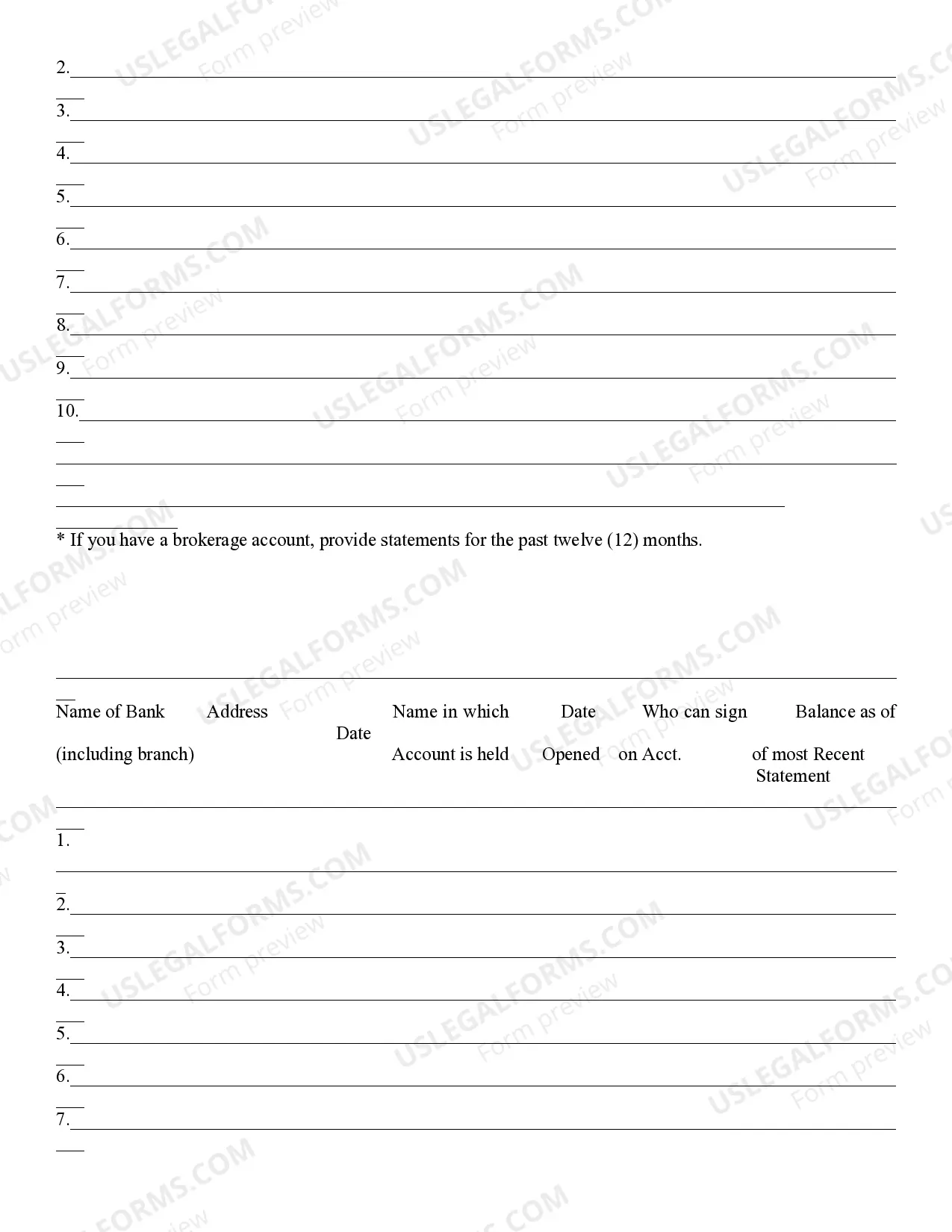
- Financial disclosures, including bank accounts, real estate, and business interests

When to use this document
This form should be used during the discovery phase of a domestic relations case, such as divorce or child custody disputes. It is particularly useful when one party needs to obtain detailed information from the other regarding their financial situation, assets, and background. Utilizing this form can help clarify issues and facilitate negotiations between parties.
Who this form is for
- Individuals currently involved in a domestic relations lawsuit
- Attorneys representing clients in divorce or custody cases
- Any party seeking to gather evidence and information in a domestic dispute
Completing this form step by step
- Start by entering the address and contact information for both parties involved in the case.
- Fill in personal identification details such as your full name, social security number, and date of birth.
- Provide educational and employment information, including the names and addresses of schools and employers.
- Respond to questions regarding health insurance, additional sources of income, and financial disclosures.
- Address custody arrangements for children, relating to any past claims of domestic violence, if applicable.
- Review your answers carefully and ensure any necessary supporting documents are attached, then submit the form to the court as required.
Does this document require notarization?
To make this form legally binding, it must be notarized. Our online notarization service, powered by Notarize, lets you verify and sign documents remotely through an encrypted video session.
Get your form ready online
Our built-in tools help you complete, sign, share, and store your documents in one place.
Make edits, fill in missing information, and update formatting in US Legal Forms—just like you would in MS Word.
Download a copy, print it, send it by email, or mail it via USPS—whatever works best for your next step.
Sign and collect signatures with our SignNow integration. Send to multiple recipients, set reminders, and more. Go Premium to unlock E-Sign.
If this form requires notarization, complete it online through a secure video call—no need to meet a notary in person or wait for an appointment.
We protect your documents and personal data by following strict security and privacy standards.

Make edits, fill in missing information, and update formatting in US Legal Forms—just like you would in MS Word.

Download a copy, print it, send it by email, or mail it via USPS—whatever works best for your next step.

Sign and collect signatures with our SignNow integration. Send to multiple recipients, set reminders, and more. Go Premium to unlock E-Sign.

If this form requires notarization, complete it online through a secure video call—no need to meet a notary in person or wait for an appointment.

We protect your documents and personal data by following strict security and privacy standards.
Avoid these common issues
- Failing to complete all required sections of the interrogatories.
- Providing inaccurate or incomplete personal and financial information.
- Neglecting to attach necessary supporting documents when requested.
- Overlooking deadlines for submitting the interrogatories to the court.
Advantages of online completion
- Convenient access to the form anytime, allowing for easy completion at your own pace.
- Editable options that enable you to customize responses based on your specific situation.
- Reliable legal templates drafted by licensed attorneys to ensure compliance with legal standards.
Looking for another form?
Form popularity
FAQ
The best way to answer interrogatories is to be clear, concise, and truthful. It is vital to read each question carefully and provide complete answers that address all aspects of the inquiry. Utilizing a resource like UsLegalForms can further assist you in understanding the specifics of Arizona DR Interrogatories and ensure your responses meet legal standards.
Rule 26.12 pertains to protective orders regarding the dissemination of information gathered during discovery. Parties can request these orders to limit exposure of sensitive information. Understanding this rule can help you navigate concerns about confidentiality while responding to Arizona DR Interrogatories.
Rule 26.5 addresses the discovery of electronically stored information. It sets guidelines for the identification and production of digital evidence relevant to the case. Ensuring compliance with this rule is essential for a successful response to Arizona DR Interrogatories, as electronic evidence frequently plays a critical role in modern legal disputes.
Rule 26.1 in Arizona deals with the discovery of documents and physical evidence. This rule mandates that parties disclose the existence of any evidence that may be used at trial, including documents and tangible items. Keeping this rule in mind can enhance your ability to respond to Arizona DR Interrogatories thoroughly and effectively.
In Arizona, personal service is one way to serve legal documents, but it is not the only method. You may also serve documents via mail or electronic means, depending on the circumstances and court rules. Knowing your options can help you manage the legal process effectively, especially when preparing for Arizona DR Interrogatories.
Rule 26.2 in Arizona focuses on the disclosure of expert witness information. It requires parties to provide details about any experts they plan to call at trial, including their qualifications and opinions. Understanding this rule is vital, especially when preparing for Arizona DR Interrogatories, as expert testimony can significantly impact the outcomes of your case.
Rule 33 in Arizona governs the use of interrogatories, which are written questions that a party must answer in writing and under oath. This rule allows parties to gather essential information from one another, aiding in case preparation. Properly utilizing these interrogatories is crucial for any attorney handling Arizona DR Interrogatories, ensuring a thorough understanding of the case.
In Arizona, the Rule 26 disclosure pertains to the obligation of parties to exchange relevant information before formally beginning the discovery phase. This requirement encourages transparency and helps streamline the litigation process. By complying with these disclosures, you can better prepare for Arizona DR Interrogatories and reduce surprises during the case.
Rule 68 of the Arizona Rules of Civil Procedure outlines the procedures for making settlement offers and the consequences of not accepting a reasonable offer. This rule can significantly impact case outcomes during the discovery process, including work surrounding Arizona DR Interrogatories. Understanding Rule 68 can incentivize parties to settle, which can lead to more efficient resolutions. Engaging with user-friendly platforms such as uslegalforms can provide essential insights into this rule.
Rule 60 in Arizona refers to the legal provision that allows parties to seek relief from a judgment or an order due to various reasons, such as mistake, inadvertence, or new evidence. This rule is essential in ensuring fairness in legal proceedings, including those involving Arizona DR Interrogatories. It serves as a safeguard, enabling you to address any substantial issues post-judgment. Comprehensive legal tools like those found on uslegalforms can enhance your understanding of this rule.