Massachusetts Affidavit
What this document covers
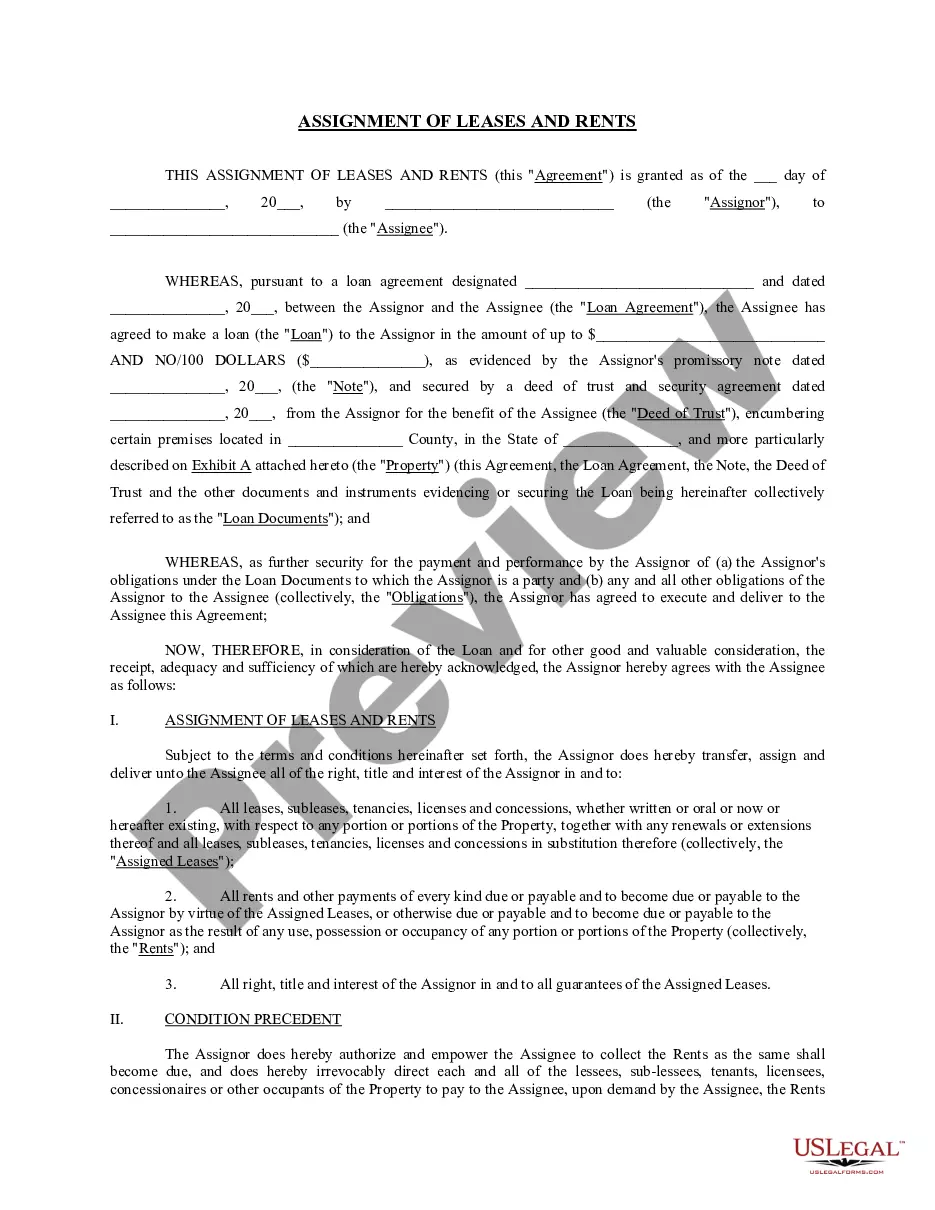
An affidavit is a sworn, written statement of facts, executed by the affiant (the individual making the statement) before a notary public or other official witness. This Affidavit specifically serves as a declaration by an executor of an estate, affirming the truth and accuracy of the information provided regarding the decedent's estate. It differs from other legal forms in that it requires the affiant to take an oath regarding the information contained within, ensuring its reliability in legal matters.
Form components explained
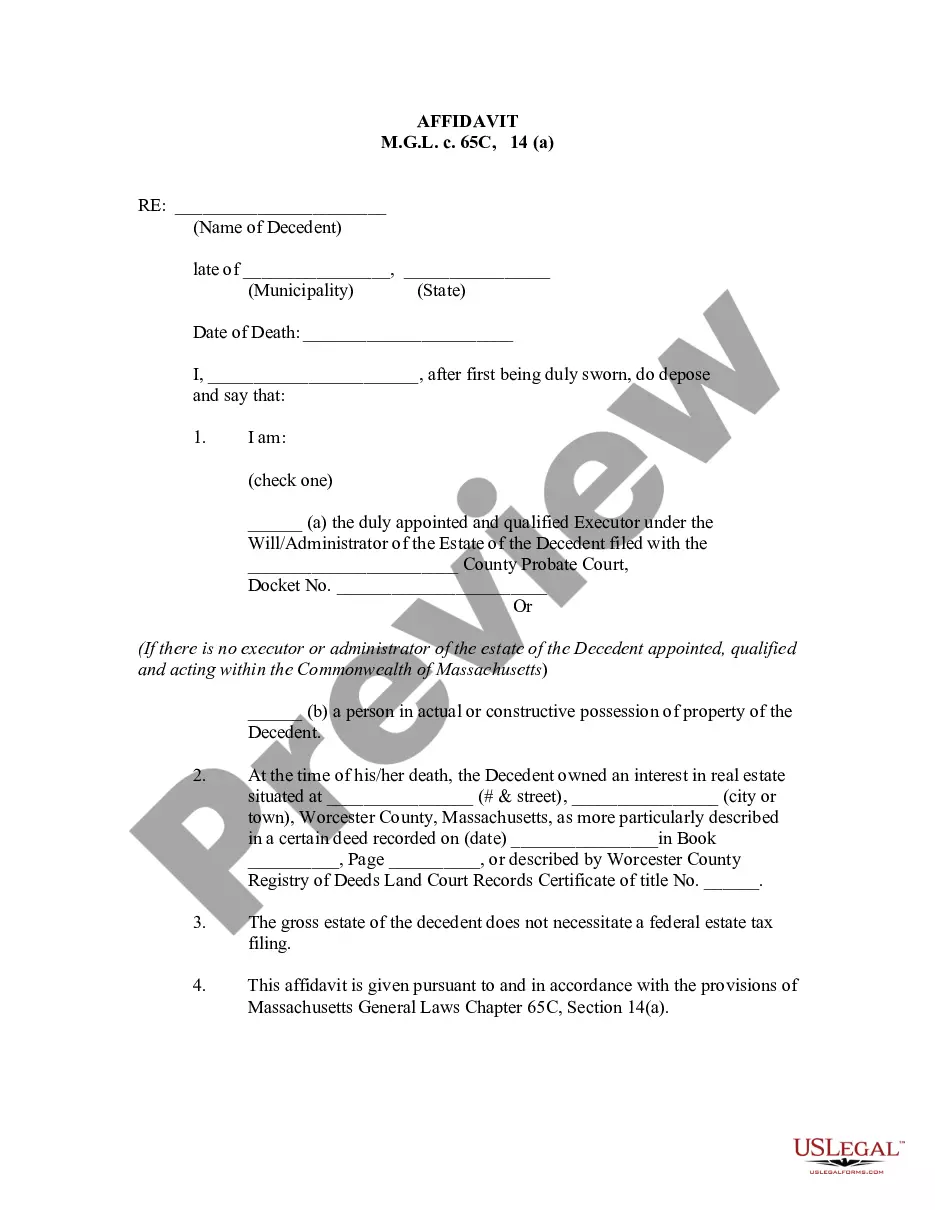
- Name of the decedent and details of their municipality and state.
- Confirmation of the affiantâs status as executor or administrator of the estate.
- Description of the real estate owned by the decedent.
- Affirmation regarding the gross estate and its tax filing requirements.
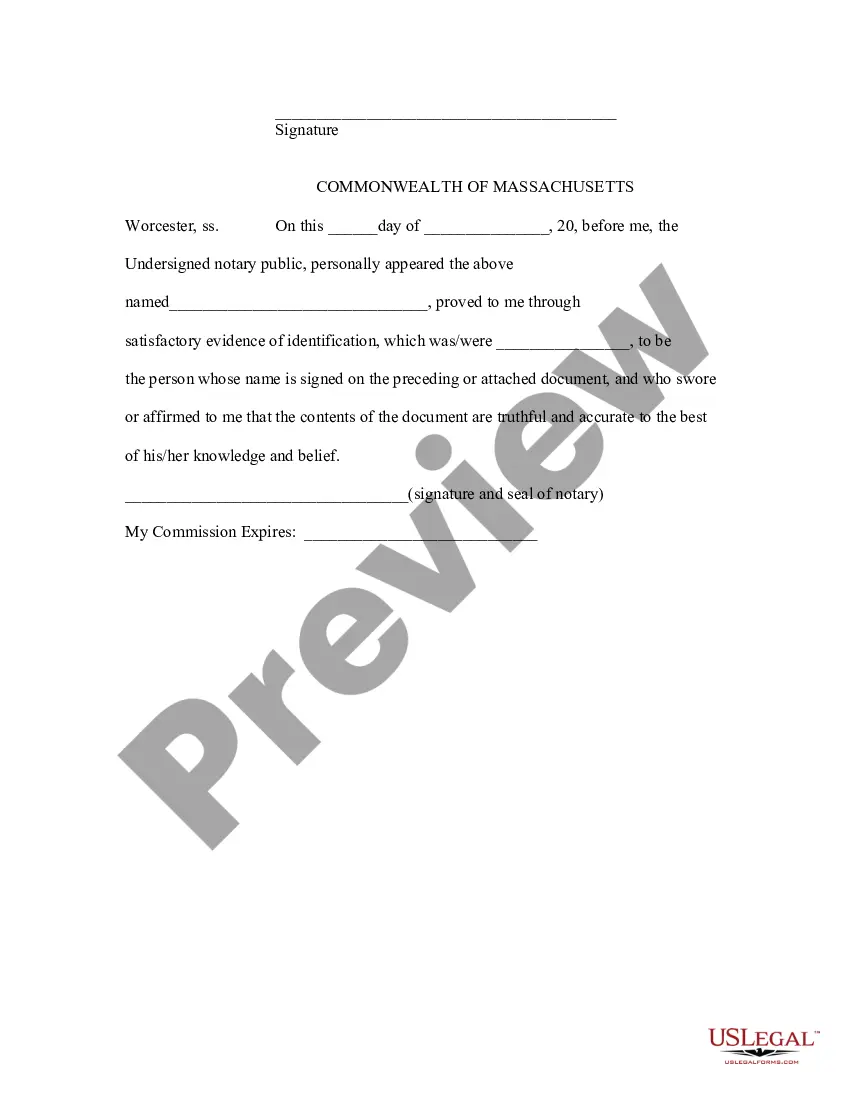
- Signature line for the affiant and notarization section.

When to use this form
This affidavit should be used when an executor or administrator of an estate needs to confirm their authority and the specifics of the decedent's estate, particularly when dealing with real estate. It is often required for legal clarity in probate proceedings or when transferring property ownership without going through a formal probate process, especially if the decedent's estate does not meet federal estate tax requirements.
Who needs this form
- Executors or administrators of the estate of a deceased person.
- Individuals who need to declare their status in relation to the decedent's estate.
- Anyone involved in the process of transferring ownership of the decedent's property.
Steps to complete this form
- Fill in the name of the decedent, including municipality and state of residence.
- Indicate your status by checking the appropriate box (executor or person in possession of property).
- Provide details about the real estate owned by the decedent, including address and relevant deed information.
- State that the gross estate does not require federal estate tax filing.
- Sign the affidavit in the presence of a notary public.
Notarization requirements for this form
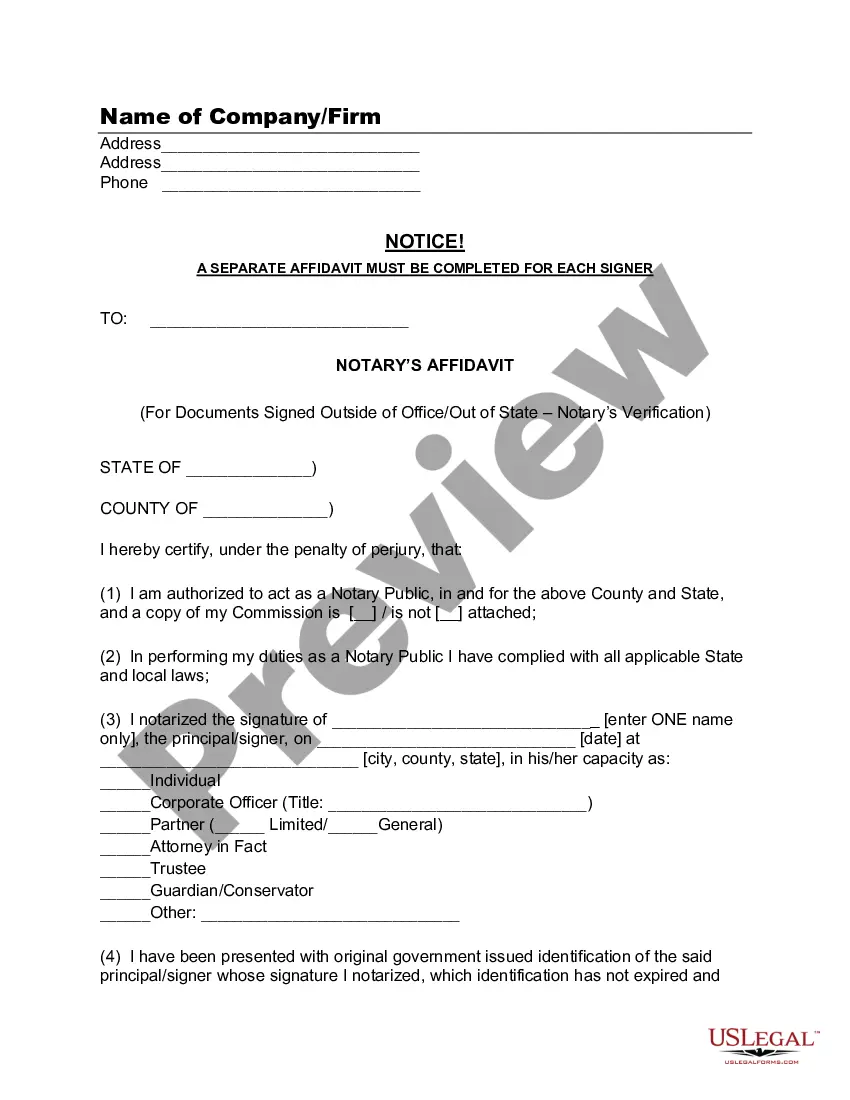
Yes, this form must be notarized to be legally valid. The affidavit requires the affiant to sign in front of a notary public, who will verify the identity of the affiant and witness the signature. US Legal Forms offers integrated online notarization services, providing a secure video call option that saves you the need to travel.
Get your form ready online
Our built-in tools help you complete, sign, share, and store your documents in one place.
Make edits, fill in missing information, and update formatting in US Legal Forms—just like you would in MS Word.
Download a copy, print it, send it by email, or mail it via USPS—whatever works best for your next step.
Sign and collect signatures with our SignNow integration. Send to multiple recipients, set reminders, and more. Go Premium to unlock E-Sign.
If this form requires notarization, complete it online through a secure video call—no need to meet a notary in person or wait for an appointment.
We protect your documents and personal data by following strict security and privacy standards.

Make edits, fill in missing information, and update formatting in US Legal Forms—just like you would in MS Word.

Download a copy, print it, send it by email, or mail it via USPS—whatever works best for your next step.

Sign and collect signatures with our SignNow integration. Send to multiple recipients, set reminders, and more. Go Premium to unlock E-Sign.

If this form requires notarization, complete it online through a secure video call—no need to meet a notary in person or wait for an appointment.

We protect your documents and personal data by following strict security and privacy standards.
Common mistakes
- Failing to provide complete and accurate information about the decedentâs property.
- Not checking the correct box regarding the affiant's status.
- Missing the signature in front of a notary public.
Benefits of using this form online
- Instant access to the affidavit template saves time.
- Editable forms allow for easy customization based on individual needs.
- Reliability, as forms are drafted by licensed attorneys to meet legal standards.
Main things to remember
- An affidavit is a legally binding document that requires notarization.
- This form is crucial for executors or administrators managing a decedentâs estate.
- It is particularly useful for clarifying property ownership and estate tax obligations.
Looking for another form?

Form popularity
FAQ
The following are six critical sections that must be included: Title. This is either your name (?Affidavit of Jane Doe?) or the specific case information. Statement of identity. The next paragraph tells the court about yourself.Statement of truth.Statement of facts.Closing statement of truth.Sign and notarize.
No written statement in any proceeding in this court required to be verified by affidavit shall be required to be verified by oath or affirmation if it contains or is verified by a written declaration that it is made under the penalties of perjury.
An affidavit is a sworn statement put in writing. When you use an affidavit, you're claiming that the information within the document is true and correct to the best of your knowledge. Like taking an oath in court, an affidavit is only valid when you make it voluntarily and without any coercion.
What to Include in an Affidavit The name, address, and occupation of the affiant. A statement of facts that the affiant swears are true, to the best of their knowledge. The date and location of the affidavit. The signature of the affiant. The signature of the notary public witnessing the affidavit.
General Affidavits must be signed in front of a notary public. A notary must verify your identification before you sign the document.
In the State of Massachusetts, the law requires two (2) witnesses to sign this document, and a notary public must observe the signatures of the witnesses and the testator. A self-proving affidavit must be attached to the last will and testament once completed.
Below is the basic six-step process you'll need to take to complete your affidavit. Title the affidavit. First, you'll need to title your affidavit.Craft a statement of identity.Write a statement of truth.State the facts.Reiterate your statement of truth.Sign and notarize.
6 steps to writing an affidavit Title the affidavit. First, you'll need to title your affidavit.Craft a statement of identity. The very next section of your affidavit is what's known as a statement of identity.Write a statement of truth.State the facts.Reiterate your statement of truth.Sign and notarize.