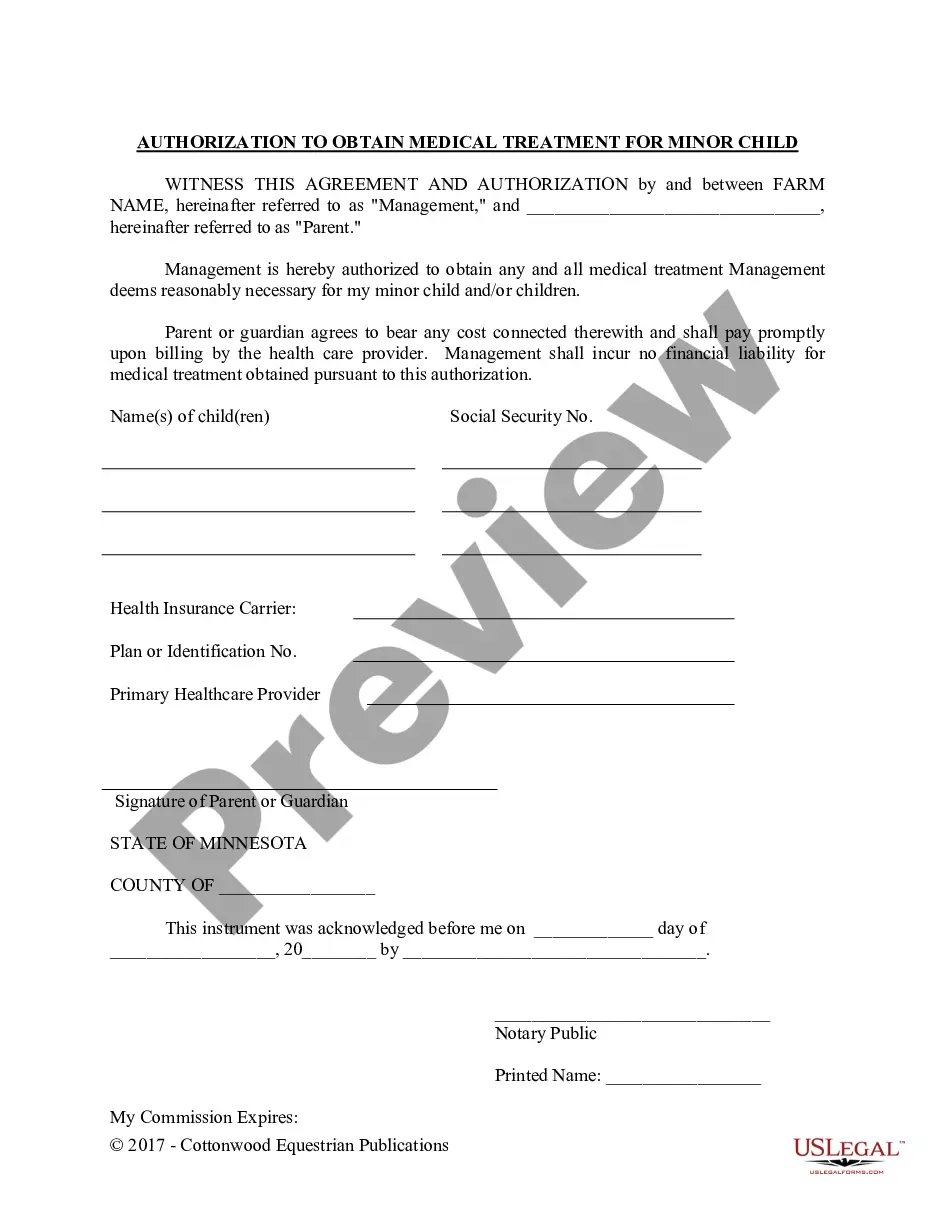
Notary's Affidavit
What is this form?
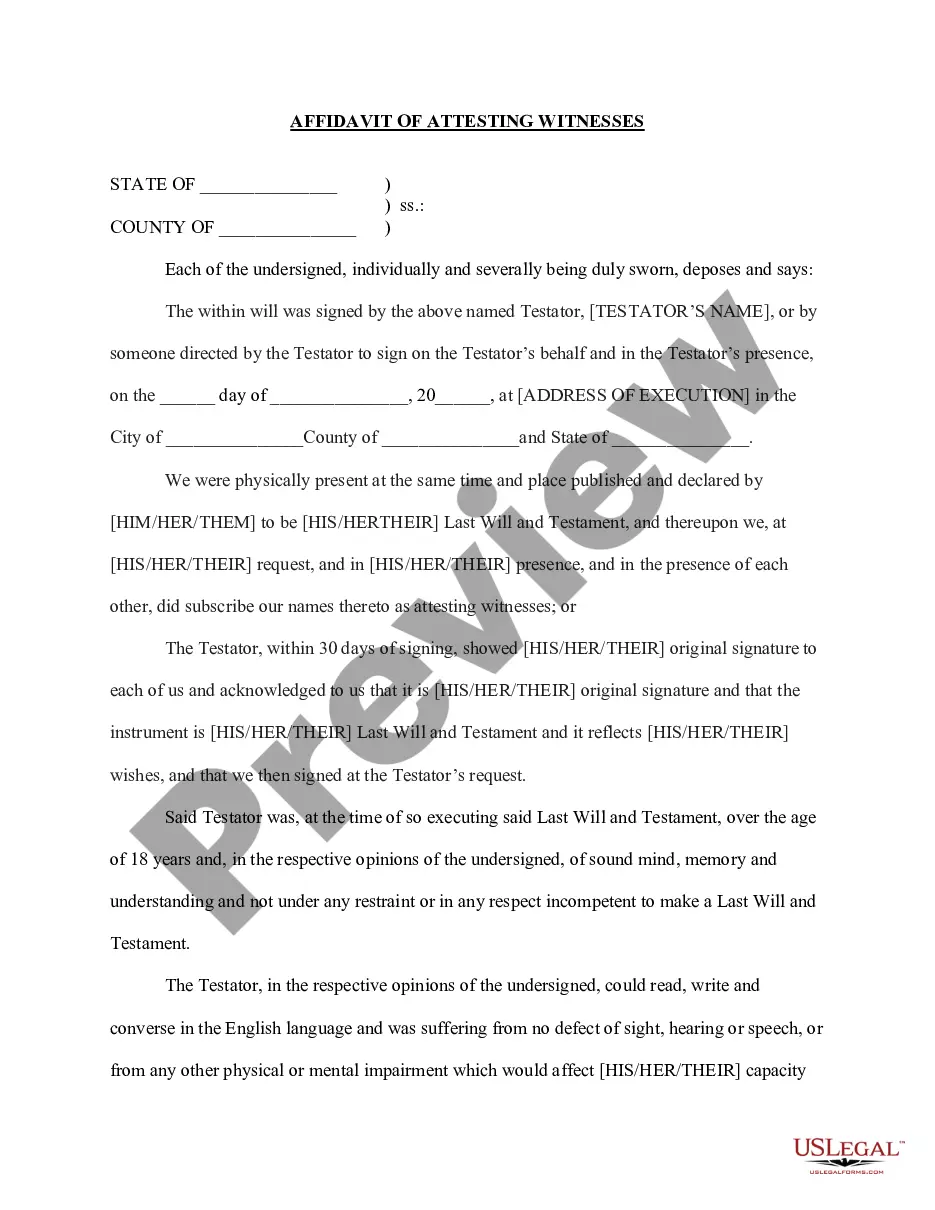
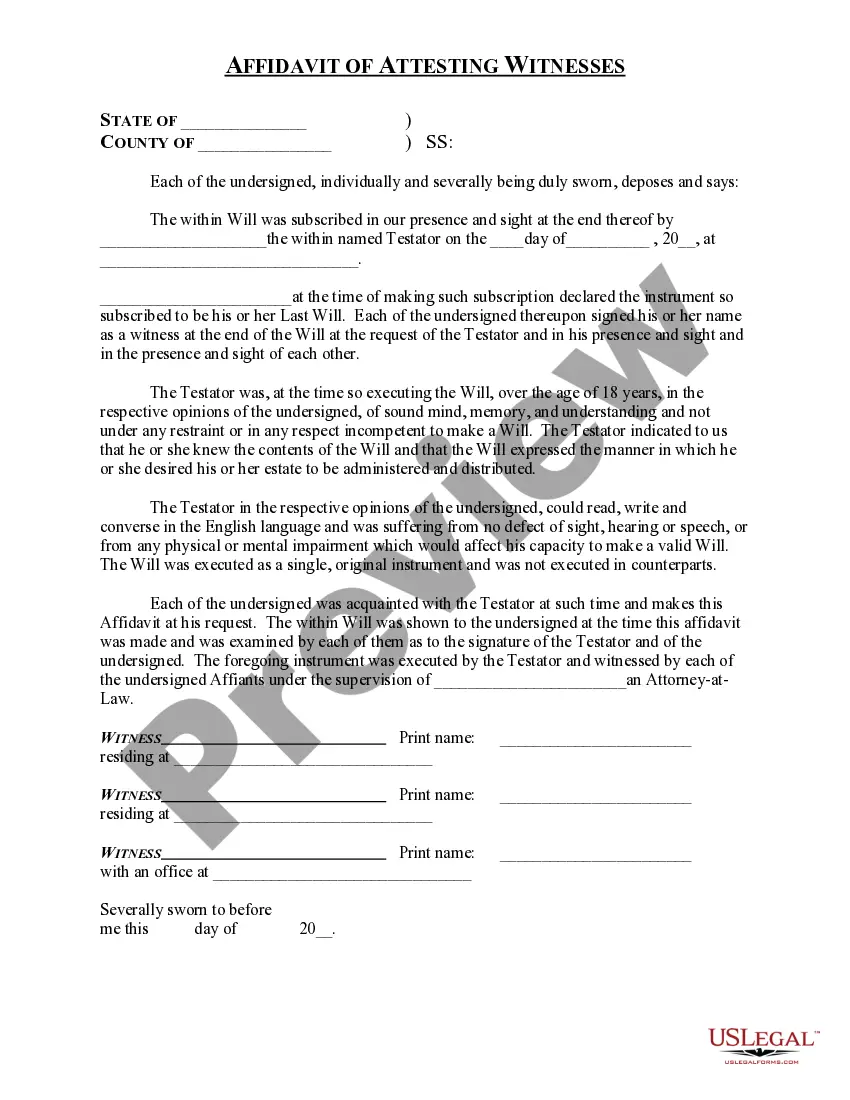
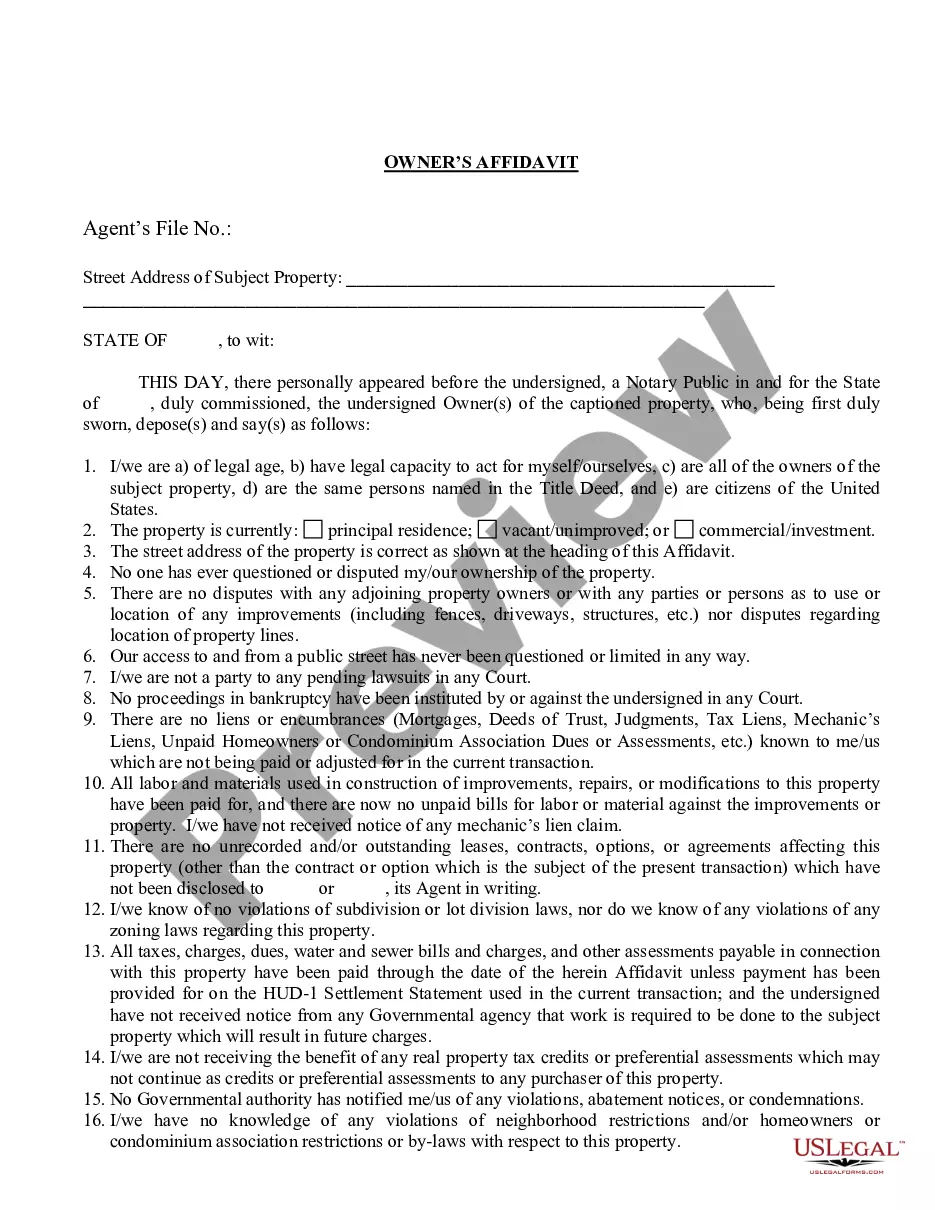
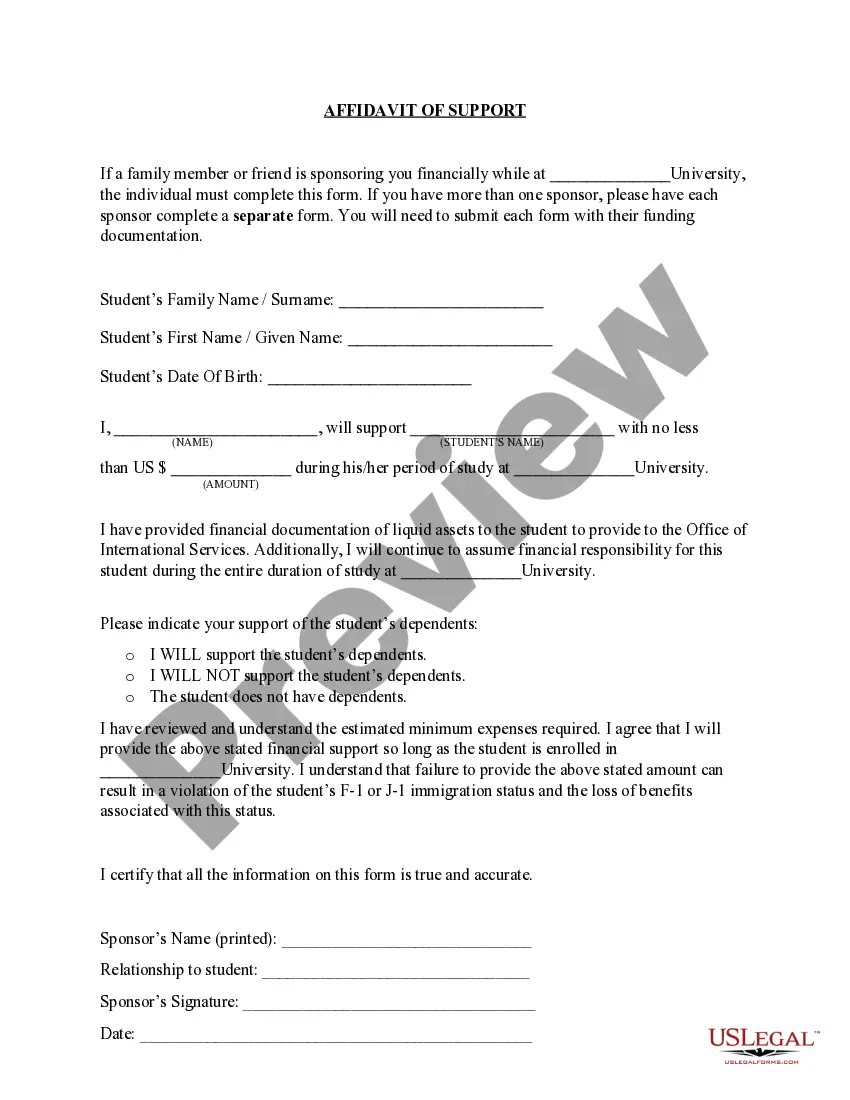
The Notary's Affidavit is a sworn statement certifying that a notary public has witnessed and verified the identity of a signer. It serves to confirm the authenticity of signatures on legal documents. Unlike a standard affidavit, the Notary's Affidavit specifically addresses the actions and responsibilities of the notary in the notarization process.
Key parts of this document
- County and State: Specifies where the notarization took place.
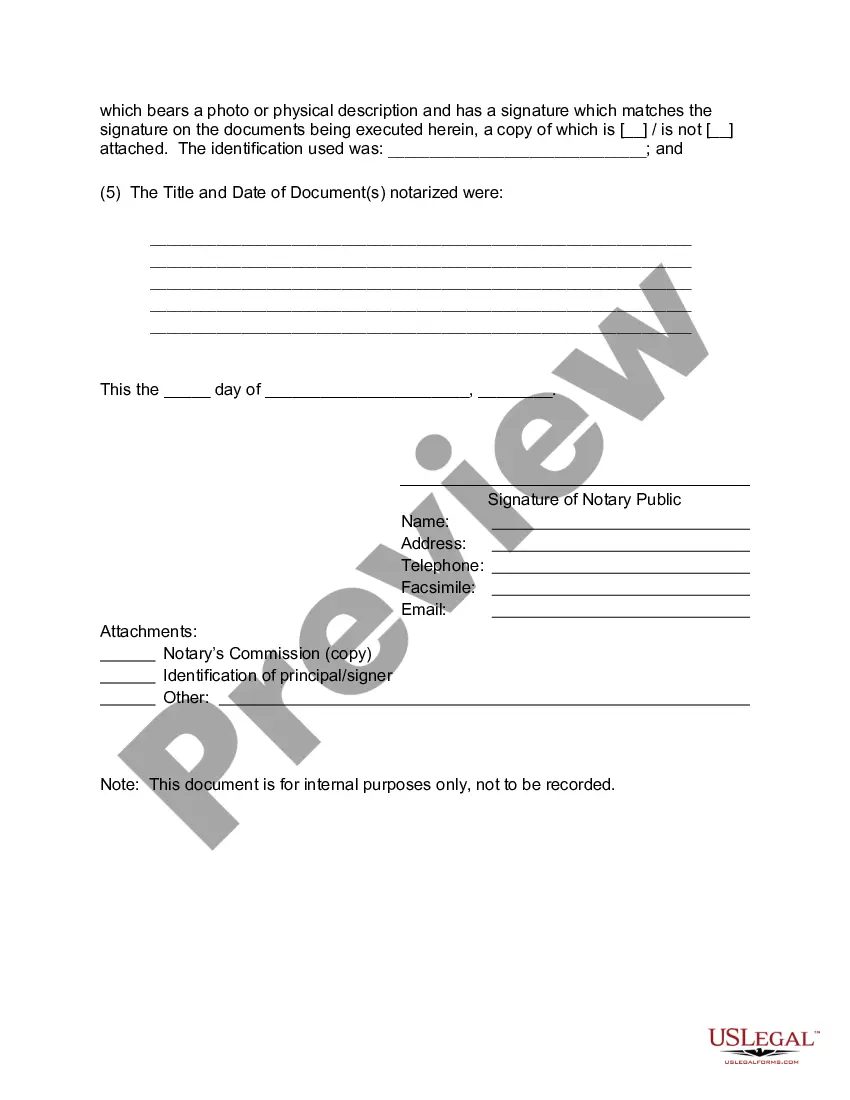
- Notary's Certification: Confirms the notary's authority and compliance with state laws.
- Identification Verification: Details the type of identification presented by the signer.
- Signature and Title of Notary: Provides the notary's official signature, ensuring the document's validity.
- Date and Location: Records when and where the notarization occurs.
- Document Details: Includes information about the documents that were notarized.
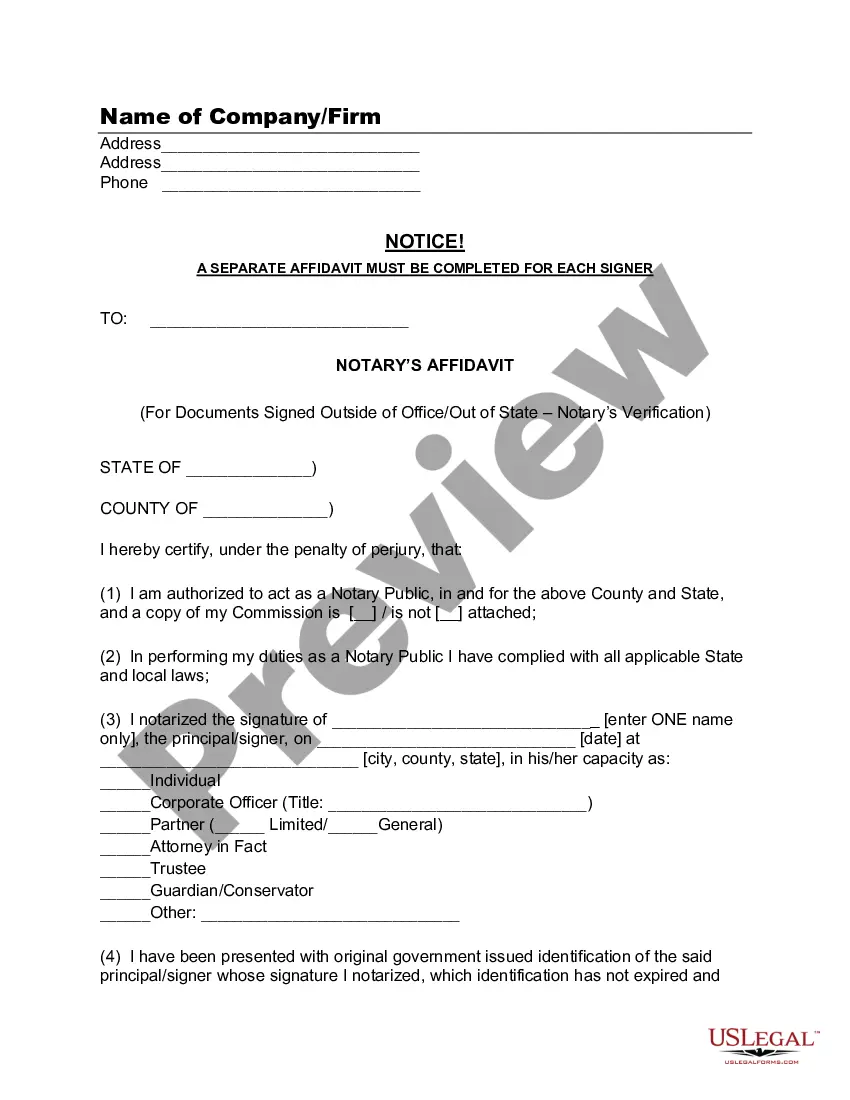
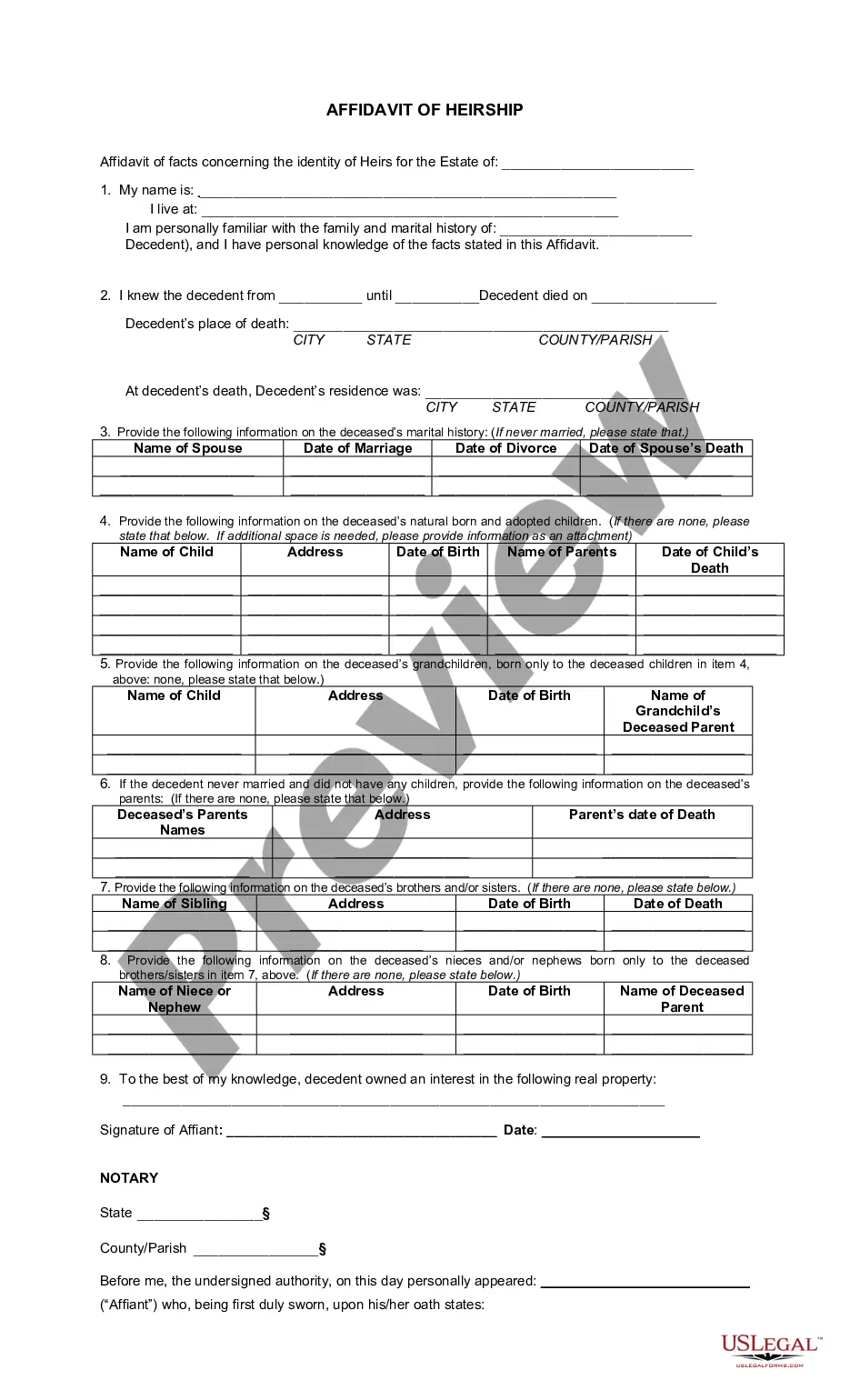
When this form is needed
The Notary's Affidavit is needed when a notary public notarizes signatures on important legal documents. It is particularly useful for transactions that occur outside of the notary's office or out of state, providing an official record of the notarization process and verifying the identity of the signers. This form ensures that the signature is legally recognized and can be used in legal proceedings if necessary.
Who can use this document
- Notaries Public: To document and certify the notarization process.
- Individuals executing legal documents: When their signatures are required to be notarized.
- Corporate officers: When signing on behalf of a corporation that requires notarization.
- Attorneys or representatives: When notarizing documents for clients or principals.
How to prepare this document
- Fill in the address and phone number of the notary public.
- Provide the date, city, county, and state where notarization occurred.
- Enter the name of the signer and their capacity (e.g., individual, corporate officer) as applicable.
- List the identification type presented by the signer and confirm its validity.
- Detail the title and date of the document being notarized.
- Ensure the notary signs and dates the affidavit to finalize the document.
Does this form need to be notarized?
Yes, this form must be notarized to be legally valid. The notarization process helps prevent fraud by verifying the identity of the signer. US Legal Forms offers integrated online notarization, available 24/7 through a secure video call, ensuring legal equivalence without the need for travel.
Get your form ready online
Our built-in tools help you complete, sign, share, and store your documents in one place.
Make edits, fill in missing information, and update formatting in US Legal Forms—just like you would in MS Word.
Download a copy, print it, send it by email, or mail it via USPS—whatever works best for your next step.
Sign and collect signatures with our SignNow integration. Send to multiple recipients, set reminders, and more. Go Premium to unlock E-Sign.
If this form requires notarization, complete it online through a secure video call—no need to meet a notary in person or wait for an appointment.
We protect your documents and personal data by following strict security and privacy standards.

Make edits, fill in missing information, and update formatting in US Legal Forms—just like you would in MS Word.

Download a copy, print it, send it by email, or mail it via USPS—whatever works best for your next step.

Sign and collect signatures with our SignNow integration. Send to multiple recipients, set reminders, and more. Go Premium to unlock E-Sign.

If this form requires notarization, complete it online through a secure video call—no need to meet a notary in person or wait for an appointment.

We protect your documents and personal data by following strict security and privacy standards.
Mistakes to watch out for
- Failing to properly verify the identity of the signer.
- Not providing complete information about the documents notarized.
- Omitting the notary's signature or date.
- Using expired identification for the notarization process.
Benefits of using this form online
- Convenience of downloading and completing the form at your own pace.
- Editable templates ensure you can fill in the specific details needed for your unique situation.
- Access to forms created by licensed attorneys ensures legal compliance.
Legal use & context
- The Notary's Affidavit supports the enforceability of the notarized documents in legal contexts.
- It provides a record of the notary's actions and the verification of the signer's identity.
- This document is crucial in cases involving disputes over the authenticity of signatures.
Summary of main points
- The Notary's Affidavit certifies the notarization process and the signer's identity.
- It is essential for verifying signatures on legal documents, especially outside the notaryâs office.
- Complete all required fields accurately to avoid common mistakes and ensure legal validity.
Looking for another form?

Form popularity
FAQ
Notary's Affidavit is a standard affidavits form used to document facts under oath with the involvement of a notary. It is typically used when a notary must verify or record a signing, date, or other act performed in the course of notarization. The form supports multi-state use and standard notarial procedures across jurisdictions.
To write a Notary's Affidavit, compile clear factual statements to be sworn, include the declarant’s full name, the date, and a statement of truth. Present each fact in a numbered, concise paragraph, and end with a closing affirmation. The document should be completed in accordance with typical notarial practice and be ready for notarization if required.
A notary witnesses the signer’s declaration, administers any oath or affirmation, verifies the signer’s identity, and attaches a notarial certificate or seal as appropriate. The Notary's Affidavit is then filed or kept with the instrument it accompanies, providing official authentication of the statements and the notarization itself.
Take the completed Notary's Affidavit to a commissioned notary and sign in their presence. The notary will verify your identity, administer any required oath, and affix the notary seal and certificate. In some cases, the affidavit may be notarized on the spot or presented for later processing.
Only true, relevant facts within the declarant’s knowledge should appear. Do not include conclusions, guesses, or legal opinions, and avoid statements about third parties that are unverified. Personal attacks or irrelevant information should be omitted. The notarial part should remain focused on authentication and oath, not content disputes.
A Notary's Affidavit is designed for use in the notarial process and includes the notary’s authentication, seal, and certificate, whereas a standard affidavit is a sworn statement signed by a party without mandatory notarial certification. The difference lies in the required notarial involvement and accompanying certification language.