Affidavit - General
What this document covers
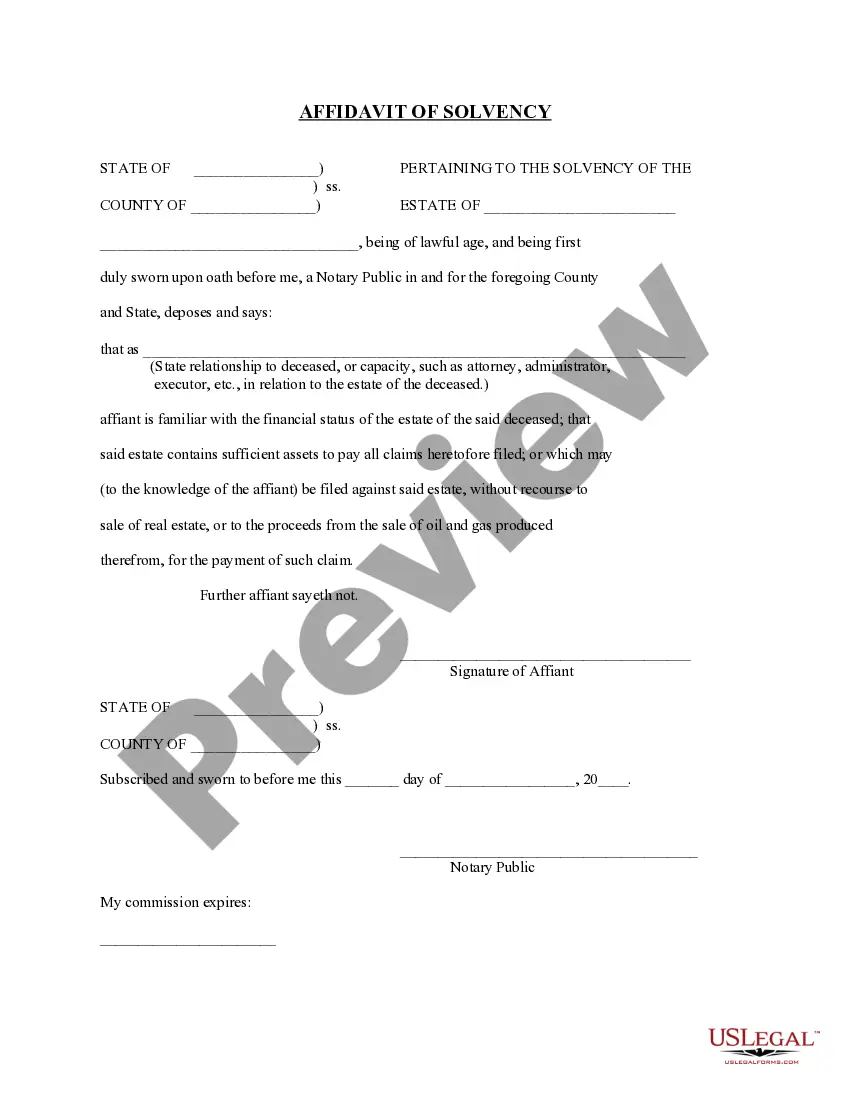
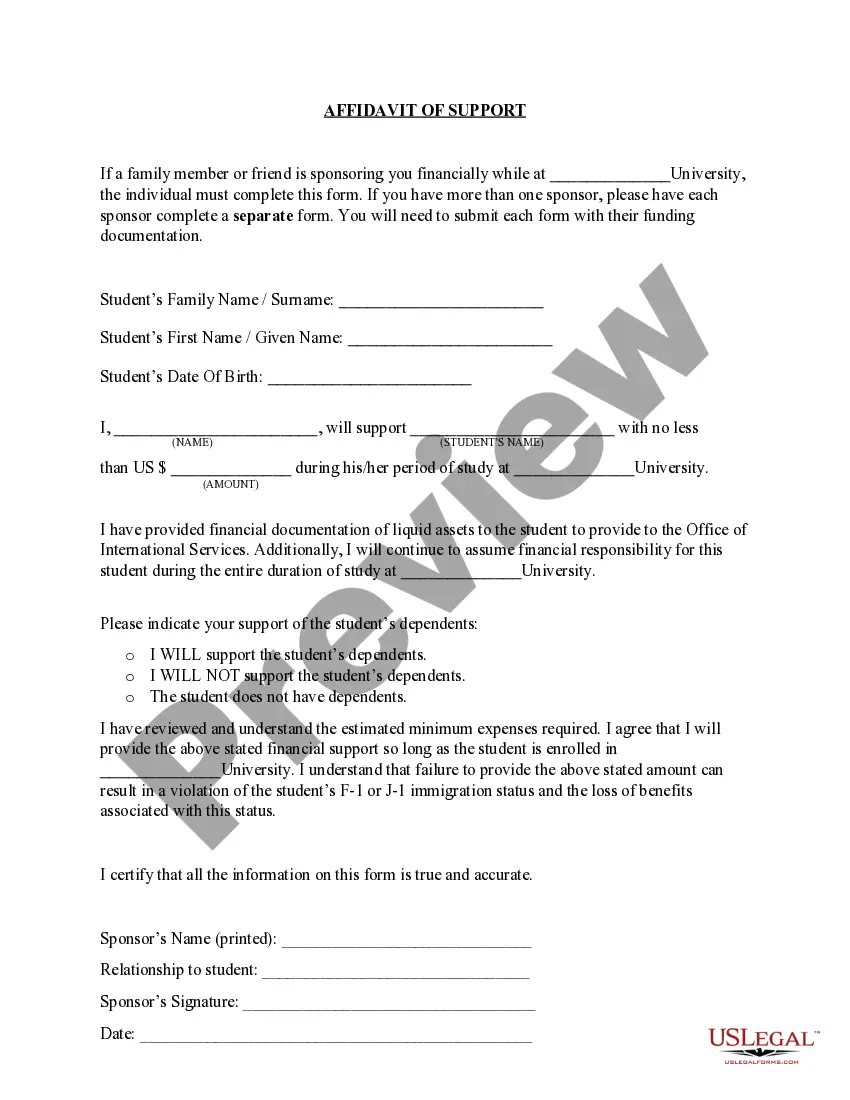
An affidavit is a written statement made under oath, affirming that certain facts are true to the best of the affiant's knowledge. The Affidavit - General is a versatile legal document used to assert facts in various situations. Unlike other affidavits that may focus on specific issues, this general affidavit allows the affiant to incorporate a wide range of statements based on belief and personal knowledge.
What’s included in this form
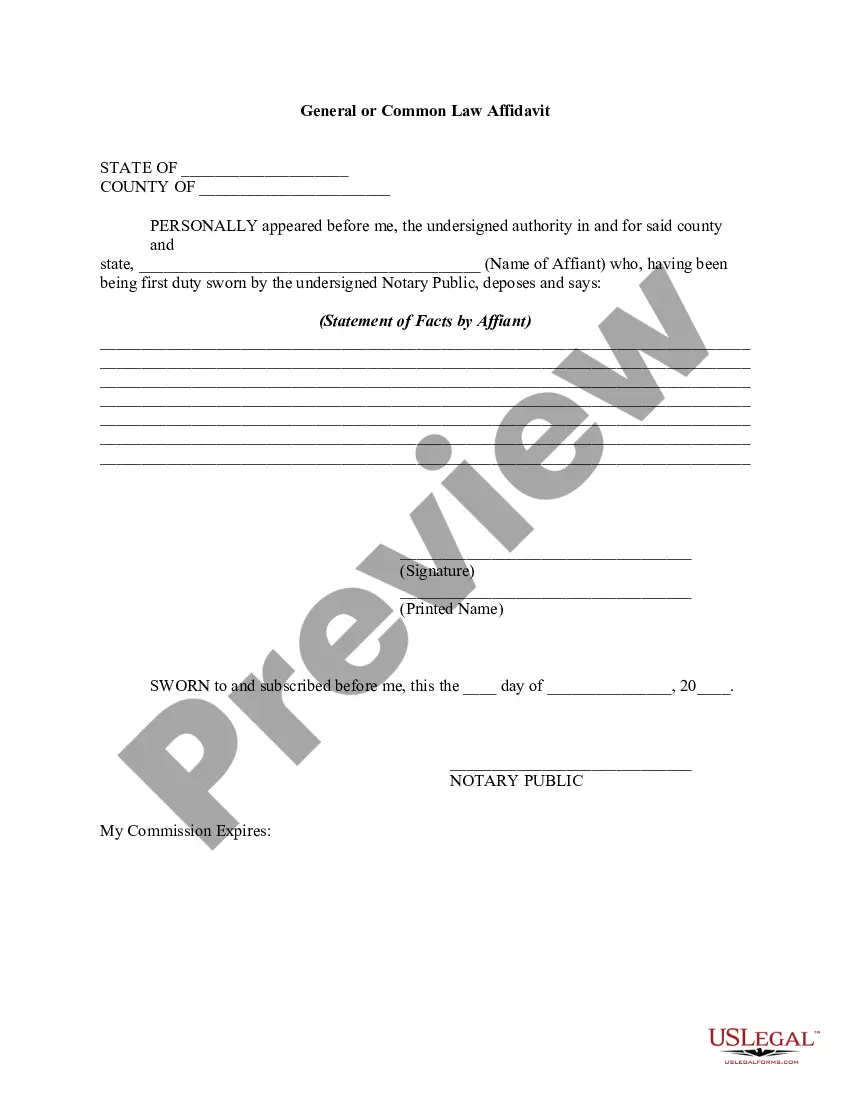
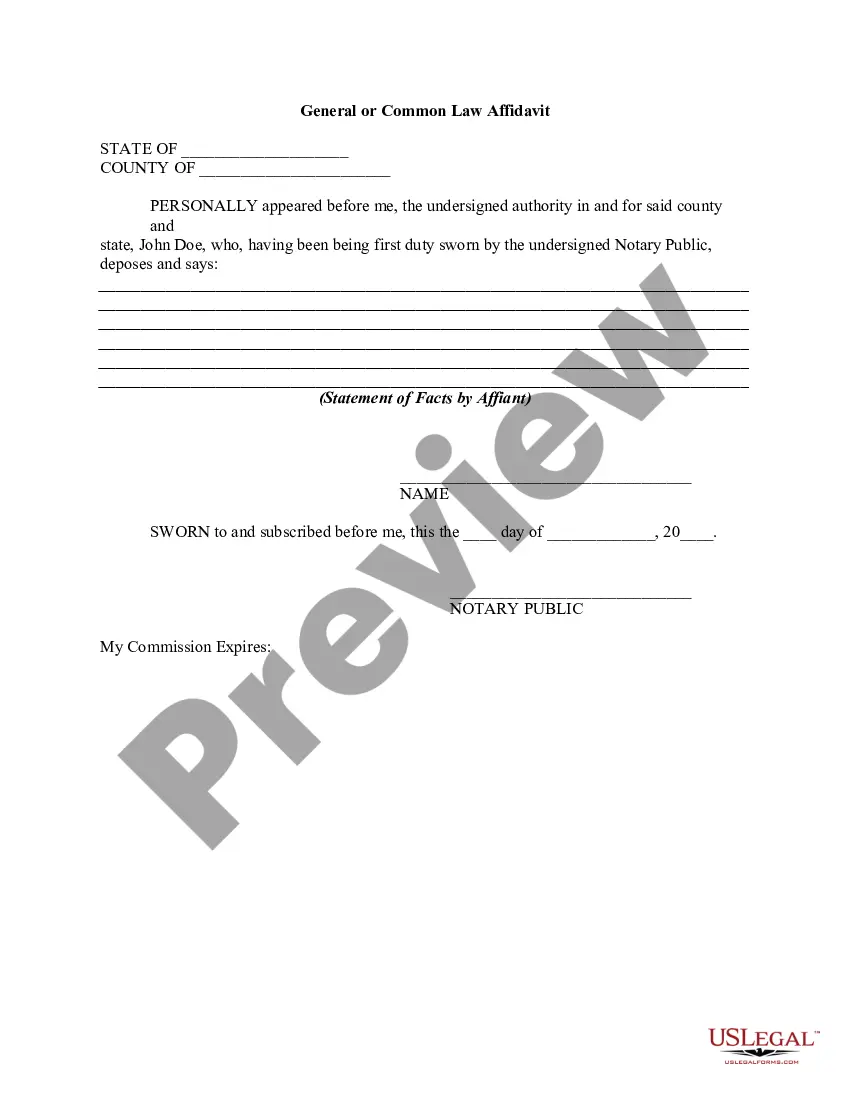
- Statement of facts: The affiant outlines the relevant facts they are attesting to.
- Signature of affiant: The person making the affidavit must sign the document.
- Notary public section: This includes space for the notary to sign and indicate their commission expiration date.
- Date of execution: A designated area for entering the date when the affidavit is completed.
Situations where this form applies
This affidavit can be used in various circumstances, including court proceedings, verifying identity, or confirming specific facts such as residency or intention. It is often required in legal settings where written testimony needs to be formally documented and verified.
Who needs this form
This affidavit is suitable for:
- Individuals needing to attest to personal knowledge or belief.
- Anyone involved in legal matters where sworn statements are necessary.
- Those preparing documentation for court or administrative procedures.
Steps to complete this form
- Begin by filling in the statement of facts clearly and concisely.
- Sign the document as the affiant, confirming that the information is true.
- Enter the date on which you are completing the affidavit.
- If necessary, find a notary public to witness your signature and complete their section.
Notarization requirements for this form
To make this form legally binding, it must be notarized. Our online notarization service, powered by Notarize, lets you verify and sign documents remotely through an encrypted video session.
Get your form ready online
Our built-in tools help you complete, sign, share, and store your documents in one place.
Make edits, fill in missing information, and update formatting in US Legal Forms—just like you would in MS Word.
Download a copy, print it, send it by email, or mail it via USPS—whatever works best for your next step.
Sign and collect signatures with our SignNow integration. Send to multiple recipients, set reminders, and more. Go Premium to unlock E-Sign.
If this form requires notarization, complete it online through a secure video call—no need to meet a notary in person or wait for an appointment.
We protect your documents and personal data by following strict security and privacy standards.

Make edits, fill in missing information, and update formatting in US Legal Forms—just like you would in MS Word.

Download a copy, print it, send it by email, or mail it via USPS—whatever works best for your next step.

Sign and collect signatures with our SignNow integration. Send to multiple recipients, set reminders, and more. Go Premium to unlock E-Sign.

If this form requires notarization, complete it online through a secure video call—no need to meet a notary in person or wait for an appointment.

We protect your documents and personal data by following strict security and privacy standards.
Avoid these common issues
- Not providing adequate detail in the statement of facts.
- Failing to date the affidavit before submitting it.
- Leaving the notary section incomplete.
- Signing the affidavit without a witness if notarization is required.
Benefits of using this form online
- Convenient access: Downloadable anytime and from anywhere.
- Editable templates: Tailor the affidavit to your specific needs before printing.
- Reliable and accurate: Forms are drafted by licensed attorneys to ensure compliance with legal standards.
Legal use & context
- This affidavit serves as a credible legal document that can be presented in judicial settings.
- It is enforceable in courts to support or verify claims made by the affiant.
- Consideration of state-specific laws is essential to ensure compliance and validity.
What to keep in mind
- The Affidavit - General is crucial for affirming facts legally.
- The document requires careful completion to avoid common errors.
- Notarization is a necessary step for legal recognition.
- This form is versatile and applicable in various legal contexts.
Looking for another form?

Form popularity
FAQ
A person who makes an affidavit is called a Deponent or an Affiant. The person who has authority to attest a certificate may be a Magistrate who may in turn be either a Judicial or an Executive Magistrate, a Notary Public or a Commissioner of Oaths depending upon the affidavit which needs to be attested.
In the sentence, the person writing the statement must state that he or she is stating that the information is accurate. (Example: I, Jane Doe, solemnly swear that the contents of this document are true and correct, and that I agree to abide by the terms in this affidavit.)
Title the affidavit. First, you'll need to title your affidavit. Craft a statement of identity. The very next section of your affidavit is what's known as a statement of identity. Write a statement of truth. State the facts. Reiterate your statement of truth. Sign and notarize.
In a nutshell, an affidavit is a sworn statement that is in writing. Affidavits are usually used in a court or in negotiations. They are common in family law cases and bankruptcy cases. They are also used in civil and criminal cases, though not as often as family or bankruptcy law cases.
An affidavit is a written statement that is notarized.The information in an affidavit must be first-hand information. It cannot be second-hand information or speculation. Affidavits can be written in your own handwriting or typed.
Create a title for the affidavit. The initial step for writing a sworn testimony is crafting a relevant title. Write a state of identity. Design a statement of truth. Outline the facts. Restate the statement of truth.