Kansas Letters of Recommendation Package
What is this form package?
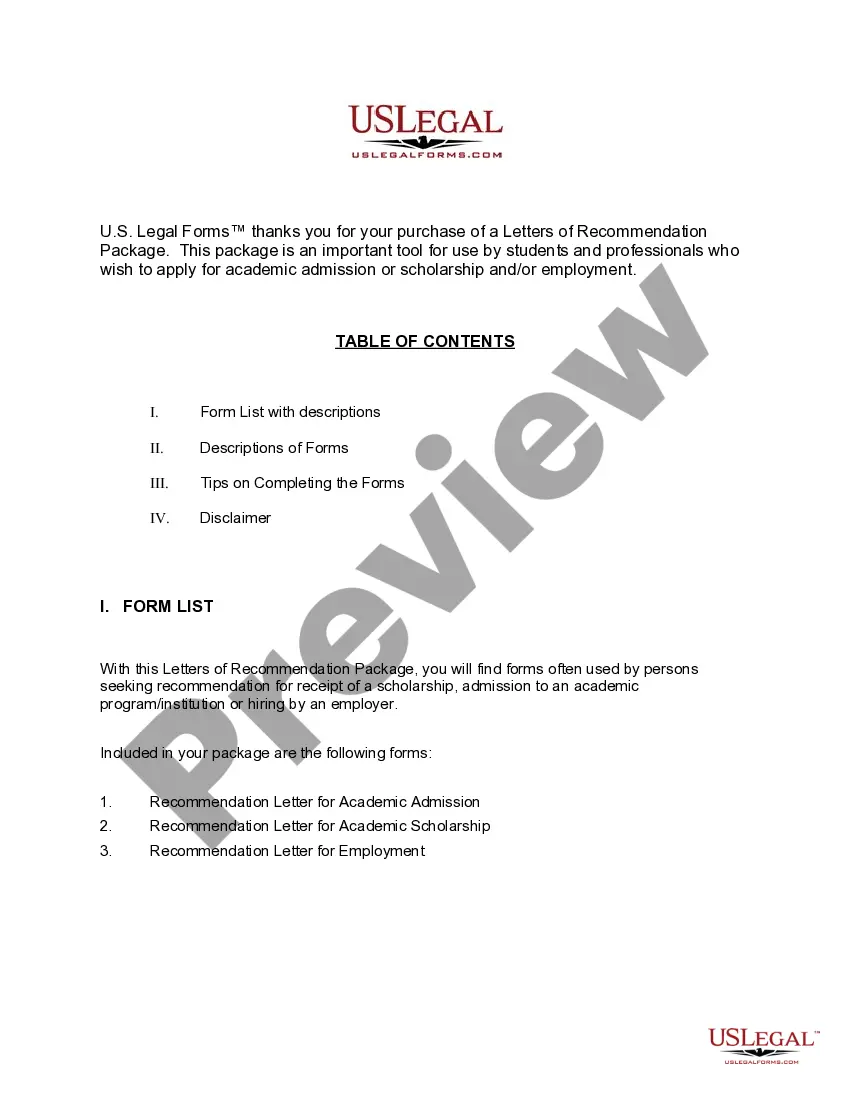
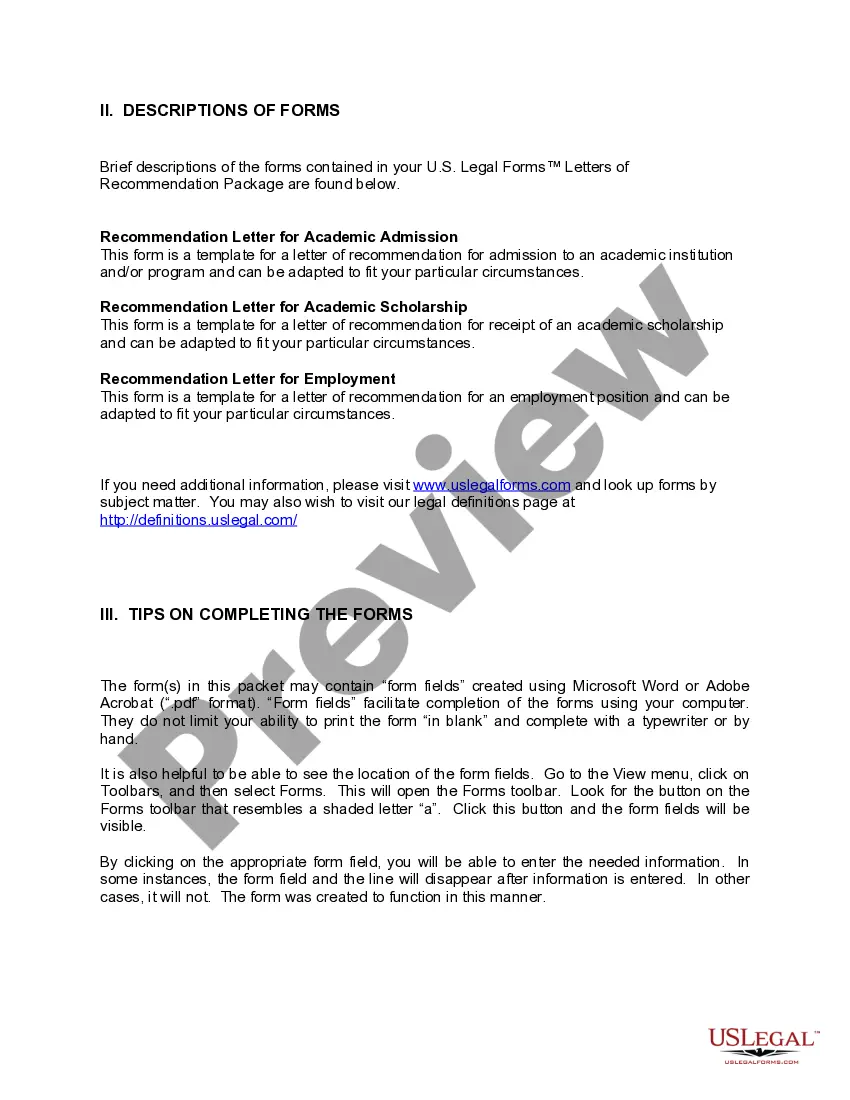
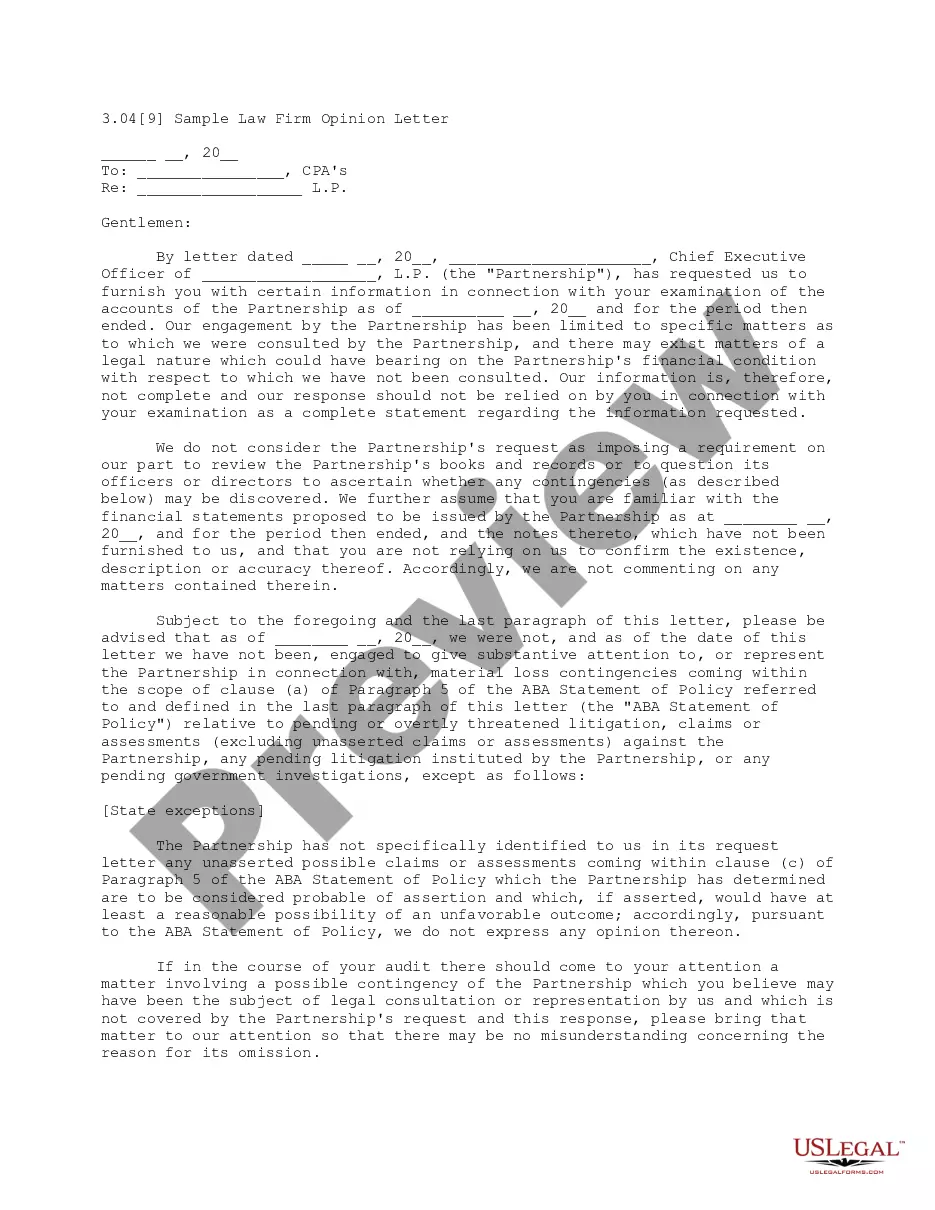
The Kansas Letters of Recommendation Package is a comprehensive set of templates designed for individuals seeking recommendations for academic admission, scholarships, or employment opportunities. Each letter is crafted to meet specific needs, making it easier for students and professionals to obtain endorsements tailored to their unique circumstances, setting this package apart from generic templates available elsewhere.
Forms provided in this package
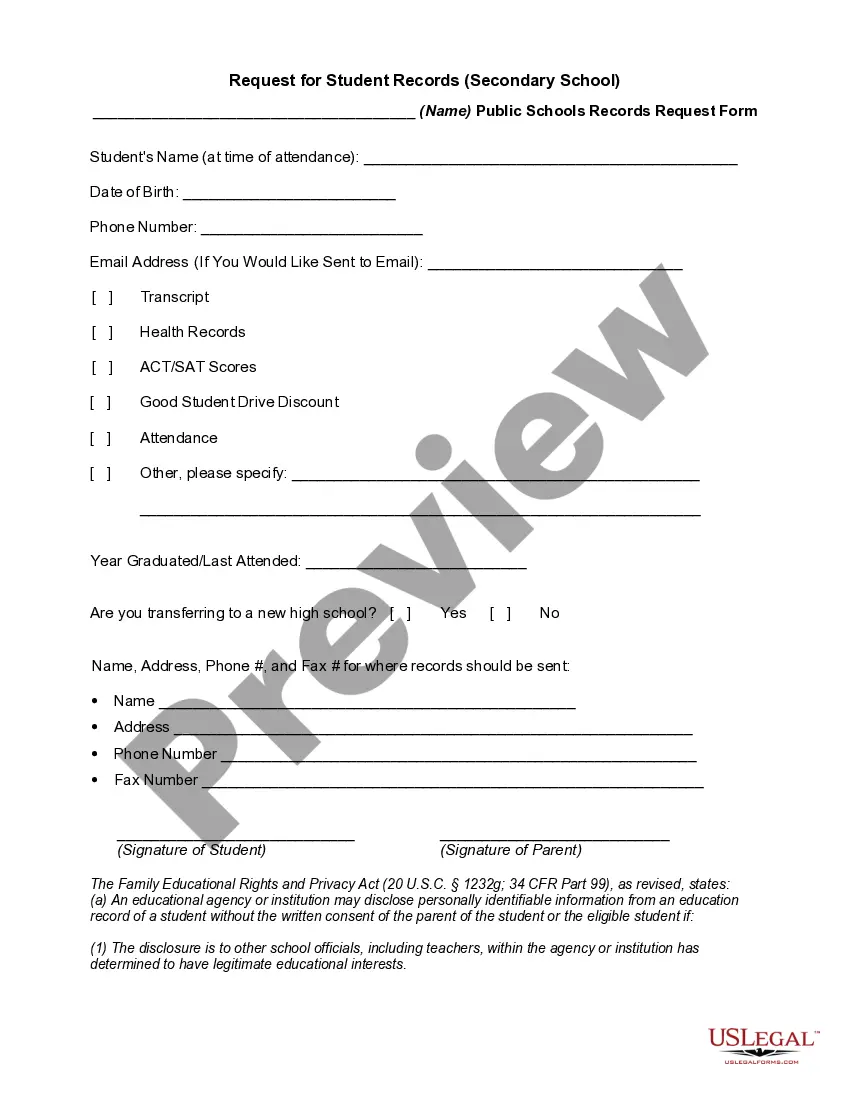
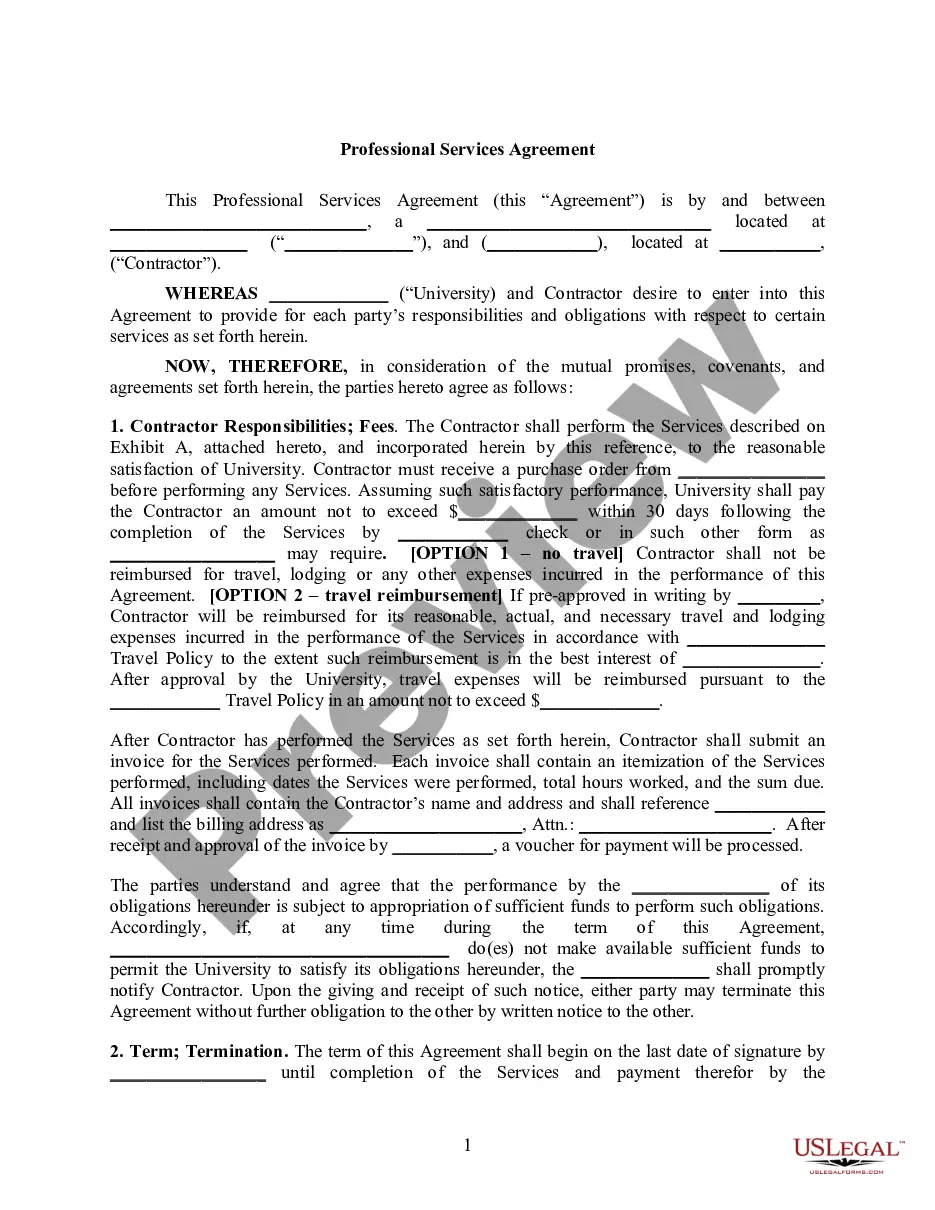
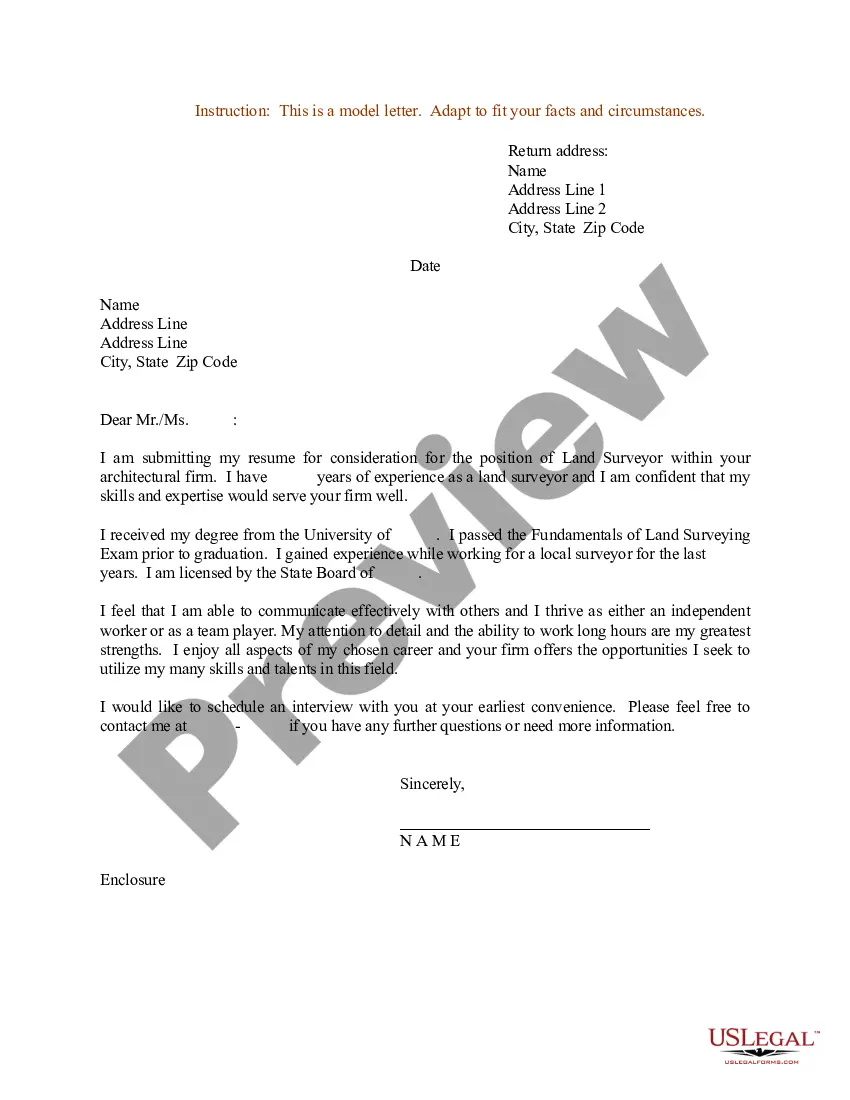
When to use this document
This package is ideal when you need to request or submit letters of recommendation for various purposes, such as:
- Applying for admission to an academic institution.
- Seeking financial aid through scholarships.
- Obtaining employment or internships.
Who should use this form package
- Students applying for colleges or universities.
- Individuals seeking scholarships or grants.
- Job seekers looking for professional work endorsements.
Steps to complete these forms
- Review the included forms to understand their purpose and content.
- Identify who will be writing the recommendation and provide their information.
- Fill in the necessary details, such as the applicant's achievements and qualities.
- Customize the letters for each specific application or job position.
- Proofread the completed letters for accuracy and completeness before submission.
Notarization details for included forms
Notarization is not commonly needed for forms in this package. However, if your state’s laws require it, our notarization service, powered by Notarize, allows you to finalize documents online 24/7 without in-person visits.
Get your form ready online
Our built-in tools help you complete, sign, share, and store your documents in one place.
Make edits, fill in missing information, and update formatting in US Legal Forms—just like you would in MS Word.
Download a copy, print it, send it by email, or mail it via USPS—whatever works best for your next step.
Sign and collect signatures with our SignNow integration. Send to multiple recipients, set reminders, and more. Go Premium to unlock E-Sign.
If this form requires notarization, complete it online through a secure video call—no need to meet a notary in person or wait for an appointment.
We protect your documents and personal data by following strict security and privacy standards.

Make edits, fill in missing information, and update formatting in US Legal Forms—just like you would in MS Word.

Download a copy, print it, send it by email, or mail it via USPS—whatever works best for your next step.

Sign and collect signatures with our SignNow integration. Send to multiple recipients, set reminders, and more. Go Premium to unlock E-Sign.

If this form requires notarization, complete it online through a secure video call—no need to meet a notary in person or wait for an appointment.

We protect your documents and personal data by following strict security and privacy standards.
Avoid these common issues
- Using generic language that does not reflect the specific qualities of the applicant.
- Failing to proofread for grammatical errors and typos.
- Not personalizing letters to match the specific institution or job description.
Benefits of completing this package online
- Convenient access to professionally drafted templates that save time.
- Editability allows you to customize letters to fit your needs easily.
- Reliable formats ensure that all necessary information is included.
Looking for another form?


Form popularity
FAQ
Your letter should highlight your most important personal and academic strengths, as well as support them with examples. Rather than repeating your resume, it should focus on just a few key aspects of who you are as a student and person.
This information is irrelevant to recommendation letters, and it is illegal for employers or administrators to consider it when making hiring or educational decisions.
From your recommendation letters, admissions officers can learn about your academic interests and motivations, your personal qualities, and your contribution to your school community. These features, added together, present a vision of your future role and accomplishments at college.
Keep It Short. Remind Them Who You Are. Make Your Request Assertive And Specific. Don't Assume Your Request Will Be Accepted. Use A Professional Subject Line. Use A Proper Salutation. Introduce Yourself And Refresh The Professor's Mind.
Think carefully about saying yes. Focus on the particular school. Collect information. Mention how you know the student. Include specific examples. Remain positive. Avoid cliches. Share your contact information.
Consider the Request Thoughtfully. Clarify the Purpose. Get the Details. Verify Relevant Skills. Cover Key Traits. Keep It Simple. Be Sincere and Truthful. Proofread Carefully.
Three strong letters are better than three strong ones and one lukewarm. Submitting more material doesn't mean that the admissions committee will spend more time with your application. A diluted application may make a weaker overall impression than a short, focused one.
A recommendation letter should include information on who you are, your connection with the person you are recommending, why they are qualified, and the specific skills they have. Specifics. Whenever possible, it's helpful to provide specific anecdotes and examples that illustrate your support.
Carefully choose your references. Choose your references based on those who know you best. Ask early. It is generally best to send your request for a recommendation at least 2 weeks before you will need it. Use a little flattery. Ask nicely. Provide all the necessary details. Give your reference a way out.