Client Oriented Development, Hosting and Services Agreement
What this document covers
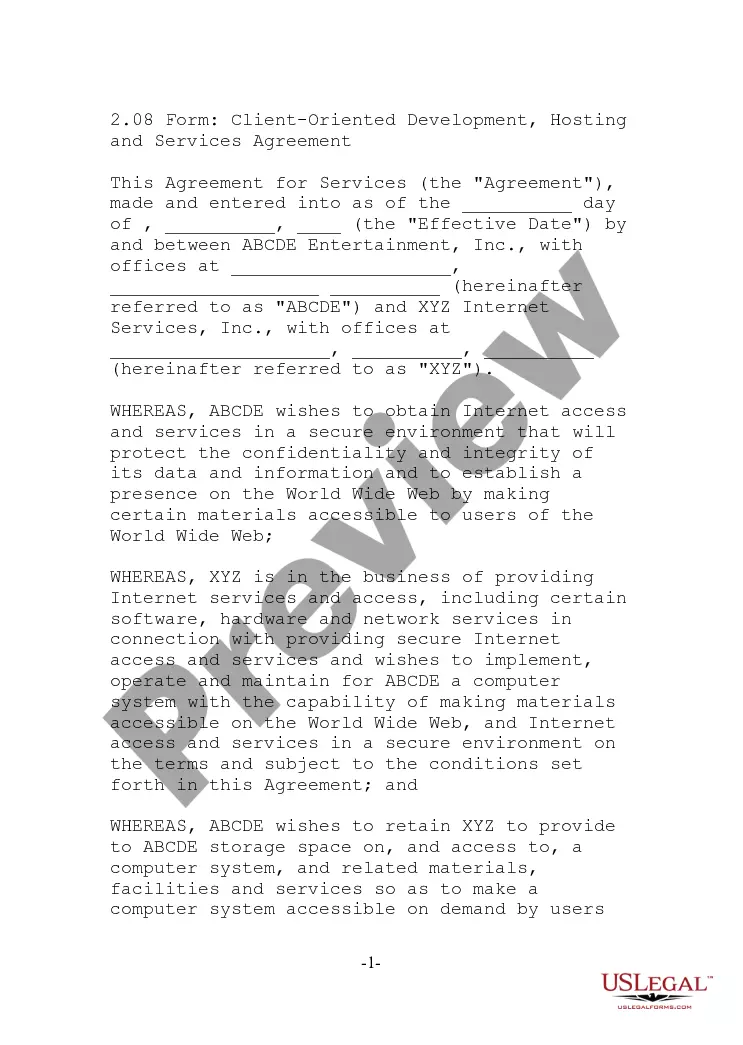
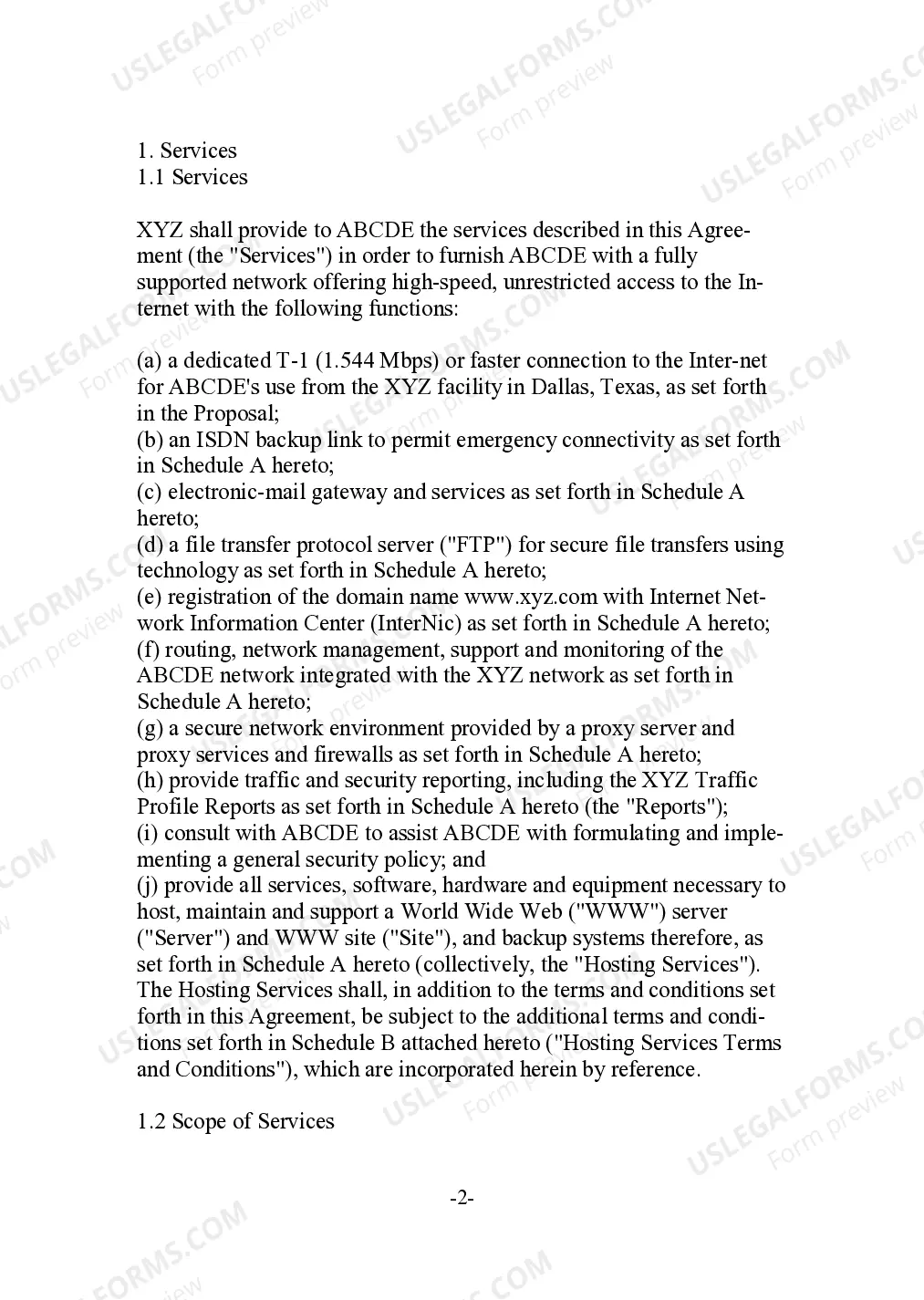
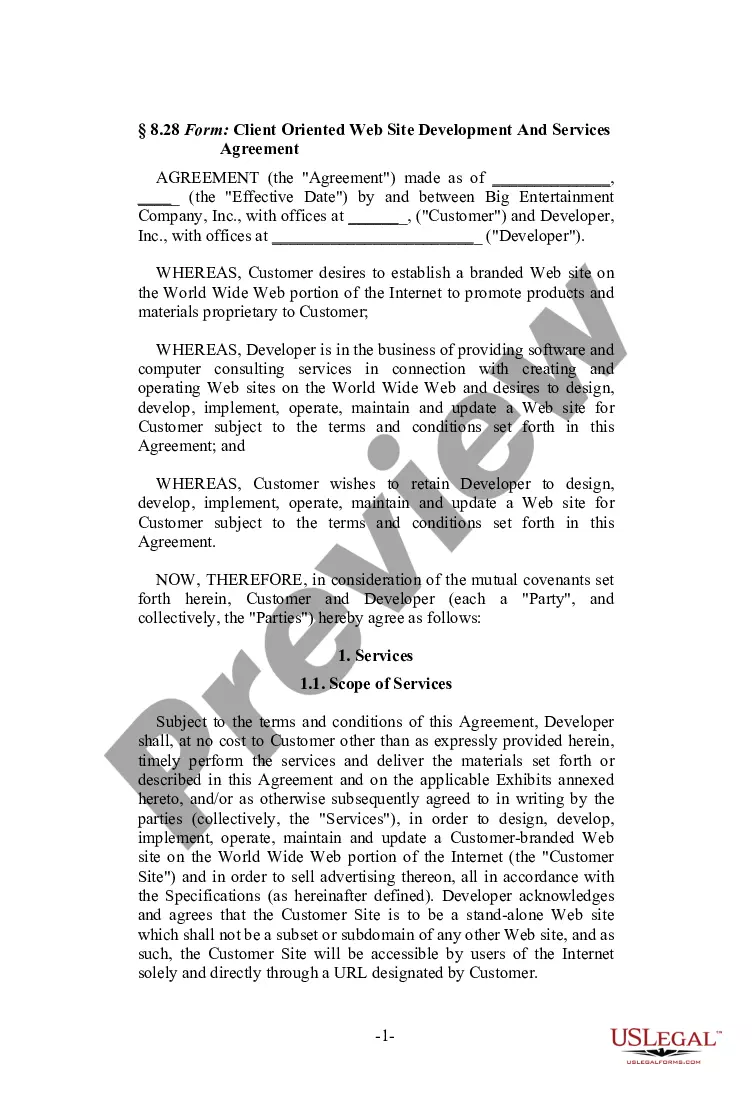
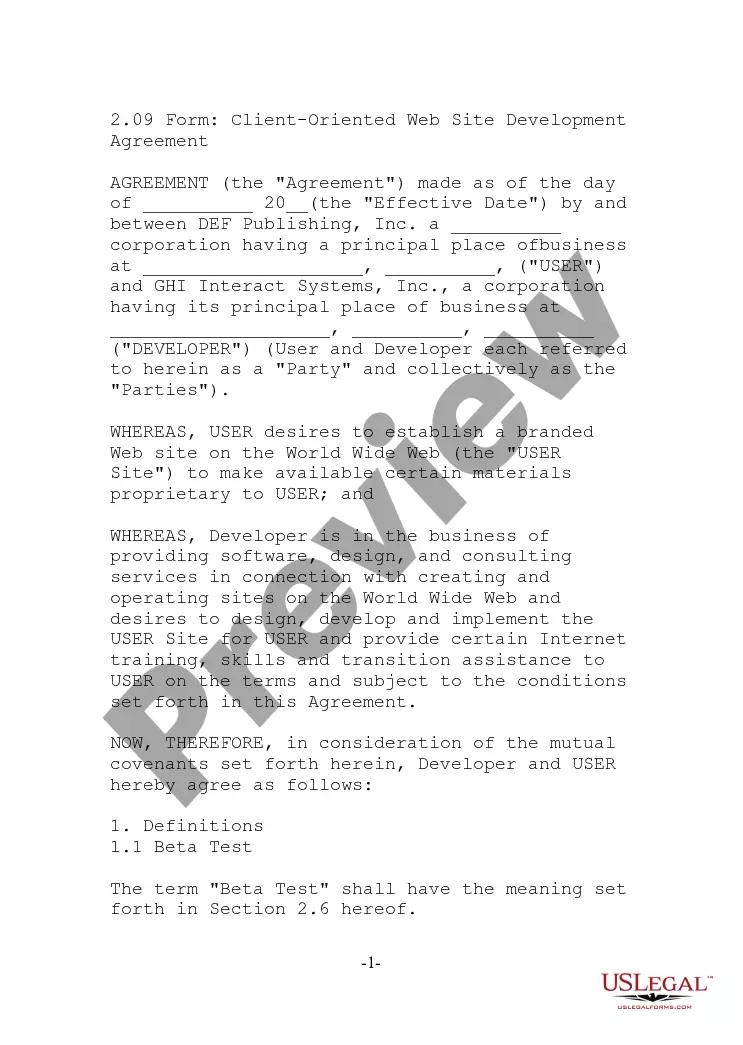
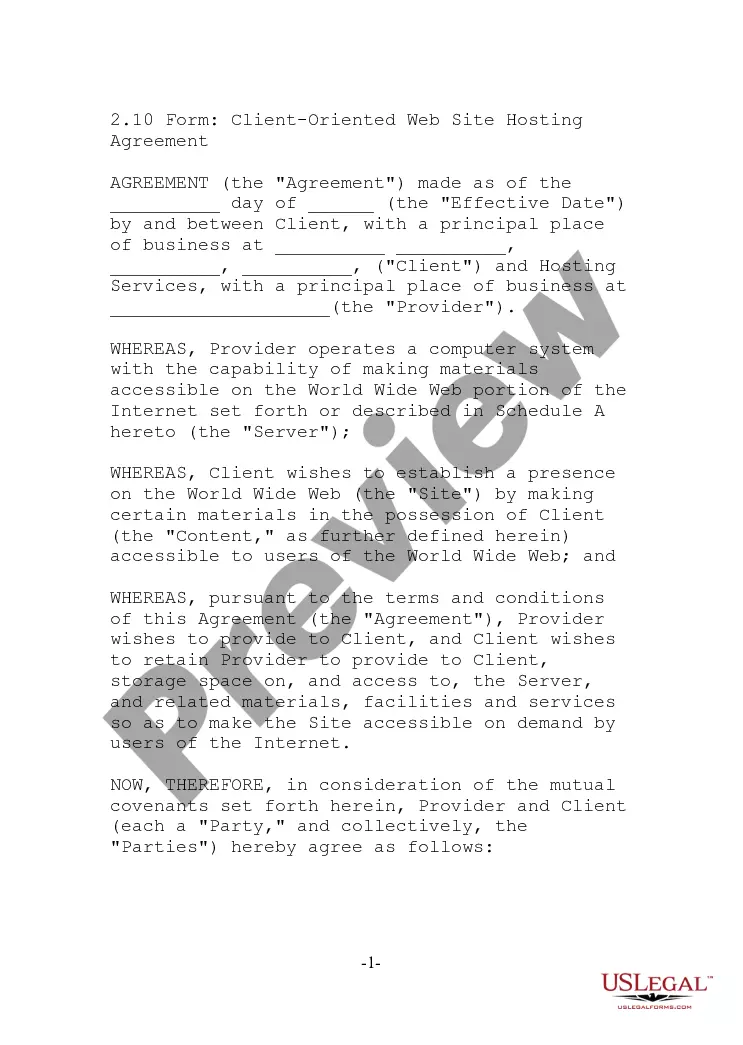
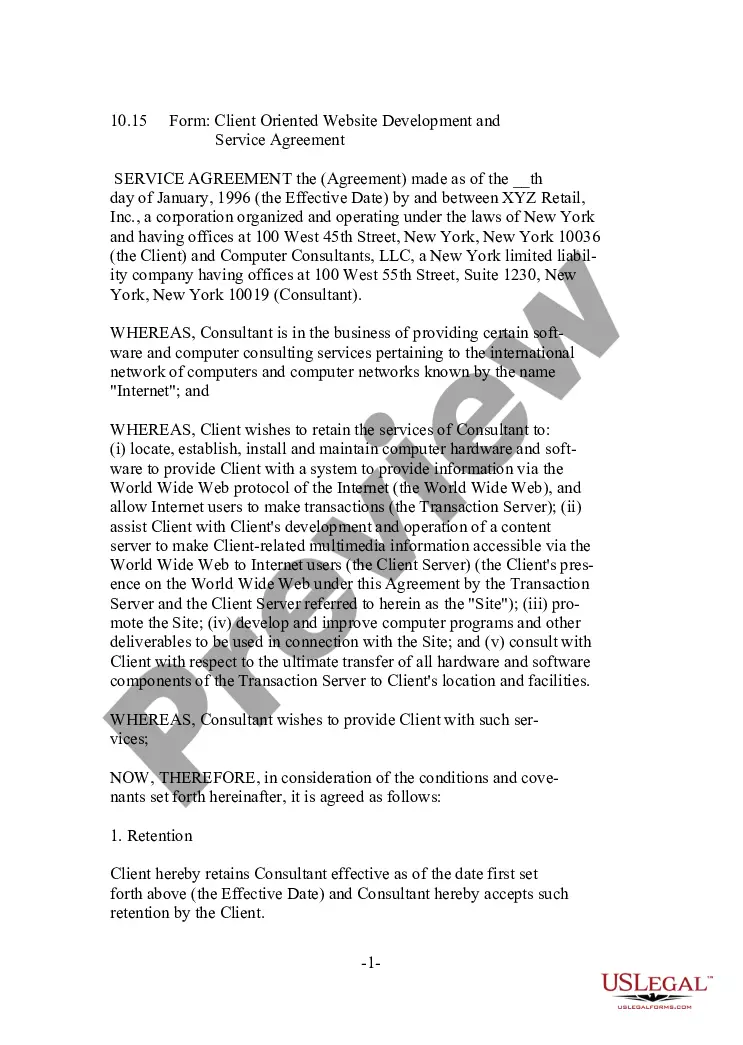
The Client Oriented Development, Hosting and Services Agreement is a legal document used to outline the terms under which one party (the client) secures internet services and support from another party (the service provider). This agreement is essential for establishing responsibilities, ensuring data security, and detailing the scope of services provided, which makes it different from general service agreements. It is specifically tailored for the internet industry, making it adaptable for various related fields.
Form components explained
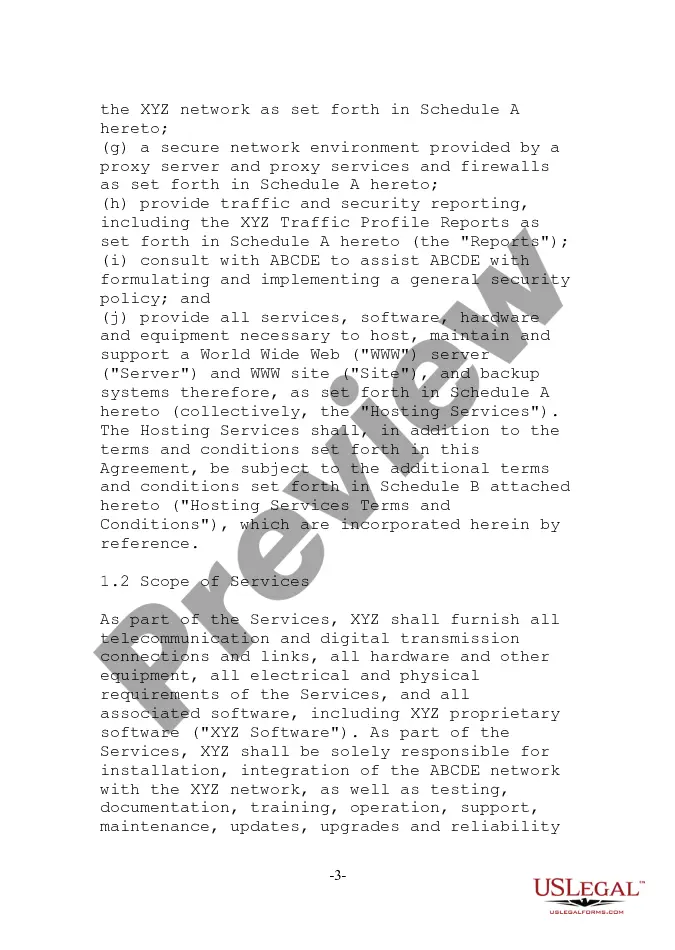
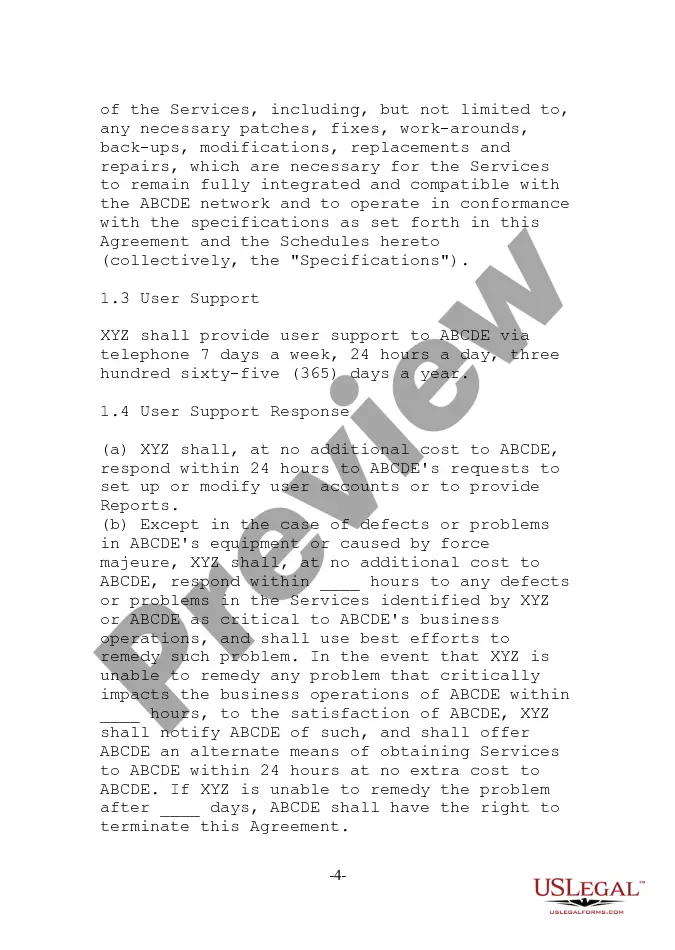
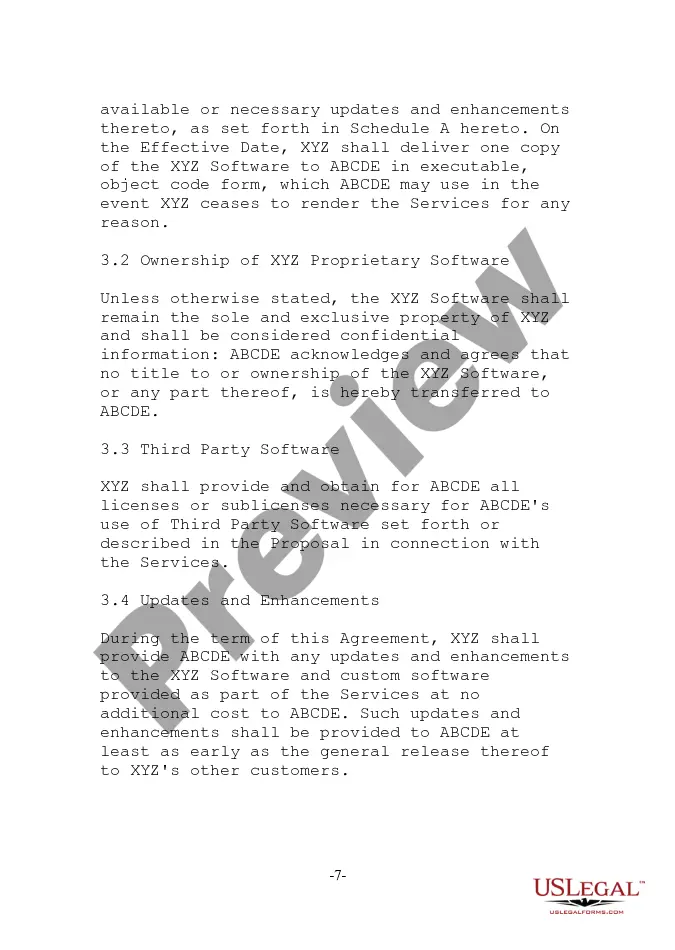
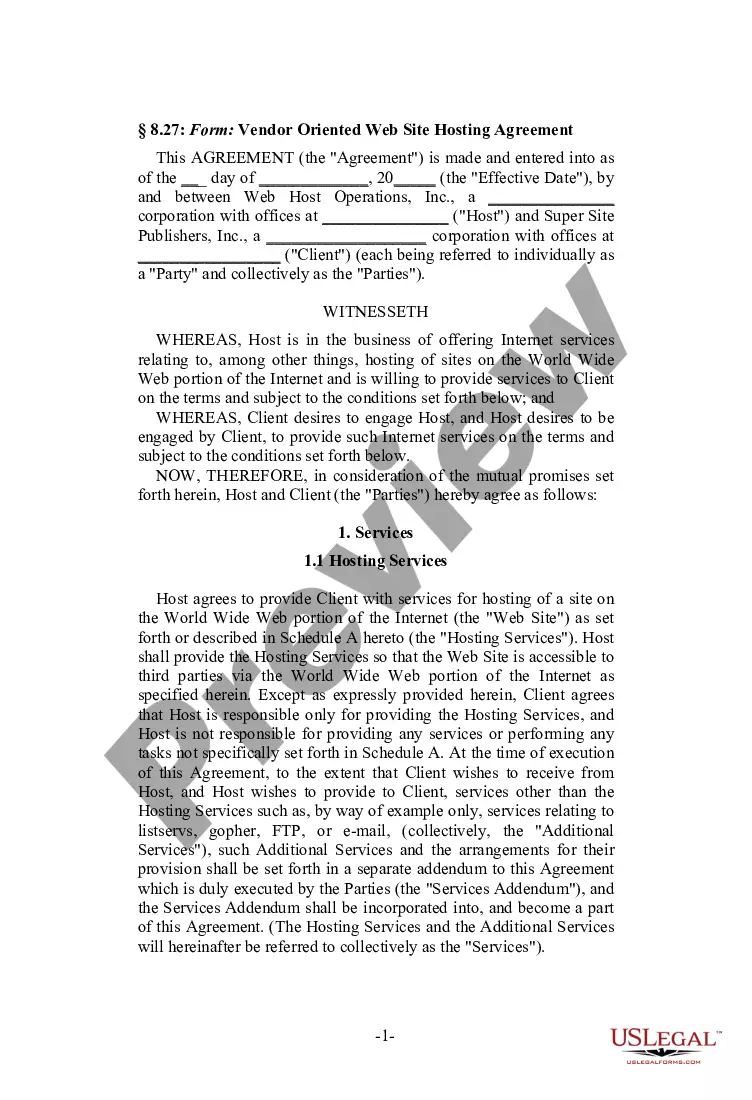
- Services: Describes the internet access and services to be provided, including hosting and support.
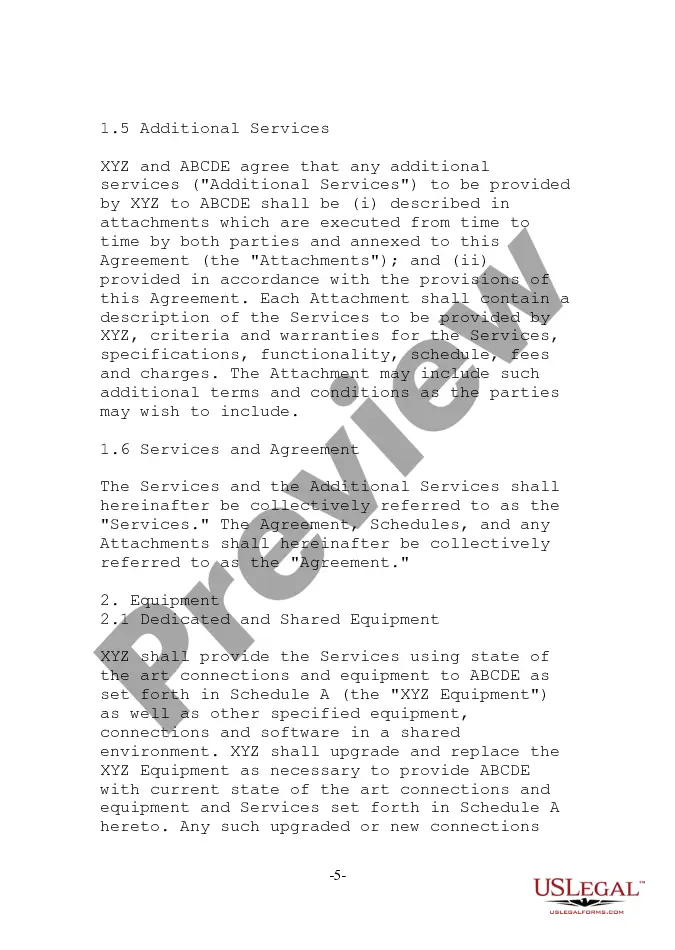
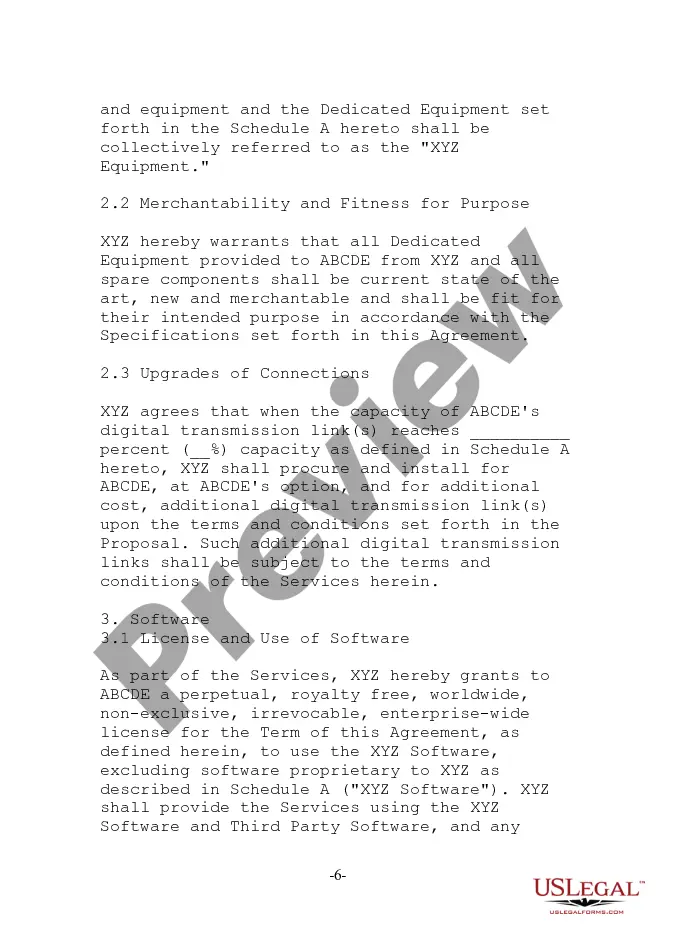
- Equipment: Details responsibilities related to the provision of hardware and connections for the services.
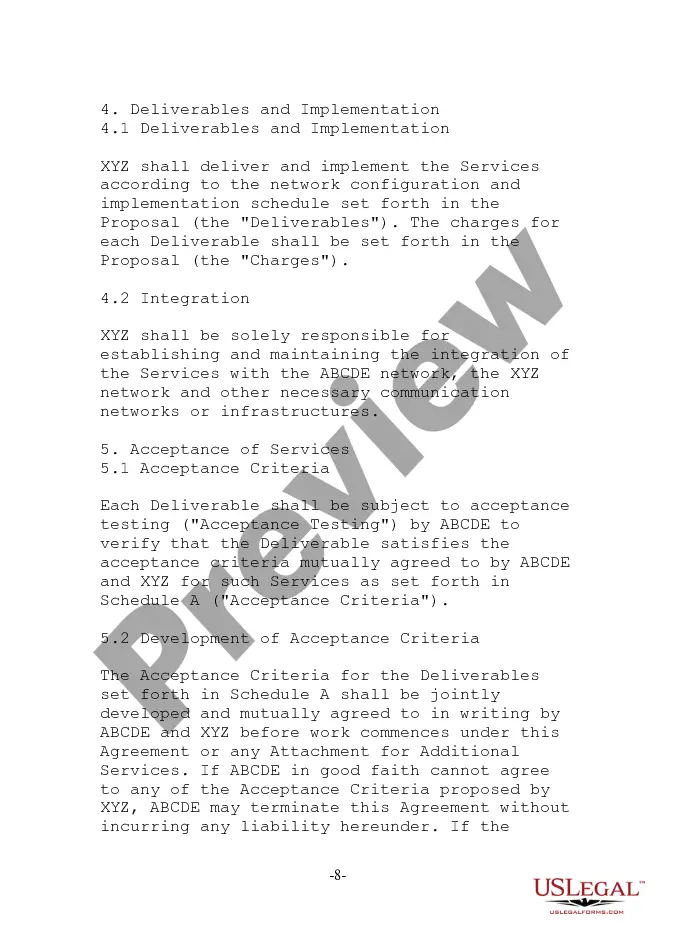
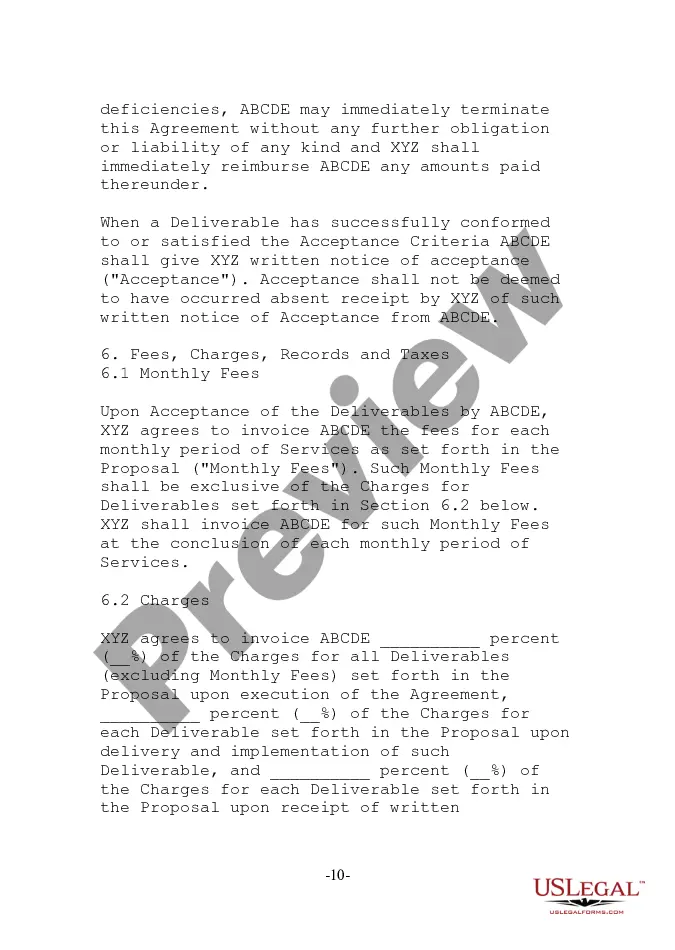
- Acceptance Criteria: Outlines the criteria for accepting the deliverables to ensure client satisfaction.
- Fees and Charges: Specifies the payment structure for monthly services and deliverables.
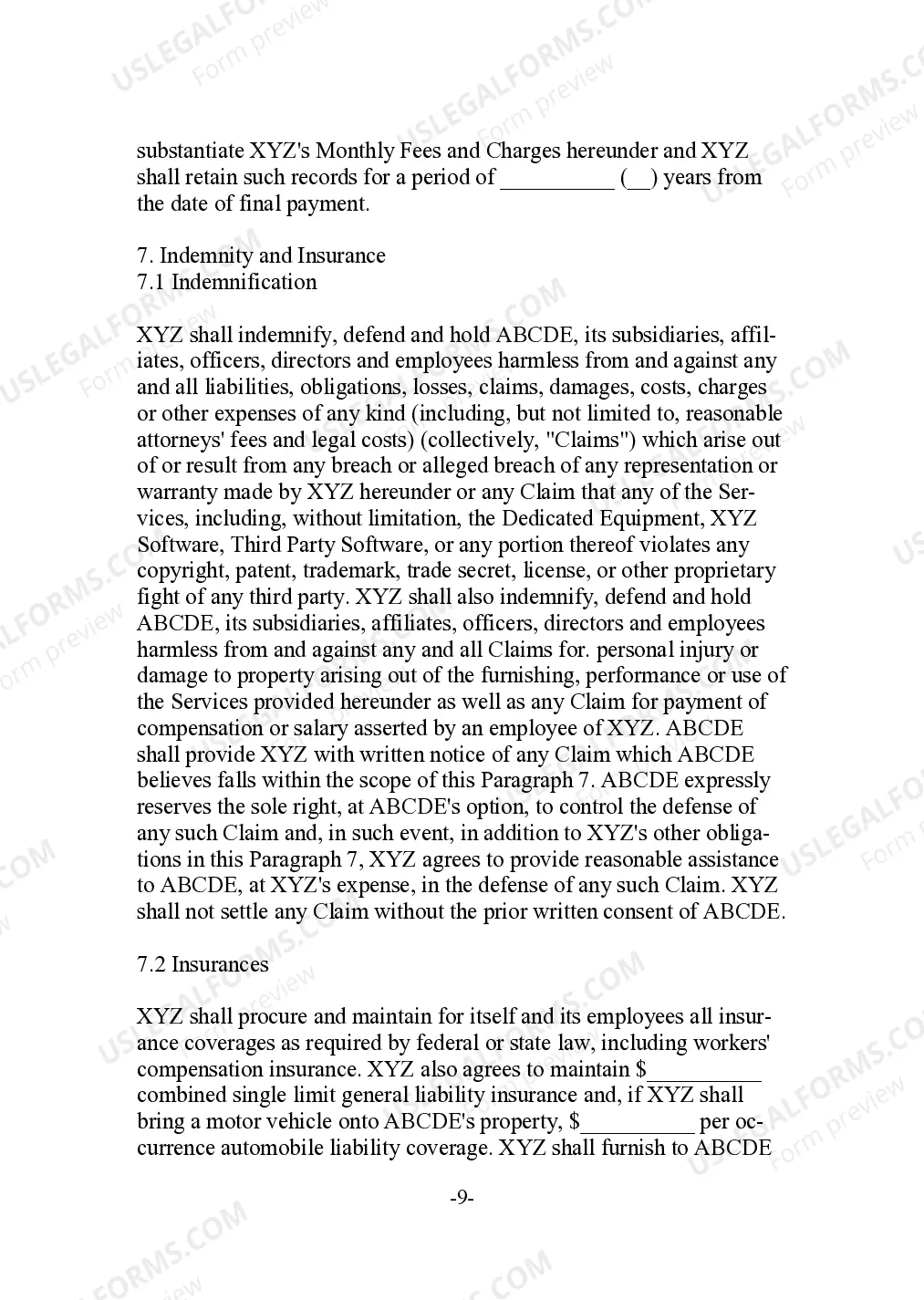
- Confidentiality: Establishes ownership of confidential information and obligations for protection.

When to use this document
This form should be used when entering into an agreement for hosting, development, or internet services. It is particularly beneficial when a business wishes to secure a reliable service provider for their online presence while ensuring that data privacy and service quality are maintained. Common scenarios include launching a new website, switching providers, or updating existing services.
Intended users of this form
- Businesses seeking internet services and hosting solutions.
- Independent contractors who provide development and hosting services.
- Organizations that require a structured agreement to outline service expectations and responsibilities.
How to prepare this document
- Identify the parties: Fill in the names and addresses of both the client (ABCDE) and the service provider (XYZ).
- Outline the services: Specify the internet services to be provided, as detailed in the agreement.
- Define fees and charges: Enter the payment structure for monthly services and any associated fees for deliverables.
- Establish timeline: Include the effective date and any key milestones or deadlines within the agreement.
- Obtain signatures: Ensure both parties sign the agreement to make it legally binding.
Does this document require notarization?
This form does not typically require notarization unless specified by local law. It is advisable to consult with a legal professional if concerned about specific requirements in your jurisdiction.
Get your form ready online
Our built-in tools help you complete, sign, share, and store your documents in one place.
Make edits, fill in missing information, and update formatting in US Legal Forms—just like you would in MS Word.
Download a copy, print it, send it by email, or mail it via USPS—whatever works best for your next step.
Sign and collect signatures with our SignNow integration. Send to multiple recipients, set reminders, and more. Go Premium to unlock E-Sign.
If this form requires notarization, complete it online through a secure video call—no need to meet a notary in person or wait for an appointment.
We protect your documents and personal data by following strict security and privacy standards.

Make edits, fill in missing information, and update formatting in US Legal Forms—just like you would in MS Word.

Download a copy, print it, send it by email, or mail it via USPS—whatever works best for your next step.

Sign and collect signatures with our SignNow integration. Send to multiple recipients, set reminders, and more. Go Premium to unlock E-Sign.

If this form requires notarization, complete it online through a secure video call—no need to meet a notary in person or wait for an appointment.

We protect your documents and personal data by following strict security and privacy standards.
Common mistakes to avoid
- Failing to specify clear deadlines for services and deliverables.
- Not detailing acceptance criteria, leading to disputes over service quality.
- Neglecting to review state-specific laws that may impact the agreement.
Advantages of online completion
- Convenience: Easily access and download the form at any time.
- Editability: Tailor the agreement to meet specific needs without complex legal processes.
- Reliability: Use professionally drafted templates, ensuring legal accuracy and comprehensiveness.
- This agreement is legally binding once both parties have signed it.
- It protects both parties by clearly outlining responsibilities, services, and fees.
- Failure to adhere to the terms may lead to legal disputes or termination of services.
Main things to remember
- The Client Oriented Development, Hosting and Services Agreement is crucial for clearly defining the relationship between clients and service providers in the internet sector.
- Key sections include service provision, payment, confidentiality, and termination clauses.
- Understanding and accurately completing the agreement helps prevent disputes and builds a solid foundation for the service relationship.
Looking for another form?
Form popularity
FAQ
Client contracts are an important part of setting expectations with your client, outlining project details, and ensuring you're paid for your work. And now that you know how to create (and enforce) contracts, you're armed with the information you need to protect your business rights.
Get it in writing. Keep it simple. Deal with the right person. Identify each party correctly. Spell out all of the details. Specify payment obligations. Agree on circumstances that terminate the contract. Agree on a way to resolve disputes.
Definition. An agreement between private parties creating mutual obligations enforceable by law. The basic elements required for the agreement to be a legally enforceable contract are: mutual assent, expressed by a valid offer and acceptance; adequate consideration; capacity; and legality.
A business contract is a legal agreement between a buyer and seller of goods or services.Business contracts should include all details about the exchange, including payment, the type of goods or services, and the responsibilities of each party.
The definition of a business contract is a legally binding agreement between two parties regarding the buying and selling of goods or services.
However, most business contracts fall into one of three categories: general business contracts, sales-related contracts, and employment contracts.
Fixed price contracts. With a fixed price contract the buyer (that's you) doesn't take on much risk. Cost-reimbursable contracts. With a cost-reimbursable contract you pay the vendor for the actual cost of the work. Time and materials contracts.
Partnership agreement. Indemnity agreement. Nondisclosure agreement. Property and equipment lease.