Charitable Remainder Unitrust Living Purchase For The Future
Description
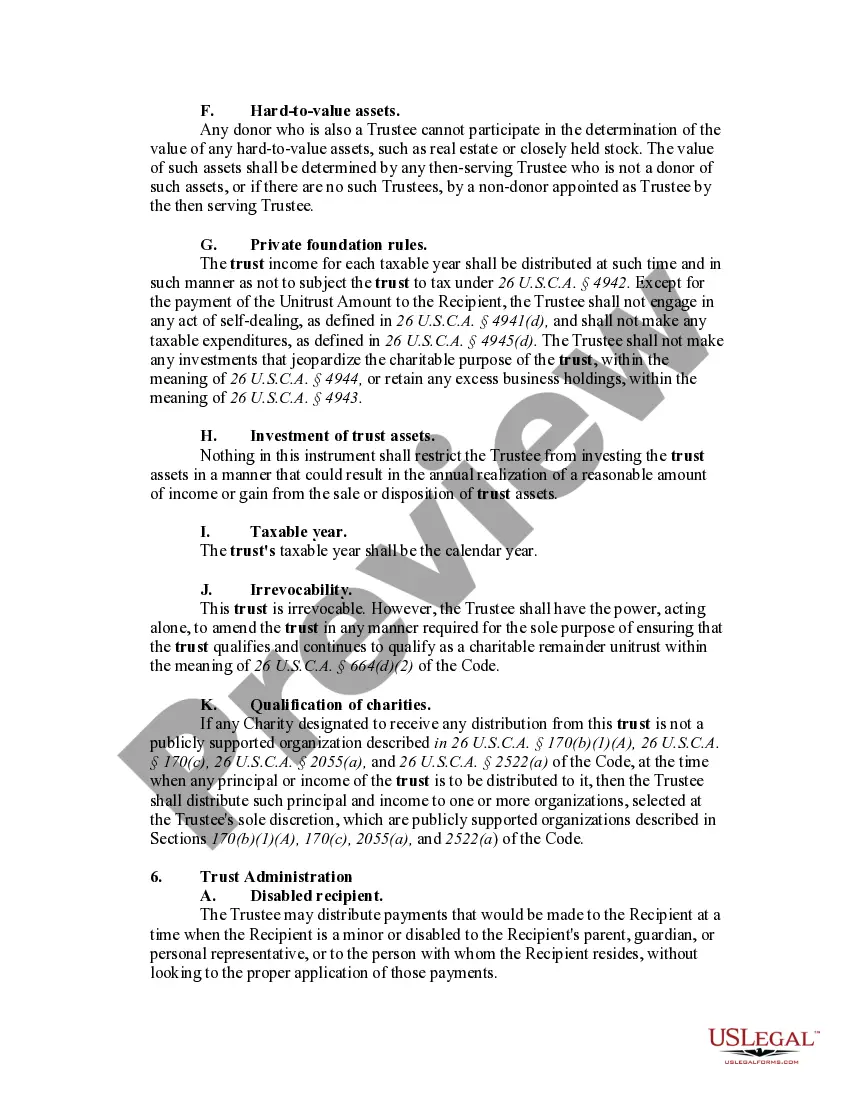
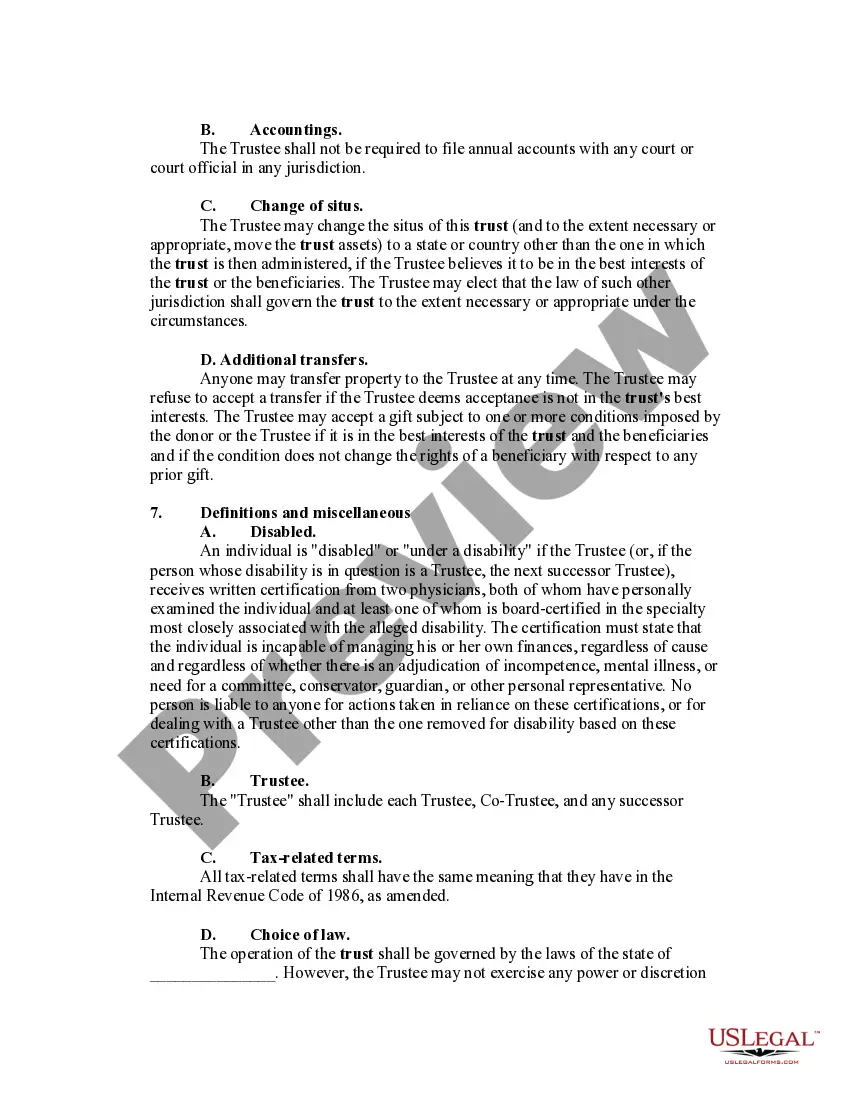
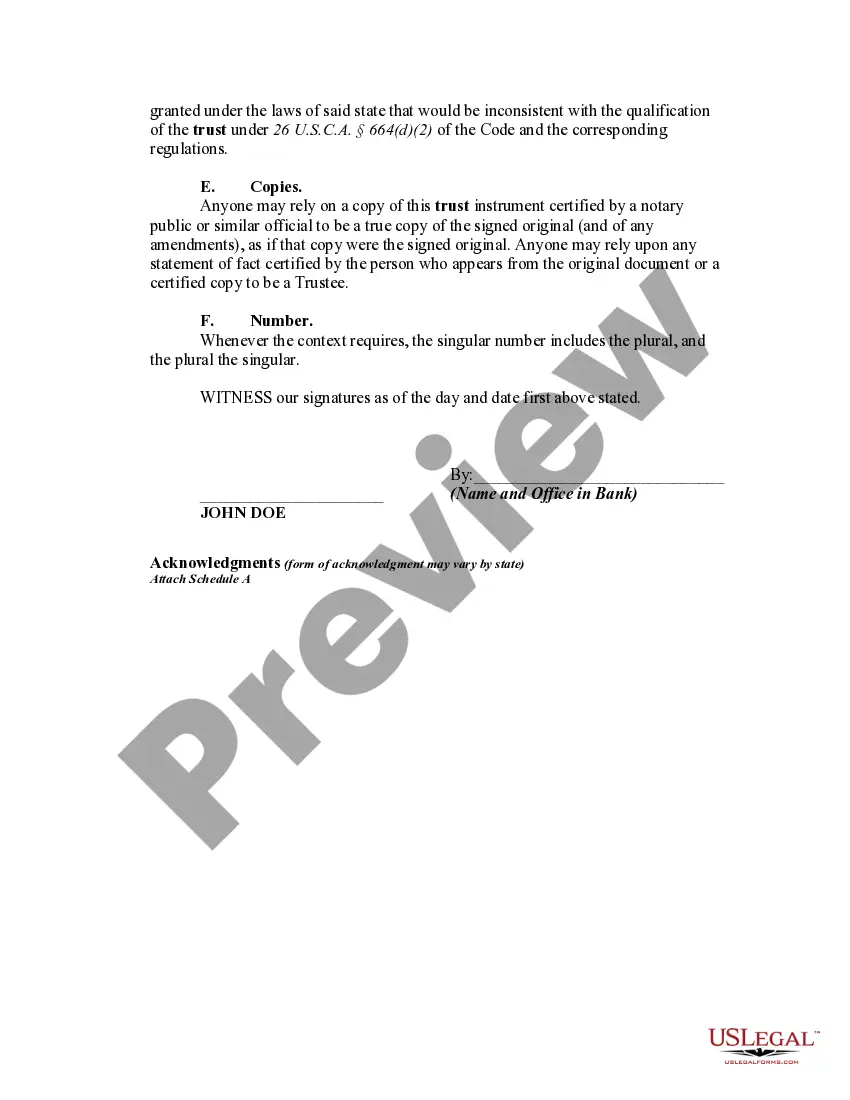
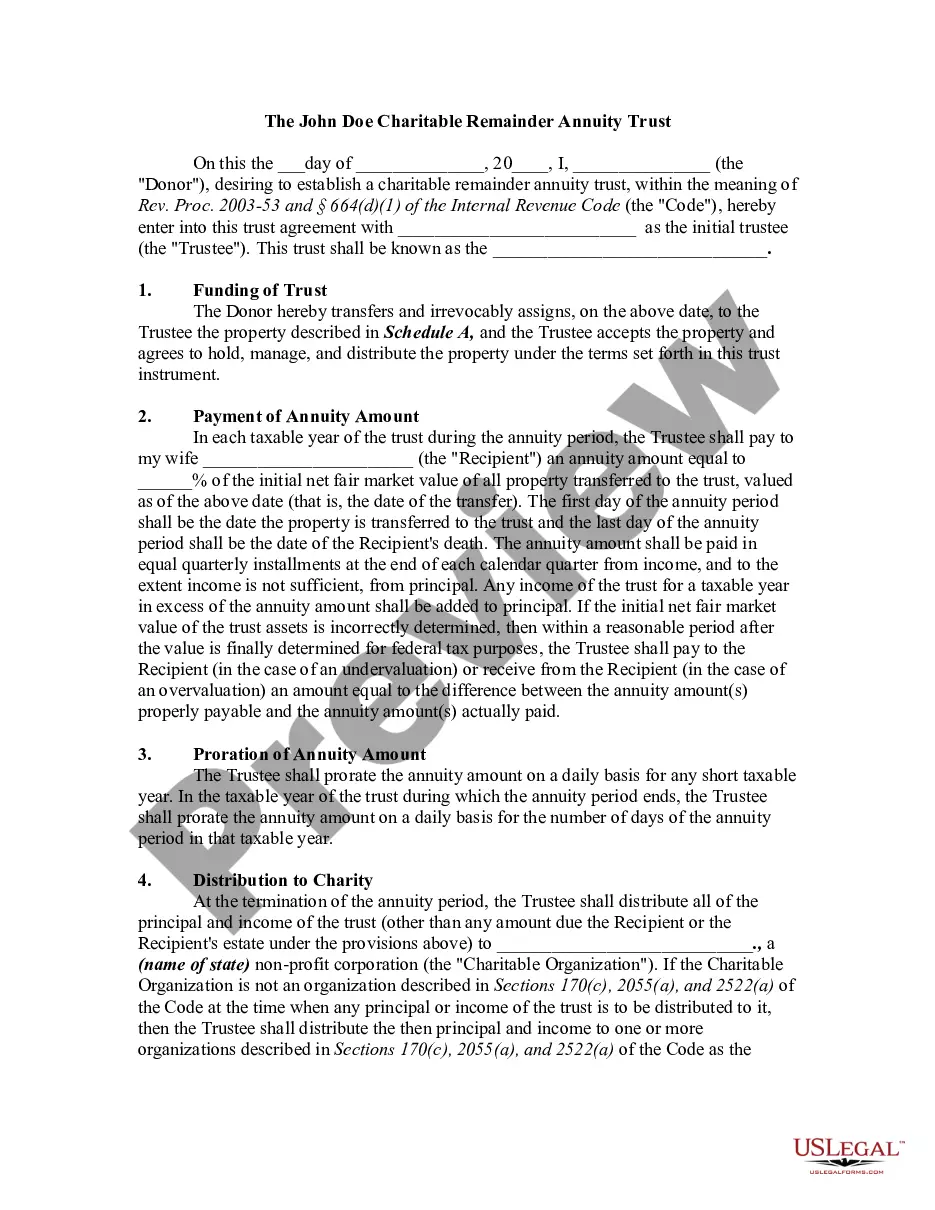
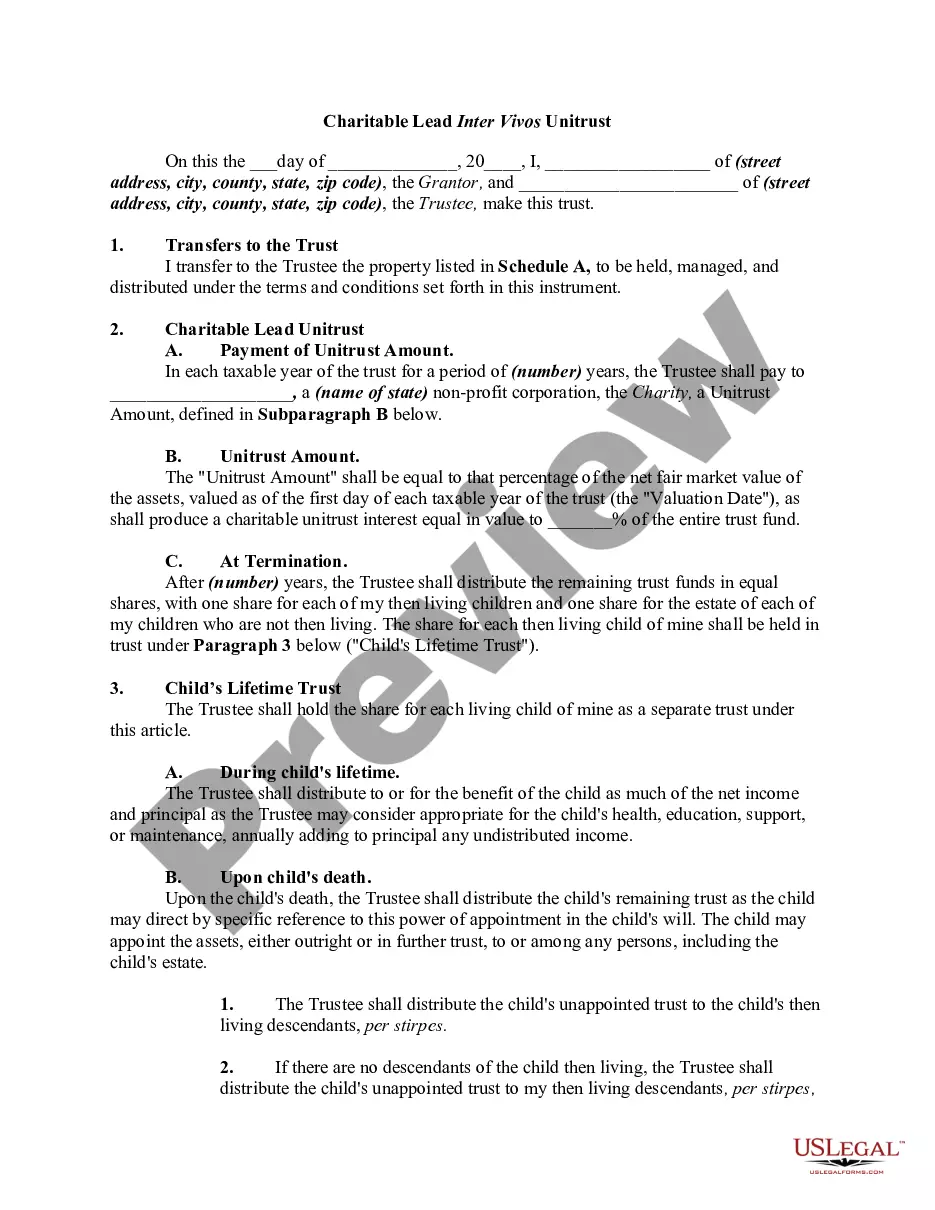
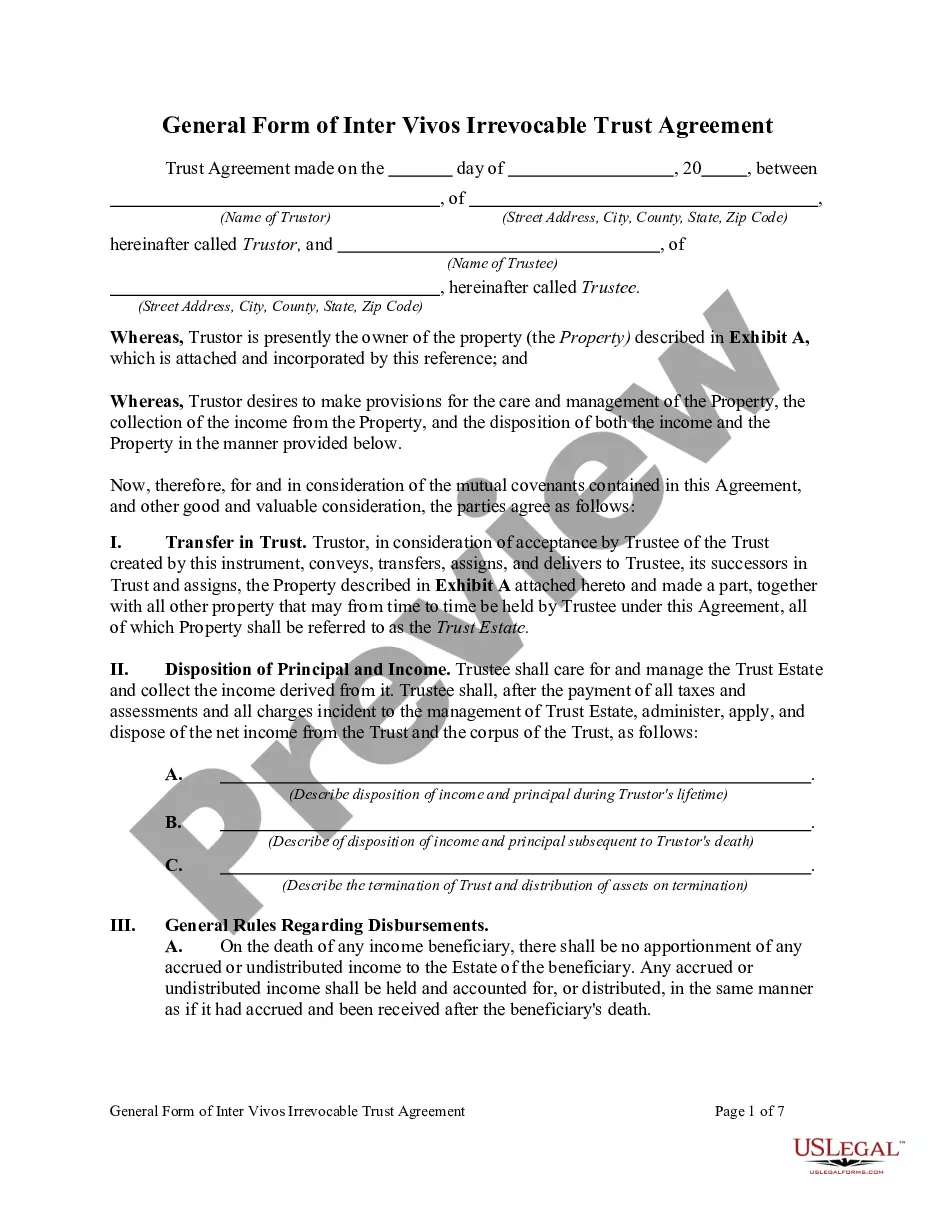
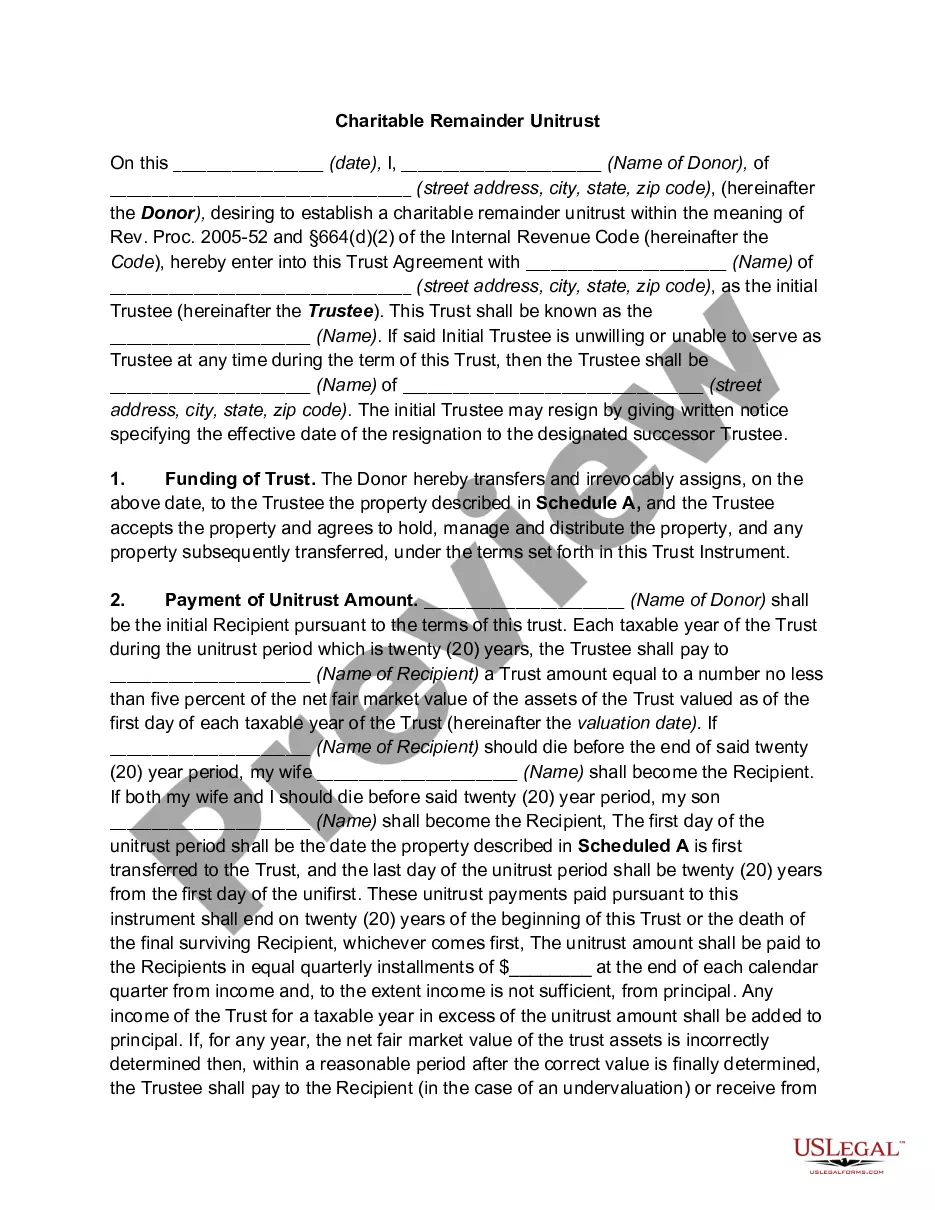
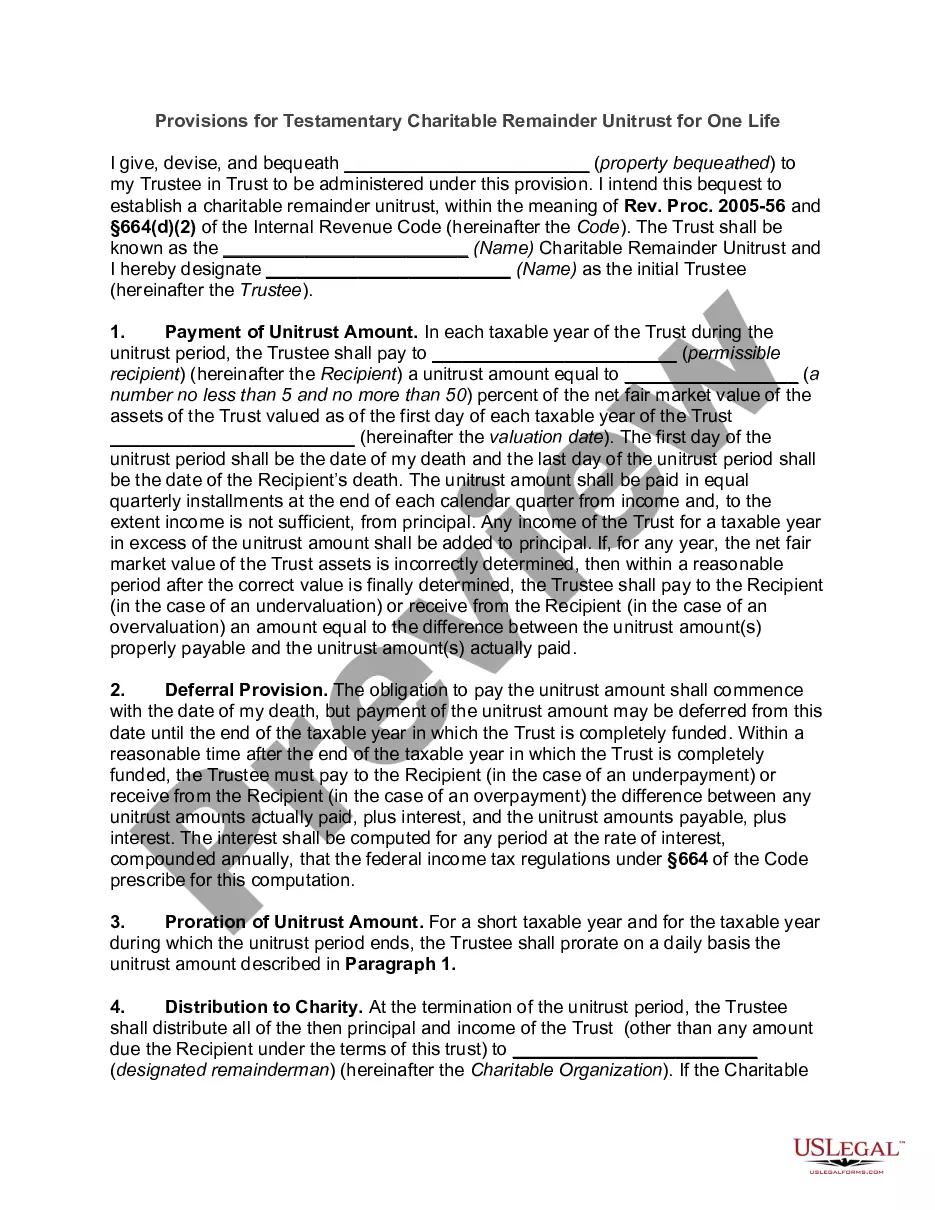
Get your form ready online
Our built-in tools help you complete, sign, share, and store your documents in one place.
Make edits, fill in missing information, and update formatting in US Legal Forms—just like you would in MS Word.
Download a copy, print it, send it by email, or mail it via USPS—whatever works best for your next step.
Sign and collect signatures with our SignNow integration. Send to multiple recipients, set reminders, and more. Go Premium to unlock E-Sign.
If this form requires notarization, complete it online through a secure video call—no need to meet a notary in person or wait for an appointment.
We protect your documents and personal data by following strict security and privacy standards.

Make edits, fill in missing information, and update formatting in US Legal Forms—just like you would in MS Word.

Download a copy, print it, send it by email, or mail it via USPS—whatever works best for your next step.

Sign and collect signatures with our SignNow integration. Send to multiple recipients, set reminders, and more. Go Premium to unlock E-Sign.

If this form requires notarization, complete it online through a secure video call—no need to meet a notary in person or wait for an appointment.

We protect your documents and personal data by following strict security and privacy standards.
Looking for another form?






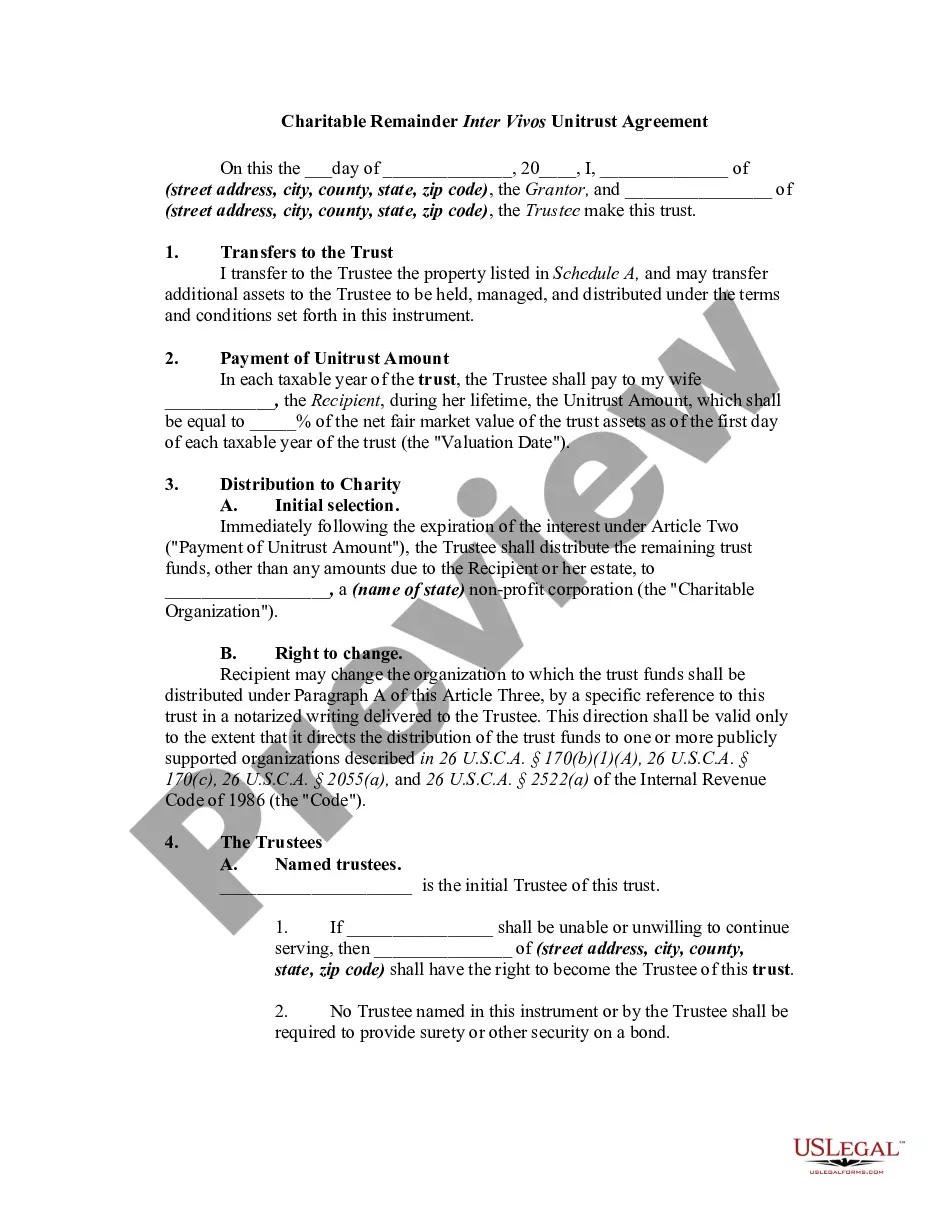
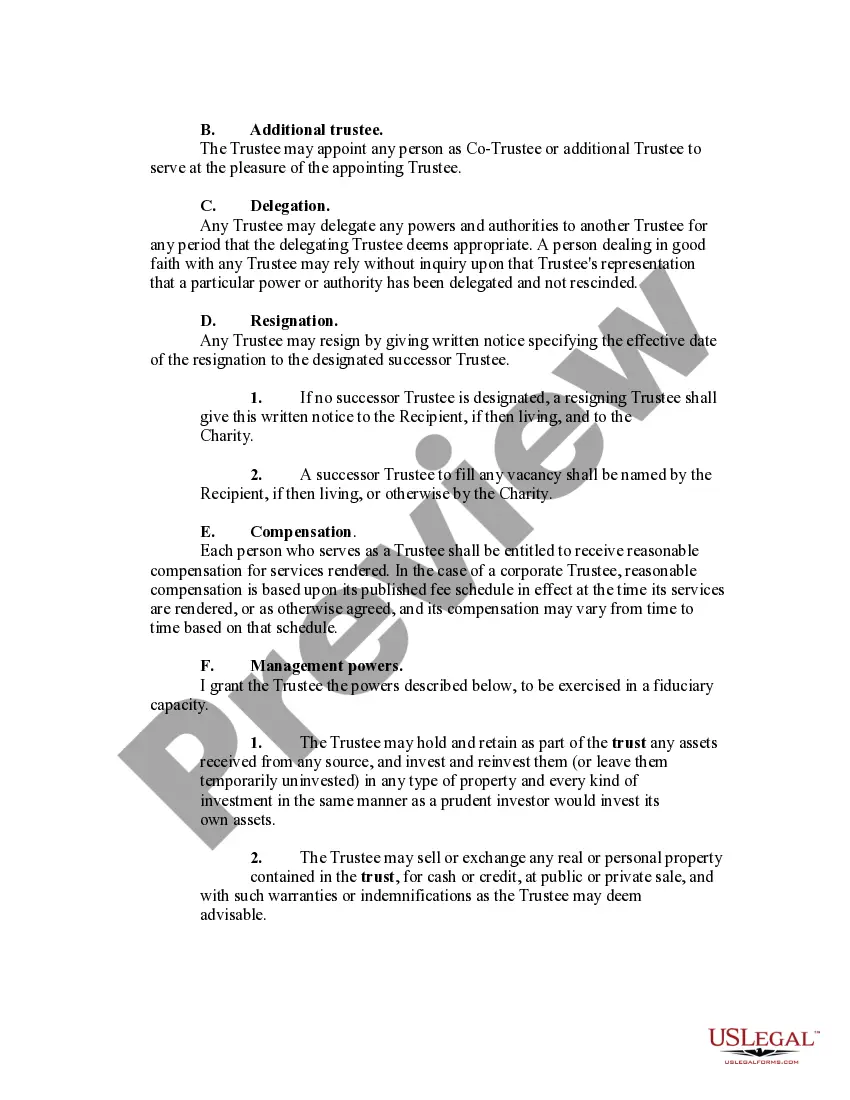
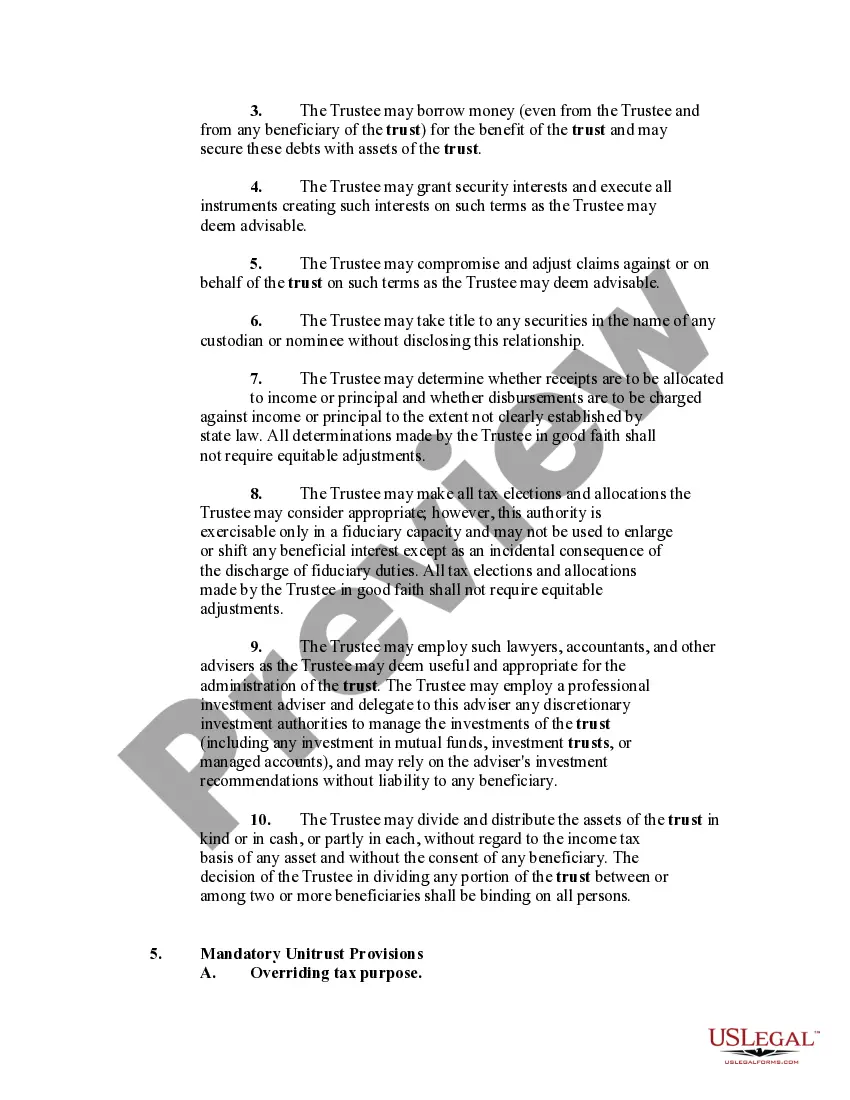
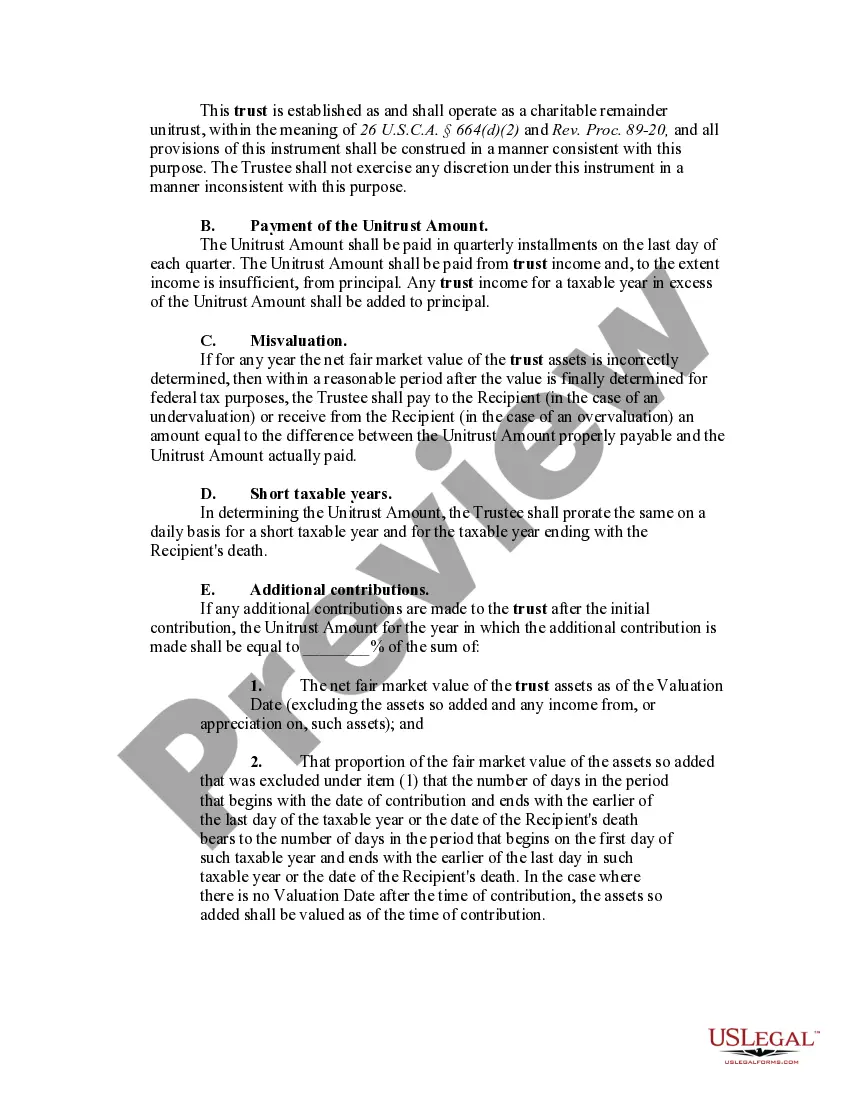
How to fill out Charitable Remainder Inter Vivos Unitrust Agreement?
- If you are a returning user, log in to your account and download the necessary CRUT form template by clicking the Download button. Ensure your subscription is current; if not, update it as per your payment plan.
- For first-time users, begin by checking the Preview mode and form description to ensure you've selected a document that aligns with your needs and local jurisdiction requirements.
- If the selected form does not meet your requirements, use the Search tab to find a more suitable option. Once you find the correct form, proceed to the next step.
- Click the Buy Now button to purchase the document and choose your preferred subscription plan. You will need to create an account to access the extensive library of forms.
- Complete your purchase by entering your credit card details or opting for PayPal to finalize your subscription payment.
- Download the finished document and save it on your device. You can also access it anytime through the My Forms section in your profile.
US Legal Forms is dedicated to empowering individuals and attorneys through a streamlined library that simplifies legal processes.
With a vast collection of over 85,000 forms and expert assistance available, they ensure that your documents are precise and legally sound. Start your journey towards a charitable remainder unitrust living purchase for the future today!
Form popularity
FAQ
You can generate Form 5227 for a charitable trust by accessing reliable legal document platforms like uslegalforms. These platforms provide templates and guidance to complete the form accurately. Start by gathering the necessary financial information about the trust and its beneficiaries. Once you fill out the form, ensure that all details are correct before submitting it to the IRS.
Currently, Form 5227 cannot be filed electronically; it needs to be submitted in paper form. However, you can prepare the documents using online resources to make the process smoother. Once you complete the form, you can mail it to the IRS. Utilizing the tools on the uslegalforms platform can help you prepare Form 5227 correctly before mailing.
Charitable remainder unitrusts, including those aimed at living purchases for the future, must adhere to specific rules set by the IRS. These rules ensure that a portion of the trust's income goes to beneficiaries while the remainder supports charitable organizations. Additionally, the trust must include a qualified charity as a beneficiary. Compliance with these rules allows for favorable tax treatment while fulfilling charitable intentions.
The primary IRS form for a charitable trust is Form 5227. This form is specifically designed for charitable remainder trusts, including charitable remainder unitrusts, and helps report income, deductions, and distributions. Completing this form correctly is vital for the trust's compliance with tax regulations. Utilizing uslegalforms can simplify the process of obtaining and completing this form.
A charitable remainder unitrust is frequently used for making significant charitable gifts while providing financial benefits to the donor. This kind of trust allows individuals to receive a steady income stream during their lifetime or for a specified term. By integrating a charitable remainder unitrust into your financial planning, you can create a lasting impact on your chosen charities, all while securing a potential tax benefit and ensuring a charitable remainder is preserved for the future.
Yes, a charitable remainder trust (CRT) must file an annual tax return, reporting its income and distributions. This requirement allows the IRS to track the income generated by the trust, ensuring it operates within the legal framework. Working with a qualified tax professional can simplify this process and help maintain compliance.
The 10 percent rule for a charitable remainder unitrust states that the present value of the remainder interest must be at least 10 percent of the trust's total value. This rule ensures that a significant portion of the trust goes to charity. Understanding this rule is crucial for compliance and tax benefits associated with the trust. Resources from US Legal Forms can provide valuable insights into this regulation.
Yes, you can manage your own charitable remainder trust. This option offers you control over the assets and decisions within the trust. However, keep in mind that managing a trust requires expertise in taxation and investments. Using a platform like US Legal Forms can help you understand management obligations and responsibilities.