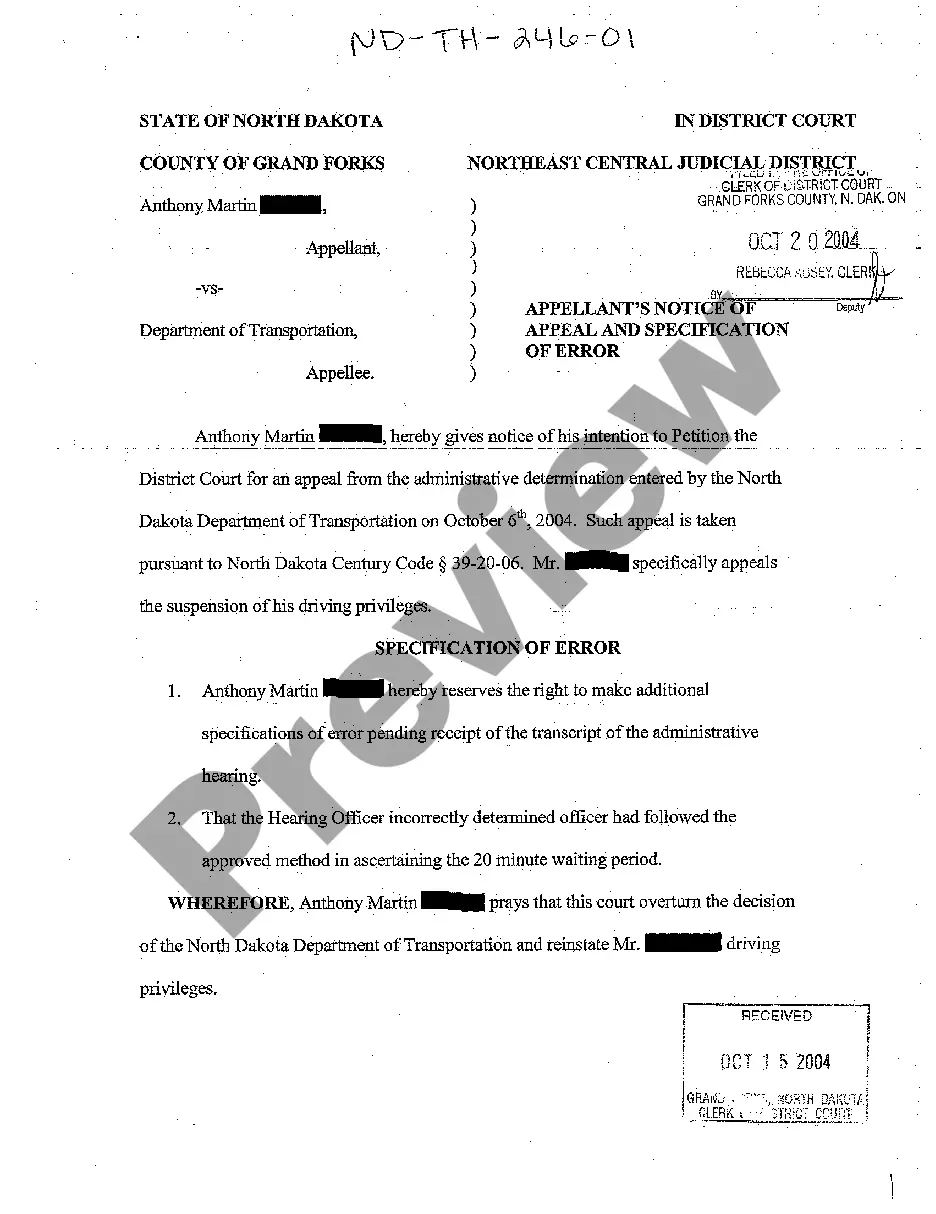
General Security Agreement granting secured party secured interest
What this document covers
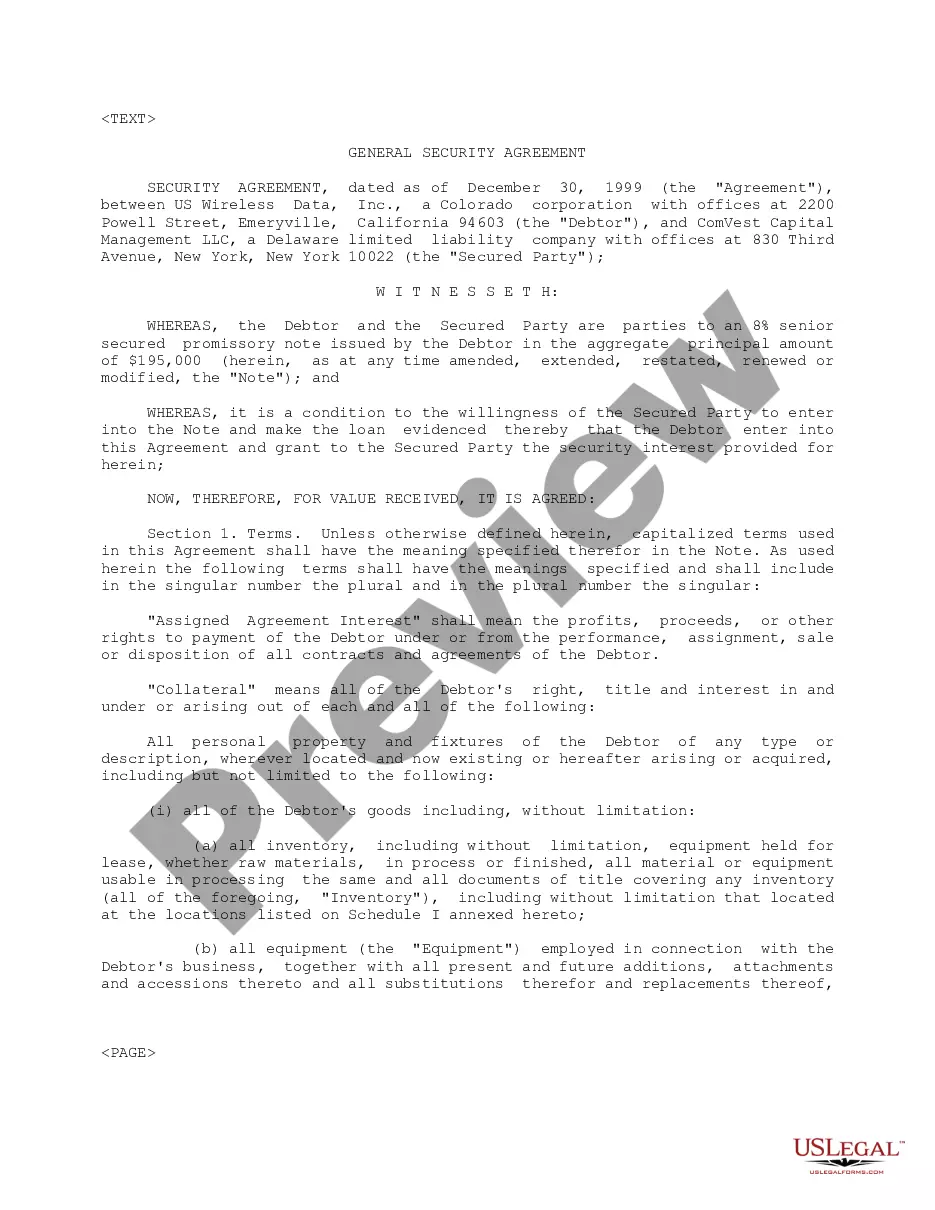
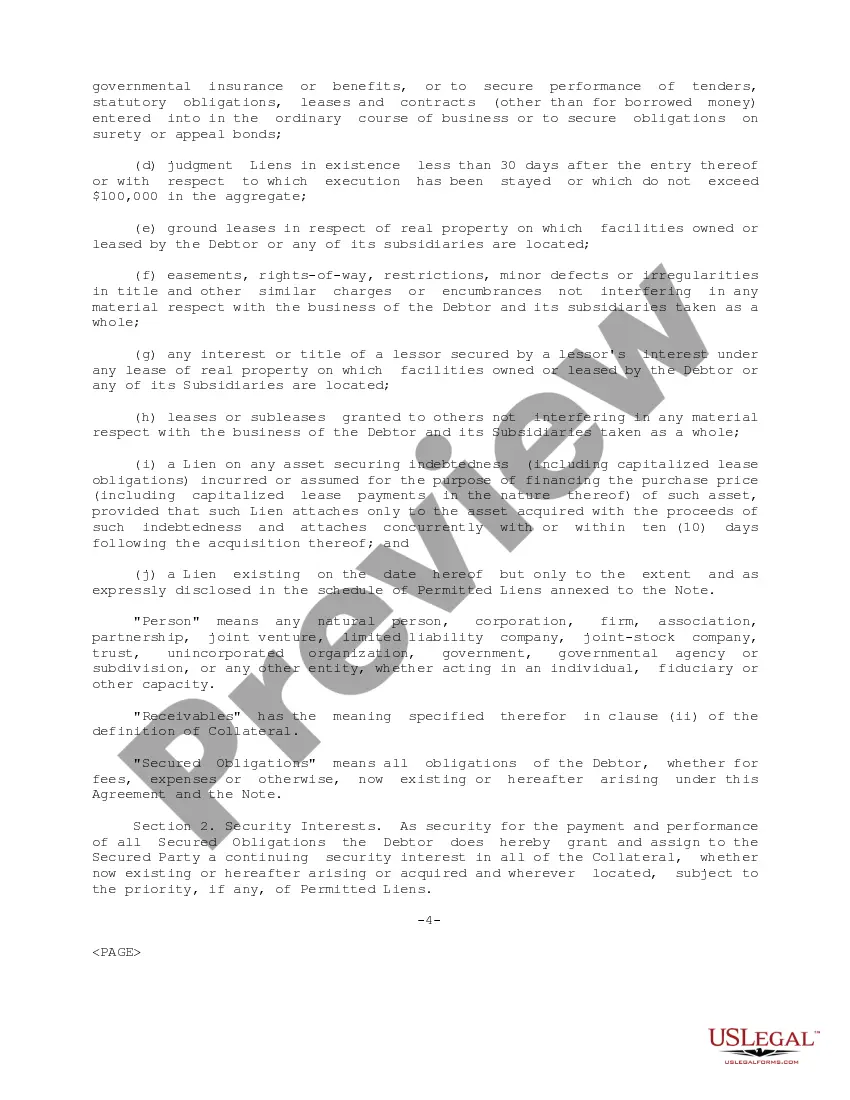
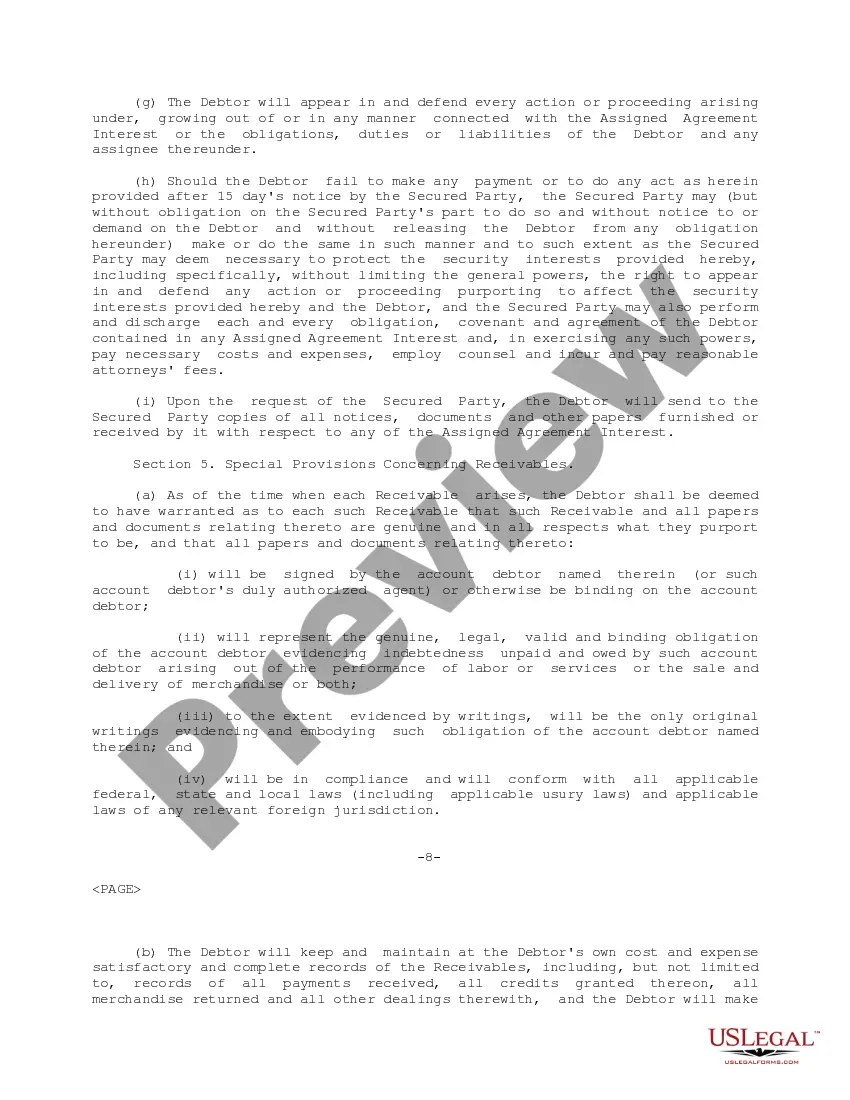
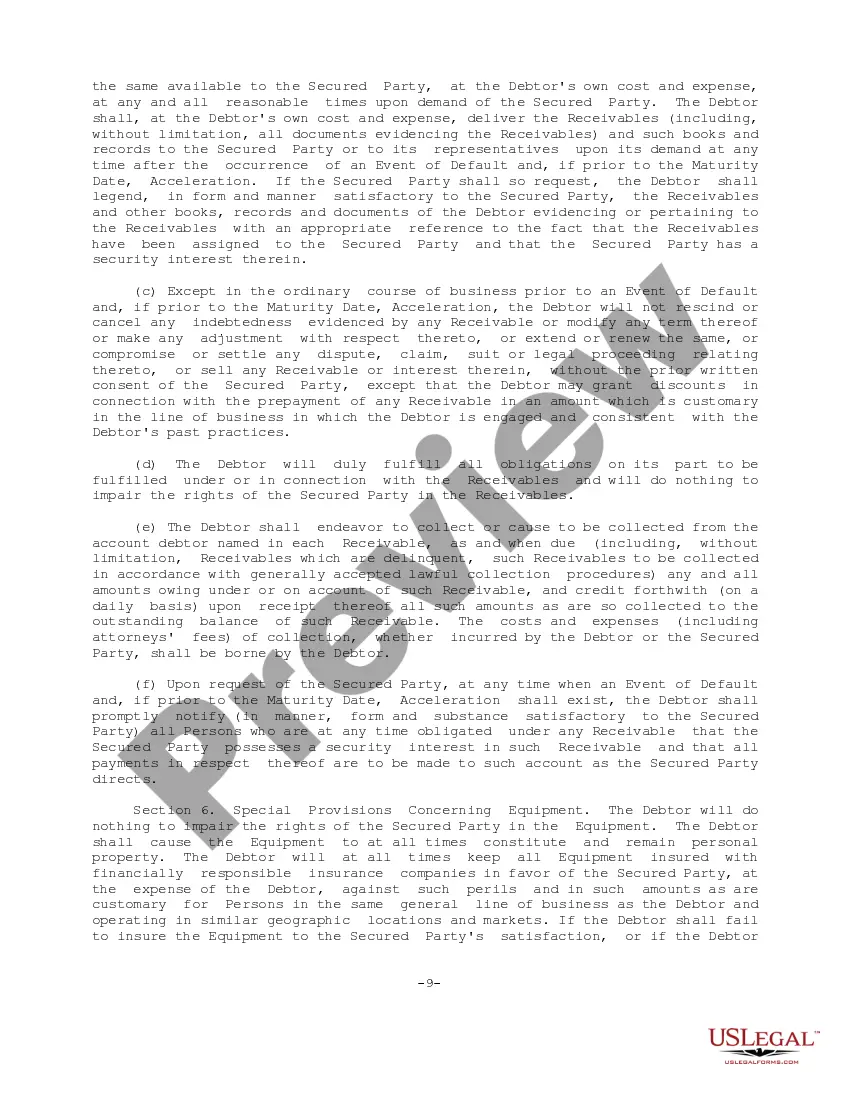
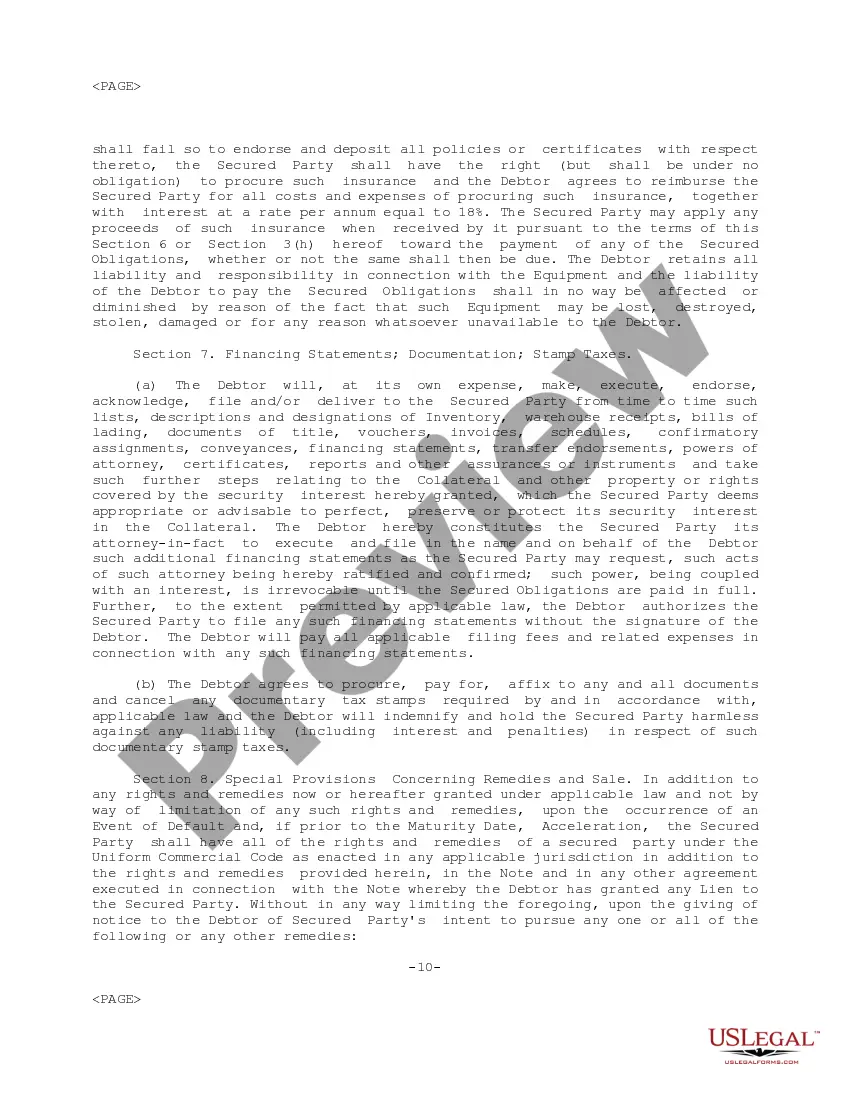
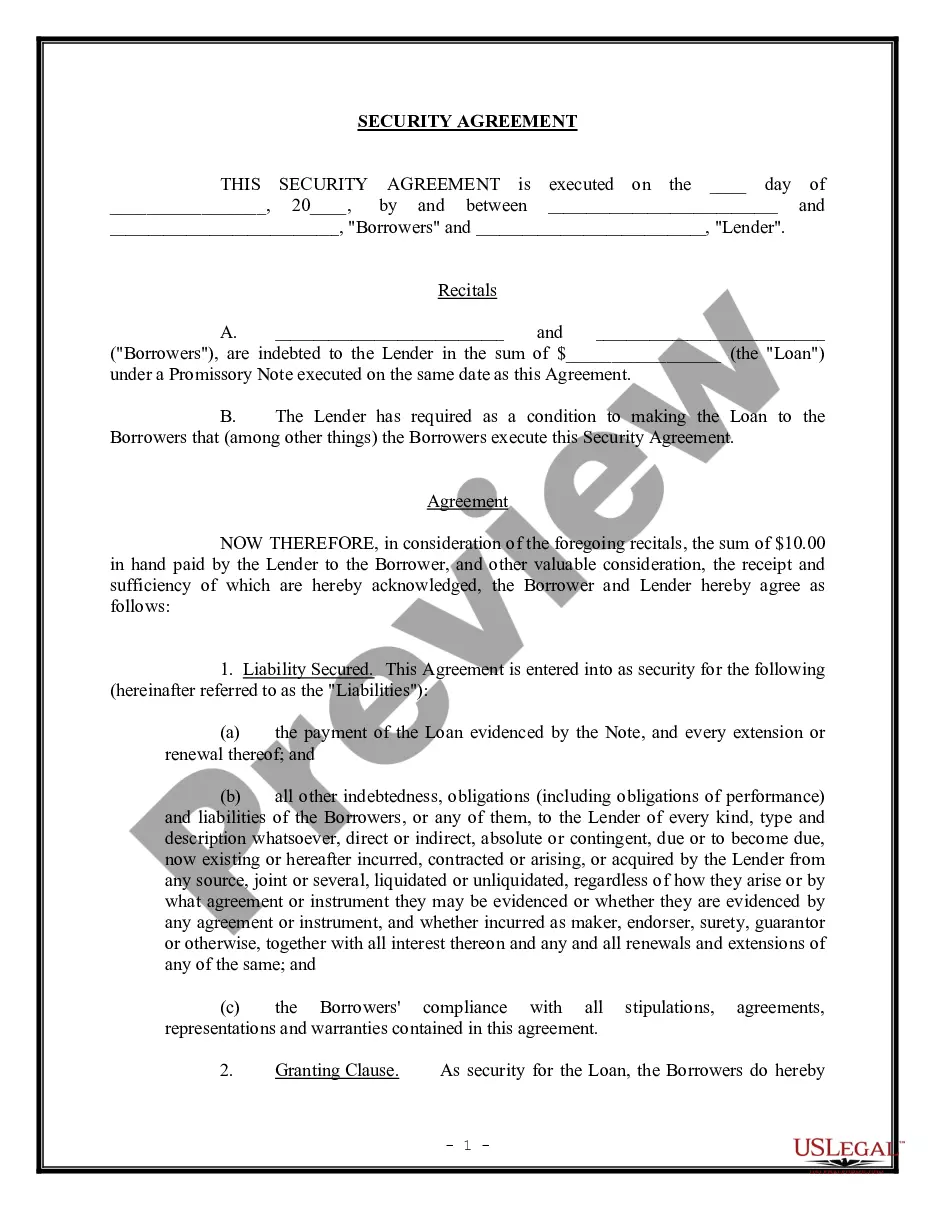
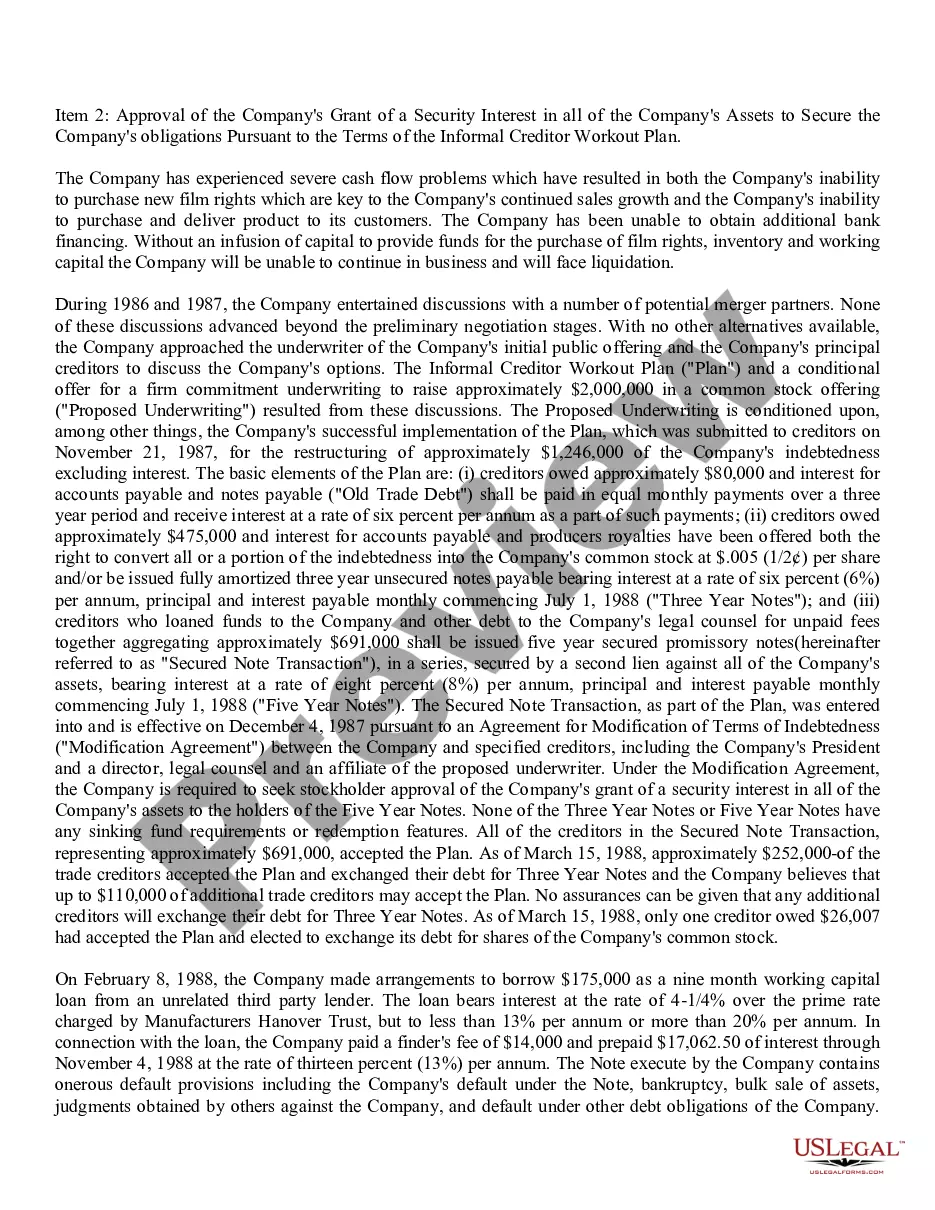
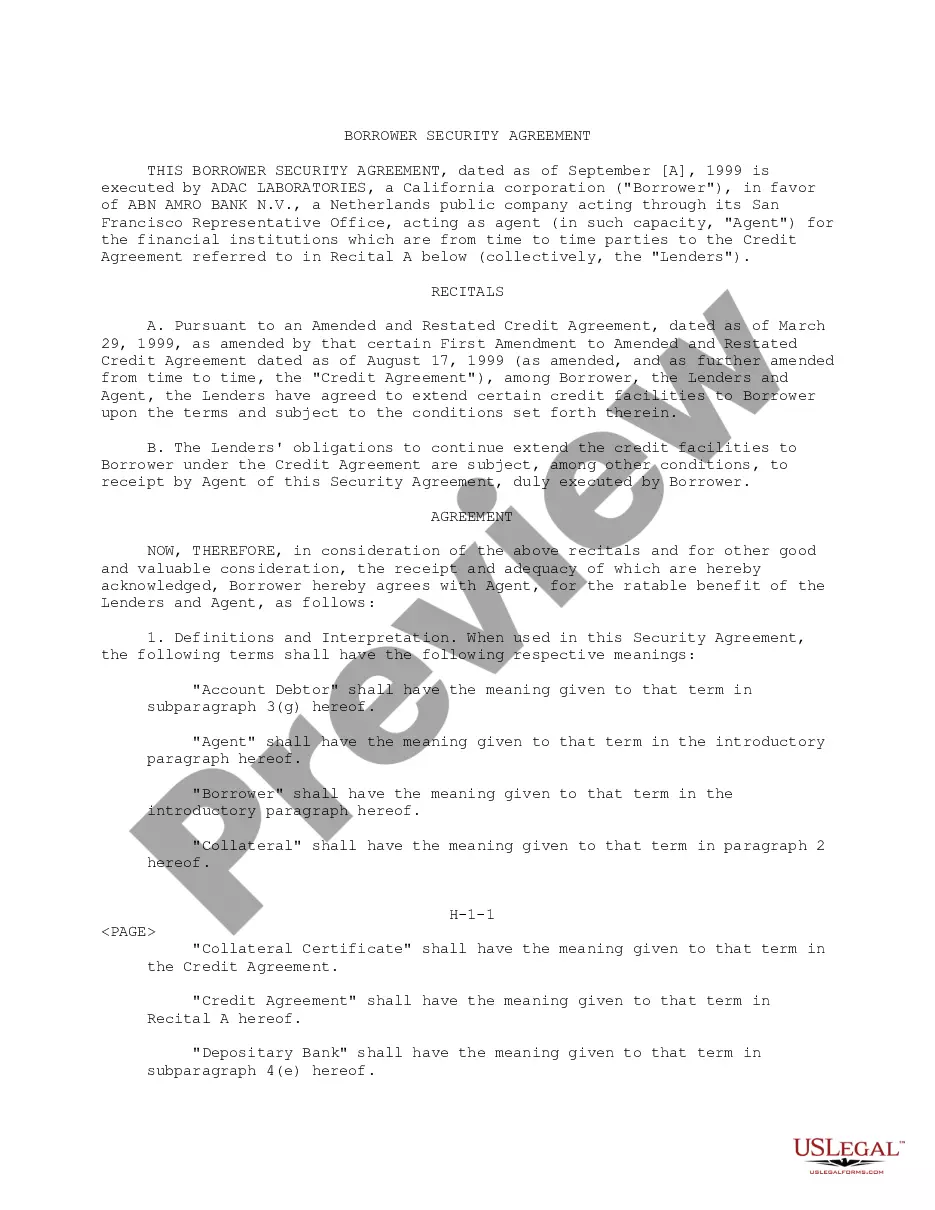
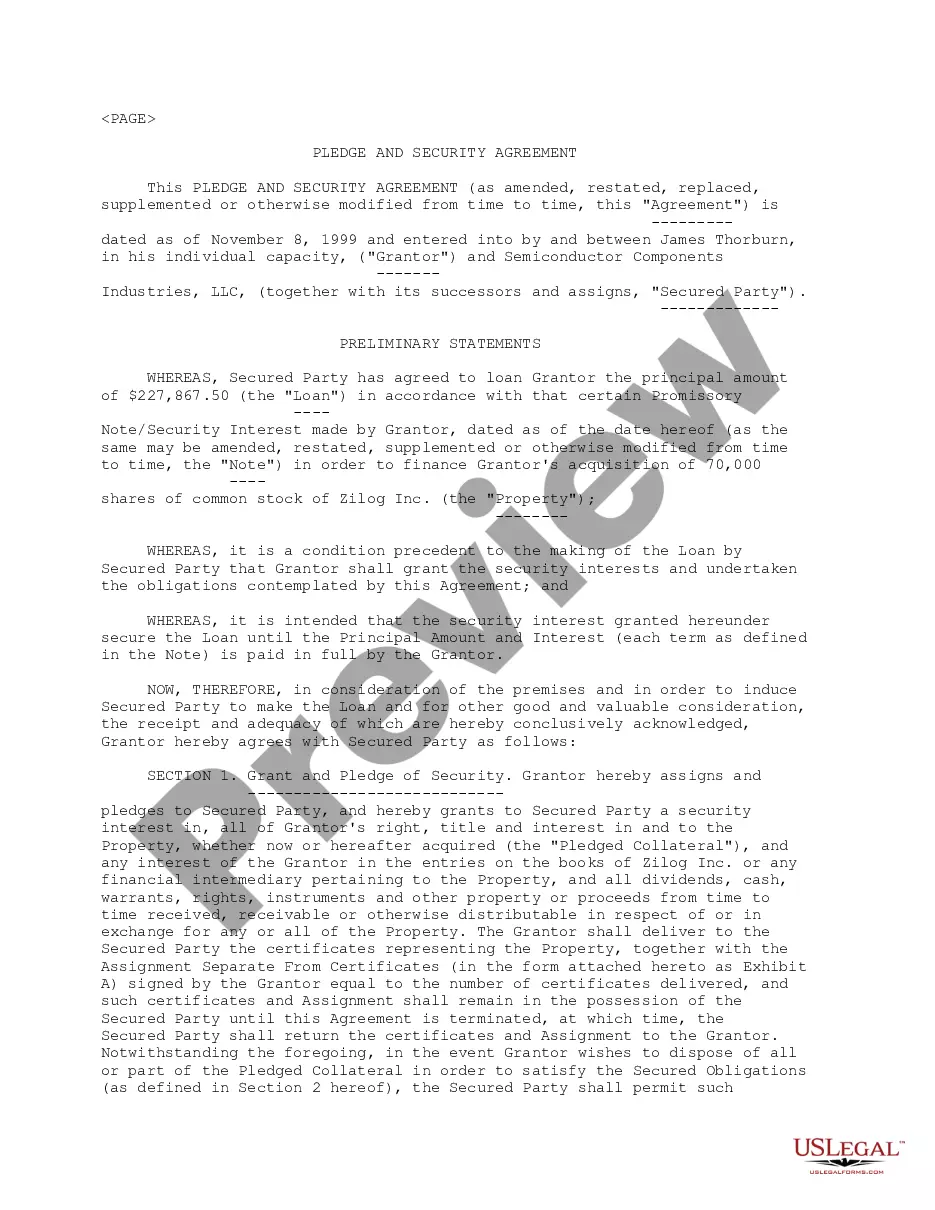
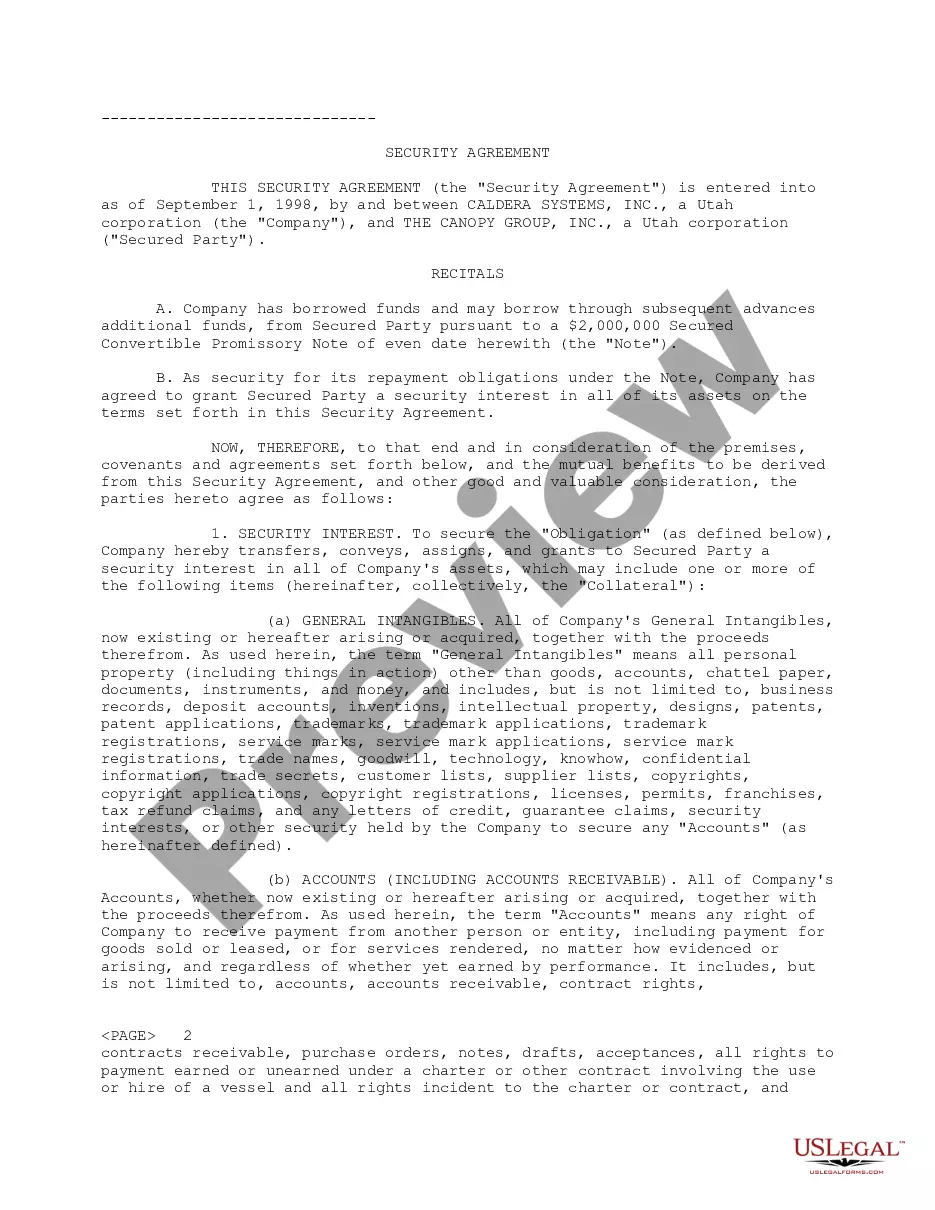
The General Security Agreement is a legal document that grants a secured party a secured interest in a debtor's assets. This agreement is crucial for establishing the rights of a lender in the event of default. Unlike other forms of security agreements, this document specifies the collateral involved and the obligations of the debtor, ensuring that creditors have a legal claim on the pledged assets.
Main sections of this form
- Identification of the parties involved (Debtor and Secured Party).
- Definitions of key terms such as "Collateral" and "Secured Obligations."
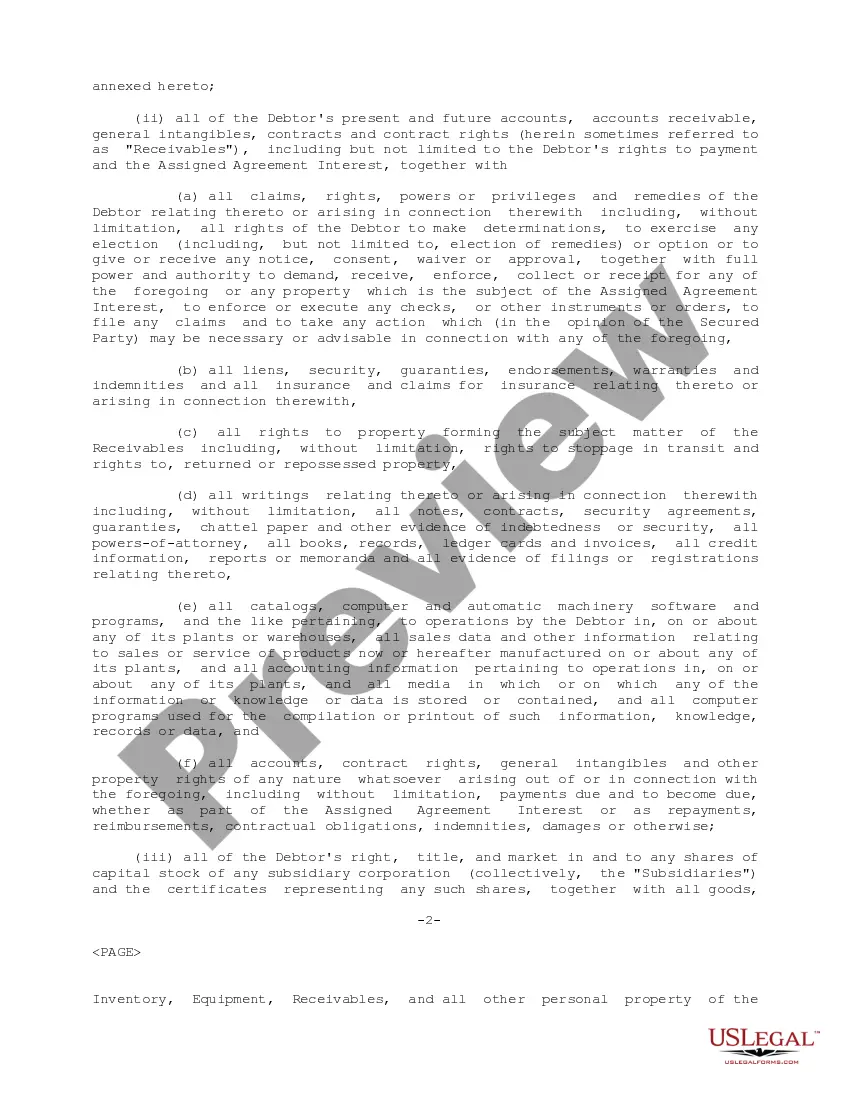
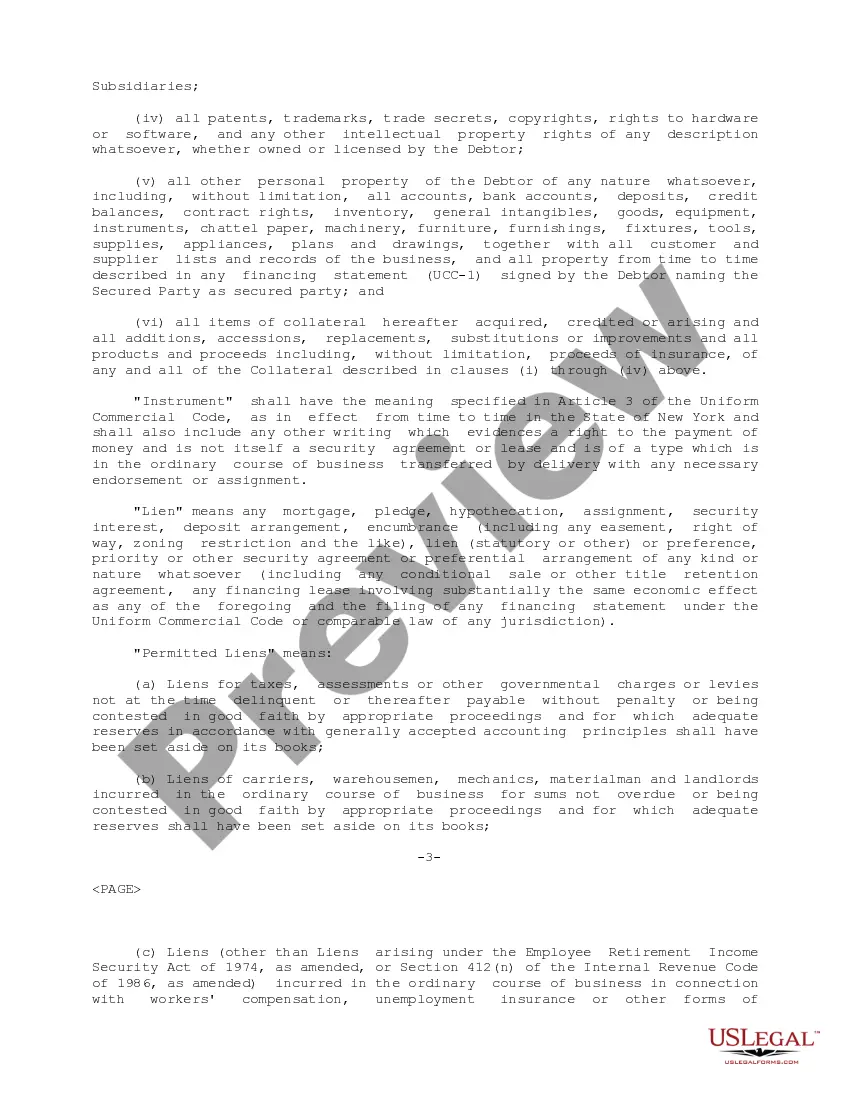
- A detailed description of the secured interest and collateral types.
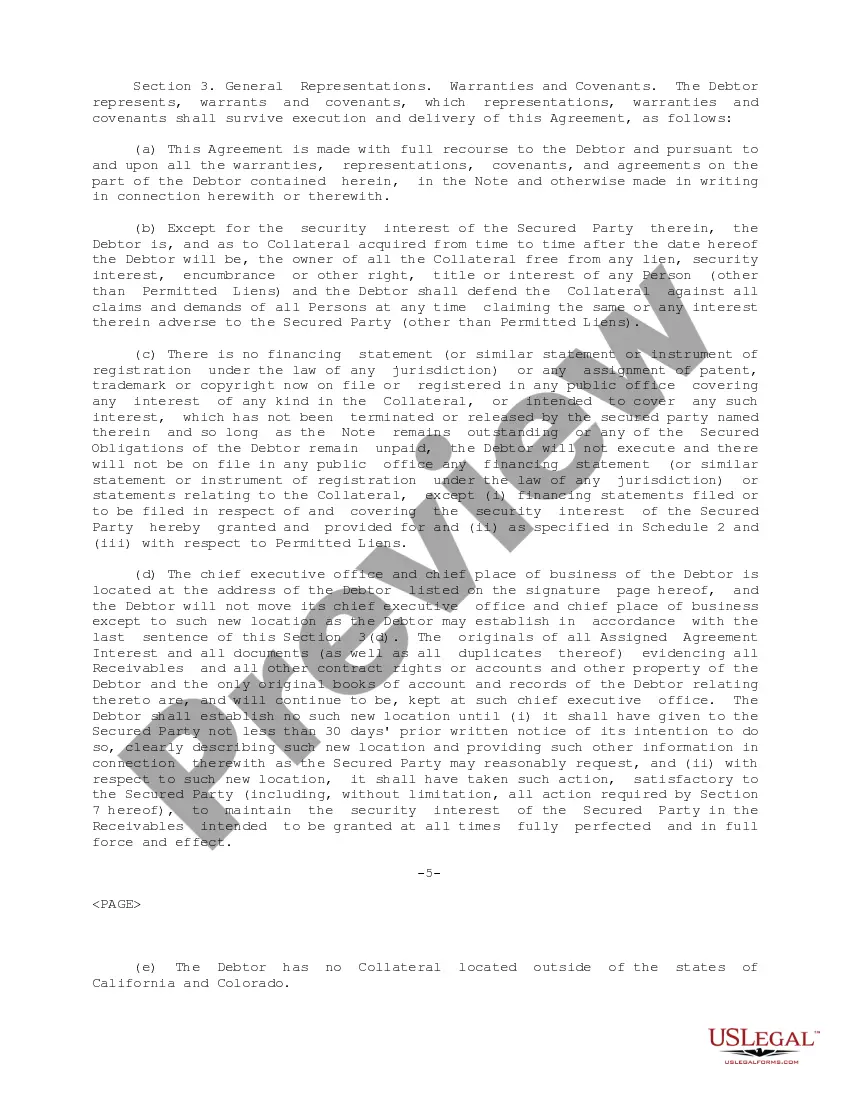
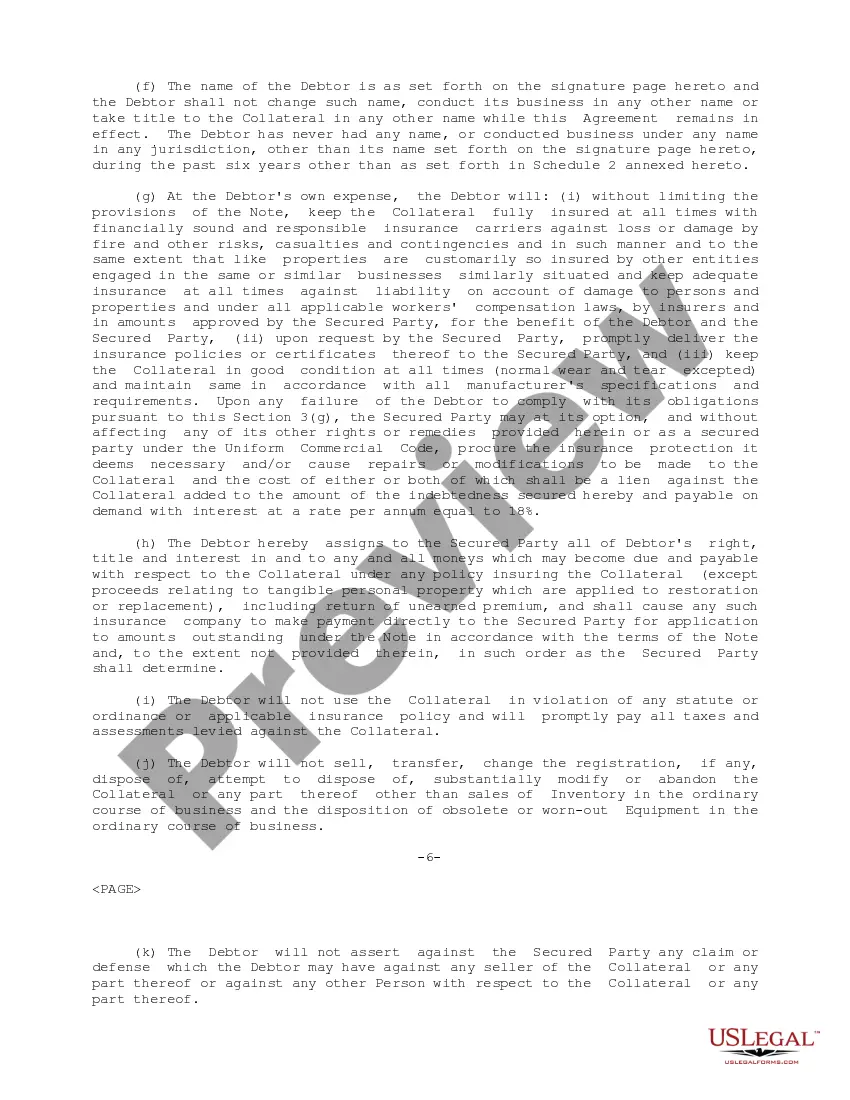
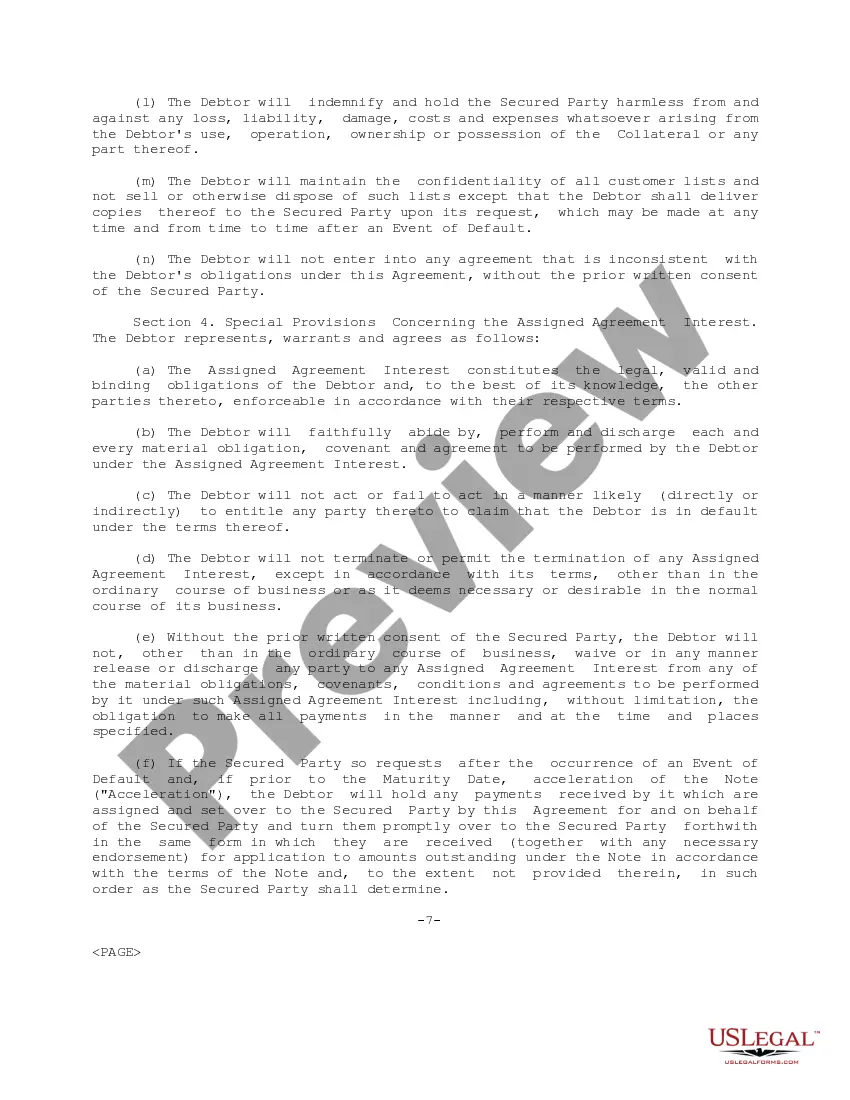
- General representations and warranties provided by the debtor.
- Provisions for remedies and the application of proceeds in case of default.

When to use this document
This form should be used when a business or individual seeks to secure a loan or credit with collateral. It is typically employed in commercial transactions where lenders require assurances for repayment. If a business needs financing but lacks adequate cash flow, a general security agreement offers a way to secure that financing by pledging assets. It also comes in handy for businesses looking to establish lines of credit with suppliers or other creditors.
Who needs this form
This form is intended for:
- Business owners seeking to obtain loans with secured interests.
- Creditors looking to safeguard their loans against debtor defaults.
- Finance professionals assisting clients in formalizing lending agreements.
- Legal practitioners drafting agreements for client transactions.
Steps to complete this form
- Identify the parties: Enter the legal names and addresses of both the debtor and secured party.
- Describe the collateral: Clearly outline the assets that are being used as security.
- Specify the obligations: Define all secured obligations as described in the agreement.
- Review representations and warranties: Ensure the debtor confirms their ownership and right to pledge the collateral.
- Sign and date the agreement: Both parties must sign the document for it to be legally binding.
Notarization guidance
This form does not typically require notarization unless specified by local law.
Get your form ready online
Our built-in tools help you complete, sign, share, and store your documents in one place.
Make edits, fill in missing information, and update formatting in US Legal Forms—just like you would in MS Word.
Download a copy, print it, send it by email, or mail it via USPS—whatever works best for your next step.
Sign and collect signatures with our SignNow integration. Send to multiple recipients, set reminders, and more. Go Premium to unlock E-Sign.
If this form requires notarization, complete it online through a secure video call—no need to meet a notary in person or wait for an appointment.
We protect your documents and personal data by following strict security and privacy standards.

Make edits, fill in missing information, and update formatting in US Legal Forms—just like you would in MS Word.

Download a copy, print it, send it by email, or mail it via USPS—whatever works best for your next step.

Sign and collect signatures with our SignNow integration. Send to multiple recipients, set reminders, and more. Go Premium to unlock E-Sign.

If this form requires notarization, complete it online through a secure video call—no need to meet a notary in person or wait for an appointment.

We protect your documents and personal data by following strict security and privacy standards.
Avoid these common issues
- Failing to accurately describe the collateral.
- Not including all necessary parties in the agreement.
- Leaving the form unsigned or undated.
- Overlooking local filing requirements or statutory fees.
Benefits of using this form online
- Convenience of downloading and filling out the form at your own pace.
- Editability allows customization to meet specific legal needs.
- Access to professionally drafted documents ensures reliability and legal compliance.
Legal use & context
- The General Security Agreement creates legally binding obligations for both the debtor and secured party.
- It provides a clear outline of rights and remedies if the debtor defaults on their obligations.
- Ensuring proper execution can help prevent disputes in the future.
Key takeaways
- This form secures interests in a debtor's assets to benefit lenders.
- Proper completion and execution are crucial for enforceability.
- Review region-specific laws for compliance when using the agreement.
Looking for another form?


Form popularity
FAQ
A security interest is a legal right granted by a debtor to a creditor over the debtor's property (usually referred to as the collateral) which enables the creditor to have recourse to the property if the debtor defaults in making payment or otherwise performing the secured obligations.
Three things must be present in order for the secured party to obtain a protected security interest in the collateral: 1) the secured party must pay for or give something of value in exchange for receiving the security interest, 2) the debtor must own the collateral or have proper authority over the collateral in order
This practice note discusses the requirements for the attachment and perfection of consensual security interests in personal property under Article 9 of the Uniform Commercial Code (UCC). A security interest is said to attach to collateral when it becomes a right that is enforceable against the debtor's property.
UCC-1 Financing Statements do not have to be signed by either the Debtor or Secured Party; however, they must be authorized.Although the UCC-1 Financing Statement does not require signatures, any attachment such as the legal description or special terms and conditions may require the signature of the Debtor.
Overview: The debtor typically represents and warrants to the secured party that: the debtor has suf- ficient rights in, or power to transfer rights in, the collateral for the secured party's security interest to attach (§9-203(b)(2)); the collateral is either not encumbered or, if encumbered, the encumbrances are
Unperfected Security Interests: When one secured party has a perfected security interest in collateral and another secured party has an unperfected security interest in the same collateral, the perfected interest prevails.
It should be noted that UCC financing statements filed now generally do not contain a grant of the security interest and generally are not signed or otherwise authenticated by the Debtor and therefore would not satisfy the requirement of a security agreement.
Mortgage and security interest are two similar terms, both referring to a collateral created in order to secure a debt by one party to the other.The basic difference is that mortgage is a traditional way of securing obligations under the common law, typically used in property transactions.